How Much Do Acne Treatments Cost? What Drives the Price in Korea
A breakdown of how acne treatment costs are split across consultation, medication, extraction, injections, laser, and scar procedures, plus what to ask before you book.
Written by ATTITUDE Clinic Editorial Team
If you have started looking into acne treatment, cost is usually the first thing that stops you. Two cases that look like the same acne can end very differently: one visit may stop at a consultation and a prescription, while another continues into extraction, laser, and scar work. This article breaks down how acne treatment costs are divided, what moves the total, and what to prepare before your consultation.
The short answer
Acne treatment costs are not set by a single price list. Consultation and medication, extraction, inflammation injections, laser, and scar procedures are each separate items, and what you receive and how many sessions you need creates the total. According to the American Academy of Dermatology, a scar treatment plan takes into account the type and number of scars, your age and skin color, and your budget. That is why the first thing to decide is not "which procedure can I afford" but "what does my acne actually need right now." Follow that order and the number of items and sessions drops, which brings the total down too.
Why isn't there one set price for acne treatment?
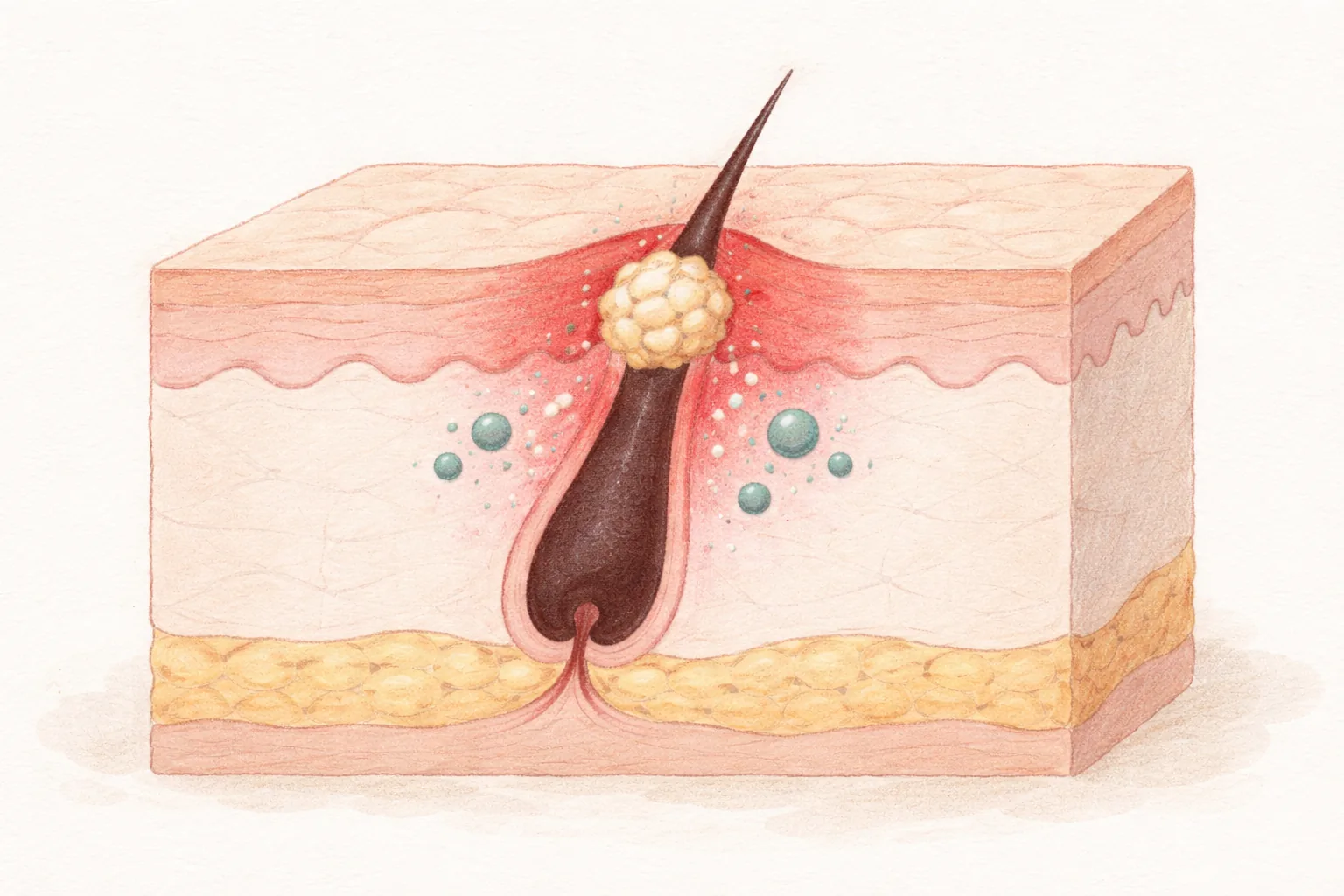
Acne starts inside the hair follicles (pores). Sebum and dead skin cells block the pore, and bacteria that feed on sebum multiply and cause inflammation. A ATTITUDE Clinic column explains this process and notes that even acne that looks the same can be approached differently depending on whether the main issue is excess sebum, a buildup of dead skin cells, or bacterial overgrowth. In other words, the treatment items themselves change depending on the cause, so the cost cannot be reduced to one number.
According to Cleveland Clinic, about 80% of people between the ages of 11 and 30 experience acne, and one in five of them are left with scars. The deeper the inflammation, the higher the chance of scarring, so the items that address inflammation early and the items that address scars later naturally sit in different buckets. If you lump acne treatment and scar treatment into one figure, it is hard to see why the total grows.
What are extraction, medication, and laser each used for?
Acne treatment broadly splits into reducing new breakouts and treating the marks and scars that already exist. Topical medication, oral medication, inflammation injections, and extraction are used to reduce new breakouts. According to the ATTITUDE Clinic column, in an early stage without inflammation, having a professional perform extraction rather than squeezing by hand can reduce irritation and the risk of infection. If the skin is already red and painful with active inflammation, calming the inflammation with localized treatment is considered before extraction.
Laser plays a different role depending on the target. The ATTITUDE Clinic column explains that PicoPlus targets pigment, VBeam targets shallow vessels and redness, and the erbium YAG laser addresses the skin surface and texture. Even with the same laser, the number of sessions and intensity change with what you are aiming at, so cost is driven by the target and the area, not by the device name.
The AAD lists chemical peels, laser resurfacing, topical medication, microneedling, and microdermabrasion for scars. These procedures usually do not finish in one session but continue over several, so the total cost is driven far more by the number of sessions needed than by the per-session price.
Why are scars and marks billed separately?
Acne scars are the result of inflammation breaking down the follicle wall. According to Cleveland Clinic, scars divide into indented types where tissue is lost and raised types where tissue overgrows, and indented scars come in different shapes such as ice pick, rolling, and boxcar. Because the procedure that fits best changes with the shape, the items and session counts differ even within the same "scar treatment."
The AAD notes that scar treatment costs are not covered by medical insurance. It also explains that scar treatment usually begins after the acne is somewhat controlled, and that you should tell your doctor about any acne medication you have used within the last 2 years before starting scar treatment. If you treat scars while breakouts are still active, new scars can form again, so changing the order actually increases the cost.
What drives the cost?
The biggest factor is the goal. Whether you are dealing with inflammation, red marks, brown pigment, or indented scars completely changes which items are used. The AAD states that a scar treatment plan considers the type and number of scars, your age and skin color, your budget, and how much time you have for recovery. The fact that budget is one element of the plan means cost is treated as a value you can adjust together in consultation rather than something to hide.
The second factor is area and session count. Whether you treat the whole face or only a specific area changes how much is needed, and how many sessions the same procedure continues for changes the total. According to the AAD, a gentle chemical peel can usually continue for 3–5 sessions at 2–4 week intervals, and fillers also require multiple sessions and maintenance. Microneedling is often used together with other treatments such as radiofrequency, chemical peels, and platelet-rich plasma (PRP) rather than alone, the AAD notes. Whether treatments are combined is also part of the cost structure.
The third factor is the practitioner and the recovery period. Even for the same item, the setup can differ depending on whether the doctor performs the procedure directly or a clinician handles it. Procedures that need recovery time also intersect with your daily schedule. The AAD notes that some procedures require downtime. If your schedule is tight, it is better to spread the order out with recovery in mind than to cram strong procedures into one visit.
Table 1 What drives the cost?
Treatment item
What it mainly addresses
What moves the cost
What to check in consultation
Consultation and medication
New inflammation and breakouts
Medication type and duration
Whether topical and oral medication are used together
Extraction
Sebum and dead skin cells inside blocked pores
Area (specific site/whole face), number of repeats
Whether extraction is standalone or includes calming care
Inflammation injection
Inflammation in large, painful nodules
Injection site and number of injections
Whether the injection site can become indented or change color
Laser (PicoPlus, VBeam, erbium YAG)
Pigment, redness, skin surface texture
Target, intensity, number of sessions
Whether your concern comes from pigment, vessels, or the surface
That scar treatment costs are not covered by insurance
Swipe sideways to see the whole table.
In short, acne treatment costs start from what is actually wrong with your skin, not from the procedure name. Calming inflammation first and treating marks and scars in stages reduces the items and sessions you need. In consultation, deciding together what is needed, what is not, and the order keeps the total reasonable.
If this sounds like you
If you have a ceremony or a shoot coming up
If you have a fixed important date, work backward from that date to decide the procedure type and intensity. A procedure you are trying for the first time right before a ceremony can overlap with redness or sensitized skin on the day. If you tell the clinic your date first during consultation, the items can be arranged with recovery time in mind.
If you want steady, ongoing management
Rather than going strong once, respecting the interval your skin needs to recover and placing only the necessary procedures at the right times puts less strain on you. If you split priorities instead of cramming inflammation treatment and scar treatment into the same day, the total cost also becomes easier to predict. Setting a goal and managing the remaining sessions cuts unnecessary repeats.
If your skin is sensitive or flushes easily
Laser or peeling can put stress on the skin barrier, so it is safer to set intensity and intervals conservatively. If redness or heat lasts longer than expected, do not rush the next procedure and check your skin's condition first. For sensitive skin, prioritizing recovery over repeating strong procedures to save money is the better path in the end.
If you are an overseas visitor on a short stay
If your stay is fixed, tell the clinic your return date and when you could next visit during consultation. Procedures that need recovery time are risky if they overlap with your schedule, so you can start with lower intensity or medication-focused treatment. Redness or dryness can remain after a procedure, so it is better to set a check-up appointment before you fly out.
Tell us before your consultation
Whether you have had a lot of sun exposure recently
Medications you are taking and skincare ingredients you are using (retinoids, acids, etc.)
Any experience of sensitive skin after a previous procedure
Any unavoidable dates such as a ceremony, shoot, trip, or departure
Acne treatments you have had so far and any medication used within the last 2 years
How ATTITUDE Clinic handles this
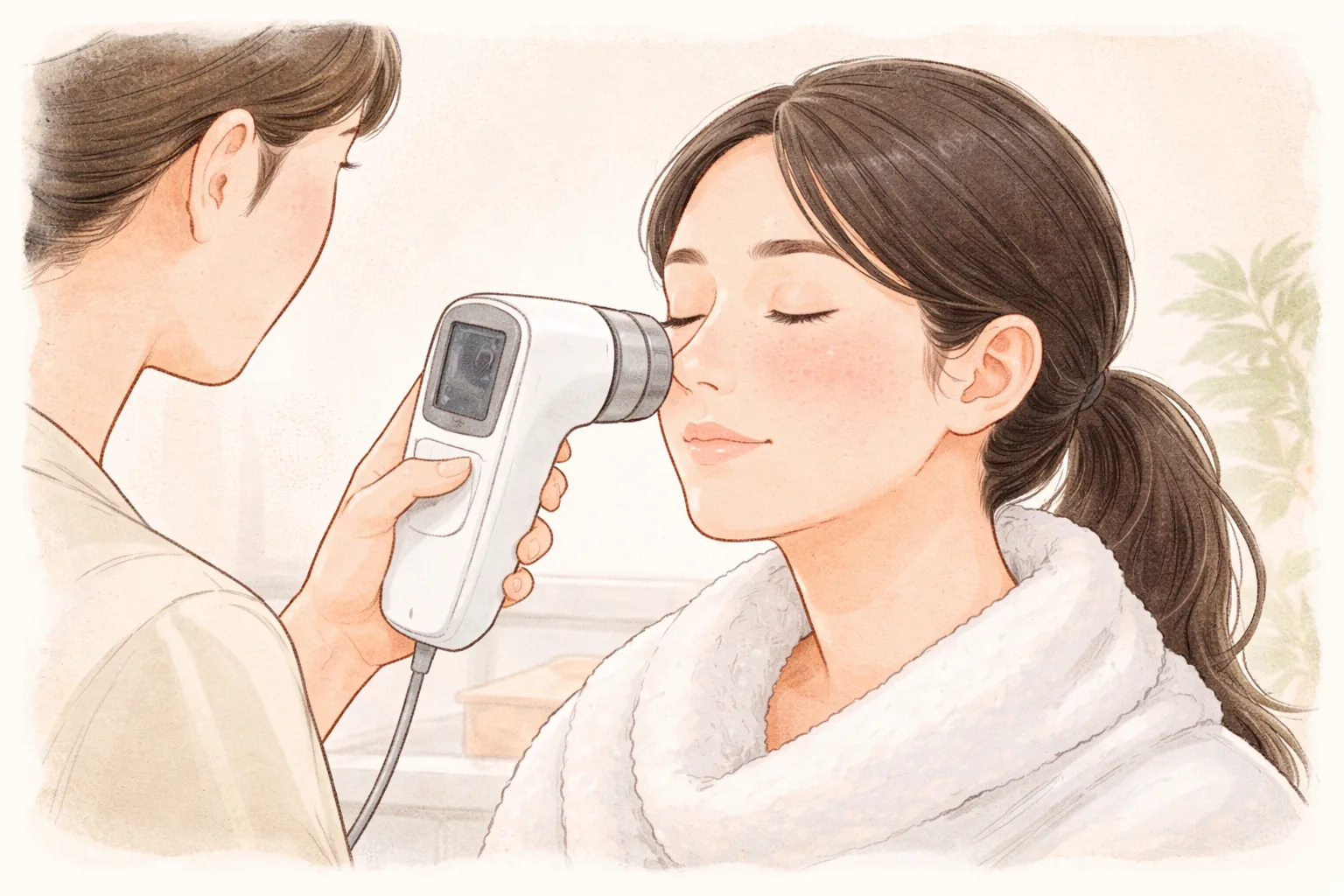
AI skin analysis record — Your current skin condition, including pigment, redness, texture, and pores, is documented with photos and records. The analysis tool records and organizes information to support the consultation; it is not a medical diagnosis. The doctor makes the judgment.
Doctor consultation to interpret the cause — Lifestyle factors such as sleep, stress, cosmetics, and diet, plus your schedule and budget, are added to the analysis record to decide which items are needed now and in what priority. Whether to address inflammation first or postpone marks and scars to a later visit is also decided at this stage.
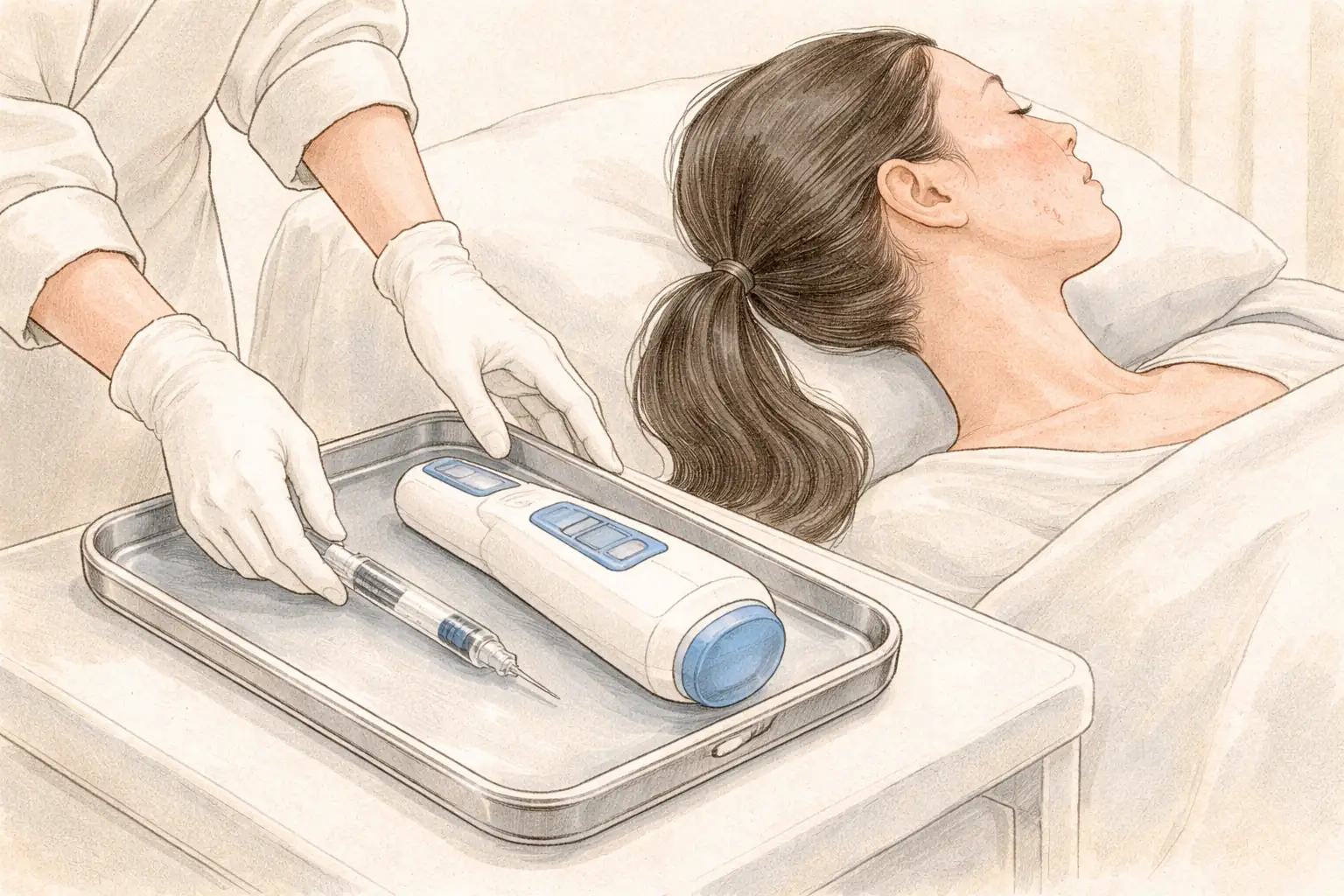
Procedure performed by the doctor — Extraction, laser procedures (such as PicoPlus), and injection treatment are performed directly by the doctor according to the cause and stage. What is needed and what is not, and the order, are decided together, and procedures beyond what is necessary are not recommended.
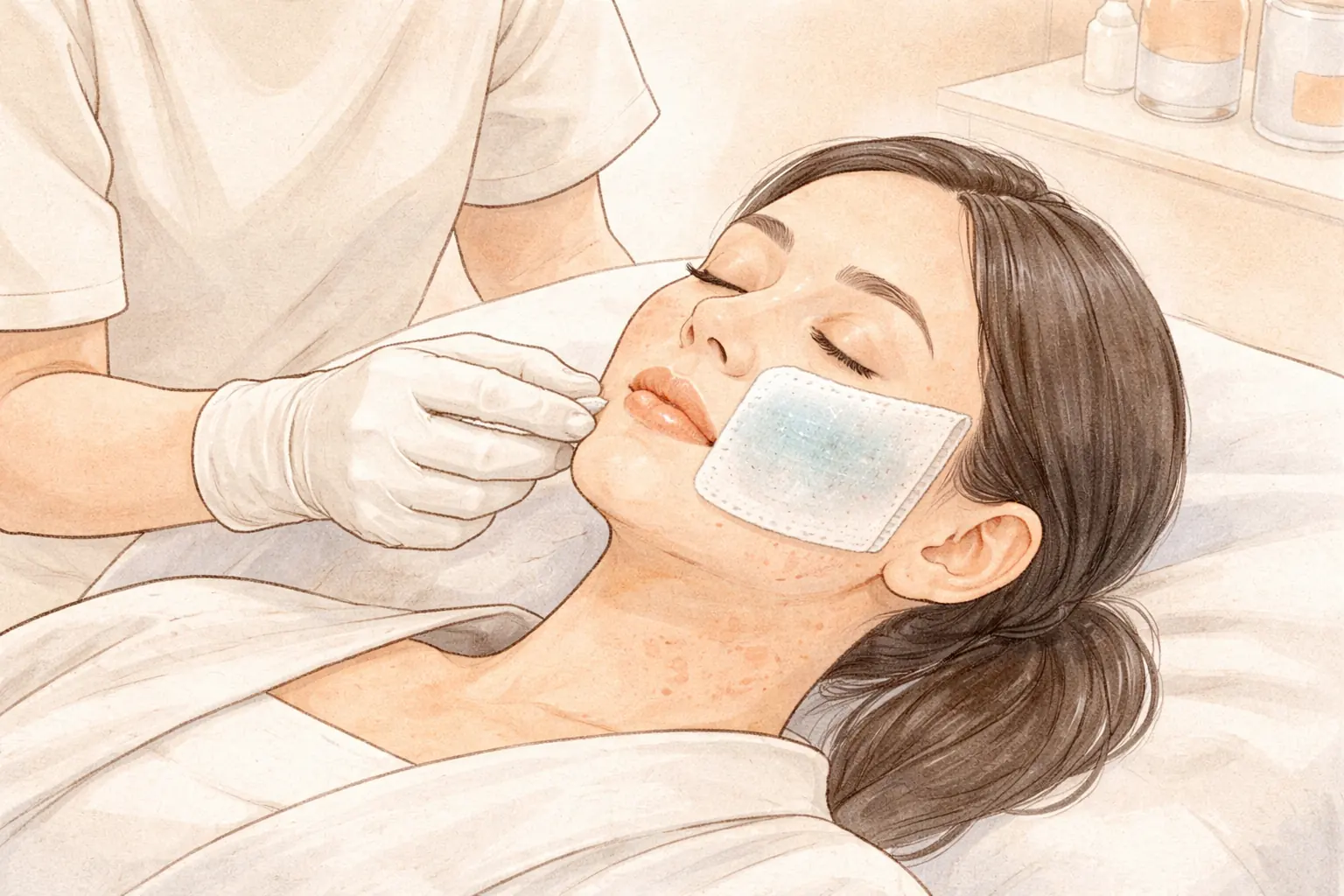
Recovery and care — After the procedure, keep up sun protection and moisturizing, and avoid saunas and strong exfoliation for the period you are advised. You are given guidance on when to return and how to care for your skin.
On this topic, the devices described in the ATTITUDE Clinic column are PicoPlus (pigment), VBeam (shallow vessels and redness), and the erbium YAG laser (skin surface and texture). Extraction and inflammation injections are also considered together depending on your acne stage. Which device is used and at what intensity depends on your skin condition and concerns.
Aftercare and side effects
Calming — Right after the procedure your skin is sensitive, so avoid strong friction or irritation and calm it with the method you are advised to use.
Moisturizing — Keep moisturizing so dryness does not develop. Do not pick at flaking skin with your hands.
Sun protection — Apply sunscreen during the day and cover up with a hat or parasol when going out. This helps reduce pigmentation.
Checking progress — If redness or heat lasts longer than expected or pain worsens, do not endure it and come in to be checked.
Common changes include redness, heat, swelling, and stinging. Pigment lasers or lasers that treat the surface can leave thin crusts, and VBeam can cause bruising. After extraction, temporary redness or marks can remain, and injections can leave the injection site indented or change skin color. Topical medication can cause dryness, flaking, redness, or stinging. Rarely, blisters, hypopigmentation, infection, scarring, or pigment recurrence can occur. The doctor explains these possibilities before the procedure.
Frequently asked questions
What determines the cost of acne treatment?
Consultation and medication, extraction, inflammation injections, laser, and scar procedures are each separate items, and what you receive and how many sessions you need creates the total. The American Academy of Dermatology notes that a scar treatment plan considers the type and number of scars, your age and skin color, your budget, and recovery time. In other words, the price is not set by one procedure name but adjusted according to your skin condition, goals, and schedule. In consultation, writing down the items you will receive and the expected number of sessions makes the total easier to estimate.
Does spending more on acne treatment give better results?
Spending more does not proportionally improve results. The AAD explains that scar treatment is not necessary for everyone and that some people combine several treatments. Ultimately, the deciding point is choosing the items that fit your current stage. Treating scars before inflammation is controlled can allow new scars to form and actually increase the cost. A consultation that separates what is needed from what is not is the shortcut to a lower total.
Is acne treatment covered by health insurance?
It depends on the country and the treatment item. The AAD notes that scar treatment costs are not covered by medical insurance. Some items, such as consultation and medication, may be covered, while others, such as laser and scar procedures, are classified as non-covered. If you are treated in Korea, you can check in consultation which items are covered and which are not. It also helps to find out in advance whether you can file an insurance claim.
When should acne scar treatment begin?
It usually begins after the acne is somewhat controlled. The AAD advises treating the acne first before scar treatment and having a stage where you manage your skin so new breakouts do not appear. Before starting scar treatment, you should tell your doctor about any acne medication you have used within the last 2 years. Treating scars while inflammation is still active can allow new scars to form, so it is better to keep the order.
How do I choose a good place for acne treatment?
It is better to look at the consultation process than the device list. First, whether they check whether your concern is inflammation, marks, or scars. Second, whether they explain the items needed, the expected number of sessions, and the cost structure. Third, whether they tell you in advance about insurance coverage for scar treatment and the recovery period. Fourth, whether you can be checked if you feel discomfort after the procedure. Even for the same procedure, intensity and intervals change with your skin condition, so a place with a flow of recording and judging your condition is good.
At a glance
Table 2 At a glance
Item
Key point
Cost structure
Consultation and medication, extraction, inflammation injections, laser, and scar procedures are each separate items
What sets the total
Goal (inflammation/marks/scars), area, number of sessions, whether treatments are combined, recovery time
When to start scar treatment
After acne is controlled, and tell the doctor about medication used within the last 2 years
Insurance
Scar treatment costs are not covered by medical insurance per the American Academy of Dermatology
ATTITUDE Clinic approach
AI skin analysis record → doctor consultation → procedure performed by the doctor → recovery care
Before consultation
Tell us your schedule, medications, skincare ingredients, and reactions to previous procedures
This article offers general health information. It is not a substitute for diagnosis or treatment based on your own condition, so please talk through your situation with a doctor.