Adult Acne: What Should You Have Checked Before Choosing a Treatment?
A guide to what gets checked before treating adult acne in Gangnam, Seoul: how to record inflammation and recurrence, how medication, lifestyle care and procedures are prioritized, and how follow-up and scar prevention are discussed.
Written by ATTITUDE Clinic Editorial Team
Once you book an adult acne consultation, the first thing that stops you is the question of whether you need a procedure at all, or whether you should start with medication. The same spots keep coming back around your chin and mouth, and the places you squeezed before are left red — and it is hard to tell where to start. This article walks through what to record before your consultation, how to separate inflammation from marks, and how the order of medication, lifestyle care and procedures gets decided in the clinic.
The short answer first
Before deciding on a procedure, the first step is telling apart the inflammation you have right now from the marks left behind. When acne is still actively flaring, calming the inflammation comes before scar treatment, and scars and marks are usually dealt with after the acne is controlled. How fast you recover and how your skin responds depends on skin thickness, barrier condition and lifestyle factors, so the same method comes with different session counts and intervals for different people. At the consultation, go through the expected results and risks, alternatives, the practitioner's experience, how many sessions and how much recovery time are needed, preparation and aftercare, and cost. (American Academy of Dermatology guide to questions for your consultation)
Why does adult acne keep returning to the same spots?
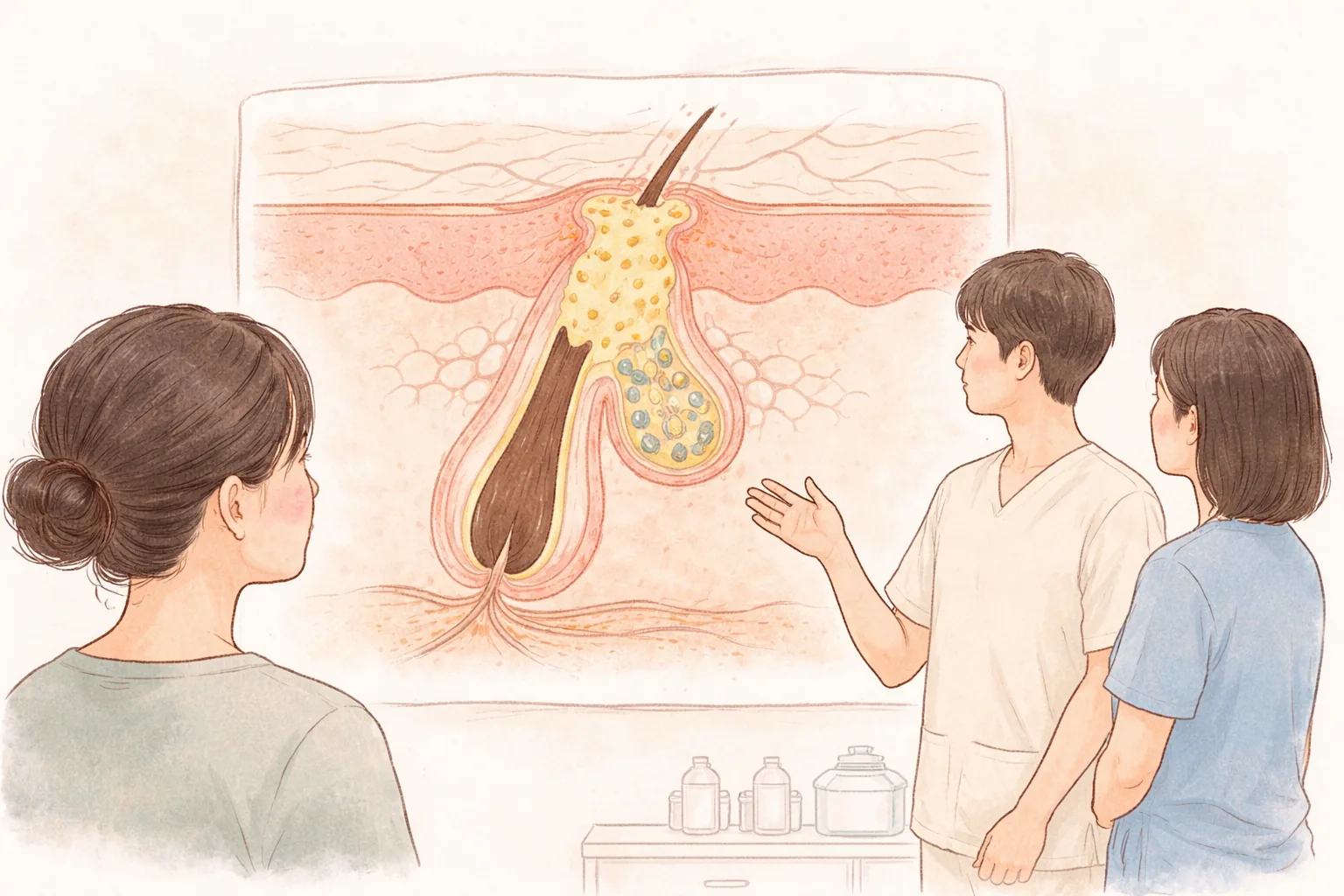
Acne starts inside the pore. Sebum made by the sebaceous gland travels out through the pore, and when dead skin cells and sebum clump together and block the opening, pressure builds inside. Cutibacterium acnes, which feeds on sebum, multiplies and inflammation follows. A pore that has once been inflamed can be left with damage to its wall, making it a structure where sebum and dead skin cells easily build up again — which is why the same spot can flare repeatedly. (ATTITUDE Clinic column)
Where it repeats is also a clue. The chin and the area around the mouth are sensitive to hormonal shifts, so breakouts there often repeat when your menstrual cycle, lack of sleep and stress overlap, while on the cheeks irritation tends to concentrate wherever your pillow, hands or mask touch. Location alone, though, is not enough to pin down a cause. If the same spot flares 3 or more times, if the inflammation is deep and painful, or if marks left after squeezing linger, it could be a lesion other than acne, and an examination is needed.
Squeezing with your hands makes recurrence worse. The moment you squeeze, sebum and bacteria spread into the surrounding tissue and the area of inflammation widens, and damage to the pore wall can leave an irregular structure even after healing. When inflammation deepens, it can reach the dermis and lead to indented scars or red marks.
What should you record about inflammation and marks before the consultation?
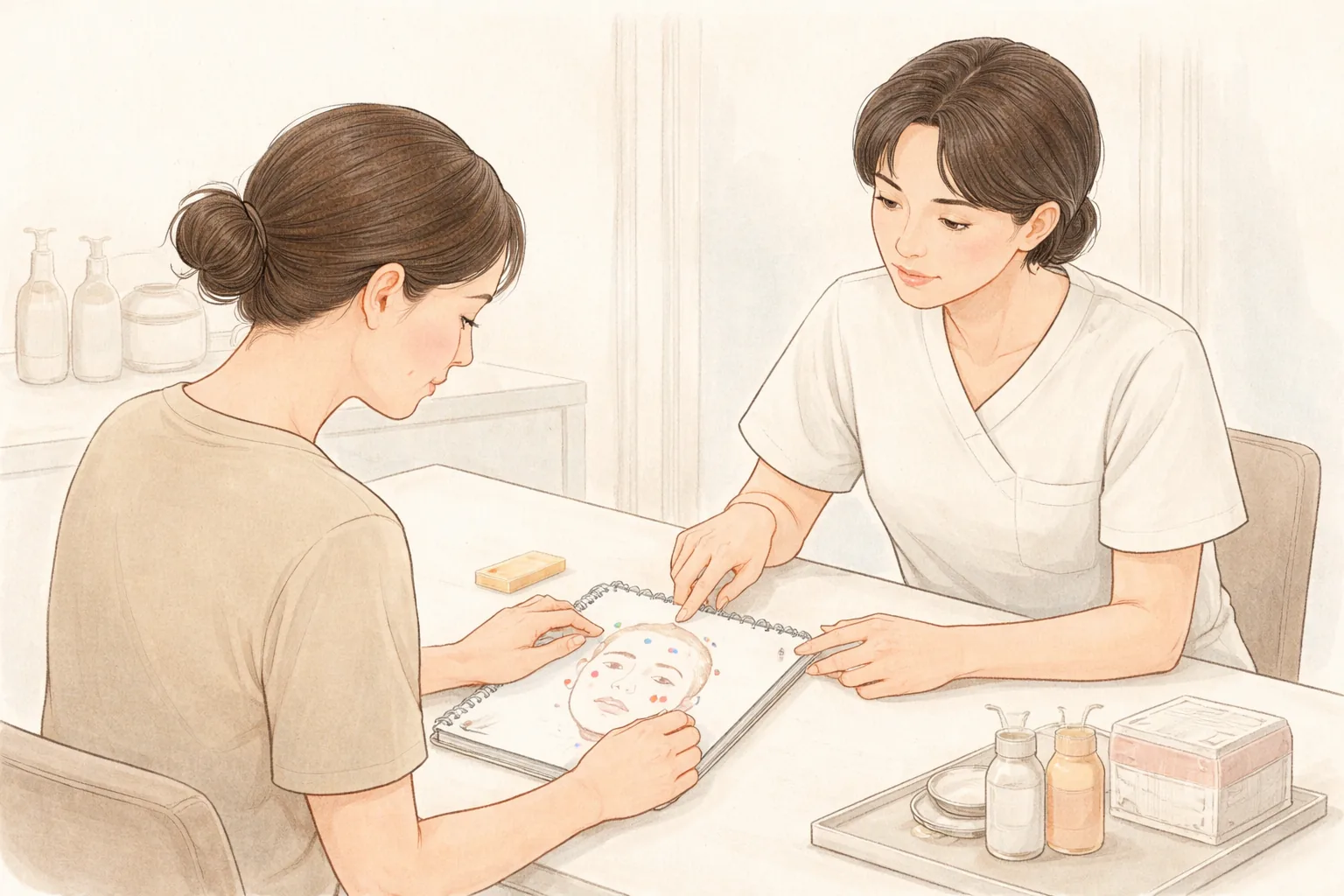
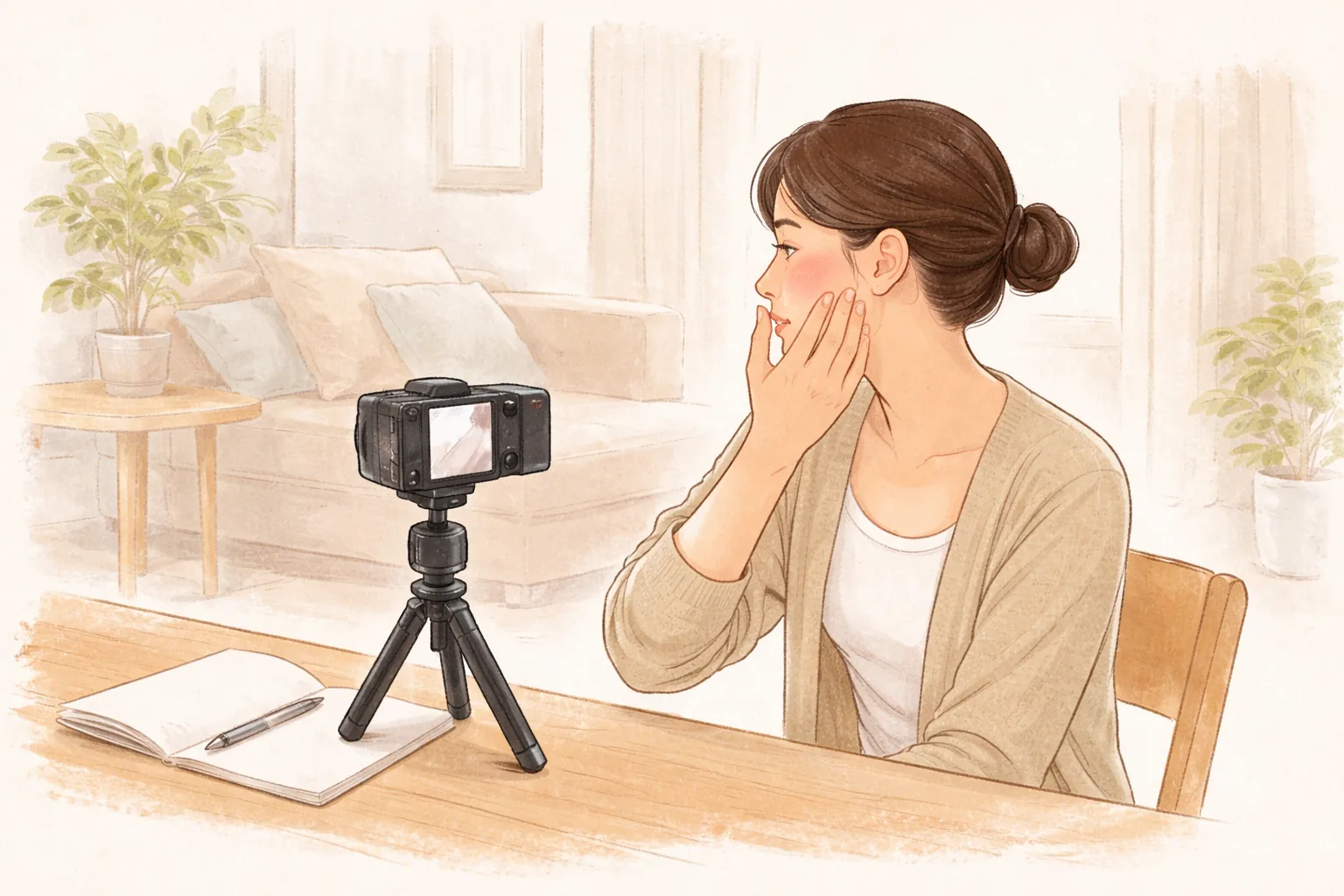
The most frustrating consultations are the ones where it is hard to explain in words when breakouts started, where they appear, and how often they come back. Taking photos on your phone under the same lighting and from the same angle, and noting when it first appeared, how often it repeats, the degree of pain and redness, whether you have squeezed, and what changed afterwards, gives the consultation a starting point.
Also put together a list of medications you take, topical products you use, and any recent procedures. Topical acne medication can cause dryness, flaking, redness and stinging, and after extraction a temporary red mark can remain, so when you started which product affects the next step. If you are a woman, noting whether lesions get worse with your menstrual cycle also helps read the pattern of recurrence.
Records do not replace a diagnosis. Photos and notes are only material for explaining your condition at the consultation, and the actual judgment is made by looking at your skin directly. Still, records make a big difference in telling apart whether breakouts repeat in the same spot or spread widely, and whether what you see is a mark or active inflammation.
Of medication, lifestyle care and procedures, what comes first?
If acne is still actively flaring, the plan starts with control. According to the American Academy of Dermatology, when acne breakouts continue, acne treatment comes first, and stopping the breakouts helps reduce inflammation and prevent new scars, while scar treatment often begins once the acne is controlled and you are at the stage of applying medication that prevents new lesions. (American Academy of Dermatology guide to scar treatment)
So at the consultation, the first things looked at are how deep the inflammation has gone and how short the recurrence cycle is, rather than whether a procedure is needed. If inflammation is shallow and recurrence is rare, you check how far topical medication, cleansing and moisturizing can control it; if deep nodules or cysts keep returning, medication is considered alongside. Procedures are an option layered on top of that control.
With lifestyle care, we also look at factors that create repeated irritation, such as sleep, stress, your menstrual cycle, and habits like a mask or your hair touching your face. These factors do not carry the same weight for everyone. Which factors overlap with your own recurrence cycle gets sorted out together at the consultation.
Why does the same concern get a different approach?
Even under the single word "acne," what is visible on your skin now and the marks left behind sit in different layers. Comedones and inflammation are lesions in progress right now, while red marks and indented scars are what is left after inflammation has passed. Layering scar treatment onto active inflammation can irritate it and trigger new breakouts, so inflammation is usually settled first and marks and indentations are dealt with afterwards.
Table 1 Why does the same concern get a different approach?
What is visible now
Approach usually considered
What to check at the consultation
Comedones and sebum
Care that helps sebum and dead skin cells clear, extraction if needed
The blocked pattern and distribution, how much can be extracted without irritation
Inflammatory papules and pustules
Control inflammation first, consider topical and oral medication together
Depth of inflammation and pain, how fast it spreads, other medications being taken
Red marks and redness
After inflammation settles, an approach to vascular lesions (Vbeam, etc.)
Telling active inflammation from leftover marks, skin reactivity
Indented scars
Fractional laser (erbium fractional, etc.), subcision and dermal filler among several options
Scar type and depth, skin tone, how much recovery time is available
Swipe sideways to see the whole table.
In short if there is inflammation flaring right now, controlling it comes before choosing a procedure. Marks and indentations are approached after inflammation settles, based on their type and depth. The first thing to confirm at the consultation is not which device will be used, but which stage you are at right now.
If this sounds like your situation
When a ceremony or shoot date is already set
If the date is fixed, procedures with long recovery times are scheduled by counting backwards. Downtime varies from a few hours to 2 weeks depending on the type of laser and its output, so telling the clinic up front how many days you can set aside makes planning easier. (ATTITUDE Clinic column)
When you want steady, ongoing care
Recording your recurrence cycle gives you a basis for adjusting intensity at the next visit. Rather than completing a set number of sessions, deciding what is needed and in what order according to the stage you are at fits recurrence management better. Adjusting, one by one, the lifestyle factors that overlap for you is part of the same approach.
When your skin is sensitive and reddens easily
When the barrier is weak, the same energy can feel much more irritating. Telling the clinic that you have sensitive skin or atopy, and whether your skin has been irritated recently, gives them a basis for adjusting output and intervals. If recovery is slow, delaying the next step is part of the judgment too.
When visits are spaced far apart
If it will be a long time until your follow-up, leaving photos and notes on the changes in between helps the consultation. Set the next check-up point in advance, and decide at the consultation what changes in the meantime would warrant getting in touch. If your recurrence cycle is regular, care can be planned around that timing.
Tell the clinic before your consultation Let them know whether you have had a lot of sun exposure in the last 2 weeks, what medications you take and what topical acne products you use, and your history of acne treatment over the past 2 years. If your skin is sensitive or you have had redness and swelling linger after a previous procedure, or if you have limited recovery time and important dates coming up, mentioning them helps with planning.
How ATTITUDE Clinic handles this
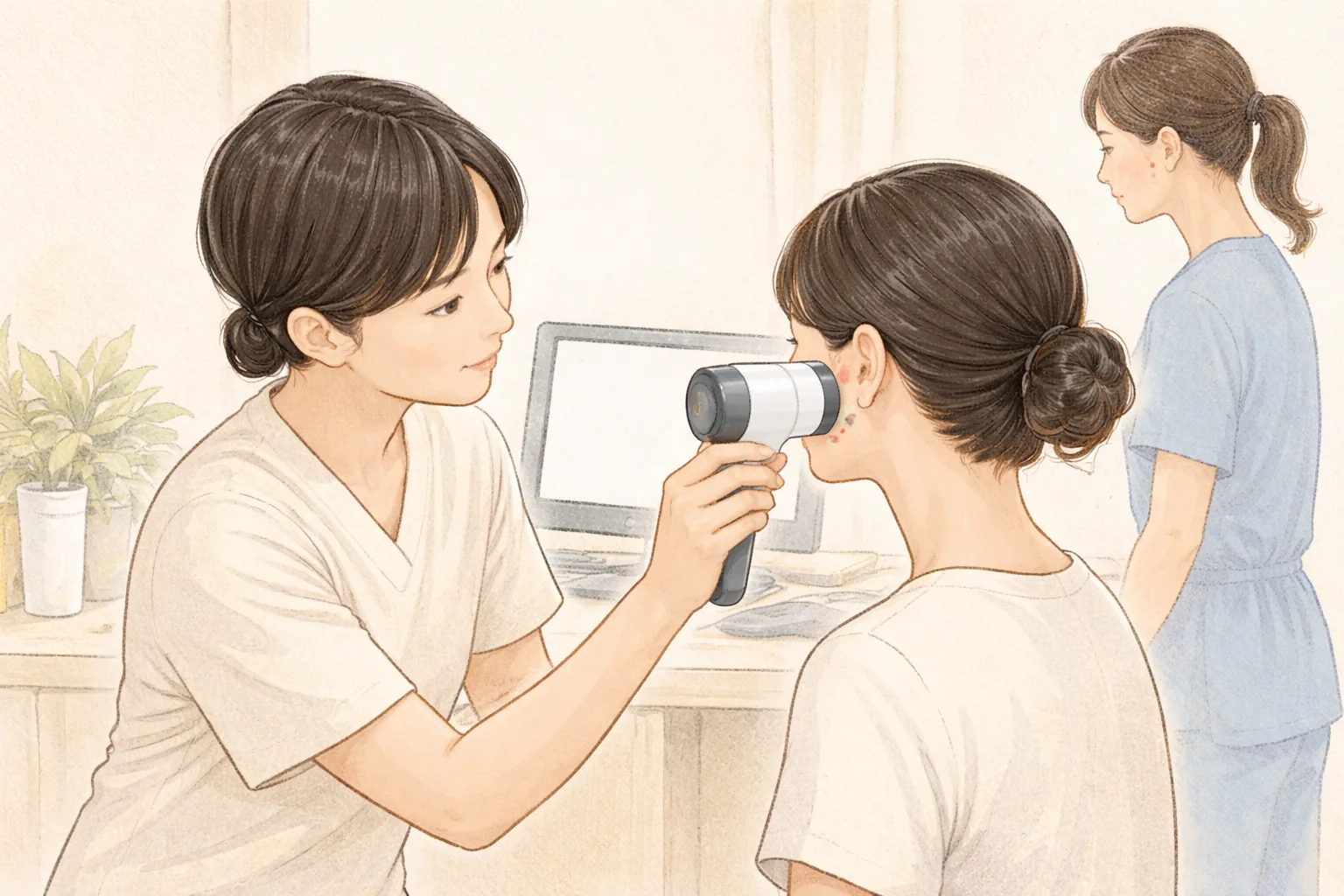
AI skin analysis record — Your skin condition is organized into photos and records for the doctor to review. The analysis tool only records and organizes information to support the consultation; it is not a medical diagnosis, and judgment rests with the doctor. (ATTITUDE Clinic column)
Doctor consultation to judge the cause — The analysis record is combined with lifestyle context such as sleep, stress, cosmetics and diet, plus medications and recent procedure history, to interpret the main cause of recurring acne and design the treatment direction.
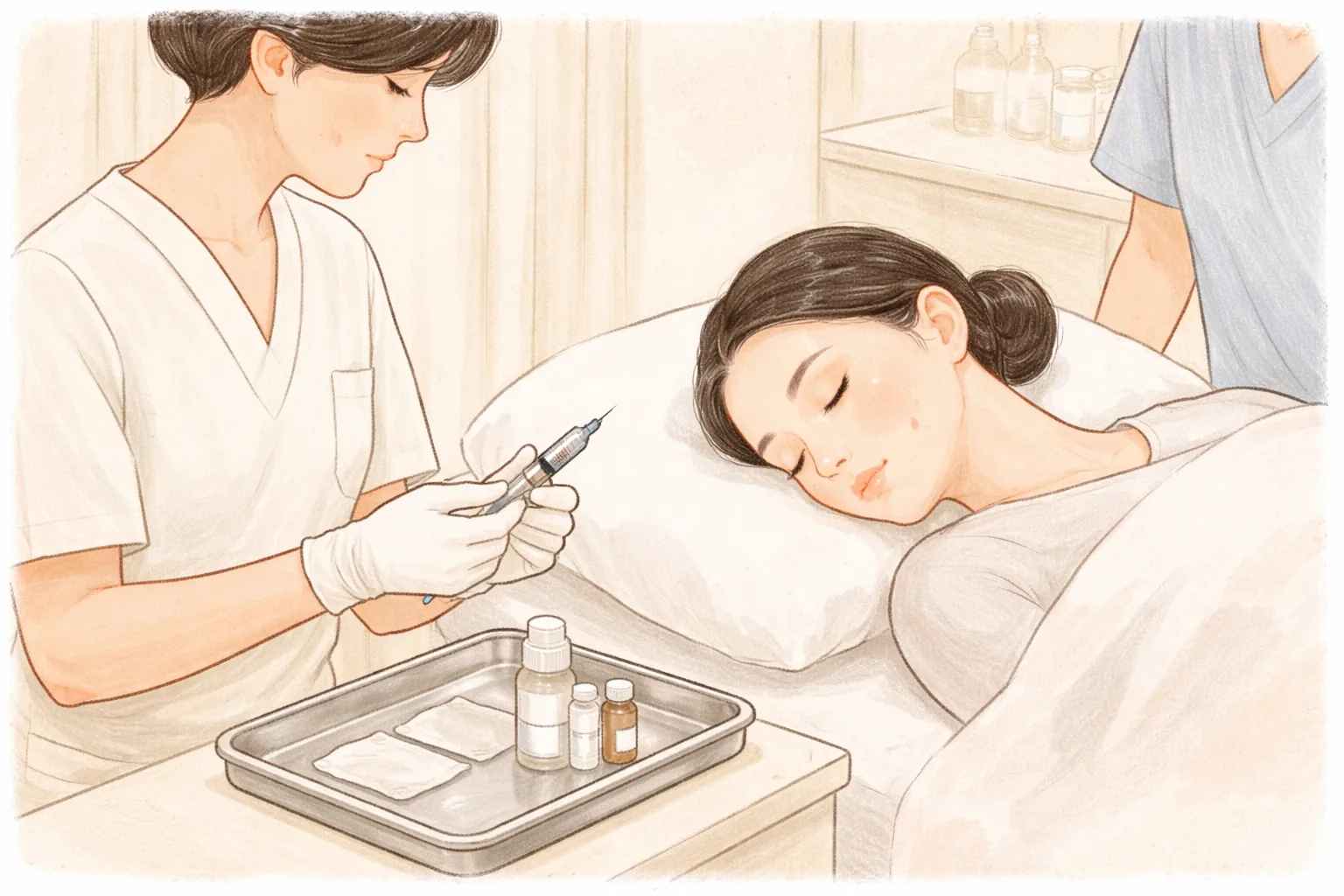
Treatment performed directly by the doctor — Acne extraction, laser treatment (PicoPlus, etc.) and injection treatment are performed by the doctor according to the cause and stage. The clinic's treatment guide lists devices such as Potenza, erbium fractional, Pico toning, Genesis toning and Vbeam. (ATTITUDE Clinic treatment guide)
Recovery, care and the next check-up point — After the procedure, you are guided on care that reduces irritation and on how to observe your recurrence cycle, and at the next visit the changes in inflammation count, marks and indentations are reviewed again.
Aftercare and side effects
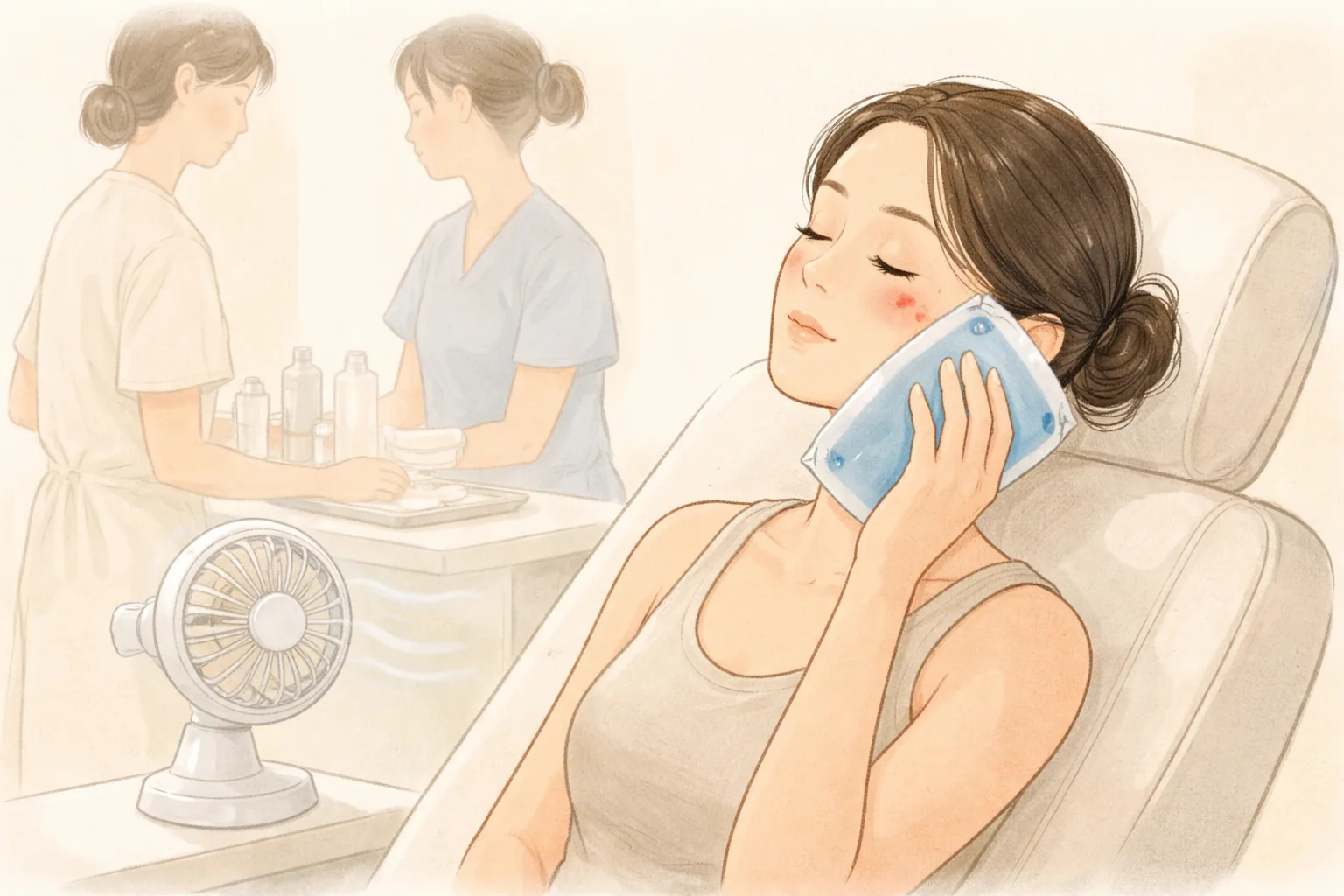
Calming — Right after a procedure, skin temperature is elevated. Avoid saunas, jjimjilbangs, hot showers and intense exercise during the recovery period.
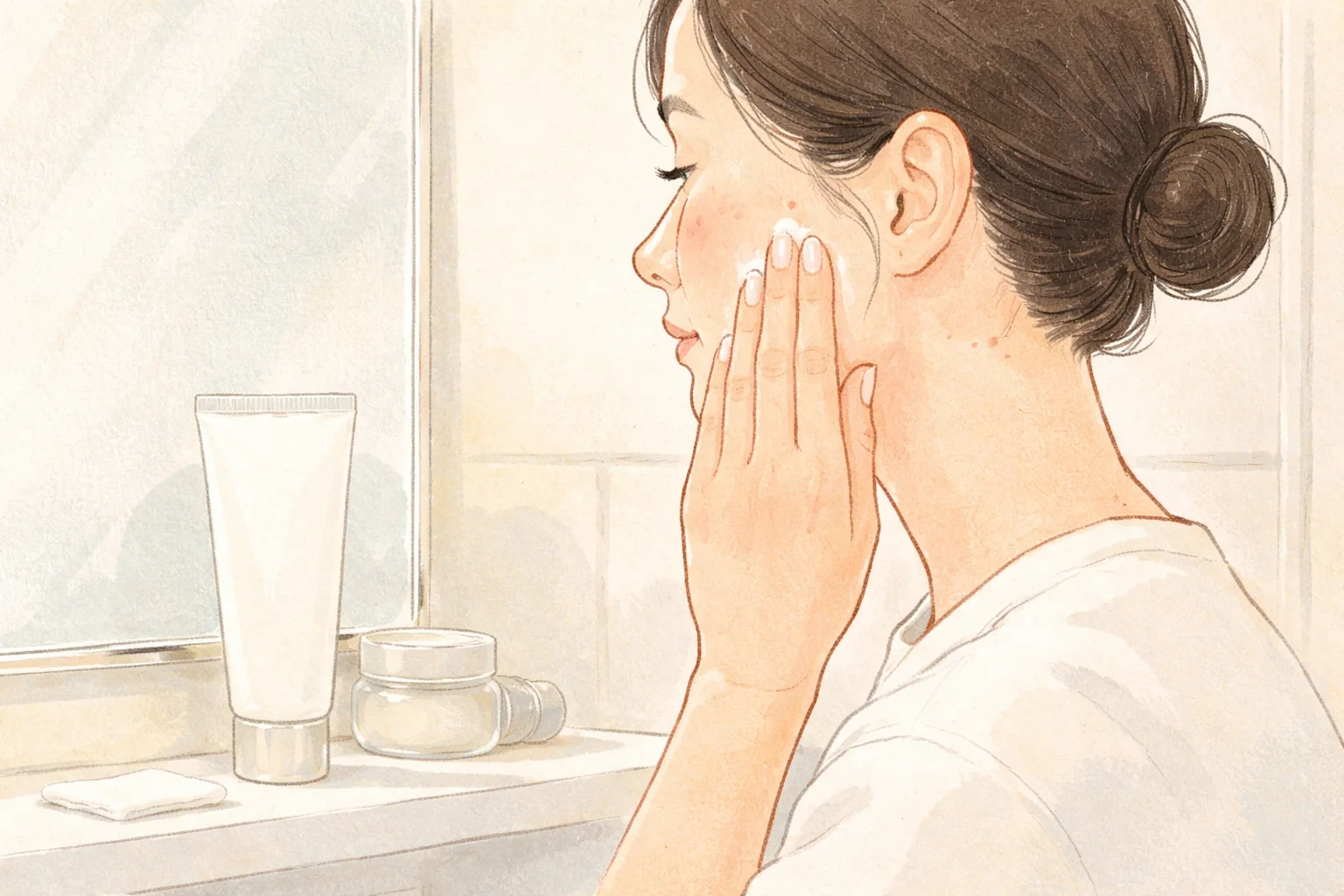
Moisturizing — Some temporary flaking is part of the regeneration process, so do not touch or peel it off. Keep moisturizing and let your skin recover on its own.
Sun protection — For at least 2 weeks after the procedure, apply SPF 50+ sunscreen and reapply every 2 hours outdoors. If you do not block UV during this period, pigmentation can develop in the newly formed skin.
Checking progress — If redness and stinging last more than 3 days or suddenly get worse, contact the clinic. If a scab has formed, leave it until it falls off on its own, and if you see changes that differ from what was expected, move the next check-up sooner. (ATTITUDE Clinic column)
Common reactions are redness, swelling, scabs and temporary pigmentation. Topical medication can cause dryness, flaking, redness and stinging, and after extraction a temporary red mark can remain. Injections can leave the injection site indented or change the skin color. Rarely, hypopigmented spots, blisters, burns and scars can occur, and pigment can return over time. (ATTITUDE Clinic column)
If your progress differs from what was expected, or new inflammation keeps recurring, the next check-up is moved sooner.
Frequently asked questions
Is it okay to squeeze acne with my hands?
For early comedones without inflammation, having a professional extract them rather than squeezing with your hands can reduce irritation and the risk of infection. Squeezing with your hands spreads sebum and bacteria into the surrounding tissue, widening the inflammation, and damage to the pore wall can leave an environment where the same spot flares again easily. If it is already an inflamed, red and painful acne lesion, calming the inflammation with local treatment is looked at before extraction. For large, painful nodules, an injection may be considered at the doctor's judgment, and side effects such as an indented injection site or lighter skin color can occur. (ATTITUDE Clinic column)
When does scar treatment start?
Scar treatment often begins once the active acne is controlled and you are at the stage of applying medication that prevents new lesions. An individual plan is made considering scar type and number, age, skin tone and budget, and rather than one method, several approaches can be considered together. Ice-pick and rolling scars are not approached the same way. The exact starting point is decided after looking at your skin. (American Academy of Dermatology guide to scar treatment)
Can I have procedures while taking medication?
Whether they can be combined depends on the type of medication and the type of procedure. The reason you are asked to tell your clinician about acne treatment used in the past 2 years is that starting certain scar procedures while on, or right after stopping, some acne medications can cause unwanted side effects. If you are taking any medication, giving the product name, dose and when you stopped makes the consultation more accurate. Whether they can be combined is judged at the consultation. (American Academy of Dermatology guide to scar treatment)
How are follow-up intervals decided?
Rather than setting a fixed interval in advance, the next check-up point is decided based on the depth of your current inflammation, your recurrence cycle, how fast your skin recovers, and the method being used. Response and recovery speed differ from person to person, so even with the same method the next check-up point is not the same. At the next visit, the number of new inflamed lesions, changes in marks and indentations, and irritation and recovery status are reviewed again. The exact interval is decided after the first consultation and the progress following the first procedure.
What should I check when choosing a clinic?
See whether the consultation explains the expected results, risks and alternatives. The American Academy of Dermatology advises checking the practitioner's experience and how many patients with your skin tone and age range they have treated. Whether they examine your skin to distinguish acne from other lesions, and whether they explain recovery time, aftercare and cost specifically, are also things to check. Rather than the name of a particular device, whether they explain the order that fits the stage you are at now helps your judgment. (American Academy of Dermatology guide to questions for your consultation)
At a glance
Table 2 At a glance
Item
Key point
What to look at first
Telling apart the inflammation flaring now from marks left behind
What to record
When it started, location, recurrence cycle, medications, treatment history over the past 2 years
Priority
If acne continues, control comes first; scars after it is controlled
Why approaches differ
Lesion stage, depth of inflammation, scar type, skin barrier, recovery time
Recovery and care
Calming, moisturizing, sun protection, checking progress
Confirm at the consultation
Expected results, risks, alternatives, experience, number of sessions, recovery, cost
This article offers general health information. It is not a substitute for diagnosis or treatment based on your own condition, so please talk through your situation with a doctor.