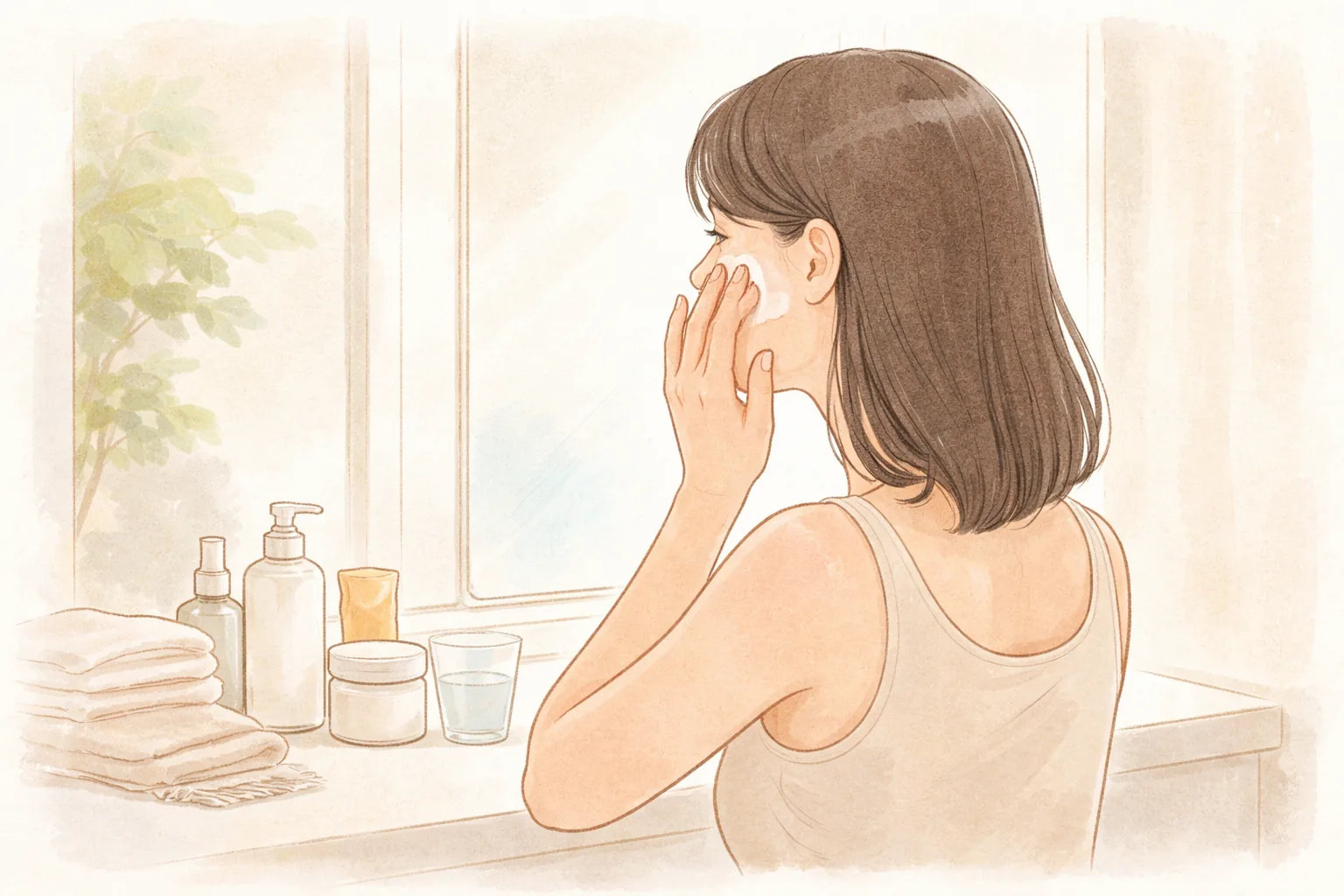
After a Skin Treatment: How to Track Changes and When to Contact the Clinic
A practical guide to tracking pain, swelling and colour changes after a skin treatment in Gangnam, Seoul, with guidance on cleansing, makeup, returning to your routine, and when to contact the clinic.
Written by ATTITUDE Clinic Editorial Team
The evening you get home after a laser or injection treatment, the questions in front of the mirror tend to be the same. You wonder when the redness will settle, whether you can wash your face and wear makeup tonight, and whether the swelling you see is part of recovery you can wait out or a signal to call the clinic. This article explains, step by step, how to track the pain, swelling and colour changes that appear after a treatment, and how to judge when it is time to make contact.
The short answer first
Your starting point is not the number of days that have passed but the direction of change. The same swelling means something different depending on whether it is fading or spreading wider than yesterday. So the first step is to note when symptoms started, where they are, how far they reach, and what other changes came along, then compare that with the instructions you were given. When you can wash, wear makeup, exercise or return to work depends on the treatment type and depth and your skin condition, so your individual instructions are the standard. According to American Academy of Dermatology (AAD) guidance, you should ask at your consultation about recovery time, when you can return to daily activities, and preparation and aftercare (AAD questions to ask before a cosmetic treatment). How quickly swelling and bruising settle, and how much pain you feel, vary with skin thickness, healing speed and daily habits, so comparing your recovery directly with someone else's is not reliable.
What happens to your skin after a treatment?
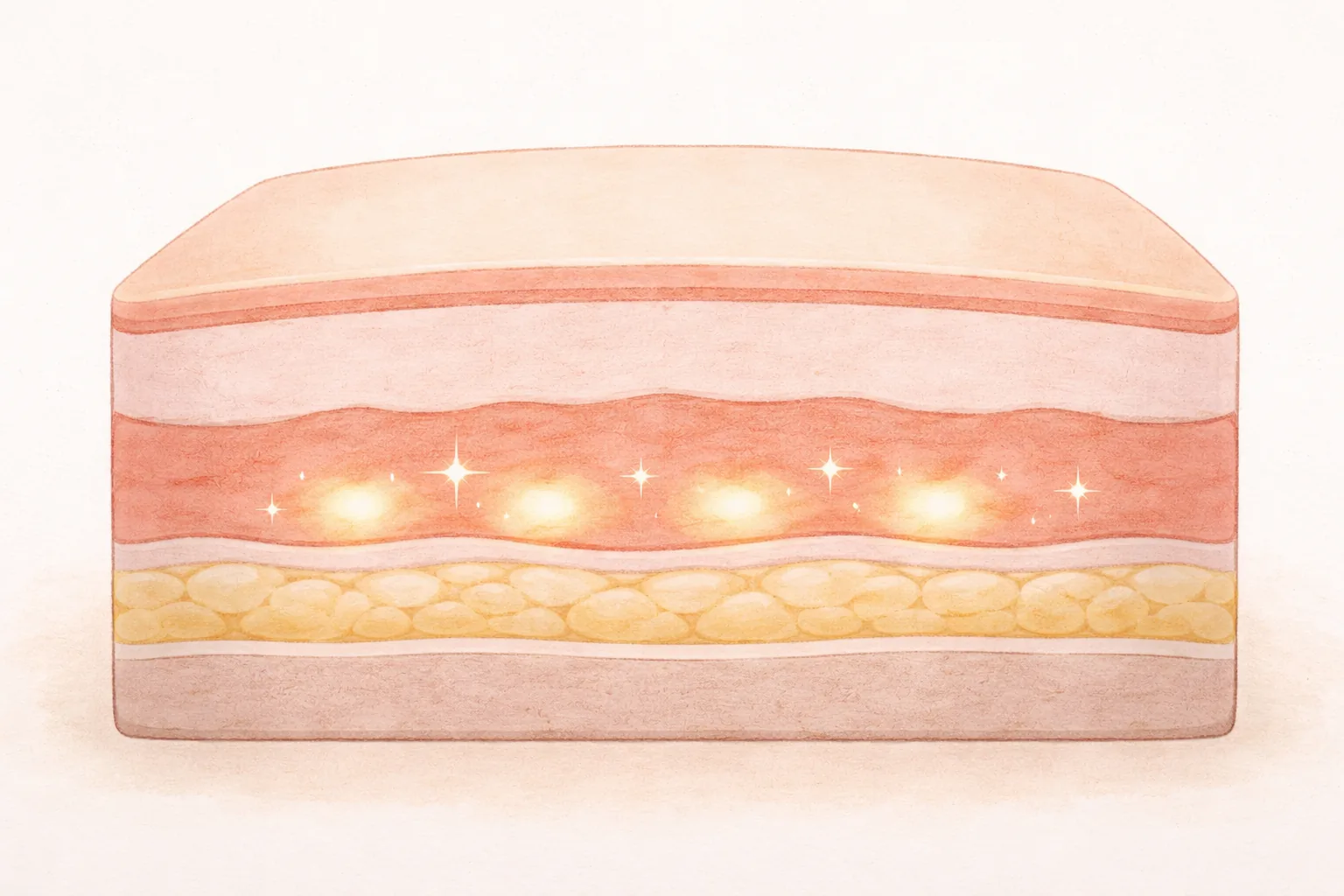
Lifting devices usually deliver heat energy to a specific layer of the skin, warming the tissue so that the skin starts its own repair response. ATTITUDE Clinic's treatment pages show that the way energy is delivered differs: HIFU (high-intensity ultrasound that heats deeper layers of the skin) focuses ultrasound on a point, while monopolar radiofrequency uses radiofrequency current, microwave lifting uses microwaves, and 3-wavelength lasers use another route (treatments and pricing). Injection treatments, by contrast, place a substance directly into the skin's foundation or a targeted area.
Even when delivery methods differ, the reactions after treatment start in similar places. While warmed or stimulated tissue recovers, redness, swelling, tenderness when pressed, and bruising are common and usually settle within a few days (why results differ even with the same treatment). Knowing that these reactions are part of healing makes looking in the mirror the next day much calmer. If the treated area was thin skin or your skin was sensitive, the same setting can feel different.
What should you track during recovery?
First, direction. Check whether pain, swelling and the red area are smaller or larger than yesterday. Second, extent and accompanying changes. The same pain means something different depending on whether it is spreading, or whether other signals such as heat or blisters are present. Third, consistency of records. Taking photos once or twice a day under the same lighting and angle makes it much easier to compare whether things are improving or worsening.
Symptoms that do not show up in photos are worth a short note. When the pain first started, when it was at its worst, and whether it woke you at night become clues at your appointment. Treatment details help too. If you note the device name, number of shots or energy delivered (kJ), products and amounts used, treatment date and how you reacted at the time, your next appointment can get up to speed quickly (why results differ even with the same treatment).
Why does cleansing, makeup and returning to your routine differ by treatment?
Even treatments grouped under the same word "laser" follow different healing paths. A method that microscopically removes the surface (erbium fractional micro-peeling) and a method that delivers radiofrequency directly into the dermis with fine needles (Potenza) act on different layers, so the point at which you can wash and wear makeup cannot be the same (treatments and pricing). For injections, where bruising and swelling remain depends on where the product was placed.
That is why it is more accurate to follow the instructions you were given for washing, makeup, exercise and returning to work. AAD guidance says you should ask at your consultation about treatment time and number of sessions needed, recovery time, when you can restart daily activities, and preparation and aftercare (AAD questions to ask before a cosmetic treatment). Even if you booked the same treatment as someone else, telling the clinic your schedule and skin condition first lets them tailor the instructions to you.
How should you view sun exposure and pigment changes?
While your skin is sensitive after a treatment, pigment changes can occasionally appear. ATTITUDE Clinic's column also notes that temporary darkening or lightening of the skin can occur after lasers, energy devices and injections (why results differ even with the same treatment). These changes usually fade over time, but if they appear, it helps to record when they started and how far they reach.
If you are heading into a season with high UV exposure or have outdoor plans, it is good to mention this at your consultation. When to start sun protection and which product to choose depend on the treatment type and your skin condition, so follow your individual instructions. While your skin is sensitive before and after treatment, reducing exposure time itself helps your aftercare.
Table 1 How should you view sun exposure and pigment changes?
Treatment / device
Delivery method
Main concerns addressed
What to watch after treatment
Ultherapy (Ultra)
HIFU ultrasound focused on deeper skin layers
Facial contour and loss of elasticity
Redness, swelling and tenderness are common and usually fade within a few days
Thermage · XERF
Radiofrequency current heats tissue in the skin
Elasticity and fine lines
Direction of swelling and tenderness when pressed
Onda · Titanium
Microwave and 3-wavelength laser energy delivery
Facial and body elasticity
Larger areas are worth recording for your next visit
Potenza
Fine needles deliver radiofrequency directly into the dermis
Pores and scars
Redness and tenderness after micro-stimulation
Erbium fractional
Microscopic peeling
Pores and scars
Treats the surface, so washing and makeup timing are advised separately
Vbeam · Pico toning
532nm, 1064nm lasers
Redness, vessels and pigment
Direction of redness and pigment change
Skin booster · dermal filler
Delivered directly into the skin's foundation or area
Dryness and volume
Bruising, swelling and lumps after injection
Swipe sideways to see the whole table.
In summary After a treatment, your starting point is the instructions you received and the direction of change. The same swelling is something to watch if it is fading, and a reason to contact the clinic if it is spreading. When to wash and wear makeup is based on treatment-specific instructions, and records in photos and notes help your next appointment reach a judgement quickly.
If this sounds like your situation
When a wedding or photo shoot is a few weeks away
If you mention your schedule at the pre-treatment consultation, you can decide the treatment type and intensity together with recovery time in mind. AAD guidance says you should confirm recovery time and when you can return to daily activities at the consultation (AAD questions to ask before a cosmetic treatment). The closer the date, the more you may discuss avoiding treatments that leave redness or swelling, or splitting them into stages.
When you are planning a treatment during a short stay
If your stay is short, the key question is when you can schedule a follow-up check. Booking requests and confirmations work differently: after you submit a request, the clinic must contact you to confirm, and same-day requests are accepted for time slots from 1 hour after the current time (consultation and booking). Telling the clinic your departure date and the hours you can be reached lets you decide in advance how your recovery will be checked.
When your skin is sensitive or prone to redness
If redness tends to linger after stimulation, share that experience at the consultation. The same setting feels different depending on skin thickness and healing speed, so it becomes a basis for adjusting intensity and intervals. After treatment, taking photos of whether the red area is shrinking makes the judgement easier.
When swelling tends to last unusually long
If swelling tends to linger, noting when it started to decrease helps. If it is decreasing, watching is enough, but if it has stalled or is growing, it is better to contact the clinic rather than wait for your next appointment. Giving the location and extent speeds up the assessment.
Tell us before your consultation Please tell us about recent sun exposure and outdoor plans, medications and supplements you take, products you apply to your skin (including exfoliants and active ingredients), previous treatments and how you reacted, and any fixed dates such as a wedding or photo shoot. If you have records showing treatment dates, devices used, products and amounts, bring them along.
How ATTITUDE Clinic handles this
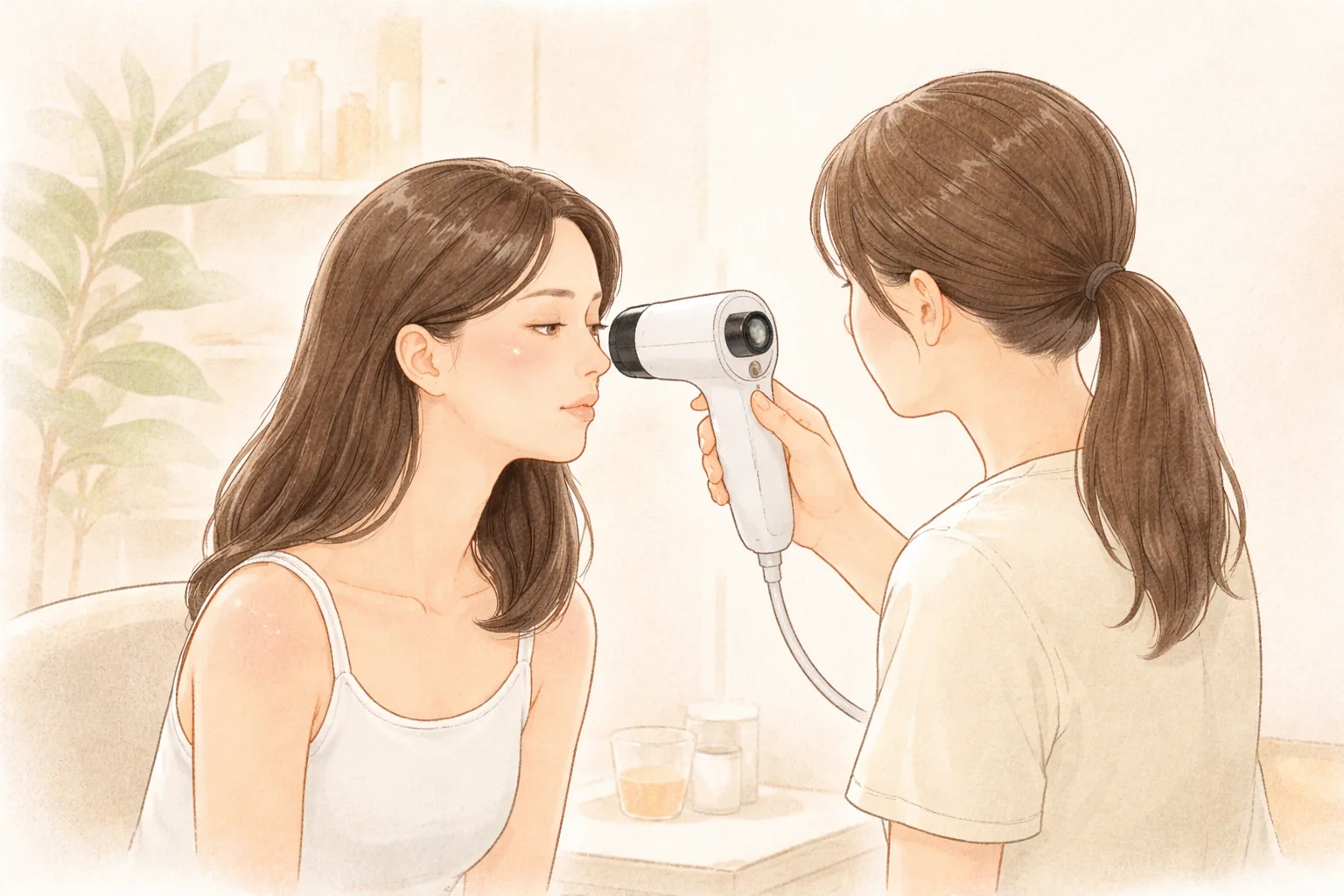
AI skin analysis record — Your skin condition is recorded and organized so you and the doctor look at the same information. The analysis tool is a reference that records and organizes information to support the consultation; it does not make a medical diagnosis. The doctor makes the judgement.
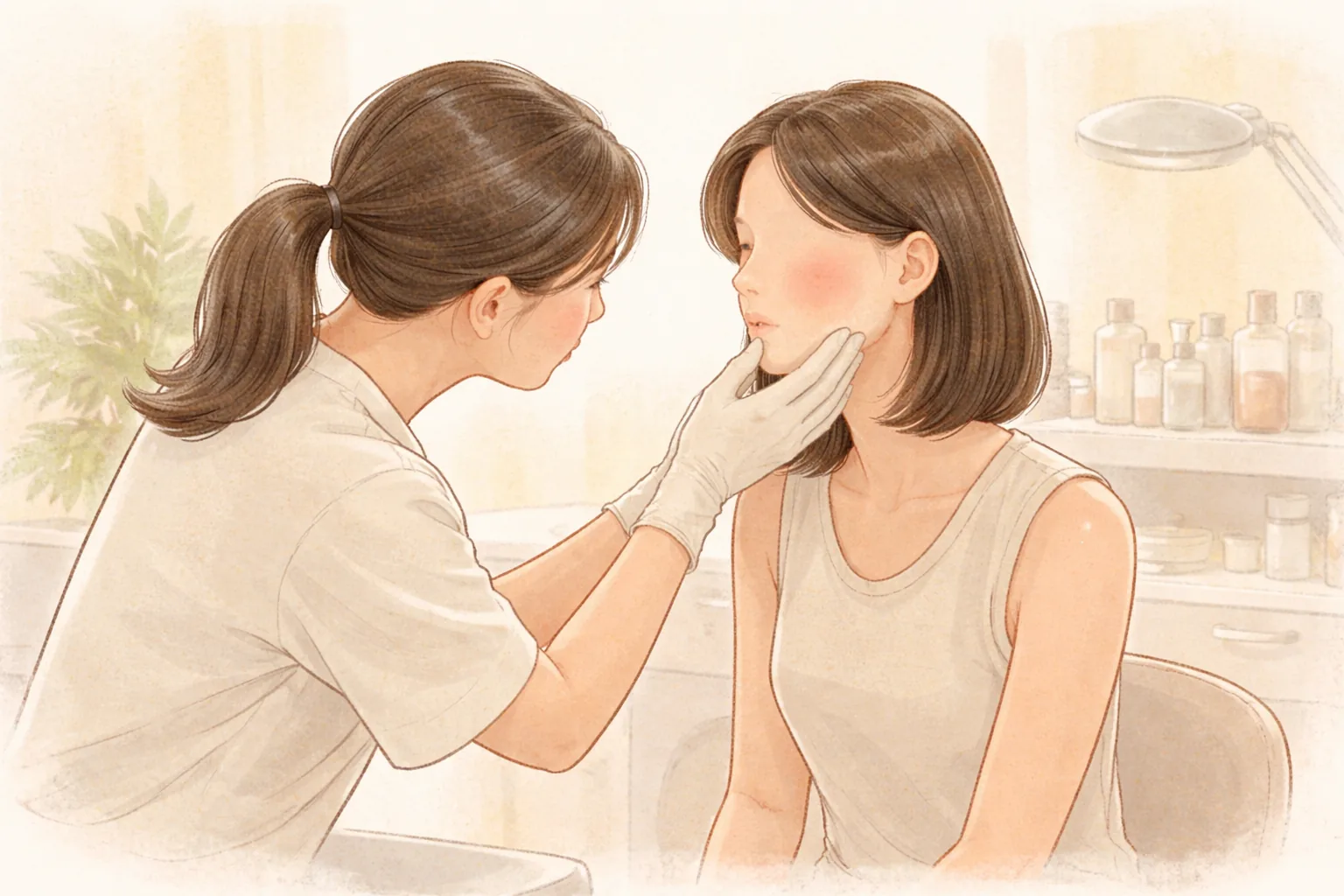
Doctor consultation — Your concerns, daily habits and previous treatment experience are added to the analysis record to decide together what is needed and what is not, and in what combination, order and intensity. Expected reactions after treatment and when to wash, wear makeup and return to your routine are also set out here.
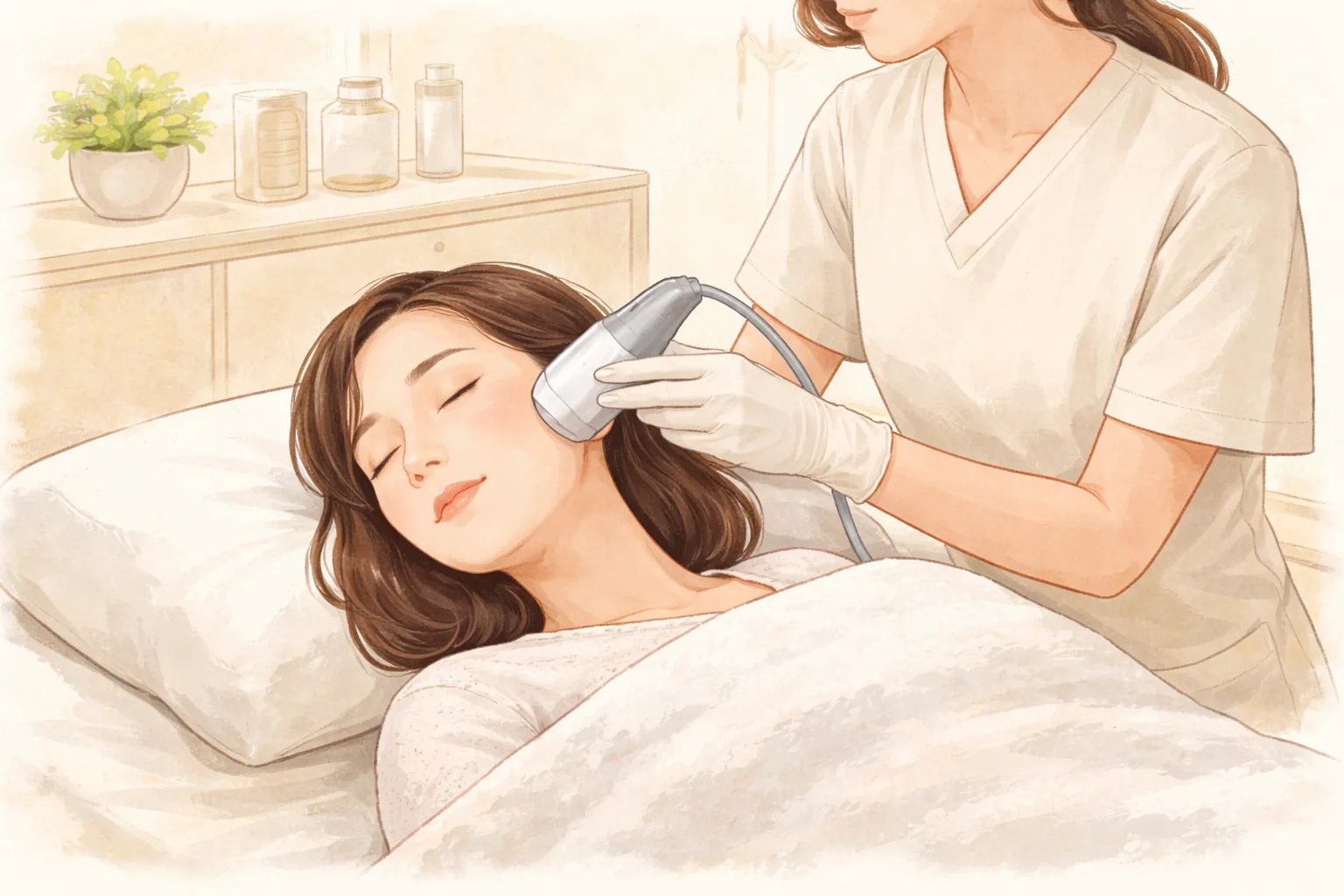
Treatment performed by the doctor — The doctor personally carries out the plan and adjusts while watching your skin's reaction during treatment, so that the consultation plan and the actual treatment stay aligned.
Recovery and follow-up — After treatment, your recovery is reviewed against the aftercare instructions, and any unexpected changes are checked. If you bring records from previous treatments, the doctor reviews them and reflects them in the next plan.
The devices we offer for this topic include Ultherapy, Shurink Universe, Thermage, XERF, Onda and Titanium for lifting; Potenza and erbium fractional for pores and scars; Pico toning, Genesis toning, Pico spot and Vbeam for pigment and redness; and toxin, dermal filler, skin booster and hyalase for injections (treatments and pricing). Pricing is divided by treatment, product, area, amount and number of sessions and published by unit, and all amounts exclude VAT.
Aftercare and side effects
Soothing — On the day of treatment, do not rub or peel the skin; follow the soothing method you were given. If you feel heat lingering, note when and where.
Moisturising — Dryness makes redness and tightness linger. Use the moisturiser you were given, and check with the clinic about when to start any new exfoliant or active ingredient.
Sun protection — If you go out during the day, use sun protection, and reduce exposure time while your skin is sensitive. When to start and which product to use follow your treatment instructions.
Tracking — Take photos once or twice a day under the same lighting and angle, and note the start time and intensity changes of pain and heat that photos cannot capture.
Common reactions are redness, swelling, tenderness when pressed, and bruising, and they usually settle within a few days. Less commonly, temporary darkening or lightening of the skin, blisters, lumps after injection, burns or scars can occur (why results differ even with the same treatment). Knowing when these changes appeared and how far they reach helps narrow down the cause.
There are also signals you should not wait to report. If you notice unexpected changes such as pain that is not improving and keeps getting worse, they need to be checked promptly (why results differ even with the same treatment). Rather than waiting for the booking window to open, it is better to report the situation through the contact route in the consultation and booking information. Clinic hours are 10:30–19:30, open every day, Korea Standard Time, and same-day requests are accepted for time slots from 1 hour after the current time (consultation and booking).
Frequently asked questions
When can I wash my face and wear makeup after a treatment?
It differs by treatment. A method that microscopically removes the surface and a method that delivers energy into the dermis have different healing paths, so they cannot be grouped together as being fine from the same day (treatments and pricing). The standard is the timing written in the instructions you received, and if it is unclear, it is more accurate to ask again at the consultation. For makeup, starting partially while avoiding irritated areas is sometimes discussed, and this too depends on the treatment type. When washing, not rubbing and finishing quickly with lukewarm water is gentler. When you can start sunscreen is also confirmed in the same instructions.
How many days does swelling and bruising take to settle?
There is no single normal period that applies to all treatments. It varies with skin thickness, healing speed, daily habits, and the area and extent treated. That said, it is described as a reaction that usually settles within a few days, and the direction — whether it is decreasing — matters more than the period itself (why results differ even with the same treatment). If bruising lasts unusually long or swelling has stalled, it is better to describe that pattern at your next appointment. Bringing photos collected by date lets you see the slope of change.
When should I contact the clinic about pain or skin colour changes?
The triggers are pain that is not improving and keeps getting worse, redness that is wider than yesterday, and unexpected changes such as blisters. In these cases, it is safer to report the situation rather than wait for your next appointment (why results differ even with the same treatment). When you make contact, giving the treatment date and area, when symptoms started, whether the extent is growing, and any other symptoms together in order speeds up the assessment. For urgent enquiries, use the contact route shown on the consultation and booking page, and it helps to remember that a booking request alone is not confirmed (consultation and booking).
If I have to go to work, how should I discuss recovery time?
Before deciding on a treatment, asking about recovery time and when you can return to daily activities comes first. AAD guidance says you should confirm at the consultation the treatment time, number of sessions needed, recovery time, when you can restart daily activities, and preparation and aftercare (AAD questions to ask before a cosmetic treatment). If you have fixed dates such as a meeting or presentation where redness would be hard to hide, telling us those dates allows a discussion about adjusting the combination and intensity. Also saying how much downtime you can allow makes the plan more concrete. Whether to split the treatment into stages or do it all at once is decided in that conversation too.
How can I check that a clinic handles side effects well?
Results depend greatly on the skill and experience of the person performing the treatment, so guidance recommends confirming at the consultation their qualifications and experience with this treatment, and whether they have worked with your skin tone and age group (AAD questions to ask before a cosmetic treatment). It is also worth seeing whether they explain risks and alternatives, and whether they provide written aftercare methods and a contact procedure if warning signs appear. ATTITUDE Clinic explains that the doctor handles everything from consultation to treatment, and that the flow is to decide together what is needed and what is not based on the AI skin analysis record and examination (why results differ even with the same treatment). How costs are calculated is also confirmed at the consultation.
At a glance
Table 2 At a glance
Item
Key point
Basis for judgement
Direction and extent of change rather than the number of days
How to record
Photos under the same lighting and angle, notes on start time and intensity
Washing, makeup, returning
Depends on treatment type and depth, so your individual instructions are the standard
Sun and pigment
Reduce exposure while sensitive, and follow treatment instructions on when to start protection
When to contact
Unexpected changes such as pain that is not improving and keeps getting worse
Choosing a clinic
Confirm the practitioner's qualifications and experience, explanation of risks and alternatives, and aftercare and contact procedures
Sources and references
AAD 미용 시술 전 상담 질문https://www.aad.org/public/cosmetic/safety/ask-questions
This article offers general health information. It is not a substitute for diagnosis or treatment based on your own condition, so please talk through your situation with a doctor.