Aqua Peel Facial with LDM: How to Set the Order and Interval
How the order and interval are decided when you combine an aqua peel facial with LDM, which skin types do both in one visit, and which are better off splitting the days.
Written by ATTITUDE Clinic Editorial Team
Many people who have plenty of sebum but worry about redness after treatment hesitate between an aqua peel facial on its own and adding LDM in the same session. They also want to know whether combining really helps, whether one step should come first, and how long to wait before the next round. This article looks at what decides the order and interval when both treatments are handled in one place, which skin types suit it, and which skin is better off splitting them up.
The short answer first
Doing both treatments back-to-back on the same day is possible. But it is not that combining is always better — the first question is whether your skin needs both jobs, surface clearing and calming, on the same day. The order naturally runs clearing first and calming after, and the interval is set by how fast redness and tightness settle, meaning how quickly your skin recovers. If redness lingers or your skin is on the thin side, lowering the intensity of the clearing step or splitting the two across different days is the better fit. Sebum level, sensitivity and recovery speed are weighed together; there is no separate rule saying the two treatments must be bundled.
Why do the aqua peel facial and LDM look like a set?
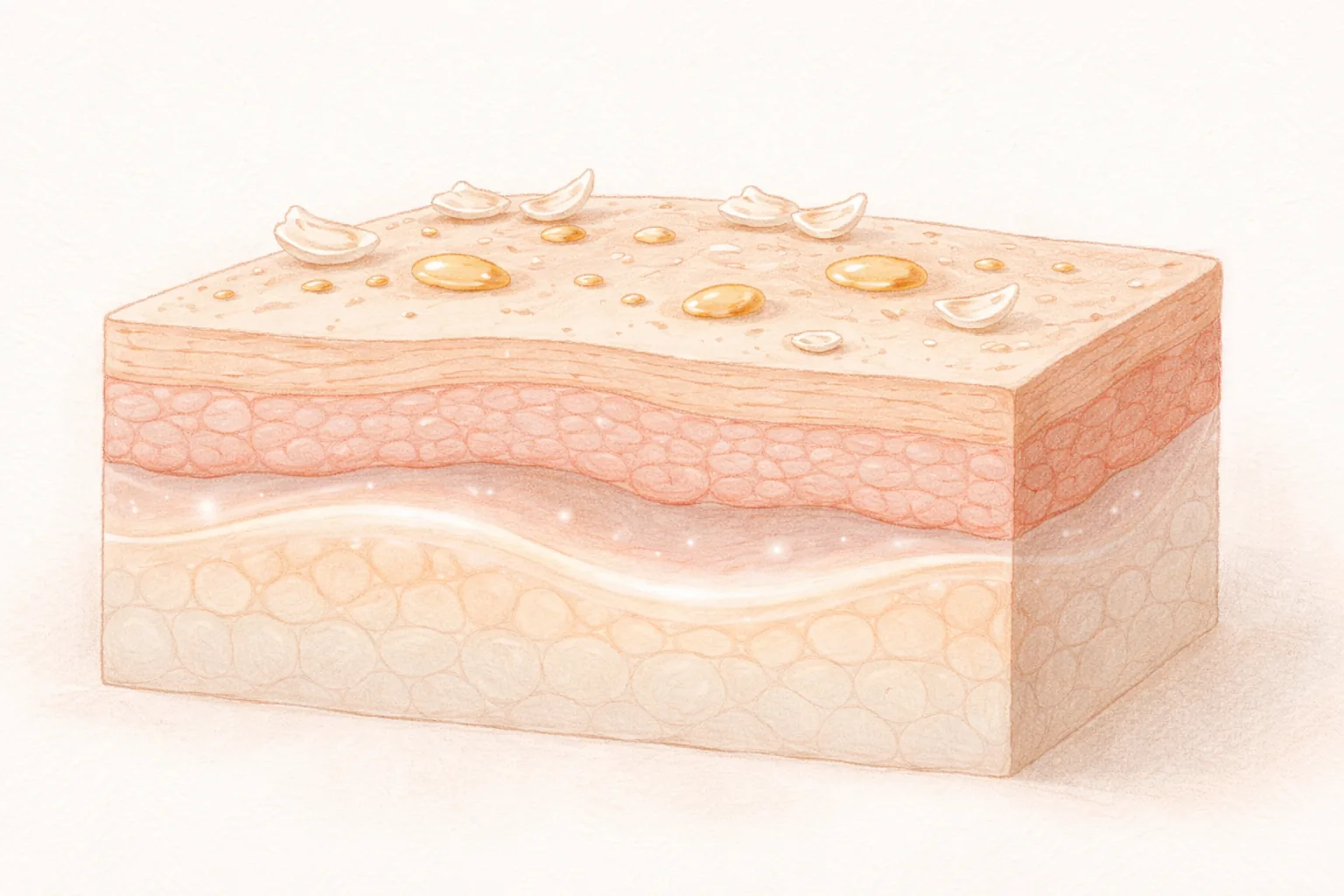
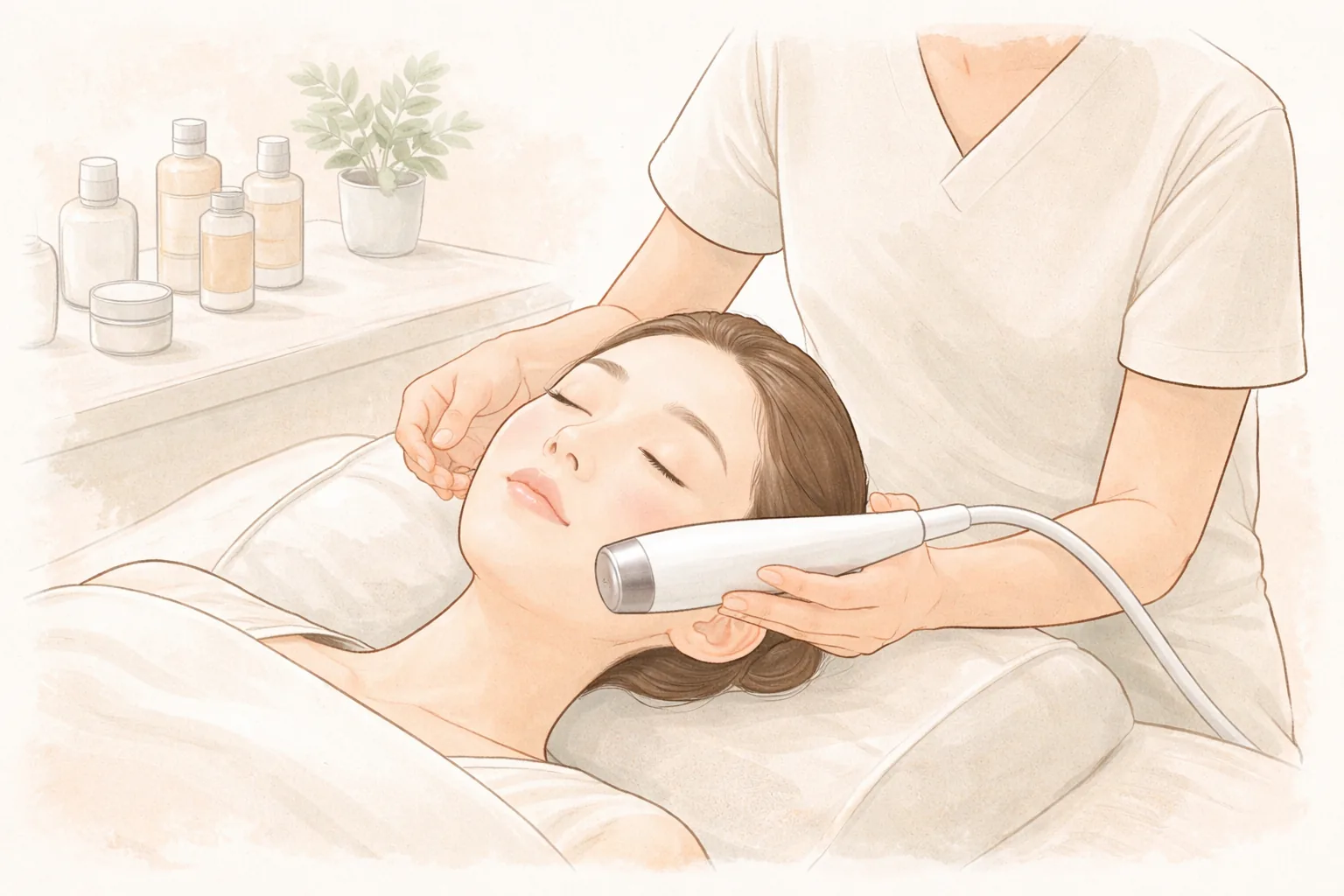
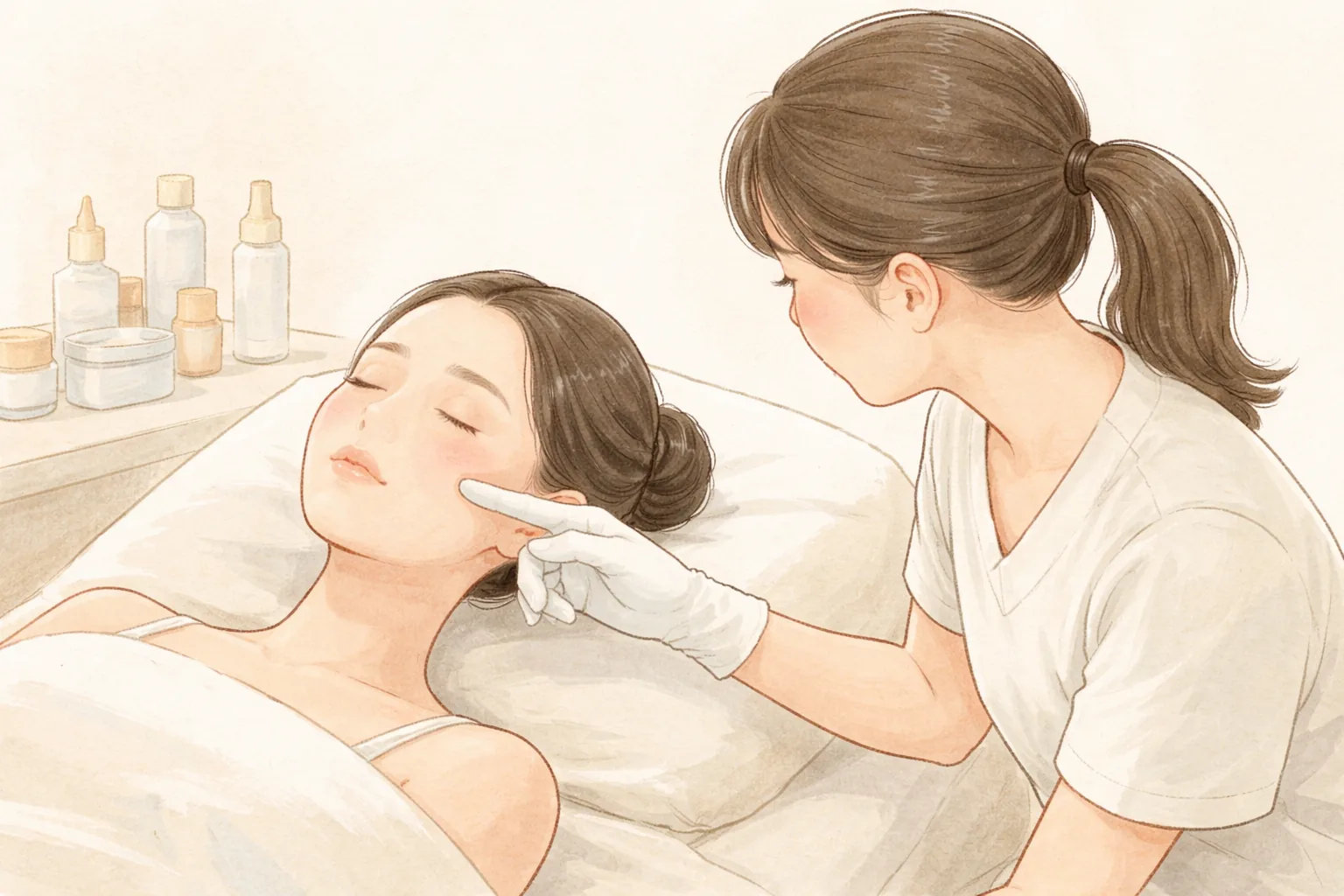
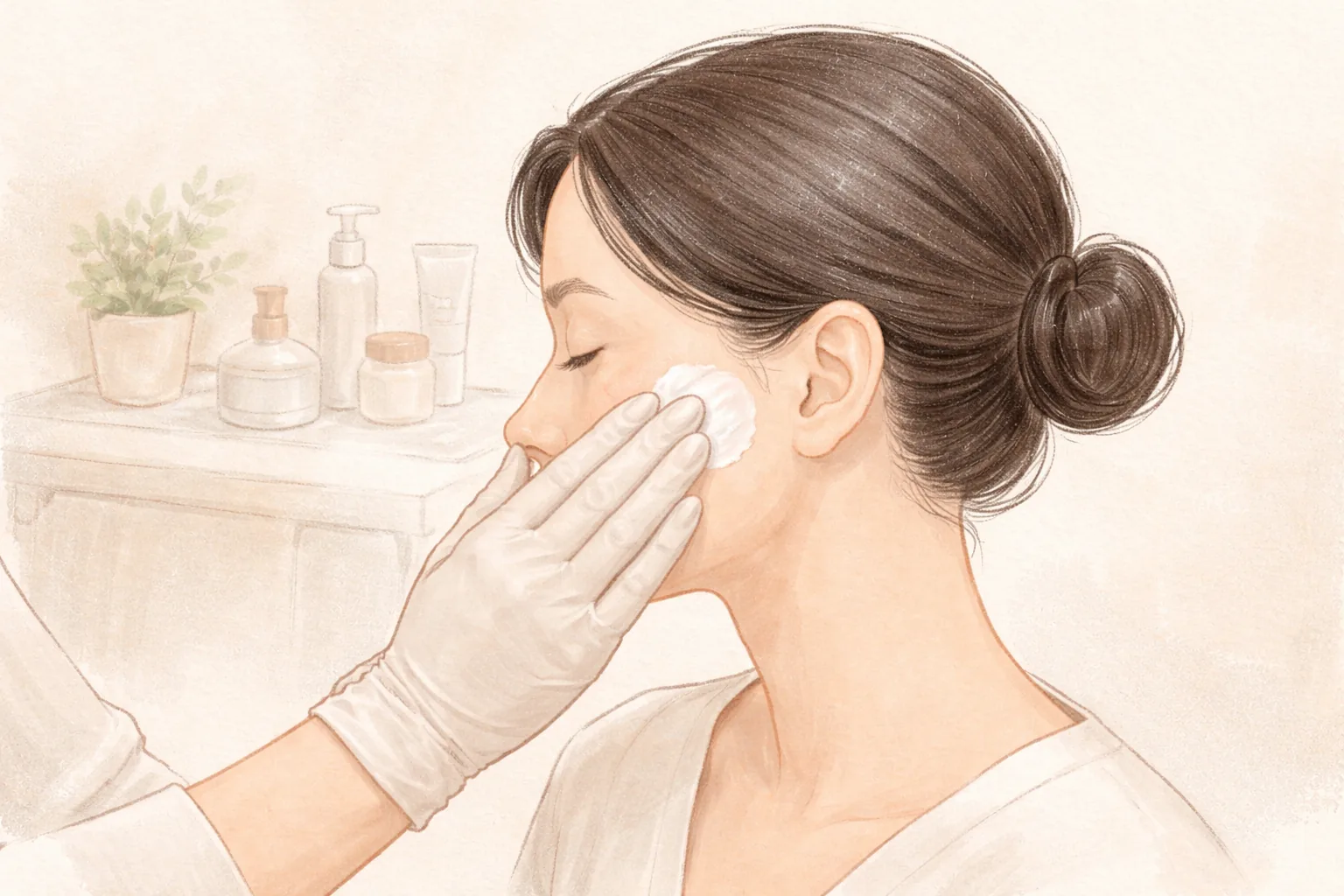
The aqua peel facial is used to gently clear what has built up on the skin surface, such as dead skin and sebum, while LDM is used to calm the skin after that clearing and top up moisture. On the ATTITUDE Clinic treatment guide, both sit side by side under the same skin care category (Treatments and Pricing). They look like a set because the jobs do not overlap, not because one boosts the effect of the other.
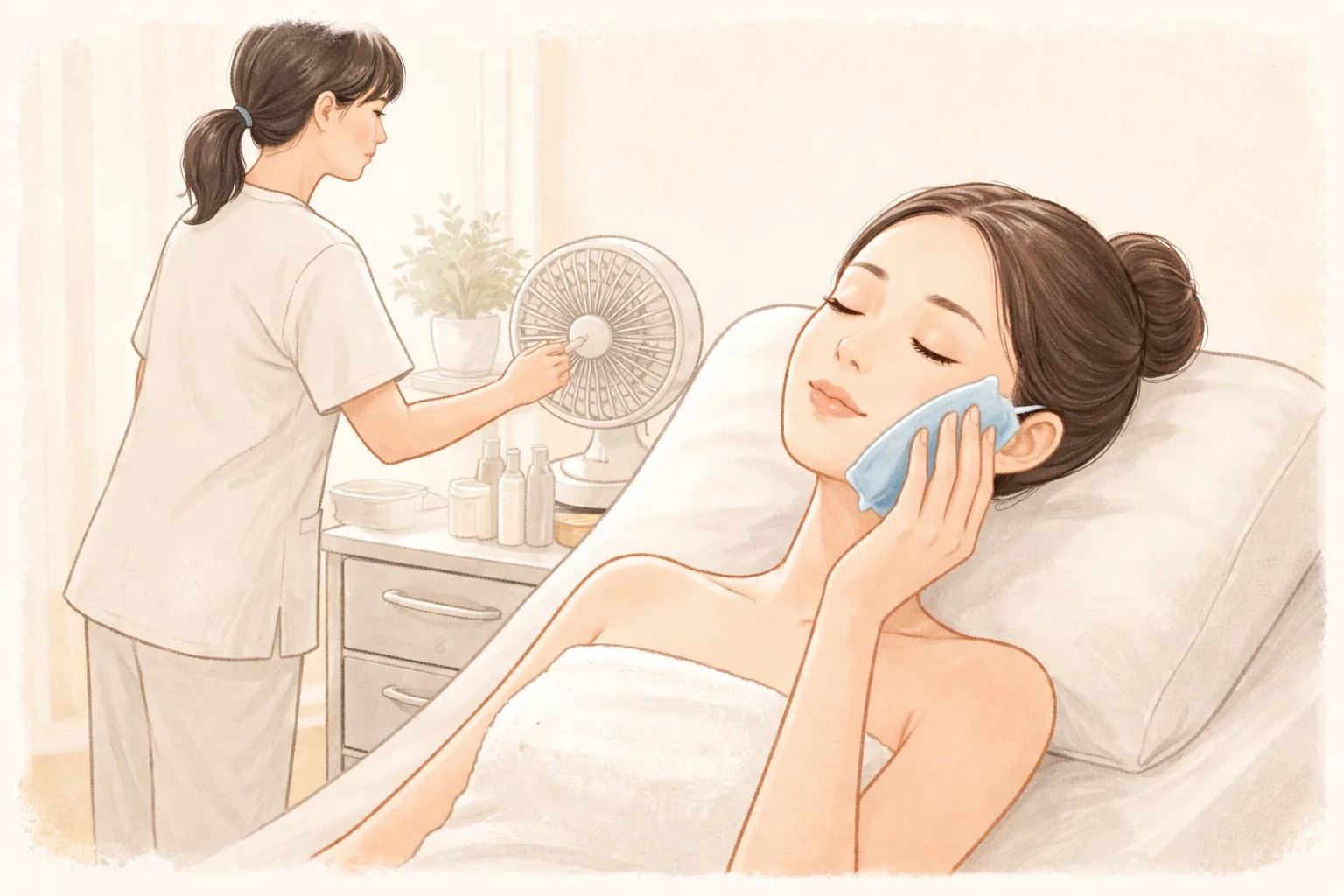
Why does a calming step follow? After a treatment that exfoliates and clears the surface, the skin temporarily reddens, and once the redness fades, a period of flaking can follow. According to the American Academy of Dermatology, applying moisturizer and blocking UV as instructed during this period helps recovery (Chemical peels FAQs). If you stop after clearing the surface, you simply pass through that window, which is why a routine that also covers calming and moisture naturally comes up.
There is a common misunderstanding here: the expectation that combining doubles the benefit. The two treatments are not additive; they are complementary, each covering a different stage. If sebum and dead skin are not a major issue for your skin, there is little reason to add the clearing step, and if redness and tightness linger, lowering the intensity of the clearing step is the right move.
Which step comes first?
The basic order is clearing, then calming. Dead skin and sebum on the surface are gently cleared first, and calming and moisture care are layered on top. Reversing the order adds another round of irritation during the clearing process, so unless there is a specific reason, this order is not changed.
What divides results far more than the order is intensity. Even with the same order, how the strength of the clearing step is set changes the burden your skin carries that day. In the ATTITUDE Clinic column, fine adjustment of intensity at the treated area and reading the skin's response during the treatment are what separate outcomes (Why do results differ even from the same treatment?). If your skin is thin and reddens easily, lowering the clearing intensity and weighting the calming side — or starting with LDM only — can be an option.
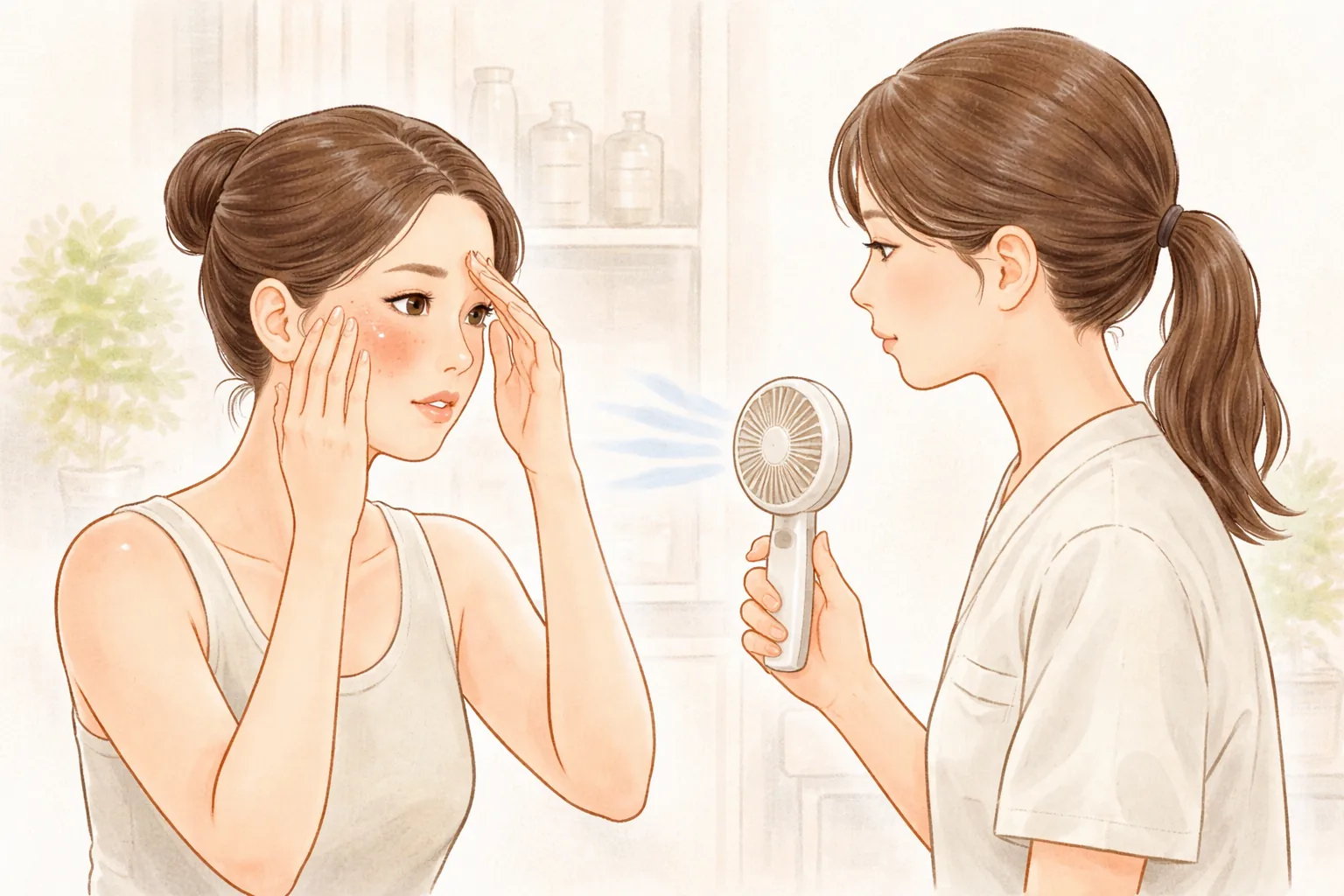
One more thing: if inflammatory breakouts are active on the day, the clearing step becomes a burden. That is why the same combination is hard to apply as-is to skin with acne or facial redness, and this call is made in the clinic after seeing your skin directly.
What decides the interval?
The first criterion for the interval is how long redness and tightness take to settle. How fast skin recovers after surface clearing differs from person to person, and for the same person it varies with that day's condition. According to the American Academy of Dermatology, when peel-type treatments that clear the surface are repeated to maintain results, the interval is set by the treating physician (Chemical peels FAQs). Rather than fixing a number such as how many weeks in advance, it is safer to base it on how quickly your skin came back after the last round.
The ATTITUDE Clinic column makes the same point. It explains that the role of the consultation is to look together at the skin's recovery capacity, the time available for recovery, and how treatments affect each other when done together, and to set the order and interval from that (Why do results differ even from the same treatment?).
Whether to do both on the same day or split them across days also divides along this line. Doing it all at once cuts down on visits but raises the irritation your skin handles that day, while splitting lets you check recovery before adjusting the next step. It is not a question of which is correct, but of choosing to match your recovery speed and schedule. The American Academy of Dermatology advises confirming the recovery period and when you can return to daily life during a cosmetic treatment consultation (Questions to ask before a cosmetic procedure).
Table 1 What decides the interval?
Item
Aqua peel facial
LDM
What to check when combining
Job it covers
Clearing surface dead skin and sebum
Calming and topping up moisture
Whether both concerns are present that day
Stated format
Per session
Two options: 6 and 12 minutes
Time and intensity you can handle that day
Common reaction during recovery
Redness, tightness
Done in the same session right after
Whether your skin stays red for long
Order
First
Later
Whether clearing intensity needs to be lowered
Interval
Based on recovery speed
Same session
Whether to do it at once or split it
Swipe sideways to see the whole table.
In short what divides a combined session is not the order but the intensity and the interval. Skin where redness and tightness settle quickly is comfortable doing both back-to-back on the same day; if not, splitting the days is the right call. Setting the next interval from how fast you recovered last time helps you avoid excessive repetition.
If this sounds like your situation
When a wedding or a shoot is a few weeks away
Treatments that exfoliate and clear the surface take time to recover from. According to the American Academy of Dermatology, peel-type treatments that clear the surface can leave redness for 1–7 days, followed by a flaking period that can last 3–7 days (Chemical peels FAQs). Rather than cramming it in the day before an important date, it is better to finish on the earlier side and leave time for your skin to come back.
Skin with plenty of sebum that reddens easily after treatment
Lowering the intensity of the clearing step and weighting the calming side is the right direction. For skin where redness lingers, it is better to do one round, watch the recovery, and then plan the next than to repeat at the same intensity.
When you want ongoing care
Sebum production continues, so surface care is built on repetition. But if the repeat interval becomes shorter than your skin's recovery time, irritation builds up instead of clearing. Recording how long redness took to settle each round gives you a basis for the next interval.
When you are visiting on a short stay
The shorter your stay, the more tempting it is to bundle everything into one visit. But if the schedule leaves little time to recover, a plan with lower clearing intensity is better. If you tell us when you can next visit, we adjust the order and interval to match.
Please tell us before your consultation
Recent UV exposure, travel and outdoor activity
Medications you take and skin care you use (retinol, exfoliating ingredients, etc.)
Whether past treatments left redness or pigment changes
Fixed dates such as a wedding or a shoot
If you are staying abroad, when you can next visit
How ATTITUDE Clinic handles this
AI skin analysis record — Your skin condition is recorded and organized so you and the doctor look at the same information. The analysis tool is a reference that records and organizes information to support the consultation; it does not make a medical diagnosis.
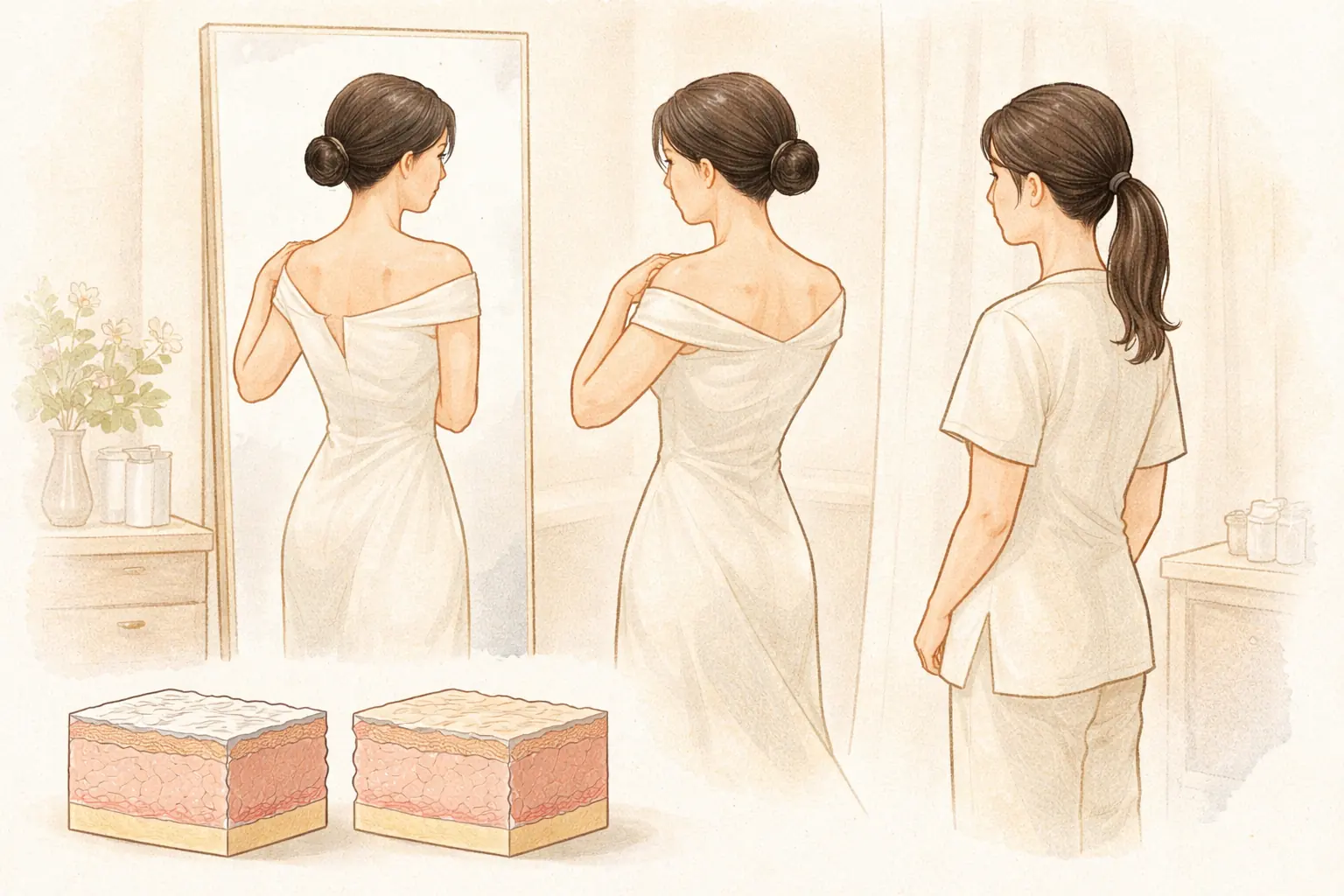
Doctor consultation — Your concerns, lifestyle habits and past treatment history are added to the analysis record to decide what is needed and what is not, and in what order and intensity. Whether to do both treatments on the same day or split them is also decided here.
Treatment performed by the doctor — The doctor personally performs the agreed plan and adjusts intensity while watching your skin's response during the treatment.
Recovery and follow-up — After the treatment, redness and tightness are checked, and the next interval is set together based on your recovery speed.
The treatments used for this topic are the aqua peel facial and LDM listed under the skin care category of the treatment guide, and LDM is offered in 6 and 12 minute formats. Prices are published per unit and VAT is separate (Treatments and Pricing).
Aftercare and side effects
Calming — Avoid heat and friction on the day of treatment. Hot saunas, strong rubbing and scrubs can increase redness.
Moisturizing — According to the American Academy of Dermatology, apply moisturizer as instructed so the skin does not dry out after surface clearing. It also notes that dry, cracked skin can lead to scarring (Chemical peels FAQs).
UV protection — UV exposure during recovery raises the risk of pigment changes. Apply sunscreen before going out, and avoid tanning beds or artificial tanning after treatment.
Checking progress — Watch whether redness and tightness are decreasing. Even if flaking appears, leaving it alone rather than pulling it off is safer. The American Academy of Dermatology advises that scratching or picking at scabs raises the risk of infection (Chemical peels FAQs).
Common reactions are redness, swelling, tenderness to pressure and bruising. They usually settle within a few days. Rarely, temporary darkening or lightening of the skin, blisters, lumps after injection, burns or scars can occur (Why do results differ even from the same treatment?).
There are times to check without waiting: pain that does not improve and keeps getting worse, redness that does not fade over time, or blisters or oozing. The American Academy of Dermatology advises contacting the treating physician if the skin burns, itches or swells, and explains that not following instructions after a procedure raises the risk of infection and scarring (Chemical peels FAQs).
Frequently asked questions
Is an aqua peel facial better with LDM than on its own?
Instead of "better," it is more accurate to ask "does my skin need both steps." If clearing dead skin and sebum is the main goal, the aqua peel facial alone may be enough; if redness and dryness linger after clearing, adding a calming step fits. The criterion is whether both concerns are present on the same day. Adding both steps to skin that needs only one just adds irritation.
Does changing the order change the result?
The default is clearing, then calming. Soothing the irritation created during clearing afterward is the natural flow. Reasons to change the order are uncommon, and what actually divides results is the intensity of the clearing step and adjustments made during the treatment rather than the order. Adjusting strength while watching the skin's response affects the outcome. How strong the clearing step will be that day and how many minutes the calming session will run are decided in the consultation. Since strength is adjusted during the treatment as well while watching your skin, it is better to check that adjustment process than the order.
How often, and at what interval, should I have it done?
There is no fixed cycle; the basis is how long redness and tightness took to settle after the last round. According to the American Academy of Dermatology, when surface-clearing treatments are repeated, the interval is set by the treating physician. If recovery gets slower each round, that is a signal to lengthen the interval. Recording how long redness took to settle each round makes it easier to set the next interval. If you did both on the same day, the next visit is set in the consultation based on that day's response.
Can I combine them if my skin is sensitive, or if I have acne or facial redness?
If inflammatory breakouts are active that day, the clearing step can be a burden. If your skin is thin and reddens easily, the judgment may be to lower clearing intensity or shift the plan toward calming. With acne and facial redness, the same combination may not fit depending on severity, so checking your condition comes before planning the treatment. This call is made in the clinic after seeing your skin directly.
What should I ask first when choosing a clinic?
Because results depend heavily on the practitioner's skill and experience, confirming that in the consultation is the starting point. The American Academy of Dermatology advises asking before a cosmetic procedure whether the doctor is board-certified, how many times they have performed the procedure, and how much experience they have with patients of your skin type and age group. Recovery time, preparation, aftercare and cost are also items to confirm (Questions to ask before a cosmetic procedure).
At a glance
Table 2 At a glance
Item
Key point
Conclusion
Doing both on the same day is possible, and it makes sense when both concerns are present
Order
Surface clearing, then calming
Interval
Based on how fast redness and tightness settle
Intensity
The strength of the clearing step drives that day's burden on your skin
Sensitive skin
Lower the intensity or split the days, and in some cases focus on calming
This article offers general health information. It is not a substitute for diagnosis or treatment based on your own condition, so please talk through your situation with a doctor.