Coretox and Xeomin are both purified 150kDa formulations, but what separates them? We break down the approval data and international sources to explain why resistance depends more on treatment intervals than product names.
Written by ATTITUDE Clinic Editorial Team
We often hear questions like "What's the difference between Coretox and Xeomin?" and "If they're both purified, does that mean resistance really won't develop?" Both are described as products with complexing proteins removed, so many people wonder whether they can just pick either one, and why prices differ despite both being purified. This article examines where the two products are alike and where they diverge based on molecular structure and approval information, explains what "resistance" actually means, and outlines what to check before and after treatment.
The Bottom Line First
Coretox and Xeomin are both purified formulations that retain only the neurotoxin (the protein that reduces signals from nerve endings to muscles) responsible for the therapeutic effect of botulinum toxin type A. Coretox is a 150kDa formulation made by the Korean company Medytox, and Xeomin is known as incobotulinumtoxinA from Germany's Merz. Because there is no internationally unified unit standard, it is difficult to say that 1 unit of one product equals 1 unit of another. Ultimately, what determines results is not the brand name but the dosage, injection site, repeat intervals, and the individual's muscle condition.
The Difference Between the Two Products Starts With Molecular Structure
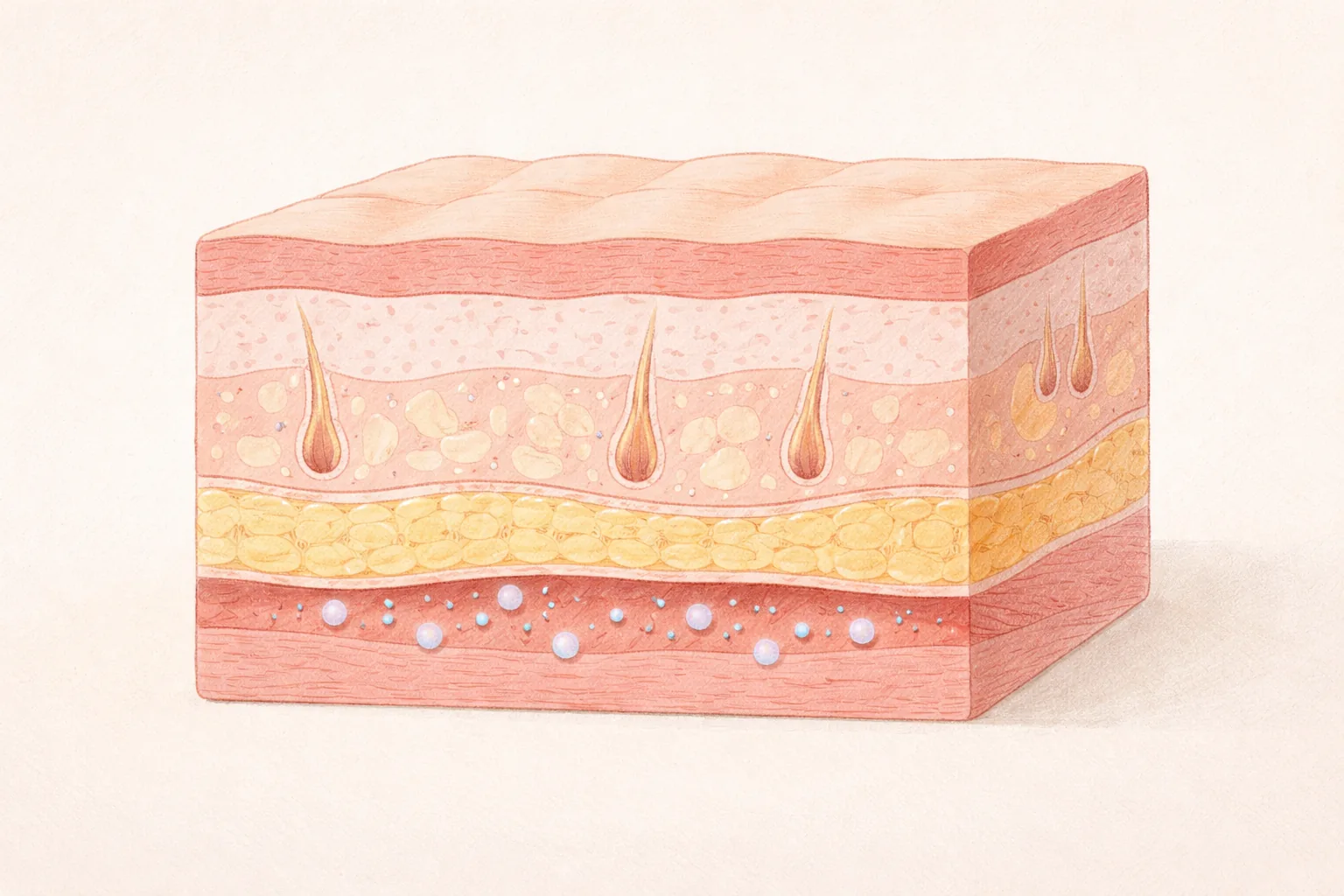
Botulinum toxin is made by purifying the toxin produced by the bacterium Clostridium botulinum. The active portion is the neurotoxin, and depending on the product, complexing proteins that surround this neurotoxin may be included or removed during purification. "Purified" means these complexing proteins have been removed, leaving only the neurotoxin.
According to the Coretox approval information registered in the Ministry of Food and Drug Safety's integrated drug information system, the active ingredient is Clostridium botulinum toxin type A (150kDa), and each vial contains 100 units. The 150kDa value refers to the size of a single neurotoxin, demonstrating that the complexing proteins have been removed. The approval date is 2016, and the manufacturer is a Korean company.
Xeomin is classified in the same category. DermNet New Zealand introduces Xeomin as incobotulinumtoxinA with complexing proteins removed, and explains that botulinum toxin has no internationally unified unit standard, so 1 unit of Botox and 1 unit of Dysport are not the same amount. The same source also notes that approximately a 1:1 conversion applies between Botox and Xeomin. While both products share the broad framework of being "purified," determining how many units of one product correspond to how many units of another requires consulting product-specific reference tables.
So why do clinics recommend different products even though both are purified? Because manufacturers, approval histories, and the volume of accumulated research differ. According to the same source, most cosmetic botulinum toxin studies have been conducted using onabotulinumtoxinA as the reference. Choosing a product is less about determining which is better and more about deciding which formulation suits a person's muscle condition and treatment history.
"Resistance" Depends More on Treatment Intervals Than Product Names
Resistance refers to a situation where repeated treatments cause the immune system to produce antibodies against the toxin, reducing its effectiveness. The more protein components a product contains, the greater the potential for an immune response, which is why purified formulations with complexing proteins removed are discussed as a favorable option for resistance management.
That said, the possibility of antibody formation does not disappear with purified formulations. DermNet New Zealand explains that the biggest risk factor for antibody formation is the number of treatments—how frequently they are administered—and generally recommends avoiding repeat treatments at intervals shorter than 8–12 weeks. The Coretox approval information also states that the safety and efficacy of frequent administration have not been clinically evaluated. This means that maintaining intervals comes before switching products.
Why does the topic of resistance so often shift to product comparisons? Because when effectiveness seems to diminish, it's easy to blame the product. In reality, the situation may call for reducing dosage because the muscle has already atrophied, or the same results may not occur because previous treatment records don't match. Recording which product was used, the dosage, the site, and the interval can help narrow down the cause during consultation.
When Do Effects Appear, and How Long Until the Next Treatment?
According to DermNet New Zealand, after botulinum toxin injection, muscle weakness typically begins to appear within 2–4 days and peaks around 10 days. This effect is not permanent. Nerves extend new endings, and after approximately 3 months, the connection between nerve and muscle is re-established. Because muscles gradually atrophy with repeated treatments, the interval until the next treatment may lengthen over time.
Coretox's approval information states that safety and efficacy were evaluated up to 16 weeks for glabellar lines. This discloses the evaluation period at the time of approval, and it also notes that repeat administration beyond that period has not been separately clinically evaluated. So the answer to "how often should I get it" varies from person to person, and even for the same person, the perceived duration can differ between areas like glabellar lines and the jaw.
The procedure itself involves injecting a small amount into the muscle with a fine needle, often without anesthesia. However, the level of sensation varies depending on skin thickness at the injection site, muscle volume, and sensitivity to pain. Upper facial wrinkles are typically treated by injecting into multiple sites.
Table 1 When Do Effects Appear, and How Long Until the Next Treatment?
Product
Manufacturer · Ingredient
Concerns It's Typically Used For
Points to Note
Coretox
Medytox (Korea) · Botulinum toxin type A 150kDa
Expression wrinkles such as glabellar lines
Evaluated up to 16 weeks for glabellar lines at approval
Xeomin
Merz (Germany) · incobotulinumtoxinA
Those who prefer purified formulations or have a history of repeated treatments
Approximately 1:1 unit conversion with Botox
Allergan Botox
Allergan · onabotulinumtoxinA
The formulation with the most accumulated cosmetic research
No internationally unified unit standard
Neurotox
Formulation listed in clinic information
Expression wrinkles, skin Botox
Confirm units and dosage at consultation
Swipe sideways to see the whole table.
In summary Coretox and Xeomin belong to the same category in that they are purified formulations retaining the 150kDa neurotoxin, but they differ in manufacturer, approval information, and unit conversion standards. Rather than determining which is better, the priority is to decide during consultation which one suits your muscle condition, treatment history, and visit schedule.
If This Applies to You
When your visit to Korea is short
If your schedule is tight, it's better not to cram the procedure into a packed day like the day before departure, considering the time for redness or bruising to subside. If you have outdoor plans the day after the procedure, it helps to plan sun protection and soothing measures in advance.
When a wedding or photo shoot is a few weeks away
Effects begin to appear within 2–4 days and peak around 10 days, so it's natural to allow at least 2 weeks before an important event. If it's your first time treating a particular area, we especially recommend planning with extra buffer time.
When effectiveness seems dulled from repeated treatments
Before switching products, first check the intervals, dosage, and sites of previous treatments. If intervals were shorter than 8–12 weeks, that itself may be a factor increasing antibody risk, so reviewing records together during consultation is the right order.
If you have sensitive skin or bruise easily
Redness, swelling, and bruising are common after injectable treatments, so mentioning your schedule helps with adjusting sites and depth. Please also inform us of any medications you're taking and active ingredients you apply to your skin.
Please let us know before your consultation
Recent sun exposure (travel, outdoor activities)
Medications you're taking and functional ingredients you apply to your skin
Previous botulinum toxin treatment records (product, site, dosage, interval)
Reactions after previous treatments (bruising, swelling, hypersensitivity)
Important events such as weddings, photo shoots, or business trips
History of neuromuscular disorders
How ATTITUDE Clinic Proceeds
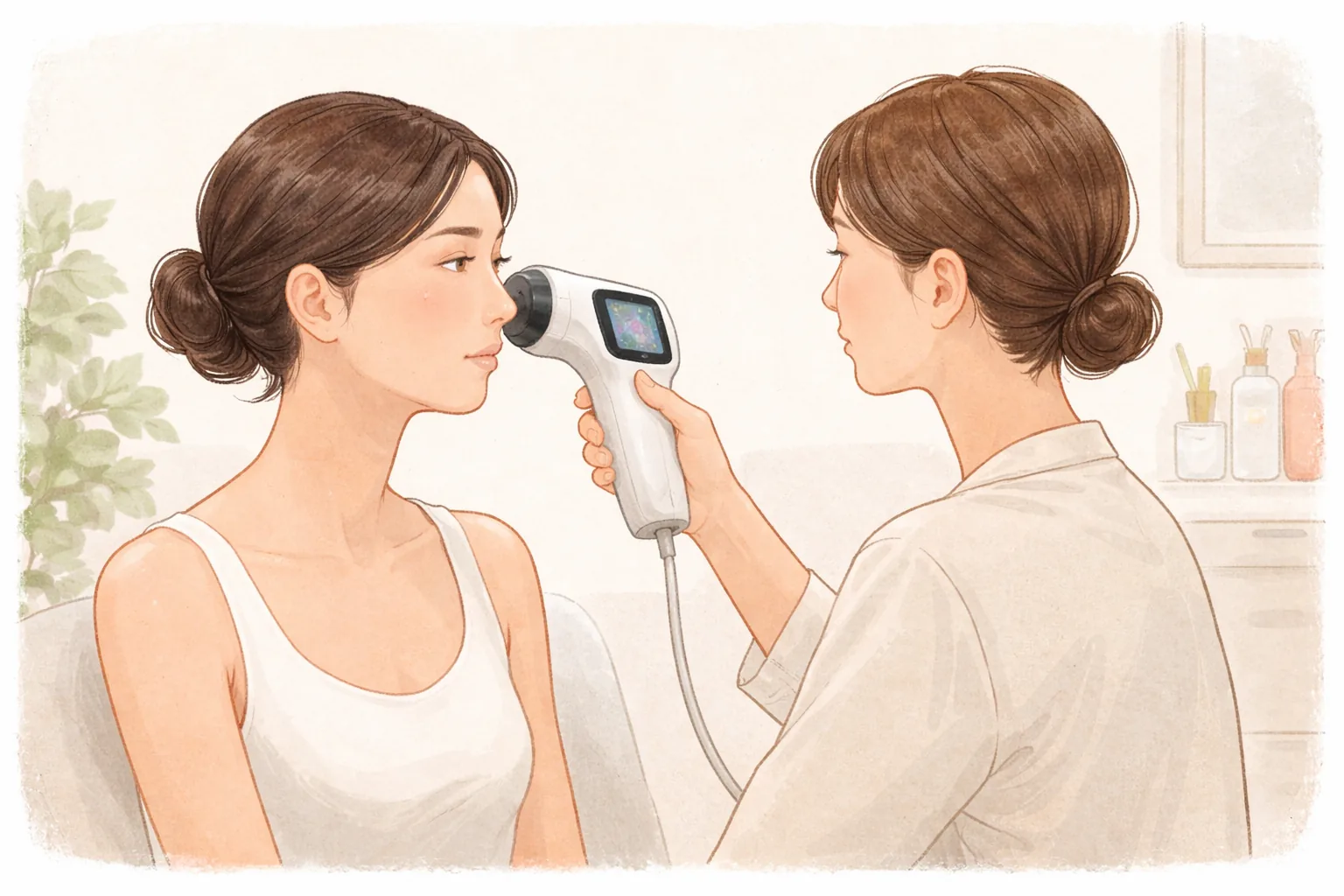
AI skin analysis record — We record and organize your skin condition so you and the doctor start the consultation looking at the same information. The analysis tool is a reference that records and organizes information to support consultation and does not make medical diagnoses.
Doctor consultation — We combine the records with your concerns, lifestyle habits, and previous treatment experience to decide together which product to use, where, how much, and in what order. Bringing previous treatment records helps with the review.
Doctor-performed procedure — The doctor personally performs the plan decided in consultation and adjusts while observing skin reactions during the procedure. This ensures the consultation and the actual procedure stay aligned.
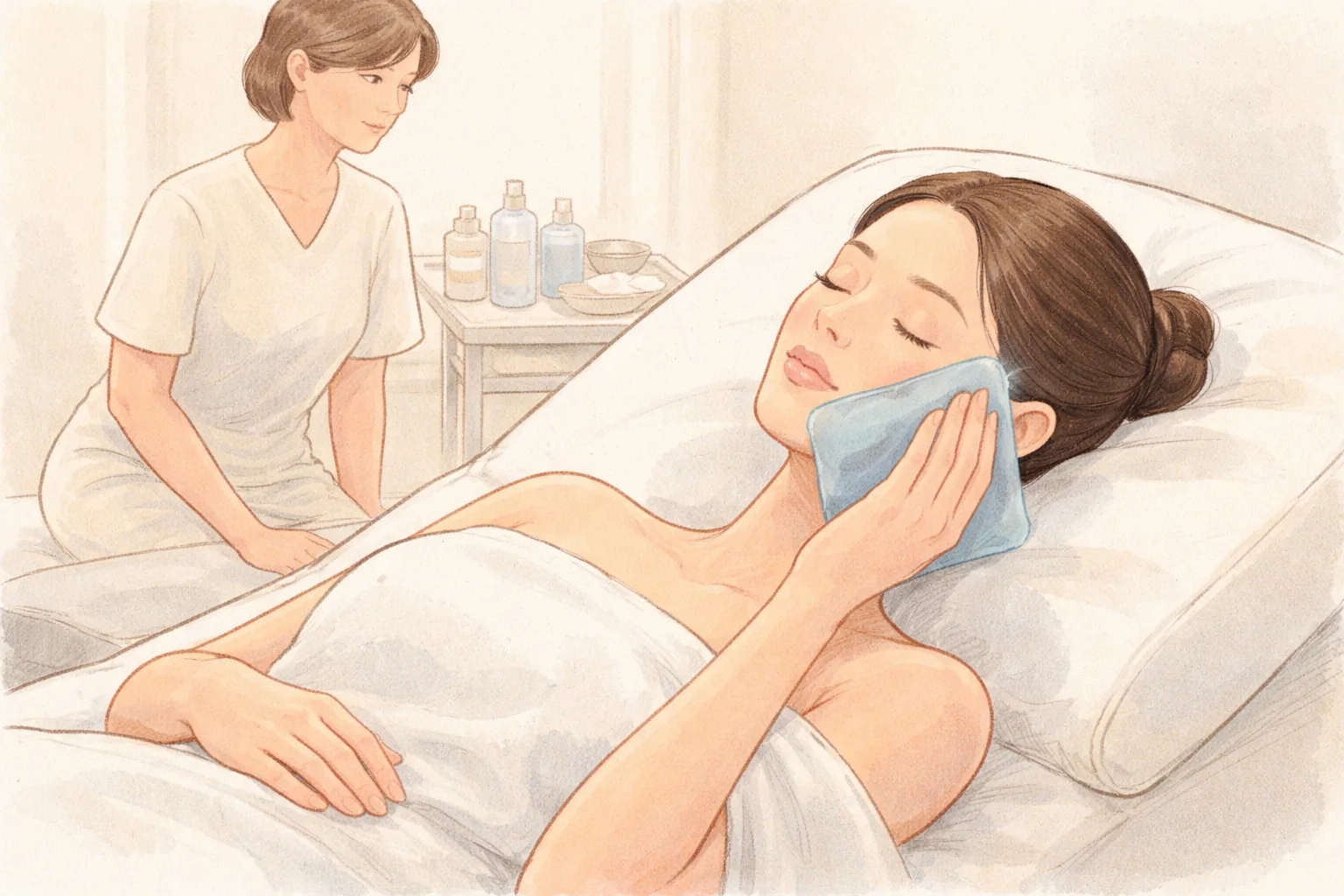
Recovery and aftercare — We guide you on soothing, moisturizing, sun protection methods after the procedure, and when to check your progress.
The botulinum toxin products ATTITUDE Clinic offers are listed in the clinic treatment and pricing information. These include Neurotox, Coretox, Xeomin (Merz), and Allergan Botox, and which product to use is decided during consultation based on muscle condition and treatment history. You can also verify authenticity and dilution standards during the consultation.
Aftercare and Side Effects
Soothing — Redness and swelling are common immediately after the procedure. Avoid rubbing or pressing and focus on letting it subside.
Moisturizing — Since the skin barrier is in a sensitized state, replenish moisture with a gentle moisturizer.
Sun protection — Use sun protection when going outdoors to reduce pigment changes.
Progress check — Monitor whether symptoms subside within a few days and whether any unexpected changes appear, and keep the check-up timing you were advised.
In order of frequency, as summarized in the ATTITUDE Clinic column, redness, swelling, tenderness (pain when pressed), and bruising usually subside within a few days. Rarely, temporary pigment changes (skin becoming darker or lighter), blisters, lumps after injection, burns, or scars may occur.
There are also precautions specific to botulinum toxin. The Coretox approval information warns that the toxin can spread from the injection site to other areas, causing symptoms such as sudden muscle weakness, hoarseness, difficulty swallowing, and eyelid drooping, and that these symptoms can be life-threatening. There have also been rare reports of hypersensitivity reactions such as anaphylaxis, hives, and difficulty breathing with other botulinum formulations.
If pain does not improve and worsens over several days, if you experience blurred or double vision, or if you have difficulty swallowing, it is safer to notify the clinic without waiting.
Frequently Asked Questions
Is it okay to alternate between Coretox and Xeomin?
Switching products itself is not a problem. The biggest factor in antibody formation is the number of treatments, so even if you switch products, maintaining intervals comes first. When you feel effectiveness has dulled, we recommend checking the intervals and dosage of previous treatments before considering a product switch. If intervals were shorter than 8–12 weeks, that itself can be a risk factor. Whether to switch is decided by reviewing previous treatment records and current muscle condition together.
Do Xeomin and Coretox really not cause resistance?
It is true that purified formulations with complexing proteins removed have relatively less potential for immune reactions. However, they cannot be guaranteed to completely prevent antibody formation, and the biggest risk factor is explained as treatment frequency. For glabellar lines, safety and efficacy were evaluated up to 16 weeks, and more frequent administration has not been separately evaluated. Therefore, maintaining the recommended intervals takes priority over product selection. Simple tests to detect antibodies in advance are not widely used, so tracking changes in effectiveness through records is more practical.
Is Xeomin safer than regular Botox?
No evidence has been confirmed to conclude that one product is safer than another. Products differ only in molecular structure, approval information, and the volume of accumulated research, and side effects are influenced by the product type, the practitioner's technique, injection sites, and dosage together. In fact, approximately a 1:1 unit conversion is noted between Xeomin and Botox. If you prefer a specific product, it's best to state your reasons during consultation and decide together.
How long do the effects last?
Muscle weakness typically begins to appear within 2–4 days, peaks around 10 days, and after approximately 3 months, the nerve-muscle connection is re-established. With repeated treatments, muscles gradually atrophy and the interval until the next treatment may lengthen. Even for the same person, the perceived duration differs between areas like glabellar lines and the jaw. Duration may be shorter or longer than expected and varies with individual muscle condition and treatment history.
What should I look for when choosing a clinic?
First, check whether the products used are approved and authentic, who performs the consultation and procedure, and whether previous treatment records are reviewed. Whether the clinic explains the product, dosage, and expected side effects before the procedure is another point to verify. If a clinic clearly states that analysis tools are records to support consultation rather than medical diagnoses, you can see the basis for their judgment. You can ask about authenticity and dilution standards directly during consultation.
At a Glance
Table 2 At a Glance
Item
Key Point
What the two products share
Purified formulations retaining the 150kDa neurotoxin of botulinum toxin type A
Where they diverge
Manufacturer, approval information, unit conversion standards
Resistance
Treatment intervals are a bigger risk factor than product names
Onset of effects
Begin in 2–4 days, peak around 10 days, reconnection after approximately 3 months
Aftercare
Soothing → moisturizing → sun protection → progress check
Decision criteria
Consider muscle condition, previous treatment history, and visit schedule together
This article offers general health information. It is not a substitute for diagnosis or treatment based on your own condition, so please talk through your situation with a doctor.