How Painful Are Dermal Fillers? A Guide to Anesthesia and Aftercare
A plain-language guide to how painful filler injections really are, covering tearing trough filler before and after expectations, how local anesthesia works, and which after-effects are normal.
Written by ATTITUDE Clinic Editorial Team
It is natural to look up "how much will this hurt" on the way to a filler appointment, especially for a thin, sensitive area like the lips. This article walks through what determines pain during filler treatment, how anesthesia is handled, and how much discomfort after the procedure is still within the normal range.
The short answer first
Filler pain is not fixed as a single score. Even with the same product and the same area, the sensation differs depending on the thickness of the tissue being injected, the tool, the state of anesthesia, and your personal pain threshold. FDA material lists pain, tenderness, swelling, bruising, and itching as common risks of filler treatment. Lips are thin, highly mobile tissue, which places them among the more sensitive areas. Most treatments begin with local anesthesia, and the method is decided in consultation based on the area, the product, and your allergy history.
Why do fillers hurt? — the layer the needle passes through and differences by area
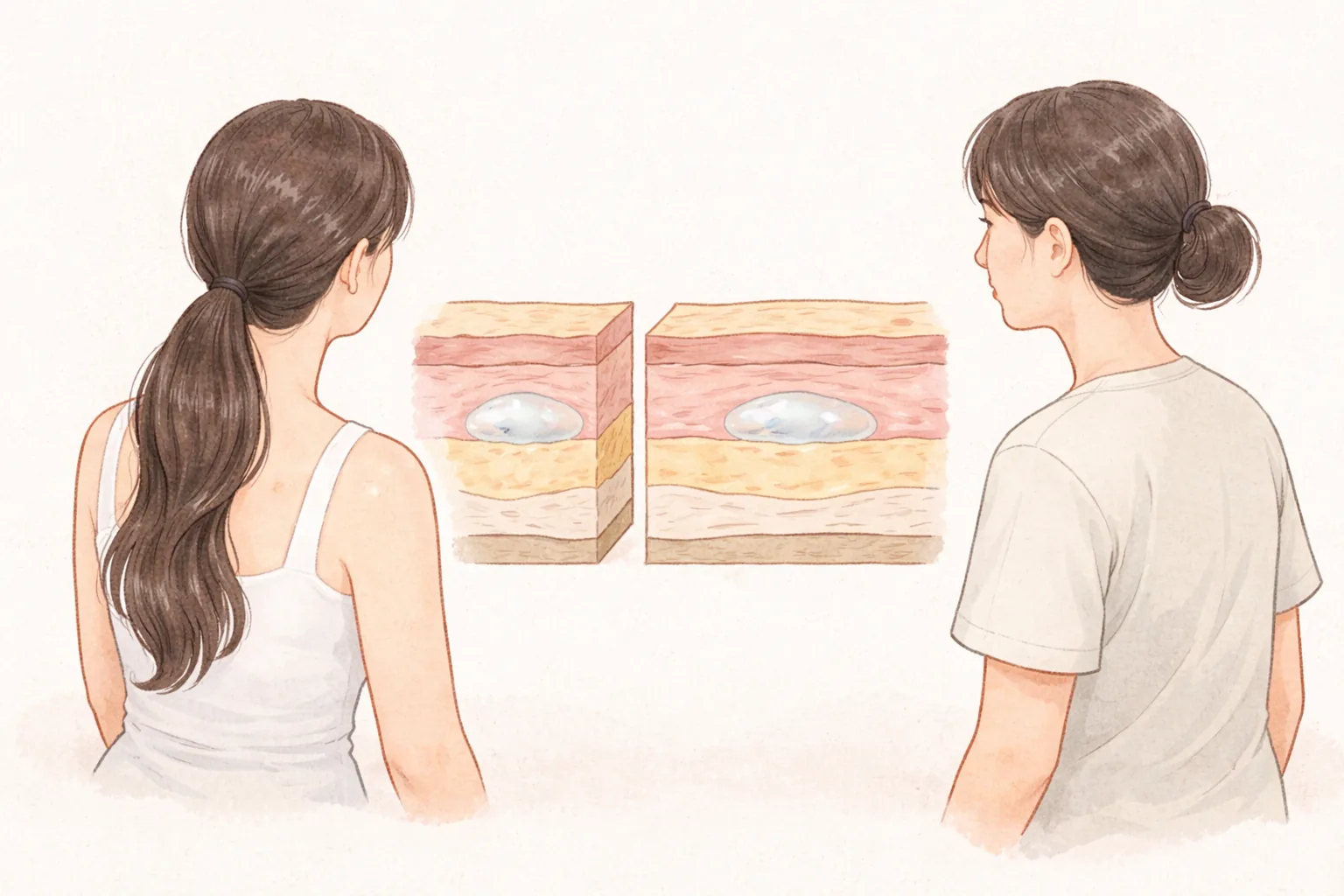
Pain during an injection comes from two things overlapping. One is the irritation of the needle piercing through skin layers, and the other is the pressure created as the injected material takes up space within the tissue. According to FDA material, pain and tenderness are classified as common reactions to filler treatment — meaning the sharpness during the procedure and the tenderness for a few days afterward are extensions of the same cause.
So why does the experience vary by area? Tissue thickness and nerve distribution. According to ATTITUDE Clinic's column on injectable treatments, areas close to bone with thin tissue — the forehead, the eye area, and around the lips — tend to feel relatively more sensitive, while thicker areas such as the cheeks and jawline tend to hurt less. Lips add constant movement on top of this, so sensation returns often both during and after the procedure.
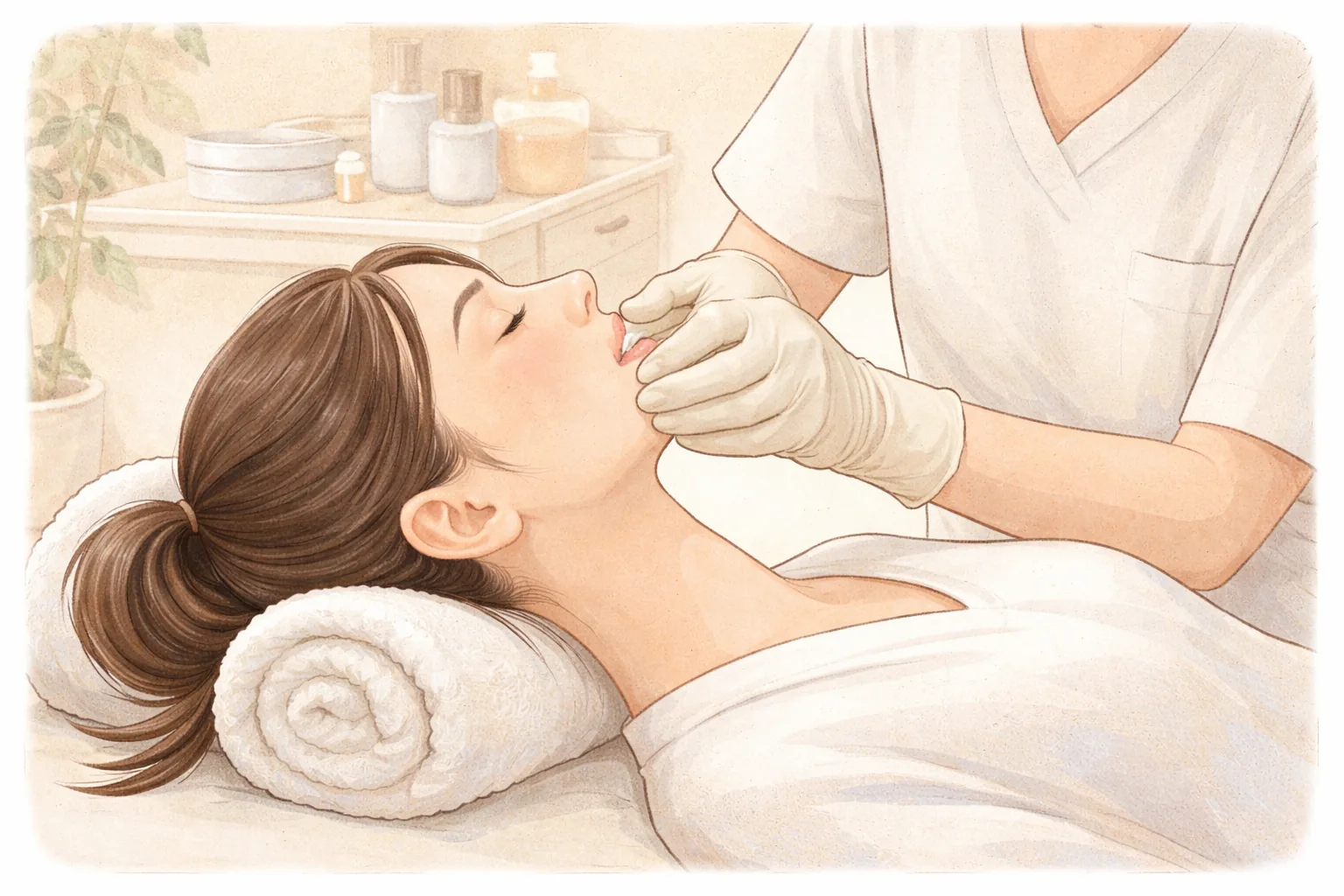
This is also why the reputation that lip filler hurts more than anything else persists. The tissue is thin, so the needle travels through a shallow layer, and the lips themselves move constantly with expression and speech. According to Cleveland Clinic guidance, as you leave the clinic after lip filler, the numbing cream wears off and sensation returns to the lips, and from that point you may feel some discomfort. That also means the cream was dulling the sensation during the procedure itself.
How is anesthesia handled? — cream, anesthetic contained in the product, and tools
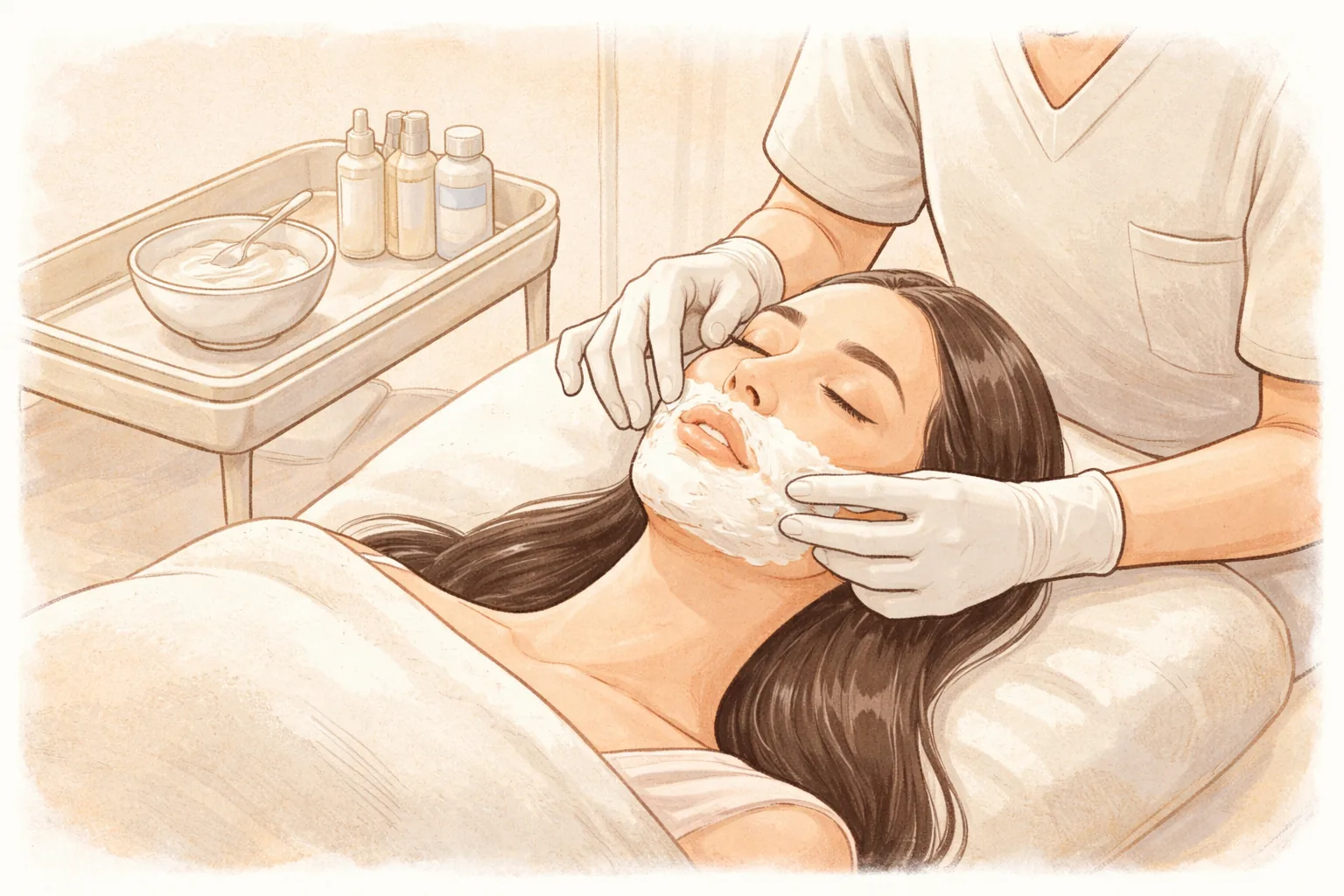
The most common approach is applying a topical numbing cream before treatment and allowing time for it to absorb. Cleveland Clinic guidance also notes that a numbing cream is used before lip filler and that its effect gradually fades after the procedure. Some areas respond well to the cream and others do not, so injectable anesthesia is added as needed.
Some products contain an anesthetic ingredient themselves. FDA guidance states that some fillers include a local anesthetic such as lidocaine. This means anyone with a lidocaine allergy cannot use products containing that ingredient, and this must be disclosed before treatment. Allergy status is a basic item checked during the intake questionnaire.
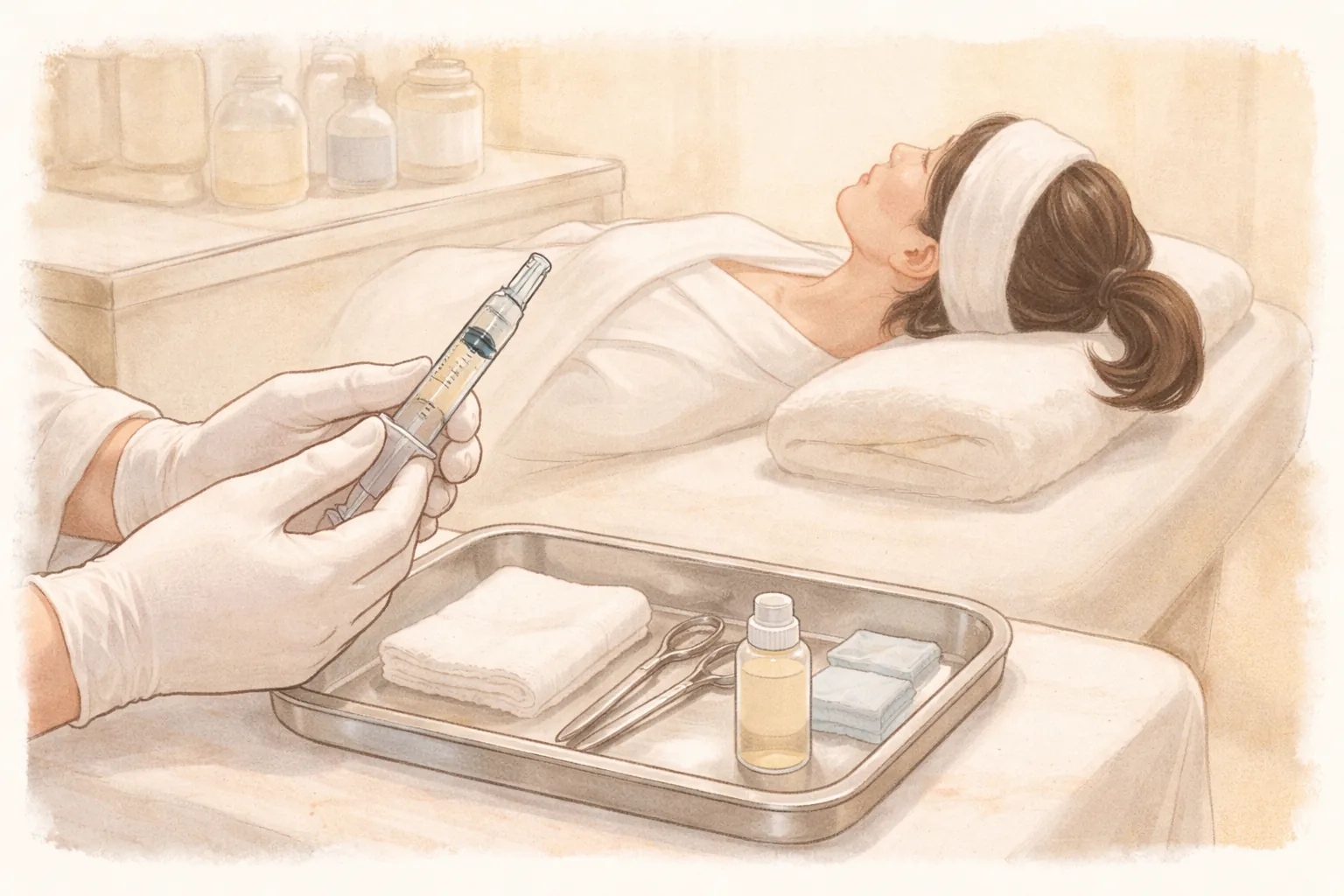
The injection tool also affects pain. According to ATTITUDE Clinic's column, injecting at many points with a fine needle repeats a brief sharp sensation multiple times, while threading a thin tube with a rounded tip (a cannula) and spreading the product from within stings only on entry and is relatively less painful afterward. Needles are advantageous for placing small amounts at precise points, while cannulas are advantageous for passing through a broad area in one go. The choice is made based on the area, the volume needed, and the distribution of blood vessels.
One thing to remember is that anesthesia does not reduce pain to 0. Even with anesthesia, you still feel pressure and movement. In consultation, "I'd like to know in advance how much I need to endure" is a more useful question than "please make it painless."
What determines the pain? — area, tool, threshold, and bruising
Even after the same procedure, one person says "it was better than I expected" and another tears up. Four things make the difference.
First, the area. The thinner the tissue and the closer to bone, the more sensitive. Second, the tool and injection method. Needles and cannulas feel different, and the number of injection points changes how many times the sharp sensation repeats. Third, your personal pain threshold. The same stimulus is registered differently by different people. Fourth, how well the anesthesia has taken effect. This depends on the anesthetic contained in the product and how long the cream was left on.
Discomfort after treatment is not only about pain. According to ATTITUDE Clinic's column, how much bruising occurs varies between individuals depending on blood vessel distribution and other factors, and bruising can take more than a week to fade. If you bruise easily, it is better to allow buffer time before an important event.
Table 1 What determines the pain? — area, tool, threshold, and bruising
Category
What is injected
What differs in pain and anesthesia
Usual areas
Hyaluronic acid filler (domestic and imported)
Hyaluronic acid gel
Some products contain lidocaine; numbing cream used alongside
Cheeks, lips, forehead, temples, under-eye, neck wrinkles, etc.
PN·HA skin booster
Polynucleotide · hyaluronic acid
Repeated sharp sensation with multi-point injection; differs by tool
Hydration and skin texture
Re2O (hADM allogeneic collagen)
Human-derived acellular allogeneic dermal ECM
A thicker feeling right after injection; redness and tenderness
Areas with concerns about skin thickness and elasticity
Swipe sideways to see the whole table.
In summary, filler pain is the result of area, tool, anesthesia, and personal threshold combined. Thin, sensitive areas like the lips may feel more sensitive, but the burden is managed with numbing cream, anesthetic contained in the product, and the choice of cannula. A few days of tenderness and swelling after treatment is a common course, but if pain worsens steadily or skin color changes, that is when you seek care immediately rather than waiting it out.
If this applies to you
When a ceremony or shoot is only days away
Swelling and bruising are most noticeable right after treatment and over the following days. If you have an important event, mention the date first in consultation and adjust the treatment timing to the days remaining. Avoiding intense exercise, saunas, and alcohol on the day of treatment and the day after helps with swelling and bruising.
When treating a sensitive area like the lips for the first time
Lips are thin and highly mobile, so sensation returns often even during the procedure. Whether the numbing cream is given enough time and how the tool is chosen shape the experience. If it is your first time, it is better to hear about the anesthesia method and expected discomfort in consultation first.
Sensitive or easily flushed skin
Redness, stinging, and swelling are common reactions after injectable treatments. If your skin flushes easily, it is better to keep your schedule light on the day of treatment and the day after. If your skin develops inflammation easily, telling your provider about your usual reactions in consultation makes planning easier.
If you are on a short stay
If your stay is short, the window to check your progress is also short. Plan around the fact that bruising can take more than a week to fade, and decide in advance where to contact if anything unusual appears.
Please tell us before your consultation — recent sun exposure and skincare history, medications you are taking (especially those affecting blood clotting), any allergy to anesthetics including lidocaine, reactions from previous treatments, and unavoidable events such as ceremonies or shoots. If you have an autoimmune condition or have reacted to tissue-derived products, please mention that as well.
How ATTITUDE Clinic proceeds
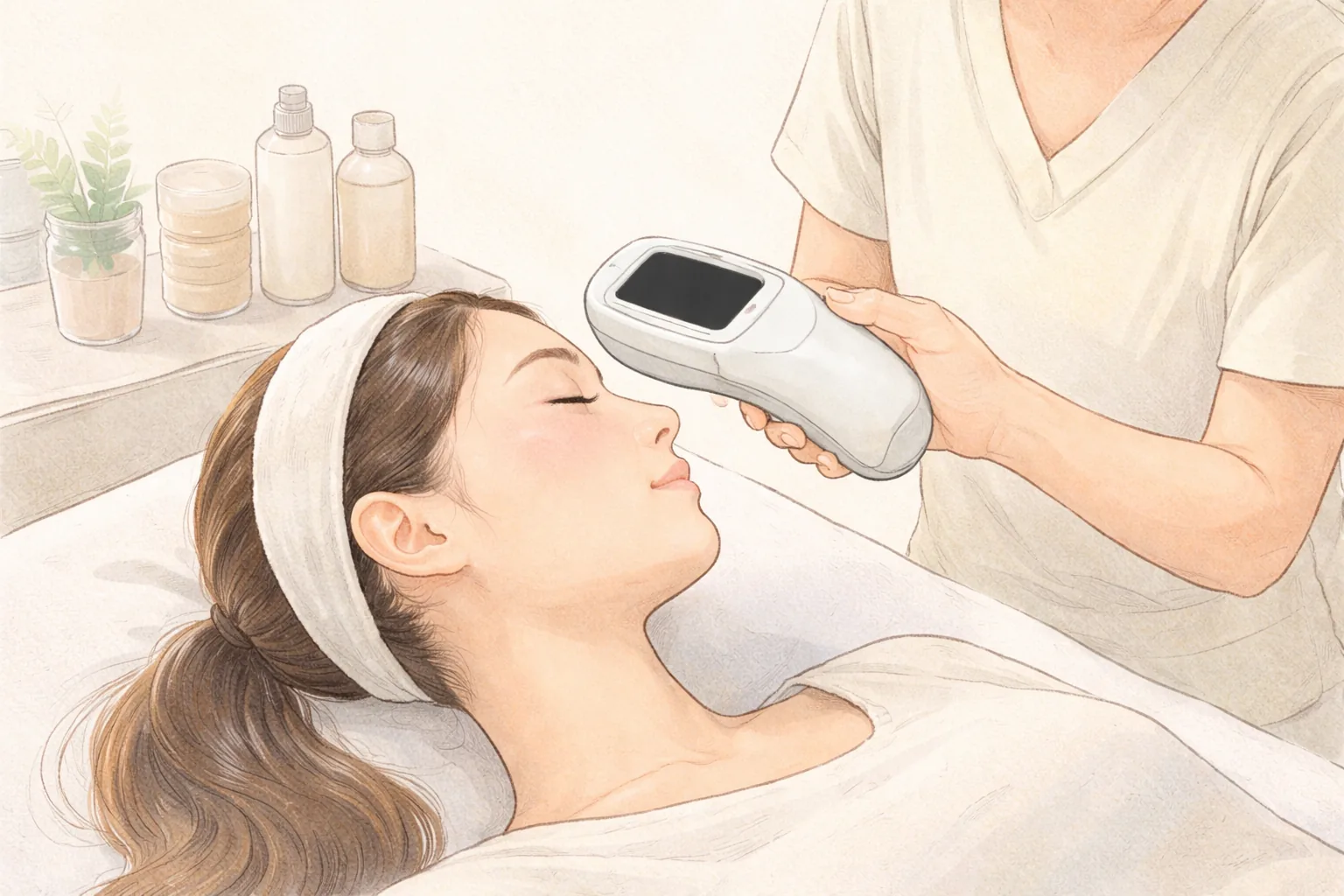
AI skin analysis record — Your skin is photographed and recorded with an analysis tool. This record organizes information as reference material for consultation; it does not replace a medical diagnosis.
Consultation with the director — We review the area and volume you want, concerns about pain, allergies and medications, and upcoming events. The anesthesia method and injection tool are decided at this stage.
Treatment performed directly by the director — We follow the plan set in consultation, with authentic products and accurate dosing as a principle.
Recovery and aftercare guidance — We explain precautions after treatment and when to return. According to ATTITUDE Clinic's treatment guide, we use domestic HA fillers and imported HA fillers (Juvéderm, Belotero, Restylane), and cost varies by area such as lips, neck wrinkles, under-eye, temples, and forehead.
Aftercare and side effects
After treatment, care proceeds in this order.
Soothing — If there is swelling, bring it down with a cold compress. As guided in ATTITUDE Clinic's column, do not press hard on the injection site or massage it on your own; follow only the methods the clinic provides.
Moisturizing and pain relief — Cleveland Clinic guidance states that acetaminophen can be taken for pain and discomfort right after lip filler. Unlike other anti-inflammatory painkillers, acetaminophen does not thin the blood, so it tends not to increase bruising, and drinking enough water also helps recovery.
Sun protection — During recovery the skin barrier is weaker, so apply sunscreen more carefully than usual.
Checking progress — Watch whether swelling and bruising are decreasing and whether pain is worsening. According to Cleveland Clinic guidance, clinicians may gently massage the lips to smooth out lumpy areas, and because filler stays soft for a few days, it can settle during that window. However, if you feel a large, hard, or painful lump, do not touch it yourself and notify the clinic.
Side effects are viewed in tiers, from common to rare. Common reactions are pain, tenderness, swelling, bruising, and itching. Small bumps along the injection track may remain for a day to several days, and bruising sometimes lasts more than a week. More rarely, nodules, infection, or allergic reactions can occur, and in very rare cases injected material can block a blood vessel, leading to serious problems such as skin necrosis or vision changes.
That is why some signals should not be watched and waited on. These are pain that is unusual for you or steadily worsening, lips or surrounding skin turning pale or purple, or any change in vision. Cleveland Clinic guidance describes these signals as possible vascular occlusion and advises contacting a clinician immediately. If swelling, pain, or warmth persists for several days, also contact the clinic rather than waiting until your next appointment.
Frequently asked questions
Is filler treatment very painful?
This is not a question that can be answered with a score. The tissue thickness at the area, whether a needle or cannula is used, how well the anesthesia has taken effect, and your personal pain threshold all interact. FDA guidance classifies pain and tenderness as common risks, which means the sharpness during the procedure and the tenderness for a few days afterward fall within the common range. Rather than expecting anesthesia to eliminate pain entirely, it is more accurate to understand it as lowering pain to a tolerable level.
People say lip filler hurts the most — is that true?
Lips are thin and highly mobile, which places them among the more sensitive areas. According to ATTITUDE Clinic's column, the forehead, eye area, and around the lips, which are close to bone with thin tissue, feel relatively more sensitive, while the cheeks and jawline tend to hurt less. Still, it cannot be stated that lips hurt the most. Other thin-skinned areas such as the eye area are also sensitive, and even for the same lips, the experience varies with injection volume, tool, and the state of anesthesia.
How is anesthesia done?
Applying a topical numbing cream before treatment is common. Cleveland Clinic guidance also notes that a numbing cream is used for lip filler and that its effect fades after the procedure. According to FDA guidance, some filler products contain a local anesthetic such as lidocaine, so the injected material itself can reduce pain. If you have a lidocaine allergy, the products available to you differ, so tell the clinic in advance; the specific anesthesia method is decided based on the area and product.
What should I do if pain appears several days after filler?
Tenderness and swelling right after treatment typically decrease over a few days. Conversely, if pain worsens over time, if the skin at the injection site turns white, mottled, or bluish-gray, or if your vision changes, do not wait — seek care immediately. These signals are rare but can be related to a blocked blood vessel. If warmth or swelling continues, it is safer to contact the clinic rather than waiting for your next appointment.
What should I look for when choosing a filler clinic?
What matters more than price is the intake process and the response system. Whether they ask carefully about anesthetic allergies, medications, and reactions to past treatments, and how they will contact you and when they can see you again if an abnormal signal appears — these are things you can check in consultation. FDA guidance also advises allergy testing before treatment for fillers containing certain ingredients and consultation with an experienced clinician. Checking which products are used and how cost varies by area also makes planning easier.
At a glance
Table 2 At a glance
Item
Key point
What pain actually is
Needle irritation and pressure created by the injected material
Sensitive areas
Forehead, eye area, and around the lips — close to bone with thin tissue
Anesthesia methods
Topical numbing cream, lidocaine contained in some products, choice of tool
Common reactions
Pain, tenderness, swelling, bruising, itching; bumps for a day to several days
Signals to seek care immediately
Steadily worsening pain, skin turning white or bluish-gray, vision changes
Recovery care
Cold compress, acetaminophen, sun protection, avoid intense exercise and alcohol
This article offers general health information. It is not a substitute for diagnosis or treatment based on your own condition, so please talk through your situation with a doctor.