Dry, Sensitive Skin: What to Check Before Booking a Treatment in Gangnam, Seoul
Considering a treatment for dry, sensitive skin? Here is the order to check before a consultation, how to track irritation and dryness, what to share about medications, skincare products, and existing skin conditions, plus how to adjust timing and a moisturizing plan.
Written by ATTITUDE Clinic Editorial Team
When you are considering a treatment for dry, sensitive skin, the question that comes up most in consultation is "Is it okay to do this while my skin is like this?" On days when your face is red and flaking, it is hard to judge on your own whether you should postpone or whether switching moisturizers will solve it. This article walks through the order to check before choosing a treatment, how to track irritation and dryness, the information to share in consultation, and the criteria for adjusting timing and a moisturizing plan.
The short answer first
Before settling on a treatment name, look at the nature of your skin condition. Two cases can look similarly dry on the surface, but the response differs depending on whether the dryness comes from under-management or from a condition that needs diagnosis and treatment. So the order is to organize and record your symptoms and how long they have lasted, share your medications, skincare products, existing skin conditions, and allergies in consultation, and then set the treatment timing and moisturizing plan on that basis. According to the American Academy of Dermatology, a cosmetic treatment consultation should cover a choice suited to your history and skin health, realistically expected results, risks, recovery time, preparation and aftercare, and cost (AAD guidance).
What should you check before a treatment?
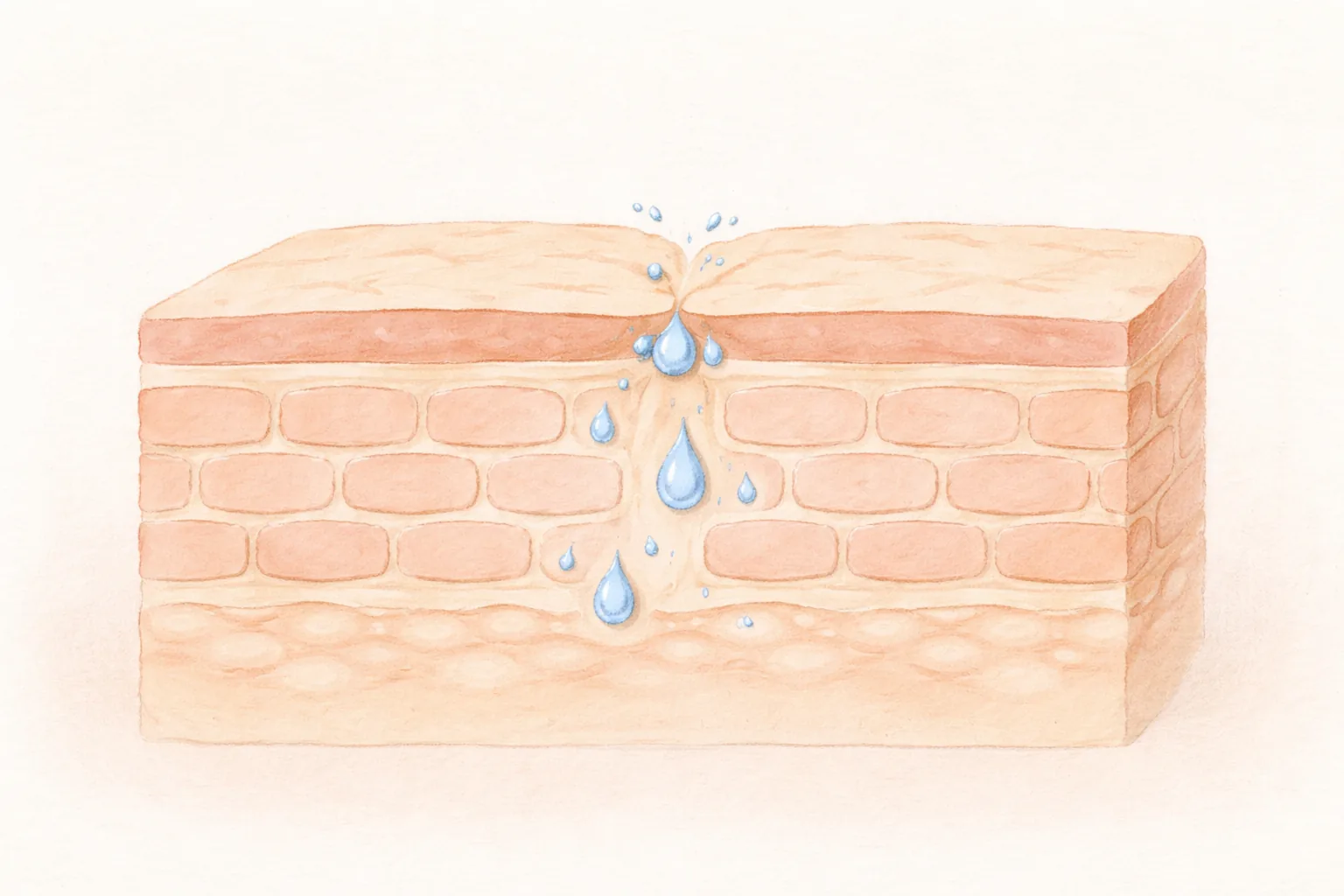
The outermost layer of skin is built like a brick wall, with corneocytes stacked like bricks and lipids filling the spaces between them. When these lipids decrease, moisture escapes and outside irritants enter easily, bringing tightness, flaking, and itching together. The same symptoms, however, do not always have one cause. Some factors, such as cleansing habits or your indoor environment, can be adjusted, while a skin condition that needs diagnosis and management can also be the cause.
So the first thing a treatment consultation looks at is where this dryness is coming from. If redness, flaking, and itching last a long time, or if cracking and oozing recur, you may need medical care separate from any cosmetic treatment. If you already have a diagnosed condition such as atopic dermatitis, treating that comes first. On the other hand, if dryness appeared after you turned up the heating or started cleansing more often, adjusting your daily habits alone can change the picture.
The second thing is how much your skin barrier can currently withstand. When the barrier is sensitized, even a treatment of the same intensity can feel like a burden. It is hard to state flatly that laser treatments themselves thin the skin, but the ATTITUDE Clinic column also notes that excessive intensity or repeating treatments before recovery can burden the skin barrier (Lasers and the skin barrier).
How should you track skin irritation and dryness?
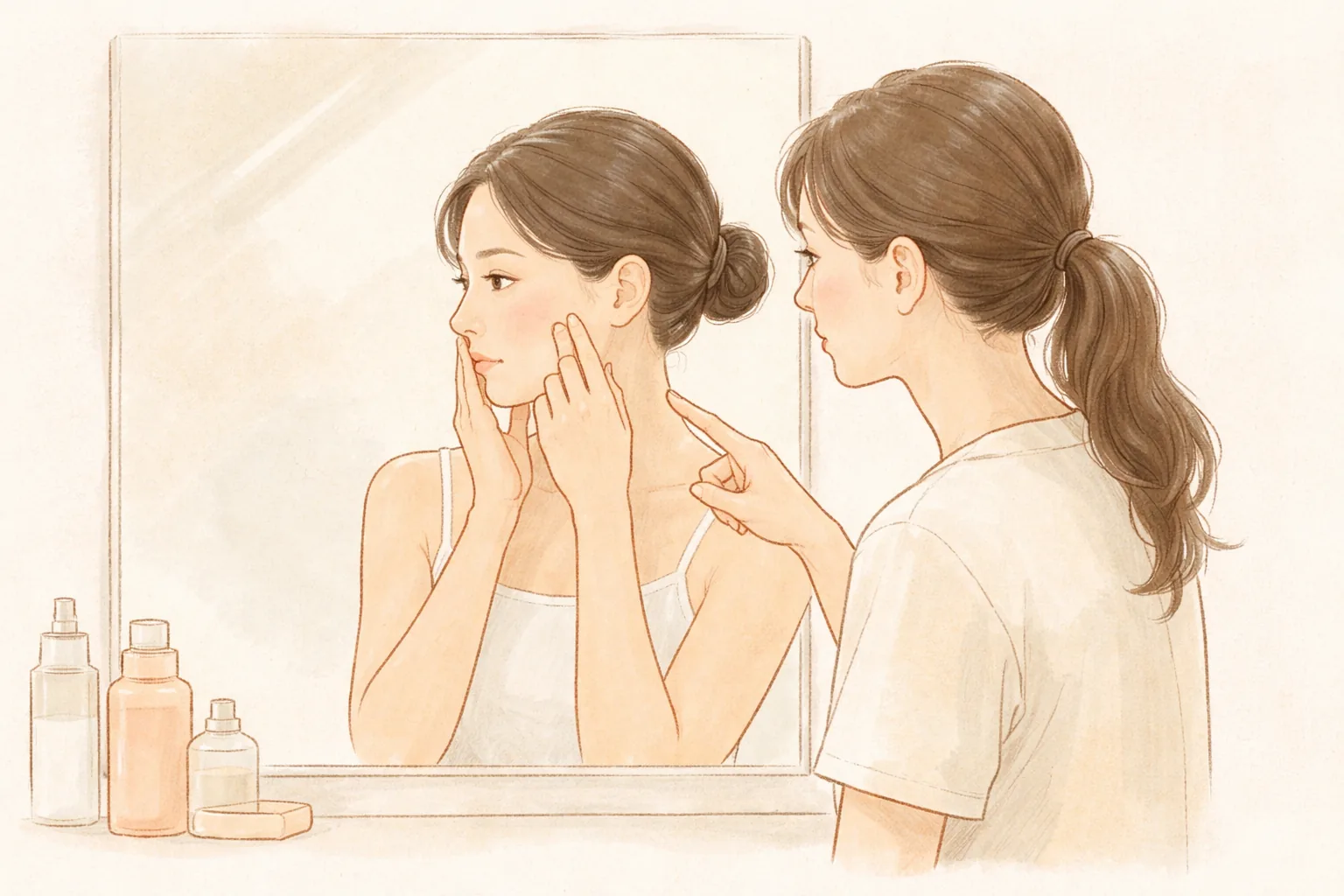
The purpose of tracking is not to diagnose yourself but to convey your history accurately in consultation. Relying on memory blurs when things started, and that blur makes it harder to judge timing. Writing the following items in a phone note makes the consultation far more specific.
When the irritation first started and whether you changed anything at that time
Where symptoms appear, any left-right difference, and whether it is the whole face or part of it
What time of day it is worst, whether right after cleansing or at night
Which patterns accompany it: stinging, itching, flaking, or cracking
The cleanser and moisturizer you use, the order you apply them, and any product you recently started
How often you cleanse, water temperature, heating and indoor humidity, sauna or exfoliation
If you have had treatments before, the redness then and how long recovery took
The last item matters especially. If your skin became sensitized after a treatment last time, that becomes grounds for adjusting the settings and timing now. It is hard to judge the cause from records alone, so it is worth confirming interpretation and whether tests are needed during a medical visit.
What should you tell them about skincare products, medications, and existing skin conditions?
The information most often left out in consultation is your medications and skincare products. It helps to mention not only prescription drugs but also over-the-counter medicines, supplements, contraceptives, and anything you recently started or stopped. If you use a topical skin medication, share the product name and how long you have used it.
For skincare products, ingredients and the order of use help more than brand names. Whether you added a new product in the last 2–3 weeks and whether your routine includes exfoliation or a potentially irritating step such as retinoids become the basis for adjustment. The ATTITUDE Clinic column asks that you mention it before a treatment if skincare products sting or your skin has become unusually sensitive (Before-treatment guidance). That is because even the same product may need its timing moved before and after a treatment.
Existing skin conditions and allergies are shared the same way. Please mention the diagnosis and whether you are currently treating it, whether you are pregnant or breastfeeding, and any experience of prolonged redness or pigment coming up after a previous treatment. According to the American Academy of Dermatology, a consultation should use your history to choose a method suited to you and compare several options (AAD guidance).
How should you adjust treatment timing and moisturizing care?
Timing is calculated backward from the date you want. If you have a fixed date such as a wedding or a shoot, tell them that date first. Skin can be temporarily sensitized right after a treatment, so the intensity and type differ depending on how much time you have for recovery. When the seasons change, the same products and cleansing habits can feel different, so bringing your current routine as it is helps their judgment.
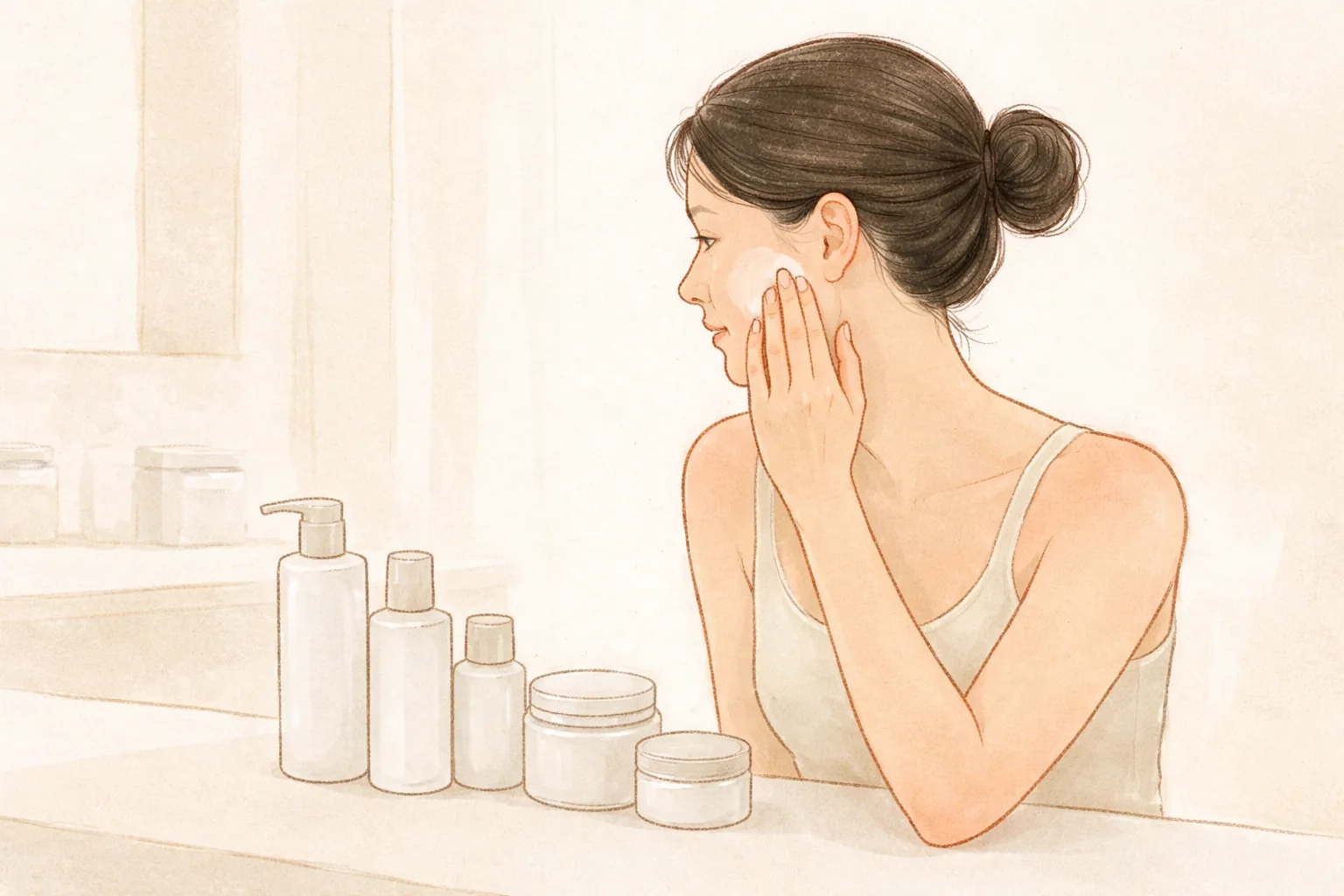
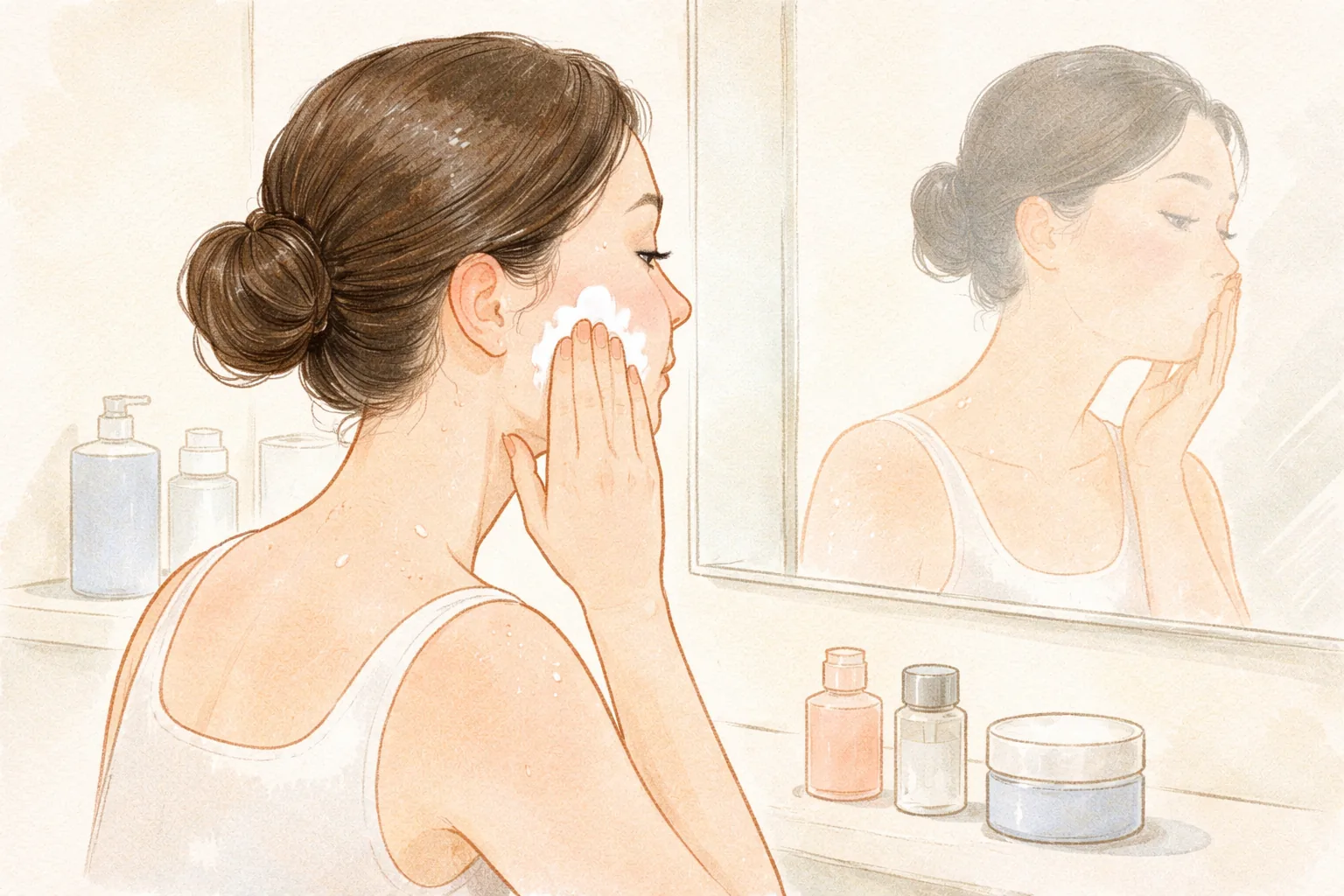
For moisturizing, timing and formulation matter more than quantity. It is better to apply while moisture remains after cleansing or showering, and for drier skin a cream or ointment stays on longer than a lotion. Before and after a treatment, it is better to avoid exfoliation, harsh scrubs, and saunas for the period you are advised (Aftercare guidance).
Recovery time, when you can return to daily life, the number of sessions needed and how long they take, and cost are also items to confirm in consultation. The American Academy of Dermatology recommends asking in advance about how to prepare before a treatment and aftercare, recovery time, return to daily life, the number of sessions and time needed, and cost (AAD guidance). Treatment items and costs are divided according to the actual procedure, product, area, volume, and number of sessions, and amounts are displayed with VAT excluded, so confirming included items together during consultation makes planning easier (Treatments and costs).
Table 1 How should you adjust treatment timing and moisturizing care?
Item to check
Why it comes first
What to decide together in consultation
Current skin condition
The response differs depending on whether it is under-management or a condition needing diagnosis
Whether medical care comes first or the treatment can proceed
Irritation and dryness record
The basic material for conveying your history specifically
Timing, intensity, and how to allocate recovery time
Medications and skincare products
Information for checking irritation and interactions
When to pause and resume use before and after treatment
Existing skin conditions and allergies
If you are treating a condition, that comes first
The interval between the condition under management and the treatment
Schedule and recovery plan
Calculating backward from the date keeps things manageable
Start timing, number of sessions, return to daily life
Swipe sideways to see the whole table.
In short the treatment type is decided last. Confirming what state your skin is in now, recording and sharing irritation and dryness, and sharing medications, skincare products, and existing conditions before setting timing and a moisturizing plan is the order that shapes the outcome.
If this sounds like your situation
If you have a fixed wedding or shoot date
A treatment you are receiving for the first time right before an event can overlap with redness or sensitized skin. If you tell them the date first, they can calculate backward from it to adjust the start timing and intensity. It helps to keep in mind that the fewer days you have for recovery, the fewer options there are.
If you want consistent management
Rather than going strong all at once, keeping the interval in which your skin recovers puts less burden on it. A plan that sets a goal and places only the necessary treatments at the right times helps. In dry periods, it is entirely reasonable to organize your moisturizing steps first and push the treatment back.
If your skin is sensitive and reddens easily
If skincare products usually sting or redness lingers after cleansing, tell them that itself in consultation. This information becomes the basis for setting intensity, anesthesia method, and treatment intervals. Sharing your condition and sleep on the day of treatment also helps their judgment.
If you are a visitor on a short stay
If your stay is fixed, redness or dryness right after a treatment can affect your schedule. If you tell them your return date and next commitments in advance, they can discuss intensity and type accordingly. Please also mention any flight schedule in advance.
Tell them before your consultation Sharing recent UV exposure, medications and supplements you take, skincare products you use and any exfoliation or retinoid steps, any experience of sensitized skin after a previous treatment, diagnosed skin conditions and allergies, whether you are pregnant or breastfeeding, and important dates such as a wedding or shoot helps them adjust timing and settings.
How ATTITUDE Clinic proceeds
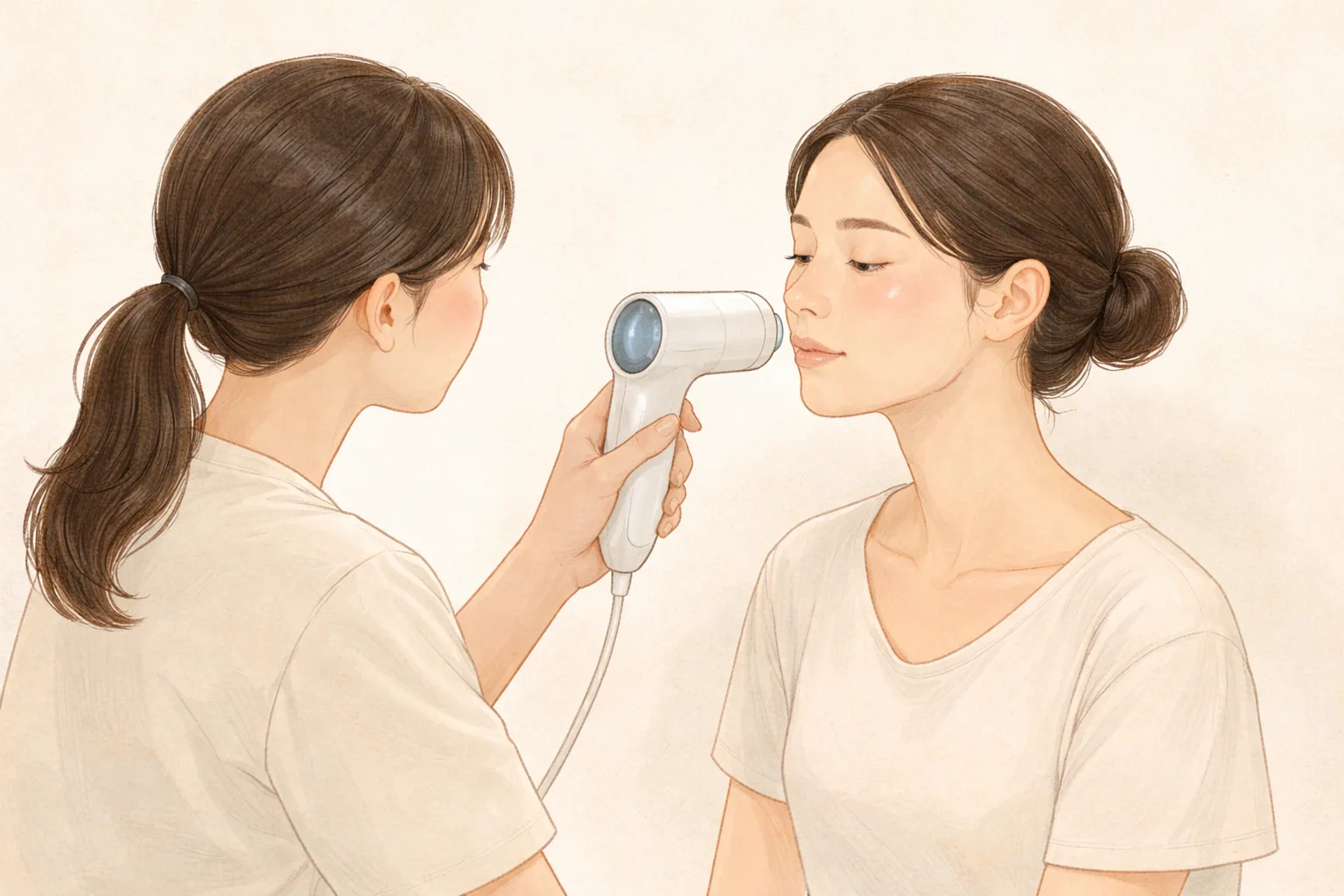
AI skin analysis record Pigmentation, redness, texture, and dryness patterns are organized through photos and records. This tool only records and organizes information to support consultation; it is not a medical diagnosis. Interpretation and judgment are made by the doctor (How it proceeds).
Direction setting through a doctor consultation Your analysis record is combined with your schedule, pain sensitivity, medications and skincare products, and responses to previous treatments to decide the treatment type, intensity, and timing together. Daily habits are included because the same symptoms call for a different approach when the cause differs (Consultation and identifying the cause).
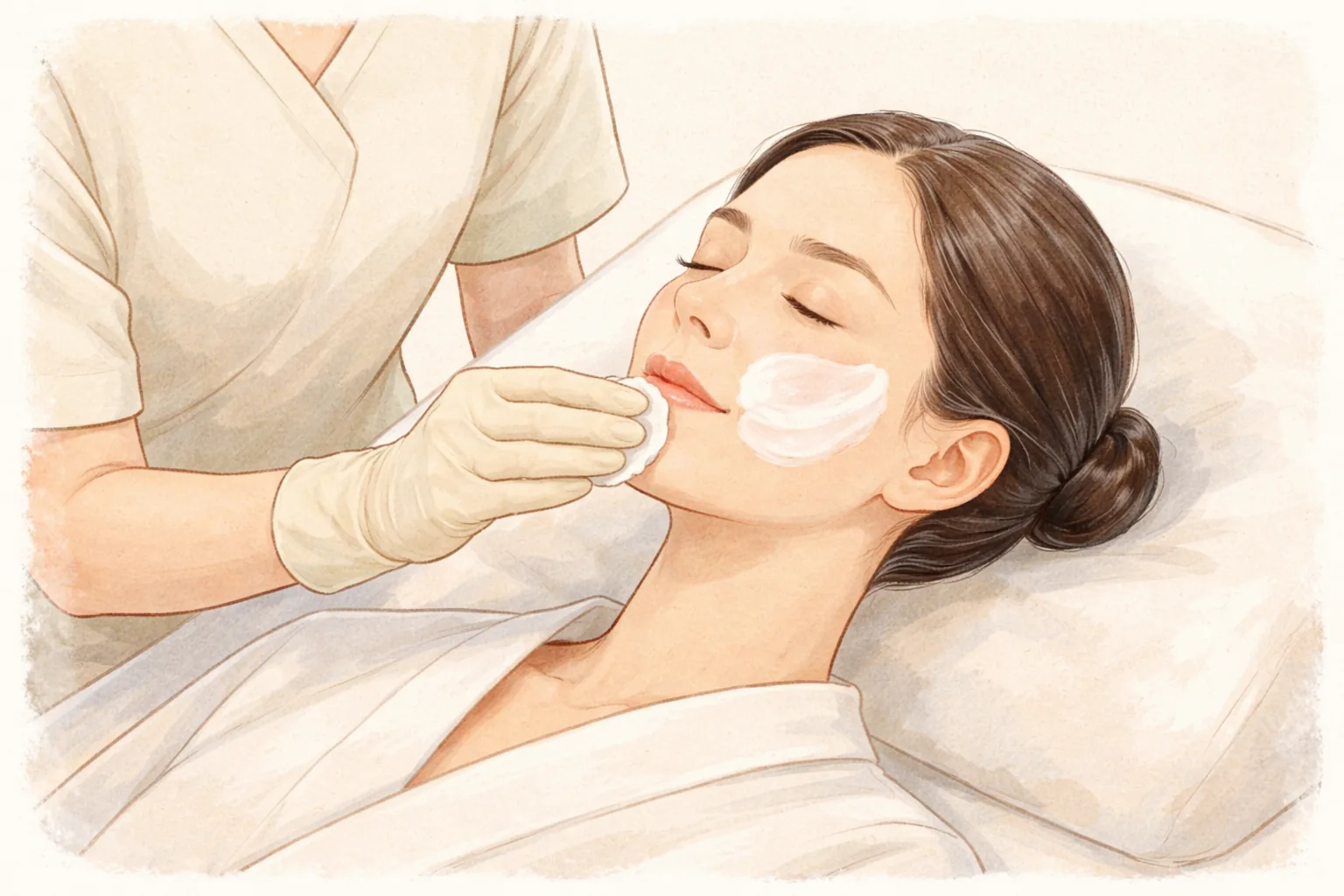
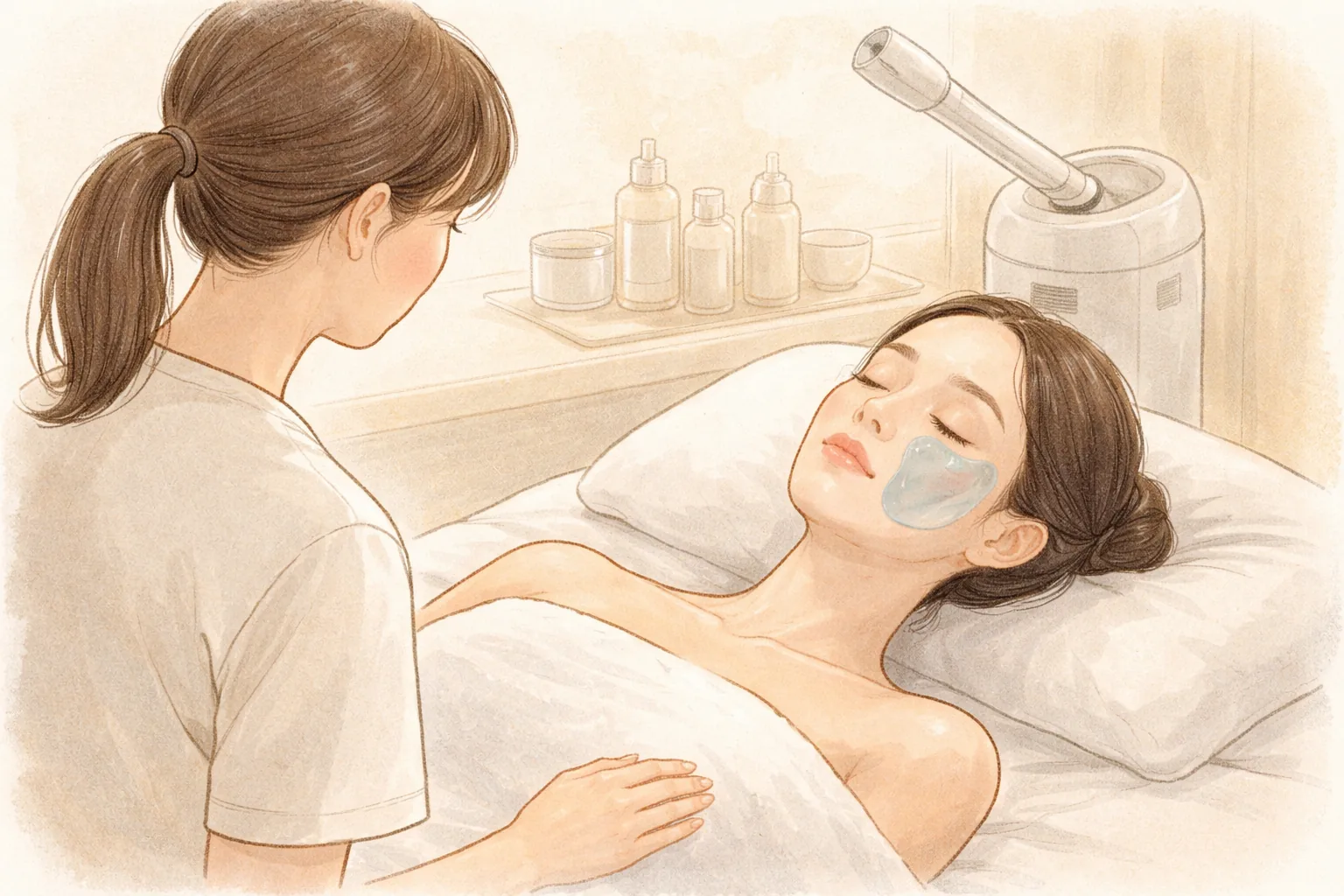
Treatment performed directly by the doctor Discomfort is reduced as needed with topical anesthesia and the doctor performs the treatment directly. It is carried out only as much as needed at an intensity suited to your skin condition, and treatments beyond what is necessary are not recommended (Laser treatment principles).
Recovery and care The recovery period is managed with a focus on sun protection and moisturizing, and the next interval is adjusted after checking your progress. PicoPlus and Vbeam are used for pigment and redness, and an erbium YAG laser is used to refine surface texture; which combination suits you is decided in consultation (Laser-specific features).
Aftercare and side effects
Aftercare can be done in order.
Soothing Right after the treatment, heat and redness may remain, so do not rub the area and let it settle, soothing it with the method you are advised.
Moisturizing Apply moisturizer gently while moisture remains right after cleansing. If your skin is on the dry side, a cream or ointment stays on longer.
Sun protection When going out during the day, apply sunscreen. Skin is temporarily sensitized after a treatment, so sun protection affects your progress.
Checking progress Recording when redness and dryness subside gives you a basis for setting the next interval.
Side effects range from common to rare. Redness, heat, swelling, and stinging are common, and treatments for pigment or surface texture can leave thin crusts. Temporary pigmentation can occur or bruising can appear with Vbeam, and rarely blisters, hypopigmented patches, infection, scarring, or pigment returning can occur (Side effect guidance). Side effects can occur even with appropriate settings, so a process of being told the side effects of the planned treatment before it is performed is necessary.
If redness or heat lasts longer than expected or pain worsens, do not endure it and come in to have it checked. The same applies if dryness suddenly worsens or oozing occurs.
Frequently asked questions
How can I tell if I have sensitive skin?
Rather than judging on your own, it is more accurate to record the patterns and confirm them in consultation. If skincare products sting, redness lingers after cleansing, or flaking and itching recur every time the seasons change, write down when and where. Include products you recently changed and your cleansing habits in the record. The same symptoms call for a different approach when the cause differs, so confirm interpretation and diagnosis during a medical visit.
Will applying more moisturizer solve it?
If cleansing habits and environmental factors are intertwined, moisturizing alone may not be enough. You need to adjust how often you cleanse, water temperature, heating and indoor humidity, and whether you exfoliate. Formulation also affects the outcome. For drier skin, applying a cream or ointment while moisture remains stays on longer. If redness and flaking still recur, checking the cause comes first.
Should I peel off flaking skin?
Pulling flaking skin off by force irritates the skin beneath it again. Before and after a treatment, it is better to avoid exfoliation, harsh scrubs, and saunas for the period you are advised. Even when flaking looks thick, replenishing moisture often clears it naturally. If flaking keeps piling up or cracking recurs, have your condition checked in consultation.
How should I order moisturizing before and after a treatment?
The basic order is to apply moisturizer while moisture remains right after cleansing. Before a treatment, leave out steps that could be irritating for a while, and after a treatment, restart from the point you are advised. Even the same product may need its timing moved before and after a treatment, so it is better to share your current products and routine exactly as they are in consultation.
What should you look at in a clinic when considering a treatment?
Look at the order of checking rather than the equipment list. The standard is whether they first check where your concern comes from, and whether they reflect your history, medications, and skincare product history in consultation. Also see whether they recommend only the treatments you need and explain recovery time, return to daily life, cost, and included items specifically. According to the American Academy of Dermatology, results depend heavily on the skill and experience of the person performing the treatment (AAD guidance). Whether it is a place where you can have things checked again if discomfort arises is also an important standard.
At a glance
Table 2 At a glance
Item
Key point
First check
Not the treatment name but the nature of your current skin condition
What to record
Start timing, area, accompanying symptoms, cleansing and moisturizing habits, responses to previous treatments
What to share
Medications, skincare products and order of use, existing skin conditions, allergies, pregnancy and breastfeeding
Timing adjustment
Calculate backward from important dates to set intensity and start timing
Moisturizing principle
While moisture remains right after cleansing; cream or ointment for drier skin
Care principle
Sun protection and moisturizing; avoid irritating exfoliation and saunas during the advised period
This article offers general health information. It is not a substitute for diagnosis or treatment based on your own condition, so please talk through your situation with a doctor.