Fat Dissolving Injections: When Results Start and What Determines How Long They Last
A column from ATTITUDE Clinic on when fat dissolving injections start showing results and how long they last, covering how they work, the FDA-approved label's interval standard, fat thickness by area, dosage, and warning signs.
Written by ATTITUDE Clinic Editorial Team
Many people ask after fat dissolving injections, 'When will it start to change?' or 'How long will the results last?' Right after the procedure, swelling remains, making it hard to gauge change. Searching online returns inconsistent explanations about when results start and how long they last, so it is hard to know which to trust. This article walks through how fat dissolving injections reduce fat in the body, when you should start looking for change, and what conditions determine the duration.
Bottom line first
The ingredient damaging fat cells and the body clearing away the damaged remnants are two different stages. The second stage is the body's work, and the practitioner cannot control its pace, so judging results by how things look a few days after treatment is premature. The US Food and Drug Administration (FDA) states on the label of the deoxycholic acid injection approved for submental fat that a single session involves up to 50 injections, a maximum of 6 sessions total, and each session must be at least one month apart (FDA guidance). This interval itself assumes the body needs time to process. Duration is not determined by the number of sessions alone; the fat thickness in the area, injection depth and dosage, and post-treatment care all play a role.
How do fat dissolving injections work in the body?
The US Food and Drug Administration (FDA) describes fat dissolving injections, or injected lipolysis, as a nonsurgical procedure in which a series of injections under the skin breaks down fat cells around the injection site (FDA guidance). In practice, they can be seen in two stages: the ingredient damaging fat cells, and the body clearing away the remnants. The first stage is controlled by the practitioner through dosage and depth, but the second varies in speed from person to person depending on metabolism and circulation.
The deoxycholic acid injection approved by the FDA for submental fat works by breaking down fat cells and is required to be administered by a healthcare professional (FDA guidance). Setting the maximum number of sessions at 6 with intervals of at least one month aligns with the premise that this process happens repeatedly and slowly. Even with the same ingredient, reactions differ depending on the depth and amount injected, so the design can differ even under the same name of injection.
Conditions that determine when results begin to appear
It is hard to state the start point in one sentence because it depends on the speed at which the body clears things after treatment. Line changes emerge gradually while the remnants are processed after fat cells break down, and processing speed differs by area and by person. The face has a thin fat layer while the body has a thick one, so the same dosage cannot produce the same size or timing of visible change. In the ATTITUDE Clinic treatment guide, dosage units are divided into 3cc and 6cc for the face and 100cc, 200cc, and 300cc for the body (treatment and price guide).
One thing to distinguish here: nodules or lumps that form at the treatment site are not results but side effects. After reviewing reported cases, the FDA confirmed an association between deoxycholic acid injection and reports of injection-site nodules (3cm or smaller) or lumps (larger than 3cm), and 117 unresolved cases lasted an average of 143 days, about 5 months, as of the report date (FDA guidance). If a lump you can feel remains, unlike swelling or bruising, get it checked at a clinic rather than waiting for it to pass.
Why duration cannot be stated as a single number
Duration is not about when the injected ingredient disappears, but about how the reduction continues under the conditions that follow. Even with the same area and the same number of sessions, a large weight gain or a change in daily rhythm can alter fat distribution in that area again. That is why consultations first decide the target area, expected number of sessions, and treatment intervals, then adjust the next plan while monitoring progress.
Statements like 'guaranteed for a few years' are hard to use as a basis. Instead, it is more realistic to look at fat thickness by area, the number of sessions, and how post-treatment care continues. An ATTITUDE Clinic column cites skin type, skin thickness and structure, and regeneration speed as reasons why results differ even from the same procedure (column). Fat dissolving injections work on the fat layer beneath the skin rather than just under the surface, but the speed at which visible change appears is ultimately affected by these conditions.
What divides results?
The ATTITUDE Clinic column organizes factors that divide results into three: the starting skin condition differs, the same analysis results still require a plan tailored to each person, and the details of actual execution (column). This applies equally to fat dissolving injections. Areas with a thick fat layer show less noticeable change with the same dosage, while thin and sensitive areas retain more swelling and bruising even from the same stimulation.
So what is decided first in consultation is not 'how many cc to inject' but which area, at what depth, and at what intervals to divide it. If there are previous treatments, the product, dosage, date, and reaction at the time are checked to review strength and sequence. This is also why skin condition is recorded and reviewed together. Analysis tools record and organize information; they do not make medical diagnoses, and judgment belongs to the doctor.
Should I also check whether steroids are included?
The ATTITUDE Clinic treatment guide lists fat dissolving injections as steroid-free, and shaping injections (jogak injections) as face-only with steroids included (treatment and price guide). This means that even with similar-sounding names, they are not the same injection, and DCA is listed as a separate item. For treatments you receive repeatedly in the same area, it is better to first confirm what ingredients are included and where they are approved for use.
The FDA states that unapproved fat dissolving injections are sold online under various names, with common ingredients being phosphatidylcholine (PPC) and deoxycholate (DC) (FDA guidance). Such products have never been evaluated for safety and efficacy, and reports of side effects such as permanent scarring, severe infection, skin deformity, cysts, and deep painful lumps have continued. Self-purchasing and self-injection are not recommended, and verifying authenticity and administration qualifications is the first item to check before receiving treatment.
Table 1 Should I also check whether steroids are included?
Category
Target
For concerns like
To check in consultation
Facial fat dissolving injection
Facial fat, steroid-free
Refining cheek and double chin lines
Injection area and dosage (3cc, 6cc), number of sessions
Body fat dissolving injection
Body fat, steroid-free
Local areas like forearms and abdomen
Dosage (100, 200, 300cc), treatment intervals
DCA
Deoxycholic acid injection
When body application needs to be judged
Area of use and dosage, scope of application
Shaping injection
Face-only, steroids included
Contour of specific facial areas
Included ingredients, caution with repeated sessions
Swipe sideways to see the whole table.
In summary Fat dissolving injections split into a stage where the ingredient damages cells and a stage where the body clears them, and visible change emerges gradually in the second stage. The start point is determined by fat thickness in the area and dosage, along with individual clearing speed, while how long it lasts is determined by the number of sessions, intervals, and post-treatment conditions. The remaining decisions are made in consultation by reviewing skin condition and previous treatment records together.
If this applies to you
When an important shoot or event is a few weeks away
Swelling and bruising are common after treatment and usually subside within a few days, but long-lasting changes like nodules or lumps can also occur (FDA guidance). If you have a fixed schedule, it is more reassuring to check the expected recovery period first and work backward rather than moving the treatment date earlier.
When you are concerned about both face and body
Fat thickness and injection depth differ by area, so whether multiple areas are done on the same day or split into a sequence changes the recovery process. In consultation, priorities and treatment order are decided together, and whether to do it all at once or divide it is decided on the spot.
If swelling and bruising tend to last long
If your skin is thin or sensitive, reactions can remain larger even from the same stimulation. Telling us how long swelling lasted and how many days bruising took to fade in previous treatments helps adjust strength and scope.
For overseas visitors on a short stay
To finish progress checks within your stay, treatment intervals and recovery periods must be calculated in advance. If you tell us your departure date and length of stay, we can review what is possible within that window.
Please tell us before consultation Recent UV exposure and skin irritation, medications and active skincare ingredients you are taking, previous treatment history (product, dosage, date, reaction), allergies or past side effect experiences, important schedules, and departure date. These records become the starting point for deciding depth, dosage, and intervals.
How ATTITUDE Clinic proceeds
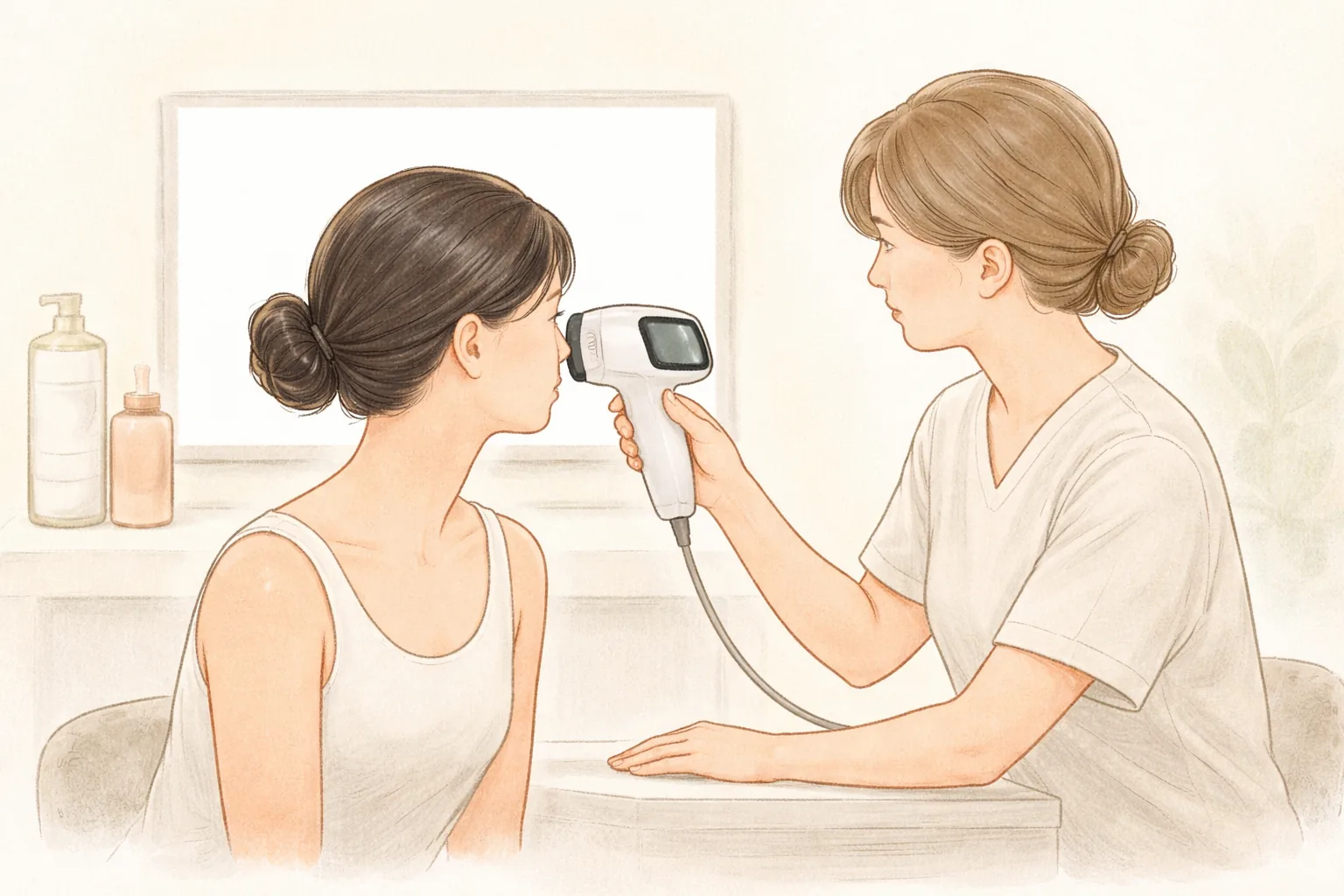
AI skin analysis record — Skin condition is recorded and organized so you and the doctor view the same information together. The analysis tool records and organizes information to assist consultation; it does not make medical diagnoses, and judgment belongs to the doctor.
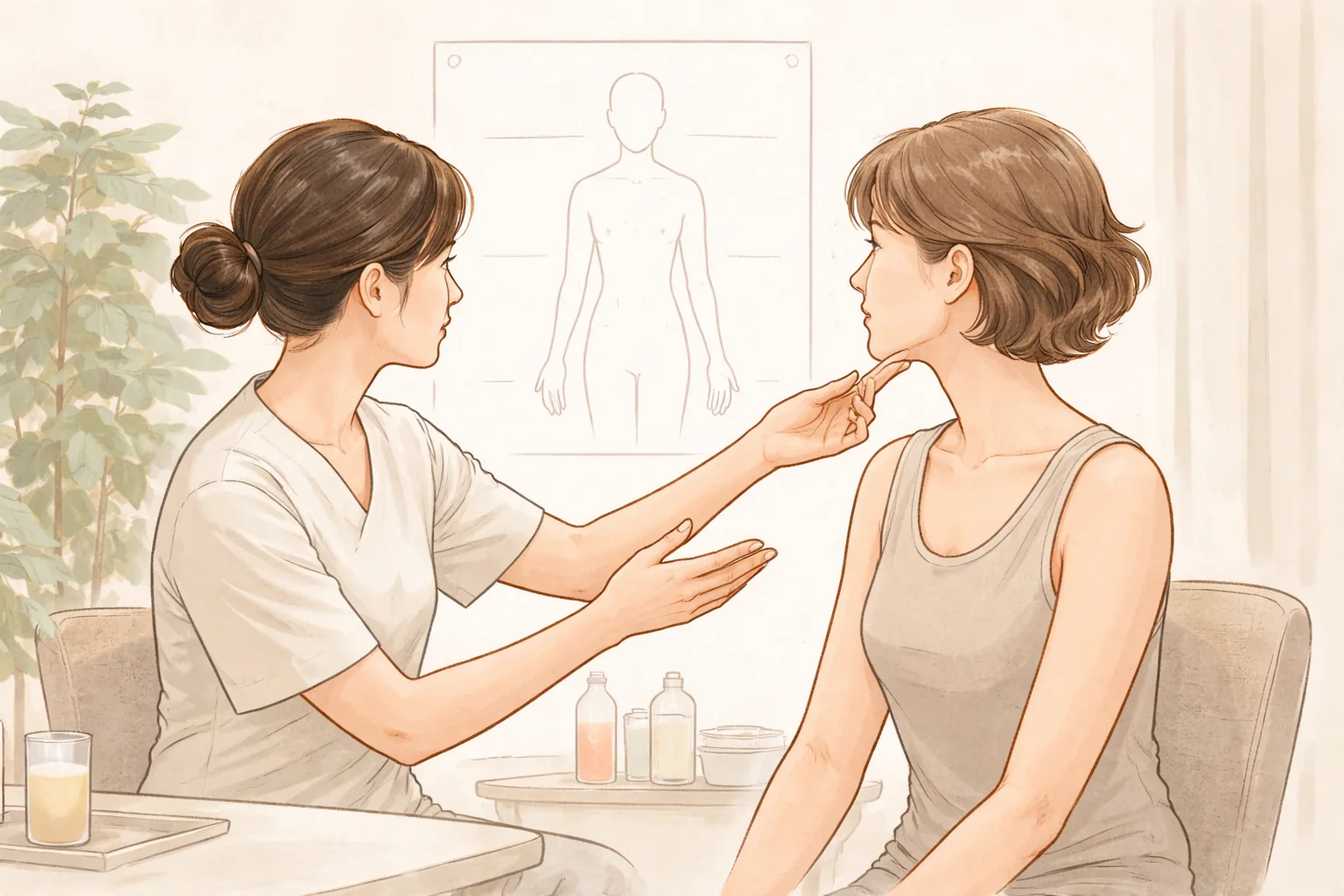
Doctor consultation — Analysis records are combined with concerns, lifestyle habits, and previous treatment experience to decide which area, which ingredient, at what depth, and at what intervals. What is needed and what is not is sorted out together.
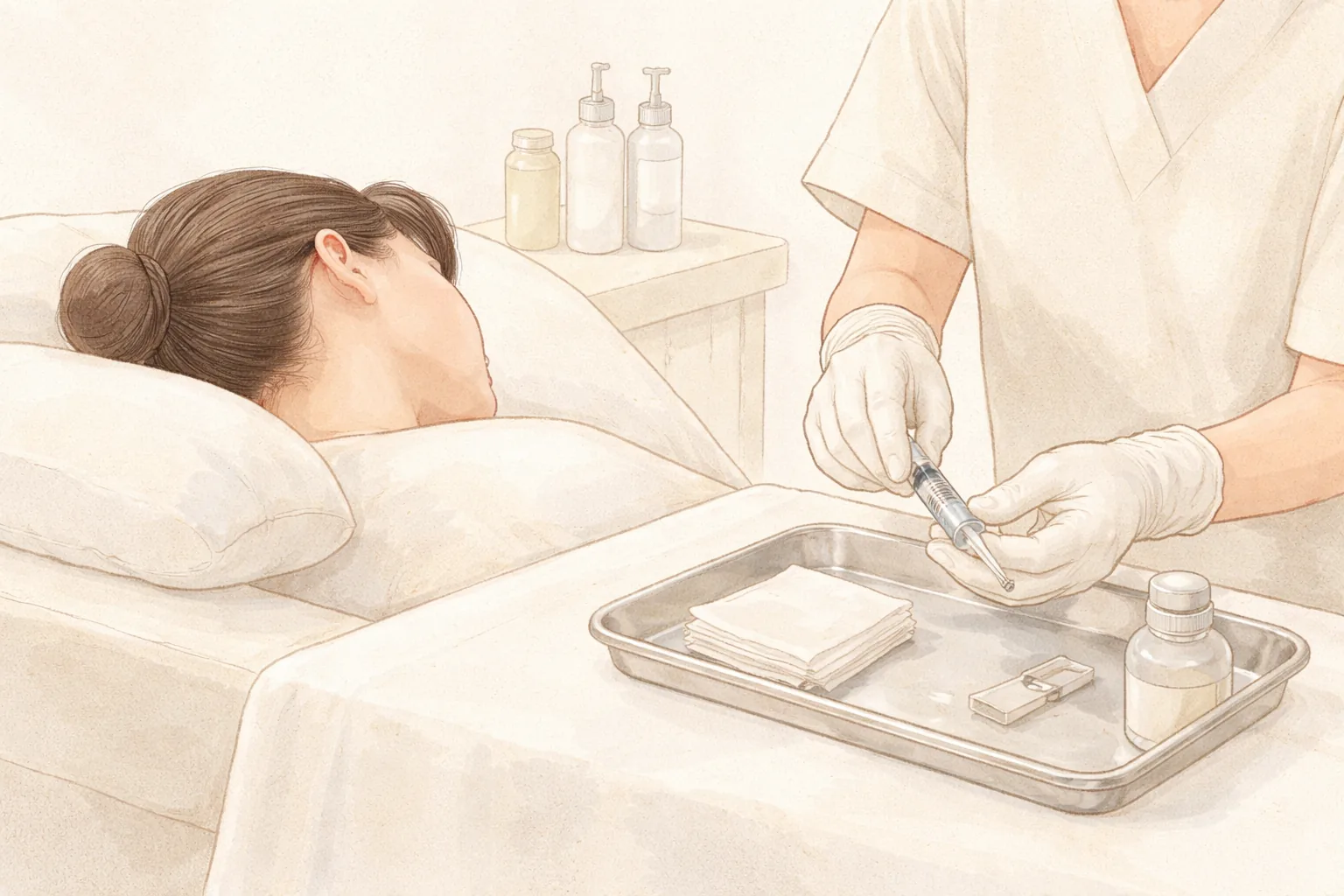
Treatment performed directly by the doctor — The doctor performs the treatment directly so the plan from consultation and the actual procedure do not diverge, adjusting strength while observing skin reactions during treatment.
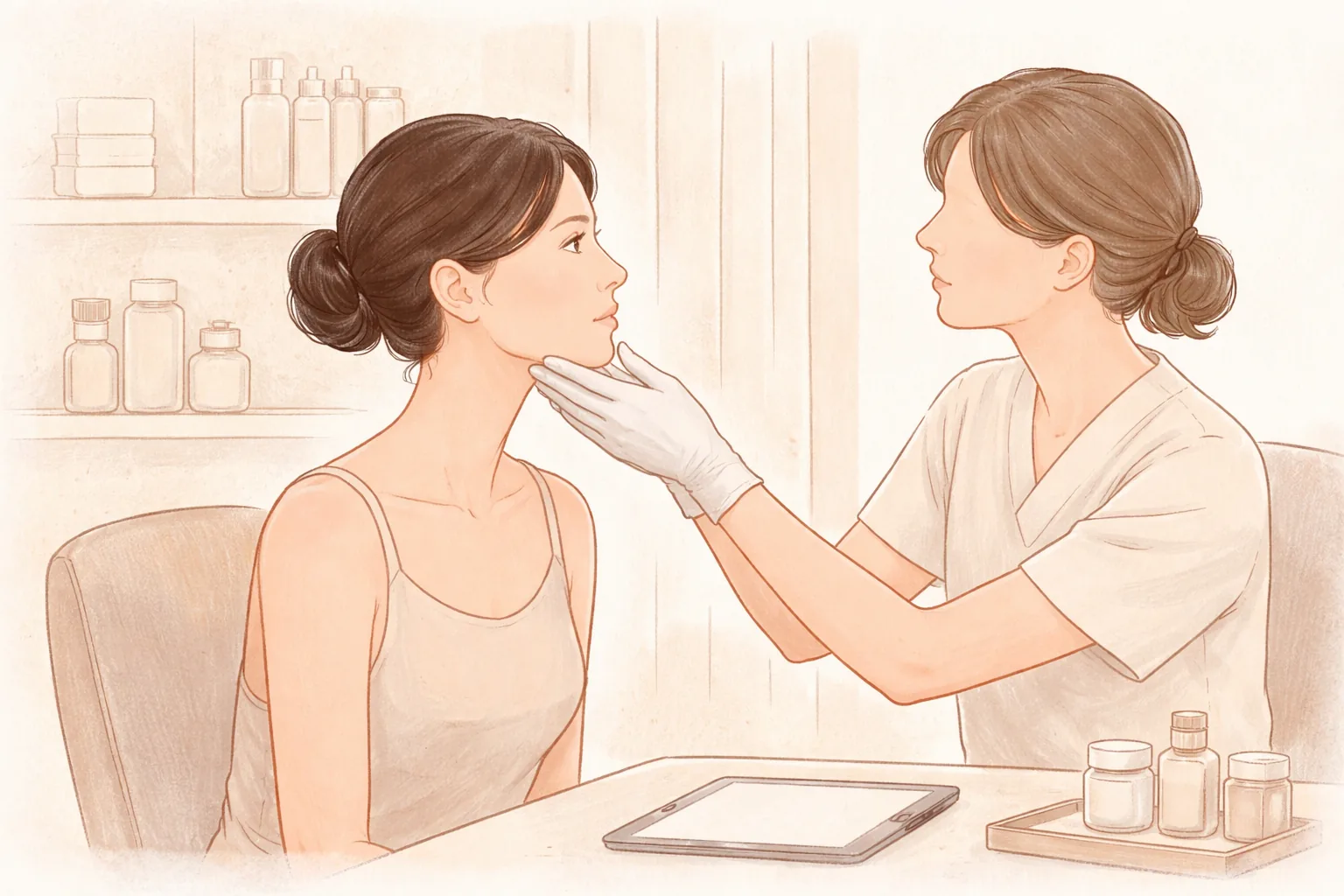
Progress check and next plan — Progress is checked at the set time, and the next number of sessions and intervals are adjusted. If previous treatment records exist, they are reviewed to revisit dosage and sequence.
Treatments offered on this topic are fat dissolving injections (steroid-free, face and body), DCA, and shaping injections (face-only, steroids included) (treatment and price guide). Prices are disclosed by unit, and the same standard applies on any language page (column).
Post-treatment care and side effects
Reduce stimulation on the day of treatment — Rubbing or pressing the injection site, saunas, and intense exercise can increase reactions, so take it easy that day.
Monitor swelling and bruising — Swelling, bruising, and tenderness at the treatment site are common and usually subside within a few days (column).
Hydration and light activity — Drinking enough water and moving within a comfortable range helps with condition management.
UV protection — Skin is sensitive after treatment, so take UV protection when going out.
Progress check — Check progress at the set time and adjust the next interval and number of sessions.
Side effects range from common reactions like swelling, bruising, and tenderness to changes that can last long such as injection-site nodules or lumps, and rarely pigment changes, blisters, infection, and scarring (FDA guidance, FDA guidance). In cases where deoxycholic acid was injected into unapproved areas, symptoms such as blurred or reduced vision, eye twitching, muscle and nerve damage, numbness, and difficulty walking were reported (FDA guidance). If bruising and swelling worsen, a lump you can feel appears, swallowing becomes difficult, or one side of the face feels asymmetrical, do not wait and get medical attention.
Frequently asked questions
When do results start to appear?
Line changes emerge as time passes and the body clears remnants, not right after the procedure. The label for submental fat improvement setting each session at least one month apart is also based on the premise that this process proceeds repeatedly (FDA guidance). Areas with a thick fat layer show slower change, while thin areas become visible relatively quickly. So judging results by how things look a few days in is premature, and progress is reviewed at the time set in consultation.
How long do results last?
Duration is not a value promised as a single number, but a matter of how the reduction continues under the conditions that follow. Even with the same area and the same number of sessions, a large weight gain or a change in daily rhythm can alter fat distribution in that area again. In consultation, the target area, expected number of sessions, and treatment intervals are decided, and the next plan is adjusted while monitoring progress. Statements like 'guaranteed for a few years' are hard to use as a basis.
Do fat dissolving injections and shaping injections differ in whether they contain steroids?
The ATTITUDE Clinic treatment guide lists fat dissolving injections as steroid-free and shaping injections as face-only with steroids included (treatment and price guide). Even with similar names, they are different injections, so the order is to first confirm what ingredients are included and where they are approved for use. If you have received them elsewhere before, telling us the product, dosage, date, and reaction helps us judge together whether repeated use in the same area is acceptable.
How much pain and swelling is there during treatment?
The level felt varies with the area, dosage, and fat thickness. After treatment, swelling, bruising, and tenderness are common and usually subside within a few days (column). However, since long-lasting changes like nodules or lumps have been reported (FDA guidance), if you feel a firm lump distinct from swelling, please mention it during consultation. Anesthesia method and strength are decided in consultation based on the area and scope.
What should I look at when choosing a clinic?
First, authenticity and administration qualifications. The FDA advises against buying and self-injecting unapproved fat dissolving injections, and states that injection by personnel whose qualifications are not verified can increase the risk of scarring and infection (FDA guidance). Next, look at who performs consultation and treatment, whether previous treatment records are reviewed, and whether unit prices and what is needed versus not needed are explained. Since this is a treatment received multiple times in the same area, a place that keeps records is advantageous for judgment.
At a glance
Table 2 At a glance
Item
Key point
Order of action
Two stages: the ingredient damages fat cells, and the body clears remnants
Start point
Not a few days after treatment; emerges gradually as the clearing process proceeds
Interval standard
The submental-approved label sets at least one month apart, up to 6 sessions
Duration
Number of sessions, intervals, area, and post-treatment conditions all play a role
Side effects
Swelling, bruising, and tenderness are common; nodules and lumps can last long
What to check
Authenticity, administration qualifications, previous treatment records, unit prices
This article offers general health information. It is not a substitute for diagnosis or treatment based on your own condition, so please talk through your situation with a doctor.