

Two questions come up most often before fractional laser treatment. "Does it hurt a lot?" And "How is anesthesia handled?" Even after hearing that numbing cream is applied beforehand, people still feel nervous because it is rarely explained where the pain comes from and what determines its intensity. This article walks through where pain occurs during erbium laser and fractional laser, how far anesthesia can dull sensation, and the order in which recovery unfolds after treatment.
The Bottom Line First
Fractional laser pain is not a fixed value set by the device—it depends on the energy delivered to the treated area. DermNet — Fractional laser treatment Fractional lasers do not burn the entire skin surface at once; they deliver energy in thin column-like patterns, so the pain ultimately depends on how much energy is delivered and where. That is why the same device can feel different depending on the area and intensity, and numbing cream (applied to the skin to dull sensation) is used before treatment to reduce discomfort. ATTITUDE Clinic Column — Does Frequent Laser Treatment Really Thin the Skin? When the treatment area is large or deeper layers are involved, sedation or general anesthesia may be added. Cleveland Clinic — Laser Skin Resurfacing
Why Fractional Laser Inevitably Causes Some Pain
The principle behind fractional lasers is microscopic thermal zones (MTZ)—tiny column-shaped points of stimulation the laser leaves in the skin. By splitting the laser beam into thousands of microscopic columns, pigment cells in the epidermis are pushed out and collagen in the dermis begins to remodel. Healthy tissue between the columns is left intact to aid healing, so recovery is faster than treating the entire skin at once. DermNet
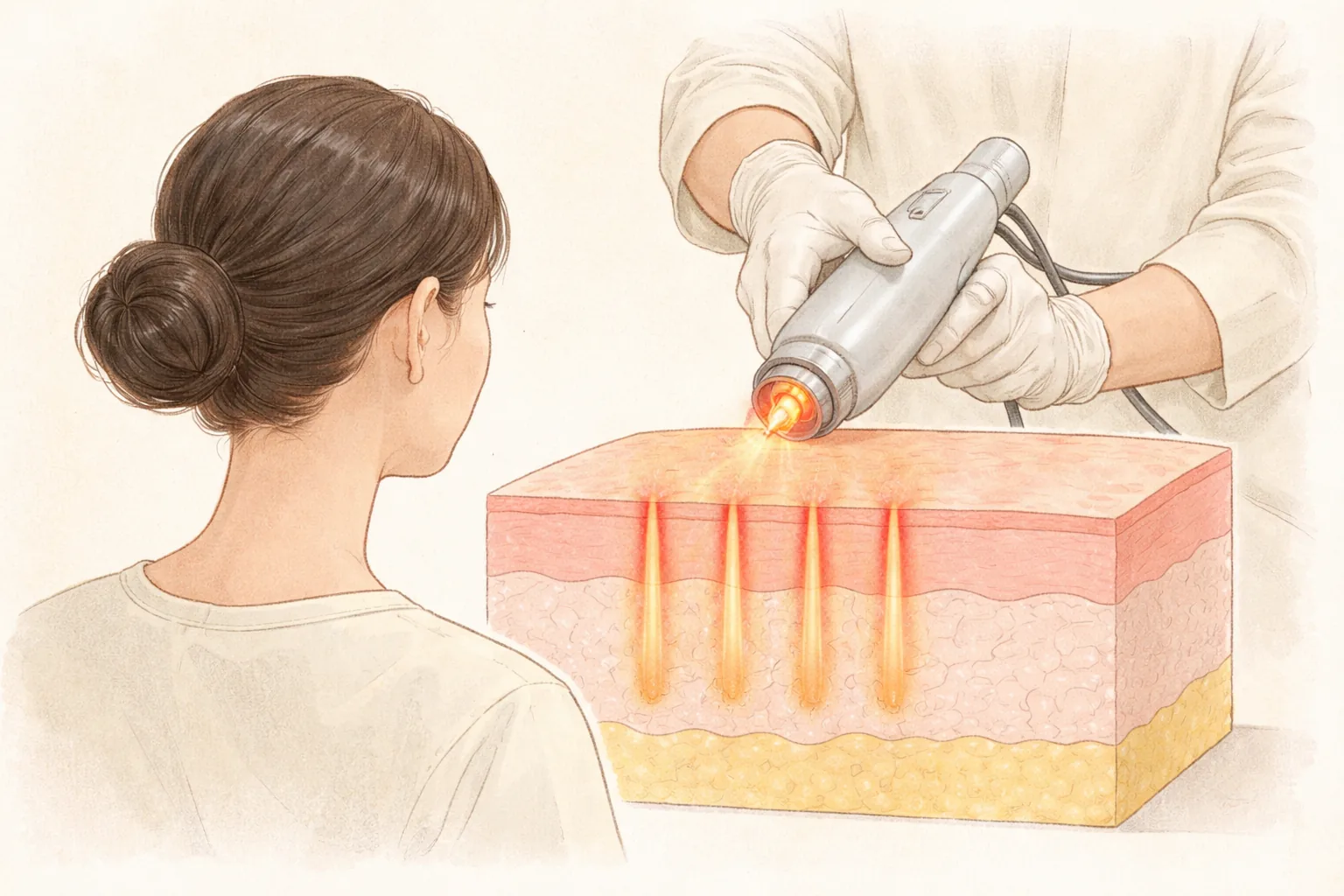
So why does it hurt? Because the moment laser light is absorbed by the skin, it converts to heat. Warmth and stinging are felt at that point where tissue heats up, and the more energy delivered, the greater the sensation. DermNet The erbium laser used at ATTITUDE Clinic works by microscopically resurfacing the skin surface to help improve pores and scars, ATTITUDE Clinic Treatments and Pricing and among fractional lasers it treats the shallow layer at the epidermal-dermal junction. The deeper the layer, the greater the energy—and with it, both pain and recovery burden increase. DermNet
The difference between non-ablative and ablative methods follows the same logic. Non-ablative fractional lasers preserve the epidermis and act mainly on dermal collagen, while ablative methods also address the epidermis. Ablative fractional resurfacing is more aggressive than non-ablative devices, so it takes slightly longer to recover. DermNet
How Is Anesthesia Prepared?
The foundation is numbing cream. For fractional laser procedures, applying sufficient numbing cream is effectively considered essential, and during treatment a cooling device lowers skin temperature to reduce discomfort. DermNet Across laser resurfacing in general, adding oral or IV sedatives to local anesthesia is common, and for large areas like the entire face, general anesthesia may be chosen. Cleveland Clinic
In the ATTITUDE Clinic column, anesthesia is also described as an adjustable value rather than a fixed sequence. Pain varies greatly by laser type and intensity, treatment area, and individual sensitivity, and the anesthesia method is decided during consultation to match the treatment site and intensity. If you are usually sensitive to pain or had a difficult experience with a previous procedure, letting the clinic know in advance helps fine-tune the settings. ATTITUDE Clinic Column — Does Frequent Laser Treatment Really Thin the Skin?
Here is one common misunderstanding. Anesthesia is not a switch that eliminates pain—it is a tool that dulls sensation. How much it reduces varies by intensity and area, so it is hard to say that "because anesthesia was used, nothing will be felt at all." If you feel something unbearable during the procedure, it is best to speak up right then. Intensity can be adjusted immediately. ATTITUDE Clinic Column
What Determines Pain and Recovery
Even with the same fractional laser, sensation and recovery split along four factors: the intensity of energy delivered, skin thickness at the treatment site, individual pain sensitivity, and the interval since the previous treatment. ATTITUDE Clinic Column Since no single factor determines the outcome, consultation considers all four together.
Recovery also splits into layers by intensity. According to the downtime table in the ATTITUDE Clinic column, low-power fractional settings bring redness and sandpaper-like texture for 3–5 days, while high-power settings can bring swelling, oozing, and crusting for 7–14 days. ATTITUDE Clinic Column — Pigmentation, Redness, Scars: Can Lasers Really Fix Everything? The pore article notes that after erbium laser treatment, redness, swelling, dot-like marks, dryness, and thin crusts are common and usually settle within a few days to 1 week. ATTITUDE Clinic Column — Can Enlarged Pores Really Shrink Back? Overseas sources show a similar pattern. Recovery for erbium laser and fractional resurfacing is described as roughly 1 week, and up to 2 weeks for CO2. Cleveland Clinic
Here is the breakdown in a table.
| Method | Target Layer | Anesthesia/Sedation | Recovery Burden |
|---|---|---|---|
| Non-ablative fractional (1550nm class) | Preserves epidermis, focuses on dermal collagen | Primarily numbing cream | Shorter than ablative methods |
| Erbium fractional | Shallow layer at epidermal-dermal junction | Numbing cream, sedation depending on area | About 1 week |
| CO2 fractional | Deeper dermis | Local anesthesia plus sedation, or sometimes general anesthesia | Up to 2 weeks |
Swipe sideways to see the whole table.
In summary Pain is determined not by the device name but by the energy delivered, the area, and sensitivity. The basic framework is to reduce discomfort with numbing cream and add sedation or general anesthesia when the area is large. Recovery splits into 3–5 days for low power and 1–2 weeks for high power, so if you have a schedule, it is better to plan by counting backward from that interval.
If This Applies to You

If You Have a Ceremony or Photo Shoot Coming Up
The period when redness and crusting remain will show up directly in photos. If you tell the clinic the date during consultation, the treatment type, intensity, and start timing can be adjusted by counting backward from your schedule. ATTITUDE Clinic Column Splitting into low-power sessions rather than high-power with long recovery puts less strain on your schedule. ATTITUDE Clinic Column

If You Want Consistent Management
Rather than cramming everything into one strong session, respecting the interval your skin needs to recover puts less strain on you. Fractional lasers are commonly guided at 3–5 sessions at 4–6 week intervals for pores and skin texture, and overseas sources also describe 4–5 sessions at one-month intervals. ATTITUDE Clinic Column DermNet However, these numbers are just common examples—actual session count and intervals vary with pigment depth and skin condition.
If Your Skin Is Sensitive or Prone to Redness
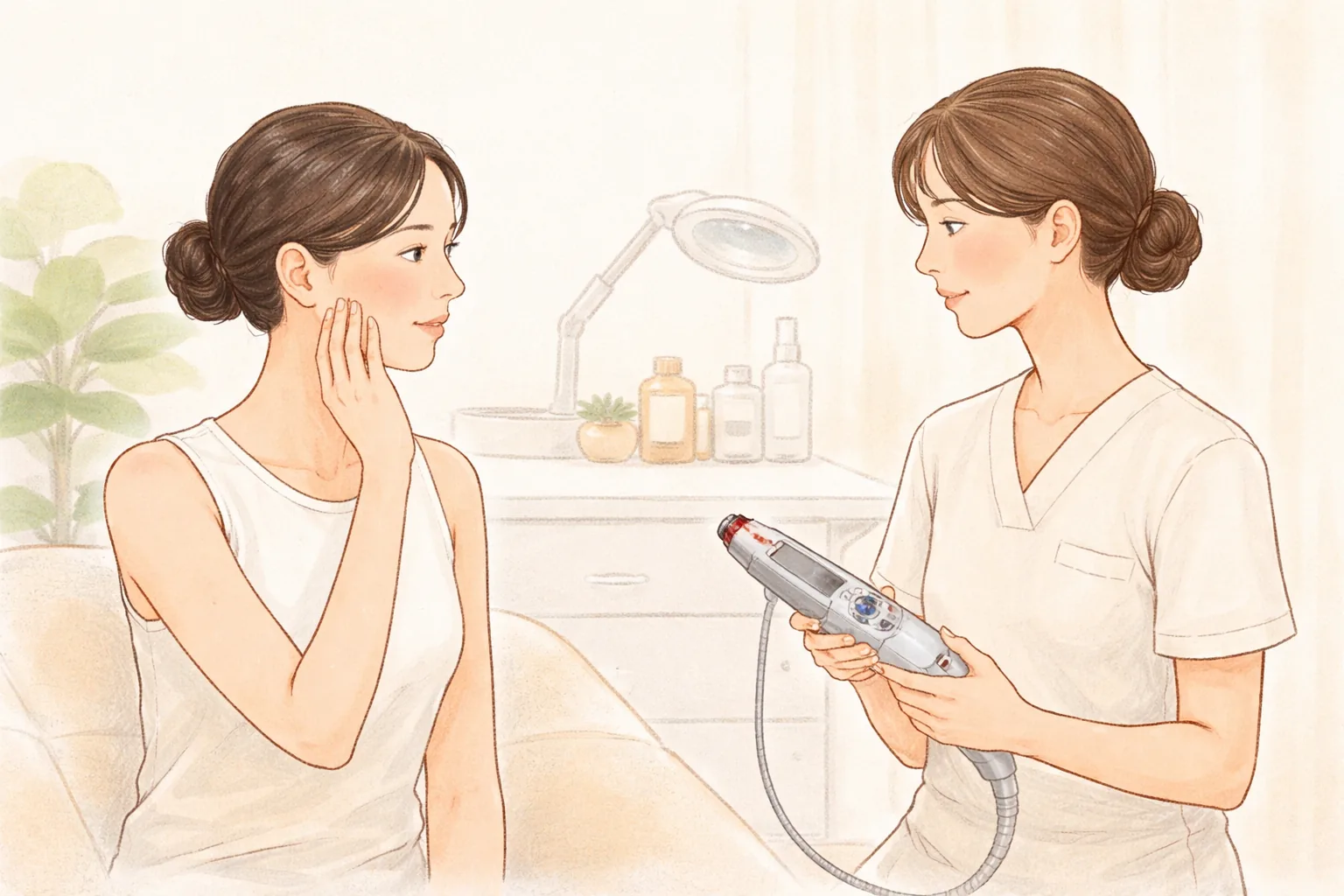
If you have sensitive skin or atopy, it is better to mention it before treatment. ATTITUDE Clinic Column When skin reactivity is high, the same intensity can feel different, so the anesthesia method and energy intensity are adjusted together. If heat tends to linger, set the treatment intervals more generously as well.

If Your Stay Is Short
If you have many outdoor activities during recovery, a UV protection plan should be built together. After treatment, the basics are to apply sunscreen carefully and avoid saunas, exfoliation, and scrubs for the advised period. ATTITUDE Clinic Column If your stay is short, splitting into low-power sessions is safer than high-power with long recovery.
Please share before consultation Your recent UV exposure (travel, outdoor activities), medications you are taking and active ingredients applied to the skin (retinol, high-concentration acids, etc.), difficult experiences or pain sensitivity from previous procedures, and schedule constraints such as ceremonies, photo shoots, or business trips. These four points allow a much more specific intensity and anesthesia plan.
How ATTITUDE Clinic Proceeds
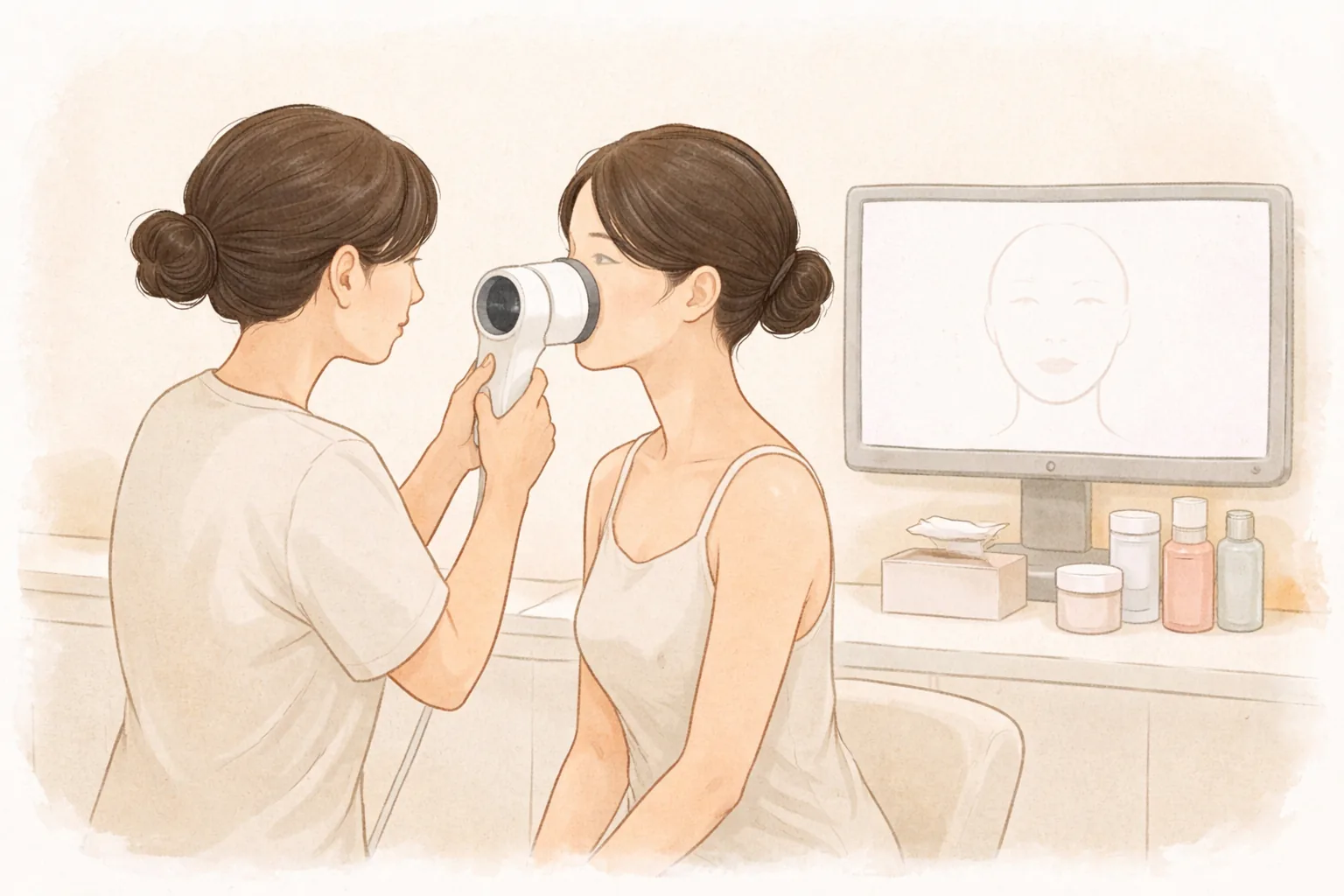
AI Skin Analysis Record — Pores, skin condition, and the distribution of pigment and redness are recorded using an analysis tool. This tool records and organizes information to support consultation and does not replace medical diagnosis. ATTITUDE Clinic Column

Treatment Planning with the Doctor — The analysis record, combined with your schedule, pain sensitivity, and skin history, is used to decide the treatment type, intensity, and timing together. ATTITUDE Clinic Column
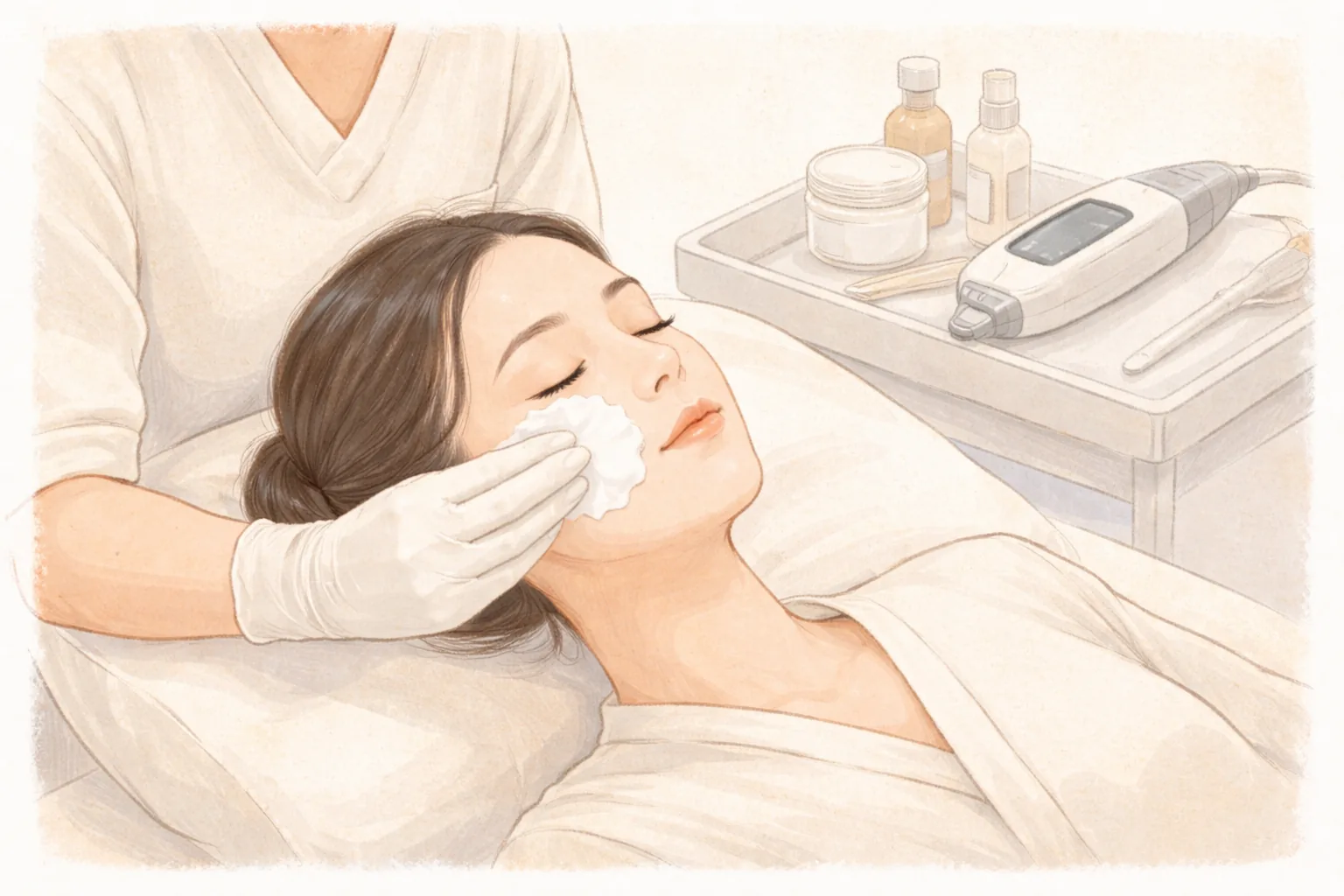
Doctor-Performed Treatment — Discomfort is reduced with numbing cream and other measures matched to the area and intensity, and the doctor performs the treatment directly. Treatments beyond what is necessary are not recommended. ATTITUDE Clinic Column
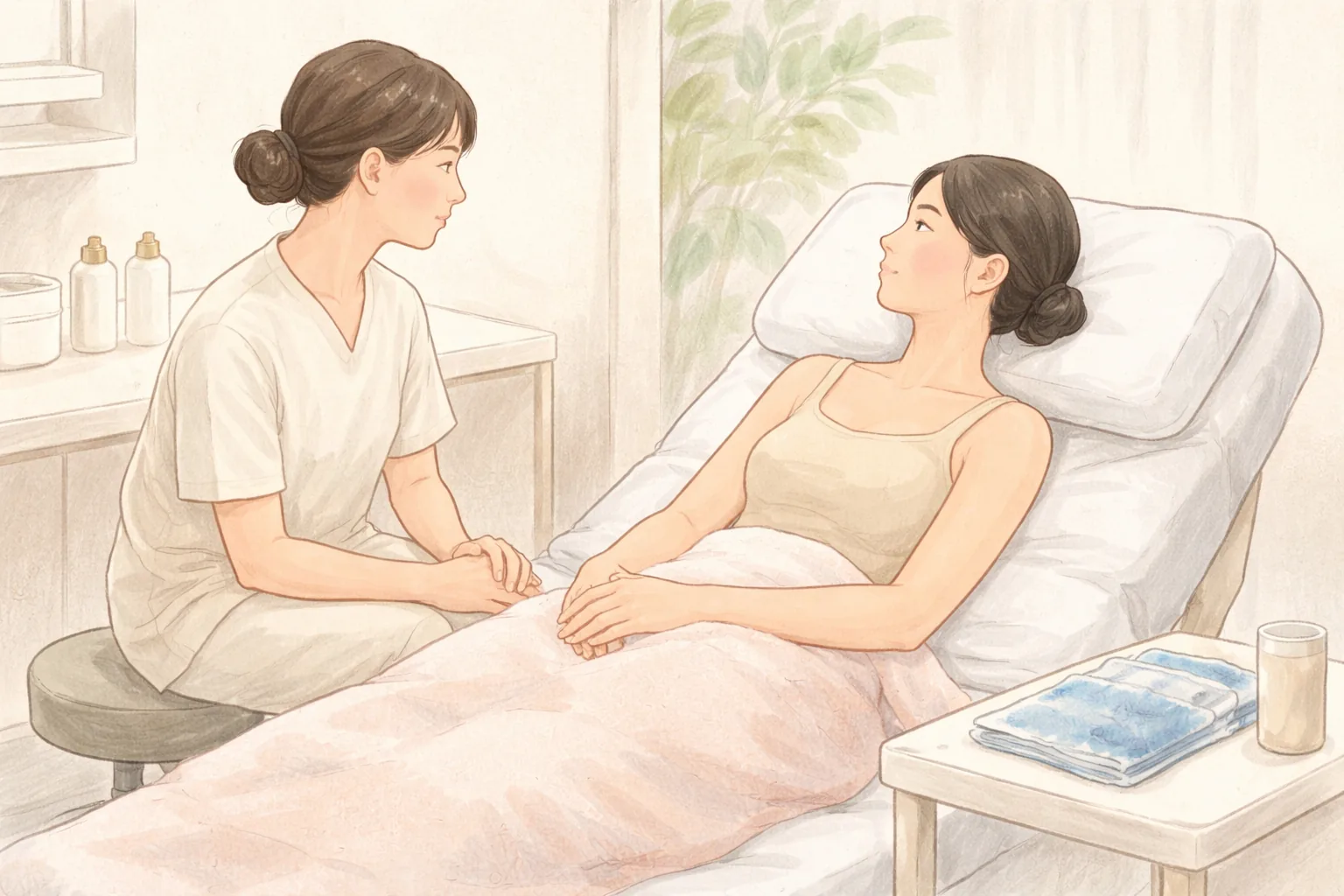
Recovery and Aftercare — After treatment, precautions and the next appointment are explained, and any discomfort is checked. The principle of genuine products, correct dosage, and fair pricing applies to lasers as well. ATTITUDE Clinic Column
For this topic, the devices ATTITUDE Clinic offers are erbium fractional (micro-resurfacing that helps improve pores and scars) and Potenza (RF microneedling that delivers radiofrequency directly to the dermis to help improve pores and scars). ATTITUDE Clinic Treatments and Pricing
Aftercare and Side Effects
Aftercare can be done in order.
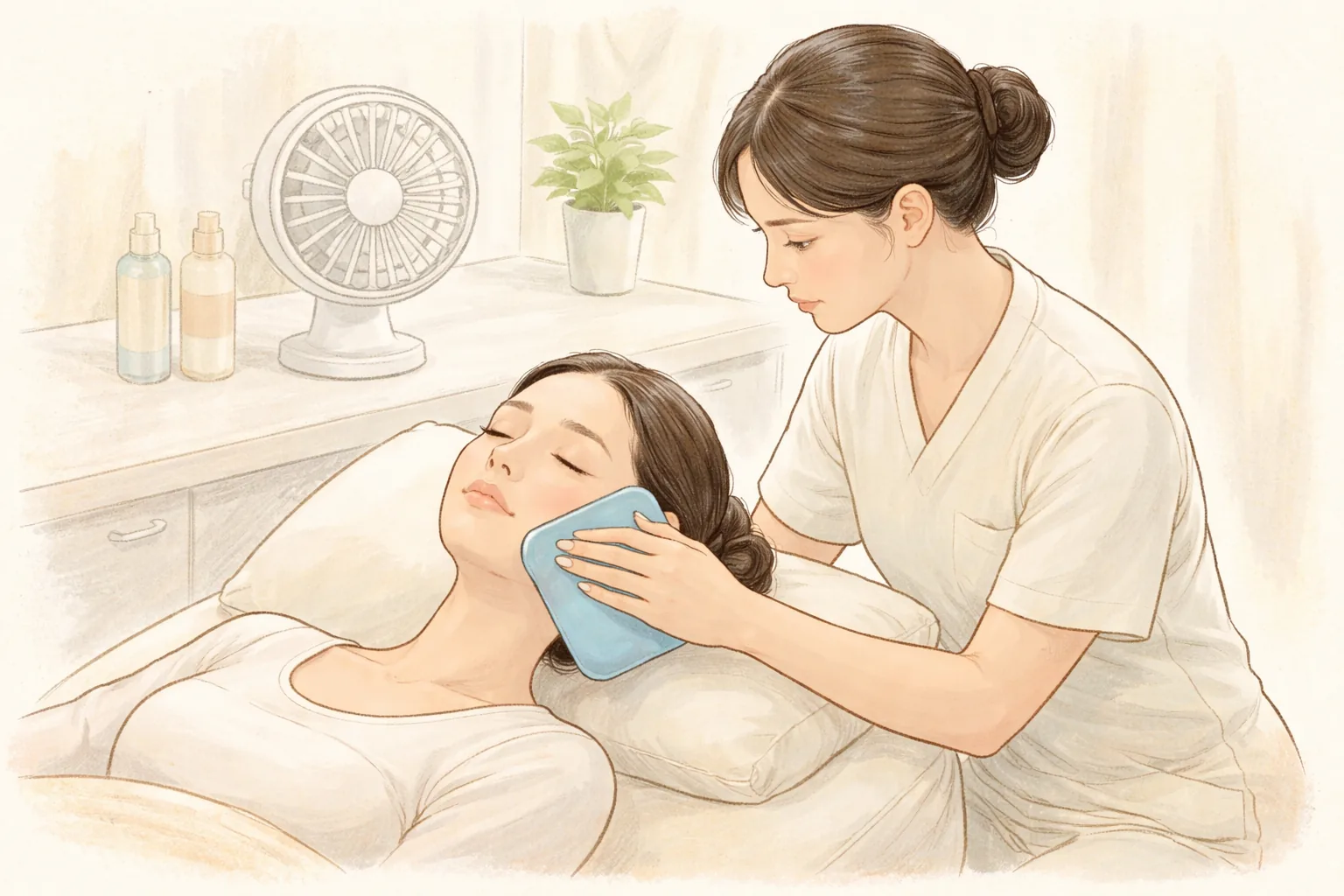
Soothing — Immediately after treatment, skin temperature is elevated and redness remains. Cool the heat down, and avoid activities that add heat such as saunas or hot packs for the advised period. ATTITUDE Clinic Column
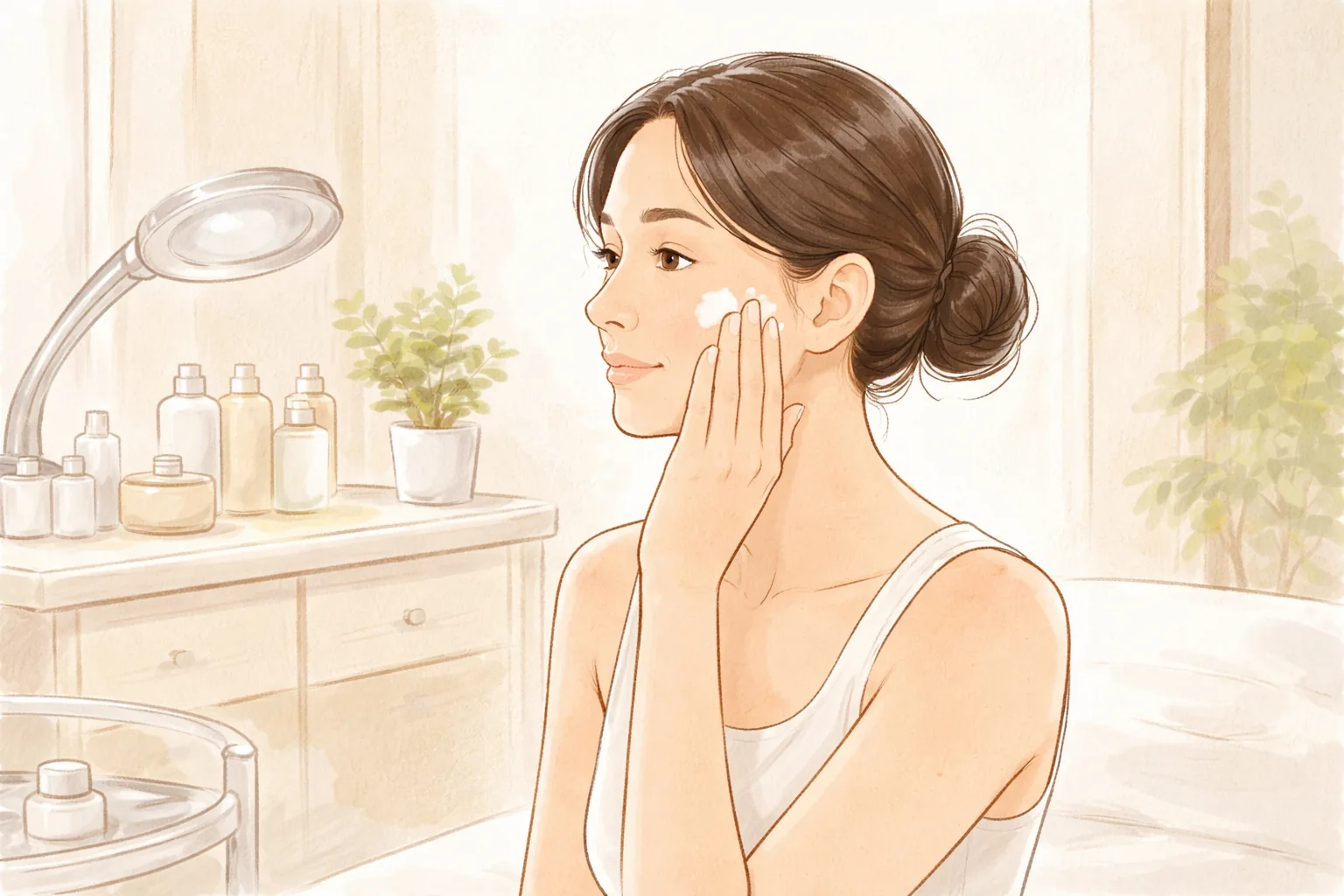
Moisturizing — Flaking and tightness may occur. Maintain moisture, and if thin crusts form, do not pick them off—let them fall off naturally. ATTITUDE Clinic Column

Sun Protection — Right after treatment, the skin's barrier is weakened and sensitive to UV. For at least 2 weeks, SPF 50+ sunscreen is advised, reapplied every 2 hours outdoors. ATTITUDE Clinic Column

Progress Check — If redness or heat lasts longer than expected or pain worsens, do not endure it—come in. If redness or stinging persists for more than 3 days or suddenly worsens, you are advised to contact the clinic. ATTITUDE Clinic Column
Side effects range from common to rare. Redness, heat, swelling, and stinging are common, and ablative lasers may leave thin crusts. If the skin is dark or tanned, temporary hyperpigmentation may occur, and rarely blisters, hypopigmented spots, infection, scarring, or pigment rebound may occur. ATTITUDE Clinic Column That fractional lasers themselves can cause post-inflammatory hyperpigmentation is also noted in overseas sources. This is why strong settings are not applied all at once when pigment is sensitive, such as with melasma. DermNet
Frequently Asked Questions
Does fractional laser treatment hurt a lot?
It depends on the intensity of energy delivered. The treatment area and individual sensitivity also affect how it feels. DermNet ATTITUDE Clinic Column Numbing cream is used to reduce discomfort during treatment, and if you feel something unbearable during the procedure, you can speak up immediately to adjust intensity. ATTITUDE Clinic Column If fear of pain is holding you back, mentioning previous experiences and sensitivity first during consultation is the starting point of the plan.
Is numbing cream alone enough for anesthesia?
Cream-based numbing is the foundation. For fractional lasers, applying sufficient numbing cream is considered essential, and during treatment a cooling device further reduces discomfort. DermNet When the area is large or deeper layers are involved, sedatives may be added to local anesthesia or general anesthesia may be chosen. Cleveland Clinic Which is appropriate is decided during consultation based on the treatment site, intensity, and the skin's condition that day. ATTITUDE Clinic Column
What if it hurts too much during the procedure?
Just say so right then. During treatment, if you feel something unbearable, you are advised to speak up immediately so intensity can be adjusted. ATTITUDE Clinic Column Speaking up when it is hard to bear is how to get through the procedure comfortably. Lowering intensity to reduce recovery burden is also better for your next schedule.
How many sessions of fractional laser, and at what intervals?
For pores and skin texture, 3–5 sessions at 4–6 week intervals are commonly guided. ATTITUDE Clinic Column Overseas sources also describe 4–5 sessions at one-month intervals. DermNet However, if pigment is deep or scars are old, more sessions may be needed, and shallower improvements may be possible with fewer. The exact number and intervals are decided after checking skin condition at the first consultation.
I am worried about pain and recovery—what should I look for in a clinic?
It is better to look at the quality of consultation than the device list. Criteria include whether they first check whether your concern comes from the skin surface, pigment, or blood vessels, whether they recommend only necessary treatments without forcing session counts or intensity, and whether they sufficiently explain pain, recovery schedule, and aftercare precautions. ATTITUDE Clinic Column It is also good to check whether the clinic can be consulted if discomfort arises after treatment.
At a Glance
| Item | Key Point |
|---|---|
| What Determines Pain | Energy intensity delivered, treatment area, individual sensitivity |
| Anesthesia Basics | Numbing cream, sedation or general anesthesia if needed, cooling during treatment |
| Erbium Fractional | Micro-resurfacing of the shallow layer at the epidermal-dermal junction |
| Recovery Burden | Low power 3–5 days, high power 7–14 days |
| Common Side Effects | Redness, heat, swelling, stinging, thin crusts |
| Post-Treatment Essentials | Do not pick crusts, SPF 50+ sun protection |