How Long Does Filler Last? A Timeline from Injection to Final Result
Understand the timeline of dermal filler results: when volume appears, how swelling settles over 2–4 weeks, why lip filler lasts 6–12 months, and which aftercare habits protect your result.
Written by ATTITUDE Clinic Editorial Team
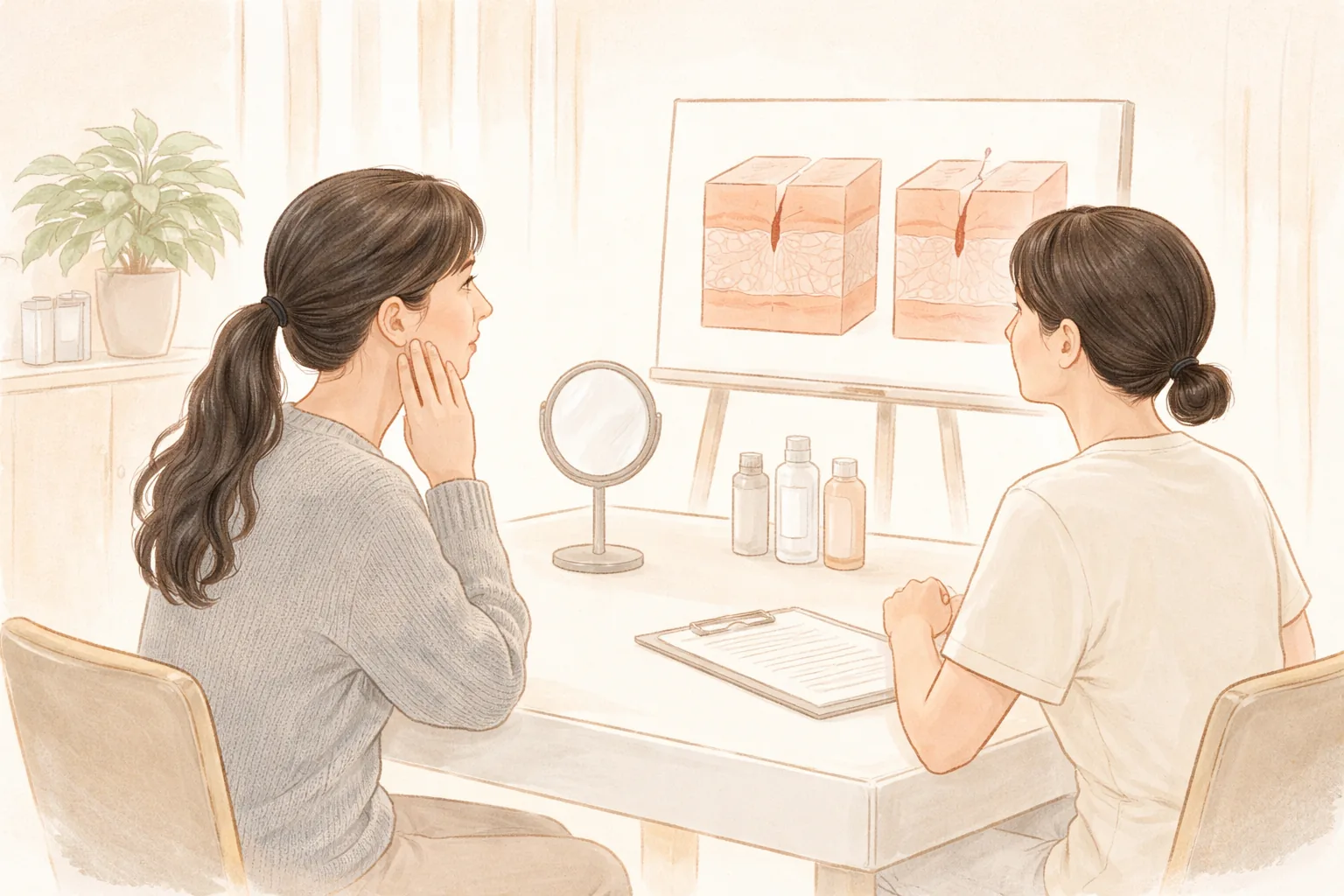
The most common questions before filler are "when will I see a difference?" and "how long will it last?" The way you look immediately after treatment may not be the final result, and even the same 1cc can last differently depending on the area and the product. This article walks through when results appear, what determines how long they last, how swelling settles, and what to check after treatment. We've covered how to choose an area and product in another article — here we focus on timing and duration.
The short answer
Filler adds volume to tissue the moment it's injected, so a change is visible right after treatment. But that look isn't the final result. Areas that swell easily need time for swelling to settle before the contour can be judged. How long results last is determined by what was injected and where. The FDA's guide to dermal fillers notes that some fillers are gradually absorbed by the body and require repeat treatments to maintain results, and that how long results last varies with the filler material and the injection site.
When do filler results start to show?
It's easier to think of two separate moments: when the injected material takes up space, and when that result settles into place.
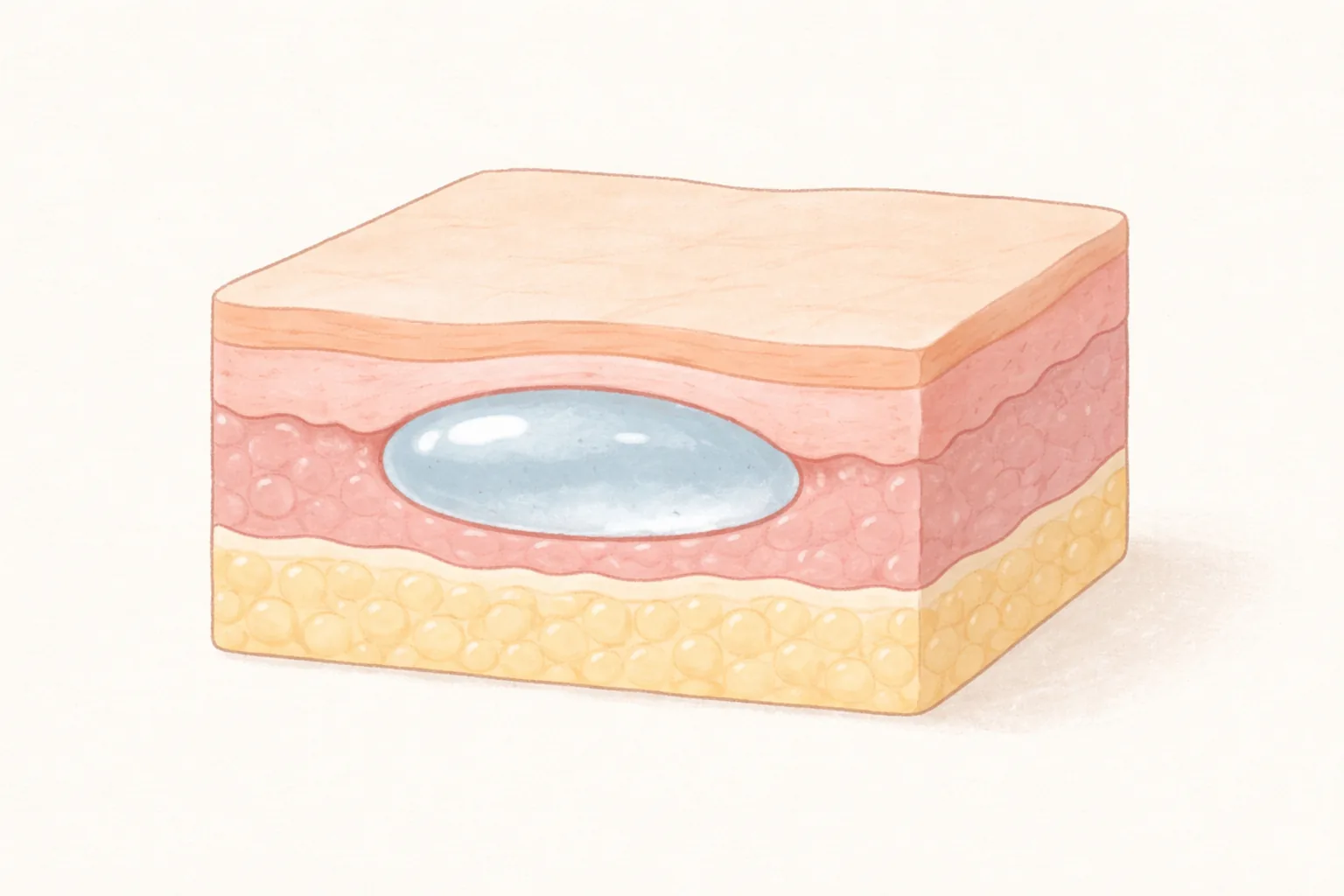
Hyaluronic acid (HA, an ingredient that attracts water to create volume) filler works by filling space directly. So volume is visible right after treatment. Injecting structural ingredients into the dermis works a little differently. As covered in the ATTITUDE Clinic column, with Re2O (hADM, human-derived acellular dermal matrix), some of the immediate fullness is swelling that settles over a few days, and any change appears gradually over a few weeks. In other words, what you see right after and what remains a few weeks later can be two different things.
So why does it swell? Because the needle and the injected liquid stimulate tissue. Areas with more blood vessels and more movement — like the lips — tend to show this reaction more.
What determines how long results last?
It's hard to pin down a single number because several conditions are involved. The FDA guide states that how long results last depends on the filler material and the injection site, and adds that good results depend on the tissue structure beneath the skin and the type and amount of filler used. Even for the same person, how long results last differs by where the filler was placed — and for the same area, by which material was used.
In short, four things shape the outcome. How quickly the material breaks down in the body, the tissue thickness and movement of the injection site, the amount and depth injected, and your individual metabolism. The first three can be adjusted during consultation and treatment, but metabolism can't. The ATTITUDE Clinic column also notes that how long results last varies widely between individuals and that long-term data is still limited.
Why does it differ so much by area?
The lips are a good example for understanding filler duration. According to Cleveland Clinic, lip filler usually takes 2–4 weeks for swelling to fully settle and for the filler to settle into the lip tissue, and the filler dissolves on its own within 6–12 months, returning lips to their original state. That's relatively short because the lips are constantly moving — talking, eating, making expressions.
Areas with thicker tissue and less movement, like the cheeks or nasolabial folds, feel different in duration. Still, it's hard to generalize a "number of months" per area, because every product is studied with different subjects and observation periods.
One thing worth noting: the FDA has not approved and does not recommend filler for the glabella (between the eyebrows), nose, around the eyes, forehead, or neck. Knowing that approval varies by area makes consultations easier to navigate.
Swelling vs. final result: when do you judge?
Drawing conclusions from the mirror on treatment day leads to misunderstandings. For lips, swelling takes 2–4 weeks to settle, so the final shape should be judged after that. If bruising appears, it can take 1 week or more to fade.
Table 1 Swelling vs. final result: when do you judge?
Type
What it does
When results appear
How long it lasts
HA filler — lips
Adds volume to tissue
Volume right away; contour after swelling settles in 2–4 weeks
Dissolves on its own within 6–12 months
HA filler — cheeks, nasolabial folds, etc.
Restores volume to folds and hollows
From right after, with changes as it settles into tissue
Varies by material and injection site
Collagen booster (Re2O, hADM)
Directly supplements the dermis's extracellular matrix
Immediate fullness is partly swelling; changes over a few weeks
Wide individual variation; long-term data limited
Skin booster (PN, HA)
Stimulates collagen production and adds moisture
Usually several sessions 2–4 weeks apart
Gradually decreases once stimulation ends
Swipe sideways to see the whole table.
In short Filler results are visible right after injection, but that look isn't the final result. How long they last is determined by the material and area, with individual metabolism and aftercare habits adding to that. Before treatment, it helps to map out both "when will it look natural" and "when should I come back for a consultation."
If this applies to you
When a ceremony or shoot is a few weeks away
Factor in that swelling takes 2–4 weeks to settle. Planning at least 2–4 weeks ahead rather than the day before a shoot means you'll be photographed settled, not swollen.
If you want to maintain results
Timing for maintenance treatments is decided by looking at remaining volume and your desired state together. Basics like sun protection and hydration also affect how long changes last.
If you swell easily or have sensitive skin
If you bruise easily, tell your provider about any medications and supplements you're taking first. Cleveland Clinic mentions acetaminophen for post-treatment pain, explaining that unlike other NSAIDs, it doesn't slow blood clotting and so doesn't increase bruising.
If your visit is a short one
Recovery time becomes central to your plan. Bruising can take 1 week or more to fade, so sharing your departure date during consultation lets your provider adjust the scope of treatment to fit your schedule.
Tell us before your consultation Recent sun exposure and outdoor plans, medications you're taking (including blood thinners) and supplements, past reactions to treatments and allergy history, whether you're pregnant or breastfeeding, and upcoming important events (ceremonies, shoots, dental work). The FDA notes that fillers made with animal-derived materials may require allergy testing, so it's safer to check the origin of the material as well.
How ATTITUDE Clinic approaches it
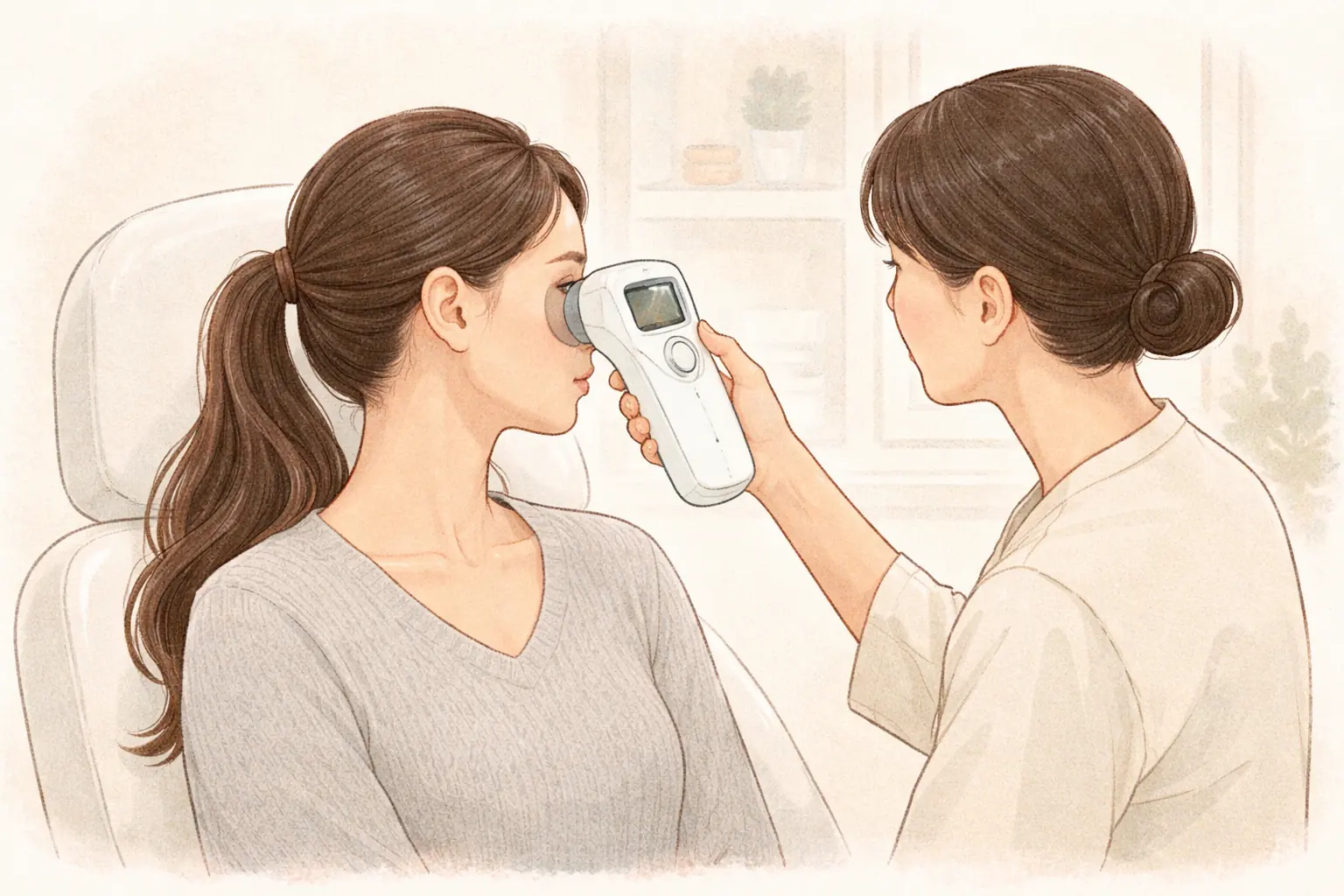
AI skin analysis records — We photograph and record your facial structure and skin condition as baseline material for consultation. The analysis tool organizes information; it doesn't replace a diagnosis.
Doctor consultation — We check whether the concern is hollowing or sagging, and whether the desired change is volume or skin texture, then choose the right treatment. Our treatment guide lists domestic and imported HA fillers separately.
Treatment performed by the doctor — We decide the injection site, depth, and amount, and treat accordingly. Hyaluronidase (the enzyme that breaks down HA filler), used when results need adjusting, is also included in the treatment guide.
Recovery and follow-up — We monitor how swelling and bruising settle, and judge the final result after swelling has gone down.
Treatments named in our clinic guide on this topic include domestic and imported HA fillers, collagen boosters (Re2O), and PN/HA skin boosters. Which is right for you depends on whether your concern is volume or skin texture.
Aftercare and side effects
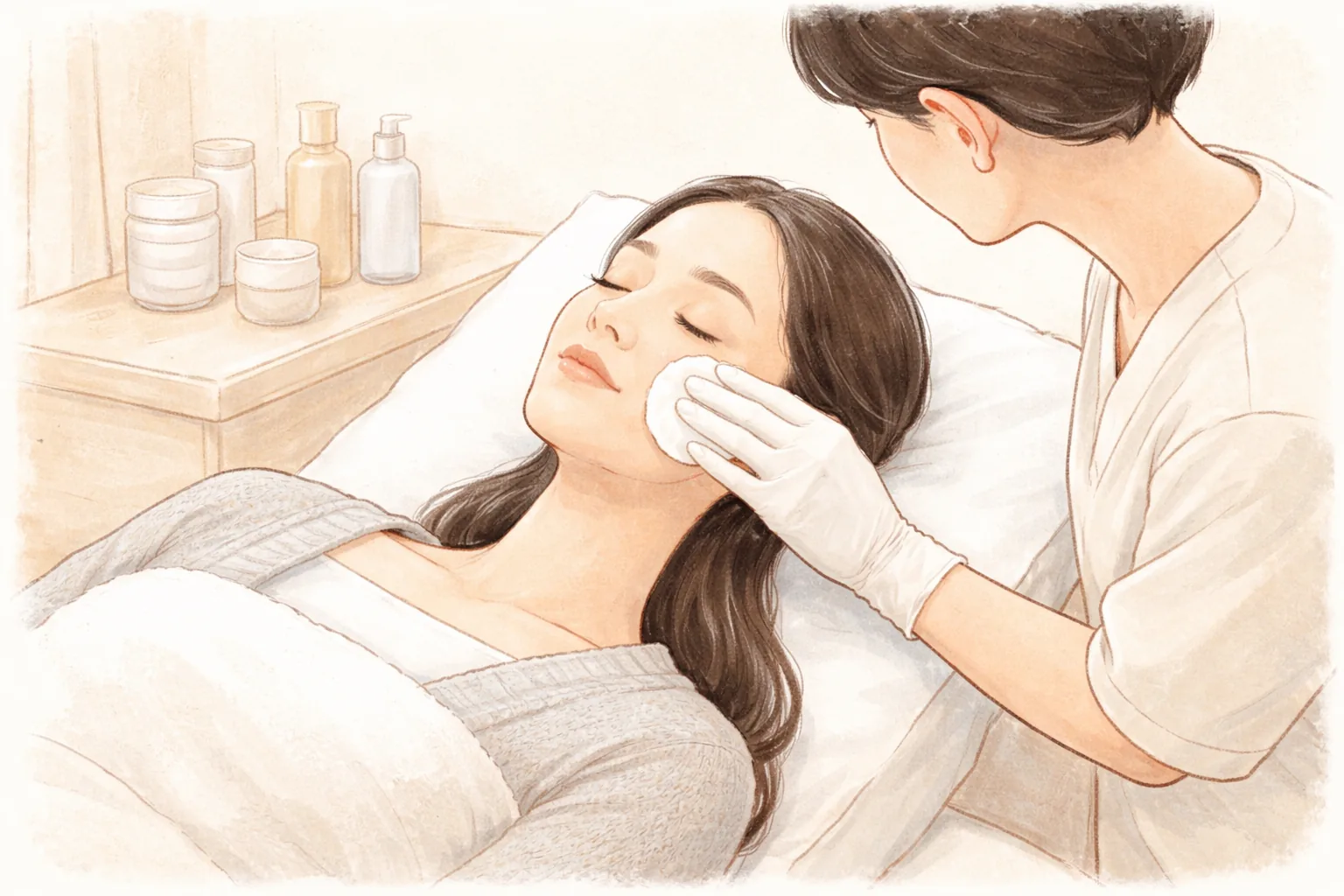
Calming — On treatment day, use cold compresses to reduce swelling and pain. Cleveland Clinic also lists ice packs first for lip filler aftercare.
Moisture and hydration — Drinking enough water supports recovery.
Sun protection — Apply SPF 50+ sunscreen carefully throughout the recovery period. The ATTITUDE Clinic column emphasizes this as well.
Follow-up — Monitor how swelling and bruising settle, and judge the final shape after 2–4 weeks. Avoid intense exercise for a few days, and avoid dental work for 2 weeks before and after treatment.
Whether massage is appropriate depends on the product. Lip HA filler stays soft for a few days after injection, so clinicians may smooth out lumpy areas. Collagen boosters, on the other hand, should avoid firm pressure or massage before they settle into the dermis.
Bruising is the most common side effect, and swelling or redness can appear after infection, vaccination, or dental work. More rarely, nodules or granulomas, infection, severe allergic reactions, filler migration, and leakage or rupture at the injection site can occur. According to the FDA guide, most reactions appear right after injection and resolve within days to weeks, but some appear weeks, months, or years later. The most serious concern is filler entering a blood vessel, which can lead to tissue necrosis, vision problems, or stroke.
There are also signals you shouldn't wait on. If your lips or surrounding skin turn pale, if you have severe pain unlike anything usual, if color changes worsen, or if your vision changes, seek care immediately.
Frequently asked questions
How long does filler last?
The material and area determine the duration. The FDA guide states that how long results last depends on the filler material and injection site, and explains that fillers absorbed naturally require repeat treatments to maintain results. Lip HA filler is commonly cited at 6–12 months, and thicker areas like the cheeks or nasolabial folds may feel longer. The timing of your next treatment is decided by remaining volume and your desired state.
When does lip filler settle, and how long does it last once stable?
According to Cleveland Clinic, swelling usually takes 2–4 weeks to fully settle and for the filler to settle into the tissue. During this period, lips may look fuller than they actually are, and the philtrum may seem shorter. Once settled, results last around 6–12 months before dissolving on their own and returning lips to their original state. That's why you shouldn't judge satisfaction by your look right after treatment.
Can filler results fade early?
Even with the same product and amount, individual variation is wide. Metabolism, movement of the area, and tissue thickness all play a role. The ATTITUDE Clinic column also notes that how long results last varies widely between individuals and that long-term data is still limited. That said, HA filler is a material that metabolizes and disappears over time, and results can be adjusted with hyaluronidase — a key difference from other materials.
When can I exercise or have dental work after treatment?
It's best to avoid intense exercise for a few days, since increased blood flow can worsen swelling and bruising. Cleveland Clinic advises avoiding dental work for 2 weeks before and after treatment. Same-day alcohol and saunas are listed as things to avoid in the ATTITUDE Clinic column. If recovery is slow or bruising is significant, it's better to wait a few extra days. If you already have dental work scheduled, tell us the date during consultation. If any unusual reaction occurs after treatment, seeking care takes priority over exercise decisions.
What should I look for when choosing a filler clinic?
The FDA guide recommends treatment by a licensed healthcare provider with experience in dermatology or plastic surgery. In consultation, look at how they handle adverse reactions, whether they have the enzyme to dissolve HA filler, whether the products used are genuine, and how they check prior treatment history and allergies. The FDA has not approved needle-free injection devices for filler injection, and states that permanent fillers can be difficult or impossible to remove.
At a glance
Table 2 At a glance
Item
Key point
When results appear
Volume from right after injection, but not the final result
When to judge final result
2–4 weeks after swelling settles (for lips)
Duration
Determined by material and injection site; lip HA filler 6–12 months
Individual variation factors
Metabolism, movement of the area, tissue thickness, amount and depth injected
Aftercare
Calming, hydration, sun protection, moderating intense exercise and dental work
Signals to contact us
Severe pain, pale or discolored skin, vision changes
This article offers general health information. It is not a substitute for diagnosis or treatment based on your own condition, so please talk through your situation with a doctor.