Juvelook Pain and Anesthesia: How Much It Hurts and How to Reduce It
Juvelook pain and anesthesia options, how Skin, Volume and Eye differ, and aftercare and side effects to discuss at ATTITUDE Clinic in Sinsa, Seoul.
Written by ATTITUDE Clinic Editorial Team
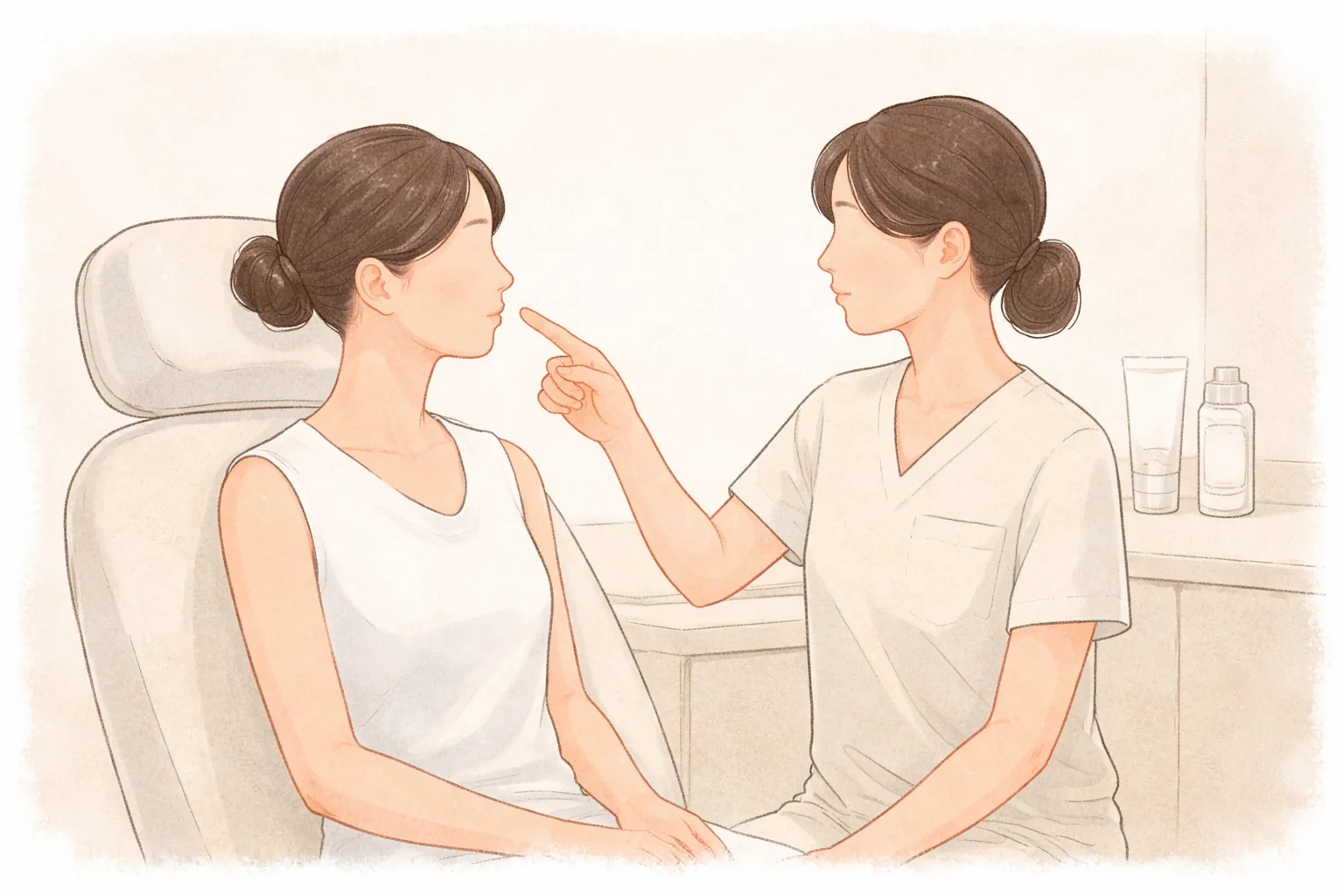
If you want to try Juvelook but have heard it hurts, it is natural to hesitate. You may wonder whether Volume hurts more, how numbing is done, and when post-treatment swelling settles. This article walks through where pain in injectable treatments comes from, how anesthesia is handled, aftercare, and what to check during a consultation.
The short answer first
Pain from injectable treatments like Juvelook comes mostly from the sharpness of the needle passing through the skin and the pressure of the product going in. Discomfort can be reduced with topical numbing cream, ice, or a nerve block injection if needed, and the method is chosen based on the area and your individual sensitivity. Juvelook comes in different products such as Skin, Volume and Eye, and even the same product feels different depending on how much is injected and where. Pain and recovery vary widely between individuals, so the most accurate approach is to confirm during consultation which product will be used, how much, in which area, and with what anesthesia method.
Where does the pain come from?
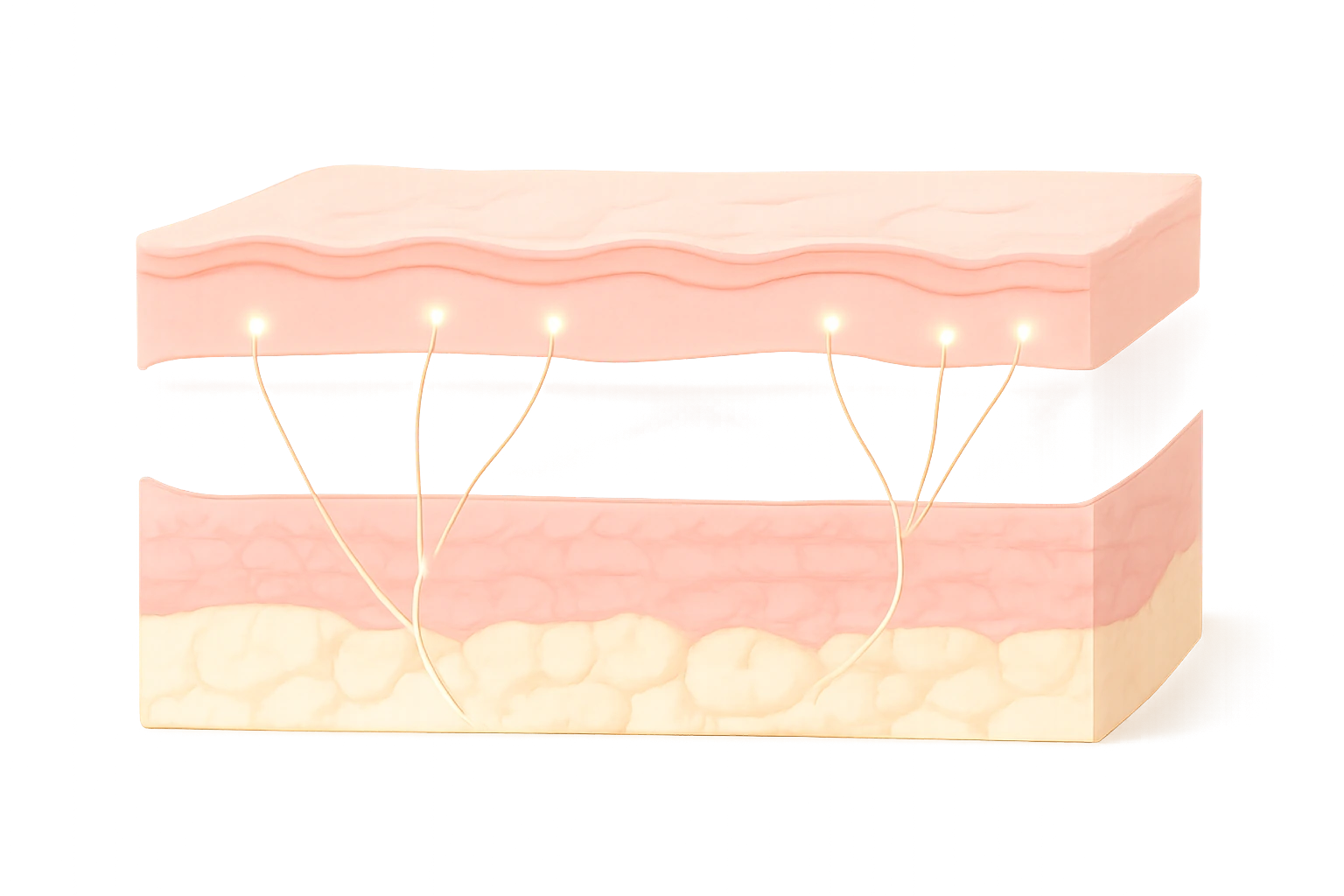
Pain from injectable treatments falls into two main categories. One is the stimulation of the needle passing through the skin, and the other is the temporary heaviness or ache as the injected product settles into place. Sensory nerves are densely distributed throughout the skin, so the sensation varies depending on the path and depth of the needle.
According to the American Academy of Dermatology filler guide, ice, a topical numbing cream or a nerve block injection may be used before an injectable treatment. Areas with less sensation, like the hand, often need no anesthesia, while sensitive areas like the lips often call for a nerve block. Even on the face, thin-skinned or nerve-dense areas such as around the eyes, around the lips and the forehead can feel more sensitive.
So why does the rumor that collagen-stimulating treatments hurt more go around? With injectables, the discomfort you feel on the day is concentrated in the moment the needle passes and the product goes in. The collagen-building process itself appears over time rather than immediately after treatment, so it is better to think of it separately from same-day pain.
How is anesthesia done?
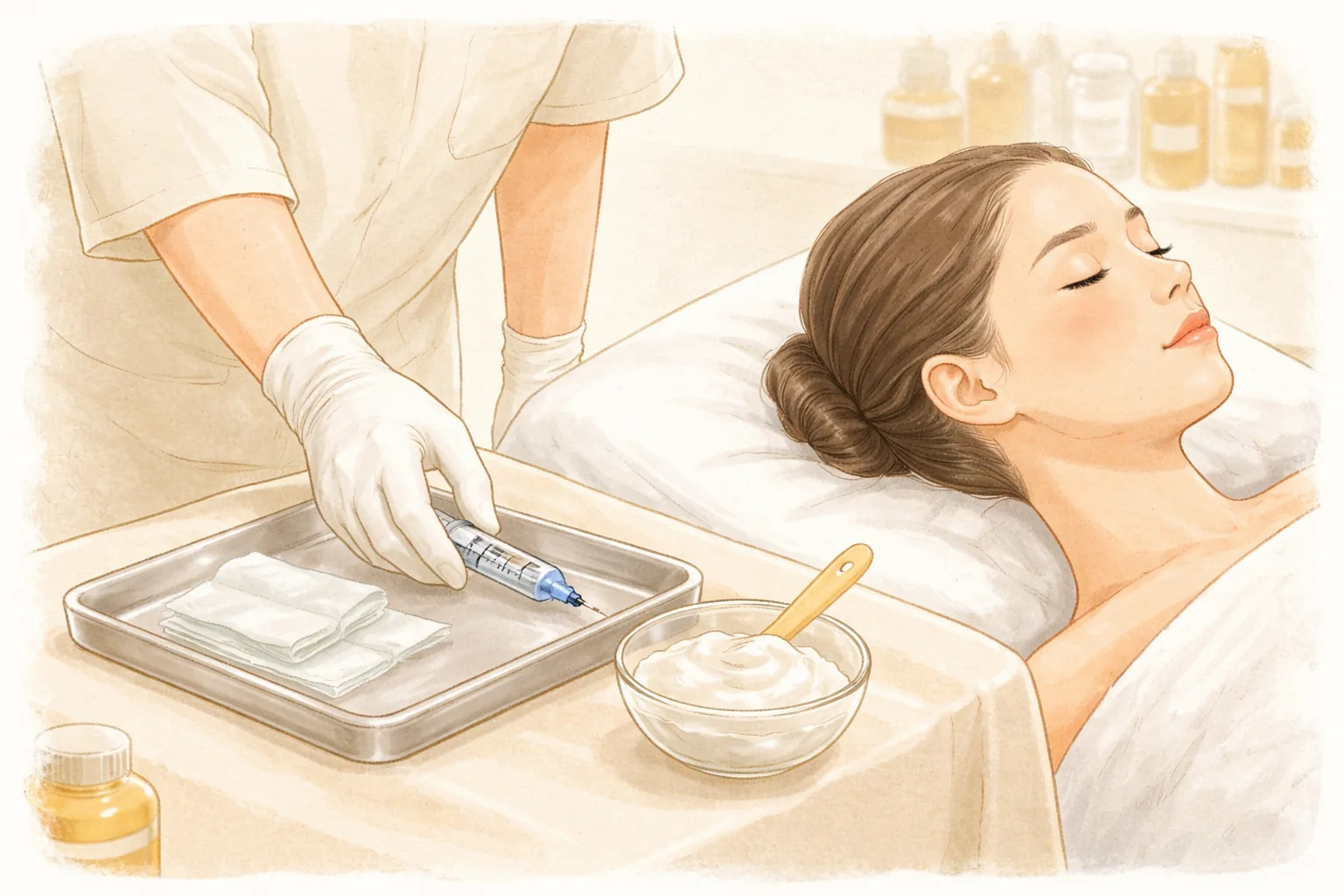
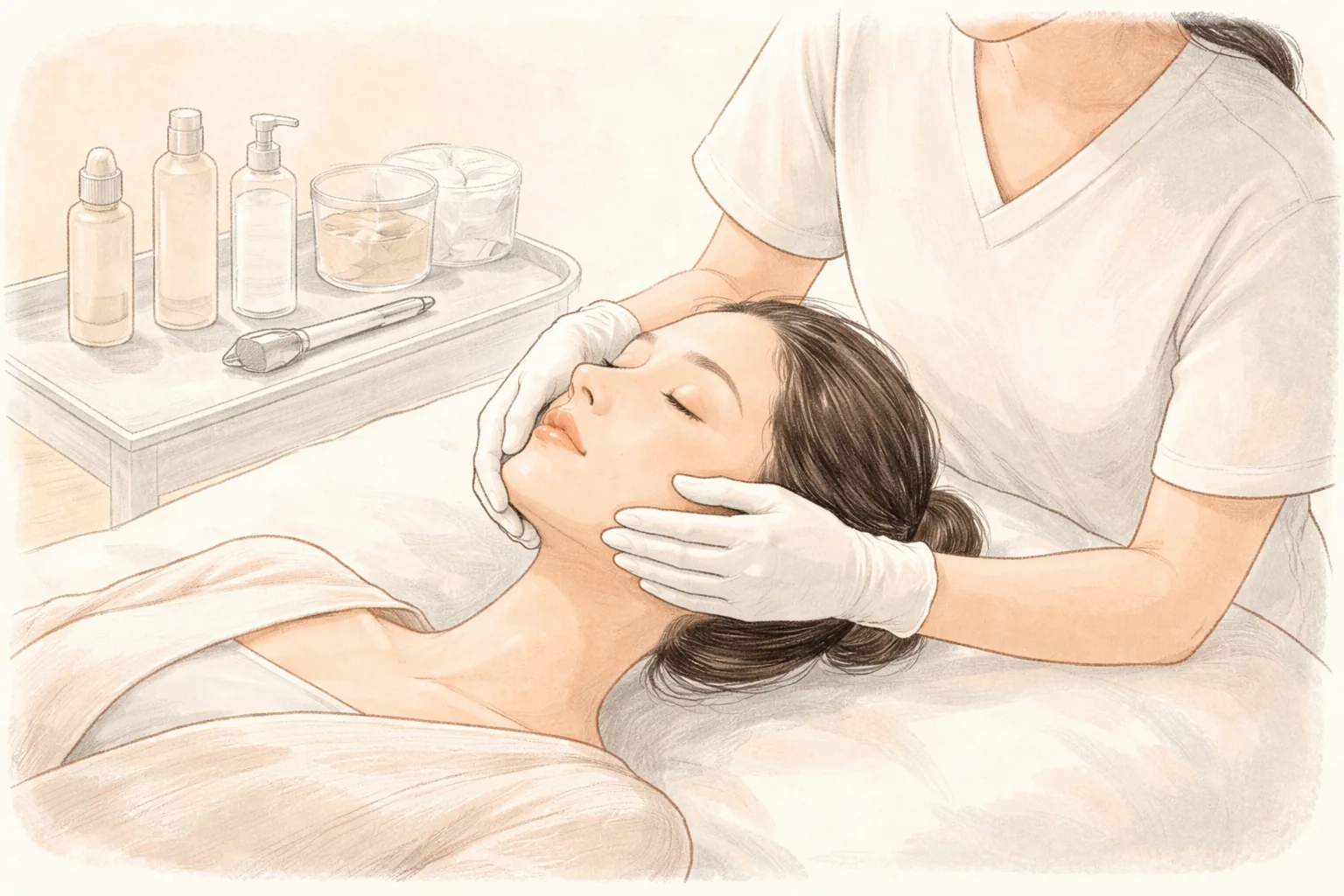
The American Academy of Dermatology filler guide describes three anesthesia methods: brief numbing of surface sensation with ice before treatment, letting topical numbing cream absorb fully, or a nerve block injection at a specific area. The ATTITUDE Clinic laser column also explains that topical anesthesia before treatment reduces discomfort and that the anesthesia method is decided in consultation based on the treatment area and intensity.
Anesthesia does not eliminate pain entirely; it is closer to lowering it to a tolerable level. Even with the same numbing cream, absorption and effect differ between thick and thin areas of skin and areas with inflammation. That is why allowing enough time for it to work and choosing a method suited to the area make the difference in how it feels.
Do Skin, Volume and Eye differ in pain?
The ATTITUDE Clinic treatments and pricing page lists Juvelook Skin, Juvelook Volume and Eye Juvelook separately. Even with the same Juvelook, which product is used, in which area and how much all change the number of needle passes and the amount injected, and the pressure you feel can change accordingly. Volume is listed in doses such as 1cc, 4cc and 8cc, so injecting a larger amount at once can lengthen the procedure and the time you feel discomfort. Skin is also divided into 4cc and 8cc. At consultation, it is best to first confirm the product name, dose and injection area, then decide on the matching anesthesia method.
What determines pain and recovery
The degree of pain is not set by a single factor. The type and gauge of the needle, the injection depth, the amount injected at once, the skin thickness of the treatment area, and your condition and pain sensitivity that day all interact. Even in the same area, pain sensitivity can differ depending on how you are feeling.
Recovery after treatment is similar. According to the ATTITUDE Clinic collagen injection column, after an injectable treatment redness and stinging can last from a few hours to the same day, and temporary fullness and mild swelling can last 1–3 days. If bruising occurs, it can take more than 1 week to fade, and the injection area may feel bumpy. Most of these reactions settle with time, but if they continue, it is best to let the clinic know.
Table 1 What determines pain and recovery
Category
Doses listed by ATTITUDE Clinic
What to confirm about pain and recovery
Juvelook Skin
4cc, 8cc
Injection area and depth, anesthesia method
Juvelook Volume
1cc, 4cc, 8cc
Amount injected at once, sensitivity by area
Eye Juvelook
1vial
Anesthesia plan for a thin area like around the eyes
Swipe sideways to see the whole table.
In short Pain from injectable treatments comes from needle stimulation and injection pressure, and anesthesia is reduced with topical numbing cream, ice or a nerve block injection. Juvelook feels different depending on the product, dose and area, so confirming the anesthesia method and expected response at consultation is the most realistic approach.
If this sounds like you
If a wedding or photo shoot is coming up
If you are trying an injectable for the first time before a ceremony or shoot, swelling or bruising overlapping with your schedule can be a burden. Starting the consultation with time to spare based on your date widens your options for adjusting the timing and intensity of treatment. Be sure to tell the clinic about any important dates during consultation.
If you want consistent maintenance
Rather than going strong all at once, planning around the interval your skin needs to recover puts less strain on you. The ATTITUDE Clinic laser column also states the principle of not recommending more treatment than necessary. The same applies to injectables: the next session is scheduled after seeing your skin condition and response.
If your skin is sensitive or prone to redness
If cosmetics usually sting or you have had sensitive skin after a previous treatment, tell the clinic first during consultation. It helps in adjusting the anesthesia method and treatment intensity. If your skin barrier is weakened, it is better to discuss the timing and method again.
If you are an international visitor on a short stay
If your stay is fixed, swelling or bruising right after treatment could affect your plans. Tell us your return date and upcoming schedule, and we can discuss the timing and intensity of treatment accordingly. Also check how to get in touch in case you need a follow-up after treatment.
Please tell us before your consultation Recent sun exposure, medications you are taking (including blood thinners), skincare ingredients you use, your history of reactions after previous injectables or lasers, important dates like weddings or shoots, and whether you are pregnant or breastfeeding all help us adjust the anesthesia method and treatment plan.
How ATTITUDE Clinic proceeds
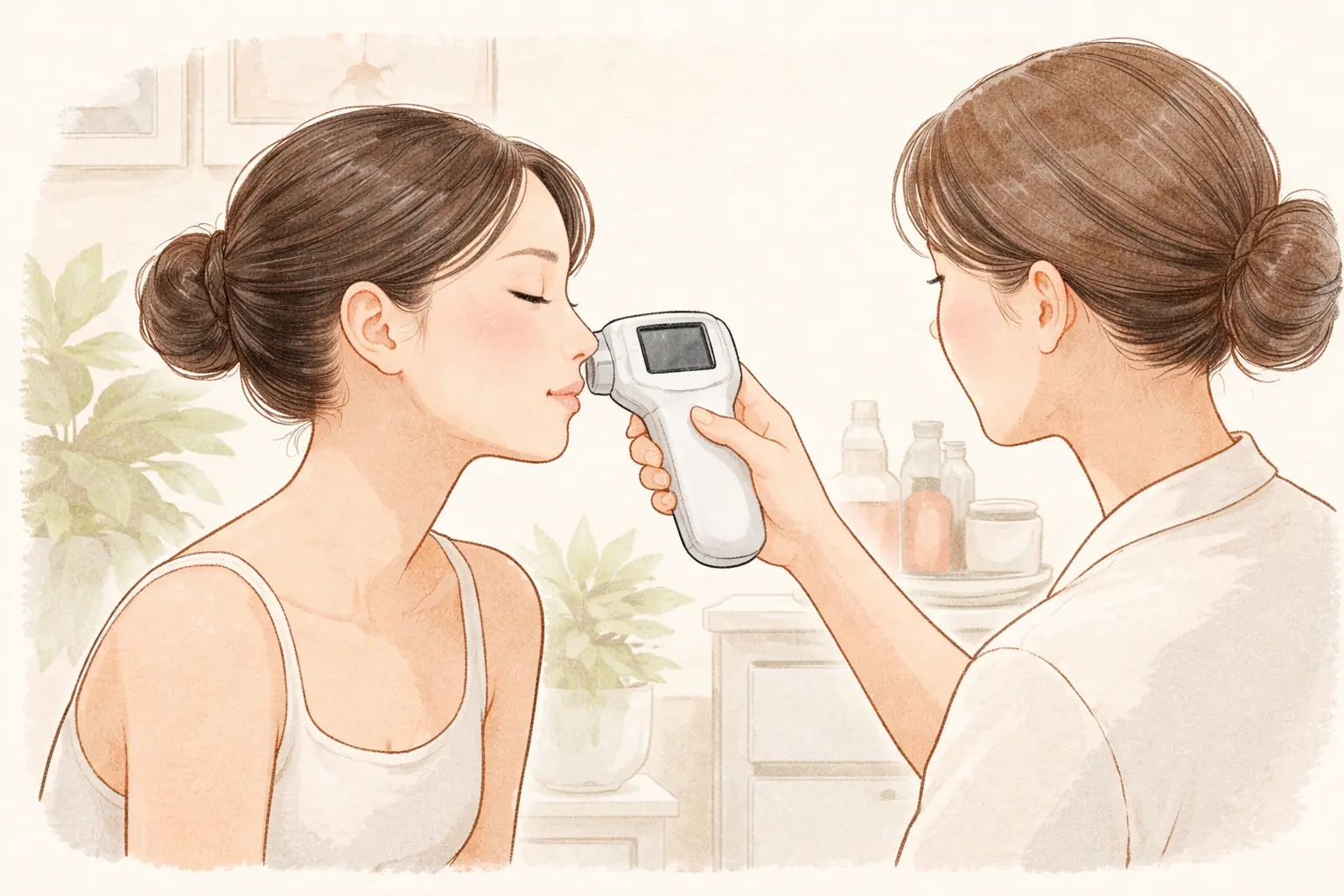
AI skin analysis record — Current skin condition such as pigment, redness, texture and pores is recorded with AI skin analysis. This record is a tool for organizing information to support consultation and is not a medical diagnosis.
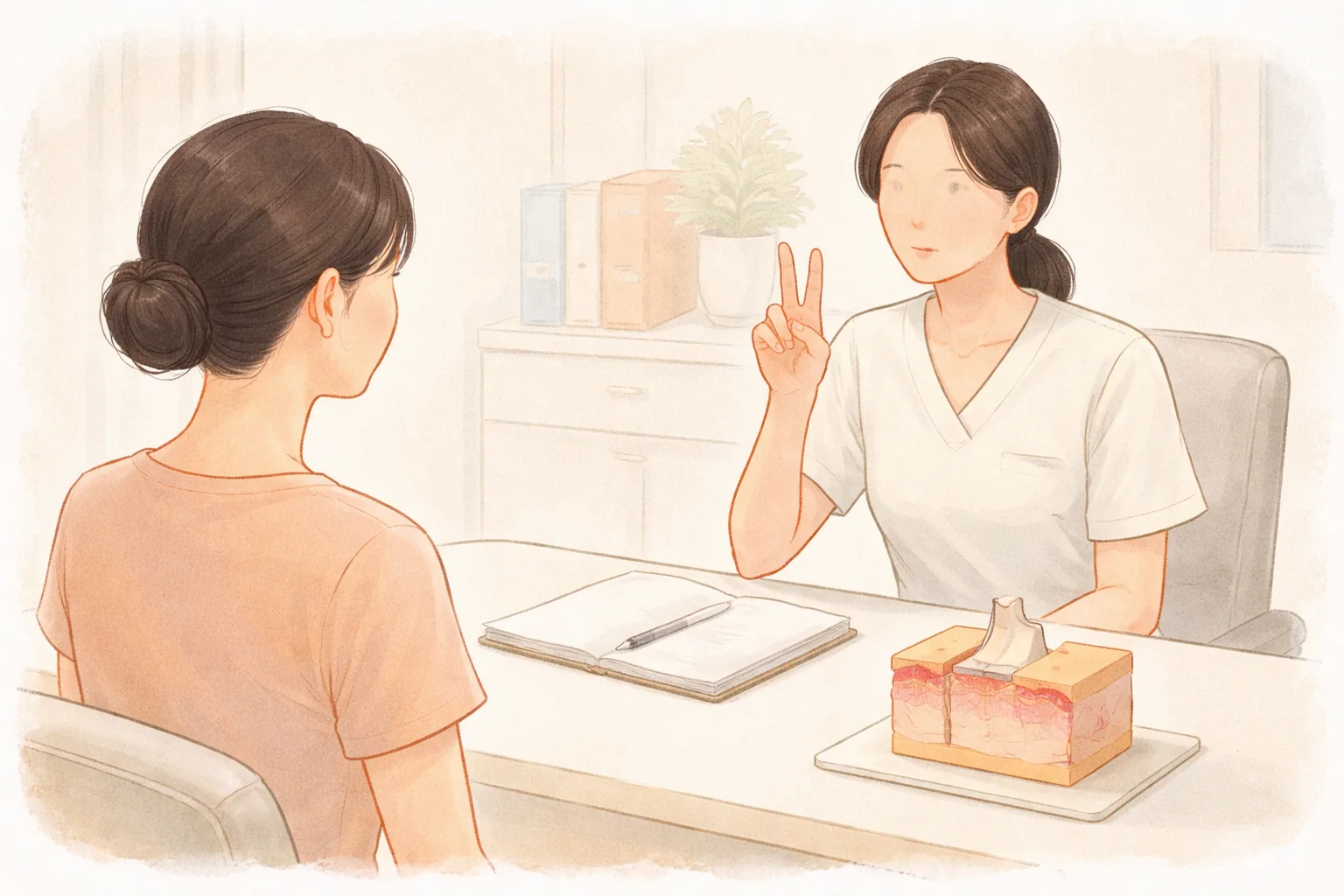
Direction set in consultation with the doctor — Your pain sensitivity, skin history and important dates are added to the analysis record to decide together which Juvelook product goes into which area, how much, and with what anesthesia method.
Treatment performed by the doctor — Discomfort is reduced with topical anesthesia and other measures as needed, and the doctor performs the treatment. We do not recommend more treatment than necessary.
Recovery and aftercare — After treatment, sun protection and moisturizing are advised and progress is checked. If you have any discomfort, you can visit to have it checked.
The Juvelook products ATTITUDE Clinic offers are Juvelook Skin, Juvelook Volume and Eye Juvelook. Under the principle of authentic products, accurate dosing and fair pricing, we use only as much as needed.
Aftercare and side effects
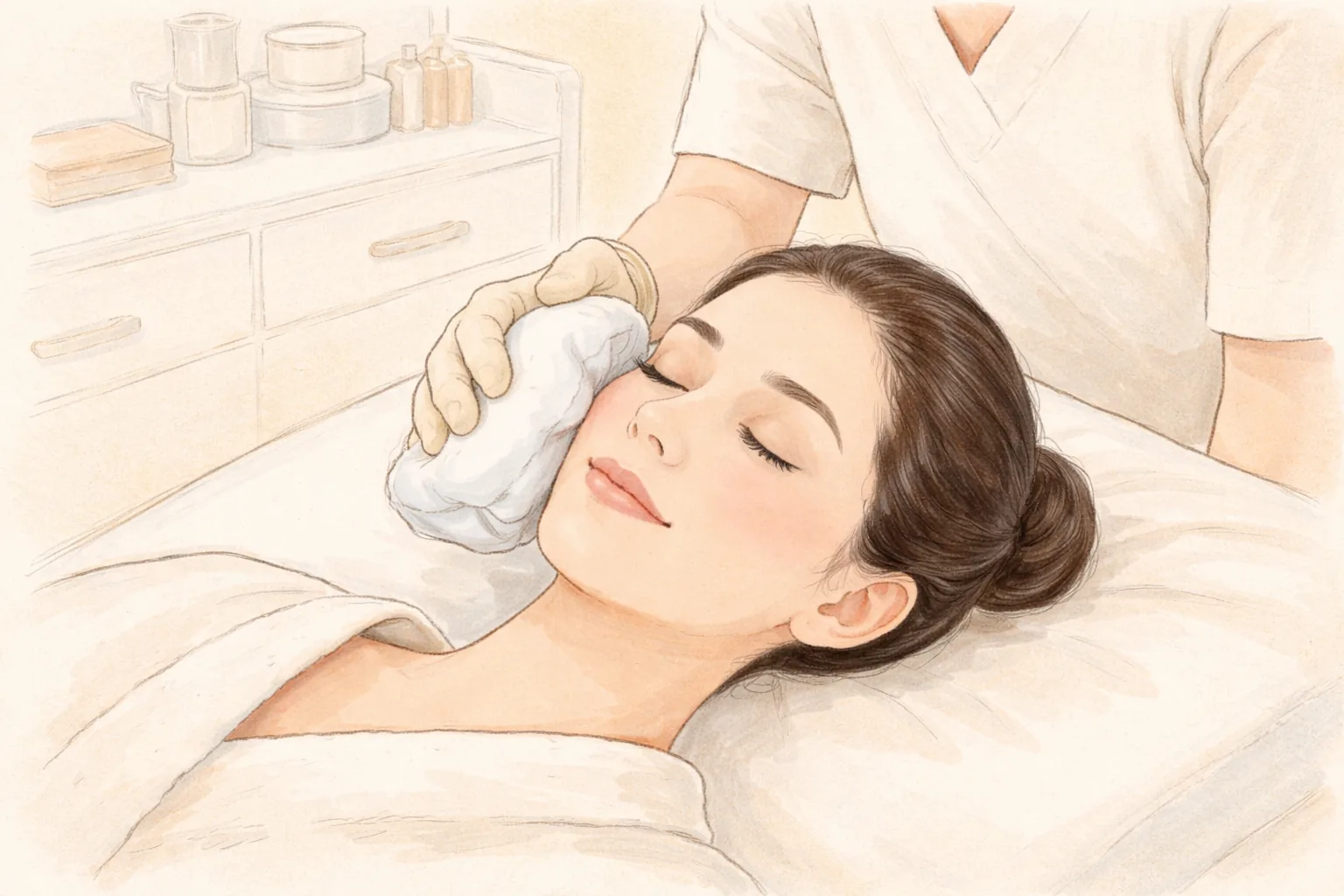
Soothing — Right after treatment, do not press hard on or massage the injection area. If there is redness or heat, soothe it briefly with a cold compress.
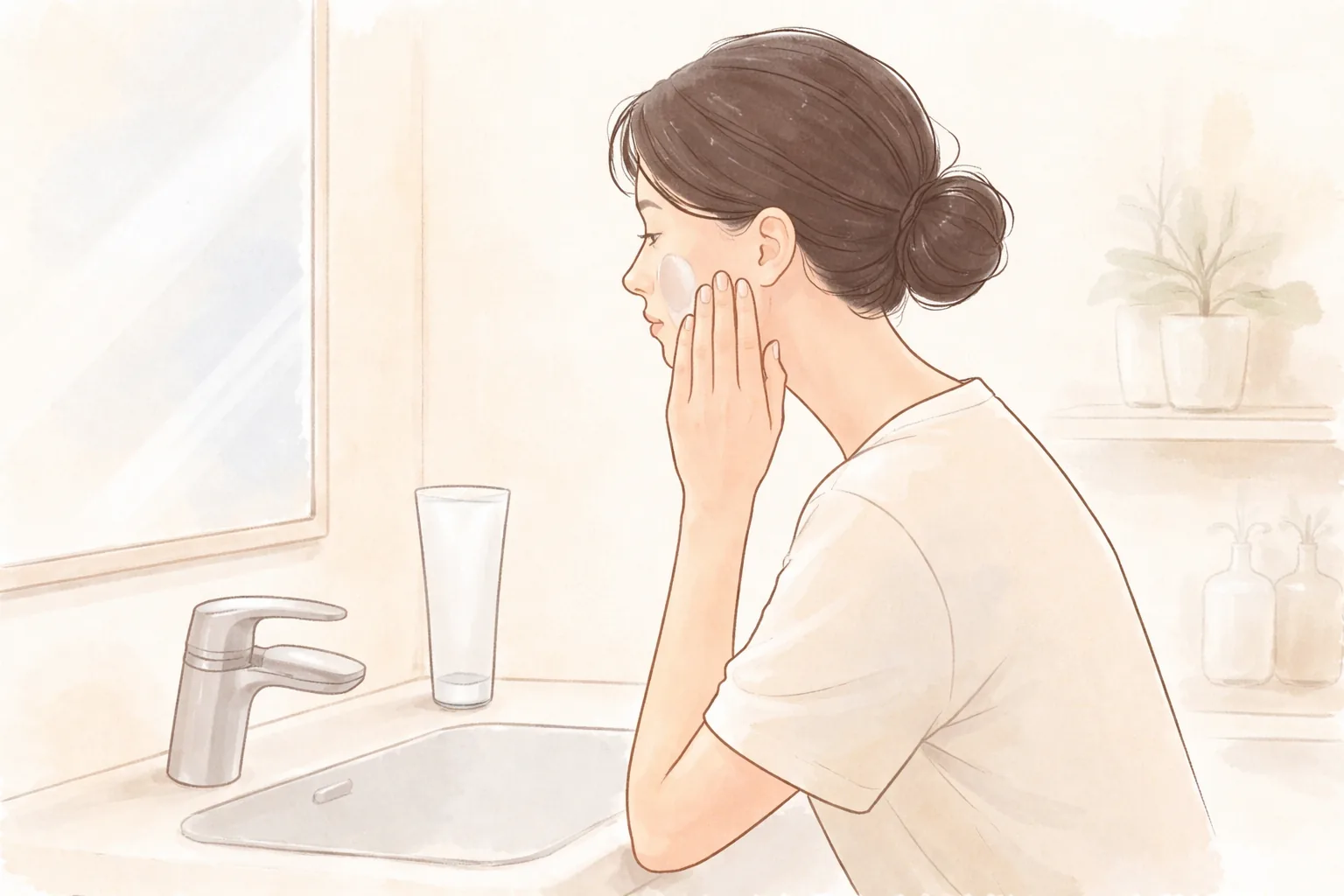
Moisturizing — Use a moisturizer so the skin does not dry out. Washing the face is possible lightly from 4–6 hours after, and makeup from the next day.
Sun protection — Apply sunscreen carefully throughout the recovery period. Avoid saunas, strenuous exercise and alcohol on the day of treatment.
Checking progress — Watch for changes in swelling, bruising and bumpy texture. If pain differs from usual or worsens, or if the skin at the injection site turns white, blotchy, bluish-gray or black, or if there is any change in vision, do not wait and seek medical care right away.
Common reactions are redness, stinging, swelling, tenderness when pressed, and bruising. Less commonly, infection, allergic reaction, foreign body reaction, or small lumps (nodules) can occur. According to the ATTITUDE Clinic exosome column, when microneedling or fractional laser is done together, redness, swelling, dot-like marks, dryness and thin crusts can appear, and granuloma or long-lasting inflammation has rarely been reported. If swelling, pain or heat continues, contact the clinic.
Frequently asked questions
Does Juvelook Volume hurt more than Skin?
It is difficult to compare pain by product name alone. Even with the same Juvelook, how it feels differs depending on the area, how much is injected, how deep it goes, and whether a large amount is injected at once. Volume is listed in doses such as 1cc, 4cc and 8cc, so a larger injected amount can lengthen the procedure. Skin is also divided into 4cc and 8cc. At consultation, confirming the product name, dose and area and deciding the anesthesia method together is the most reliable approach.
How long should numbing cream be left on?
The longer you allow topical numbing cream to work until the skin surface is fully numb, the more the sensation can change. The American Academy of Dermatology filler guide also describes applying numbing cream to the skin before injection. The specific time depends on the numbing cream used, the area and your skin condition, so confirm at consultation. For areas where topical numbing is not enough, ice or a nerve block injection may be added.
How many days do swelling and bruising last after treatment?
According to the ATTITUDE Clinic collagen injection column, after an injectable treatment temporary fullness and mild swelling can last 1–3 days, and bruising can take more than 1 week to fade. Redness and stinging tend to settle within a few hours to the same day. Recovery speed varies between individuals, so if you have an important date, tell the clinic in advance.
Can nodules form?
Small lumps (nodules) can rarely occur after injectable treatment. You should not press hard on or massage the injection area, and if a bumpy feeling continues for a while, it is best to let the clinic know. It is difficult to determine the frequency or timing of nodules by product name alone, so confirm the product, injection method and precautions during your pre-treatment consultation.
How do I choose a clinic for Juvelook treatment?
Rather than looking only at device names or prices, check a few things. Does the clinic first identify whether your concern comes from skin texture, elasticity or volume? Does it explain specifically which product and how much will be used? Does it cover the anesthesia method, pain and recovery schedule at consultation? Can you have things checked if you feel uncomfortable after treatment? ATTITUDE Clinic sets direction through an AI skin analysis record and doctor consultation, and the doctor performs the treatment.
At a glance
Table 2 At a glance
Item
Key point
Main causes of pain
Needle stimulation and injection pressure
Anesthesia methods
Topical numbing cream, ice, nerve block injection if needed
Per-product checks
Product name and dose such as Skin, Volume, Eye
Common reactions after treatment
Redness, stinging, swelling (1–3 days), bruising (more than 1 week)
Rare reactions
Nodules, infection, allergy, foreign body reaction
This article offers general health information. It is not a substitute for diagnosis or treatment based on your own condition, so please talk through your situation with a doctor.