LDM Facial Side Effects: Common Reactions and When to Contact Your Clinic
What to expect after an LDM facial treatment, which reactions are common, and the warning signs that mean you should contact your clinic without waiting.
Written by ATTITUDE Clinic Editorial Team
Many people ask us what happens if side effects appear before an LDM facial treatment, or whether their skin can handle it. This article covers the common reactions after an LDM facial and the warning signs that mean you should contact the clinic instead of waiting. We also look at how treatment intensity and spacing change those reactions.
The short answer
ATTITUDE Clinic's treatment guide lists LDM under skin care treatments and states that side effects are possible and a doctor consultation is required before treatment. Most skin treatment reactions are redness, warmth and dryness that settle within a few days, but if your skin feels like it is burning, itching or swelling, contact the clinic rather than pushing through. What counts as a normal course and what needs checking depends on treatment intensity and your skin condition, so agreeing on contact criteria during your consultation makes it easier to judge after treatment.
What is LDM, and why start with side effects?
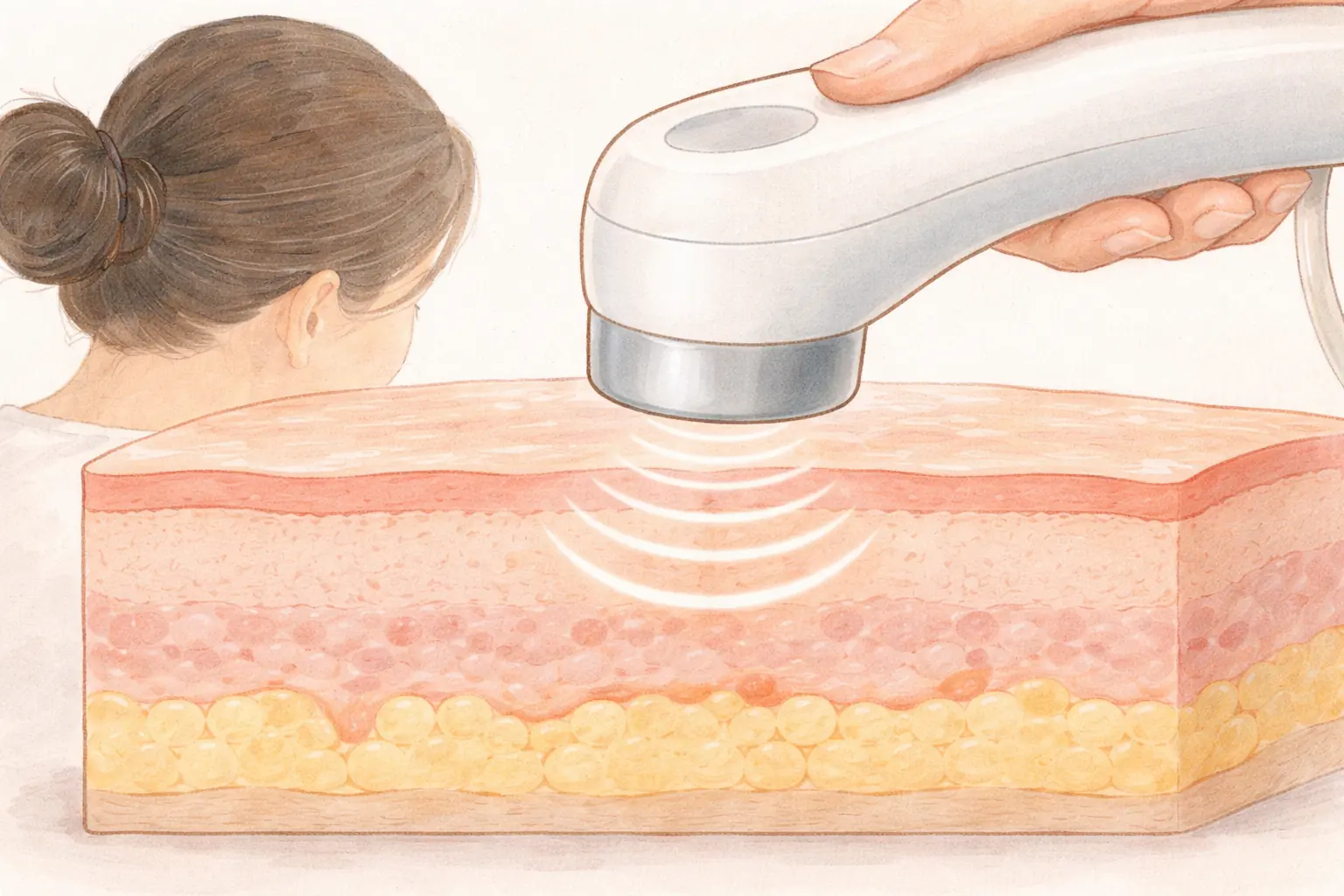
ATTITUDE Clinic's treatment guide lists LDM under skin care treatments in 6-minute and 12-minute options. Having two durations means there is room to adjust intensity and scope — which also means the same LDM can place different demands on your skin depending on the settings used.
The reason we look at side effects first in skin treatments is simple. According to American Academy of Dermatology (AAD) information, when performed by an experienced doctor side effects are usually mild, and severe side effects often occur when patients do not follow the medical team's instructions. Preparation and care before and after treatment shape the risk. Neglecting sun protection, not managing wounds as instructed, wearing makeup before recovery, or picking at scabs greatly increases the risk of infection and scarring.
So at an LDM consultation we look at whether your skin can tolerate this treatment right now, rather than just how good it will look. Information such as whether you have had other treatments recently, whether there is inflammation or a wound, and whether your usual cosmetics sting is used to set intensity and timing.
What reactions are common after an LDM facial?
After skin treatments that use energy, redness, warmth, swelling and stinging are common. ATTITUDE Clinic's column also lists redness, warmth, swelling and stinging as common reactions, temporary pigmentation and bruising as possible reactions, and blisters, hypopigmentation, infection and scarring as rare reactions. Treatments that resurface the skin can also leave a thin crust.
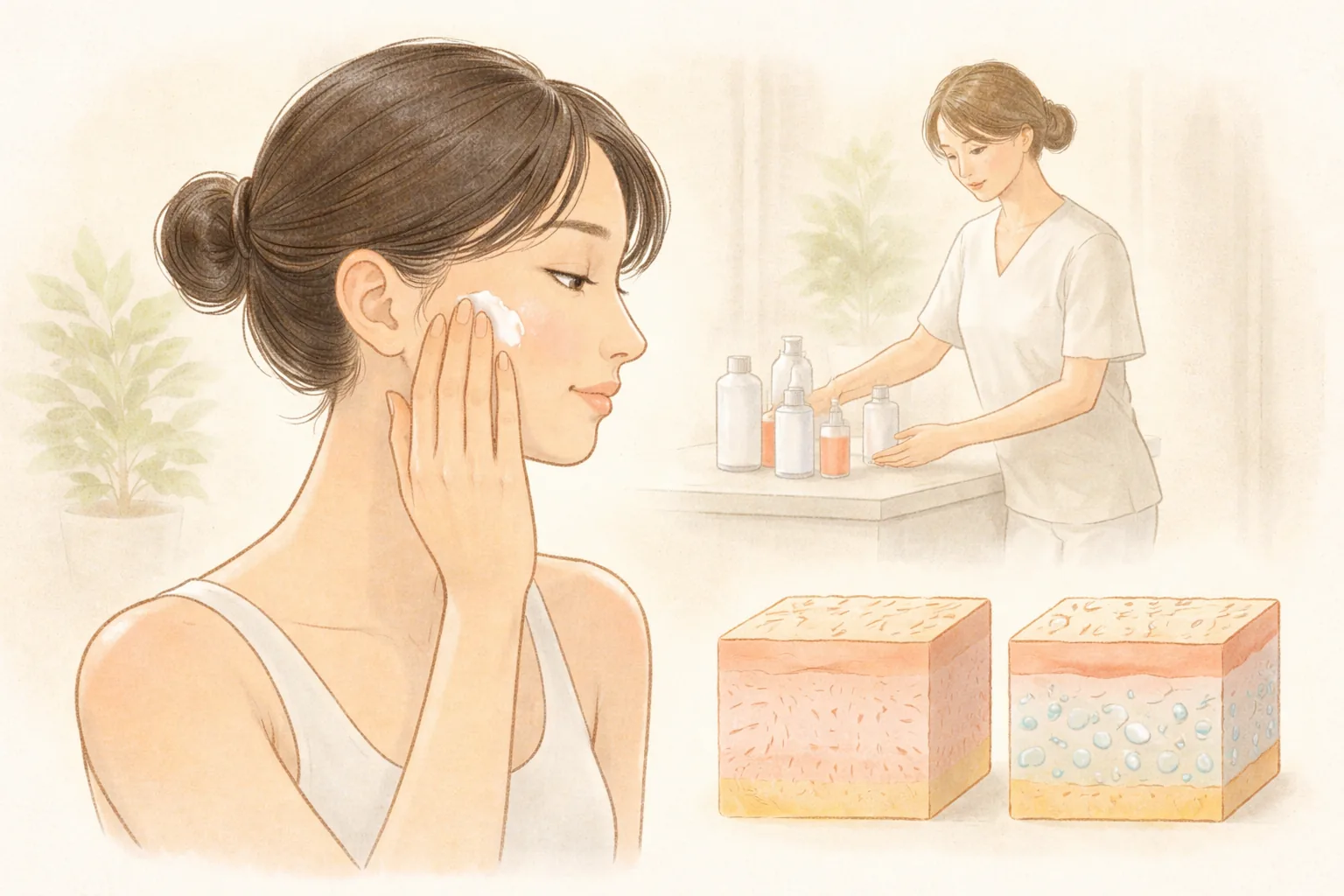
American Academy of Dermatology (AAD) information explains that after treatment the skin may become red and flaking may occur as the redness settles, and advises applying lotion and cream during this period and using sunscreen daily. While redness or dryness remains, skin is more sensitive than usual, so adding new exfoliating products or strongly fragranced products during this time can pile on irritation.
The strength of the reaction varies with treatment intensity, number of sessions and skin condition. Even with the same treatment, the experience differs based on skin thickness, how easily you flush, recent sun exposure and how your body is feeling. So rather than comparing with others, it is better to use your own skin's usual reactions as the baseline.
When might LDM not be suitable?
American Academy of Dermatology (AAD) information explains that some cases need a 2–4 week skin care plan before treatment, and that this preparation improves results and reduces the chance of side effects. In the same vein, an LDM consultation first checks whether your skin is currently calm or irritated.
If your skin has active inflammation or a wound, if you are recovering from another recent treatment, or if cosmetics sting more than usual, it is safer to lower the intensity or postpone. Concerns that need a diagnosis of the cause, such as recurring acne or facial redness, are better addressed with a consultation first rather than trying to solve them with treatment alone. Which conditions suit LDM and which do not is an area judged by looking at the skin, so it is something to confirm at your consultation.
You must also tell the clinic before treatment if you are pregnant or breastfeeding, have an autoimmune condition, or are taking any medication. Medications can change skin reactions and may require adjusting timing. If your skin is darker or prone to pigmentation, pigment changes need extra attention. American Academy of Dermatology (AAD) information also explains that for darker skin tones, treatment should be performed by medical staff experienced with pigmentation-prone skin to avoid permanent pigment problems.
What signs mean you should contact the clinic right after LDM?
ATTITUDE Clinic's column advises that if redness or warmth lasts longer than expected or pain worsens, do not push through and visit the clinic for a check. American Academy of Dermatology (AAD) information also advises contacting your medical team if the skin feels like it is burning, itching or swelling. These two are the most practical criteria.
More specifically, these signs are better not waited on: pain that gets worse over time, redness that does not fade for days or spreads, blisters or oozing, skin turning white or black, or chills along with warmth. These changes are rare, but if they appear and checking is delayed, recovery can take longer.
On the other hand, redness and a warm feeling on the day of treatment, and mild swelling and dryness the next day, fall within the common course. The problem is that it is hard to judge alone where the line sits between a common reaction and one that needs checking. So where does that line fall? If you agree in advance on what condition would prompt you to contact the clinic, you will not hesitate the moment you reach that threshold.
Table 1 What signs mean you should contact the clinic right after LDM?
Reaction
How common
Usual course
When to contact
Redness, warmth
Common
Gradually settles within hours to a few days
When it does not fade for days or spreads
Swelling, stinging
Common
Eases between the same day and 1–3 days
When pain gets progressively worse
Dryness, flaking
Common
Recovers with moisturizing and sun protection
When you scratch or pick at flaking areas
Temporary pigment change, bruising
Can occur
Often fades over time
When color darkens or the area widens
Blisters, oozing, infection
Rare
Needs checking and treatment
Contact immediately if it appears
Swipe sideways to see the whole table.
In summary — Most reactions after LDM are changes like redness, warmth and dryness that settle within a few days. However, if pain worsens, redness lasts long and spreads, or blisters or skin color changes appear, it is better to contact the clinic rather than watch and wait. What counts as a normal range for your skin depends on treatment intensity and skin condition, so agreeing on contact criteria during your consultation makes judgment easier.
If this applies to you
If you have an important event like a wedding or photo shoot coming up
A first-time treatment right before an important day is a burden because redness or dryness can overlap with your schedule. Starting with enough buffer counted back from the date gives you more options for adjusting intensity and timing. If you tell us the date at your consultation, we can plan around it.
If you are an international visitor on a short stay
If your return date is fixed, redness or dryness after treatment can affect your flight and next commitments. If you tell us your length of stay and return date at the consultation, we can set an intensity and number of sessions that fit within that window. It also helps to confirm how to contact us if a problem arises after treatment.
If your skin is sensitive or flushes easily
For skin that stings with usual cosmetics or flushes easily, it is safer to start at a lower intensity. If you have had a previous experience of skin becoming sensitive after treatment, tell us the reaction and recovery time from then. Even with the same treatment, settings can be adjusted differently.
If you want consistent ongoing care
Rather than a single strong session, receiving treatment periodically while keeping to the skin's recovery interval reduces the burden on your skin. The interval varies with skin condition and goals, so it helps to set the next visit at your consultation.
Tell us before your consultation — Tell us whether you have had a lot of recent sun exposure, medications you are taking and cosmetics you use (including exfoliants and retinoids), any experience of skin becoming sensitive after previous treatments, whether you are pregnant or breastfeeding, and the dates of any return flights, weddings or photo shoots you want to avoid. Treatment timing and intensity change depending on this information.
How ATTITUDE Clinic proceeds
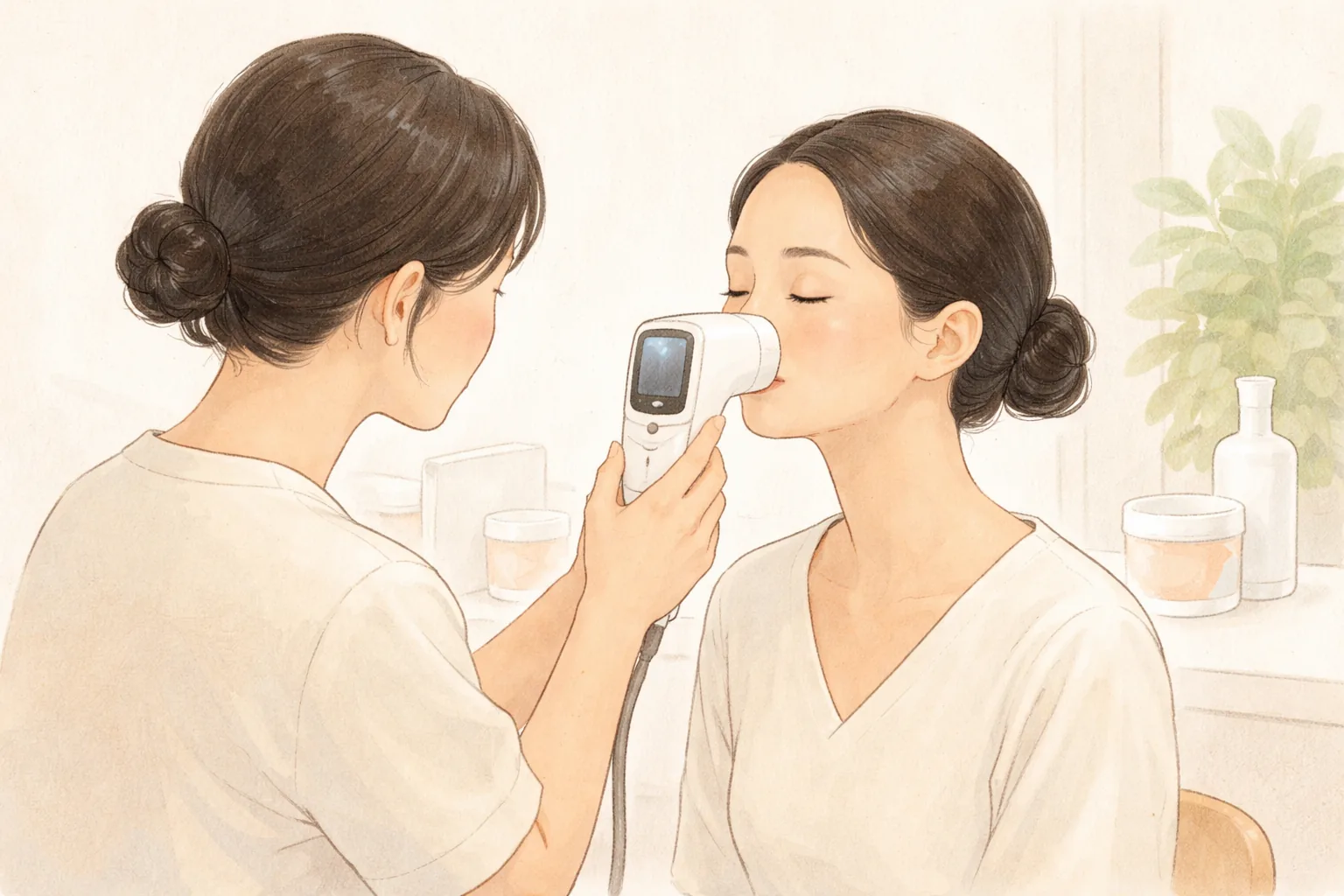
AI skin analysis record — Current skin condition such as pigment, redness, texture and pores is recorded with AI skin analysis. According to ATTITUDE Clinic's column, the analysis tool records and organizes information to support the consultation and is not a medical diagnosis.
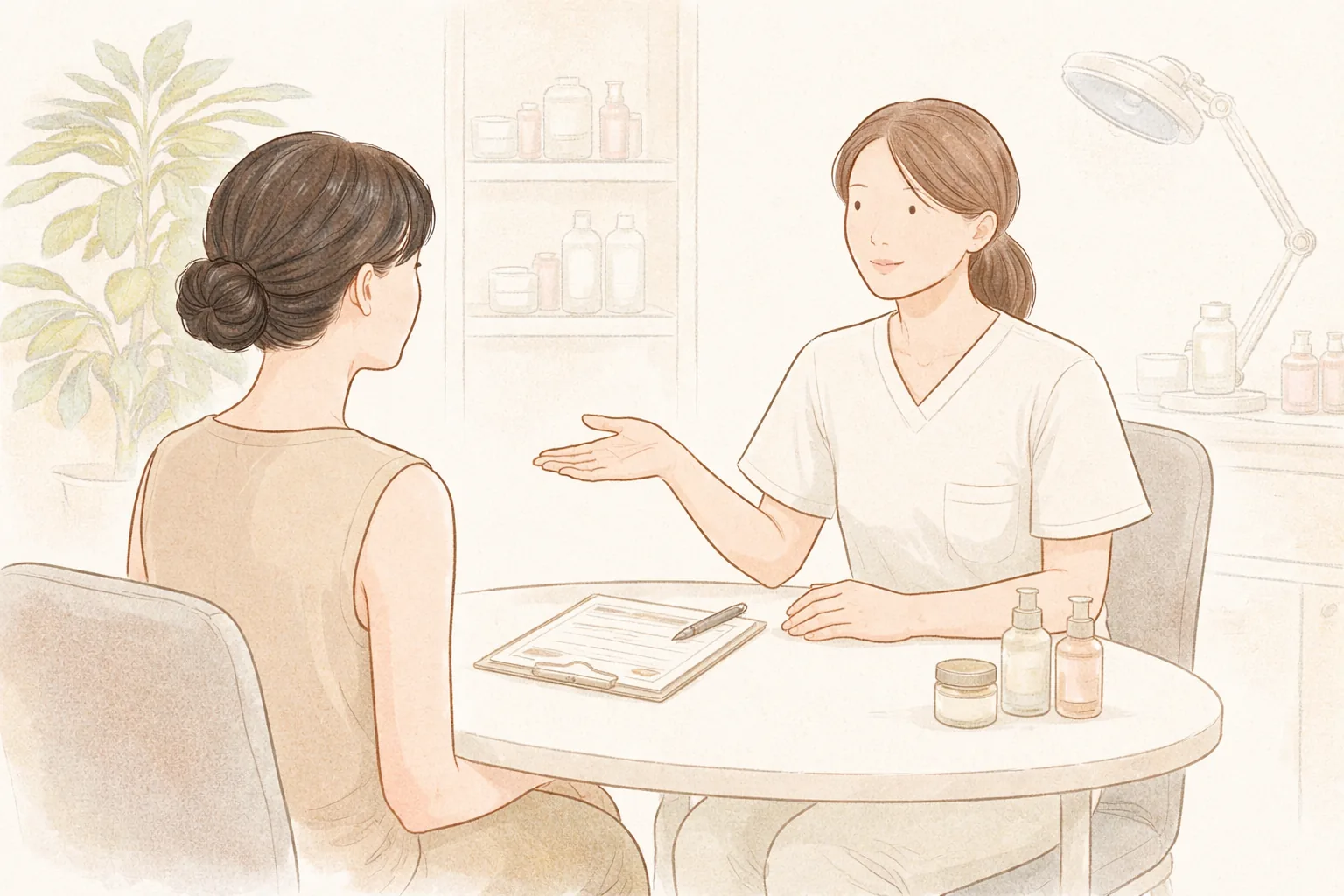
Direction set through doctor consultation — Your schedule, pain sensitivity and skin history are added to the analysis record to decide the type of treatment, intensity and timing together. At this stage we also agree on which reactions would prompt you to contact us.
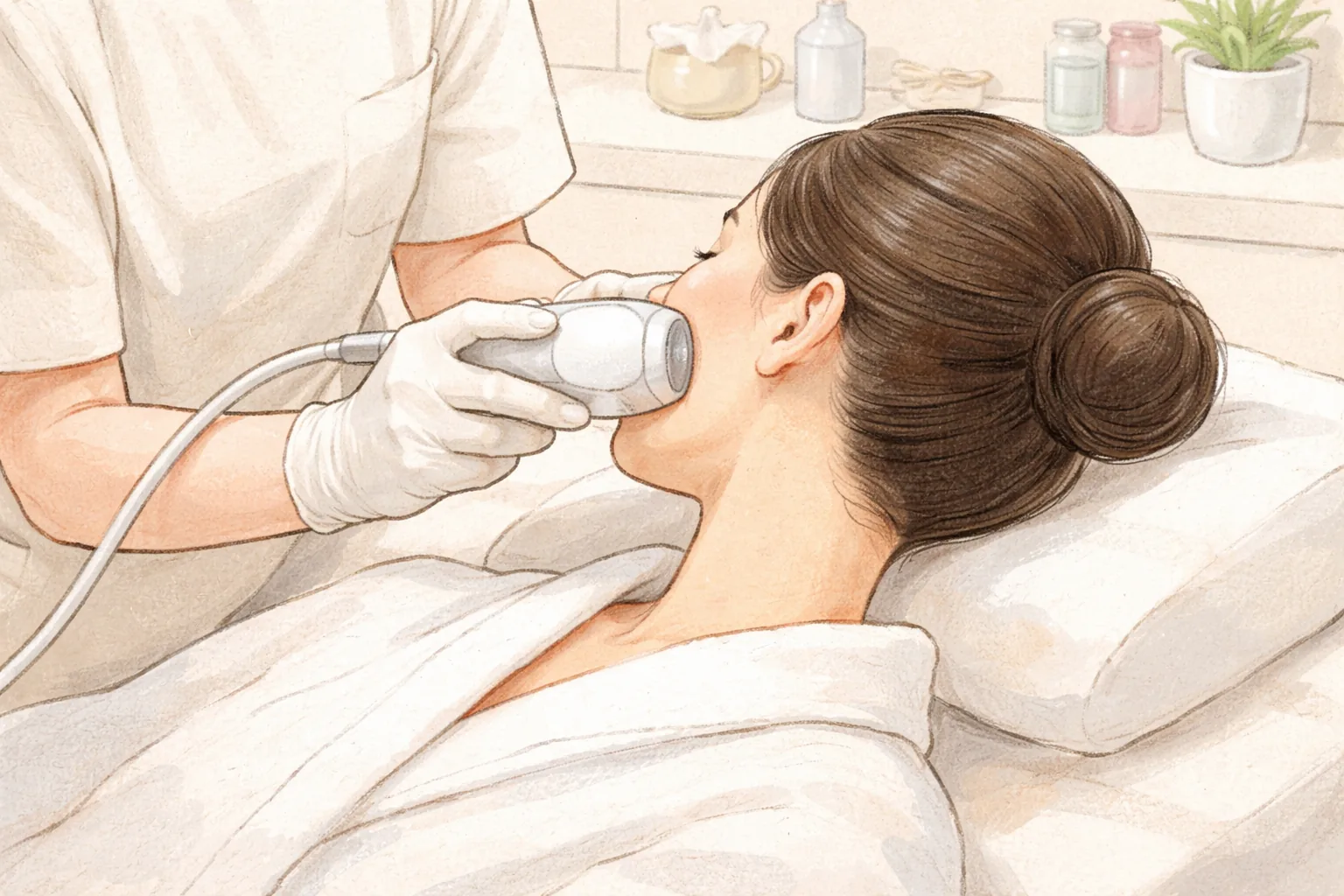
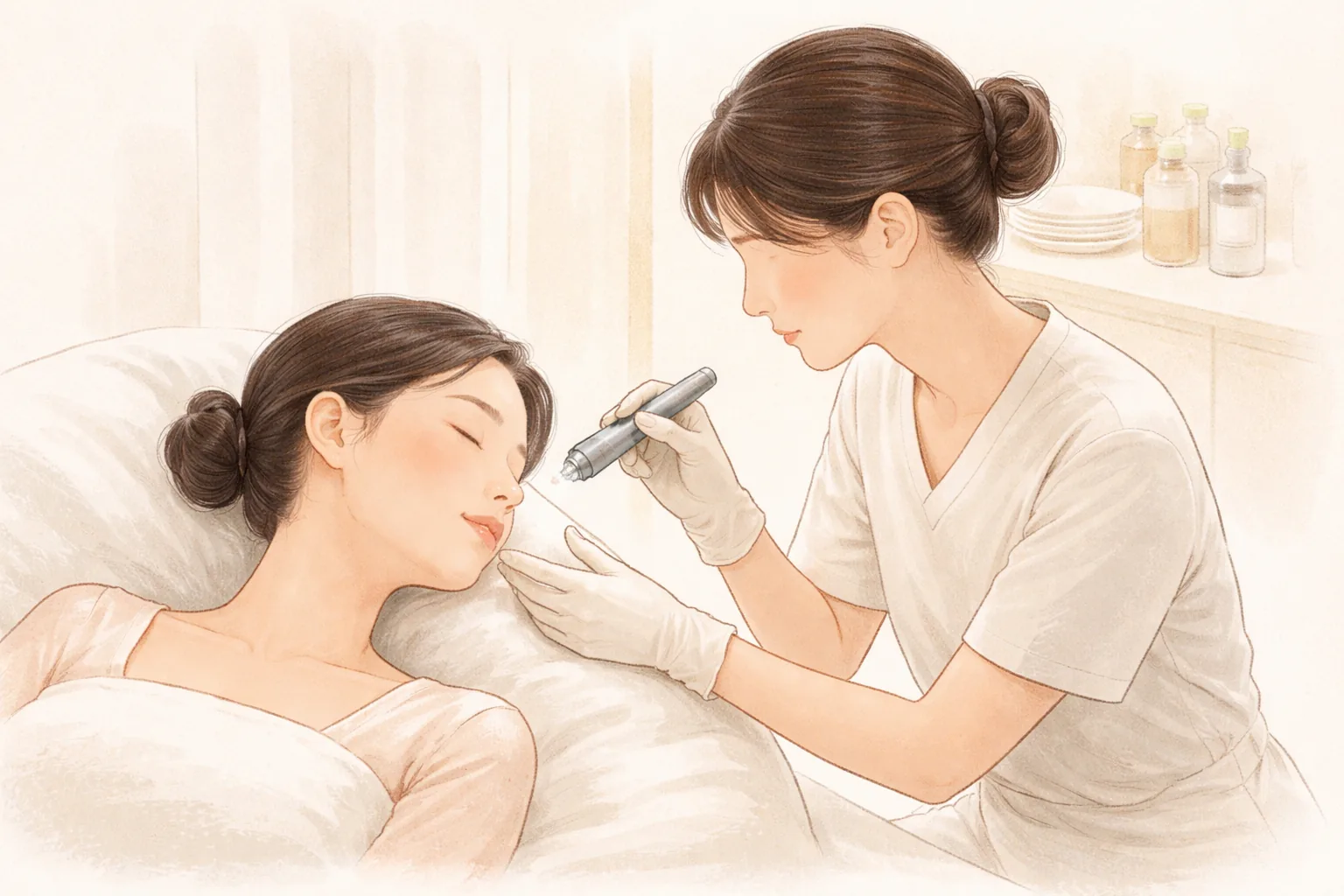
Treatment performed directly by the doctor — Skin is prepared to calm it as needed, and the doctor performs the treatment directly. ATTITUDE Clinic's column states that the clinic's principle is not to recommend more sessions or higher intensity than necessary.
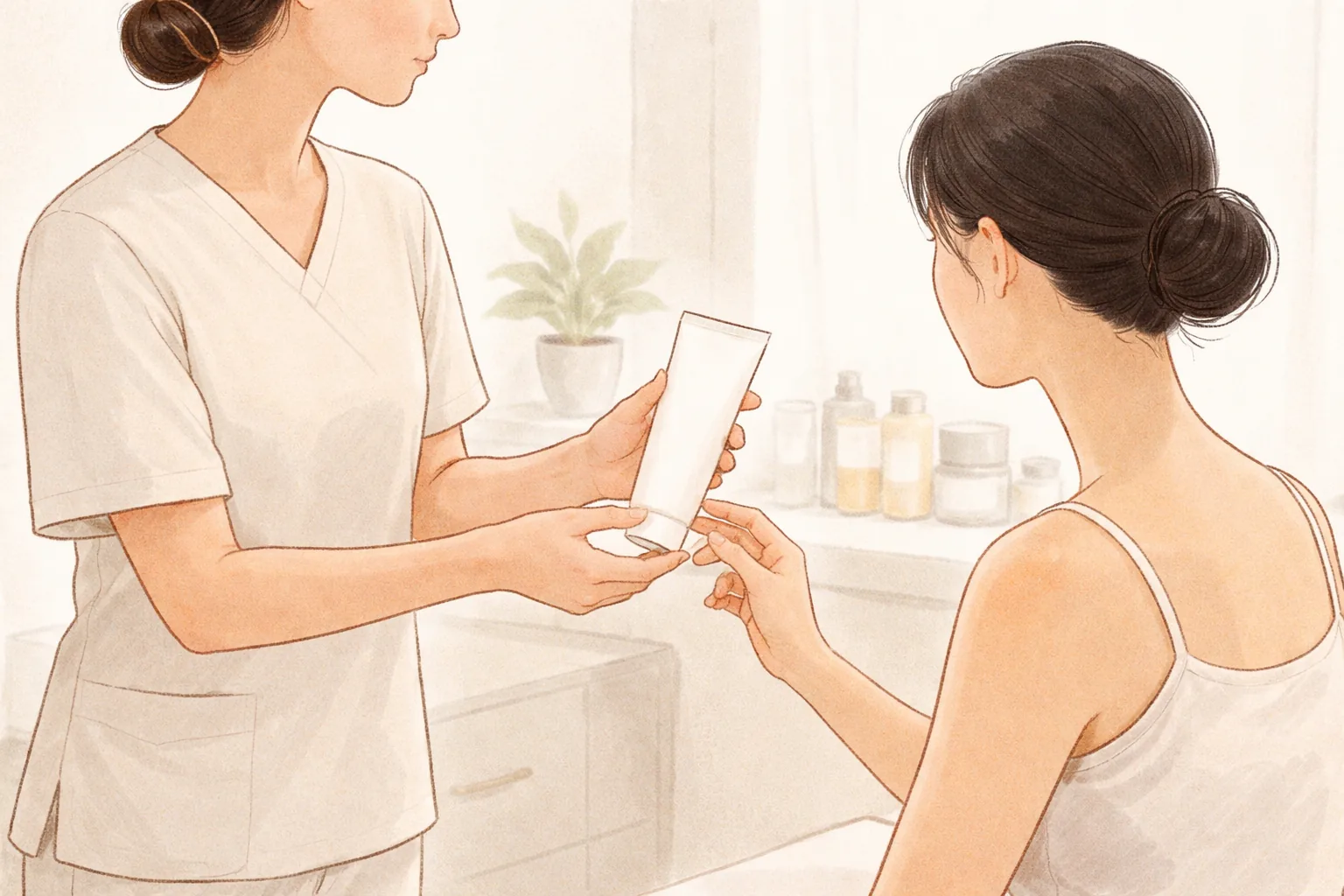
Recovery and aftercare guidance — After treatment we explain sun protection and moisturizing methods, treatments to avoid, and the point at which to check again.
Aftercare and side effects
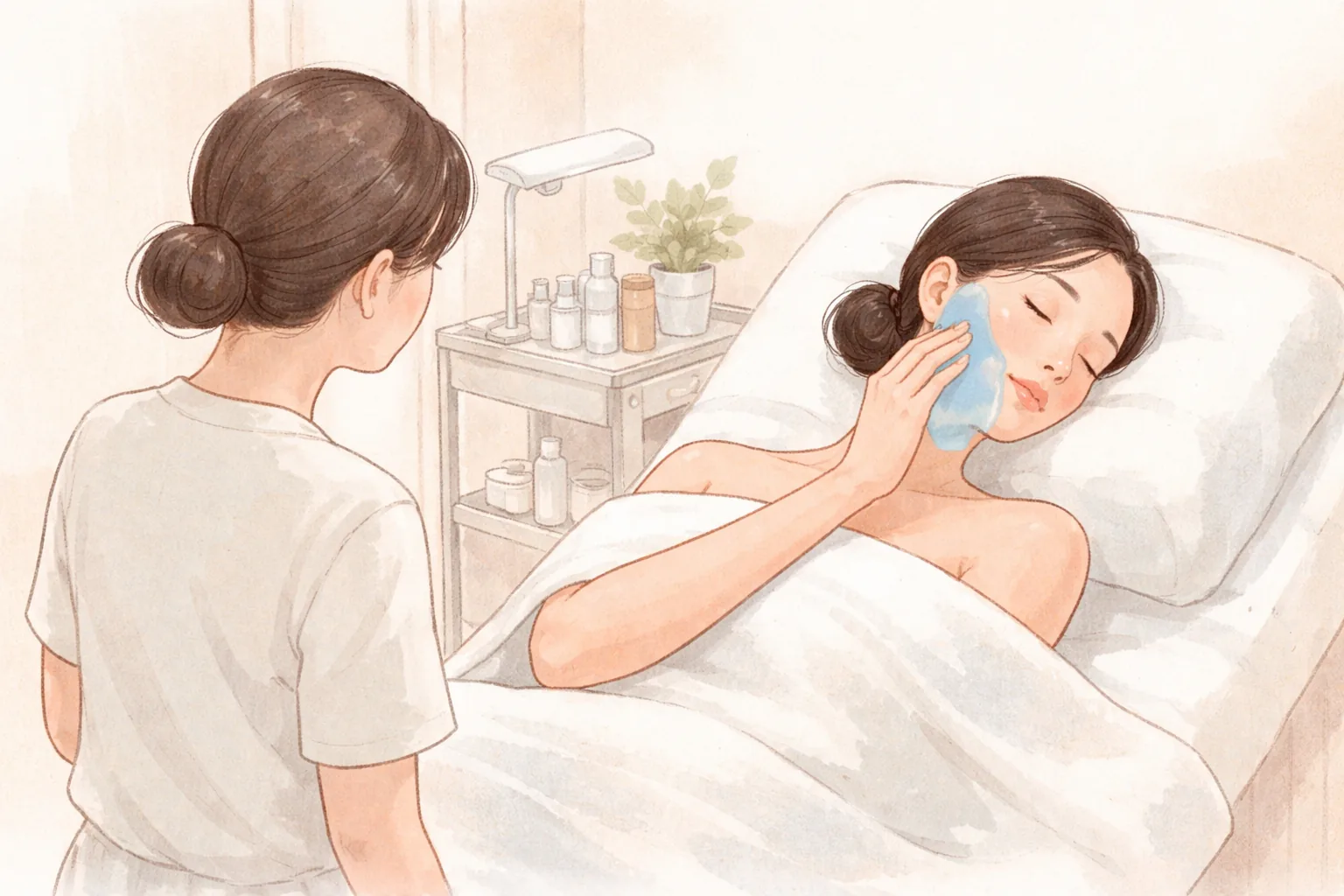
Calming — On the day of treatment, avoid saunas, intense exercise and alcohol, and reduce activities that make the skin hot. While warmth remains, resting in a cool environment is better.
Moisturizing — When skin dries out, tightness and flaking worsen, so apply the recommended moisturizer regularly. Scratching or picking at flaking skin burdens the skin barrier.
Sun protection — Apply sunscreen carefully throughout the recovery period. American Academy of Dermatology (AAD) information advises that neglecting sun protection after treatment greatly increases the risk of infection and scarring.
Checking progress — If redness and warmth last longer than expected or pain worsens, visit the clinic at the point you were advised. ATTITUDE Clinic's collagen injection column also advises that basic habits such as sun protection and hydration affect how long treatment changes last.
Looking at side effects from common to rare: redness, warmth, swelling, stinging and dryness are common; temporary pigmentation or bruising can occur; and rarely blisters, hypopigmentation, infection and scarring can occur (ATTITUDE Clinic's column). American Academy of Dermatology (AAD) information advises that when performed by an experienced doctor, side effects are usually mild.
Cases where you should visit without waiting are: when pain gets progressively worse, when redness does not fade for days or spreads, when blisters or oozing appear, or when skin color turns white or black (ATTITUDE Clinic's column). If these signs appear, it is better to contact us rather than wait for your next appointment.
Frequently asked questions
Can an LDM facial treatment have side effects?
It can. ATTITUDE Clinic's treatment guide also states that side effects are possible and that a doctor consultation is required before treatment. Most are redness, warmth and dryness that settle within a few days, and rarely reactions that need checking such as pigment changes or infection can occur. How much of which reaction appears depends on treatment intensity and skin condition, so it is better to agree on criteria at your consultation.
Can I wear makeup right after an LDM facial treatment?
It depends on treatment intensity and skin condition. American Academy of Dermatology (AAD) information advises that wearing makeup before the skin recovers after treatment increases the risk of infection or scarring. If no irritation remains on the skin surface and redness has settled, light makeup is possible, but it is better to avoid irritating products. For the exact timing, check the guidance you received after treatment.
Can I have an LDM facial treatment every day?
Repeating it daily is not recommended. If irritation continues without giving the skin time to recover, redness or sensitivity can linger. Receiving treatment periodically while keeping to recovery intervals reduces the burden on your skin. The specific interval varies with skin condition and goals, so it is better to set your next visit at your consultation.
Can I have it while pregnant or breastfeeding?
In this case you must consult the medical team before treatment. Pregnancy and breastfeeding status are important information for setting timing and intensity, and depending on the situation it may be better to postpone. If you tell us at your consultation how many weeks pregnant you are or your breastfeeding plans, we can judge accordingly. If you also tell us the medications you are taking and recent skin reactions along with your pregnancy weeks or breastfeeding plans at the consultation, it helps us set the timing. If you decide to postpone, you can have another consultation after confirming your skin has calmed. Even while postponing, it is better to continue basic care such as sun protection and moisturizing.
How do I choose a good place for an LDM facial treatment?
It is better to look at what to check than at the equipment list. Check whether they examine and record your skin condition before treatment, whether they recommend only what is needed and do not set an excessive number of sessions or intensity, whether they explain common reactions and contact criteria at the consultation, and whether you can get a check there if something feels off after treatment. ATTITUDE Clinic proceeds in the order of an AI skin analysis record, doctor consultation to set direction, and treatment performed directly by the doctor (ATTITUDE Clinic's column).
At a glance
Table 2 At a glance
Item
Key points
What LDM is
A treatment ATTITUDE Clinic lists under skin care, divided into 6-minute and 12-minute options.
Common reactions
Redness, warmth, swelling, stinging, dryness — most settle within a few days.
Rare reactions
Temporary pigment change, bruising, blisters, infection, scarring — checking is needed if they appear.
Signs to contact immediately
When pain worsens, redness lasts long and spreads, or blisters, oozing or skin color changes appear
Information to share before consultation
Recent sun exposure, medications and cosmetics in use, previous treatment reactions, pregnancy/breastfeeding, important dates
ATTITUDE Clinic's approach
AI skin analysis record → doctor consultation → treatment by the doctor → recovery and aftercare guidance
This article offers general health information. It is not a substitute for diagnosis or treatment based on your own condition, so please talk through your situation with a doctor.