Mole and Wart Removal: Why a Consultation Comes First
Before treating mole and wart removal as a simple cosmetic procedure, here's how a consultation checks the lesion, what shapes results, and the aftercare, follow-up and pricing items to know.
Written by ATTITUDE Clinic Editorial Team
A mole that catches your eye every time you look in the mirror, a wart that's quietly spread across the back of your hand. It's easy to treat removal as a light cosmetic fix, but when it comes time to book a consultation, you hesitate: "Is it really fine to just take it off, or should I be seen first?" Today we'll walk through how a consultation sorts moles from warts, what shapes the result, and what to prepare and watch for before and after treatment.
The short answer first
Whether it's a mole or a wart, removal starts with a consultation that identifies "what's being removed." According to the American Academy of Dermatology, cosmetic procedures carry risks like any other medical procedure, so before treatment you should receive information about indications, risks, benefits and alternatives at a consultation, and decide for yourself whether to proceed (AAD). Even lesions in the same spot are approached differently depending on size, depth and skin condition, and that judgment doesn't end with what you see in the mirror. Recovery time, aftercare, when to check again, and cost all vary by lesion and are set at the consultation.
How do moles and warts differ, and why does a consultation sort them out first?
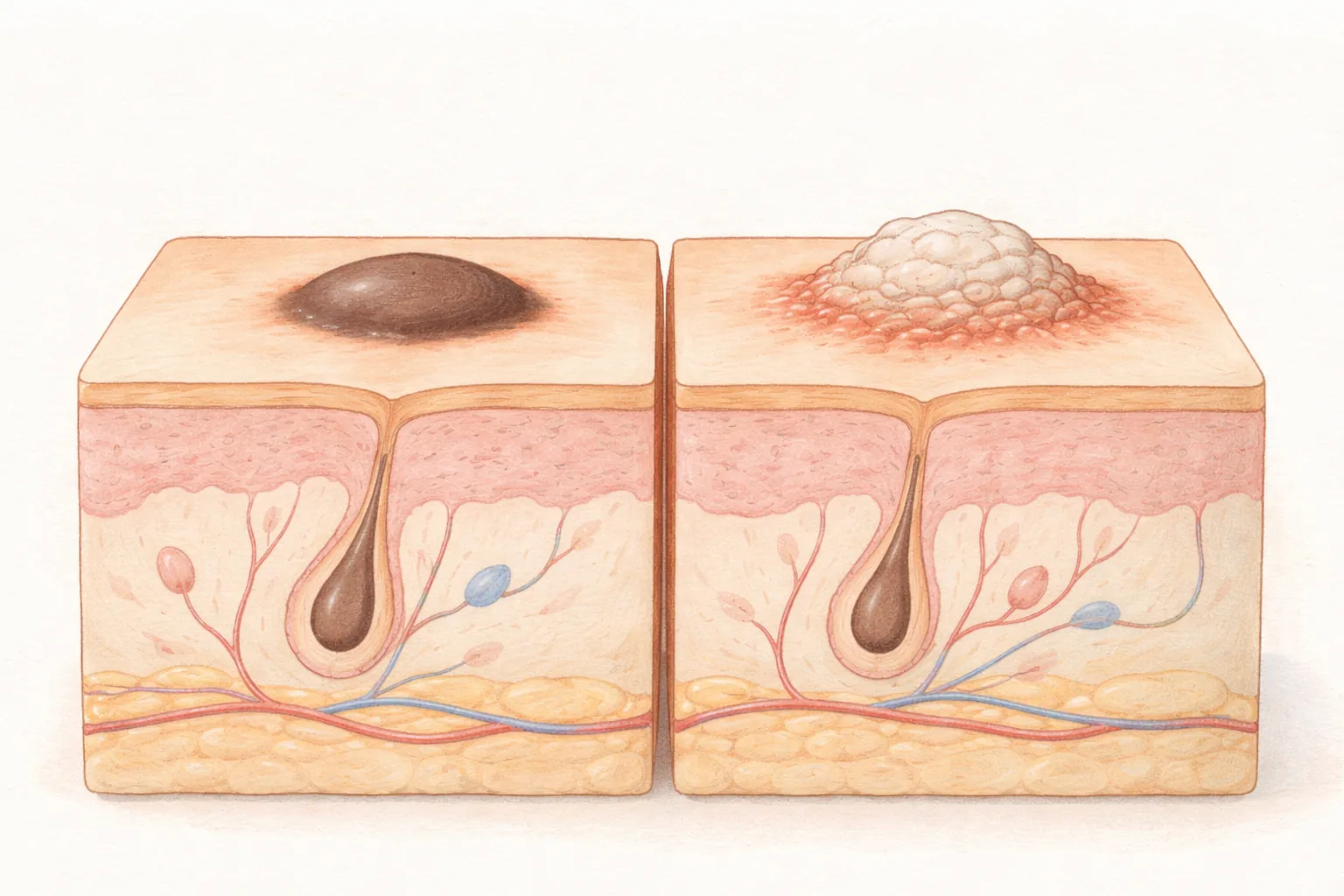
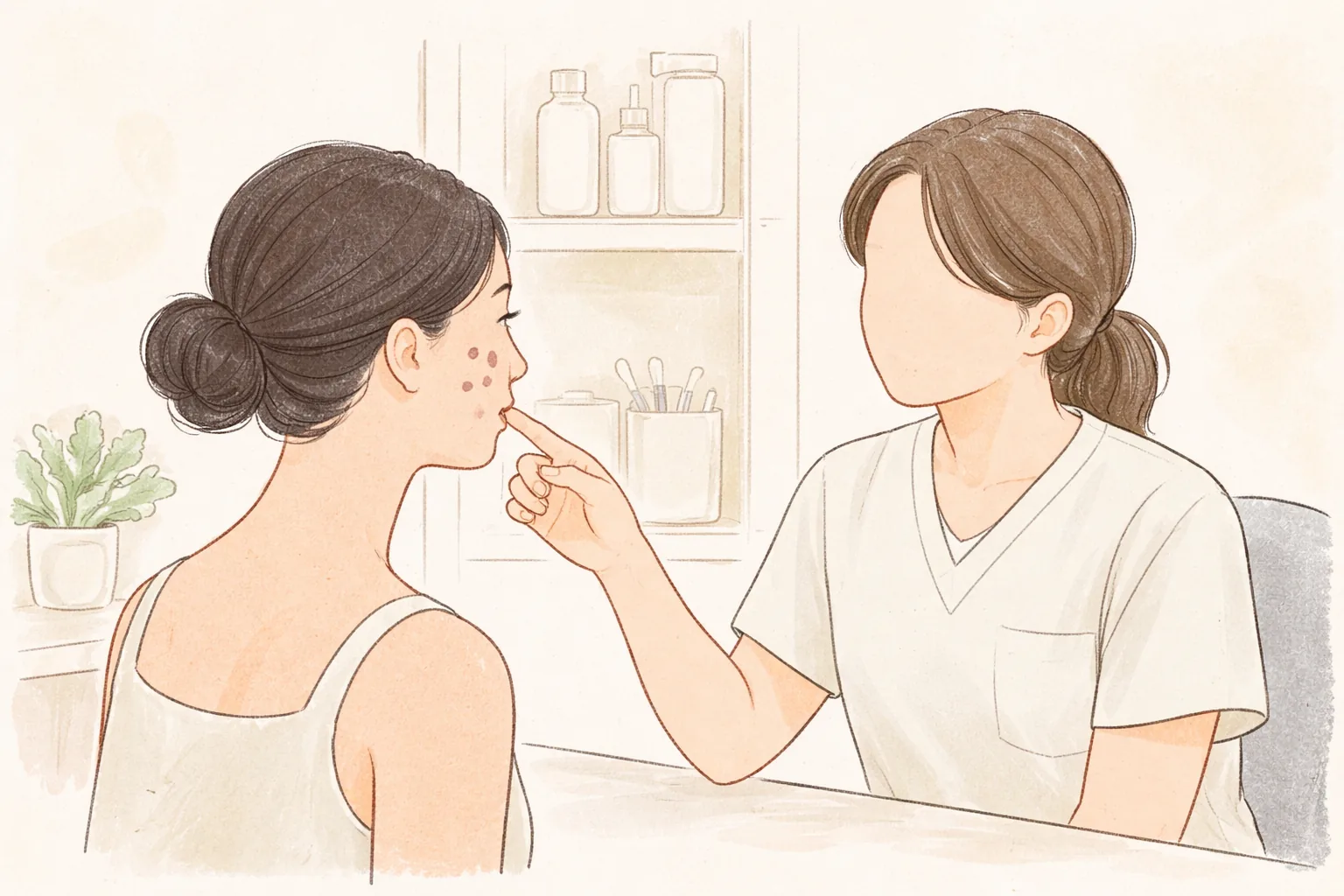
The first thing a consultation does is identify what's in that spot. How dark the color is, whether the border is sharp or spreading, whether the surface is smooth or rough, whether it's one or several clustered together — all of these change how it's handled. Some things that look like moles are actually different lesions, so it's hard to judge from appearance alone.
There's a common misunderstanding: "It's just cosmetic removal, why bother with a consultation?" But according to AAD materials, cosmetic procedures are medical procedures with risks, and at a consultation you're told what condition the procedure is used for, what risks and benefits exist, and what other options there are — then you decide whether to proceed (AAD). Because the method changes with what's being removed, setting the order without checking can mean treating the same spot twice.
On top of that, the practitioner reviews your history and skin health. The same procedure may or may not suit you depending on your skin condition, medications you're taking, or past treatment experience. If the size or color has changed recently, tell the clinic about that change at the consultation. It becomes information needed for the judgment.
Whether everything can be handled in one session also differs by lesion. If it's large or there are many, splitting it up may be better for recovery, while small, shallow lesions are sometimes treated all at once. Which is right is decided by looking at size, depth and location.
The same laser removes it, so why do results differ from person to person?
The most common question is "My friend got a clear result in one session — why is mine less?" As the ATTITUDE Clinic column explains, the skin condition you start with differs from person to person. How thick your skin is, how much ability to produce collagen (the component that keeps skin firm) remains, and what your regeneration speed is like all vary (Column). That's why the same procedure at the same intensity produces different sensations and results.
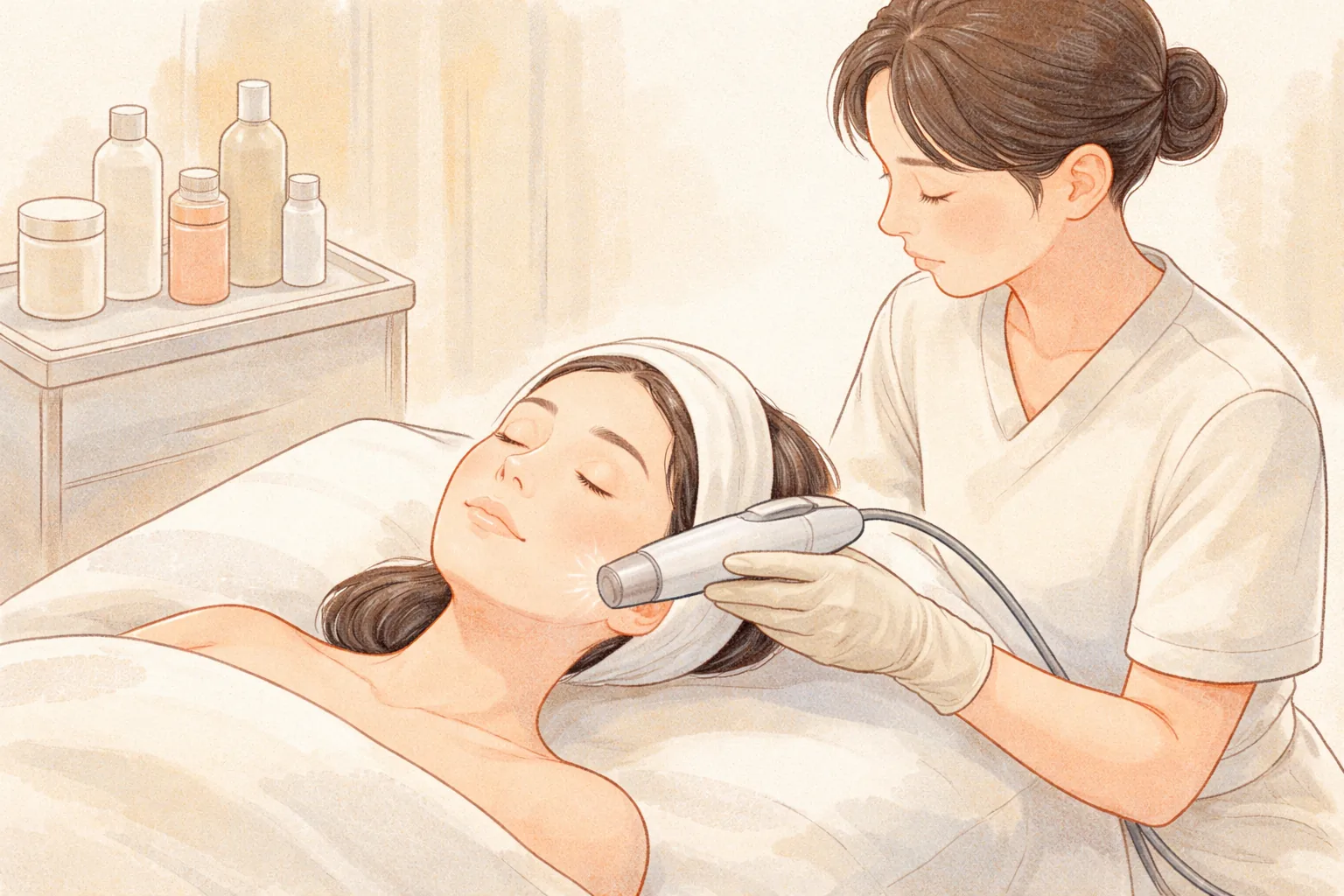
Lasers work by absorbing light energy into the target tissue. For areas where pigment collects, a laser that targets pigment is used; for areas with redness, a laser that targets blood vessels is used. According to the ATTITUDE Clinic price guide, Pico toning is a procedure using a 1064nm picosecond laser to help with pigment and brightening, Pico spot removal uses a 532nm picosecond laser for pigment removal, and Vbeam is a 532nm laser procedure that helps improve redness and vascular lesions (Price guide).
Another variable is the plan. Even with the same analysis results, which device to use first, what intensity to set, and whether to combine other procedures depends on the person's concerns, how much downtime they can afford, and how sensitive their skin is. If you're offered a fixed package, ask why each item is needed and what can be left out.
The last factor is execution detail. Fine intensity adjustments at the treatment site, anesthesia management, and adjusting based on skin reactions during the procedure can't be filled in by a manual alone. That's why the flow of keeping the plan from the consultation aligned with the actual procedure matters (Column).
Table 1 The same laser removes it, so why do results differ from person to person?
Category
What it targets
Concerns it suits
What to check at the consultation
Pico toning (PicoPlus)
1064nm picosecond laser for pigment and brightening
When overall facial tone looks dull
How many sessions and at what interval, recovery time
Pico spot removal
532nm picosecond laser for pigment removal
When small, dark spots bother you
Size and count criteria, and cost
Vbeam
532nm laser for redness and vascular lesions
When redness lingers
Lesion check and treatment intensity
Erbium fractional
Micro-peeling to improve pores and scars
When mole marks or pores are a concern
Downtime and aftercare schedule
Potenza
RF delivered to the dermis via microneedles
Pore and scar improvement
Pain and recovery
Swipe sideways to see the whole table.
In short Mole removal and wart removal are safer when a consultation decides what to remove and how before treatment starts. More than device names, the combination, order and intensity suited to your skin condition shape the result, and that design is set together at the consultation.
How are mole removal and wart removal costs determined?
Cost is set by the size, count and location of the lesion, and the treatment method. In the ATTITUDE Clinic price guide, mole removal is listed at a discounted KRW 15,000 per lesion for 5mm or under, a discounted KRW 30,000 per lesion for over 5mm, and wart removal at a discounted KRW 25,000 per lesion. All amounts exclude VAT (Price guide).
Since the amount is divided at the 5mm mark, if your lesion is borderline it's best to confirm at the consultation which side it falls on. Some items, like Pico spot removal, quote a per-lesion amount based on 2mm or under, so even the same pigment is calculated differently depending on which procedure is used.
The total cost doesn't end there. Your actual burden changes depending on whether anesthesia is used beforehand and whether consultation or aftercare items are included in the amount. According to AAD guidance, you should check procedure cost information with the medical institution and verify insurance coverage separately (AAD). At the consultation, just confirm the number of sessions and the total.
What's worth asking at the consultation?
Bringing a list of questions makes the consultation much shorter. Here are the items AAD recommends for patients: how many times they've performed this procedure, how many patients with your skin tone, type and age group they've treated, what results you can realistically expect, what risks exist, how long the procedure takes and how many sessions are needed, whether anesthesia is used, how long recovery takes, what preparation and aftercare involve, and how much it costs (AAD).
Among these, "how many people with skin similar to mine have you seen" is worth noting. Even the same procedure produces different reactions depending on skin type. If you have records of previous treatments — device and shot count, product and dosage, dates and reactions — bringing them helps the judgment (Column).
If this sounds like your situation
When a ceremony or shoot is a few weeks away
If recovery runs longer than your schedule allows, it's a problem — so first check at the consultation when the spot will heal and when makeup will be possible. It varies with lesion size and location, and you can also split the order starting with less visible areas.
When you have several moles on your face and want them all handled at once
If there are many, whether to do it all at once or in stages becomes the topic of the consultation. The wider the area treated in one go, the more spots you'll need to manage, so it's better to decide together with how much downtime you can afford.
When your skin is sensitive or flushes easily
How much it reacts to the same stimulation and how fast it recovers differ. Starting at a lower intensity and adjusting based on response may suit you, so if you've ever had redness or pigment changes after a procedure, be sure to mention it.
When you're an overseas visitor on a short stay
If your stay is short, the number of sessions and whether follow-up is possible will shape the plan. Booking a request alone doesn't confirm the appointment — it's confirmed after the clinic contacts you, so if you let them know your available dates in advance, they can work around your schedule (Booking).
Tell us before your consultation Recent UV exposure (outdoor activities or vacation), medications you're taking and allergies, recent exfoliation or retinol products, past treatment experience and how you reacted then, and any events you'd like to avoid — like a ceremony or shoot. If you're pregnant or breastfeeding, please mention that first too.
How ATTITUDE Clinic handles this
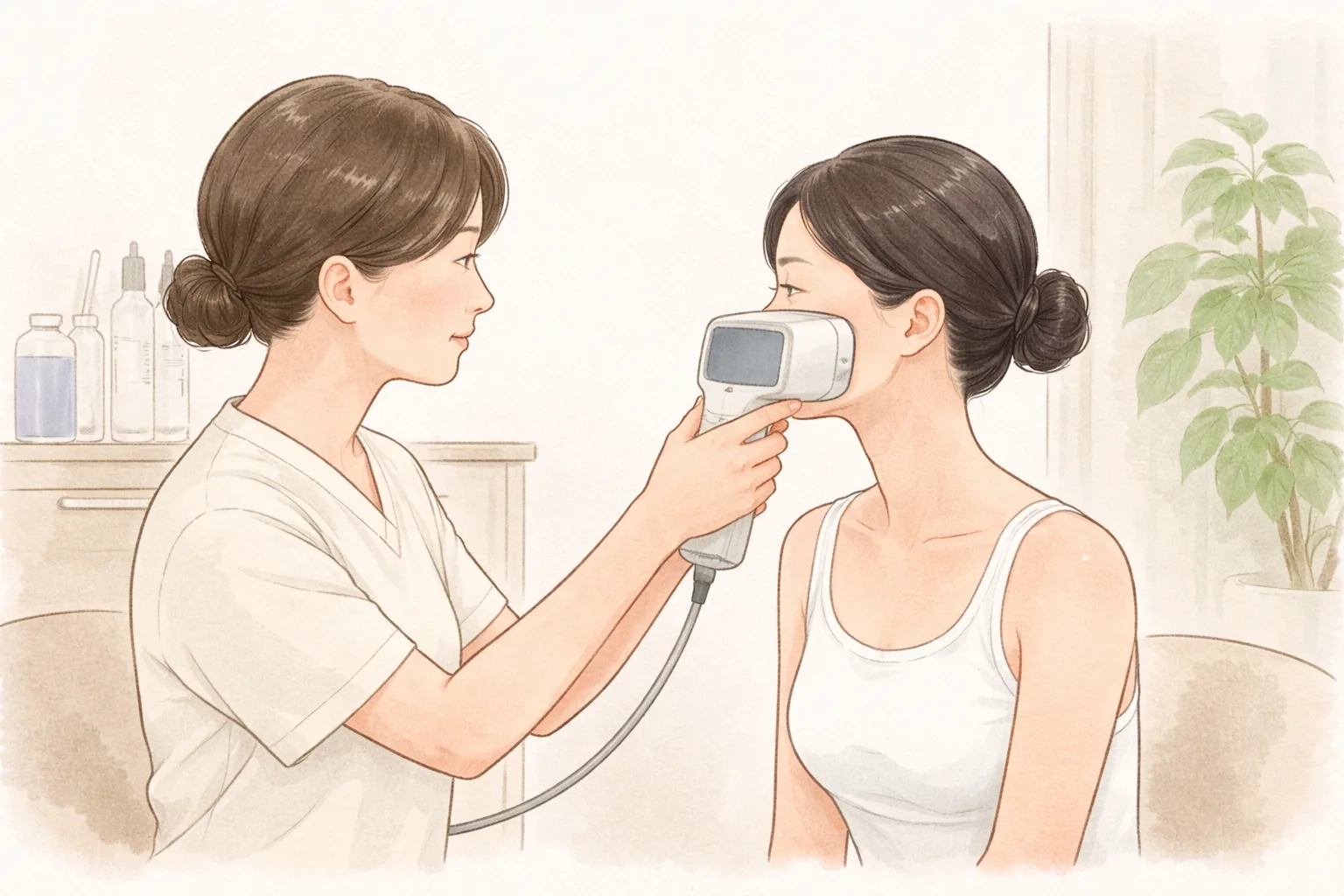
AI skin analysis record — Skin condition is recorded and organized so you and the doctor look at the same information. The analysis tool only organizes information and does not make a medical diagnosis; the judgment is made by the director (Column).
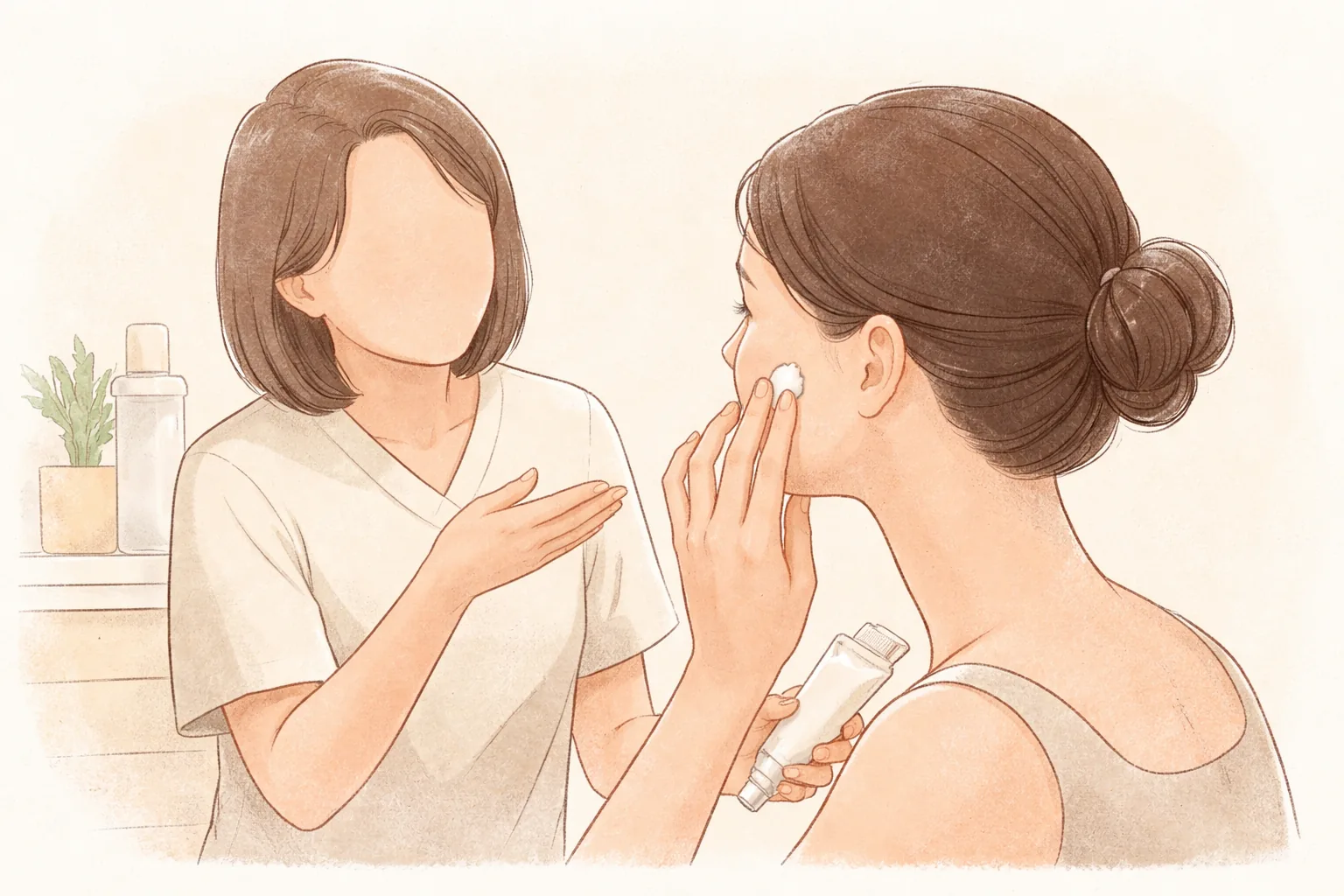
Director consultation — Your concerns, lifestyle habits and past treatment experience are added to the analysis record to decide together what's needed and what isn't, and in what order and intensity. Whether to start with moles or warts is also decided here.
Treatment performed directly by the director — The director performs the procedure according to the plan set at the consultation, adjusting based on skin reactions during treatment. This flow exists to keep the design and execution aligned.
Recovery and care — After treatment, you're guided on aftercare methods and when to check again. Prices are published per unit and are the same on every language page, with VAT excluded (Price guide).
The devices used for this topic are Pico toning (PicoPlus), Pico spot removal and Vbeam for the pigment and redness area, and erbium fractional and Potenza for the pore and scar area. Which device to use is decided by looking at the lesion directly.
Aftercare and side effects
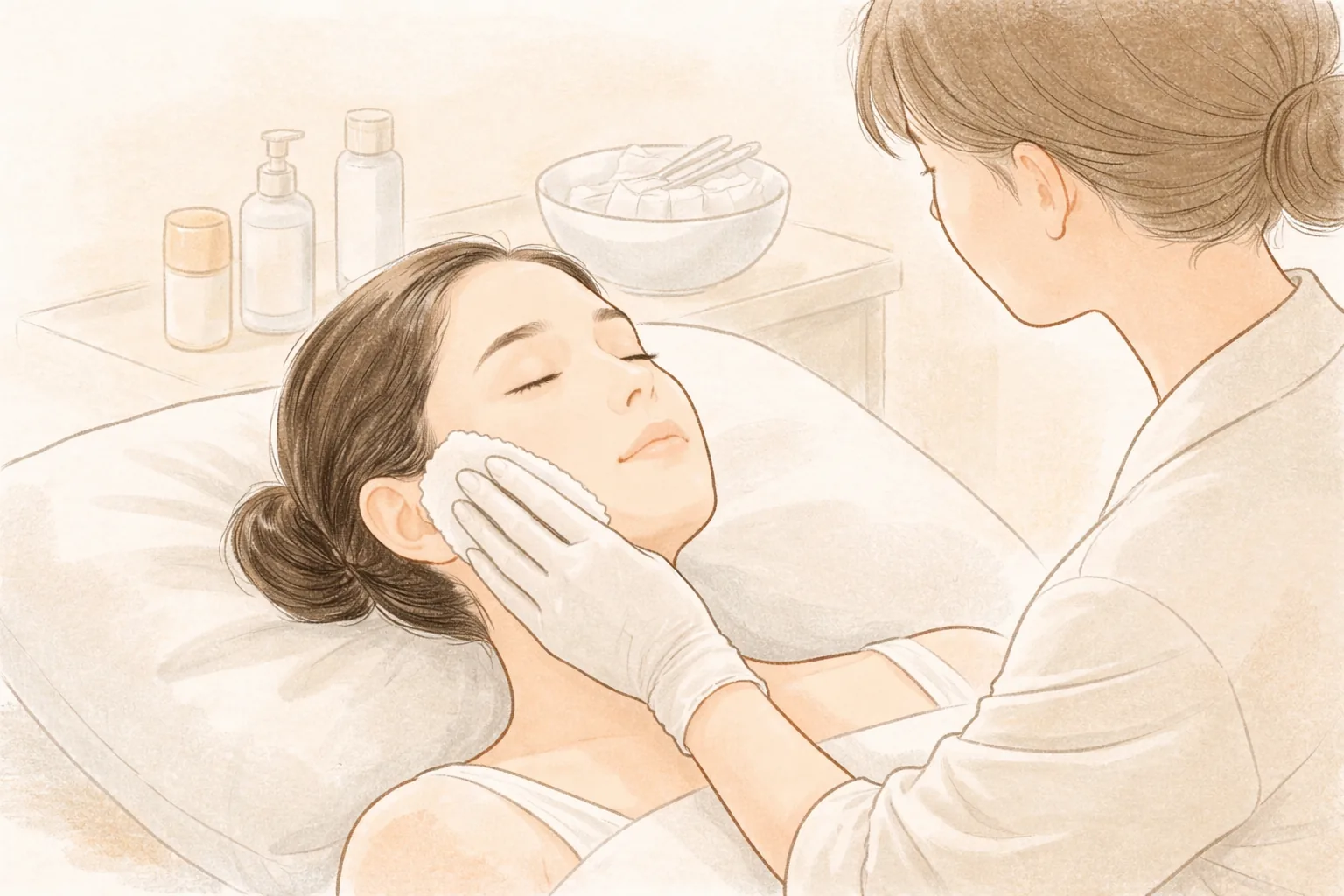
Soothing — Right after treatment, don't rub the area; calm it using the method you were guided on.
Moisturizing — Since the skin barrier is weakened, use the guided recovery cream to keep it from drying out.
Sun protection — Apply sunscreen, and when going out, create shade with a hat or parasol.
Checking progress — If a scab forms, don't pick it off by hand; let it fall off naturally, and check again at the guided time.
Common reactions are redness, swelling, tenderness when pressed, and bruising. These usually subside within a few days. Rarely, temporary pigment changes where skin darkens or lightens, blisters, lumps after injection, burns or scars can occur (Column). How long to keep the recovery tape on and when you can wash your face and wear makeup depend on the size, depth and treatment method of the lesion, and you'll be guided on the schedule at the consultation.
There are cases where you should come back without waiting. If you see pain that worsens instead of improving, swelling with fever, or color changes that last longer than expected — anything that diverges from the guidance — it's better to check right away.
Frequently asked questions
How do you tell a mole from a wart?
It's hard to judge on your own from appearance alone. Color and border, surface appearance, count and distribution are reviewed together, and if it's hard to judge visually, how to check further is also decided at the consultation. That's why going through a consultation before deciding on removal is the right order. Even in the same spot, what it turns out to be changes the treatment method and recovery schedule.
Will removing a mole leave a scar?
It may, and usually it fades over time. Common reactions like redness and swelling subside within a few days, but it's good to know in advance that scars can rarely occur (Column). It differs with location, depth and your skin's regenerative ability, so if you're worried about scarring in a particular area, mention that area first at the consultation.
How many days after mole removal can I wash my face and wear makeup?
It depends on the size, depth and location of the lesion, and you'll be guided on the schedule at the consultation. Generally, the criterion is when the scab falls off naturally, but rubbing during washing or layering makeup over it can irritate the area. Sun protection should continue during this period too. Even after the scab falls off, the area stays sensitive for a while, so wash gently with your fingertips and don't rub with a towel. Start makeup from the time guided at the consultation, and before that it's better to leave the area bare. If you notice new redness or color changes, get it checked earlier than the guided time.
How long should I keep the recovery tape on?
It's used to cover the spot where the mole was removed, reducing external irritation and friction. How long to keep it on and how often to replace it depend on the lesion's size, depth and treatment method, and you'll be guided at the consultation. Guidance may differ based on when oozing stops or when the scab falls off, so it's better to follow the guided schedule rather than deciding on your own at home.
What kind of clinic should I choose for mole removal?
AAD explains that the skill and experience of the person performing the procedure strongly influence the result, and recommends checking at the consultation how many times they've performed this procedure, how many patients with your skin tone, type and age group they've treated, whether you can see before-and-after photos of similar skin, and whether they explain risks, recovery time, preparation and aftercare (AAD). It's also worth checking whether booking a request and confirmation are kept separate (Booking).
At a glance
Table 2 At a glance
Item
Key point
Starting point
A consultation identifying what's being removed comes first
Distinction
Judged by color, border, surface appearance, count and distribution
Factors shaping results
Skin thickness and regeneration speed, combination, order and intensity, execution detail
Aftercare
Soothing, moisturizing, sun protection, checking progress — in that order
Cost criteria
Set by size, count, location and treatment method, with VAT excluded
When to come back
When pain worsens or changes diverge from the guidance
This article offers general health information. It is not a substitute for diagnosis or treatment based on your own condition, so please talk through your situation with a doctor.