Nasal Filler Dissolving: What Hyaluronidase Removes and What Stays
How hyaluronidase dissolves nasal filler, which fillers it cannot touch, how many sessions are needed, when the shape settles, and what to expect before and after. A clear guide for visitors to Sinsa Station (Gangnam, Seoul).
Written by ATTITUDE Clinic Editorial Team
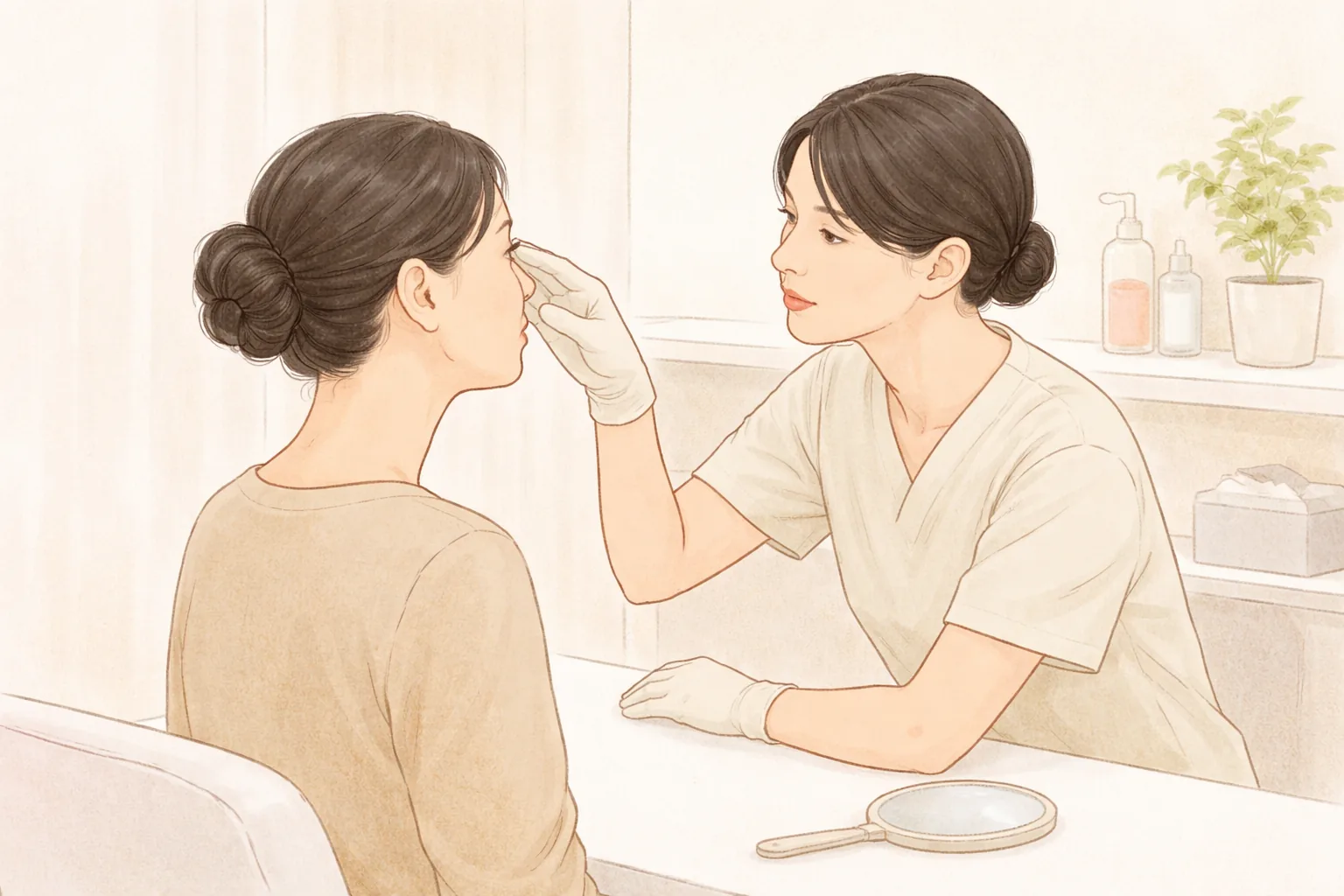
Some people come for a consultation after nasal filler because the bridge line looks thicker than before, the side of the nose looks uneven, or they keep hearing that only their nose looks bigger in photos. Questions often follow: "If I dissolve it with hyaluronidase, will my nose go back to how it was?" "Can it dissolve filler placed years ago?" "Can it be injected into the nose?" This article explains, step by step, what reversing nasal filler actually does, when it works well and when it does not, and what to expect during preparation and recovery.
The conclusion first
Hyaluronidase (an enzyme that breaks hyaluronic acid chains into smaller pieces) works only on fillers made of hyaluronic acid. According to Cleveland Clinic guidance, hyaluronic acid filler can be broken down by this enzyme no matter where it was placed — cheeks, lips, under the eyes — and the nose falls under the same principle. Fillers made of silicone or other substances, by contrast, cannot be reversed. So the first step in dissolving nasal filler is not a procedure but confirmation. Once you know which product was used, when, and how much, the dose and number of visits can be planned realistically.
How hyaluronidase erases filler in the nose
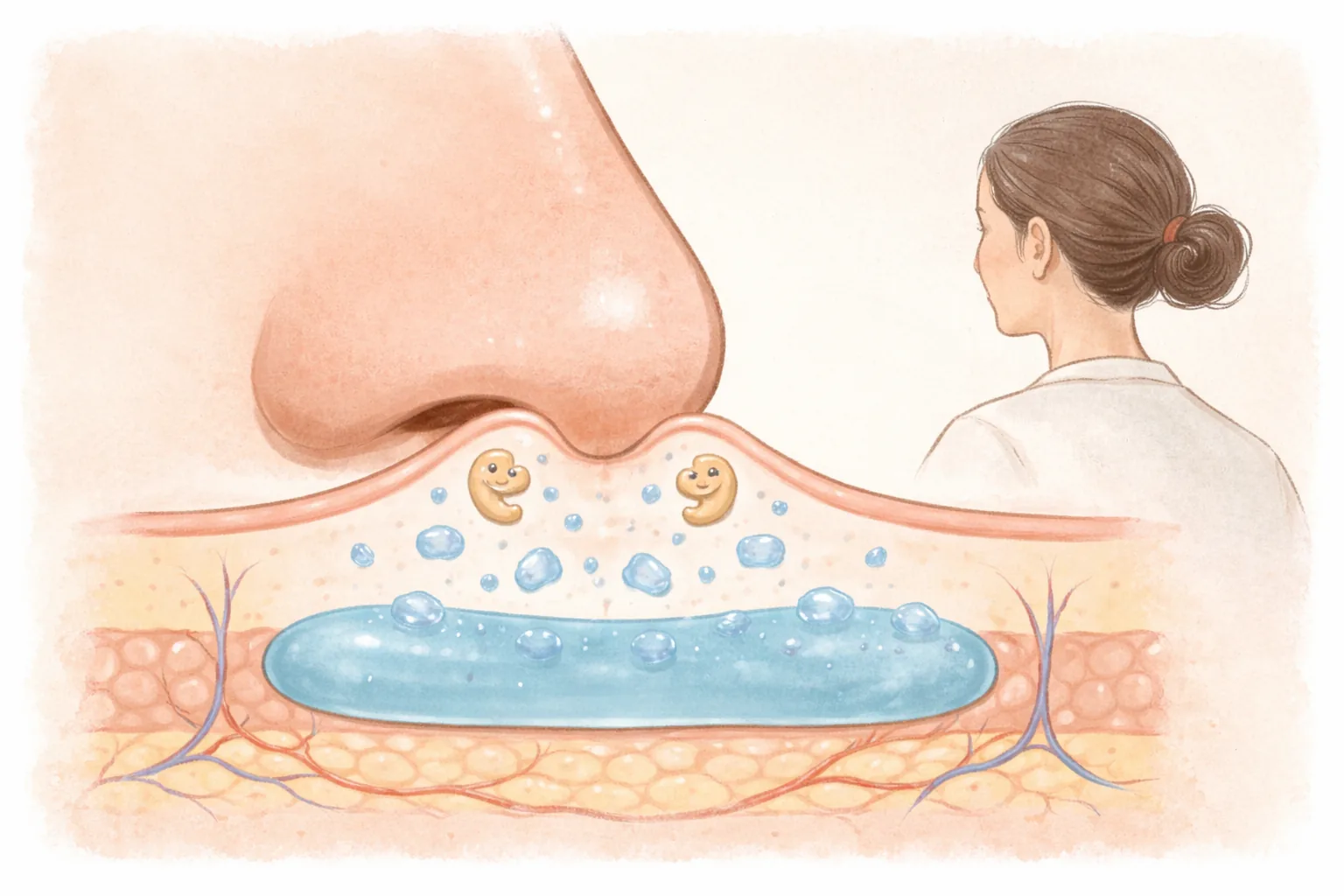
Our bodies naturally produce an enzyme that breaks down hyaluronic acid. According to American Society of Plastic Surgeons material, hyaluronic acid filler placed in the body is naturally broken down by this enzyme over 8 to 18 months, and the duration varies by filler type. Hyaluronidase is an injectable made with this enzyme at a high concentration. Injected into the layer where filler sits, it greatly speeds up breakdown, and the body absorbs and clears the fragments on its own.
The bonds the enzyme cuts are unique to hyaluronic acid. That is why it has no reason to act on materials that are not hyaluronic acid. By the same principle, filler gradually shrinking on its own over time is also this enzyme's work. The ATTITUDE Clinic column similarly explains that hyaluronic acid filler fills initially and is then broken down and absorbed over time.
One point to note: hyaluronidase is a liquid, not a gel. Unlike filler injection, it does not carry the risk of blocking a blood vessel — in fact, it is also given when a vessel blockage is suspected. The nose is an area with dense blood vessels, which gives this property meaning. However, because it is a liquid, it spreads around the injection site, which leads to the limitation on "dissolving only part of it" explained below.
Not all fillers dissolve?
That is right. Cleveland Clinic states that filler containing hyaluronic acid can be dissolved, but filler containing silicone or other materials cannot. Hyaluronic acid filler is the most common type, but when treatment history is long or you have been to multiple clinics, it is often hard to recall which product was used. So the first step in consultation is to trace the product history and treatment timing as far back as possible. If you have records or photos, bringing them makes the process far more accurate.
One common misunderstanding about the nose is that hyaluronidase selects and erases "only the filler that was injected." In reality, as it spreads through the injection site, it also breaks down the hyaluronic acid that was already there. According to American Society of Plastic Surgeons, dissolving only a small amount precisely is difficult, so consultations often plan to reverse the whole area rather than only part of it. When your own hyaluronic acid is broken down alongside, that area may look more hollow than before for a while; since the body refills over time, knowing this in advance makes it less surprising.
Another point: this is not an injection anyone can receive. If you have ever had a severe reaction to a bee sting, you cannot receive hyaluronidase injections, because of the rare risk of a severe allergic reaction called anaphylaxis. This is why the same guidance says bee venom allergy must be checked before treatment.
Also, the shape that bothers you now cannot always be attributed to filler. The cause may be different — filler may have migrated from its original position, a firm nodule may have formed, or an inflammatory response may remain — so figuring out what the problem is comes before deciding what to dissolve.
How many sessions, and when does the shape settle?
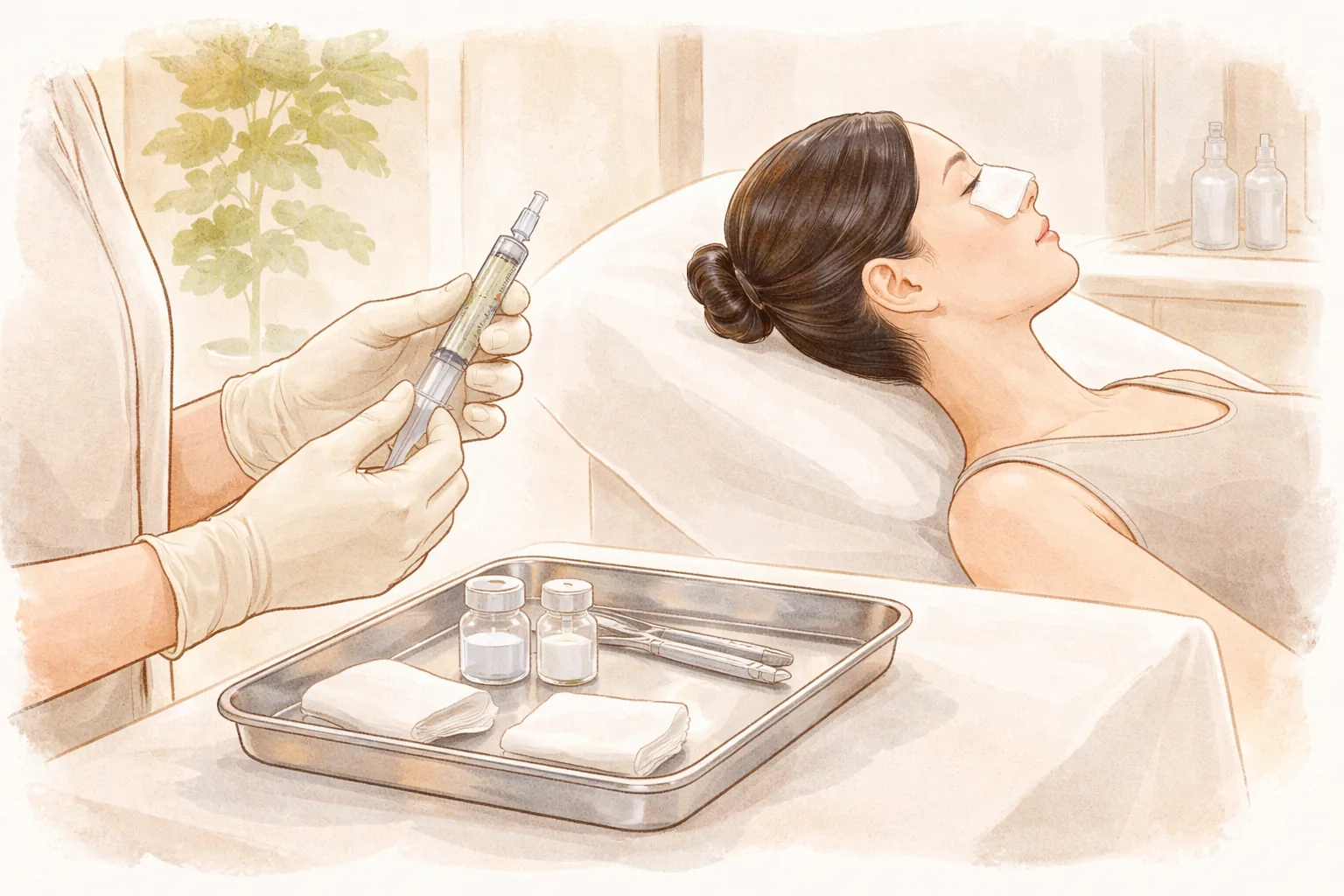
The dissolving procedure itself is not long. Based on Cleveland Clinic, numbing cream is applied, the injection takes about 10–15 minutes, and usually 1–2 visits complete the process. If a large amount was placed or a firm nodule has settled in, it is not finished in one session but divided over several. Some change is visible right away, but the final shape settles over up to 2 weeks.
How much does it hurt? Since it is an injection, there may be discomfort from the needle, and numbing cream is applied to reduce it. Because the nose has thin skin, the injection sensation can feel sharp, so if you are uncomfortable during the procedure, it is better to speak up right away rather than endure it.
There are also preparations. Avoid medications or supplements that increase bleeding (aspirin, fish oil, etc.) beforehand, and since smoking affects recovery, it is best to stop several weeks before treatment. The American Society of Plastic Surgeons material advises avoiding aspirin-containing products starting 7 days before the procedure. If you are taking any medication, do not stop it on your own — tell the clinic the full list at consultation.
What separates results in the nose?
The first factor is the material. If it is not hyaluronic acid, hyaluronidase has nothing it can do. The second is how much remains and when it was placed. If it was hyaluronic acid filler placed years ago, much of it may already have broken down naturally, and the shape you see now may not be due to filler.
Third is the surrounding situation. Because hyaluronidase spreads, if filler was also placed beside the nose or under the eyes, those areas are affected too. Fourth are allergy history and medications. Finally, the goal. Whether you want complete reversal or just to reduce the thickened feel changes the dose and number of visits.
Table 1 What separates results in the nose?
Category
What hyaluronidase does
What to check when applied to the nose
Hyaluronic acid filler
Breaks chains into smaller pieces so the body absorbs them
When, how much, and in which layer it was placed
Your own hyaluronic acid in the area
Broken down alongside
May look more hollow for a while
Other materials such as silicone
No effect
Cannot be reversed by dissolving
Swipe sideways to see the whole table.
In summary Dissolving nasal filler is a procedure that works when the material is hyaluronic acid. The injection is short, but the result takes up to 2 weeks to settle, so it is best to allow extra time in your schedule. Knowing in advance that precisely erasing only part of it is difficult will help you set realistic expectations at consultation.
If this applies to you
When a shoot or important event is a few weeks away
Swelling and bruising are common and usually subside within a few days, but the final shape settles over up to 2 weeks. If your event is within 2 weeks, it is better to adjust the timing or plan around the settling period. The look is far more natural a few days after than immediately after.
When filler placed years ago still bothers you
Hyaluronic acid filler breaks down naturally over time. It is necessary to first check whether the firmness or bump you feel now is due to filler or another cause, and if the remaining material cannot be confirmed, observation may come before treatment. Looking at the feel and the history together is the starting point.
If you bruise easily or have sensitive skin
Because it is an injection, some bruising and swelling will occur. If you tend to bruise for a long time, leave a gap before important events, and tell the clinic about any medications, supplements, and recent skin reactions at consultation. Even with the same dose, how quickly swelling subsides varies from person to person.
If you are visiting from overseas for a short stay
Usually planned for 1–2 visits, but confirming the result takes up to 2 weeks. If your stay is short, it is better to schedule the follow-up at the first visit. After returning home, keeping a record of what you received locally will help with future consultations.
Please tell us before consultation
The product name, treatment date, and area of any filler you received before (bring records or photos if you have them)
Whether you have ever had a severe reaction to a bee sting, and any other allergy history
Medications and supplements you take (including aspirin, fish oil, and anything else affecting bleeding)
Smoking status, pregnancy, and breastfeeding
Fixed-date events such as shoots or ceremonies
How ATTITUDE Clinic proceeds
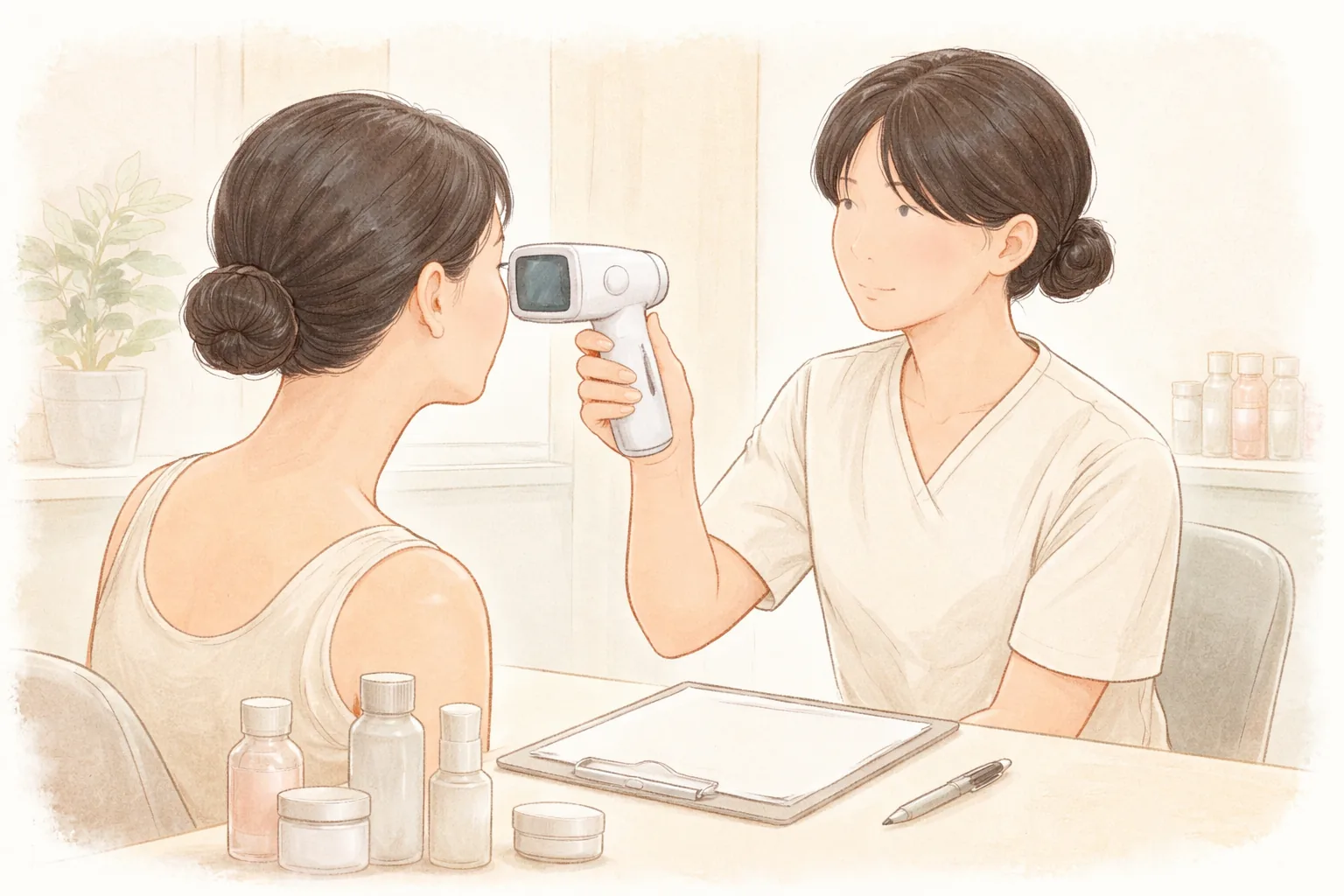
Skin and history record — The skin condition around the nose and traces of previous treatment are documented with photos and a questionnaire. Analysis tools record and organize information; they do not replace diagnosis.
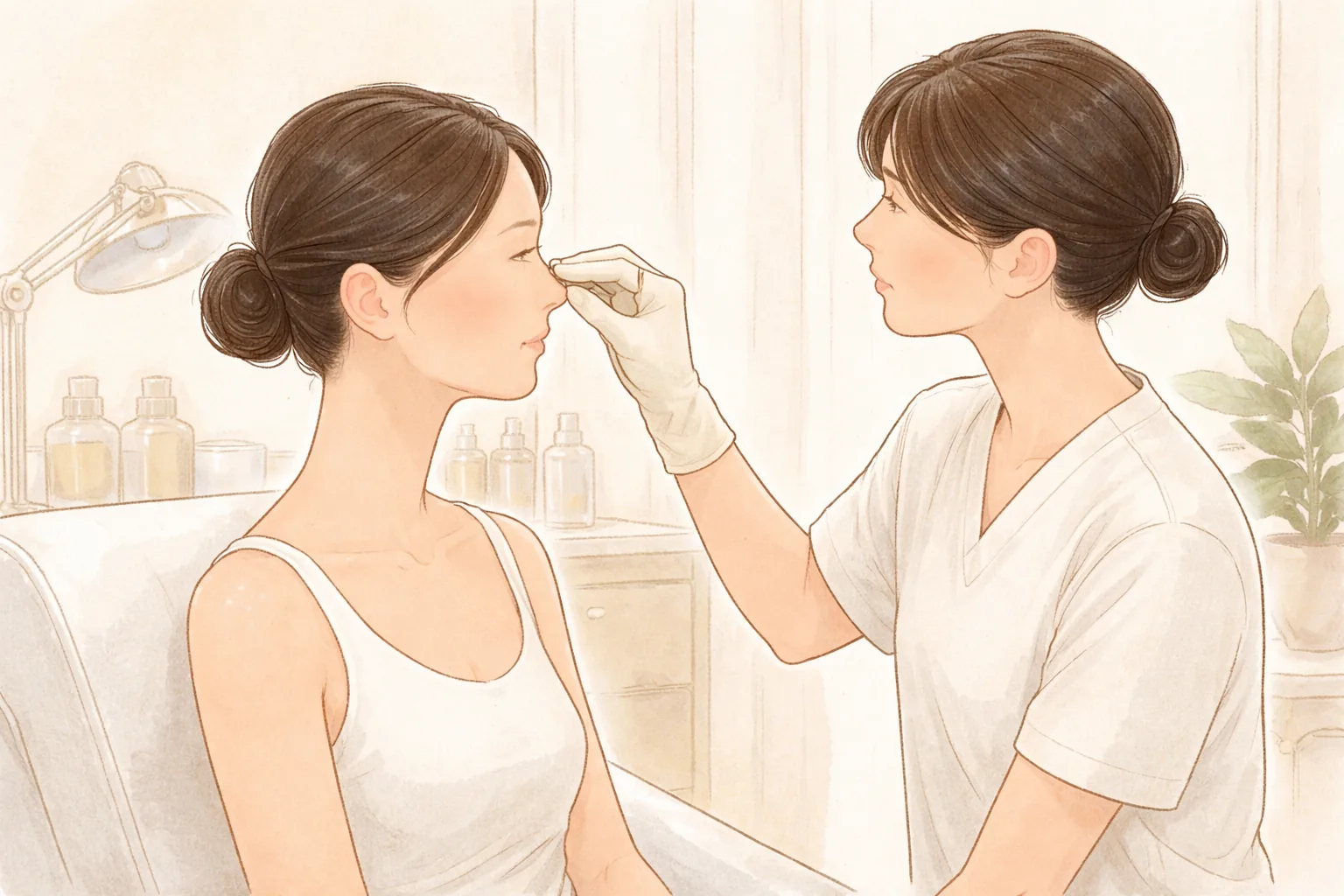
Doctor consultation — We check which product, when, and how much was used, along with allergy history, medications, and how much change you want. At this stage, whether it is hyaluronic acid filler or not is the first fork in the road.
Procedure performed directly by the doctor — The injection points and dose are set, and the doctor performs the procedure. If a large amount was placed, we do not put it all in at once but divide it and watch the response.
Recovery and follow-up — We check how swelling and bruising subside and schedule an additional visit if needed.
At ATTITUDE Clinic, hyaluronidase treatment is provided as an injectable item, and we also handle injectable products that use non-hyaluronic acid materials such as Rejuran, Juvelook (PDLLA), Sculptra, and Radiesse. Because the method of reversal differs by material, we first confirm which product was used at consultation. When recovery is slow, calming skin care such as LDM may be combined. Treatment items and prices are listed in the clinic treatment guide, and the actual cost is determined at consultation based on the area and amount used.
Aftercare and side effects
Cold compress for the first 1–2 days — This helps reduce swelling and bruising. Do not put ice directly on the skin; place a thin cloth over it and keep it brief.
Gentle massage for 5 days — Gently rubbing the injection area once a day is recommended. Avoid pressing hard.
Take it easy that day — Avoid strenuous exercise, alcohol, and saunas, and let your body rest for about 24 hours.
Follow-up within 2 weeks — Re-examine when the shape settles and judge whether any remains or whether more is needed.
Common reactions are swelling, bruising, tenderness and stinging when pressed, and redness at the injection site. They usually subside on their own within a few days, and if swelling is severe, medical staff may consider antihistamines or steroids. More rarely, an allergic reaction may occur.
As your own hyaluronic acid is broken down alongside, the area may look thinner or more hollow than before. It refills over time, but knowing this in advance makes it easier to watch the process without worry.
There are also signs to contact the clinic without waiting: if swelling or bruising lasts longer than expected or worsens, if the injection site becomes hot and red with increasing pain, or if allergy signs such as hives or difficulty breathing appear, seek care right away.
Frequently asked questions
Can hyaluronidase be injected into the nose?
If it is hyaluronic acid filler, it can be broken down regardless of the area. Cleveland Clinic guidance also states that hyaluronic acid filler placed in various areas such as the cheeks, lips, and under the eyes can be dissolved with the same enzyme. The nose falls within that range. However, because the nose has thin skin and its surface is immediately visible, the dose is adjusted after checking the remaining amount and injection layer. If the material is not hyaluronic acid, the same method does not work, so confirming history comes first.
Can nasal filler placed years ago still be dissolved?
Hyaluronic acid filler breaks down naturally in the body, and much of it disappears within 8–18 months. So if filler was placed years ago, little may remain now, and the shape you see may not be due to filler. In that case, dissolving treatment will not change the shape. After checking the feel and treatment history, the first step is to determine what material remains.
What are the side effects of dissolving nasal filler?
The most common are swelling, bruising, tenderness, and stinging. They usually subside within a few days. More rarely, allergic reactions or redness may appear, and if you have a history of severe reaction to bee venom, the procedure itself is difficult due to anaphylaxis risk. Hyaluronidase also breaks down your own hyaluronic acid in the area, which may cause a hollow look for a while. If these reactions go beyond the expected range, seek care right away.
Can I get filler again right after dissolving?
Because the result takes up to 2 weeks to settle, refilling before then makes it hard to distinguish what is residual shape from what is newly added volume. It is better for judgment to wait until swelling subsides and the shape settles before planning again. The timing of retreatment is decided at consultation based on the skin condition at that time and the change you want. If you have repeatedly filled the same area, this is also a chance to discuss using a different amount and interval this time.
What should I check when choosing a clinic?
First, check whether the pre-consultation questionnaire covers allergy history, medications, and previous products. Next, confirm that the practitioner is a medical professional and that the environment can respond to allergic reactions. US FDA warns that serious side effects such as permanent scarring and infection have been reported when unapproved injectable products were bought online and self-injected, and advises that improper technique increases the risk of scarring and infection. It is also good to check whether products are obtained through proper channels and whether a follow-up schedule is set after the procedure.
At a glance
Table 2 At a glance
Item
Key point
Target filler
Filler made of hyaluronic acid. Other materials such as silicone cannot be reversed
How it works
Breaks hyaluronic acid chains into smaller pieces so the body absorbs them. Your own hyaluronic acid in the same area is broken down alongside
Time and sessions
10–15 minute injection, usually 1–2 visits. If the amount is large, divided over multiple sessions
Checking results
Some immediate change; final shape settles over up to 2 weeks
Common reactions
Swelling, bruising, tenderness, redness — usually subside within a few days
When it is difficult
History of severe allergy such as bee venom, or filler that is not hyaluronic acid
This article offers general health information. It is not a substitute for diagnosis or treatment based on your own condition, so please talk through your situation with a doctor.