Onda Lifting Korea: Which Skin Types and Ages Fit Best?
How Onda lifting delivers microwave heat, and why skin thickness, renewal capacity and recovery time decide fit more than age. Face vs body settings, when results show, pain and aftercare.
Written by ATTITUDE Clinic Editorial Team
Searching for Onda lifting in Korea, many people ask about area and age first. They wonder whether it is available at any age, whether it is too late past a certain point, or whether the device is only for the face. This article walks through what Onda does in the skin, and what we look at instead of age when deciding whether it fits.
The short answer first
Onda is a lifting device that uses microwave energy (high-frequency waves that pass through tissue and turn into heat) to deliver heat. In the ATTITUDE Clinic treatment guide, Onda is also presented as a lifting treatment using MICROWAVE ultra-high-frequency energy, with face and body listed as separate items (Treatments and Pricing). What decides fit is not age itself but skin thickness, the ability to produce new collagen, how sensitive your skin is, and how much recovery time you have. Even at the same age, different starting points mean different timelines and different plans. So we look at your skin's current condition before your age.
What does Onda do inside the skin?
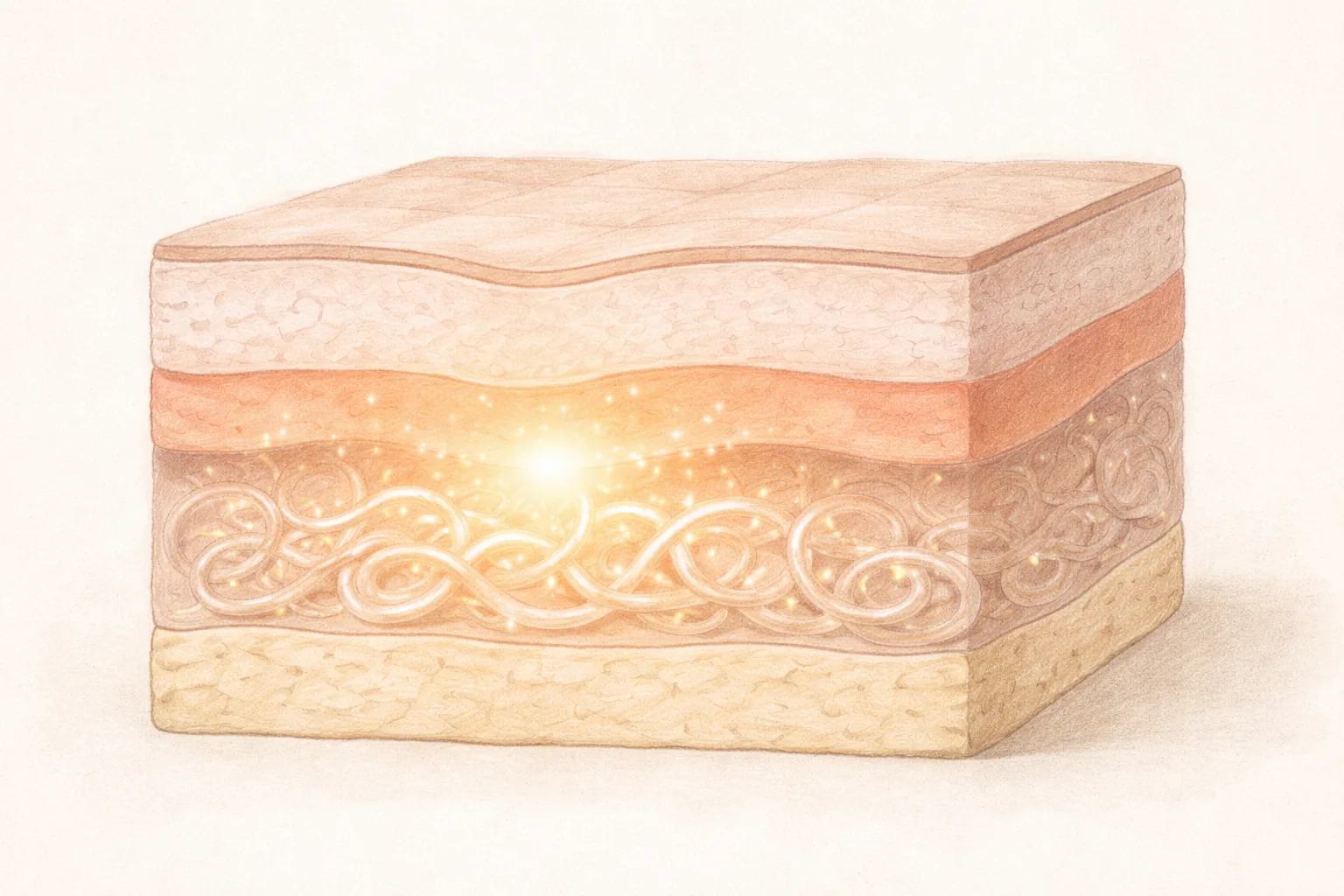
The shared goal of heat-based lifting is to make the skin rebuild collagen, the protein that keeps skin firm and supported. According to the American Academy of Dermatology, this kind of heat stimulation encourages the body to make more collagen and can also help with fine lines, wrinkles and pigment such as age spots (AAD: Firming and sagging skin). However, the body takes time to make collagen, and the best results usually appear around 6 months.
Onda delivers this heat using microwave energy. Even among lifting treatments, devices differ in how they send heat or ultrasound and how deep into the skin the stimulation reaches. In the ATTITUDE Clinic column, Ultherapy, Thermage, Shurink and Onda are placed side by side as devices that differ in how they gather energy and how deep they reach (Why do results differ even with the same treatment?). So which device is better matters less than which method fits your concern.
Does age determine the result?
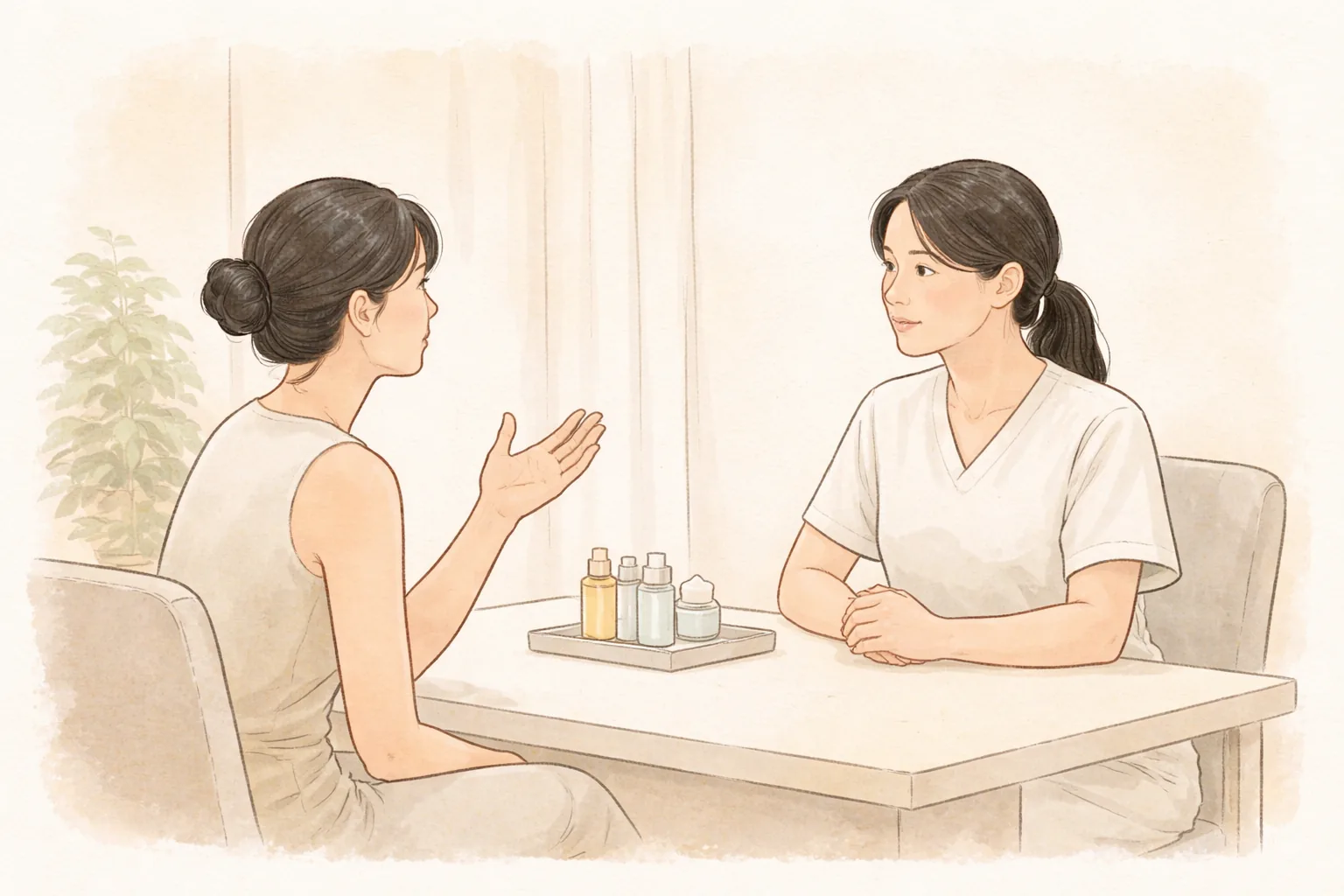
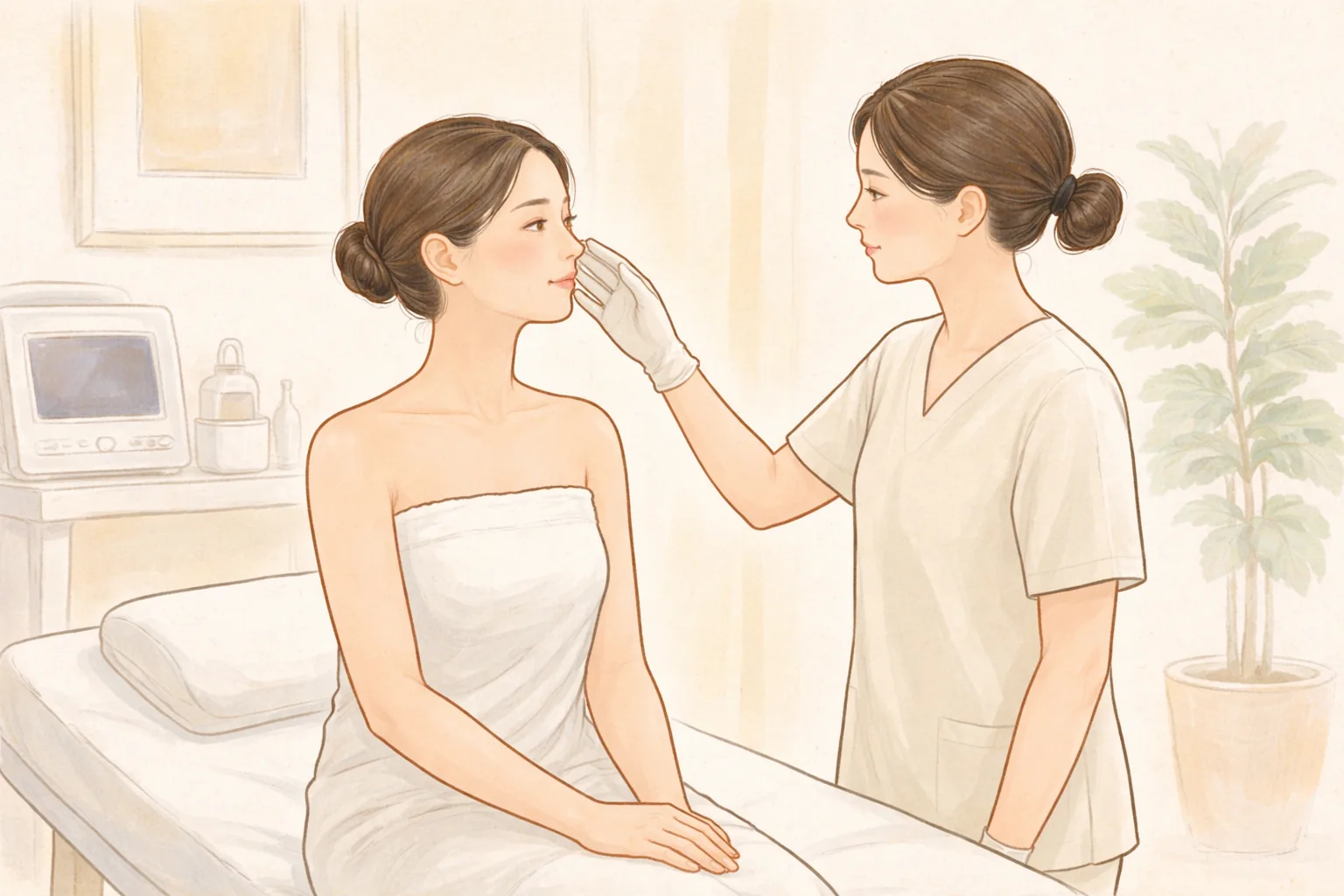
Age is only one reference point, not a standalone criterion. Two people of the same age with similar concerns can sit side by side and still differ in how thick their skin is, how much ability to produce collagen remains, and how active their skin's circulation and pigment-producing cells are. This difference is hard to judge from the mirror alone, so the doctor examines the skin directly, asks about previous treatments, and then sets the direction.
This is why the same lifting or the same laser can show clearly in one person after a single session while another needs several sessions to feel it. More often than not, the starting line was different rather than the treatment being wrong. Being in your 20s doesn't rule you out, and being in your 40s doesn't make it too late. The speed and amount of new collagen production are influenced not only by age but also by lifestyle habits and hormonal status, so the timing of results itself varies.
Face and body: where does it fit?
In the ATTITUDE Clinic treatment guide, Onda is divided into face and body, and the body section lists larger energy units than the face (Treatments and Pricing). This means the face is treated delicately over a relatively small area, while the body is divided into larger areas. The body covers a wider area at once, so deciding which area gets which intensity is a big part of the plan.
Area suitability depends on skin thickness, how much that area moves in daily life, and how dense the tissue is. The same concern cannot be handled the same way on the face and on the body, and whether to treat several areas in one visit or split them is decided in consultation. Volume loss that makes the face look hollow is mentioned as a rare side effect of heat-based lifting, so if there is an area where you want to preserve volume, it is better to raise it in consultation first (Ultherapy, Shurink and Thermage: same lifting, different principles?).
What decides the result?
First is skin condition. Depending on skin type, thickness, and how dense the tissue is, the same intensity can feel different and produce different results. Second is the ability to produce collagen. Because collagen synthesis speed and amount differ with age, lifestyle habits and hormonal status, the timeline you feel also differs.
Third is planning. Even with the same analysis, the plan changes depending on which device to use first, what intensity to set, whether to combine other treatments, and how much recovery time you have. Fourth is execution. Fine adjustments in intensity across the treated area and adapting to skin reactions during the procedure are details that manuals alone cannot fill. These four overlap, and that is where results diverge.
Heat stimulates collagen renewal; timeline varies by individual
Onda (body)
Same microwave energy, wider area
Body elasticity and line management
Treated over a wider area than the face
Thermage (RF)
Radiofrequency heats dermis to subcutaneous broadly
Elasticity loss over a large area
After initial firmness, further change over 2–6 months
Ultherapy, Shurink (HIFU)
Ultrasound focused into small points at set depth
Locally deep sagging areas
If change occurs, gradual over 2–3 months
Swipe sideways to see the whole table.
In short Onda is a lifting device that uses microwave heat to stimulate collagen renewal, and face and body each have their own settings. Skin thickness, renewal capacity and recovery time decide fit more than age, so even with the same device, the plan should differ from person to person.
If this sounds like you
When an important event is a few months away
Because collagen takes time to rebuild and the best results usually appear around 6 months, an imminent event means reordering what to do and when. How much redness or swelling remains depends on the energy level, so it is better to book a consultation with some buffer rather than right before an event.
When you have maintained regular care and wonder what to add
If you bring the previous device, shot count or kJ, the product and volume used, the date and how your skin reacted, the doctor can review it. The original device, dose or interval may not have suited your skin, or the result may have been judged too early. After that review, you decide together whether to consider a different device or sequence.
When your skin is sensitive or flushes easily
The degree of reaction to the same stimulus and the recovery speed differ by skin type. If you are on the sensitive side, how to divide energy level and treatment area becomes the core of the plan. If there is an area that often flushes, let us know that area first.
If you are an international visitor on a short stay
With a short stay, the time available for recovery shapes the plan. How long redness and swelling take to settle varies between individuals, so we calculate the feasible range together based on your departure date. If treating multiple areas at once is difficult, prioritising is more realistic.
Please tell us before your consultation
Recent UV exposure (travel, outdoor activities, tanning), medications you take and active ingredients you apply to the skin, reactions and records from previous treatments, and any important upcoming dates will help us build the plan.
How ATTITUDE Clinic proceeds
AI skin analysis record — We record and organise your skin condition so you and the doctor look at the same information. This tool records and organises information only; it does not make a medical diagnosis, and the judgment is the doctor's.
Doctor consultation — We add your concerns, lifestyle habits and previous treatment experience to the analysis record, and decide together what is needed and what is not, and which combination, order and intensity to use.
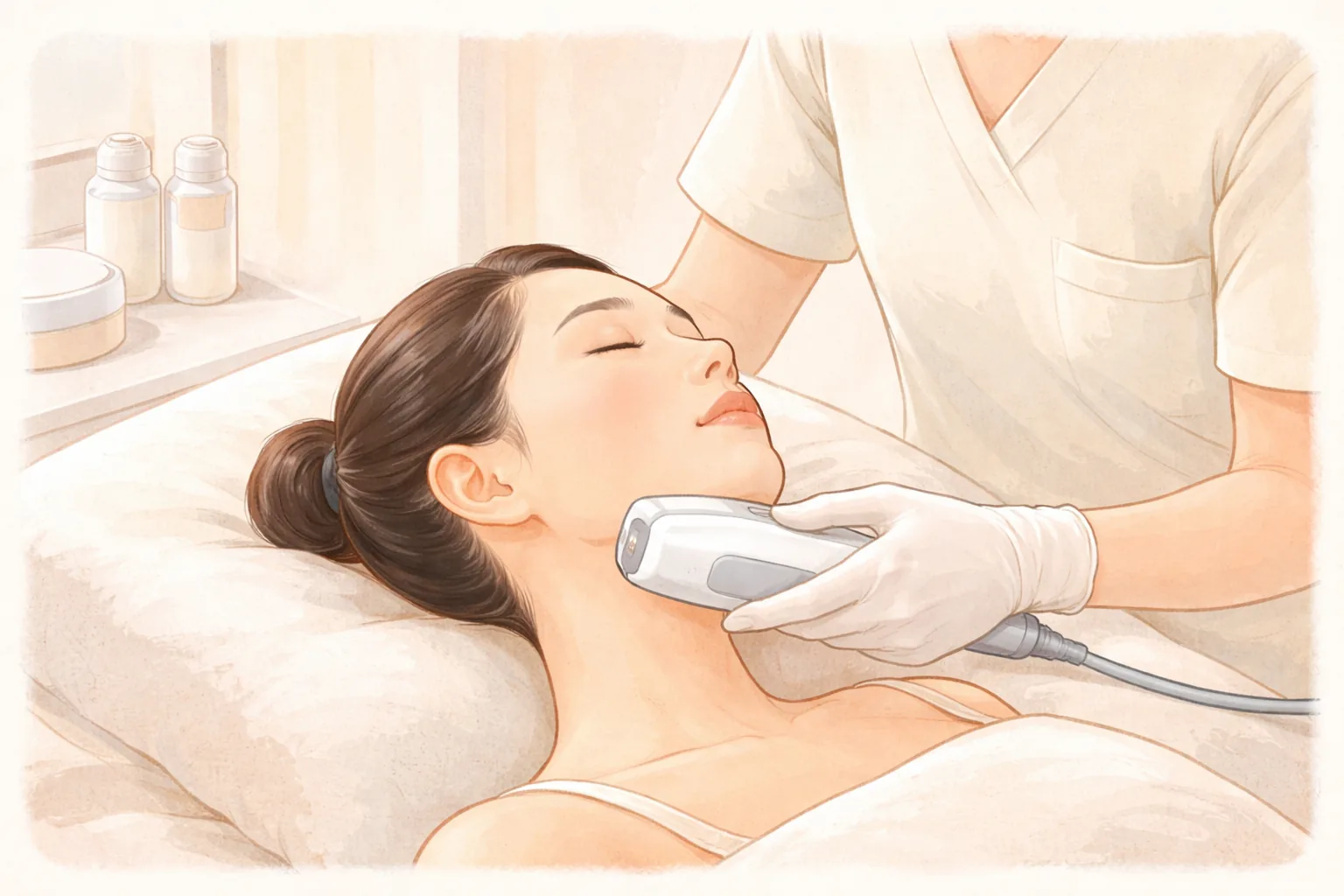
Treatment performed by the doctor — The doctor performs the treatment directly according to the plan set in consultation, adjusting as the skin reacts during the procedure. This flow keeps planning and execution aligned.
Recovery and aftercare — We check your progress after the treatment and set the next visit. Guidance is based on what was confirmed during the consultation.
The devices discussed alongside this topic are Onda (face and body), and within the same lifting family, Ultherapy, Shurink and Thermage. Which one fits is decided together after examining your skin.
Aftercare and side effects
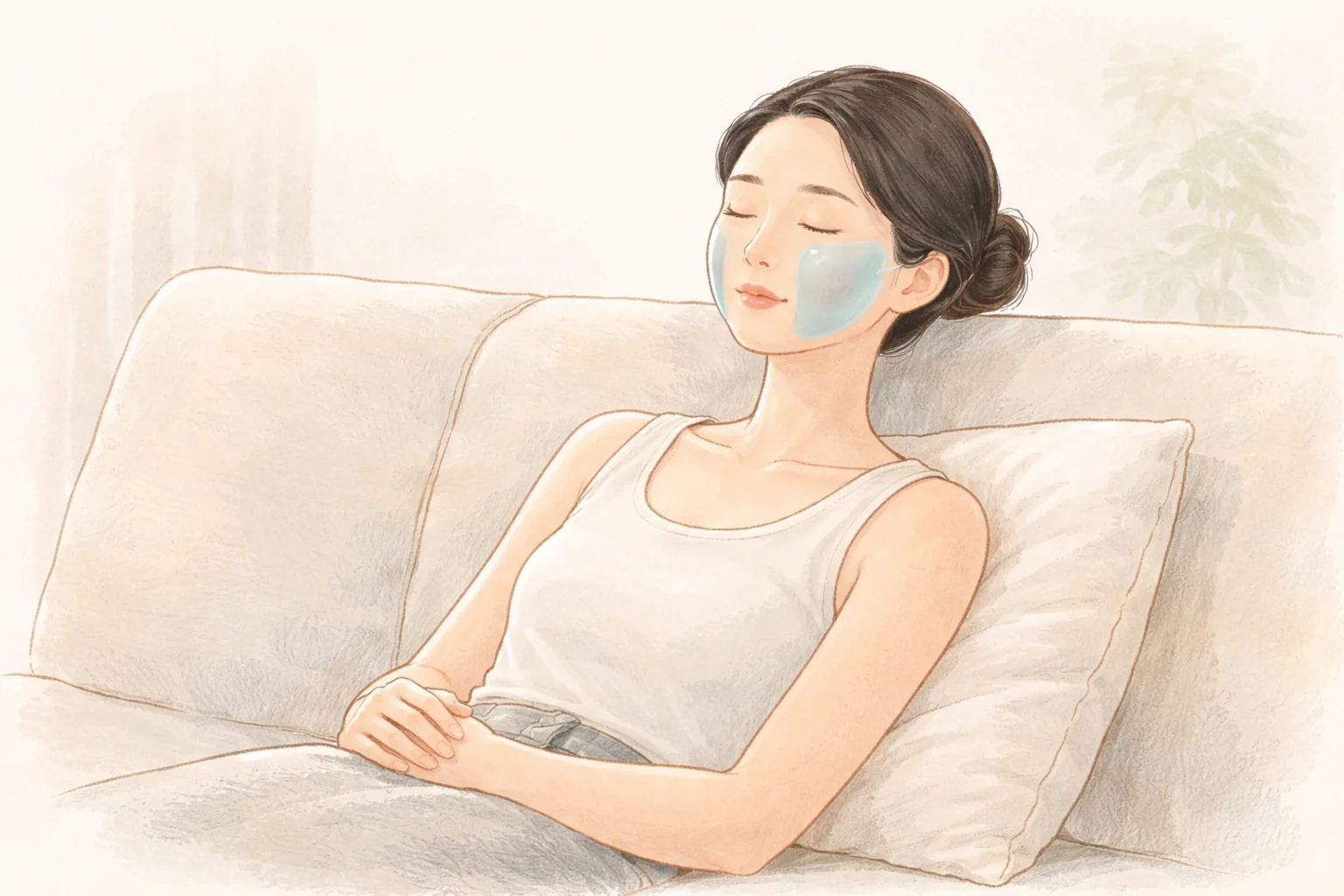
Soothing — Heat sensation and redness may remain right after the treatment, so it is better to avoid saunas, intense exercise and alcohol that day.
Moisturising — The skin barrier is temporarily weaker, so keep skin hydrated with the moisturiser you normally use.
Sunscreen — UV exposure during this period makes it hard to recover without pigmentation, so apply more carefully than usual.
Progress check — We set the next visit while watching how redness and swelling settle.
Common reactions are redness, swelling, tenderness when pressed, and small bruises, which usually settle within a few days. Rarely, temporary darkening or lightening of the skin, blisters, burns or scarring can occur. The column notes that heat-based lifting can cause temporary numbness or reduced sensation and unwanted volume loss (Why do results differ even with the same treatment?). If you notice unexpected changes such as pain that does not improve and gets worse, or blisters, we recommend seeking care rather than waiting.
Frequently asked questions
Can Onda lifting be done on both the face and the body?
In the ATTITUDE Clinic treatment guide, Onda is listed separately for face and body. However, even with the same device, the face treats a small area delicately while the body divides a wider area, so the energy units and approach differ. Which areas to divide and how is decided in consultation after looking at skin thickness and condition. Whether to treat multiple areas in one day or split them is also part of the plan.
When do results start to show?
Because heat stimulates collagen renewal and the body needs time to make collagen, the best results are usually seen around 6 months. The actual timeline depends on age, lifestyle habits and hormonal status, which affect collagen synthesis speed. Early firmness from swelling can also settle down, so it is too early to judge results from the feeling at that stage.
How many sessions and at what intervals?
There is no fixed number set in advance; it depends on skin thickness, renewal capacity, the scope of your concern, and the recovery time available. Even with the same combination, whether you treat in one visit or split it changes the recovery process and how you feel, so setting the order and interval is the role of the consultation. Previous treatment records help with the review.
How much pain and recovery is involved?
Heat-based lifting tends to feel more sensitive at higher energy levels and in areas close to bone or dense with nerves. Thicker areas like the cheeks hurt less at the same energy (Ultherapy, Shurink and Thermage: same lifting, different principles?). For 1–2 days after the treatment, mild redness and heat sensation may remain, and if you are sensitive to pain, we decide the numbing method together during consultation.
How should I choose a clinic?
We recommend checking whether the doctor who consults also performs the treatment, whether prices are disclosed by unit, whether previous treatment records are reviewed, and, for packages, whether each item's purpose is explained. If a clinic clearly states that its analysis tool does not make a medical diagnosis, it is also clear who makes the judgment. The criterion is not promises of guaranteed results but whether there is a process for deciding together what is needed and what is not.
At a glance
Table 2 At a glance
Item
Key point
How Onda works
Lifting that delivers heat using microwave energy
Fit criteria
Skin thickness, renewal capacity, sensitivity and recovery time more than age
Face and body
Separate items in the treatment guide; body covers a wider area and larger energy units
When results show
Heat stimulates collagen renewal; best results usually around 6 months
Pain and recovery
Varies with energy level and nerve density by area
Process
AI skin analysis record → doctor consultation → treatment by the doctor → recovery and aftercare
This article offers general health information. It is not a substitute for diagnosis or treatment based on your own condition, so please talk through your situation with a doctor.