Pico Toning Consultation: What to Check Before You Start
What a Pico toning consultation covers: pigment diagnosis, session count and spacing, when to judge results, what prices include, recovery, and when to contact the clinic.
Written by ATTITUDE Clinic Editorial Team
"Will Pico toning get rid of my melasma?" "How many sessions do I need?" "Can I judge after just 1 session?" These are common questions in the consultation room. Pigment can look similar on the surface but sit in different layers with different causes, so results vary even with the same device. This article covers what Pico toning does to pigment, the conditions that decide results, and what to check in your consultation, in what order.
The Bottom Line First
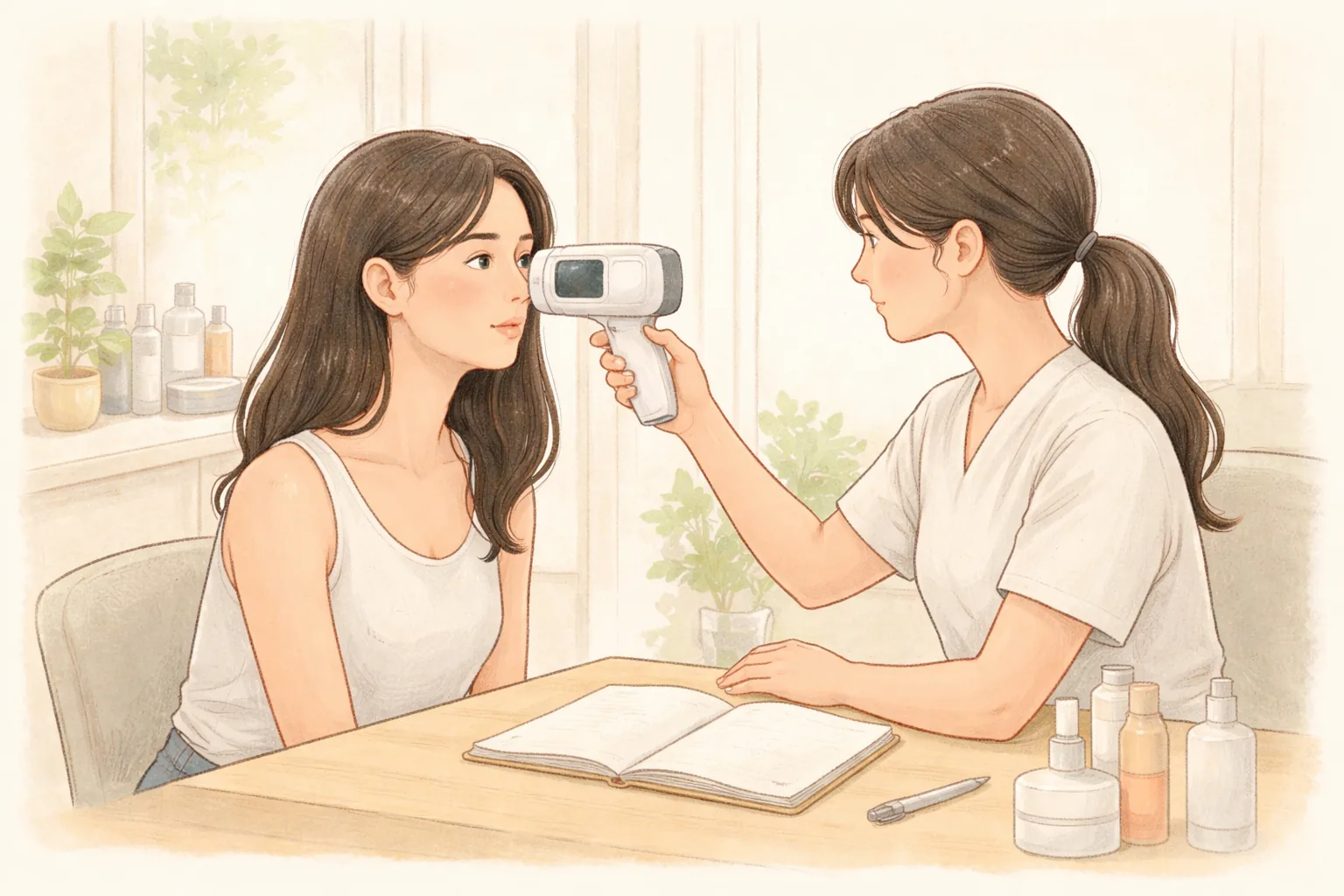
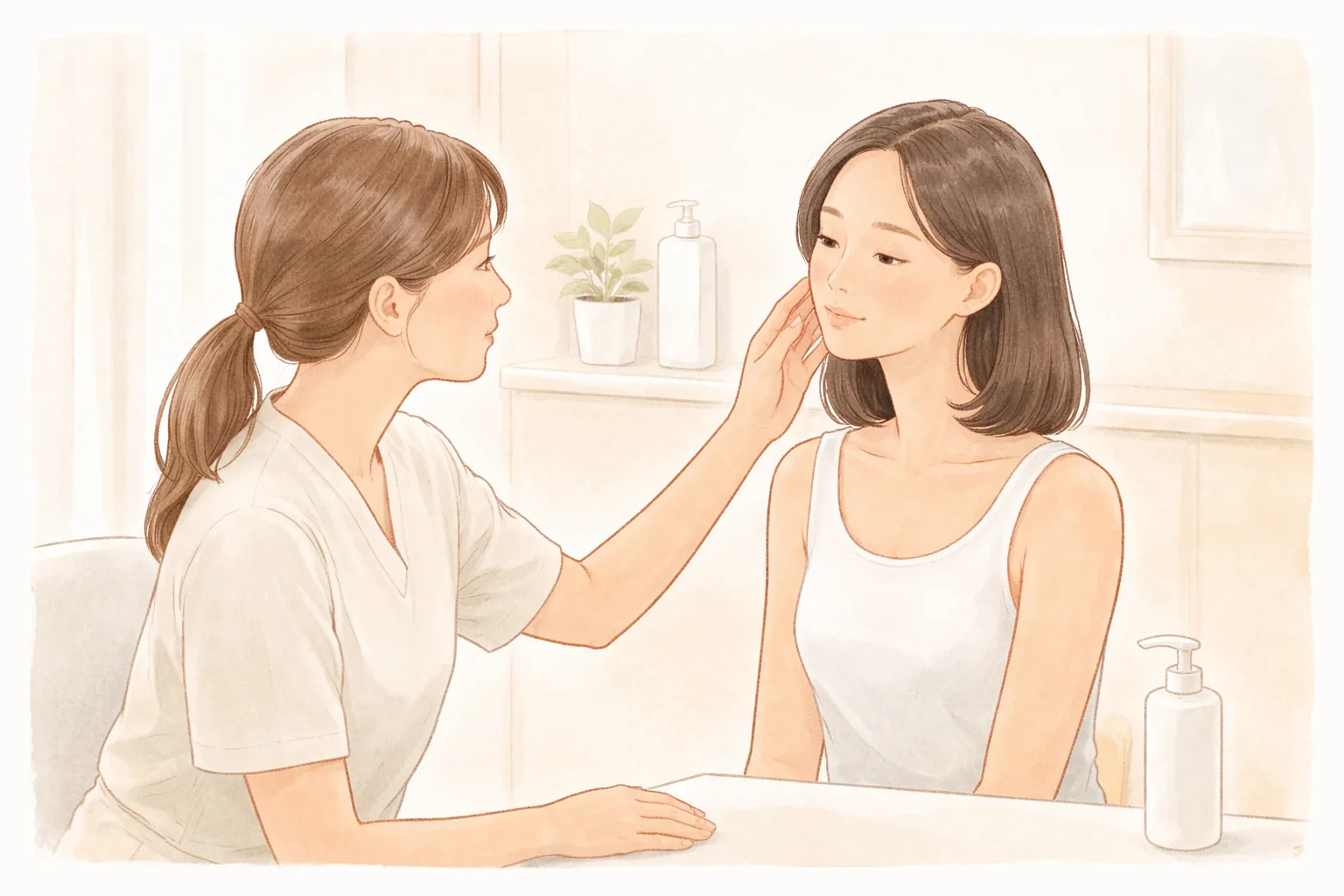
The starting point of a Pico toning consultation is not the device name but identifying the type and depth of your pigment. Even two brown spots that look alike can be melasma, sun spots, freckles, or seborrheic keratosis, each sitting in a different layer and needing a different wavelength, intensity, and interval. A consultation sets your goal, realistic expectations, risks and alternatives, the number of sessions and when to assess results, what the price includes, recovery time, and the criteria for contacting the clinic if something goes wrong. The American Academy of Dermatology advises asking about expected results and risks, alternatives, the practitioner's experience, the number of sessions and how long they take, recovery and return to daily life, preparation and aftercare, and cost before any cosmetic procedure (AAD consultation guide).
What Does Pico Toning Do to Pigment?
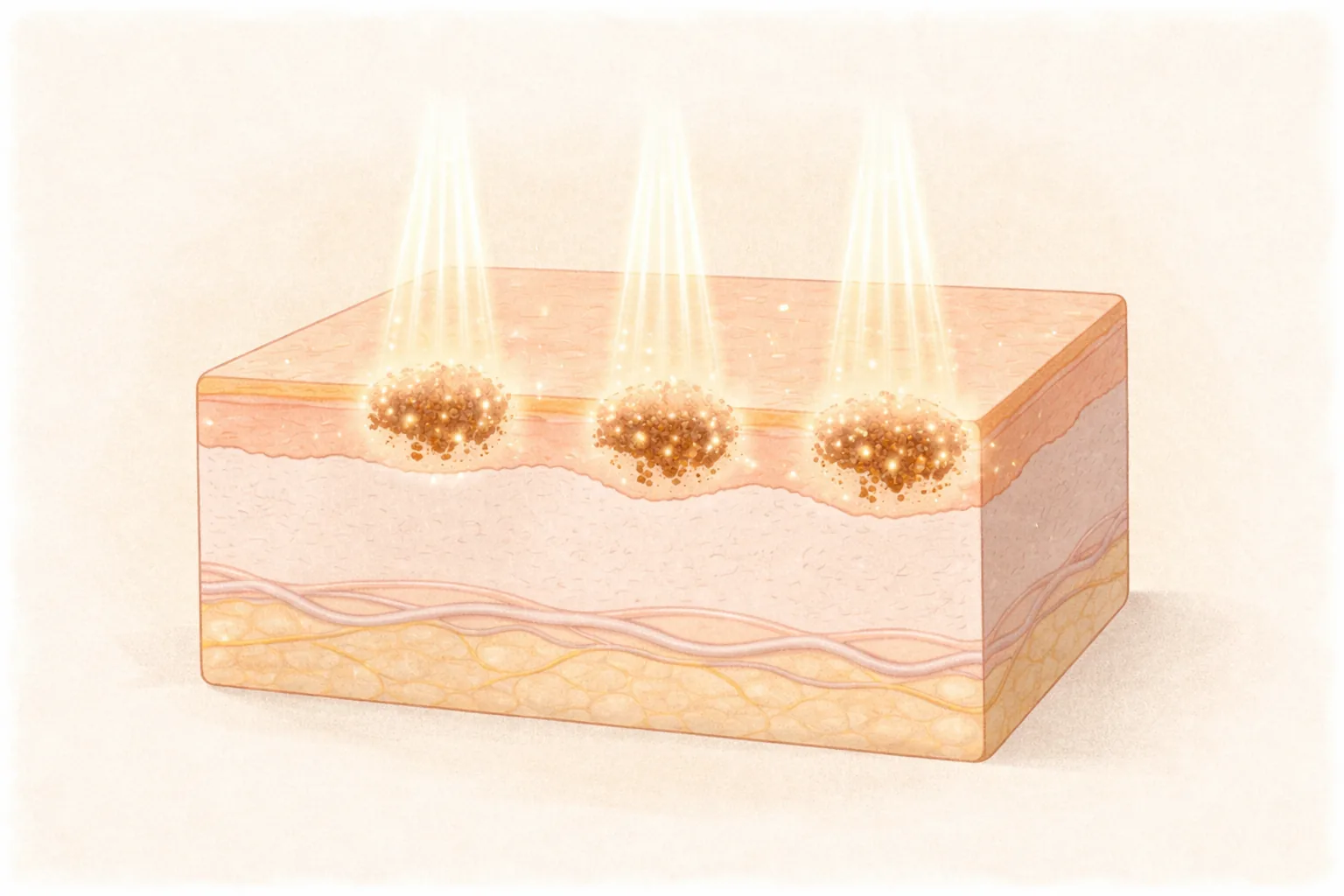
Lasers use the fact that different colors absorb different wavelengths of light well. Melanin absorbs certain wavelengths selectively, and picosecond lasers use that property to target and break up pigment. A column from ATTITUDE Clinic explains this as selective photothermolysis — concentrating energy on the target pigment while sparing the surrounding tissue (laser principles column).
"Picosecond" is a unit of time for how long light stays on, about 1 trillionth of a second. Packing energy into such a short burst reduces the time heat spreads to surrounding tissue, and the finely fragmented pigment is gradually cleared by the body. This is why the recovery pattern differs from burning pigment away with intense heat.
There is a common misconception: "If the laser name is good, it solves any concern." In reality, the laser used depends on what you are targeting. Pigment needs a wavelength that pigment absorbs, redness and red blood vessels need a wavelength absorbed by oxygen-carrying hemoglobin, and concerns where skin structure has changed, like pores or scars, are based on fractional lasers that create micro-injuries to induce regeneration. A picosecond laser is not expected to improve vascular concerns (laser principles column). So why does diagnosis come before the name? Because each pigment responds to a different wavelength and tolerates a different intensity.
Why Does the Plan Change Depending on Melasma vs. Sun Spots?
On the surface they all look like brown spots, but their origins differ. Melasma involves hormones, UV, and heat acting together to overactivate pigment cells, and it spreads widely with blurry borders. Freckles have a strong genetic tendency, darkening with UV exposure and fading with protection. Sun spots come from cumulative UV and aging, with relatively distinct borders. Seborrheic keratosis is not accumulated pigment at all but a benign lesion where cells in the outer skin layer thicken, so the principle is different from the start (pigment types column).
This difference changes the treatment plan. Sun spots or freckles near the epidermis suit a targeted approach on individual spots, while melasma spread across the epidermis and dermis is managed with low intensity split across multiple sessions. Using strong energy on melasma all at once can trigger rebound darkening as the pigment-producing cells are stimulated (pigment types column). That is why melasma is approached with the goal of "calming with less stimulation" rather than "erasing fast."
One more thing to keep in mind: a mole that is new, growing, changing shape or color, itching, or bleeding should be examined, including skin cancer screening, before any cosmetic procedure. Some skin cancers can look like an ordinary brown spot (pigment types column). The AAD melasma resource also notes that melasma needs to be distinguished from other pigment problems, and that a Wood's lamp or dermatoscope can be used to check pigment depth, with a biopsy to rule out other conditions if needed (AAD melasma resource).
How Many Sessions, How Far Apart, and When to Assess?
Session count and spacing depend on the type and depth of the pigment, how well your skin tolerates stimulation, and your UV exposure habits. In a common example from the ATTITUDE Clinic column, sun spots use 1–3 picosecond sessions at 4–8 week intervals, while melasma or widespread pigment uses low-power toning of 8–12 or more sessions at intervals of at least 1 week. Pores and skin texture are listed as 3–5 fractional sessions, acne scars 4–6, and redness and vessels 3–5 sessions with a vascular laser (session count and spacing). These are just common examples, and the actual number and spacing are decided after examining your skin.
Setting the assessment point in advance keeps your judgment steady. According to the AAD melasma resource, following a treatment plan can take 3–12 months to see results, and longer for long-standing melasma (AAD melasma resource). Rather than judging "it's not working" after 1–2 sessions, comparing photos taken under the same lighting and angle at the point you set in your consultation helps you judge better.
Table 1 How Many Sessions, How Far Apart, and When to Assess?
Treatment · device
What it targets
Best suited for
What recovery feels like
Pico toning (PicoPlus · Lutronic)
Melanin pigment and skin tone
Wide, faintly spread pigment, melasma maintenance
Brief redness and stinging, hours to same day
Pico spot (Pico Spot)
Shallow individual spots
Distinctly bordered sun spots, freckles
About 7–10 days if crusting occurs
Genesis toning (V-Laser Genesis · Wontech)
Skin tone and anti-aging
Dull tone management
Low-power repetition, relatively gentle
Vbeam (532nm vascular)
Redness and red vessels
Vessels showing like fine capillaries
Redness and swelling for a few days, 1–2 weeks if bruising
Erbium fractional
Pores, scars, skin texture
Concerns where structure itself has changed
Low power 3–5 days, high power 7–14 days
Swipe sideways to see the whole table.
Device entries are based on the ATTITUDE Clinic price list and column (price guide), and recovery times are taken from examples in the column (downtime).
In short Pico toning targets and breaks up pigment, so the type and depth of your pigment decides the plan. Widely spread pigment like melasma is split across multiple low-intensity sessions, while distinctly bordered lesions like sun spots are targeted individually. Assess results with photos taken under the same conditions at the point you set.
When It Feels Like It Isn't Working, What Do You Recheck?
First, confirm whether the pigment type is still what you initially judged. It is common for melasma and sun spots to overlap in the same area or be an intermediate form, so the dominant pigment can change as sessions accumulate (pigment types column). Simply adding sessions at that point can accumulate intensity and increase stimulation.
Next is spacing and lifestyle factors. UV is a major cause of pigment cell stimulation, so even if the laser reduces pigment, without protection it can be produced again or darken (laser principles column). The AAD melasma resource describes combining sun protection, topical medications, and in some cases procedures, and does not claim there is one single best treatment (AAD melasma resource). Finally, recheck energy settings and whether to combine treatments. Pigment sitting shallow in the epidermis and pigment spread into the dermis are approached differently.
If This Applies to You
If a Wedding or Photo Shoot Is Weeks Away
If your date is close, gentle toning with short recovery suits you better than high-power treatments with long recovery. However, treatments that cause crusting can take about 7–10 days for the crust to fall off, so plan them so they don't overlap with the week of your shoot or event (downtime). Melasma can react to stimulation and temporarily darken, so raising the intensity right before an important day should be approached carefully.
If You Want to Manage Tone Consistently
Pigment can return with UV and friction even after being cleared once. Keeping the interval between sessions and maintaining sun protection even during off periods is the basis of maintenance (laser principles column). Adjust the maintenance cycle considering your pigment state, season, and outdoor activity level.
If Your Skin Is Sensitive or Reds Easily
Highly reactive skin, such as sensitive or atopic skin, should be disclosed to the doctor before treatment (laser principles column). If redness tends to last long, the design can lower intensity and extend intervals, and the approach differs depending on whether the redness is caused by vessel dilation or skin reactivity.
If Your Stay Is Short and Recovery Time Is Tight
If your stay is short, treatments with long recovery may not fit your schedule. Telling the clinic first when you need to return to daily life helps set the intensity and whether to combine treatments to fit that schedule. Online booking requests are not confirmations and are finalized after the clinic contacts you, so if your schedule is tight, ask with some buffer in advance (consultation guide).
Please tell us before your consultation Recent UV exposure and tanning, medications you are taking (including those that can increase photosensitivity), active ingredients in your skincare, reactions and pigment changes from previous treatments, dates to avoid like weddings or photo shoots, and how much redness or pain you can tolerate — all of this helps us plan.
How ATTITUDE Clinic Proceeds
AI skin analysis record — Records and organizes your skin condition to support the consultation. The tool only organizes information and does not make a medical diagnosis; the doctor judges pigment type by examination (pigment types column).
Doctor consultation — Lifestyle factors like UV exposure and hormonal changes, previous treatment experience, and desired results are considered together to design the pigment type and treatment combination. What you need now, what you don't, and the order are also decided here.
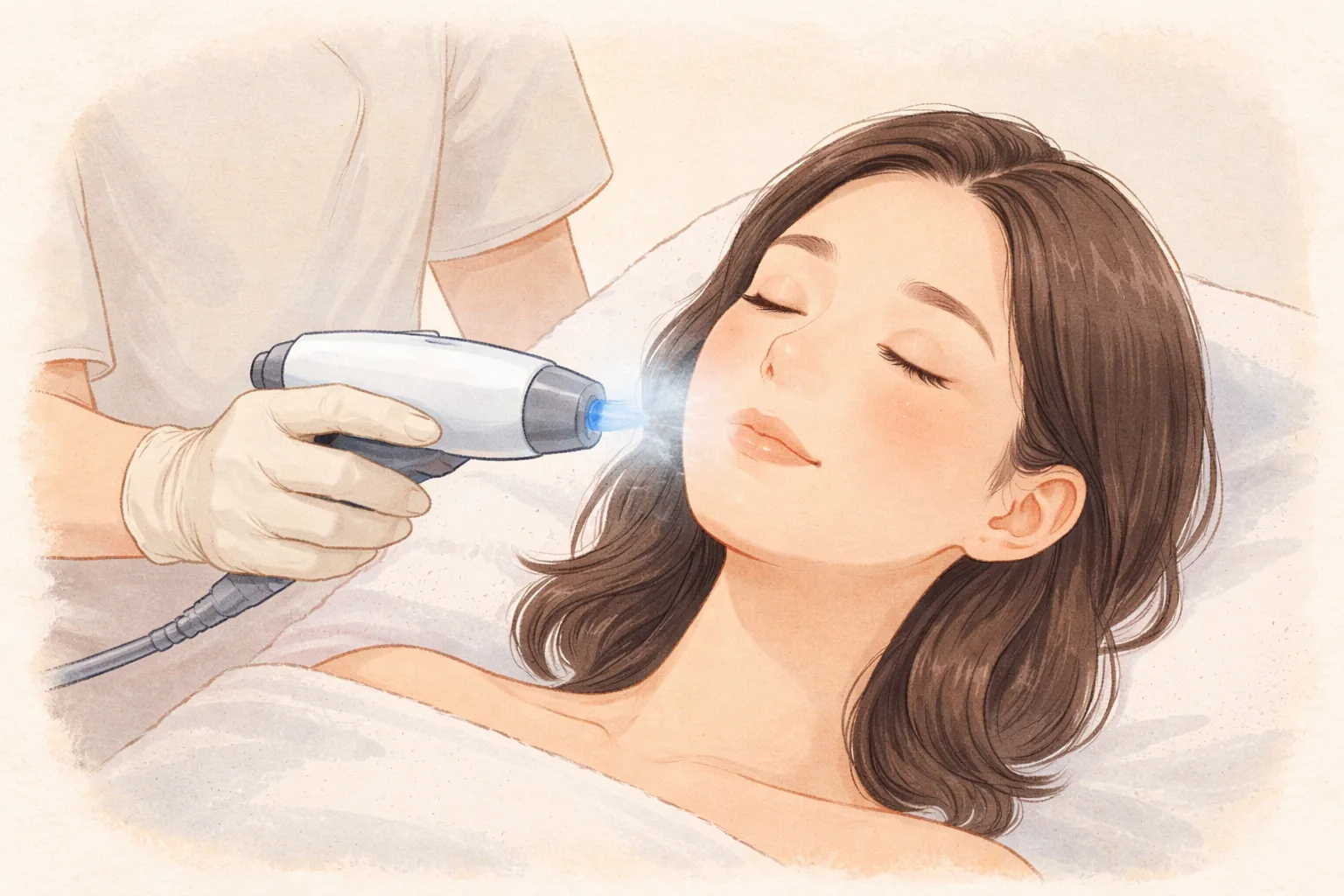
Treatment performed by the doctor — The doctor selects the device suited to your pigment type from those available and adjusts the intensity and combination. The pigment and redness lineup includes PicoPlus-based Pico toning, Pico spot, Genesis toning, Vbeam, and erbium fractional (price guide).
Follow-up and management — We guide you on the next session interval, sun protection, and moisturizing rules, and follow your progress.
The price list divides Pico toning into 1-session, 5-session, and 10-session packages, and all amounts are shown excluding VAT (price guide). The listed session packages are not the number of treatments you personally need, and the package and inclusions are confirmed in the consultation.
Aftercare and Side Effects
Right after treatment, your skin's barrier is temporarily weakened. Following these steps in order makes recovery easier.
Calming — Soothe the heat and redness that rise right after treatment. With cool air or calming care, redness often subsides within a few hours (downtime).
Moisturizing — This step replenishes the weakened barrier. Avoid exfoliants and scrubs that are harsh, and maintain moisture with a gentle moisturizer.
Sun protection — For at least 2 weeks after treatment, apply sunscreen carefully, and reapply about every 2 hours outdoors. If you don't protect properly during this period, pigmentation can develop in the newly formed skin and undo the results (laser principles column).
Checking progress — If crusting occurs, leave it alone and wait. Picking at it can damage new skin and leave pigmentation or scars. Let the crust fall off on its own, and avoid heat stimulation such as saunas, jjimjilbangs, and intense exercise for 1–2 weeks (laser principles column).
Common reactions include redness, swelling, crusting, and the treated area looking temporarily darker. Rarely, hypopigmented spots, blisters, and scars can occur, and pigment can return over time (pigment types column). If redness or stinging lasts more than 3 days or suddenly worsens, it is safer to contact us for an examination rather than wait. How fast pigment returns depends on UV exposure and lifestyle, so the next session interval is also adjusted based on your progress.
Frequently Asked Questions
What is the difference between Pico toning and regular laser toning?
Both break down pigment to even out tone, and the key difference is how long the light stays in the skin. Picosecond pulses are about 1 trillionth of a second, which relatively reduces the time heat spreads to surrounding tissue (laser principles column). That said, shorter pulses are not always superior; how wavelength, intensity, and interval are combined determines the result. Which concern on which skin matters more than the name.
How many sessions do I need to see results?
It depends on the pigment type and depth. In the column's examples, sun spots are listed as 1–3 sessions and melasma or widespread pigment as 8–12 or more, and seeing melasma treatment results can usually take 3–12 months (session count and spacing, AAD melasma resource). Rather than the session number itself, assessing at the point you set with the same conditions helps your judgment. Deciding in the consultation how you will assess at which session can reduce the situation of adding sessions indefinitely.
When can I wash my face, wear makeup, and exercise after treatment?
Gentle toning where redness subsides within a few hours often allows a return to daily life the same day. For treatments that cause crusting, reduce stimulation until the crust falls off naturally, and avoid heat stimulation such as saunas, jjimjilbangs, and intense exercise for 1–2 weeks (downtime). For washing, lukewarm water and gently patting rather than rubbing helps recovery. Specific timing depends on treatment intensity, so follow the guidance given right after your session.
If it feels like it isn't working, should I add more sessions?
Before adding, recheck the pigment type, spacing, and sun protection. Melasma involves overactivated pigment cells, so accumulated stimulation can actually darken it, and raising intensity can backfire (pigment types column). Combining sun protection and topical medications is also considered depending on the situation (AAD melasma resource). Setting reassessment criteria and conditions for stopping or changing in the consultation makes judgment easier.
What should I check when choosing where to get Pico toning?
Diagnosis and how things are explained matter more than the device list. The AAD advises checking expected results and risks, alternatives, the practitioner's experience, sessions and recovery, preparation and aftercare, and cost in the consultation (AAD consultation guide). Ask what tool is used to check your pigment and how the results are recorded, what wavelength and intensity will be used on your pigment, what to avoid during downtime, and where to contact if something goes wrong. It also helps to check how the session packages shown on the price list differ from what is actually included (price guide).
At a Glance
Table 2 At a Glance
Item
Key point
Starting point of consultation
Not the device name, but diagnosis of pigment type and depth
Principle
Fragments pigment selectively using wavelengths melanin absorbs
What decides the plan
Pigment type and depth, intensity, spacing, UV exposure
Assessment
Compare photos under the same conditions at the point set in consultation
Recovery
Gentle toning hours to same day, crusting treatments about 7–10 days
Basics of care
Sun protection, avoiding heat stimulation, gentle moisturizing
This article offers general health information. It is not a substitute for diagnosis or treatment based on your own condition, so please talk through your situation with a doctor.