Potenza Consultation in Gangnam, Seoul: What to Check Before You Book
A Potenza consultation can feel overwhelming. Here's what to check first: tips, combining treatments, pain and anesthesia, when results appear, recovery, cost inclusions, and when to call the clinic.
Written by ATTITUDE Clinic Editorial Team
Exploring Potenza often leaves you more confused about what to actually ask during a consultation. Tip names and prices, pain, how many days off you need, and whether you really have to add something like Juvelook all crowd in at once. This article walks through what to check at the consultation and how to judge your progress afterward.
The Bottom Line First
A Potenza consultation is not about picking a device name. It is about confirming what can realistically be changed in your skin, and to what extent. According to the American Academy of Dermatology, a cosmetic consultation should cover expected results, risks, benefits and alternatives, the number of sessions and time required, recovery, preparation and aftercare, and cost. At ATTITUDE Clinic, AI skin analysis records your condition, the doctor sets the combination and sequence during the consultation, and the doctor personally performs the treatment. The tip and mode, depth, any combination products, anesthesia method, evaluation timing, and when to contact the clinic about adverse reactions are all decided at the consultation, and results vary with skin type, thickness, and regeneration speed.
Pain and Anesthesia: What Should You Ask?
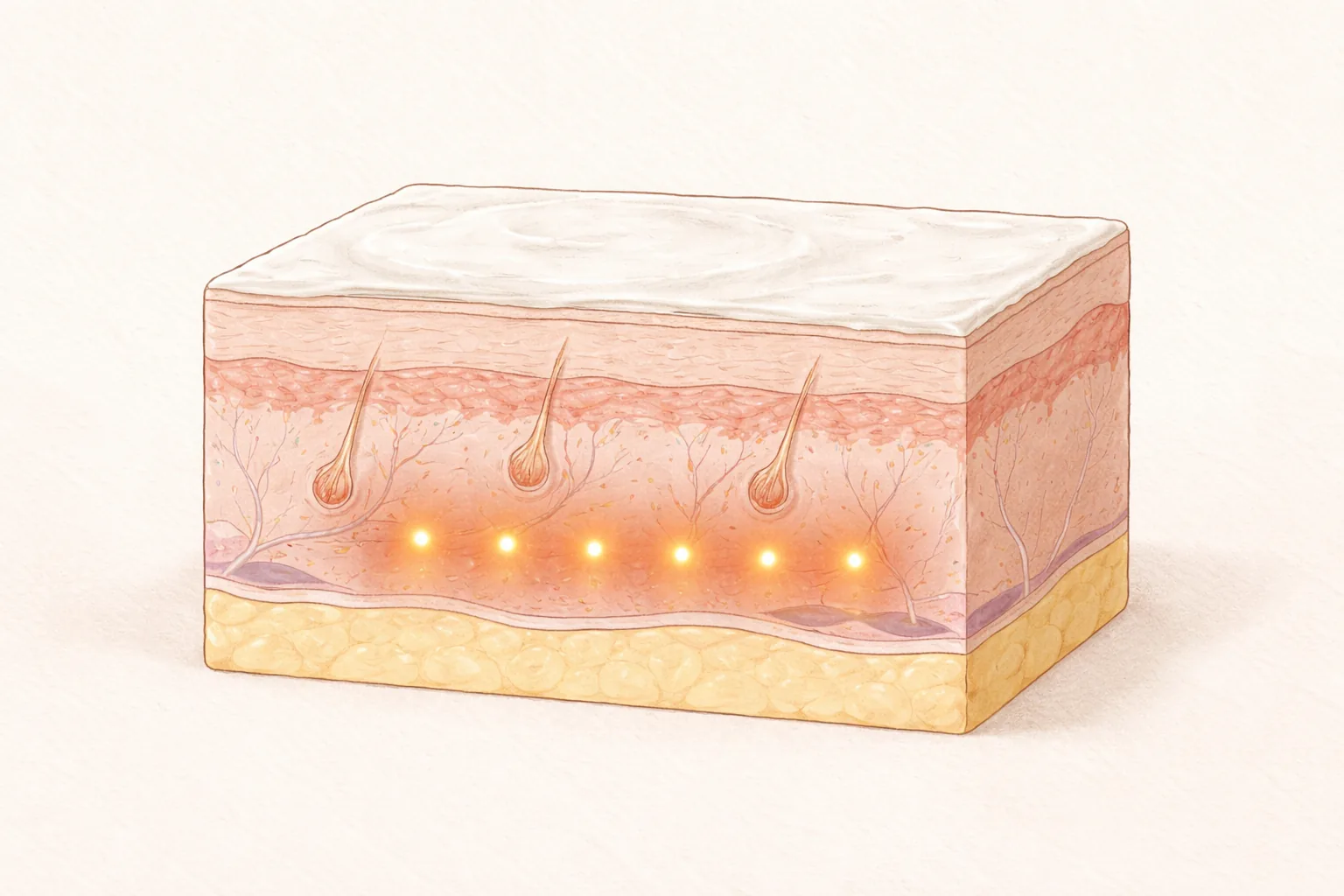
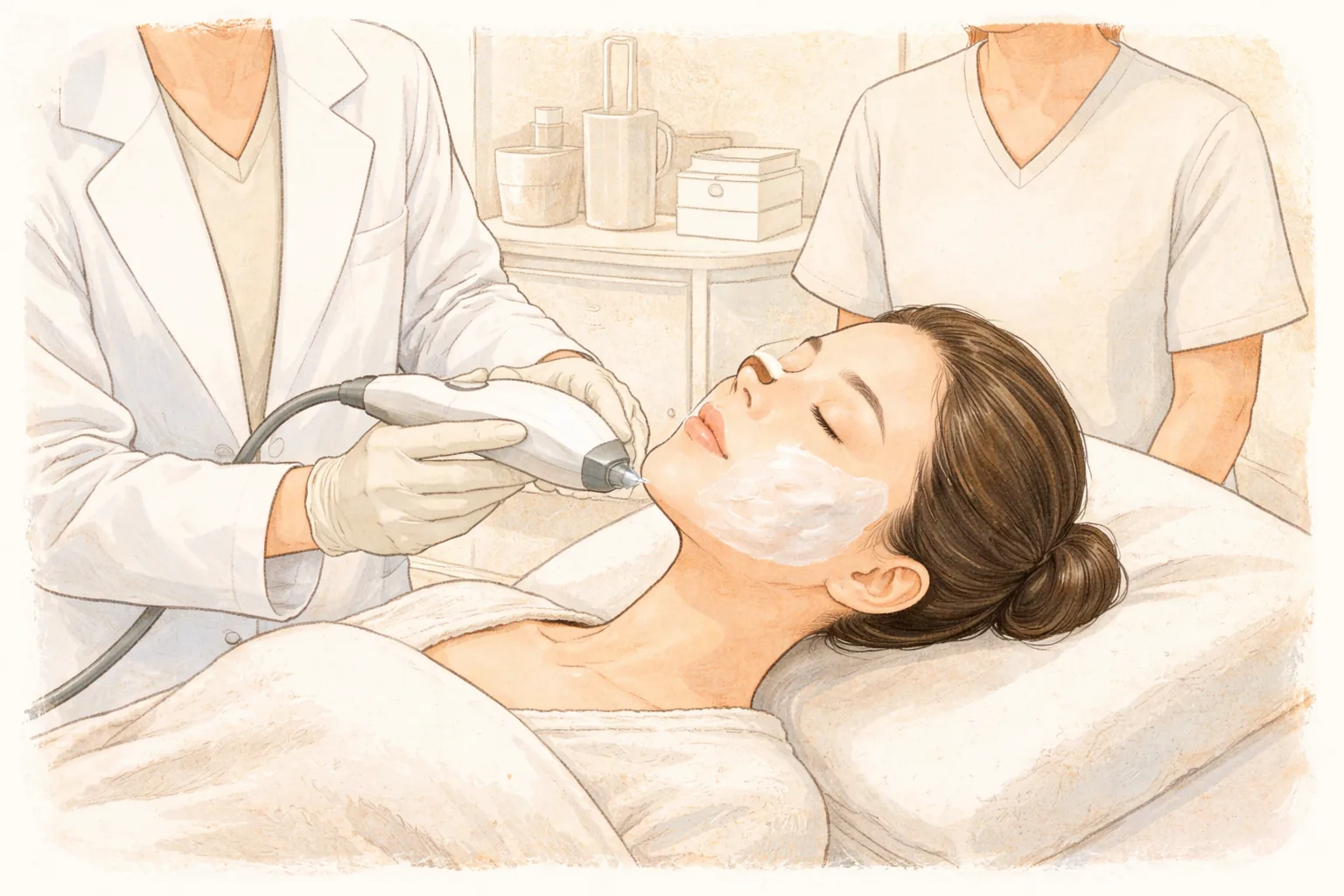
Radiofrequency microneedling uses fine needles that enter the skin and deliver heat along the needles. According to the AAD, this approach adds heat through the needles to support collagen production. How deep and how strongly that heat is delivered changes what you feel, so discomfort is determined by the skin thickness at the treatment area, the energy level, and the treatment area itself.
At the consultation, it matters whether anesthesia is used, and if so, by what method and for how long. The AAD also advises asking about anesthesia at a cosmetic consultation. An ATTITUDE Clinic column explains that how anesthesia is managed is one of the details that separate treatment results. Whether energy and depth can be adjusted according to your pain, and how such adjustments affect results, are decided at the consultation.
Preparation before treatment is also set at the consultation. Per the AAD microneedling guidance, you should adjust your skin care routine 2–4 weeks before treatment, stop ingredients like retinol and tretinoin for a few days, and be strict about sun protection. If you have had significant sun exposure recently, or you have a skin infection or painful acne, treatment is postponed. If you have taken isotretinoin, treatment is performed at least one month after your last dose.
Tips and Combination Products: What Should You Check?
The ATTITUDE Clinic price list lists Potenza under N tip, pumping tip (standalone), and pumping tip (with exosomes). Rather than choosing a tip based on its name alone, first check which skin layer and depth that tip targets, and how it delivers energy. Even with the same Potenza, the setup can differ depending on whether pores or scars are the priority.
If you are considering a combination product, keep in mind that the ingredients, approved scope, dosage, and risks differ from product to product. The price list also shows whether exosomes are included as a separate option. If you are offered an injectable such as a skin booster ("water glow" injection) or Juvelook (PDLLA), ask whether it is truly a necessary combination, what changes compared with doing Potenza alone, and what the precautions and additional cost are for each product.
Check costs against the latest official price list. Prices on the list are shown excluding VAT, so it helps to clarify whether the consultation fee, anesthesia, aftercare, additional tips, and combination products are each included.
When Do Results Appear, and How Are They Evaluated?
According to the AAD microneedling guidance, results appear gradually as collagen is produced. Improvement may begin within a few weeks, and full results can take several months. The longer-standing the concern, such as acne scars, the harder it is to judge from one or two sessions.
It is better to set evaluation criteria in advance at the consultation. Take before photos, and decide together at which session you will look for what change, and whether to add sessions or switch to another approach if there is no change. The ATTITUDE Clinic column also explains that even with the same treatment, results vary with skin type, thickness, and the speed at which collagen is regenerated. Pores, too, are approached differently depending on whether they are oil-related, elasticity-related, or scar-related.
How long results last also differs from person to person. Per the AAD, as collagen decreases, results gradually fade, and sun protection and not smoking help reduce collagen loss. Some people plan a maintenance session about once a year. Note that this is general microneedling guidance, so the specific maintenance interval for Potenza should be confirmed at your consultation.
Recovery and Returning to Daily Life
Right after treatment, redness and swelling are common. Per the AAD, after microneedling you can apply makeup after 24 hours, and redness, discomfort, and swelling usually disappear within a few days to 1 week. An ATTITUDE Clinic column also notes that after Potenza or an erbium YAG laser, redness, swelling, dot-like marks, dryness, and thin crusts are common and usually settle within a few days to 1 week.
Recovery time depends on treatment depth and energy, the area treated, and your skin condition. If your skin is sensitive or prone to redness, reactions can last longer even at the same energy level. If you have an important event, tell the clinic the date at your consultation and decide together how much recovery time to allow, and whether to adjust the timing if your schedule is tight.
Table 1 Recovery and Returning to Daily Life
Item to Check
General AAD Guidance
What ATTITUDE Clinic Materials Note
What to Decide at the Consultation
When results are evaluated
Gradual with collagen production; may begin within weeks, full results take months
Even with the same treatment, results vary with skin type, thickness, and regeneration speed
Evaluation timing, photo records, criteria for stopping or changing
Recovery and return to daily life
Redness, discomfort, swelling for a few days to 1 week; makeup after 24 hours
Redness, swelling, dot-like marks, dryness, thin crusts settle within a few days to 1 week
When to resume washing, makeup, and exercise
Preparation and aftercare
Adjust skin care 2–4 weeks before, stop retinoids, sun protection
Pause irritating skin care and exfoliation
Adjusting medications and skin care products
What cost includes
Confirm cost at the consultation
Price list separates options, VAT excluded
Whether anesthesia, aftercare, and combination products are included
Swipe sideways to see the whole table.
In short, the core of a Potenza consultation is not "which tip will I get" but "what will I prioritize in my skin, and how much am I willing to accept." Confirm your expected results and risks, recovery time, and what the cost includes, then decide whether to proceed.
If This Applies to You
If a ceremony or photo shoot is a few weeks away
Your schedule is determined by when recovery ends, not by the treatment date. Redness and swelling can linger for a few days to 1 week, so allow at least 1–2 weeks of buffer when choosing a date. Tell the clinic your date at the consultation and decide together what care is possible until then.
If you want ongoing maintenance
Potenza is often planned as multiple sessions rather than a one-time treatment. Per the AAD, after microneedling, collagen decreases and results fade, and it mentions planning a session about once a year for maintenance. However, the actual interval and number of Potenza sessions are decided at the consultation based on your skin's response and your concerns.
If your skin is sensitive or flushes easily
Even at the same energy level, redness may last longer or stinging may feel stronger. The AAD advises consulting a doctor if you have sensitive skin that reddens and itches easily, a keloid tendency, or inflammatory acne or an infection at the treatment area. It helps to pause irritating exfoliation and retinol for a few days before treatment.
If you are considering treatment during a short stay
If your stay is short, weigh recovery time and the possibility of a follow-up visit first. If you are having one session and leaving, get aftercare instructions in writing, and decide at the consultation how to contact the clinic if an adverse reaction occurs, including a plan that accounts for time differences.
Tell Us Before Your Consultation
Recent sun exposure and sunburn
Medications you take (including isotretinoin) and topical skin care products (such as retinol)
Records of previous treatments (device, number of shots, product, dosage, date, reaction at the time)
Keloid tendency, immunocompromise, infection at the treatment area, or painful acne
Dates you want to avoid and how much recovery time you can allow
Pregnancy or breastfeeding
How ATTITUDE Clinic Handles This
AI skin analysis record — Your skin condition, pores, scars, pigmentation, and more are recorded and organized with analysis tools. This record supports the consultation and is not a medical diagnosis. The doctor makes the judgment.
Doctor consultation — Your concerns, lifestyle habits, and previous treatment experience are added to the analysis record to decide together what is needed and what is not, and in what order and intensity to proceed. Tips, combination products, anesthesia method, and what the cost includes are also confirmed at this stage.
Treatment performed by the doctor — The doctor personally performs the treatment according to the plan set at the consultation and adjusts as your skin responds. ATTITUDE Clinic follows the principles of genuine products, accurate dosing, and fair pricing, and does only as much as is needed.
Recovery and care — You are guided on soothing, moisturizing, and sun protection after treatment, and your progress is checked at the evaluation point. Per the ATTITUDE Clinic consultation page, appointment requests are confirmed after the clinic contacts you.
The Potenza options ATTITUDE Clinic lists are N tip, pumping tip (standalone), and pumping tip (with exosomes); the actual choice is decided at the consultation.
Aftercare and Side Effects
Soothing — Redness and warmth may remain on the day of treatment, so avoid vigorous washing and rubbing. If soothing care is needed, follow the treating clinic's instructions.
Moisturizing — Skin tends to become dry after treatment. Apply a gentle moisturizer generously, and do not force off flaking skin.
Sun protection — Apply sunscreen carefully when going out. The AAD emphasizes sun protection to prevent pigmentation.
Checking progress — At the agreed evaluation point, review changes along with photos. If redness, swelling, or pain lasts longer or worsens beyond what is expected, contact the clinic where you were treated.
Common reactions include redness, swelling, dot-like marks, dryness, and thin crusts. According to the ATTITUDE Clinic column, these usually settle within a few days to 1 week. Temporary pigmentation or breakouts can occur, and rarely, burns, infection, or scars can develop. The AAD explains that when microneedling is performed by someone without medical training, the risk of infection, scarring, and long-lasting pigment changes increases.
There are cases where you should contact the clinic without waiting. These include pain that keeps worsening, blisters, oozing, or pus, or redness spreading at the treatment area along with fever. You should also seek a consultation if pigment changes persist for weeks or you think a scar is forming.
Frequently Asked Questions
When do Potenza results appear, and how are they evaluated?
According to the AAD microneedling guidance, results appear gradually as collagen is produced, improvement may begin within a few weeks, and full results can take several months. So rather than judging right after one or two sessions, it is better to take before photos and decide in advance at which session you will look for what change. Evaluation timing depends on your skin condition, treatment depth, and number of sessions, so it is decided at the consultation. If there is no change or things worsen, you discuss whether to change the next plan. How long results last also differs from person to person depending on collagen loss.
How do I check tips and combination products?
The ATTITUDE Clinic price list shows Potenza options as N tip, pumping tip (standalone), and pumping tip (with exosomes). It is hard to know which setup suits your skin from the tip name alone. At the consultation, check the target skin layer and depth, the role of the tip to be used, and the energy settings. If a combination product is recommended, check its ingredients, dosage, approved scope, precautions, and additional cost. Also ask what changes compared with doing Potenza alone. Prices on the list are shown excluding VAT, so it helps to clarify whether anesthesia and aftercare are included.
How are pain and anesthesia managed?
Radiofrequency microneedling delivers heat through needles, so you may feel stinging and heat depending on the area and depth. The AAD advises asking about anesthesia at a cosmetic consultation. At the consultation, check the anesthesia method and duration, whether energy and depth can be adjusted according to your pain, and how such adjustments might affect results. You should also be advised to stop retinol and tretinoin for a few days before treatment and reduce sun exposure. Pain sensitivity differs from person to person, so the adjustment plan is set at the consultation.
When can I wear makeup and wash my face after treatment?
Per the AAD, after microneedling you can apply makeup after 24 hours. However, this is general microneedling guidance, and the actual timing for Potenza may differ depending on treatment depth, area, and your skin's response. Follow the treating clinic's instructions for washing your face, and avoid scrubbing or exfoliating cleansers. Many people return to daily life within the few days to 1 week it takes for redness and swelling to settle. If thin flaking occurs after treatment, do not force it off and let it shed naturally.
How should I choose a clinic for a Potenza consultation?
The AAD advises consulting a physician with training and experience in the relevant field, such as a dermatologist, when receiving cosmetic treatment. At the consultation, you can check how often they perform this treatment, whether they have experience with your skin type and age group, and what results and risks can realistically be expected. You can also check a workflow like ATTITUDE Clinic's, where AI skin analysis records your condition, followed by a doctor consultation and treatment performed by the doctor. Look at whether they follow the principles of genuine products, accurate dosing, and fair pricing, and whether they clearly separate what is needed from what is not. It is better not to base your judgment on promotions that guarantee specific results or lead with the number of branches.
At a Glance
Table 2 At a Glance
Item
Key Point
What to check at the consultation
Expected results, risks and alternatives, number of sessions and time, recovery, preparation and aftercare, cost
Pain and anesthesia
Depth, energy, area, and skin thickness determine pain; confirm the anesthesia method and whether adjustment is possible at the consultation
Tips and combination products
Check the options such as N tip, pumping tip (standalone), and pumping tip (with exosomes), the target layer and depth, and additional costs
Evaluating results
Gradual with collagen production; may begin within weeks, takes months; record with photos
Recovery
Redness, swelling, dot marks, dryness, thin crusts for a few days to 1 week; makeup after 24 hours (general guidance)
Warning signs
Contact the clinic if you have severe pain, blisters, oozing, spreading redness, or long-lasting pigment changes
This article offers general health information. It is not a substitute for diagnosis or treatment based on your own condition, so please talk through your situation with a doctor.