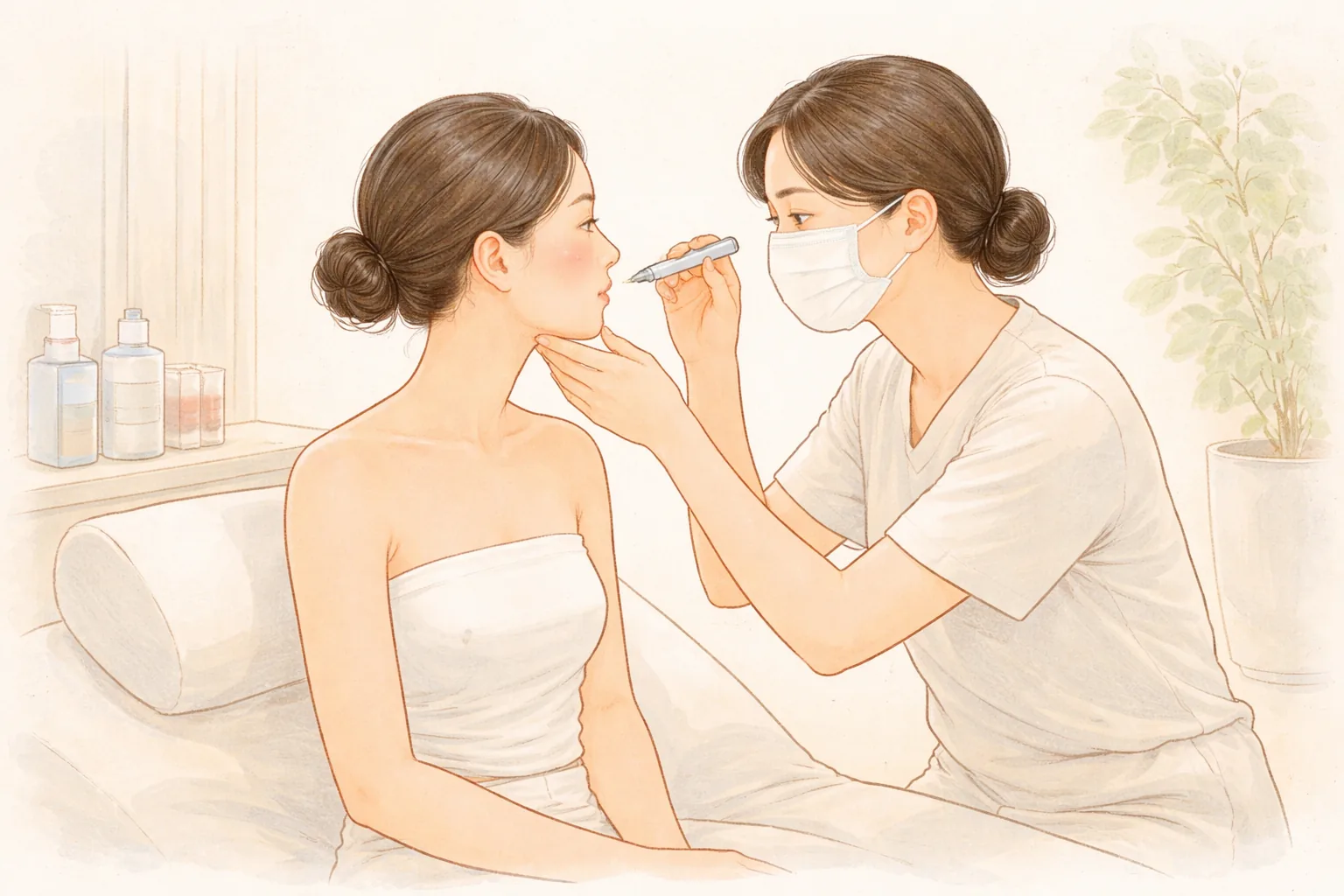
What Is Potenza Microneedling Pain Like — and How Is Anesthesia Handled?
How much does Potenza RF microneedling hurt, where the discomfort comes from, and how numbing cream and aftercare work, based on ATTITUDE Clinic's column and the American Academy of Dermatology. Understand Potenza microneedling before you book.
Written by ATTITUDE Clinic Editorial Team
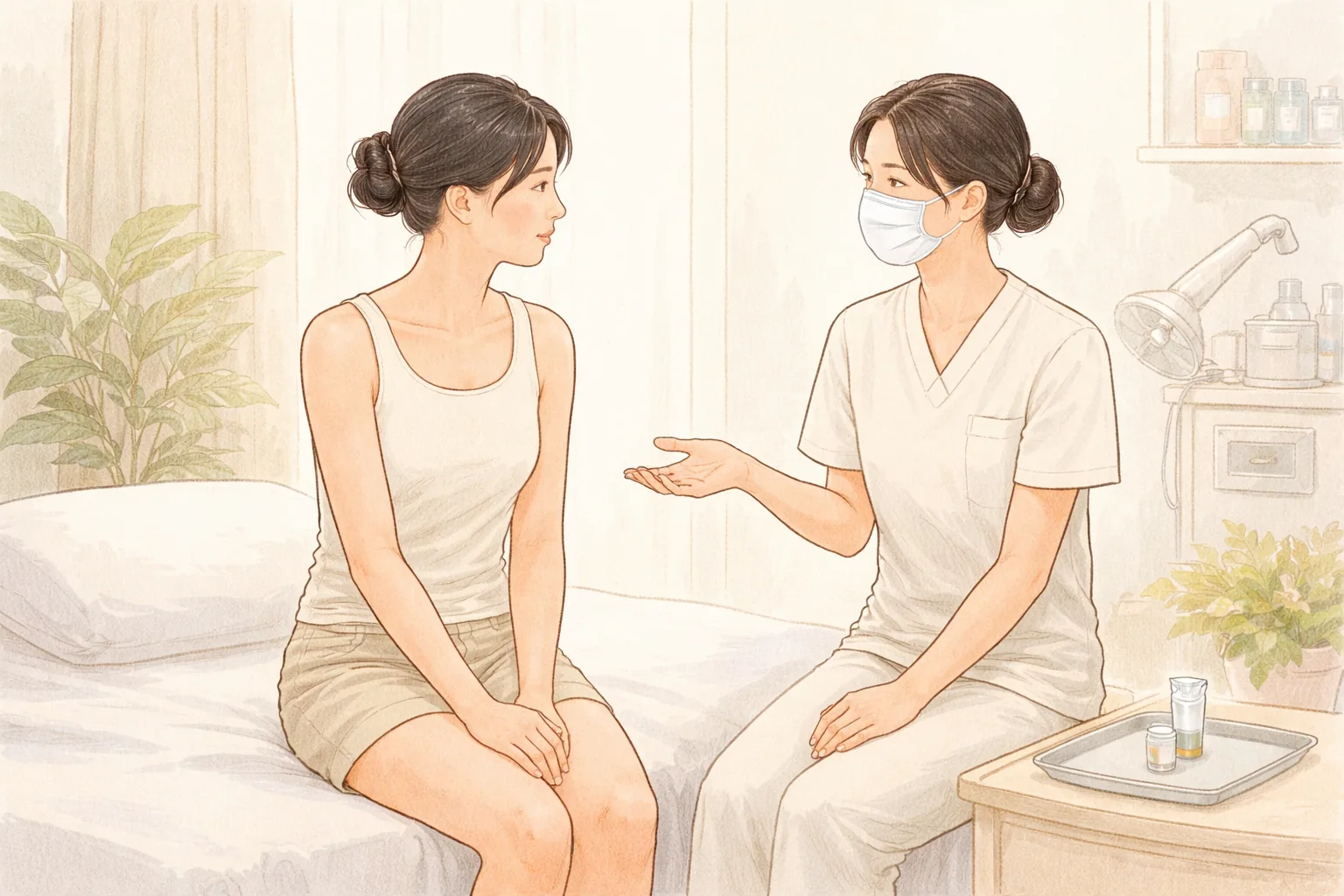
One question comes up again and again in the consultation room before a Potenza session: "Does it hurt a lot?" and "How do you numb the skin?" It is only natural to feel tense when you hear that fine needles enter the skin and heat comes out at the tip. This article covers where Potenza discomfort comes from, what determines how strong it feels, and how anesthesia and recovery proceed.
The short answer first
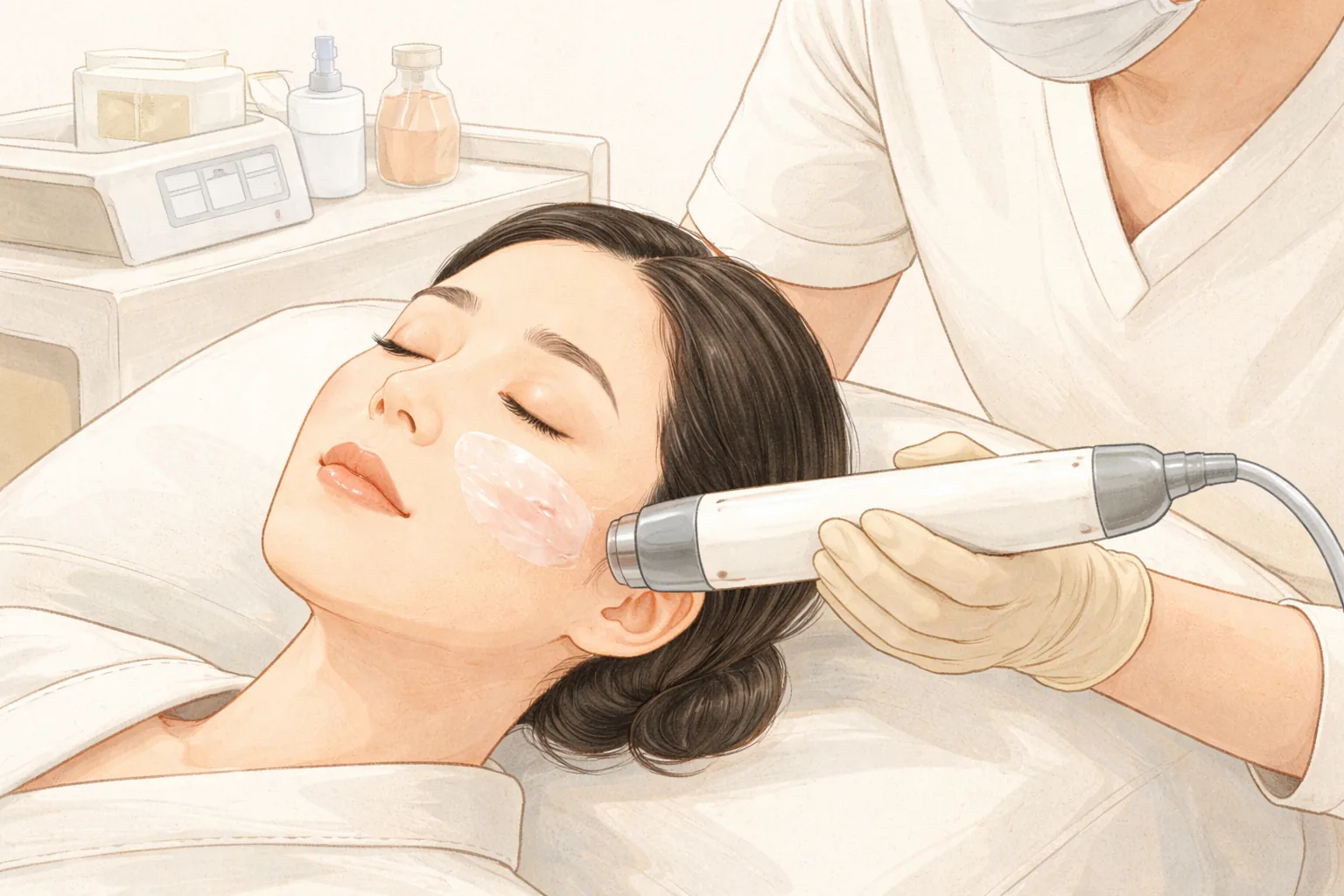
Potenza is an RF microneedling treatment in which fine needles reach the dermis and emit radiofrequency heat at the tip, so you may feel pricking and aching as the needles pass and as the heat is delivered. The degree of discomfort is determined by needle depth, energy level, treatment area and individual sensitivity together. Numbing cream before the session helps reduce discomfort, and the anesthesia method and strength are decided during consultation. If it becomes hard to bear during the session, you can tell the doctor right away and the intensity can be adjusted — enduring pain does not make the result better.
Why does Potenza hurt?
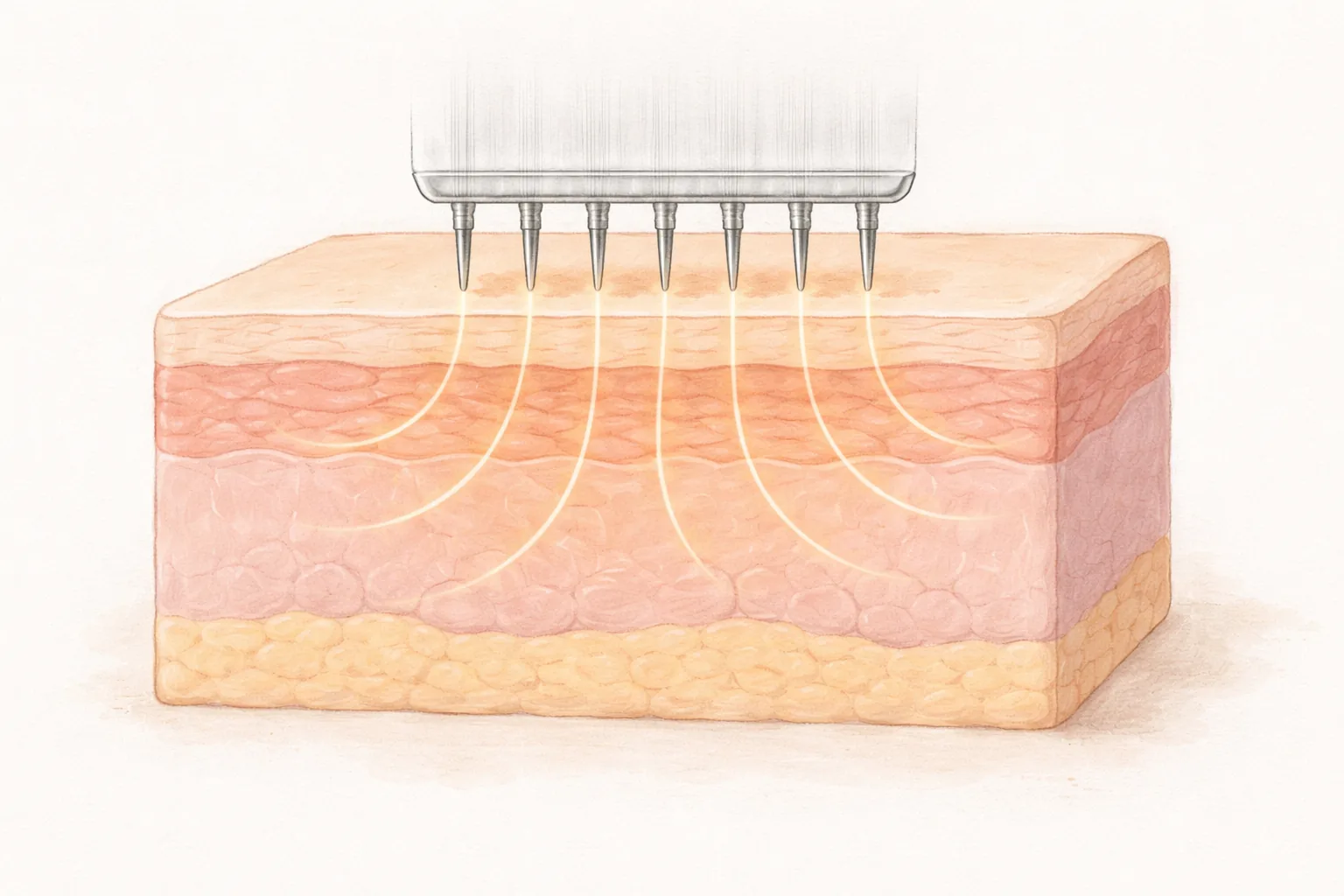
Potenza delivers radiofrequency directly into the dermis with microneedles to help improve pores and scars. As outlined in ATTITUDE Clinic's treatment guide, instead of broadly peeling the skin surface, fine needles enter the dermis and generate heat at that point. Here, microneedles are thin needles finer than a hair that pass through the skin surface and reach the dermis, and radiofrequency (RF) is an electrical current that creates heat in skin tissue to stimulate collagen regeneration. The dermis is the layer beneath the skin surface where collagen and elastic fibers sit.
According to the American Academy of Dermatology, RF microneedling is presented as microneedling with added heat. American Academy of Dermatology guide to microneedling So the discomfort appears in two moments: the prick as the needle passes through the skin, and the aching, warm sensation as heat spreads from the needle tip. The fact that this is not a treatment that burns the surface but one that delivers heat to the dermis is the starting point for understanding the nature of the pain.
There is one common misunderstanding here: the idea that "if it hurts, that means it is working harder, right?" Discomfort often reflects the treatment area, the settings and that day's skin response rather than the size of the effect. Even at the same depth and energy, thin areas and thick areas feel different, and on a sensitive day it can feel stronger.
What determines how much it hurts?
Potenza discomfort is not set by a single number. First is needle depth. Whether the needle touches the shallow dermis or goes deeper changes the range of needle stimulation and heat. Second is the level of RF energy. At the same depth, higher energy means more heat. Third is the treatment area — thin, sensitive areas like the forehead and nose do not feel the same as relatively thicker areas like the cheeks. Fourth is the treatment extent and duration; a wider, longer session builds up fatigue and discomfort. Fifth is individual sensitivity and the skin's condition that day.
ATTITUDE Clinic's column also explains that laser treatment pain varies greatly with the type and intensity of the laser, the treatment area and individual sensitivity. Laser column Even the same treatment can feel more prickly depending on the area, and if you are unusually sensitive to pain or had a hard time with a previous session, saying so in advance helps with adjusting the settings. That is why the process of deciding which area, at what depth, at what intensity during consultation governs the pain.
Potenza is a device whose tips are changed according to the goal. ATTITUDE Clinic offers the N tip and the pumping tip (with or without exosomes). ATTITUDE Clinic's treatment guide If the type of tip and the treatment extent change, the range of needle stimulation changes too, so which tip to use is decided based on the depth of your concern and your skin condition. Using more tips does not proportionally improve the result, so the combination is kept within what the skin can tolerate.
How is anesthesia handled?
Before a Potenza session, numbing cream is applied. Numbing cream is a method of applying an anesthetic cream to the skin and waiting a certain time to dull surface sensation. In ATTITUDE Clinic's column, it is explained that numbing cream before the session can reduce discomfort, and the anesthesia method according to the treatment area and intensity is decided together during consultation. Laser column The numbing time can vary with the treatment area, the anesthetic and that day's skin response, and can be confirmed during consultation.
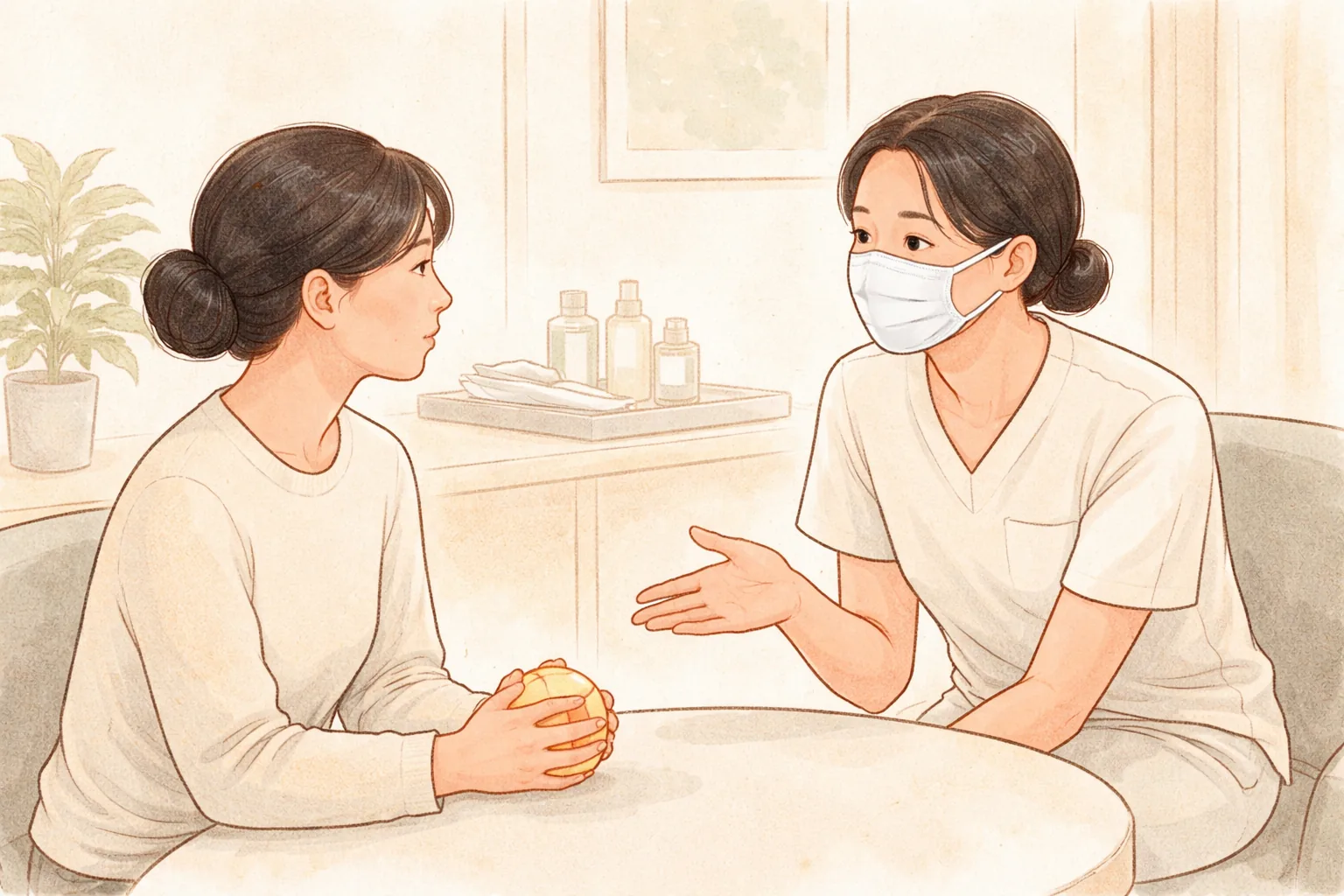
Even with sufficient numbing, an aching sensation may remain in deeper areas, because the depth the needle reaches and the intensity of the heat are not fully masked by anesthesia. So it is better to speak up right away if something feels hard to bear during the session. The doctor can watch your response and adjust the intensity. Laser column
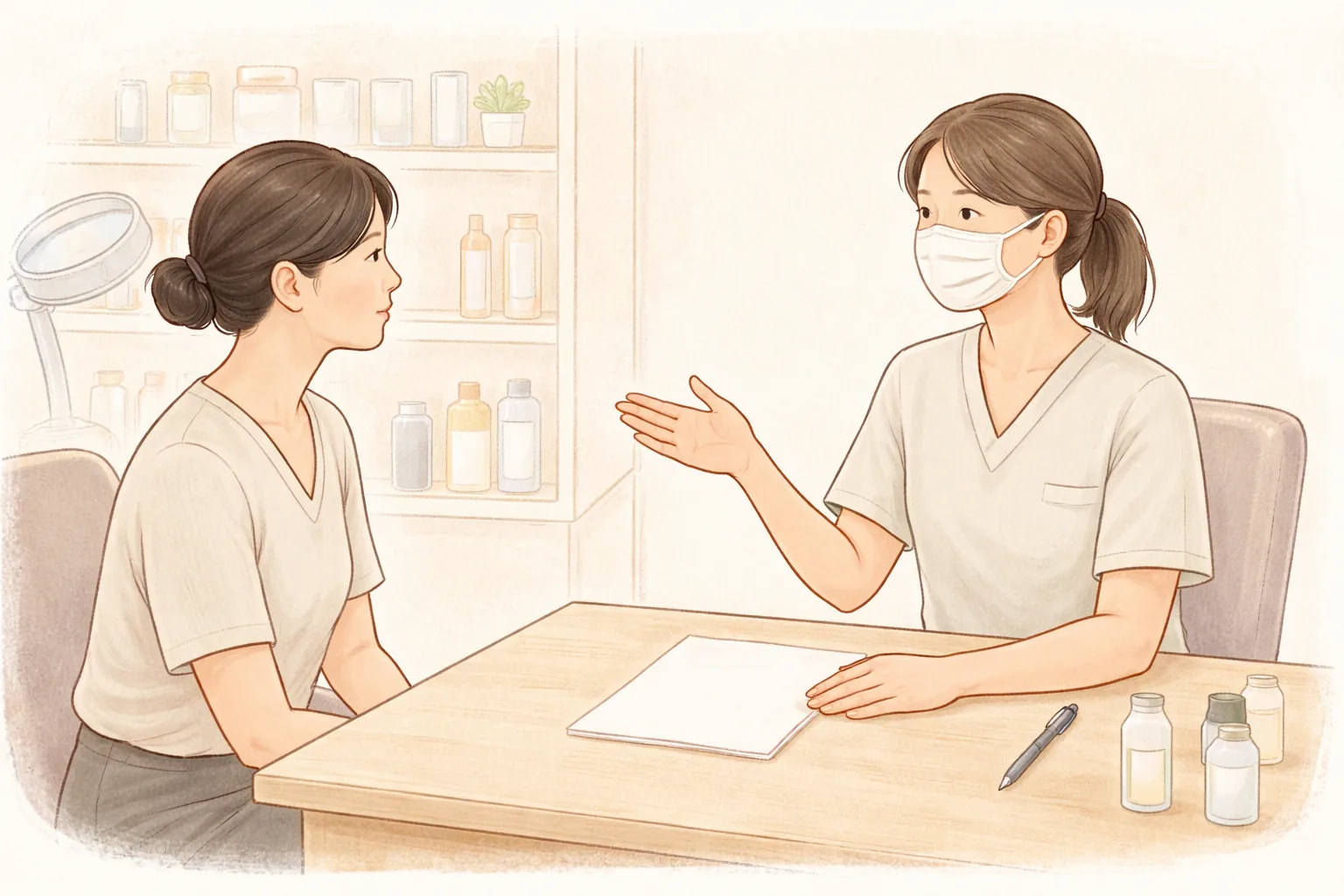
If you are sensitive to pain or had a difficult experience with a previous session, tell us first during consultation. Even with the same Potenza, discomfort can be reduced by allowing more numbing time, delivering the energy in divided passes, or slowing the treatment speed. Which approach suits you is decided by looking at your skin condition, the treatment area and that day's response.
What is the order of the treatment day?
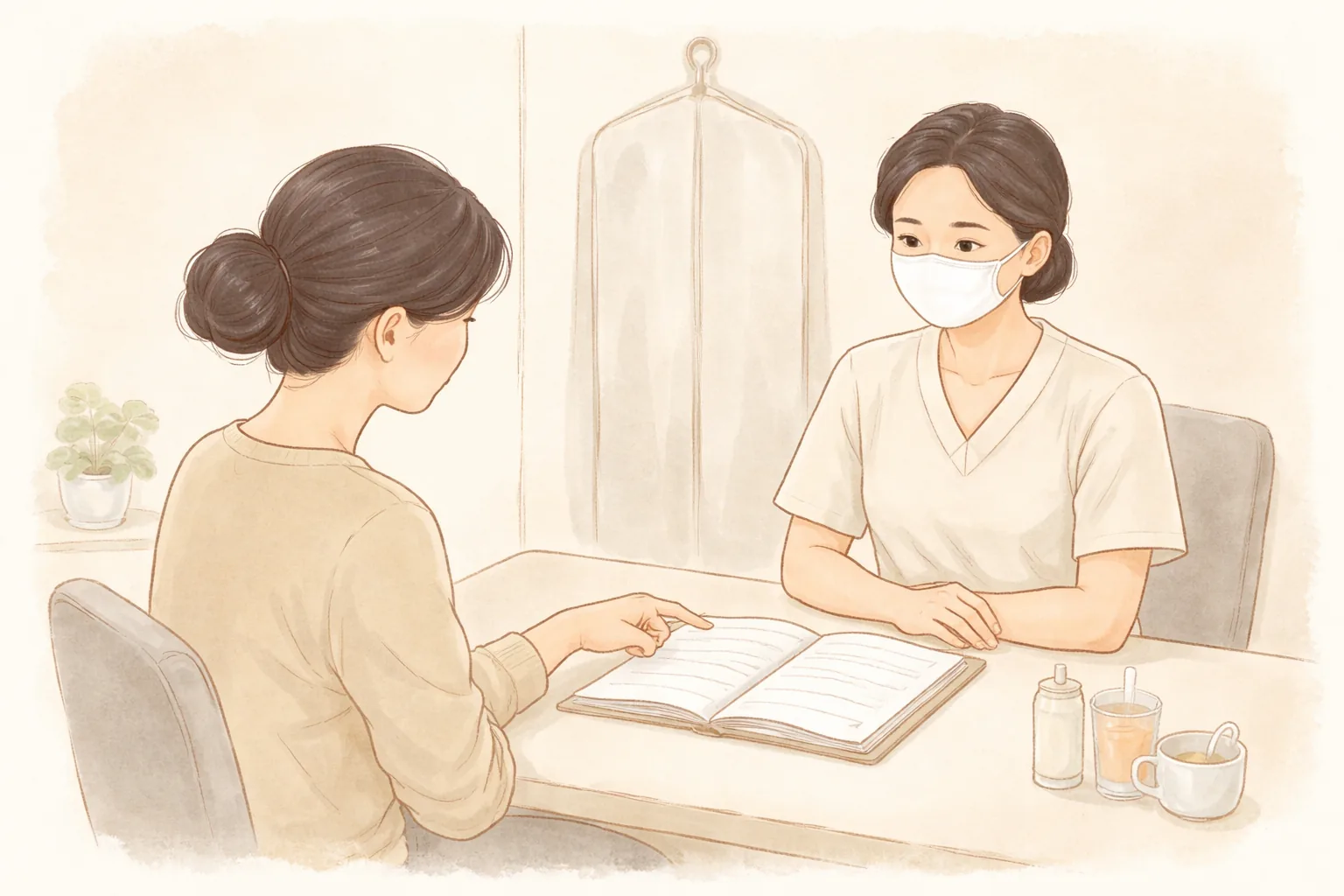
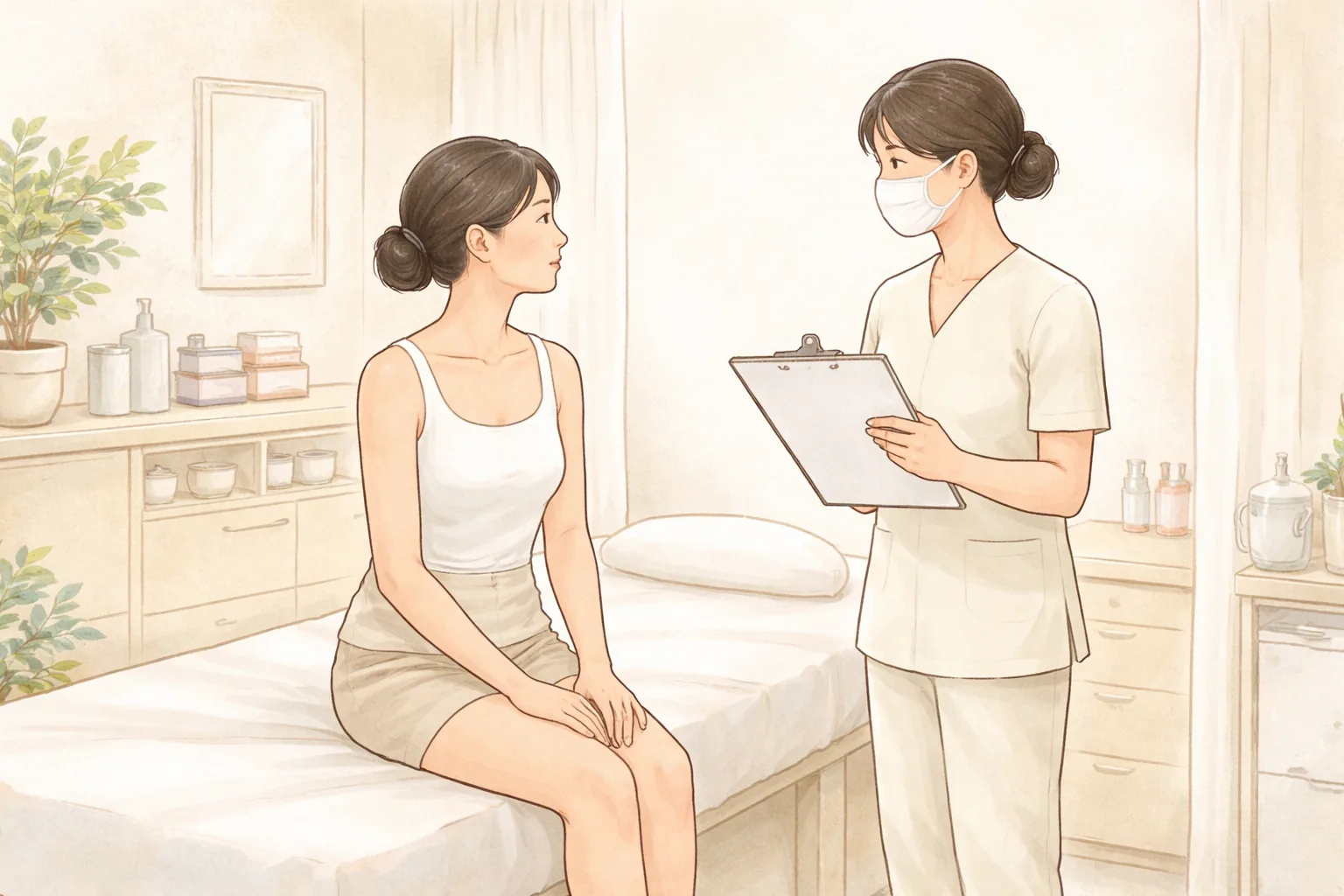
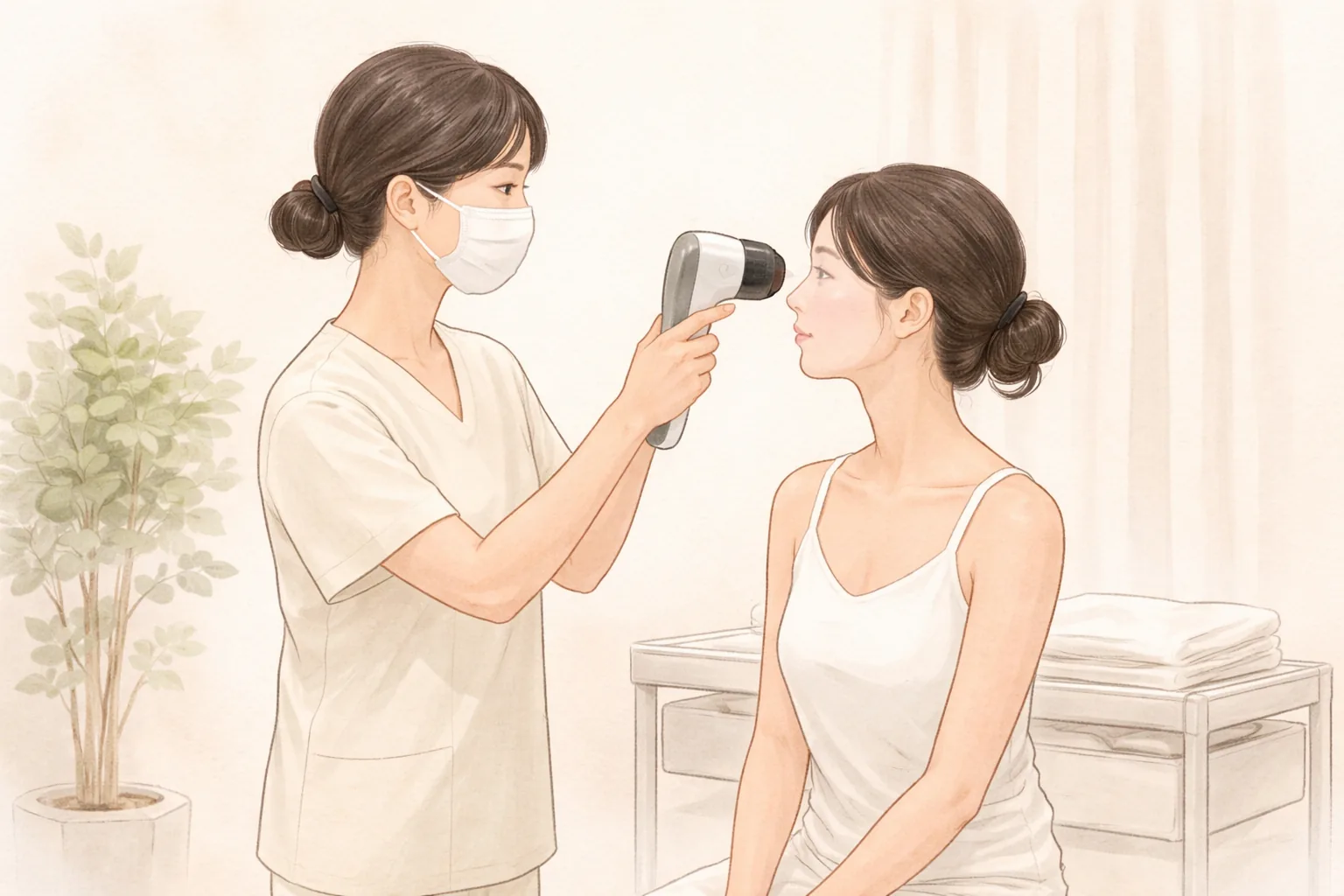
ATTITUDE Clinic starts with AI skin analysis records. The analysis tool is reference material that records and organizes skin condition so that you and the doctor look at the same information together; it does not make a medical diagnosis. Why do results differ even for the same treatment? To this record, we add your concerns, lifestyle habits, previous treatment experience, pain sensitivity and schedule, and in the doctor's consultation we decide the treatment type, intensity, anesthesia method and order.
After the consultation, you wash your face and receive numbing, and then the doctor performs the treatment personally. During the session, the energy and depth are adjusted based on your skin response, and treatment beyond what is needed is not recommended. Laser column Treatment time varies with the area and extent, so you can confirm the expected time during consultation. After the session, we finish with soothing care and check together how much redness and heat remain and whether your next commitments are affected. Knowing the flow of the day in advance reduces tension.
How do pain and redness behave during recovery?
After a Potenza session, redness, swelling, dot-like marks, dryness and thin crusting are common and usually settle within a few days to 1 week. Can enlarged pores really shrink back? Right after the treatment, a burning or prickling sensation may remain, and swelling can continue into the next day. Recovery speed varies with treatment intensity, area and the skin's regenerative capacity.
Temporary pigmentation or breakouts can occur, and rarely burns, infection or scarring can occur. Can enlarged pores really shrink back? If redness or heat lasts longer than expected or pain worsens, do not endure it — come in and have it checked. Laser column During recovery, be thorough with sun protection and moisturizing, and it is better to avoid exfoliation and saunas for the period you are advised.
Table 1 How do pain and redness behave during recovery?
Treatment extent, energy level, that day's skin response
Same category as reactions after a Potenza session
Erbium fractional
Skin surface, pore and scar texture
Surface-refinishing method, area and intensity
Redness, dryness, thin crusting for a few days
Skin booster (injection)
Skin foundation
Injection needle stimulation and injection volume
Bruising and swelling, rarely nodules, infection or allergy
Swipe sideways to see the whole table.
In short Potenza discomfort is the result of needle depth, energy level, treatment area and individual sensitivity combined. Even with the same device, the discomfort you feel varies with how the settings and anesthesia method are decided, so telling us your pain sensitivity and schedule during consultation is the starting point.
If this sounds like your situation
When a wedding, shoot or other event is close
After Potenza, redness and swelling tend to settle within a few days to 1 week, but if you have your first session right before an event, sensitized skin may show in photos. If you tell us the date in advance, we can adjust the intensity and timing. It is safer to count backward from the event and decide when to start.
If you are sensitive to pain or had a hard time with a previous session
If you are usually sensitive to pain or found a previous session hard to bear, tell us first during consultation. We adjust the anesthesia method and treatment speed together. During the session too, it is best to speak up right away if something feels hard to bear.
If you want steady pore and scar care
Rather than going strong all at once, periodic care that respects the skin's recovery interval is less of a burden. We look at the response each round and set the next settings. Even with the same Potenza, the depth and energy can differ between the first and later sessions.
If you are staying briefly during a trip or business trip
If your stay is short, you need to calculate the recovery period and your next commitments together. For a few days after treatment, it is better to avoid activities that raise your body heat and irritating cosmetics. It also helps to sort out during consultation how you will check your progress after returning home.
Please tell us before consultation Let us know your recent skin reactions and previous treatment history, pain sensitivity, medications you are taking, skincare ingredients you are using, and important dates such as weddings, shoots or travel. Telling us your schedule, pain sensitivity and skin history in advance helps with adjusting the settings.
How ATTITUDE Clinic proceeds
AI skin analysis records — Skin condition is recorded and organized so that you and the doctor look at the same information together. The analysis tool does not make a medical diagnosis; the judgment is the doctor's. Why do results differ even for the same treatment?
Doctor consultation — To the analysis record we add your concerns, lifestyle habits, previous treatment experience, pain sensitivity and schedule, and together decide the treatment type, intensity, anesthesia method and order. Laser column
Treatment performed by the doctor — The doctor performs the treatment personally as planned and adjusts the intensity while watching your skin response. Numbing cream and similar measures reduce discomfort as needed, and treatment beyond what is needed is not recommended. Laser column
Recovery and care — After the session we guide you on soothing, moisturizing and sun protection, and check your progress. If redness or heat lasts longer than expected or pain worsens, do not endure it — come in and have it checked. Laser column
The device used for this topic is Potenza POTENZA · Jeisys with the N tip and pumping tip (with or without exosomes). ATTITUDE Clinic's treatment guide ATTITUDE Clinic follows the principle of genuine products, genuine dosage and genuine pricing.
Aftercare and side effects
Soothing — Redness and heat are common right after the session. Start with the soothing care you are advised on.
Moisturizing — Dryness and thin crusting can appear, so moisturize sufficiently.
Sun protection — During recovery, be thorough with sun protection, and avoid exfoliation and saunas for the period you are advised. Laser column
Checking progress — If redness or heat lasts longer than expected or pain worsens, do not endure it — come in and have it checked. Laser column
After a Potenza session, redness, swelling, dot-like marks, dryness and thin crusting are common and usually settle within a few days to 1 week. Temporary pigmentation or breakouts can occur, and rarely burns, infection or scarring can occur. Can enlarged pores really shrink back? If you also have injections such as a skin booster, bruising and swelling can occur, and rarely nodules, infection or allergic reactions can occur. Can enlarged pores really shrink back? If there is an unexpected change such as pain that does not improve and gradually worsens, it needs to be checked right away. Why do results differ even for the same treatment?
Frequently asked questions
Does Potenza microneedling hurt a lot?
You may feel pricking and aching as the needles enter and as the RF heat is delivered. The degree of discomfort varies with needle depth, energy level, treatment area and individual sensitivity. Even for the same treatment, thin areas like the forehead and nose can feel different from thicker areas like the cheeks. Numbing cream reduces discomfort, and if it becomes hard to bear during the session you can tell us right away so the intensity can be adjusted. Pain does not mean effectiveness, so it is better to adjust based on your response than to endure it.
How is anesthesia handled? Is numbing cream enough?
Numbing cream is a method of applying a cream and waiting a certain time to dull the skin's surface sensation. ATTITUDE Clinic reduces discomfort with numbing cream and similar measures before the session, and decides the anesthesia method together during consultation according to the treatment area and intensity. Even with numbing, an aching sensation may remain in deeper areas. If you are sensitive to pain or had a difficult experience with a previous session, tell us in advance. If something feels hard to bear during the session, telling us right away allows the intensity to be adjusted.
Can the treatment be stopped if the pain is severe?
If something feels hard to bear during the session, telling us right away allows the intensity to be adjusted. Because the doctor adjusts the energy and depth while watching your skin response, the initial settings are not forced through unchanged. Enduring severe pain does not make the effect better. That said, some discomfort can accompany the treatment depending on the area and depth. Whether to stop and the next plan are decided together based on that day's skin response.
When do redness and pain settle after the treatment?
After a Potenza session, redness, swelling, dot-like marks, dryness and thin crusting are common and usually settle within a few days to 1 week. Recovery speed varies with treatment intensity, area and the skin's regenerative capacity. If redness or heat lasts longer than expected or pain worsens, do not endure it — come in and have it checked. Temporary pigmentation or breakouts can occur, and rarely burns, infection or scarring can occur.
How do I choose a good place for Potenza?
Rather than the device name or a list of equipment, we suggest checking a few things. First, whether they confirm before treatment whether your concern is pores, scars or redness. Second, whether they explain pain, recovery schedule and aftercare precautions sufficiently during consultation. Third, whether they avoid recommending treatment beyond what is needed. Fourth, whether it is a place where you can have discomfort checked after the session. ATTITUDE Clinic keeps to a flow of deciding together what is needed and what is not, based on analysis records and examination.
At a glance
Table 2 At a glance
Item
Key point
Where the pain comes from
As the needles enter the dermis and as RF heat spreads from the needle tip
What determines the pain
Needle depth, energy level, treatment area, individual sensitivity
Anesthesia
Numbing cream before the session reduces discomfort; the method is decided during consultation according to area and intensity
Recovery
Redness, swelling, dot-like marks, dryness and thin crusting are common; usually a few days to 1 week
When to check
Come in if redness or heat lasts longer than expected or pain worsens
ATTITUDE Clinic's approach
AI skin analysis records → doctor consultation → treatment performed by the doctor → recovery and care
This article offers general health information. It is not a substitute for diagnosis or treatment based on your own condition, so please talk through your situation with a doctor.