Redness and Sensitive Skin: What to Bring to a Laser Consultation
A consultation prep guide for readers with redness and sensitive skin who are about to discuss laser treatment, covering when symptoms started, what makes them worse, products used, medications and medical history, past treatment reactions, and expected outcomes.
Written by ATTITUDE Clinic Editorial Team
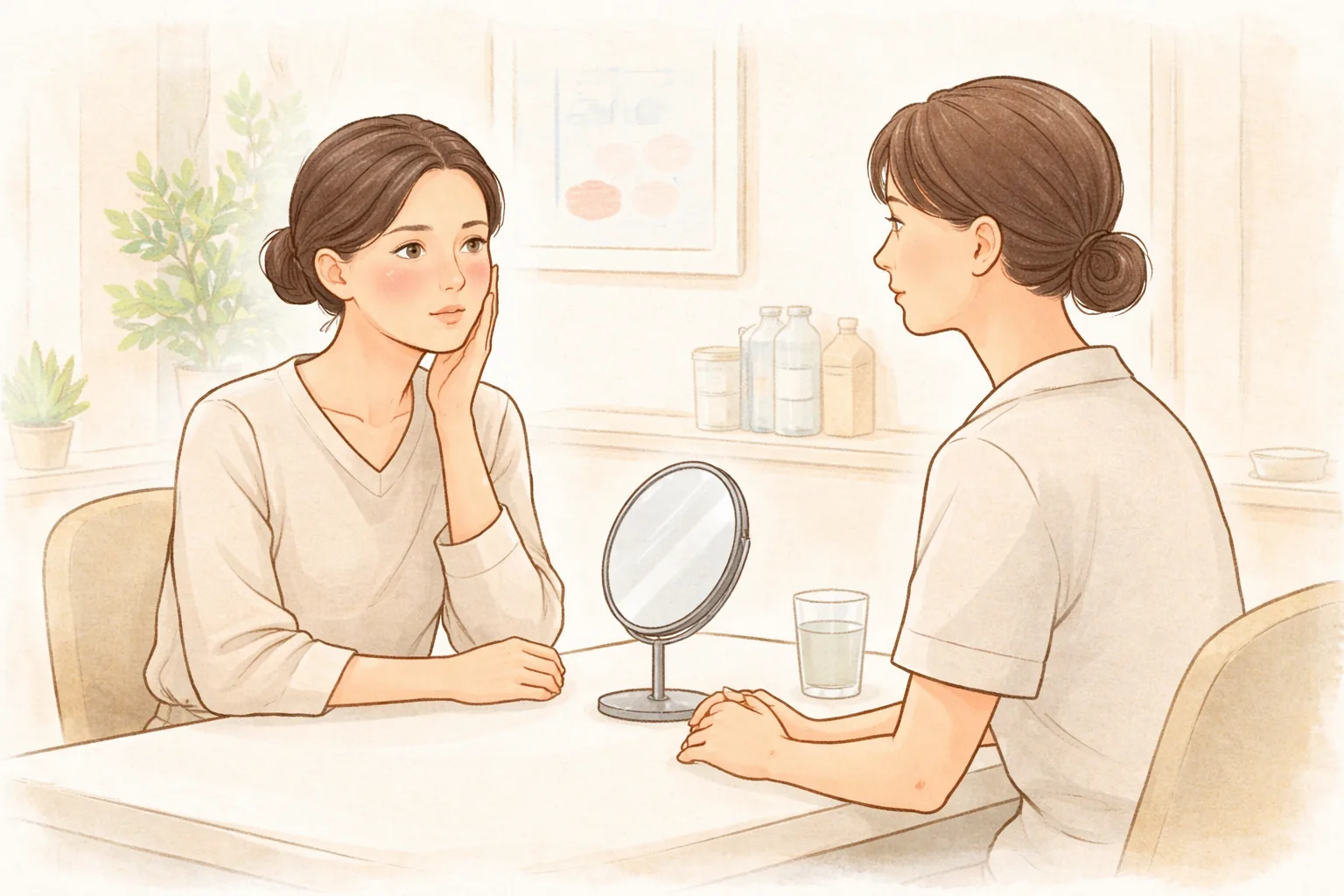
When your skin flushes often and skincare products sting, your first worry is whether laser treatment is even safe for you. Once you are sitting in the consultation room, it can be hard to recall when it all started or which product caused the discomfort, so your explanation ends up short. This article walks through what to write down before a laser consultation for redness and sensitive skin, and how that record is used during your visit.
The short answer
There are 5 key things to bring to your consultation. When symptoms started and what makes them worse, the cleanser, moisturizer, and sunscreen you are using and how your skin reacted to them, medications you take and your medical history, any redness, bruising, or pigment changes after past treatments, and the changes you want along with dates like weddings, photo shoots, or trips. This list is not for diagnosing a condition — it is material to explain how your skin currently responds to different triggers. The cause of redness and treatment choices including laser are determined at the consultation after your skin is examined.
Why does a record matter before a consultation for redness and sensitive skin?
According to American Academy of Dermatology (AAD) guidance, rosacea treatment may include medication, skin care, and trigger management, and is not made up of laser alone. (AAD: Lasers and lights for rosacea treatment) That is why it helps to share your medications, other conditions and cold sore history, photosensitivity, easy bruising tendency, and expected outcomes during a laser consultation as well. The same guidance addresses rosacea treatment, so the same explanation does not apply to every kind of redness.
With a record, you can say specific things during the consultation like, "This product stings, my face flushes in hot places, and after my last treatment the bruising lasted a long time." If all you have is "my skin is just sensitive," there is less information available to adjust settings for your skin. Rather than deciding on your own that redness means rosacea, the right order is to bring your observations and confirm the cause.
How do lasers work on the skin?
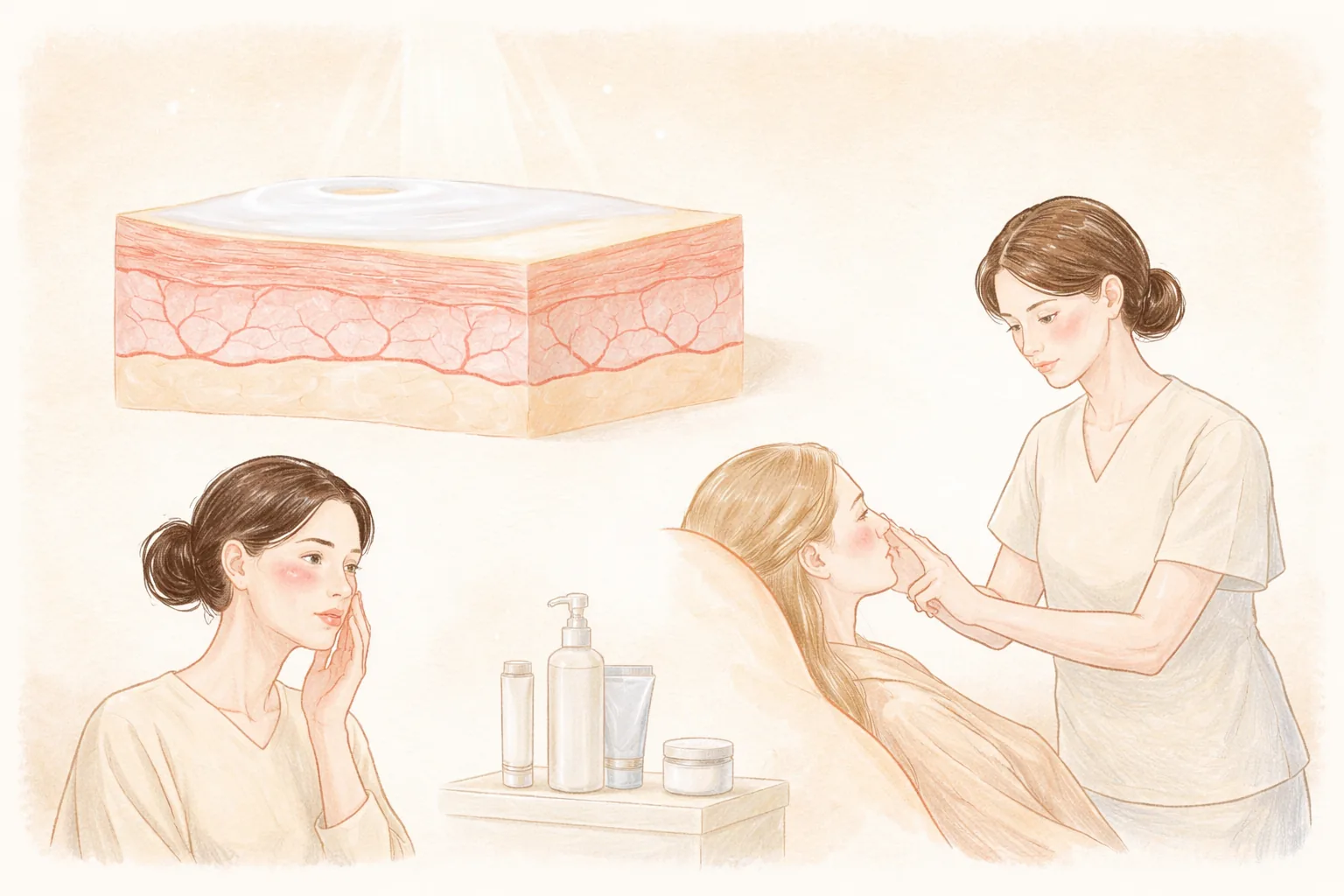
A laser is light energy concentrated into a single wavelength. When this light reaches the skin, it is absorbed by specific targets that respond to that wavelength and converted into heat or impact. In the ATTITUDE Clinic column, this principle is described as selective photothermolysis — a principle of concentrating energy on the target while leaving surrounding normal skin less affected. (Does frequent laser treatment really thin the skin?)
Different devices are used depending on the target. For melanin pigment, a wavelength that targets pigment is used; for oxygen-carrying hemoglobin (the pigment protein in red blood vessels), a wavelength that targets vessels is used. Picosecond lasers emit light in extremely short pulses around 1 trillionth of a second to break pigment particles into smaller pieces, while fractional lasers create very fine column-shaped micro-injuries in the skin to induce renewal. Even with the same laser, the experience differs depending on wavelength, energy, and treatment intervals.
What is causing my redness?
Even a single symptom like redness can have multiple causes. The ATTITUDE Clinic column notes that if it is superficial vessel dilation (when tiny capillaries show near the skin's surface), it may be reduced with a vascular laser, but redness caused by high skin reactivity such as rosacea or sensitive skin may have limited laser effect. (Can lasers really treat everything — spots, redness, scars?) So the statement "one laser session will solve redness" skips over the cause.
Many people also confuse pigment concerns with vascular concerns. Picosecond lasers have little effect on vascular concerns, and vascular laser types are used for redness. Conversely, spots and melasma require different output and intervals depending on pigment depth and type. This is why the consultation first sorts out whether your concern comes from pigment, vessels, or skin surface structure.
Which laser fits my concern?
Table 1 Which laser fits my concern?
Laser
Target
Concerns usually considered
Common sessions and intervals (example)
PicoPlus
Pigment (melanin)
Spots, melasma, pigmentation
Spots 1–3 sessions at 4–8 weeks; melasma toning 8–12 or more sessions at minimum 1-week intervals
Vbeam
Vessels (hemoglobin)
Redness, facial flushing and other shallow vessels
3–5 sessions at 4–6 weeks
Erbium YAG laser
Skin surface
Skin texture, surface around keratin and pores, shallow scar texture
3–5 sessions at 4–6 weeks
Swipe sideways to see the whole table.
The sessions and intervals above are common examples and vary with pigment depth, skin type, and sun exposure habits. The ATTITUDE Clinic column also states that the number of sessions and intervals are decided by the doctor after checking skin condition at the first consultation. (Can lasers really treat everything — spots, redness, scars?)
In short on the same face, spots come from pigment, redness from vessels, and rough texture from the surface. More than which laser is best, confirming first where your concern comes from determines the outcome.
If this sounds like your situation
If you have an event like a wedding or photo shoot coming up
A first-time treatment right before a wedding can overlap with redness or sensitized skin on the day itself. The more buffer you leave based on the date, the more options you have to adjust intensity and type. It helps to tell the clinic your wedding and photo shoot dates during the consultation.
If you want ongoing maintenance
Rather than going strong all at once, keeping the intervals your skin needs to recover and treating periodically is less burdensome. A plan that sets goals and schedules only the necessary treatments at the right times helps. Rather than repeating the same laser often, adjust intervals while watching your progress.
If your skin is sensitive or flushes easily
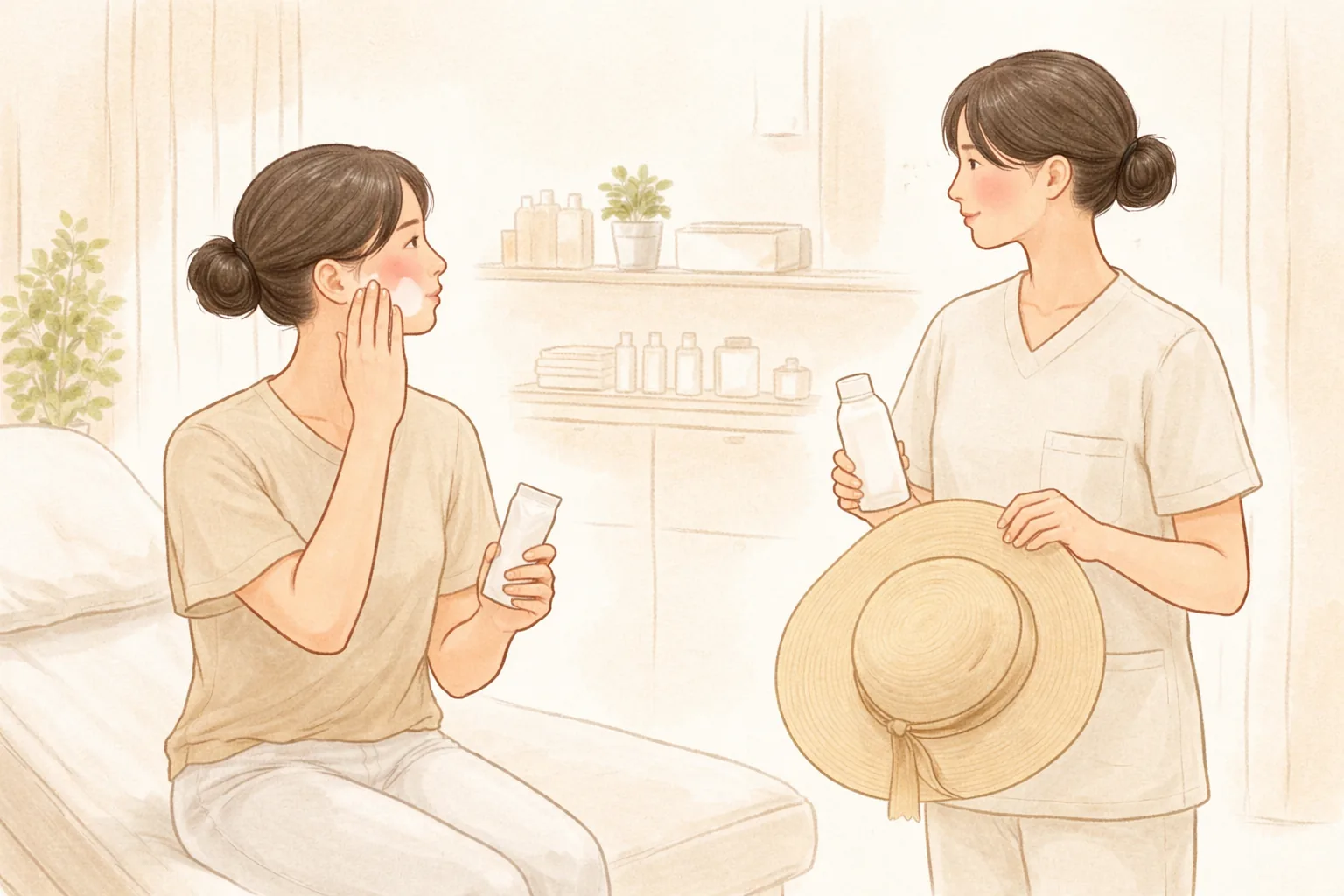
If skincare products sting or your skin has become unusually sensitive, let the clinic know before treatment. This information is needed to set intensity and recovery intervals suited to your skin. It is best to avoid strong exfoliation and saunas during the period you are advised.
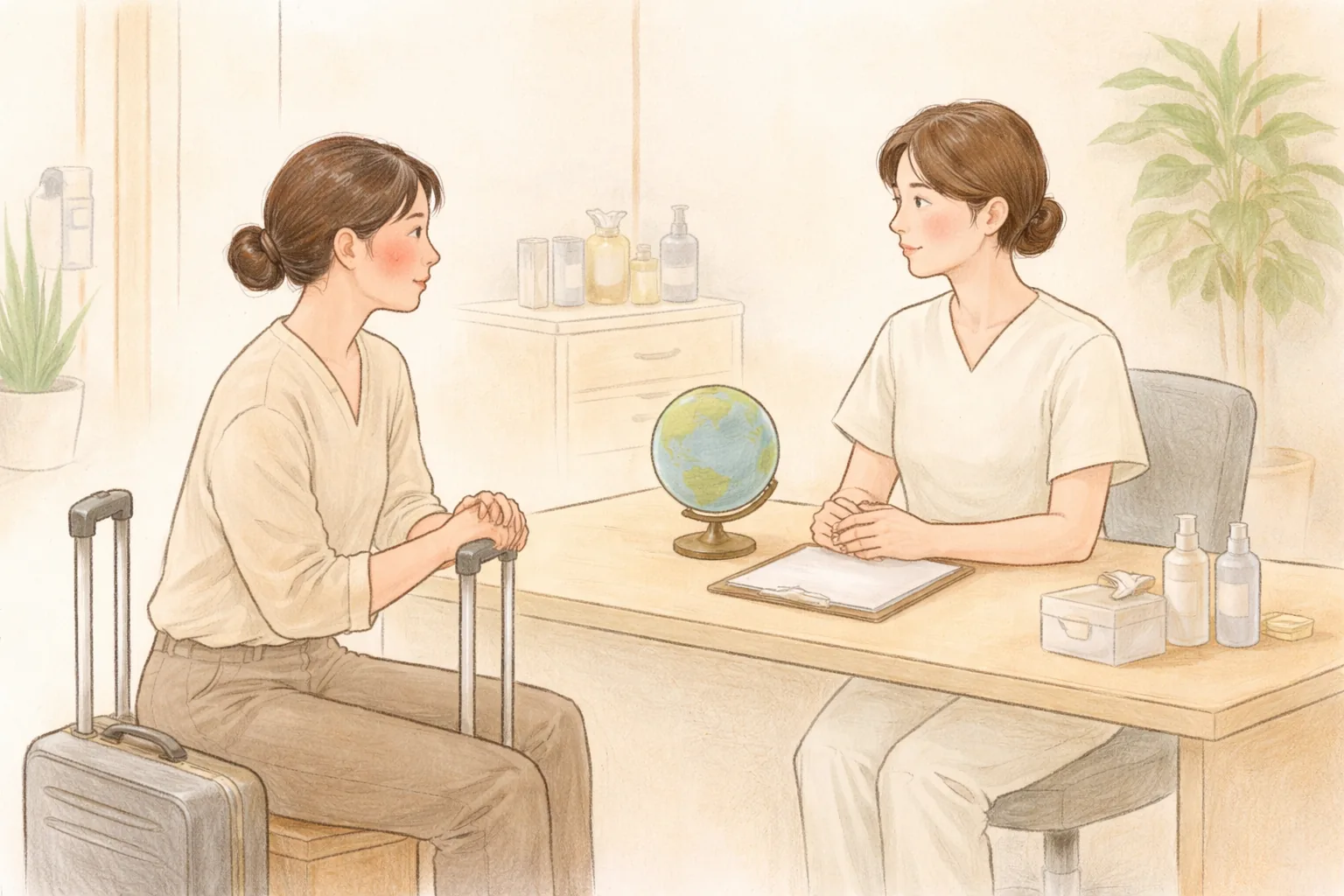
If you are an international visitor on a short stay
If your stay is fixed, redness or dryness right after treatment can affect your plans. Telling the clinic your return date and next commitments in advance lets them discuss intensity and type accordingly. If your schedule makes it hard to keep up with sun protection and moisturizing during recovery, the plan is set more conservatively.
Please tell us before your consultation
Let us know if you have had a lot of recent sun exposure, medications you take and skincare products you use (especially active ingredients like exfoliants or retinoids), any experience of sensitive skin after previous treatments, and important dates like weddings, photo shoots, or trips. AAD guidance also advises sharing medications, other conditions and cold sore history, photosensitivity and easy bruising tendency, and expected outcomes during a laser consultation. (AAD: Lasers and lights for rosacea treatment)
How ATTITUDE Clinic proceeds
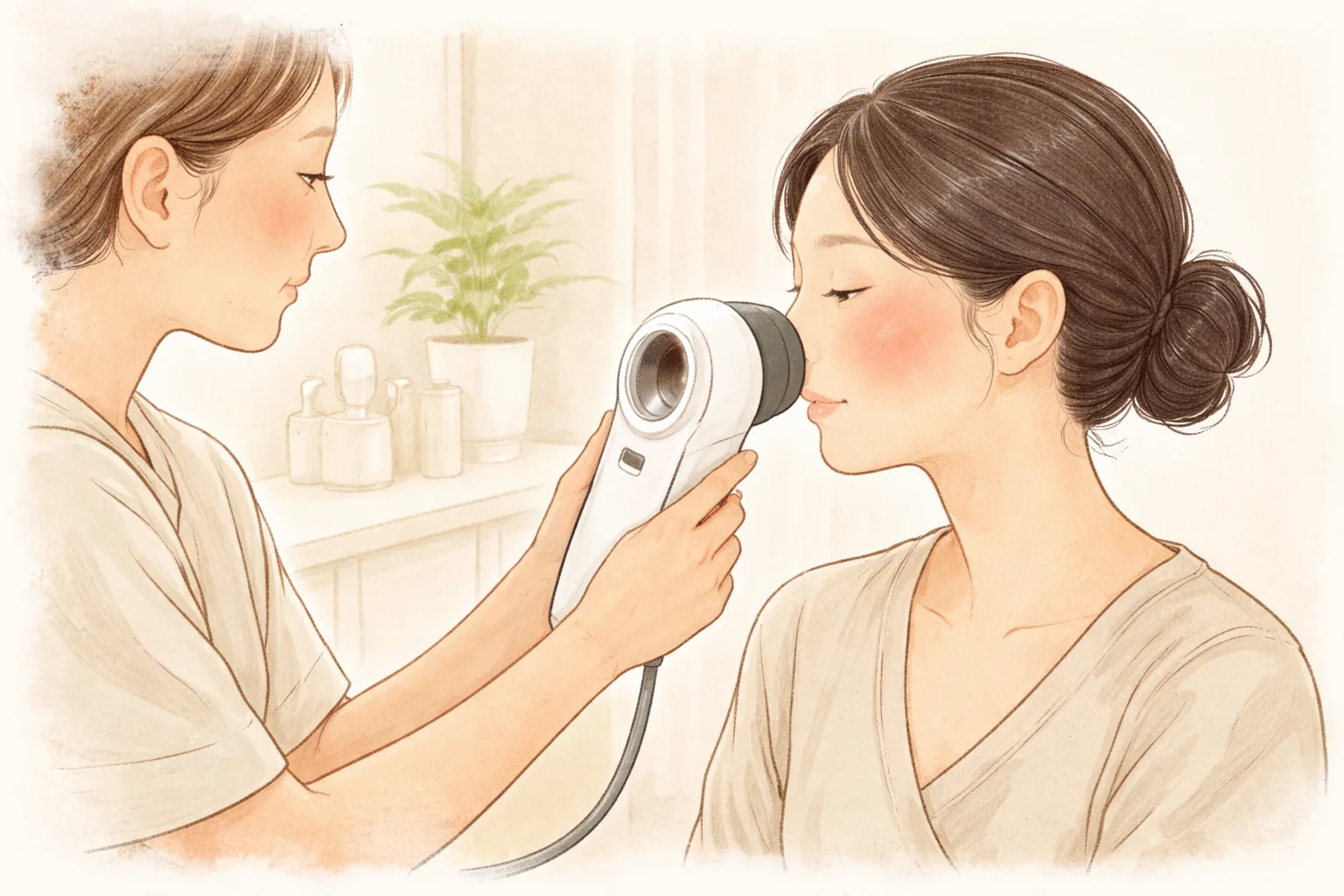
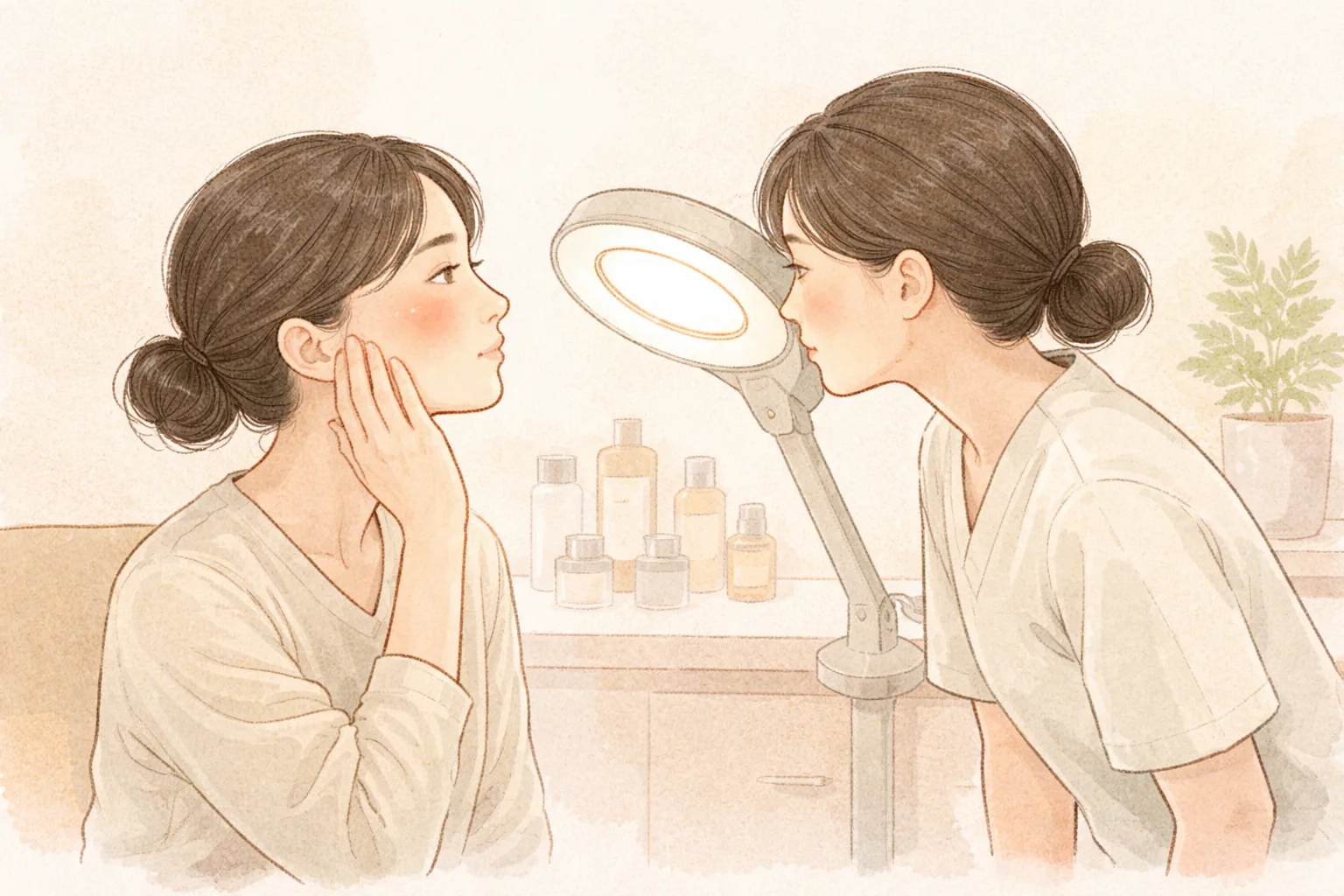
AI skin analysis record — Current skin condition such as pigment, redness, texture, and pores is recorded and organized with an analysis tool. This record supports the consultation and is not a medical diagnosis. (Does frequent laser treatment really thin the skin?)
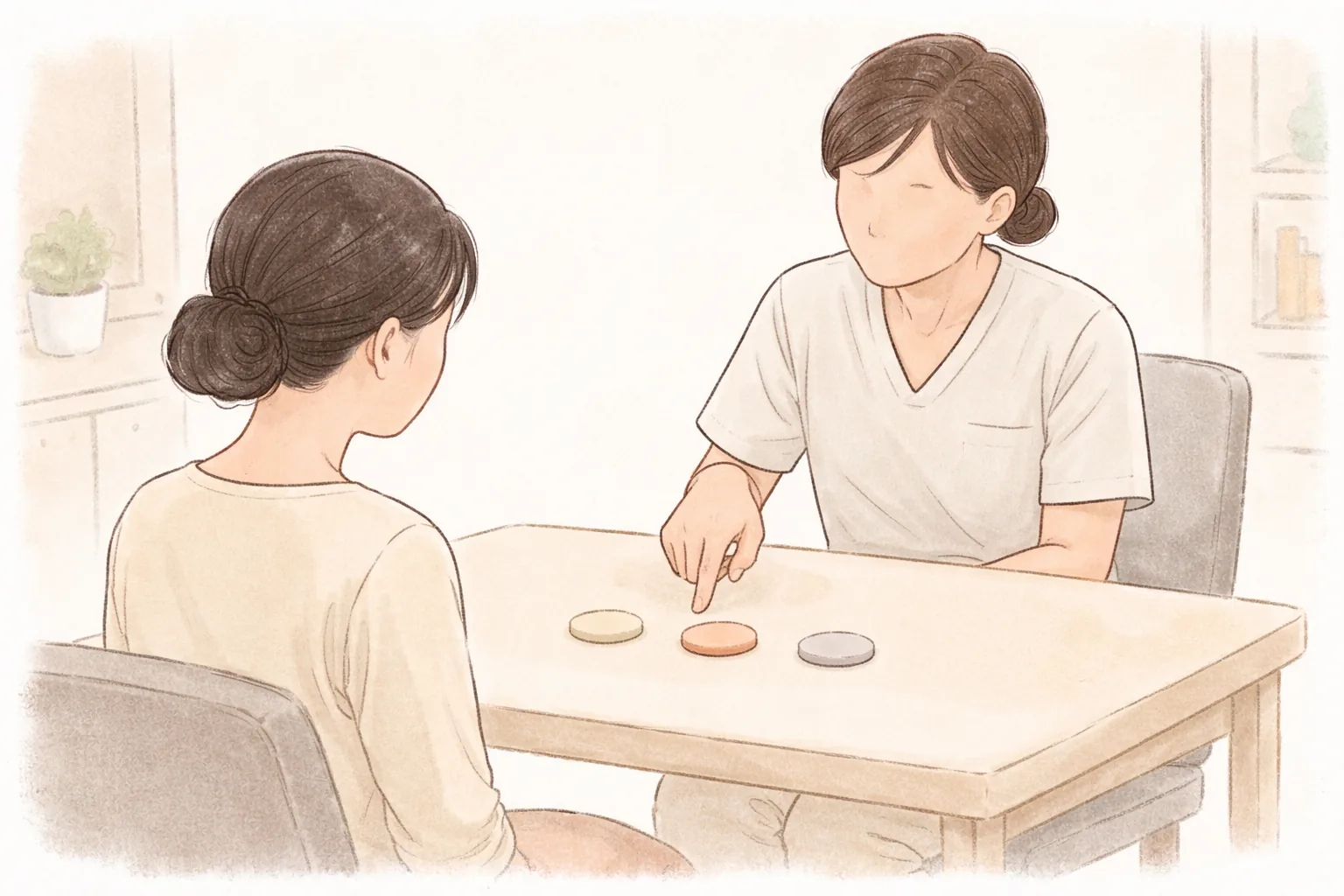
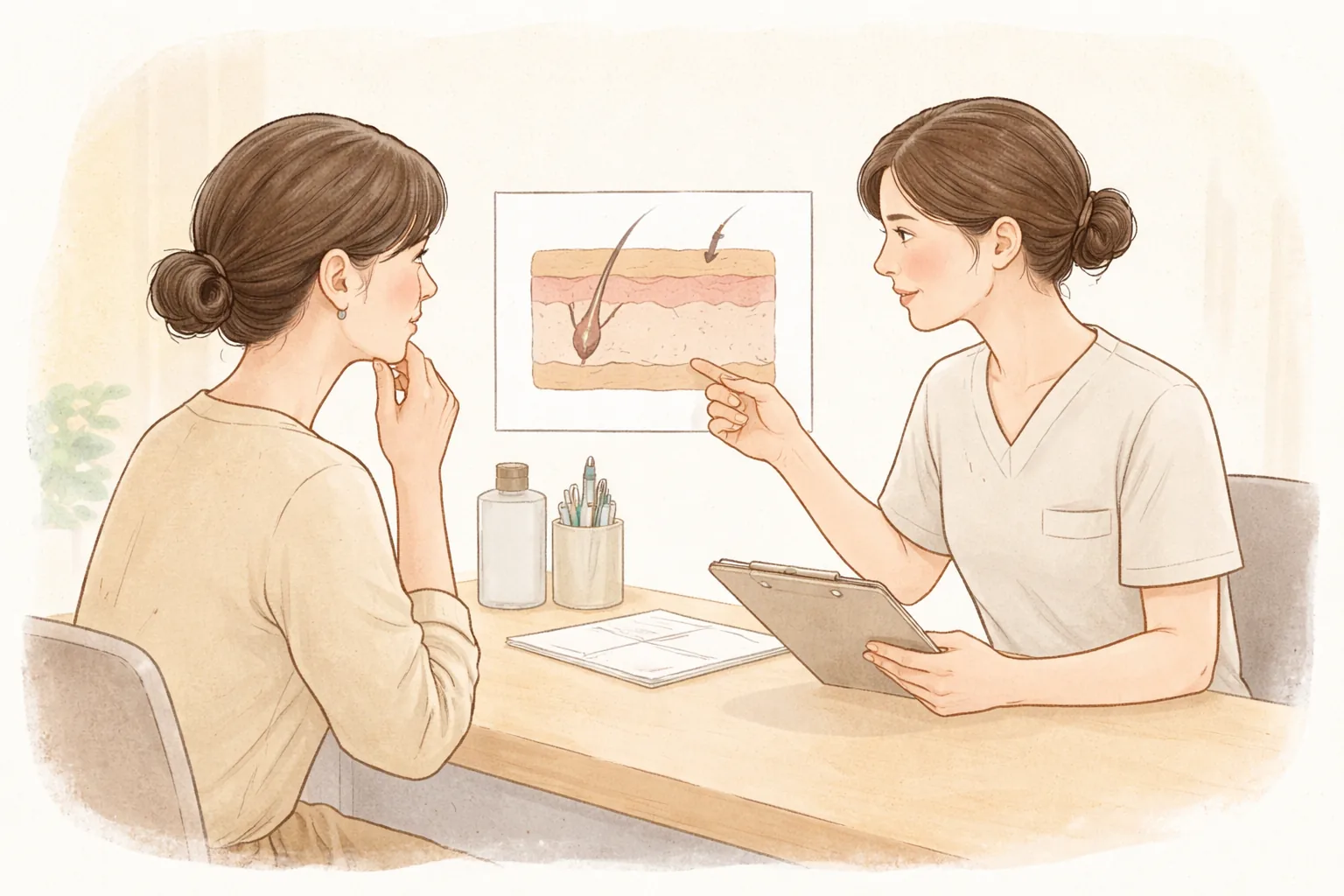
Treatment direction set in doctor consultation — Your schedule, pain sensitivity, and skin history are added to the analysis record to decide treatment type, intensity, and timing together. The choice differs depending on whether redness comes from vessels, pigment, or the surface.
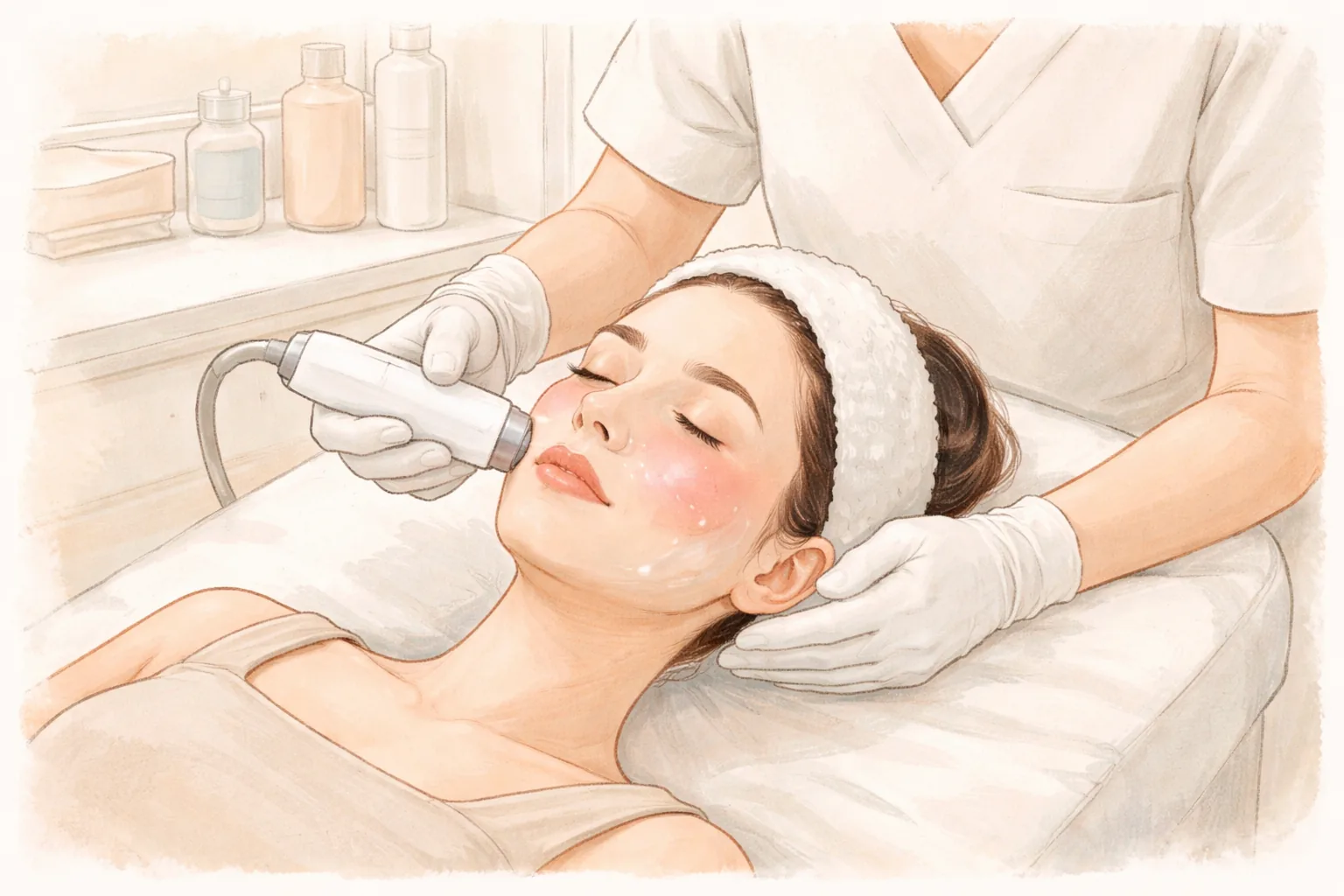
Treatment performed by the doctor — Topical anesthesia may be used to reduce discomfort, and the doctor performs the treatment directly. Only what is needed is done at an intensity suited to your skin, and unnecessary treatment is not recommended.
Recovery and aftercare check — Sun protection and moisturizing are advised after treatment, and progress is checked. ATTITUDE Clinic applies the principles of genuine products, accurate dosing, and fair pricing to laser treatments as well.
The devices used for this topic are divided by target. For pigment, PicoPlus is considered; for shallow vessels and redness, Vbeam; for skin surface and texture, erbium YAG laser. The choice is not made by device name alone but is combined to match your skin condition and concerns.
Aftercare and side effects
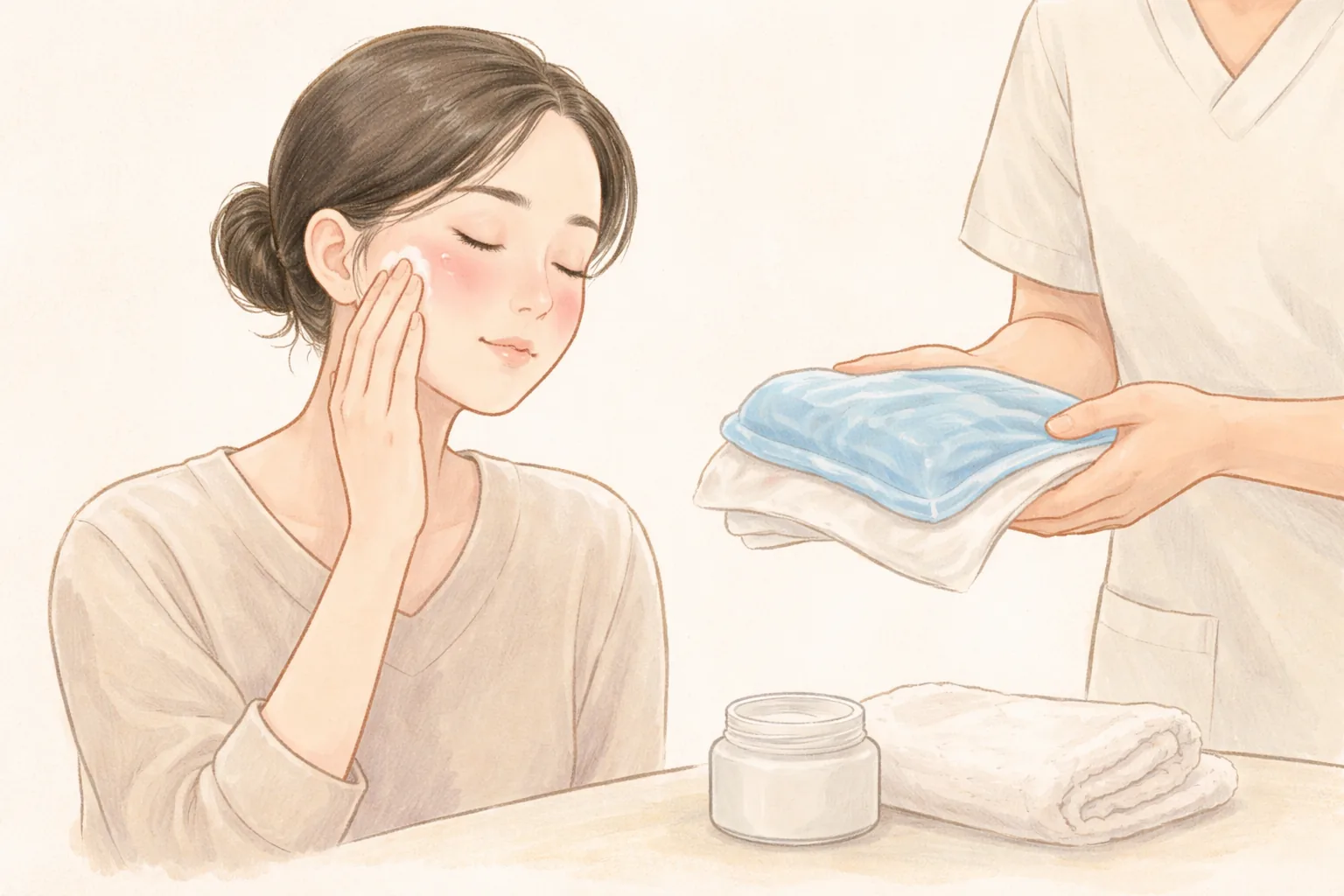
After treatment, care follows this order.
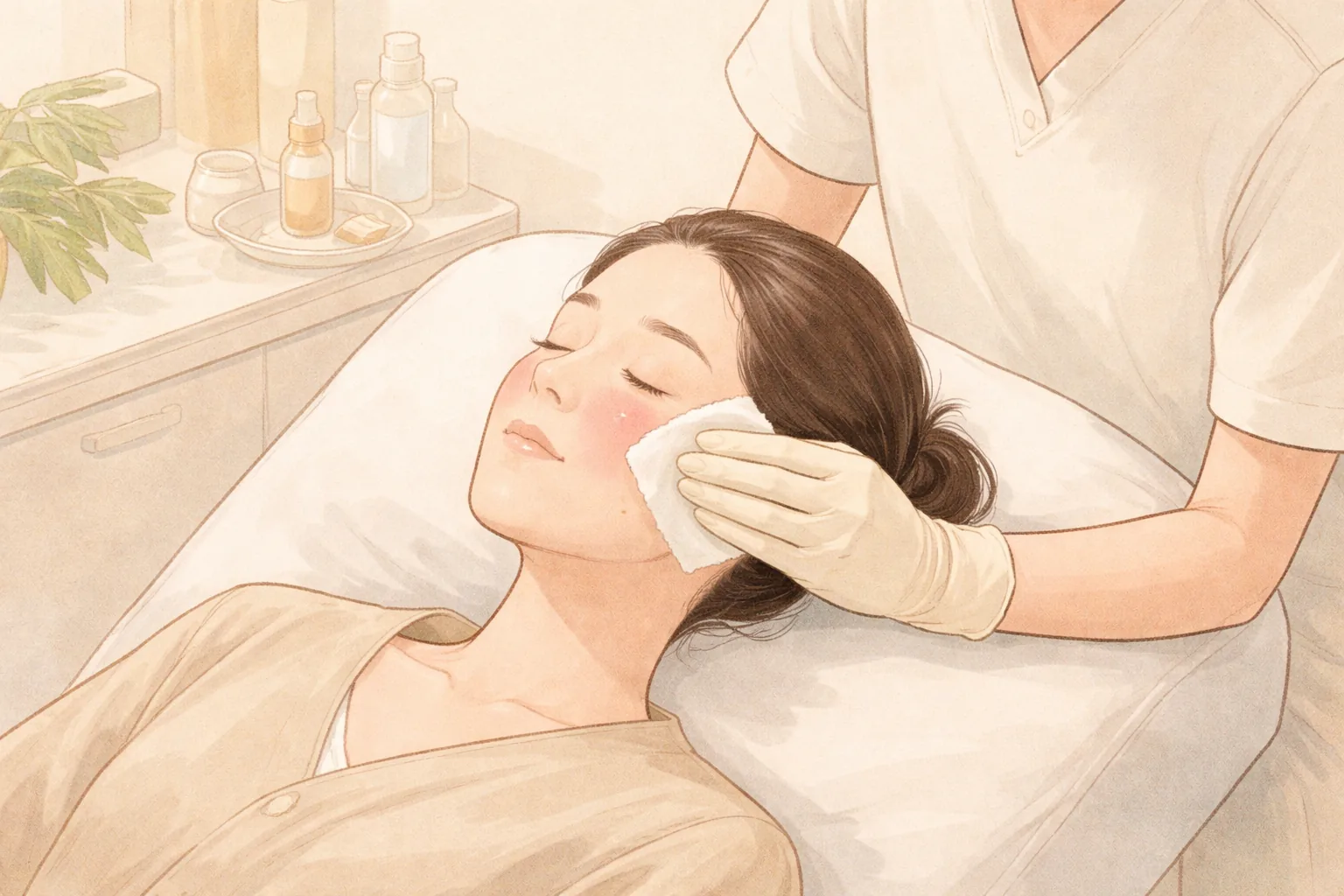
Soothing — Heat can linger right after treatment, so cool and soothe the skin.
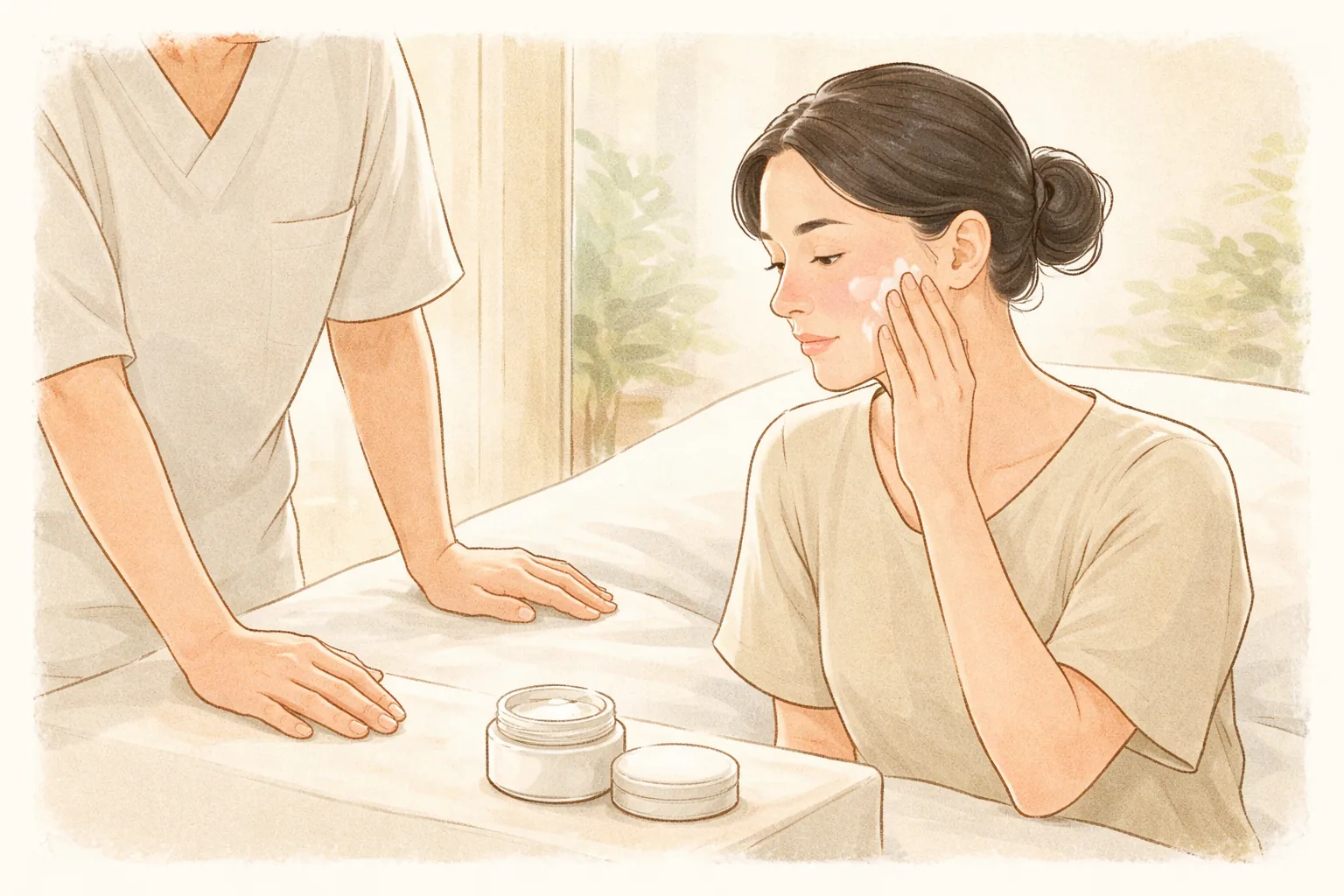
Moisturizing — The skin barrier becomes temporarily sensitive, so moisturizing helps.
Sun protection — If you do not block UV during recovery, pigmentation can develop in newly formed skin and undo the laser effect. The ATTITUDE Clinic column recommends applying SPF 50+ sunscreen for at least 2 weeks after treatment and reapplying about every 2 hours outdoors. (Can lasers really treat everything — spots, redness, scars?)
Progress check — If redness or heat lasts longer than expected or pain worsens, do not endure it — visit the clinic to have it checked.
Common reactions are redness, heat, swelling, stinging, and crusting. Vbeam can cause bruising, and temporary pigmentation may occur. Rarely, blisters, hypopigmentation, infection, or scarring can occur, or pigment may return over time. It is best not to pick at crusts and to let them fall off on their own. If redness or stinging lasts more than 3 days or suddenly worsens, it is good to visit the clinic for a check.
Frequently asked questions
Can skin with redness receive laser toning?
It depends on the cause of the redness. If it is superficial vessel dilation, you can expect a vascular laser to reduce it, but redness caused by high reactivity such as rosacea or sensitive skin may have limited laser effect. Toning mainly uses low-output sessions over multiple visits to address pigment, and picosecond lasers have little effect on vascular concerns. So when redness and pigment appear together, the consultation decides which to address first. The order is to confirm the cause and skin condition, then set output and intervals.
Can I get laser treatment if I have sensitive skin?
Treatment can be considered if settings and recovery intervals suit your skin. However, repeating before recovery is complete or using intensity too high for your skin can weaken the barrier and cause sensitivity or lingering redness. If skincare products sting or your skin has become unusually sensitive, let the clinic know before treatment. Treatment intervals vary with laser type, purpose, and skin condition, so rather than setting them uniformly, adjust while watching progress. Suitability and intensity are judged at the consultation after examining your skin.
What should I do if pigmentation (PIH) appears after treatment?
PIH is darkening of pigment after inflammation. First, keep up sun protection and moisturizing, and avoid irritating exfoliation and scrubs. It may fade over time, but the degree and duration vary with skin condition. Whether to repeat the same laser or take a different approach is decided at the consultation after confirming the cause of the pigmentation. If redness lasts long or pigment suddenly darkens, it is good to visit the clinic for a check.
Can I have redness treatment and pore laser on the same day?
If the causes differ, they are sometimes combined on the same day, but dividing priorities rather than doing everything at once reduces the burden on your skin. For example, if spots and pores are both concerns, pigment is addressed first and then fractional treatment is added for texture and pores. Whether redness and pores can be done on the same day and how to set intensity depend on skin condition and recovery schedule. If your lifestyle involves a lot of sun exposure, the order is adjusted with recovery time in mind. Your schedule and priorities are best set together at the consultation.
How should I choose a good place for laser treatment?
It is better to look at the consultation process than at device names or equipment lists. Check whether they first confirm whether your concern comes from pigment, vessels, or skin surface before treatment, whether they recommend only necessary treatments and do not set excessive session counts or intensity, and whether they fully explain pain, recovery schedule, and aftercare precautions. Also check whether you can have any discomfort after treatment checked there. ATTITUDE Clinic provides AI skin analysis records, doctor consultation, treatment performed directly by the doctor, and the principles of genuine products, accurate dosing, and fair pricing. Consultation requests and confirmed appointments are different — after a request, the appointment is confirmed when the clinic contacts you. (ATTITUDE consultation and booking) Costs vary with treatment, product, area, dosage, and number of sessions, so it is better to confirm the total and what is included in your plan at the consultation. (ATTITUDE treatments and pricing)
At a glance
Table 2 At a glance
Item
Key point
Before the consultation
When symptoms started and what worsens them, products used, medications and medical history, past treatment reactions, desired changes and dates
Cause of redness
Approach differs depending on whether it is superficial vessel dilation or rosacea/sensitive reactivity
How lasers work
Selective photothermolysis concentrates energy only on targets such as pigment, vessels, and water
Role of each device
PicoPlus for pigment, Vbeam for vessels, erbium YAG laser for skin surface
Recovery care
Soothing, moisturizing, sun protection, progress checks, do not pick crusts
Confirm at consultation
Treatment options and limits, intervals, recovery schedule, how appointments are confirmed
This article offers general health information. It is not a substitute for diagnosis or treatment based on your own condition, so please talk through your situation with a doctor.