Rejuran and Juvelook Together: Can You Get Both on the Same Day?
Can you get Rejuran and Juvelook on the same day, and if you split them, what decides the order and interval? We cover what each skin booster does in the skin, what happens when recovery reactions overlap, and aftercare.
Written by ATTITUDE Clinic Editorial Team
A lot of people wonder whether they can get Rejuran and Juvelook together, and if so, whether it's better to do both on the same day or leave a few weeks between them. The names differ, but both fall under the skin booster umbrella, so it's easy to assume "isn't one enough?" This article walks through what each treatment does in the skin, what to look at when they overlap on the same day versus when they're spaced out, and recovery and aftercare, in order.
The conclusion first
Getting both isn't a problem in itself. If the goals differ, they can be combined in one treatment plan, and planning multiple injections in a set order is common. Whether to inject both on the same day or leave a few weeks between them is decided by the doctor after looking at your skin condition, how each product acts, and recovery reactions. The order and interval change the result and recovery speed, so "what order, how many weeks apart" is really the more important question than "can I do it the same day."
What does each treatment do in the skin?
On the ATTITUDE Clinic treatment guide, Rejuran and Juvelook are both listed under skin boosters that "deliver directly to the skin base." Being grouped in the same category doesn't mean they do the same thing.
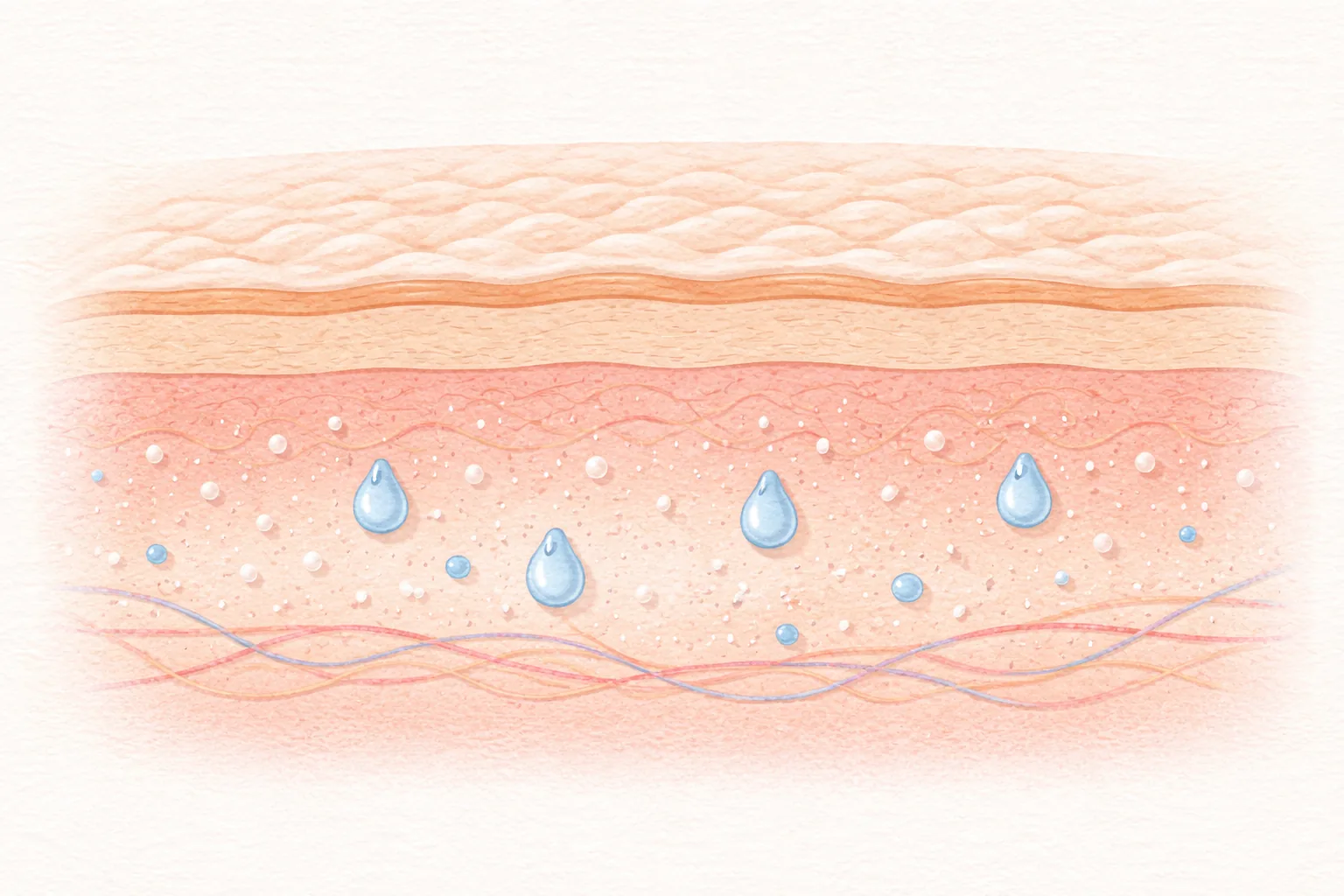
The central ingredient in the Rejuran line is PN (polynucleotide). It's a substance extracted and purified from sources such as salmon, and when injected into the dermis (the layer where collagen is produced), it's known to support the tissue's recovery response and stimulate the cells that make collagen. According to the skin booster column from ATTITUDE Clinic, PN leans toward inducing regeneration while HA (hyaluronic acid) leans toward attracting water to fill in moisture and volume, and the two are blended in different ratios depending on the goal. So even within the Rejuran line, whether the emphasis is on regeneration or on hydration shifts.
The Juvelook line is divided into skin and volume, and the choice depends on the area and dosage. Which ingredient acts at which depth varies by product, so during consultation you check the composition and injection depth of the product actually being used.
There's a common misunderstanding here. Since both are skin boosters, it's easy to think that picking just one will give a similar result. But "skin booster" is closer to a name that groups treatments with a similar delivery method, and the ingredients inside and the changes they target differ by product. That's exactly why products with different names are deliberately used together. It's a combination meant to assign different concerns to different products rather than doing the same job twice.
A commonly confusing example is PN and PDRN. Both are introduced as regenerative ingredients, but they are different ingredients and different products. In the ATTITUDE Clinic collagen injection column, PN·HA skin boosters are described as "inducing" collagen production, while injecting human-derived structures directly into the dermis is described as "replenishing." The same article notes that these two approaches aren't competitors but are combined or sequenced depending on the goal.
Same day together, or spaced apart?
Rejuran and Juvelook are both injectable treatments placed into the dermis with a needle. So the reactions left after treatment also show up in similar places. Bumpy marks (papules) appear along the injection points, redness and swelling follow within a day to a few days, and bruising can take more than a week to fade.
If two treatments overlap in the same area on the same day, these reactions overlap too. Rather than recovery being slower, it becomes hard to tell which treatment a reaction belongs to, and the swelling can look more pronounced. Rather than layering the next injection onto skin that's still reacting, it's easier to adjust by confirming the settling trend before deciding the next step.
Whether to do it on the same day or split it up ultimately comes down to your skin. In the ATTITUDE Clinic column, when planning skin boosters alongside laser or lifting, the doctor decides whether they can be done on the same day and in what order, and it notes that same-day treatment may be difficult depending on the procedure, and that the order and interval can change the result and recovery speed. The same principle applies when overlapping two injections. The judgment changes depending on which product goes into which area at what intensity.
Your schedule is also part of the decision. If a wedding or a shoot is coming up where lingering marks would be a problem, you count backward from that date to set the treatment day. Marks usually take a day to a few days to settle, so leaving at least 3–4 days of buffer puts your mind at ease.
Four criteria for deciding order and interval
First is how long it takes for the effect to appear. Skin boosters aren't like fillers that change shape the moment they're injected; changes appear gradually, and 1 session alone is limited and temporary. So they're usually done several times at 2–4 week intervals, then the interval is widened for maintenance sessions. This cycle is based on the rate at which collagen-related reactions accumulate, not on the convenience of the injecting hand.
Second is the overlap of recovery reactions. If the next injection overlaps while papules and swelling are still present, the skin has to handle two rounds of stimulation at once. This is why intervals are left when treating the same area in succession.
Third is skin thickness and barrier condition. Thin and thick areas of the dermis show different reactions even at the same dosage, and skin that reddens easily may feel slower to recover when stimulation overlaps.
Fourth is the plan that follows. How long changes last depends on the rate at which collagen is made and broken down, and the older you are, or the more aging has progressed from UV exposure or smoking, the faster synthesized collagen tends to be lost. This is why the timing of your next visit differs from person to person even at the same cycle.
When combined with treatments that open the surface, order matters more
Order gets trickier when laser or lifting joins one plan than when two injections overlap. The reason is that each treatment touches the skin surface to a different degree.
Microneedling or ablative fractional lasers like erbium and CO2 temporarily create fine channels in the outer layer of the skin. Conversely, HIFU (ultrasound) or RF (radiofrequency) lifting and low-energy laser toning act inside the skin with almost no opening of the surface. In the ATTITUDE Clinic exosome column, this difference is described as dividing the delivery depth of products applied to the surface, and it notes that treatments that open the surface and those that don't aren't seen as competitors but can be combined or sequenced depending on the goal.
Injectable treatments are arranged on the same principle. When channels are open on the surface versus when they aren't, the skin receives things differently, so which treatment goes first and which goes a few weeks later becomes the backbone of the plan.
Table 1 When combined with treatments that open the surface, order matters more
Axis
What it does in the skin
In-house lineup
What to look at when planning together
PN-line skin booster
Injected into the dermis to support recovery response and induce collagen production
Rejuran Healer, Rejuran i, etc.
Interval and number of sessions, injection depth
Collagen-stimulating skin booster
Injected into the dermis to treat the skin base
Juvelook Skin, Juvelook Volume, Juvelook i, etc.
Product composition and per-area dosage
Treatments that open the surface
Temporarily create fine channels to change the delivery route
Potenza, erbium fractional, etc.
Recovery period and order
Lifting that doesn't open the surface
Leaves the surface intact and acts inside the skin
Ultherapy, Thermage FLX, Shurink Universe, etc.
Whether to combine on the same day
Swipe sideways to see the whole table.
In short What determines the result isn't getting both together, but which one goes first and how many weeks later the other is placed. If they overlap on the same day, injection marks and swelling overlap, so decide after watching the recovery trend, and if a surface-opening treatment is in the plan, rearrange the injection order around that point.
If this sounds like you
When an important event is a few days away
Calculate the mark duration first. Papules and swelling usually last a day to a few days, and bruising can last more than a week, so it's safer to do only one and push the other past the event than to overlap both on the same day. For a shoot or interview where swelling would be a problem, you can push the treatment date back and fill the time before it with care that manages skin condition.
When your skin reddens easily and is sensitive
When stimulation overlaps, recovery can feel slower. In this case, rather than putting in several products at once, start with one, watch the reaction, and decide the next step. To tell which product suited you, it's better to change one at a time.
When you're unhappy with both skin texture and hydration
If two concerns overlap, the combination is worth considering. But which treatment to touch first depends on which concern carries more weight, so in consultation you decide which to prioritize and map out the order.
When you're an international visitor on a short stay
How many sessions you can finish within your stay is the starting point of the plan. Treatments that need 2–4 week intervals may not fit your itinerary, so you set the range that's possible in 1 session and the plan to continue after you return home.
Before your consultation, please let us know Your recent UV exposure and outdoor activity, medications you're taking (especially those affecting blood clotting), supplements like omega-3 or vitamin E, current skincare ingredients, pregnancy or breastfeeding status, any past experience of long-lasting bruising or swelling from injections, allergy history, and the date of any event where lingering marks would be a problem.
How ATTITUDE Clinic proceeds
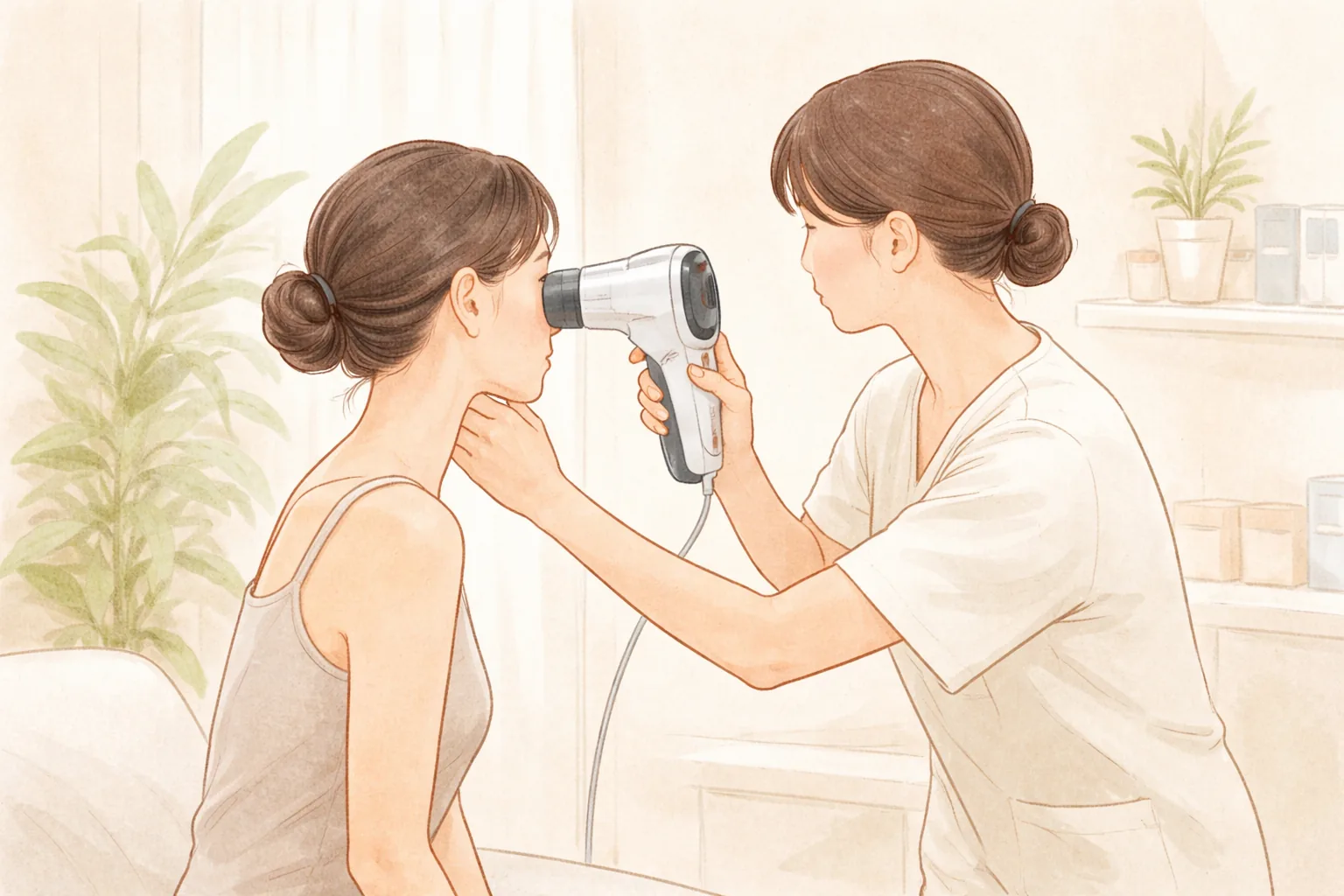
AI skin analysis record — Items like facial hydration, redness, and skin texture are recorded with photos and measurements. This record is a tool that organizes and shows information; it does not replace a medical diagnosis. It's kept so changes before and after treatment can be compared under the same conditions.
Doctor consultation — Along with the record, we check skin thickness, barrier condition, areas prone to redness, and your treatment history. At this stage, which ingredient goes into which area at what interval, and whether to overlap on the same day or split it up, is decided.
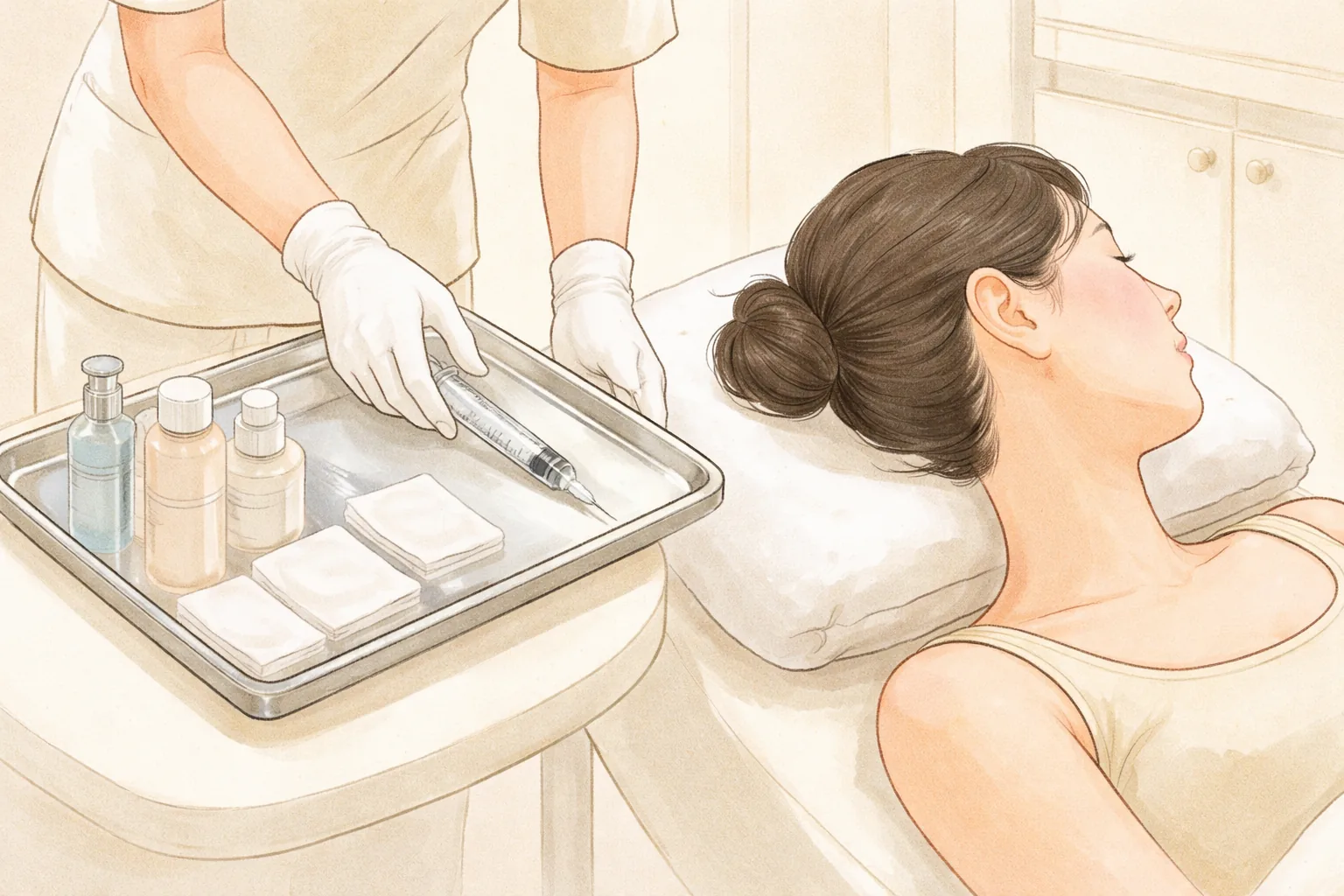
Treatment performed directly by the doctor — Injection depth, dosage, and area distribution are carried out directly by the doctor according to the plan set in consultation. When several products overlap in the same area, the order is split so stimulation doesn't concentrate.
Recovery and aftercare — We guide you on the reaction right after treatment and the timing of your next visit, and set the skin care method for the time in between. The next interval is adjusted based on how the first session's reaction went.
Injectable treatments are guided based on genuine products and accurate dosing, and the lineup for this topic is Rejuran Healer, Rejuran i, Rejuran HB, Rejuran S, Juvelook Skin, Juvelook Volume, and Juvelook i. Which product to use is decided during consultation.
Aftercare and side effects
Here's the order from right after treatment.
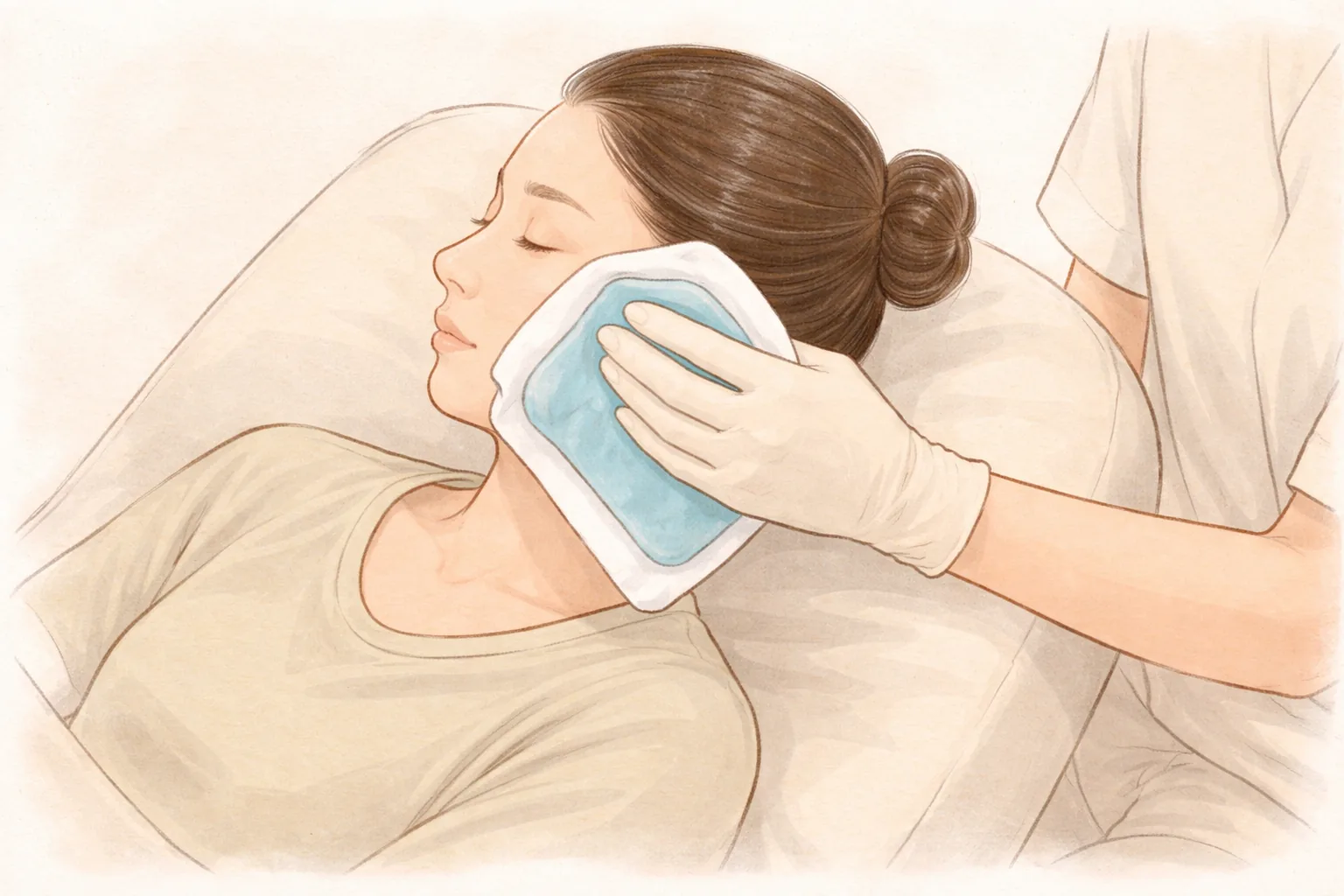
Soothing — Cold compresses may help with swelling, so check the method with the medical staff.
Moisturizing and washing — Wash your face gently once the injection marks have closed, and makeup is often possible from the next day. Avoid strenuous exercise, drinking, and saunas on the day of treatment.
Sun protection — During recovery, the skin's defensive barrier is temporarily weakened, so apply more carefully than usual. Pay extra attention for 2–3 days after treatment.
Follow-up check — At your next visit, we check the reaction and adjust the next interval. If a bumpy feeling continues for a while, let us know rather than waiting.
Common reactions are papules left along the injection points, redness, swelling, tenderness when pressed, and bruising. Papules and swelling usually settle within a day to a few days, and bruising can take more than a week. More rarely, infection, allergic reaction, prolonged inflammation, or small lumps can occur. Very rarely, an injected substance can block or damage a blood vessel, so if you have pain that's unusual or worsening, or if the skin at the injection site turns white, mottled, bluish-gray, or black, or if your vision changes, seek care immediately. Also contact us if swelling, pain, or heat persists.
It is not recommended during pregnancy or breastfeeding, because safety data on the effects of the ingredients on the fetus or infant has not been sufficiently accumulated. If you're planning a pregnancy, tell us in advance during consultation so the timing can be adjusted.
Frequently asked questions
Can I get Juvelook and Rejuran on the same day?
If we're only asking whether it's possible, it's a combination that can be done together, but whether to inject both on the same day or split them depends on your skin condition. Both treatments put a needle into the dermis, so if they overlap in the same area, papules and swelling overlap and it becomes hard to tell which treatment a reaction belongs to. If your skin feels slow to recover, it's easier to adjust by doing one first, watching the 2–4 week trend, and then deciding the next. If you have an important event, set the treatment day by counting backward from that date.
Which is better, Rejuran or Juvelook?
The standard isn't superiority but which concern carries more weight. The Rejuran line centers on recovery response, hydration, and skin texture, while the Juvelook line is divided into skin and volume, with different uses depending on the area and dosage. If both concerns show up in the same skin, splitting the order is more natural than picking one product. Which one suits you is decided in consultation based on skin thickness and barrier condition.
If I split them, how long should the interval be?
PN·HA skin boosters are usually planned as several sessions at 2–4 week intervals, then widening the interval into maintenance sessions. The cycle changes with the product and area, so the next timing is adjusted based on the first session's reaction. Packing the intervals too tightly means adding stimulation again to skin whose reaction hasn't finished.
When does the effect start, and how long does it last?
Changes appear gradually, and the timing and degree differ from person to person. 1 session alone is limited and temporary, so it's usually judged after several sessions have accumulated. Maintenance duration depends on the rate at which collagen is made and broken down, and age, UV exposure, and smoking have an influence. So rather than a single treatment, we approach it as ongoing care and set the timing of maintenance sessions together.
What should I check when choosing a clinic?
Look at whether the consultation explains which product goes at what depth and how much, who performs the treatment, and whether recovery reactions and how to handle them are explained specifically. The American Academy of Dermatology filler consultation guide also advises that filler treatments are decided through consultation and performed safely as a basic principle. If several treatments are in one plan, a place that explains the whole order and interval at once is easier to coordinate with.
At a glance
Table 2 At a glance
Item
Key point
Getting both
If goals differ, they can be combined in one plan; order and interval are decided by the doctor
Same day vs split
Injection marks and swelling can overlap, so decide after watching the recovery trend
Rejuran line
PN-centered, leans toward recovery response, hydration, and skin texture
Juvelook line
Skin and volume lineup; composition and injection depth confirmed in consultation
Sense of interval
PN·HA skin boosters usually several sessions at 2–4 week intervals, then maintenance
Recovery and aftercare
Papules and swelling a day to a few days, bruising more than 1 week; avoid sauna, drinking, and strenuous exercise on the day
This article offers general health information. It is not a substitute for diagnosis or treatment based on your own condition, so please talk through your situation with a doctor.