Rejuran vs Salmon DNA Injection: What's the Real Difference in Seoul?
Rejuran's PN and salmon DNA injection's PDRN are different ingredients. Here's how these Rejuran skin booster treatments differ in goals, results, pain, recovery, and aftercare, based on ATTITUDE Clinic in Gangnam, Seoul.
Written by ATTITUDE Clinic Editorial Team
Rejuran is also derived from salmon, so isn't it the same as what people call a salmon DNA injection? Both are injectables with similar names, so many people assume they're just different names for the same product. This article explains where the ingredients diverge, what determines results, what to check before treatment, and what to watch for over the following days.
The Bottom Line First
Rejuran's main ingredient is polynucleotide (PN), while the treatment commonly called salmon DNA injection uses polydeoxyribonucleotide (PDRN). The two names are often used interchangeably, but they are different substances and different products. Both are injected into the dermis—the layer where collagen is produced—to help skin produce its own collagen. However, what goes in and why it's used differ, so the choice depends on what your skin needs right now rather than which is better.
Are Rejuran's PN and Salmon DNA Injection's PDRN the Same Ingredient?
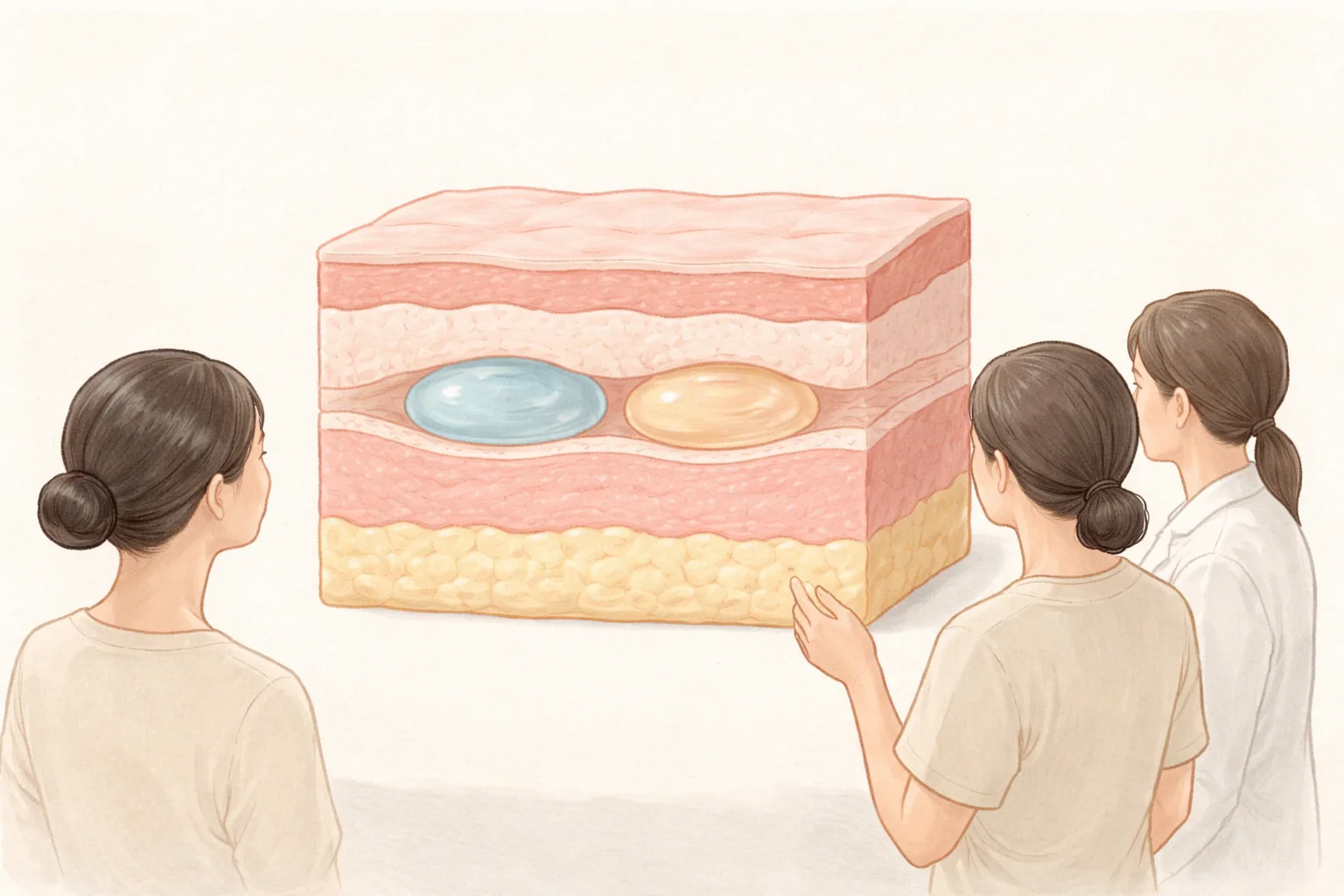
ATTITUDE Clinic's collagen injection column distinguishes PN (polynucleotide, Rejuran) and PDRN (polydeoxyribonucleotide, salmon DNA injection) as different ingredients and different products. Both activate cell regeneration signals to help fibroblasts produce collagen on their own. Fibroblasts are the skin cells that produce collagen and elastin. So while both originate from salmon DNA, that doesn't mean the injected substances are identical.
According to the skin booster column, PN is a purified extract from salmon and other sources, and when injected into the dermis it is known to support the body's repair response and stimulate collagen-producing cells. Hyaluronic acid (HA), on the other hand, attracts and holds water to provide hydration. So if regeneration and firmness are the priority, the PN proportion is increased; if immediate glow and moisture are the priority, the HA proportion is increased—the blend is adjusted based on the goal.
Why do they sound like the same treatment? Because calling products by their material nickname rather than their brand name has become common practice. PN starts from salmon and PDRN also comes from salmon DNA, so the treatment name disappears and only the word "salmon" remains. That's how different products get mixed into one phrase: "I got a salmon injection."
What actually matters is not the name but the label. Which product, whether the main ingredient is PN or PDRN, and how many cc are injected at what depth—these are the starting points that determine results and recovery. ATTITUDE Clinic's treatment guide also lists Rejuran Healer, Rejuran HB, Rejuran i, Rejuran S and salmon DNA injection as separate items. Even within "salmon," the lineup is divided.
How Do Rejuran and Salmon DNA Injection Target Different Concerns?
Both share the broad direction of sending regeneration signals, but they aim at different changes and the injected ingredients have different characteristics. A table makes the differences clearer.
Table 1 How Do Rejuran and Salmon DNA Injection Target Different Concerns?
Category
Main Ingredient
Targeted Change
Common Immediate Reaction
Rejuran (Healer line)
Polynucleotide (PN)
Recovery of texture itself—skin texture, fine lines, firmness
Tiny bumps, swelling, redness
Salmon DNA injection
Polydeoxyribonucleotide (PDRN)
Skin recovery via regeneration signals
Injection site irritation, swelling
Skin booster
Hyaluronic acid (HA)
Hydration and moisture
Swelling, bruising
PN + HA combination
PN + HA etc.
Regeneration and hydration together
The above reactions may overlap
Swipe sideways to see the whole table.
In short Similar names don't make the same treatment. PN and PDRN are different ingredients, and even within the PN family, products and dosages vary. In consultation, asking "what's the priority for my skin—texture, firmness, or hydration?" helps narrow the choice more than focusing on product names.
The immediate reactions listed in the table are less about the ingredient itself and more about the visible marks where the needle passed. Even with the same product, the visible appearance differs depending on injection depth and tools. So it's hard to compare product performance based on immediate appearance alone.
When Do Results Show, and What Determines How Long They Last?
Skin boosters aren't like fillers that give immediate volume—changes appear gradually. Right after treatment, swelling actually makes it hard to notice much change; any change emerges over several weeks. The skin booster column advises planning typically several sessions at 2–4 week intervals, then widening the interval for maintenance. It also notes that a single session has limited and temporary effects. The number of sessions and intervals depend on skin aging, concern areas, and product, so they're determined after examining your skin at the first consultation.
What actually determines duration is the rate at which collagen is produced and broken down. The older you are and the more aging has progressed from UV exposure or smoking, the faster synthesized collagen tends to be lost. That's why treatment is approached as ongoing management rather than a one-time fix, with maintenance sessions planned alongside. When and how much change appears varies from person to person, and even for the same person it varies with season and lifestyle.
What About Pain and Recovery?
Pain varies greatly depending on the treatment area and individual pain threshold. The forehead, eye area, and around the lips—close to bone and with thin tissue—tend to feel more sensitive, while thicker areas like the cheeks and jawline tend to feel less. Tools matter too. Injecting many points densely with a fine needle means repeated sharp stings, while using a thin cannula with a rounded tip to spread from inside stings only on entry and is relatively less painful afterward. Anesthesia methods are explained during consultation.
From the day of treatment to a few days after, bumpy marks (papules) may remain along injection points. These are reactions as the ingredient is absorbed and mostly resolve on their own. However, during this period the skin's barrier is temporarily weakened, so paying more attention to UV protection than usual helps recovery without pigmentation.
If This Applies to You
When a ceremony or photo shoot is a few weeks away
Papules usually subside within 1–2 days, but bruising can take more than 1 week to fade. Discuss the time remaining until your important event and how much recovery margin you have, and consider pushing the timing later. Makeup is often possible from the next day once injection marks have closed, so confirm the timing with your doctor.
When you want consistent management
Rather than a single session, the usual plan is several sessions at 2–4 week intervals, then widening the interval. Duration is also influenced by basics like UV protection and moisturizing. Setting your next visit in advance keeps the plan on track.
If your skin is sensitive or easily flushed
If your skin flushes and reacts easily, adjusting treatment intensity and intervals comes before choosing a product. If the skin barrier is compromised, diagnose the cause and adjust timing. Using skin boosters to replace care for dryness or recurring dermatitis is best avoided.
If you're a short-stay visitor
Treatment timing and follow-up check timing need to be planned around your stay. If you're departing within a few days, plan with time to observe recovery reactions. Knowing in advance which reactions are normal and which signals warrant contact keeps you from second-guessing in an unfamiliar place.
Tell us before your consultation Recent UV exposure (travel or outdoor activities), pregnancy or breastfeeding, autoimmune conditions, history of reactions to cosmetics or medications, current medications (including those affecting blood clotting), infection at the treatment site or lip herpes, inflammatory acne, and important events like ceremonies, photo shoots, or business trips. The exosome column also lists these as items that must be disclosed before treatment.
How ATTITUDE Clinic Proceeds
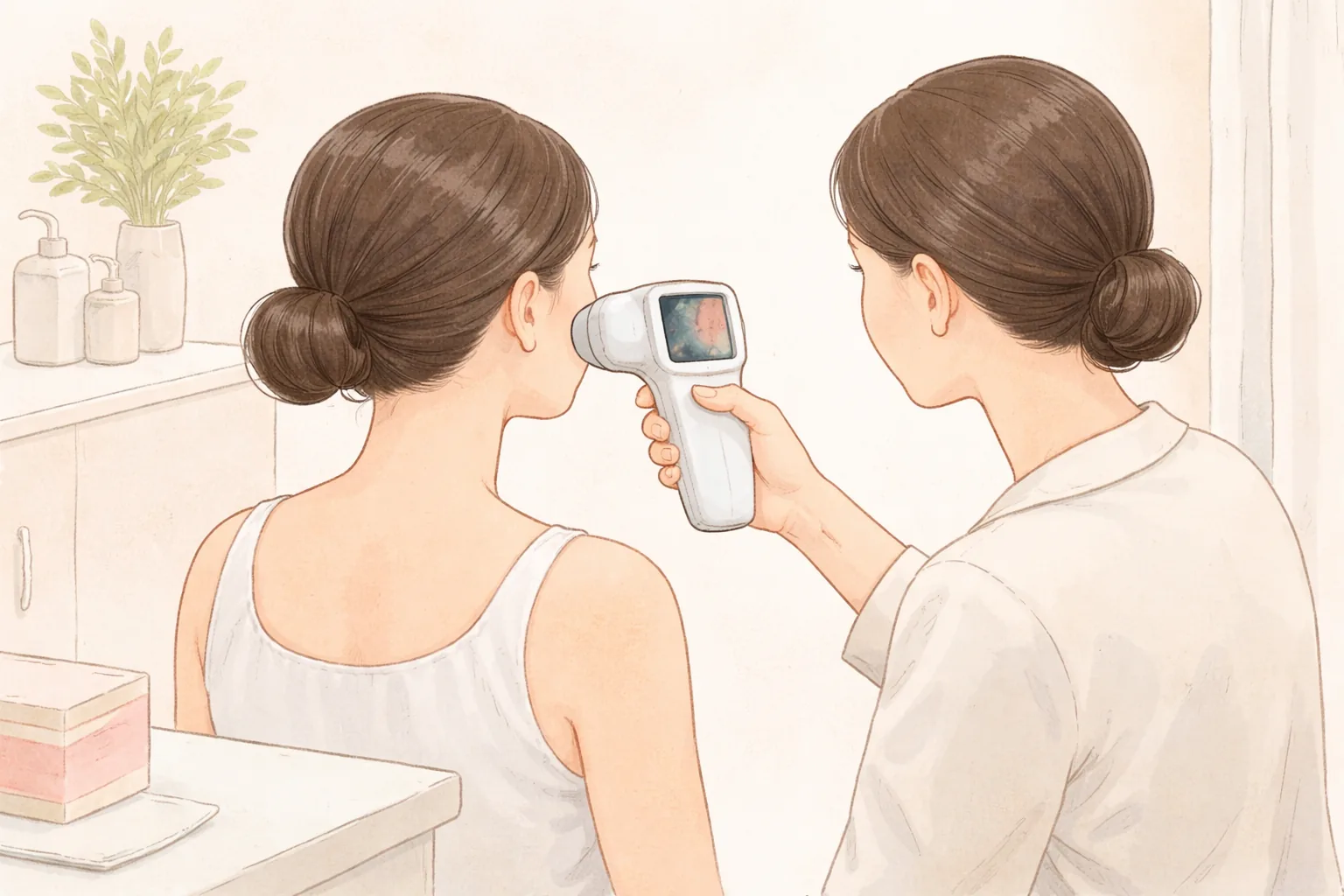
AI skin analysis and records — We document your skin condition and concern areas with photos and records. The analysis tool gathers and presents information; it doesn't replace diagnosis itself. Records allow comparison under the same conditions at your next visit.
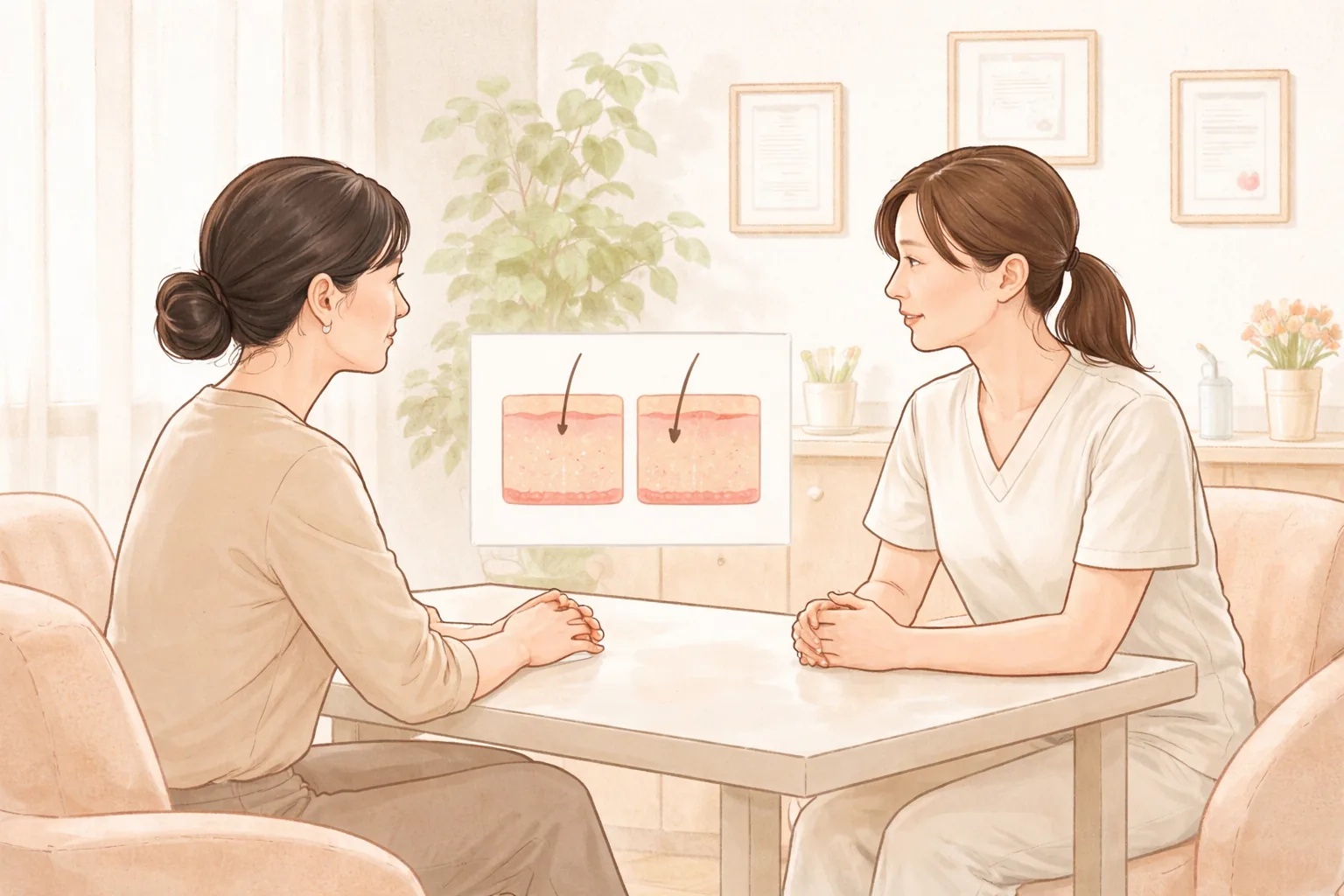
Doctor consultation — Based on records, we decide whether texture, firmness, or hydration is the priority, whether the PN or PDRN direction fits, and how many cc go where. Pregnancy/breastfeeding, medications, and allergy history are also confirmed at this stage.
Treatment performed by the doctor — Anesthesia method and injection tools are chosen, then treatment is performed. The products explained to you are used with genuine, dosed, and standard pricing, and you can verify product and dosage on the spot.
Recovery and aftercare guidance — We explain when you can wash your face, when makeup is possible, UV protection, and your next visit. Setting a follow-up check in advance keeps decisions clear.
Products listed in ATTITUDE Clinic's treatment guide related to this topic include Rejuran Healer, Rejuran HB, Rejuran i, Rejuran S, Juvelook Skin and Volume, Re2O, SKINVIVE, and salmon DNA injection. Which product to use is decided after examining your skin in consultation.
Aftercare and Side Effects
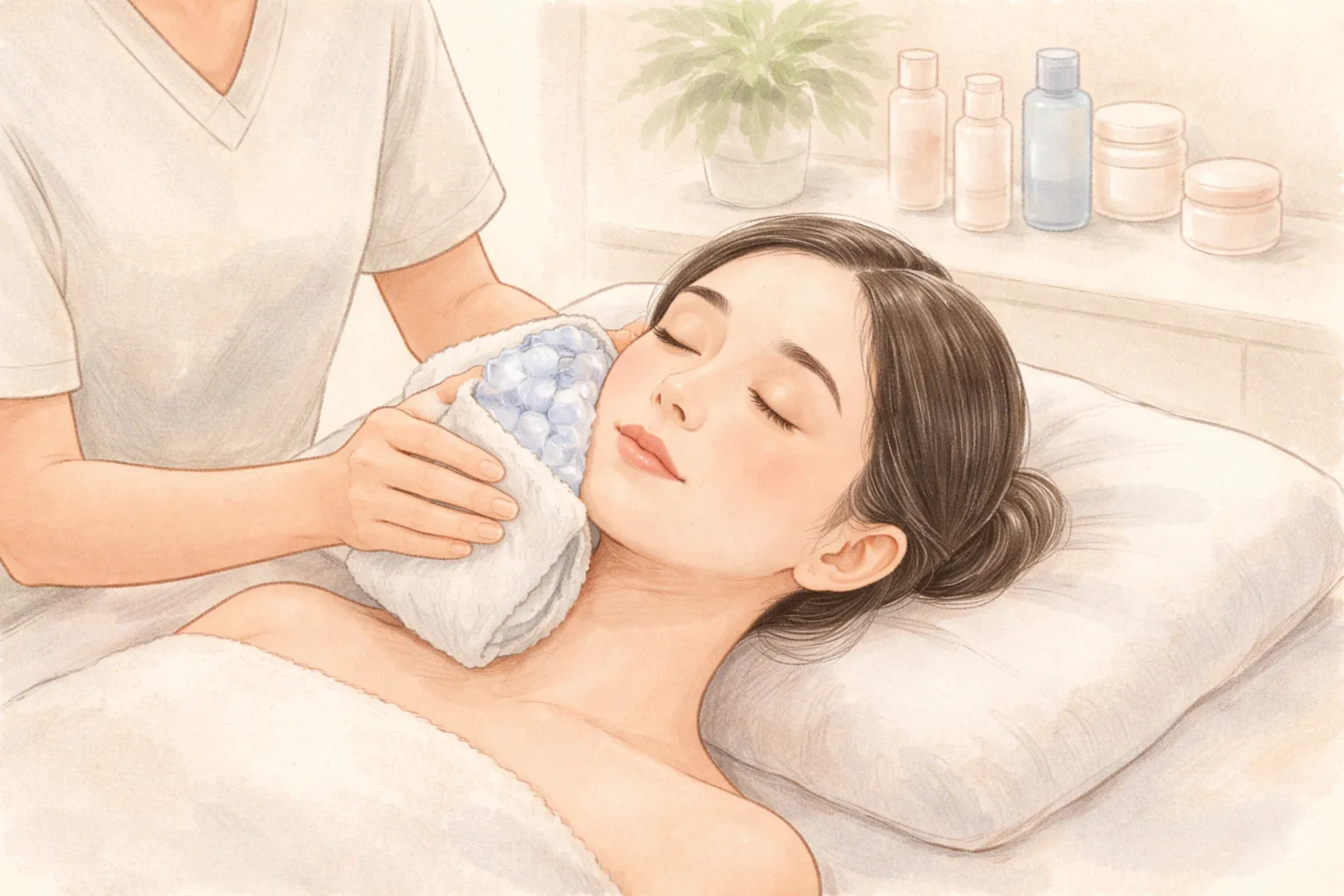
Calming — On the day of treatment, avoid saunas, strenuous exercise, and alcohol, and use cold compresses to reduce swelling. Confirm cold compress methods with medical staff.
Moisturizing — With a weakened barrier, moisturizing supports recovery. Use only products approved by your doctor.
UV protection — For 2–3 days after treatment, apply more thoroughly than usual. Throughout the recovery period, reapplying SPF 50+ is better.
Follow-up check — Check for remaining papules, swelling, bruising, and whether pain is worsening, and return at the agreed time.
Common reactions are papules, redness, swelling, tenderness, and bruising. Papules usually subside within 1–2 days, and bruising can take more than 1 week to fade. Rarely, infection, allergic reactions, or small lumps can occur, and very rarely the injected ingredient can block or damage blood vessels.
There are signals that warrant a visit without waiting. Contact us immediately if you have pain that differs from usual or worsens, skin at the injection site turning white or mottled, bluish or black, or vision changes. The same applies if swelling, pain, or heat persists.
Frequently Asked Questions
Is Rejuran's PN the same as PDRN?
No. PN (polynucleotide) and PDRN (polydeoxyribonucleotide) are different substances and different products. Rejuran's ingredient is PN, and the product commonly called salmon DNA injection uses PDRN. Both share the direction of sending regeneration signals, but lumping them together makes it hard to verify product and dosage in consultation. You can directly confirm the main ingredient and how many cc goes where during consultation.
Should I choose Rejuran or a regular salmon DNA injection?
It's not a question of superiority but of what's the priority for your skin now. If surface fine lines, texture, and firmness recovery are the priority, look at the PN family; if hydration and moisture come first, look at HA. In practice, concerns are mixed, so combinations or concurrent approaches are common. The choice is made after checking skin thickness, inflammation, and recent treatment history.
When do the raised marks after treatment disappear?
Papules along injection points are a common reaction and usually subside within 1–2 days. However, the presence of marks alone can't confirm whether progress is normal. If they persist, or if pain and swelling worsen or lumps can be felt, don't wait—contact the clinic where you were treated. Taking photos helps you compare recovery progress. Photographing daily at the same time, under the same lighting and angle, helps judge whether changes are within the normal range.
How many sessions and at what intervals?
Typically, several sessions at 2–4 week intervals, then widening the interval for maintenance is the plan. A single session has limited and temporary effects. The number needed depends on skin aging, concern areas, and product, so it's decided at the first consultation. Setting your next visit in advance keeps the plan on track, and when to widen intervals is decided based on your skin at that time. Including basics like UV protection and moisturizing in your plan helps maintenance.
What should I check when choosing where to get treatment?
It's good to confirm which product is used, who performs the treatment, and whether anesthesia and emergency response are available. Injectable treatments can vary in results and safety depending on product and practitioner, so you should be able to receive explanations during consultation. Guidance on judging whether a treatment suits you and receiving it safely is also available from the American Academy of Dermatology. Costs vary by configuration, so you're informed based on the proposed configuration.
At a Glance
Table 2 At a Glance
Item
Key Point
Main ingredient distinction
Rejuran is PN, salmon DNA injection is PDRN—different ingredients and products
How it works
Injected into the dermis to help skin produce its own collagen
Targeted change
Texture and firmness, fine lines (PN) / hydration and moisture (HA)
Plan
Typically several sessions at 2–4 week intervals, then maintenance
Recovery
Papules and swelling 1–2 days, bruising can take more than 1 week
When to return
Worsening pain, skin color changes, vision changes
This article offers general health information. It is not a substitute for diagnosis or treatment based on your own condition, so please talk through your situation with a doctor.