

After getting Sculptra, most people ask similar questions. "When will the puffy feeling go down?", "What if the bruise lingers?", "I have plans next week — will I be okay?", and "How long do those lumps last?". This article explains what determines Sculptra swelling and recovery, how to gauge when you can return to daily life, and which reactions you can wait out versus which need to be checked.
The Bottom Line First
Sculptra is not a filler that fills the space with its injected ingredients as-is; it is an injection that stimulates the skin to produce its own collagen (the protein that supports the skin). So the volume right after treatment is not the final result, and results appear gradually over several weeks. Recovery reactions such as redness, swelling, tenderness when pressed, and bruising are common with injectables and usually settle within 1–2 weeks. How long swelling lasts and how dark a bruise appears depends on the treated area and amount, skin thickness, and whether you massage after treatment. Below we continue with the criteria for separating reactions you can wait out from signals that need to be checked.
Why Sculptra Doesn't Add Volume Immediately
According to US Food and Drug Administration (FDA) approval documents, Sculptra is an injectable product made of poly-L-lactic acid (PLLA), carboxymethylcellulose, and mannitol. It is mixed with sterile water for injection into a suspension right before use, injected under the skin (subcutaneously), and approved to correct fine lines in the cheek area (FDA Sculptra approval documents). PLLA slowly degrades where it is injected and stimulates surrounding tissue to produce collagen. This is different from hyaluronic acid fillers, which fill immediately.
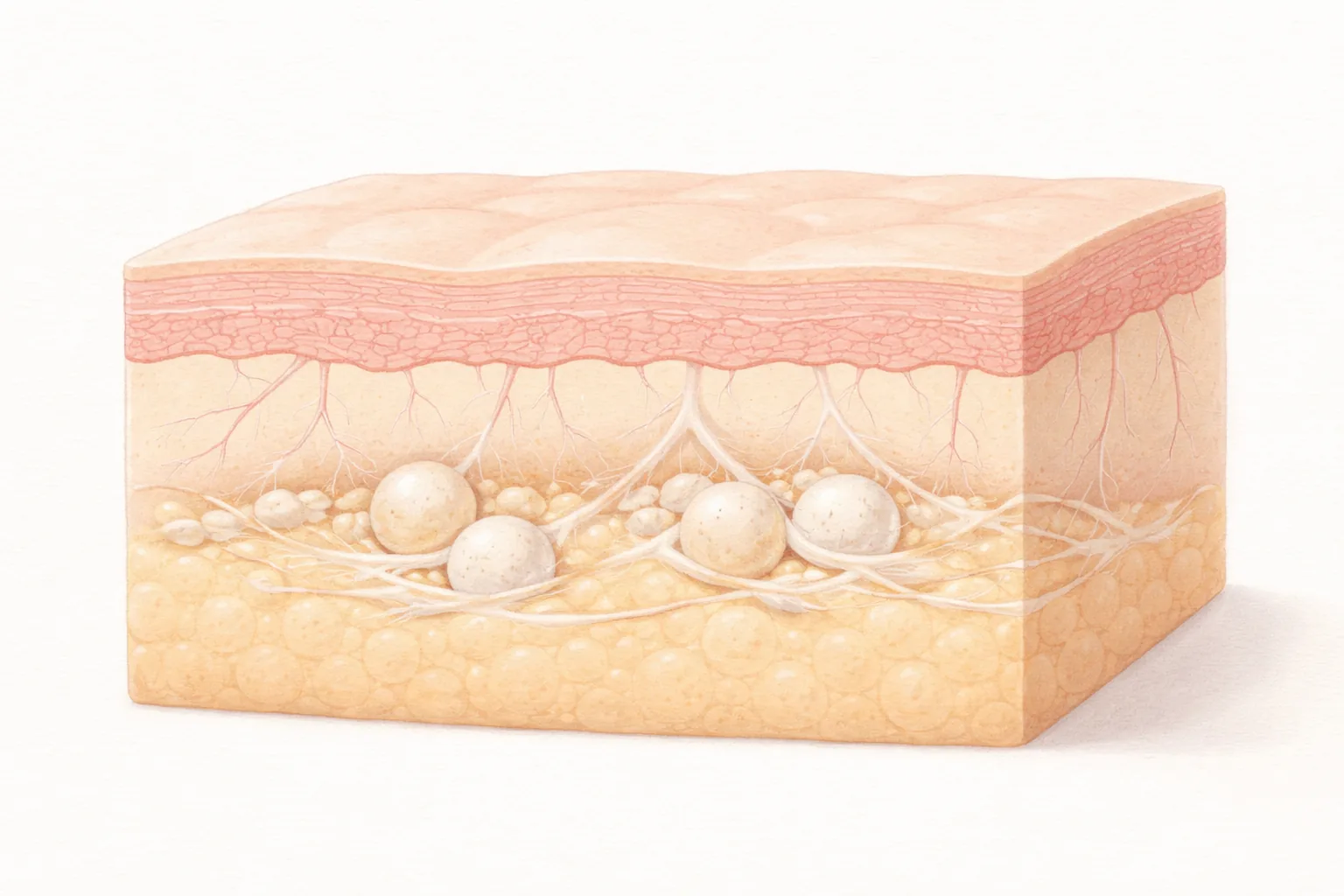
The timing for checking results is different for the same reason. According to the American Academy of Dermatology, PLLA filler results appear in 2–3 weeks and last 1–3 years (AAD filler FAQ). According to FDA approval documents, clinical trials achieved results with up to 4 injections, and those results could last up to 24 months. The numbers in the two sources do not overlap exactly because the study designs and observation periods differ. Actual duration depends on the amount and area injected and the skin's ability to produce collagen.
There is one common misunderstanding here: the expectation that "it fills right away and one session is enough." Right after Sculptra injection, it may actually look fuller because of swelling, and the real change appears after that feeling subsides. The number of sessions and intervals are decided by looking at your facial condition, response to previous treatments, and the degree of change you want. How you set the intervals tends to shape the direction of results, so it is common to make a plan during consultation and proceed from there.
It also helps to know what injection feels like in advance. According to the American Academy of Dermatology, fillers can cause a stinging or burning sensation during injection. According to FDA approval documents, mixing lidocaine (a local anesthetic) solution right before use can reduce pain during injection. How anesthesia is handled depends on the injection area and the product used, so if pain concerns you, ask during consultation.
What Determines Swelling and Bruising?
Common reactions after treatment are redness, swelling, tenderness when pressed, and occasional bruising. The American Academy of Dermatology explains that these reactions usually settle within 7–14 days and advises icing for about 15–20 minutes right after treatment to reduce redness and swelling (AAD filler FAQ). It also states that most fillers have no downtime that interferes with daily life. However, this is general guidance for filler treatments overall, and Sculptra's recovery course can vary by injection amount and area.
So why do some people have swelling that lasts longer? As summarized in the ATTITUDE Clinic column, even with the same treatment, skin type, thickness, and regeneration speed differ from person to person, and these differences also affect how quickly swelling and bruising fade (ATTITUDE Clinic column: Why Results Differ Even with the Same Treatment). Areas with thin skin can show more swelling from the same stimulation, and a larger injected amount takes longer to settle. Heavy drinking, intense exercise, or sauna on the day of treatment can increase swelling, so it is better to avoid them for a few days.
Bruising moves separately from swelling. Bruising from the needle path may remain faintly after swelling subsides, and depending on location, it can be hard to cover with makeup. If you have an important event, it is better to set the treatment date well before it. If filming or a presentation is scheduled within a few days, it is good to tell the clinic that date first during consultation.
| Reaction after treatment | How much it appears | When it usually settles | What affects it |
|---|---|---|---|
| Redness and swelling | Common | Reduced by icing and usually settles within 7–14 days | Treated area and amount, skin thickness |
| Bruising | Occurs occasionally | May remain several more days after swelling subsides | Needle path location, skin condition |
| Tenderness when pressed | Common | Between a few days and 1–2 weeks | Injection depth and amount |
| Nodule (lump) | Classified as a serious side effect | Varies by size and depth; check at clinic | Practitioner's experience and training, treatment setting |
Swipe sideways to see the whole table.
In summary swelling and bruising are recovery reactions that usually decrease within 1–2 weeks, and the pace is determined by the treated area and amount and skin condition. However, a firm lump you can feel has a different nature from a recovery reaction, so rather than watching it, it is safer to have it checked at the clinic.
Why Is Massage Recommended?
There is one notable instruction with Sculptra. The American Academy of Dermatology advises that for PLLA filler, you gently massage the treated area several times a day for about 5 minutes for 1–2 weeks (AAD filler FAQ). This contrasts with other fillers, where unless there are special instructions, you are advised not to touch the treated area for 3 days. This means that even among fillers, aftercare differs depending on the product.
The purpose of massage is to help the injected particles spread evenly rather than clump in one place. So it is not a vigorous rubbing method but a gentle one, following the set number and duration. When to start and at what intensity depends on the treated area and amount, so it is most accurate to follow the method given by the clinic where you were treated. If you arbitrarily switch to a method seen elsewhere, the distribution can actually become uneven.
One addition: massage itself does not guarantee results. Massage is a way to manage the recovery process, and the size of the result depends on the injected amount, the skin's ability to produce collagen, and the treatment plan.
Nodules and Side Effects: How Long Can You Wait?
The most frequently mentioned side effect in filler treatments including Sculptra is nodules (lumps). The American Academy of Dermatology explains that serious side effects such as nodules, infection, and severe swelling are reported more often when treated outside medical institutions or by inexperienced practitioners (AAD filler FAQ). FDA approval documents specify that Sculptra should not be used in people with a history of keloids or hypertrophic scars, a history of severe allergies such as anaphylaxis, or hypersensitivity to the ingredients (FDA Sculptra approval documents).
Adverse events continue to be collected after marketing. The FDA maintains a database that collects and publishes medical device adverse event reports, and Sculptra-related reports are also registered there (FDA MAUDE adverse event reports). These records show what reactions have been reported during product use and do not calculate an individual's risk.
So the question is which reactions you can wait out. Redness, swelling, tenderness, and bruising are common during recovery and tend to decrease over time. On the other hand, if a firm lump is felt under the skin, if swelling and pain do not subside but worsen, or if warmth and severe swelling are accompanied, it is better not to wait and to be seen. How long a nodule lasts when felt depends on its size, depth, and the injected amount, so the decision is made by checking the condition at the clinic.
In These Situations
If you have filming or a presentation next week
The period when swelling and bruising may remain overlaps with your schedule. It is more comfortable to set the treatment date with at least 1–2 weeks of buffer, and if it is an area hard to cover with makeup, allow even more. If you tell us your schedule first, we can adjust the date accordingly.

If you bruise easily
Some people get darker bruises that last longer from the same stimulation. If bruising remains after swelling subsides, it can be worrisome, but trying to speed it up by rubbing hard or using hot compresses only irritates the area. If you usually bruise for a long time, it is good to mention that experience during consultation.
If your skin is thin or sensitive
Areas with thin skin can show more swelling. If redness lasts long after treatment or a stinging sensation continues, it is better to let us know rather than endure it. How much to inject where is decided by looking at skin thickness and condition.
If you are an international visitor staying briefly
It is safer to decide the massage method and follow-up timing in advance. If your stay is short, set the follow-up appointment in advance, and after returning home, you can receive care with the treatment records from your visit.
Please tell us before consultation
- Recent sun exposure, travel, and outdoor activity plans
- Medications you take (including blood thinners) and health supplements
- History of previous filler or skin booster treatments and how you reacted then
- History of keloids or hypertrophic scars, severe allergies or anaphylaxis, lidocaine allergy
- Pregnancy or breastfeeding status and important upcoming schedules
How ATTITUDE Clinic Proceeds
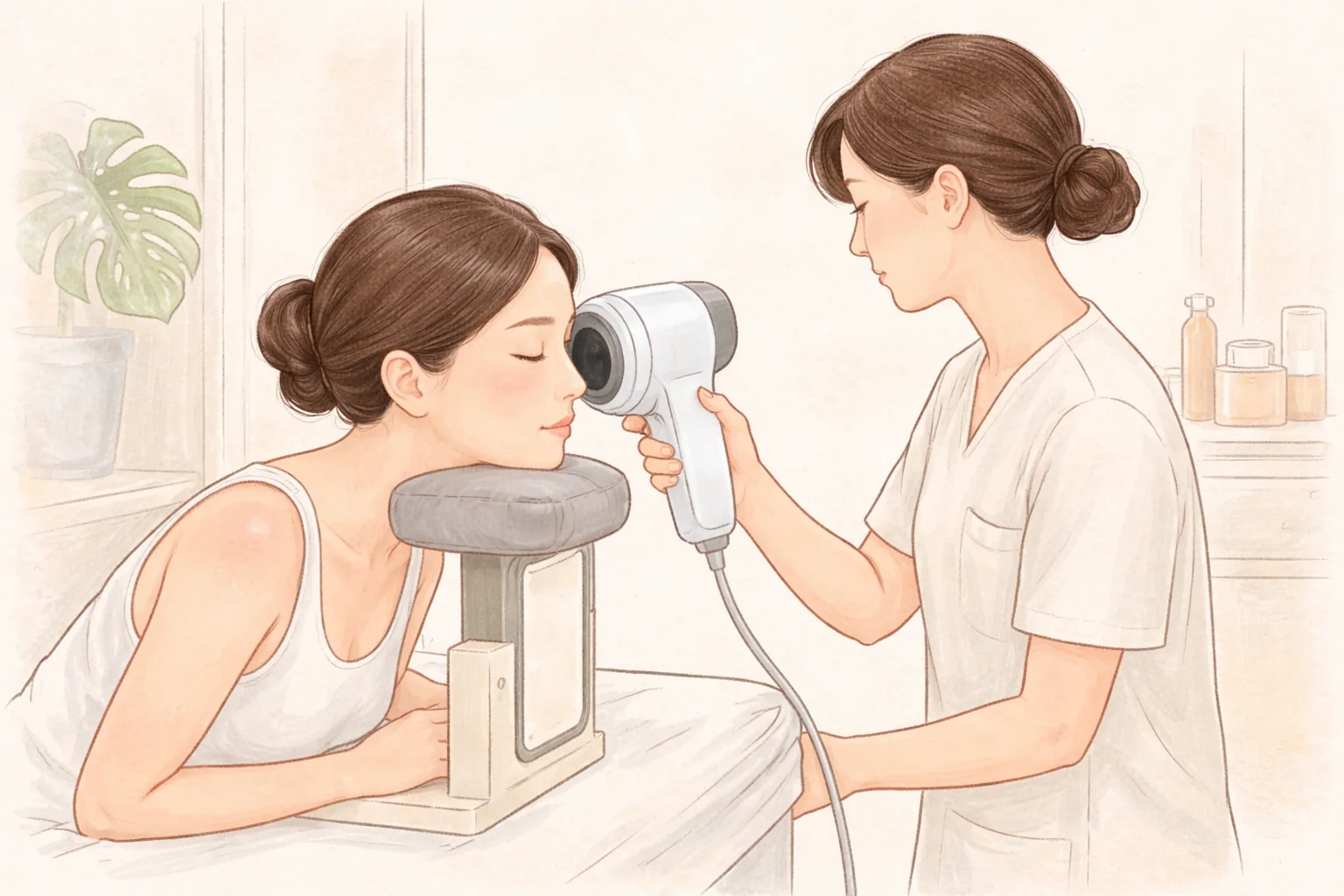
AI skin analysis record — Skin condition is recorded and organized so the doctor and you look at the same information together. The analysis tool is a reference for organizing information and does not make a medical diagnosis.
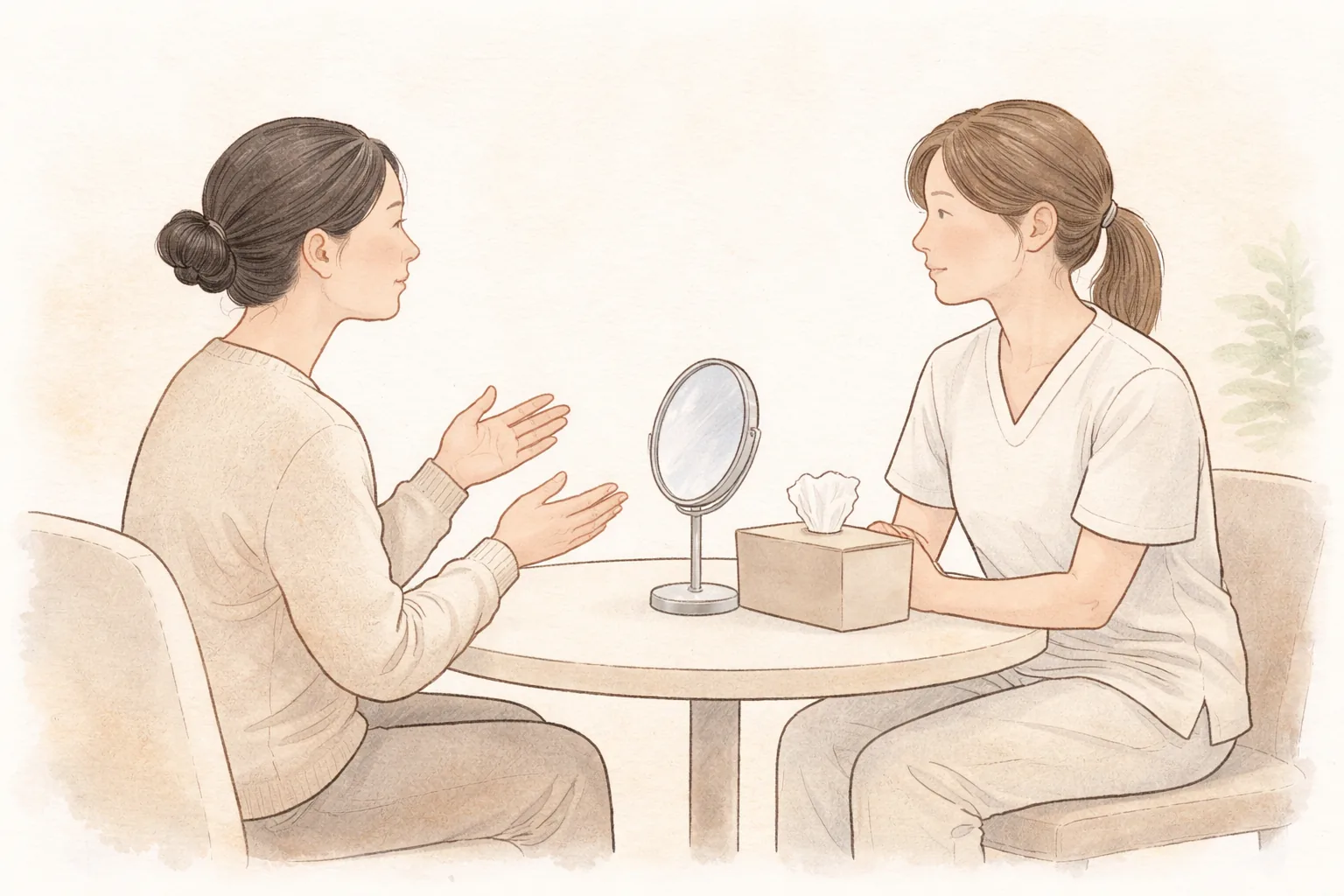
Doctor consultation — Analysis records plus your concerns, lifestyle habits, and previous treatment experience are used to decide injection amount, number of sessions, intervals, and massage plan together. We sort what is needed from what is not at this stage.
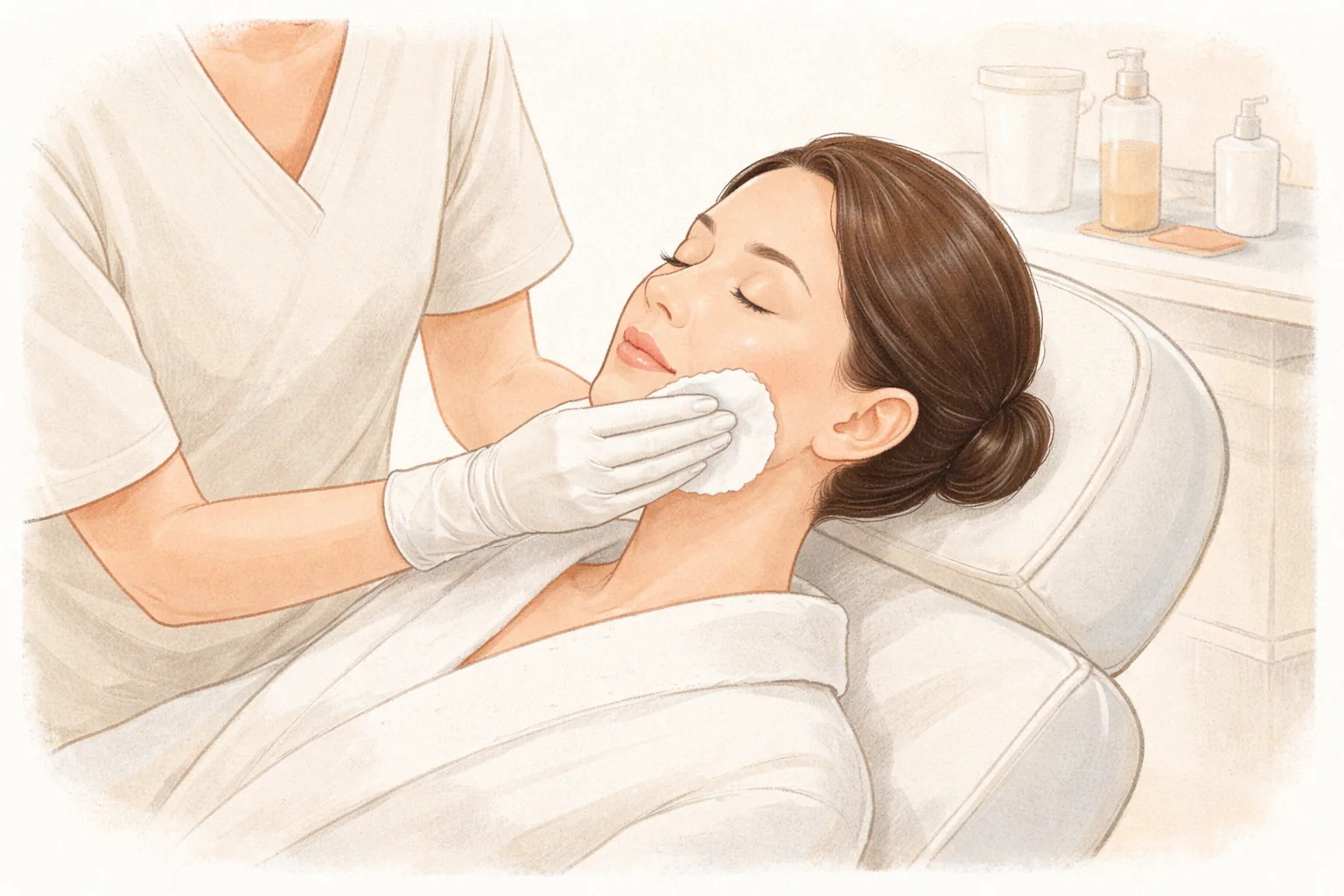
Doctor-performed treatment — The doctor performs the treatment according to the plan made in consultation and adjusts intensity while observing skin reactions during the procedure. This flow is meant to keep planning and execution aligned.
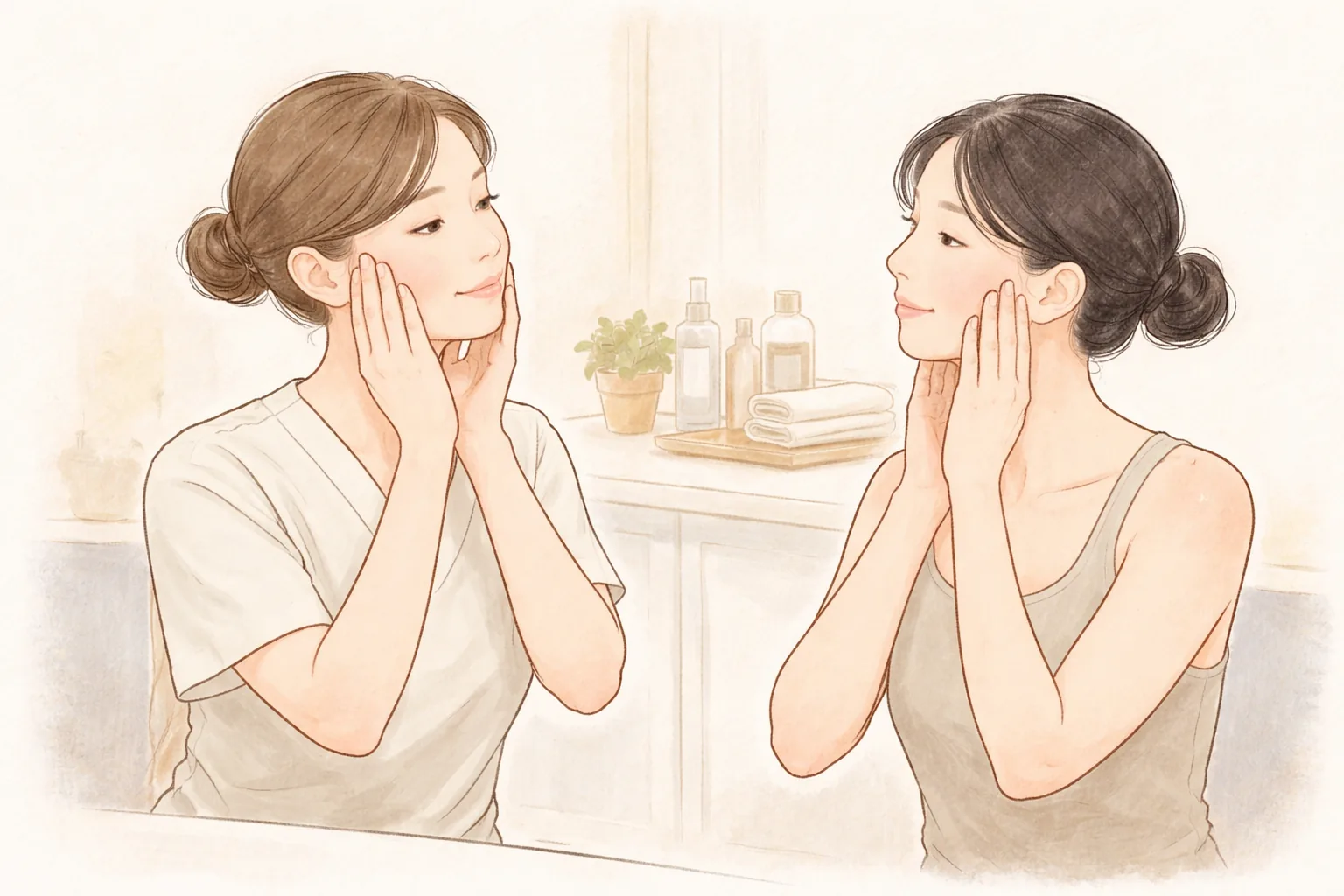
Recovery and follow-up — Massage method and precautions are explained, and reactions during recovery are checked. If there are changes different from expectations, they are checked right away.
The product covered in this topic is listed in ATTITUDE Clinic treatment information as Sculptra (Galderma) by 1 vial (ATTITUDE Clinic treatment information). Whether to combine collagen-stimulating injections or lifting is decided in consultation based on skin condition and goals.
Aftercare and Side Effects
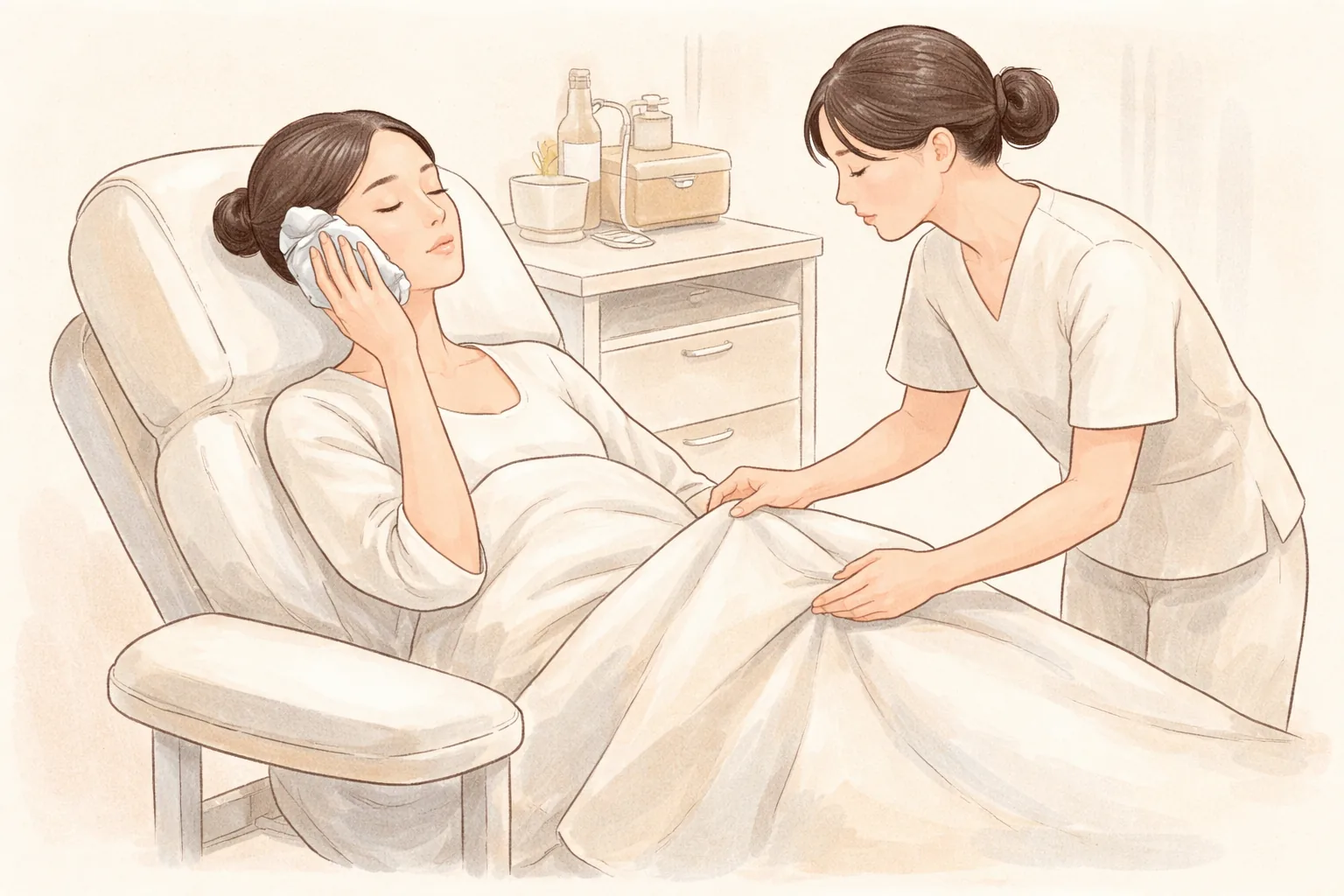
Soothing — Right after treatment, ice for about 15–20 minutes as instructed to reduce redness and swelling. Heavy drinking, intense exercise, or sauna on the same day can increase swelling, so it is better to avoid them.

Massage — For PLLA, you are advised to gently massage several times a day for about 5 minutes for 1–2 weeks. Do not rub hard; follow the instructed number and duration.

Moisturizing and sun protection — Keep skin moisturized and apply sunscreen carefully during recovery. It is better to postpone outdoor activities and sauna for a few days.
Follow-up — Check whether swelling and bruising are decreasing, and if there is a felt lump or lasting pain, do not wait for the next session and be seen.
Common reactions are redness, swelling, tenderness when pressed, and occasional bruising, usually settling within 7–14 days. There may be a stinging or burning sensation during injection. Less commonly, nodules (lumps), infection, and severe swelling are reported, and these serious side effects are reported more often outside medical institutions or by inexperienced practitioners (AAD filler FAQ). If swelling and pain do not subside but worsen, if warmth or severe swelling is accompanied, or if a firm lump is felt, it is better not to wait for the next appointment and to be seen.
Frequently Asked Questions
When does Sculptra swelling usually go down?
General guidance for filler treatments explains that reactions such as redness and swelling usually settle within 7–14 days. Icing for about 15–20 minutes right after treatment helps reduce swelling and redness. Sculptra does not differ greatly from this pattern, but if a large amount was injected or if it was in a thin-skinned area, it may take longer to settle. The fuller feeling that remains after swelling subsides may be part of the injected ingredients settling in, so it is better not to judge the final result from the look right after injection. If swelling looks lopsided or persists, check the condition at the clinic.
How long do Sculptra nodules (lumps) last?
There is no single set duration. It varies with the size and depth of the nodule, the injected amount, and the surrounding tissue response, and management direction differs depending on whether it is felt or visible. The American Academy of Dermatology classifies nodules as a serious side effect and explains that the practitioner's experience and treatment setting affect reporting frequency. If a firm lump is felt or seems to be growing, it is better to have it checked at the clinic rather than watching it over time. Repeatedly rubbing the same area hard does not help.
How painful is the treatment?
Fillers can cause a stinging or burning sensation during injection. In the case of Sculptra, mixing lidocaine solution right before use can reduce pain during injection, and how anesthesia is handled depends on the injection area and product. Pain can also feel different depending on the skin thickness at the injection site, the amount injected, and individual sensitivity. If pain is severe during treatment, do not endure it; it is better to speak up at that moment.
How do you massage after Sculptra?
PLLA filler is advised to be gently massaged several times a day for about 5 minutes for 1–2 weeks. In contrast, other fillers without special instructions advise not touching the treated area for 3 days. The purpose of massage is to help the injected particles spread evenly, so following the set time and number of times is right rather than rubbing hard. The start time and intensity depend on the treated area and amount, so follow the instructions from the clinic where you were treated.
What will be discussed in a Sculptra consultation?
The practitioner's experience and training and the setting in which the treatment is performed are cited as factors affecting results and side effect reporting. So in consultation, you will check who performs the treatment, which product is used, and how recovery care and follow-up are handled. If you have a history of keloids or hypertrophic scars, severe allergies, or ingredient hypersensitivity, the product is not used, so this is also checked. If you have previous treatment records, bringing them helps with planning. You will discuss the expected duration of swelling, massage method, and important schedules to set the date. What to do and how is decided together during consultation based on skin condition and goals.
At a Glance
| Item | Key points |
|---|---|
| When results appear | Gradually over several weeks. Volume right after injection is not the final result |
| Common recovery reactions | Redness, swelling, tenderness, occasional bruising — usually settle within 7–14 days |
| Massage | For PLLA, gently several times a day for 5 minutes for 1–2 weeks |
| Nodule (lump) | Classified as a serious side effect. Practitioner experience and treatment setting affect reporting |
| Return to daily life | Downtime is usually short, but plan your schedule with buffer for swelling and bruising |
| What is decided in consultation | Injection amount and number of sessions, intervals, massage method, treatments to combine |