Skin Boosters: Can a Name Tell You the Ingredients and Effects?
A skin booster is a category name, not an ingredient list. Here is how to confirm the product name, ingredients, dosage, allergies, contraindications, cost and recovery at your consultation.
Written by ATTITUDE Clinic Editorial Team
The word "skin booster" is not the name of a specific product — it is closer to a category that groups several treatments together. That is why questions like "What's the difference between a skin booster injection and Rejuran?" and "Do I only need one session of a skin booster?" come up so naturally. This article walks through what the umbrella term tells you and what it does not, why you should ask about what goes in and how it goes in separately, and what to confirm at your consultation.
The short answer first
The name alone cannot tell you the ingredients or the effects. Even on the ATTITUDE Clinic price list, the skin booster section splits Rejuran Healer and Rejuran HB, Juvelook Skin, Sculptra, Re2O, SKINVIVE, skin booster injection, salmon DNA injection, exosomes and DermaShine into different names and dosage units. Their ingredients and purposes differ, and so does how much goes in per session and how far apart sessions are spaced. The official product name and ingredients, the per-session dose, domestic approval information, allergies and contraindications, cost conditions and recovery plan are all items you confirm product by product at your consultation. How much change you can expect is set jointly by your skin condition, the depth of injection, the dose and the interval.
What the name "skin booster" tells you — and what it does not
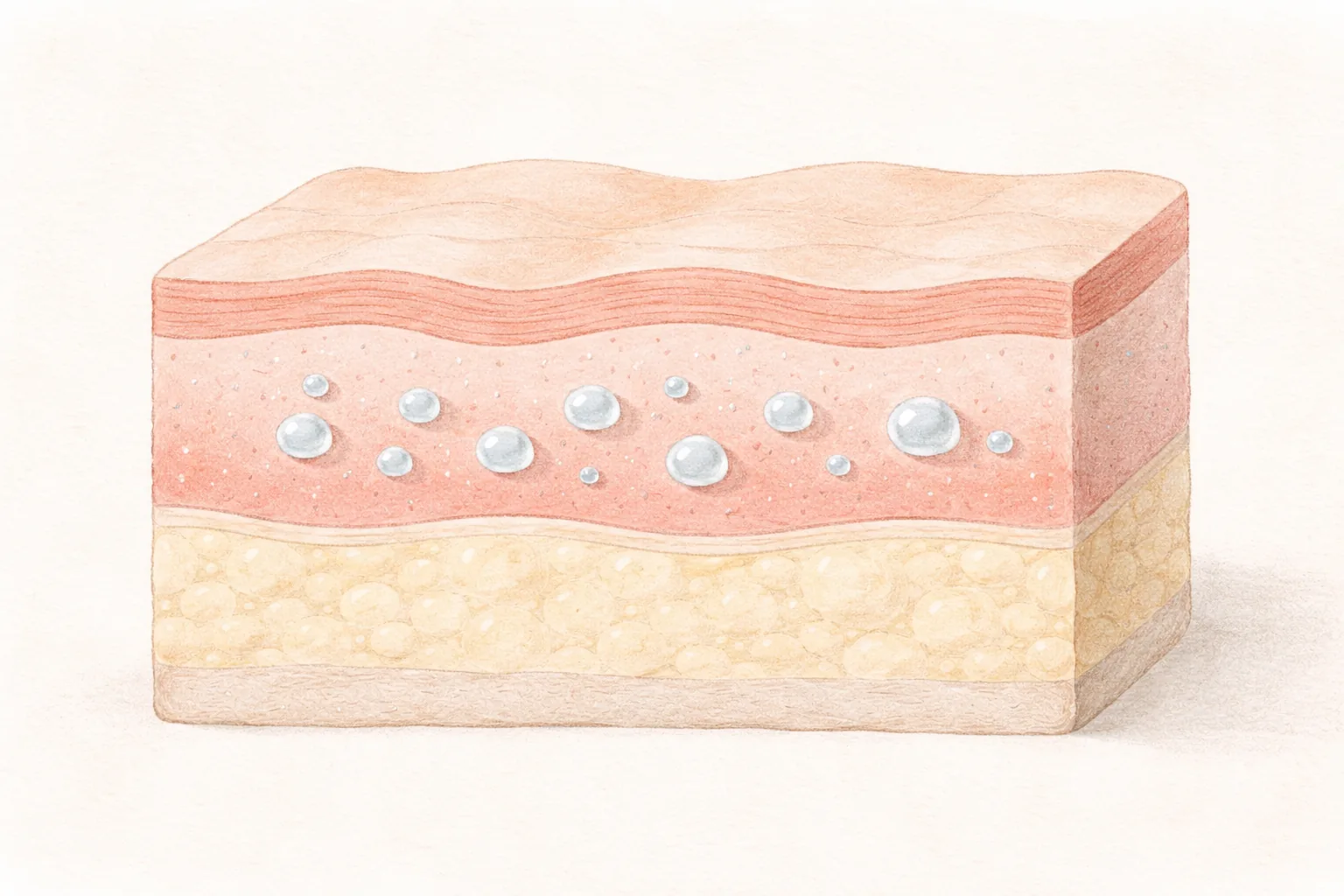
A skin booster is an umbrella term for a group of treatments that place something into the dermis to address the skin's own condition. The problem is that the term does not carry "what is being injected" inside it. Within the same category sit products using polynucleotides (PN, an ingredient that sends regeneration signals to cells) right alongside PDRN products derived from salmon DNA (polydeoxyribonucleotide). The collagen injection column also separates PN (Rejuran) and PDRN (salmon DNA injection) as different ingredients and products.
Dosage units vary just as much. The price list mixes 1cc, 2cc, 4cc, 8cc and 1vial side by side. When units differ, you cannot compare how much goes in per session on the same scale. Comparing price and effect by the umbrella term ends up lining up things that are actually different.
Approval and indications are also product-level information, not category-level. Even within the same family, different manufacturers and formulations mean different documents to check. The starting point is to write down the official product name at your consultation and be told which product is being used for which purpose.
Ask about what goes in and how it goes in separately
The ingredient tells you what goes in; the method tells you how it goes in. Each affects the result in a different way.
The PN and PDRN family works by an inductive approach: activating cell regeneration signals so fibroblasts build collagen on their own. Hyaluronic acid (HA) draws water into the skin to give volume and a moist feel. Because the effect fades gradually once the stimulation ends, maintenance sessions continue. Re2O, by contrast, directly replenishes human-derived acellular dermal matrix (hADM — donated human skin tissue with the cell components that could trigger an immune response removed, leaving collagen, elastin and hyaluronic acid) into the dermis; the manufacturer describes it as a product that places the structural material itself and can help new collagen form. That is where induction and replenishment part ways.
Depth and distribution also shape the result. If physical stimulation is applied before hADM has settled into the dermis, the distribution can become uneven, so massage is avoided right after treatment. This also means the placement and the way it spreads change the outcome.
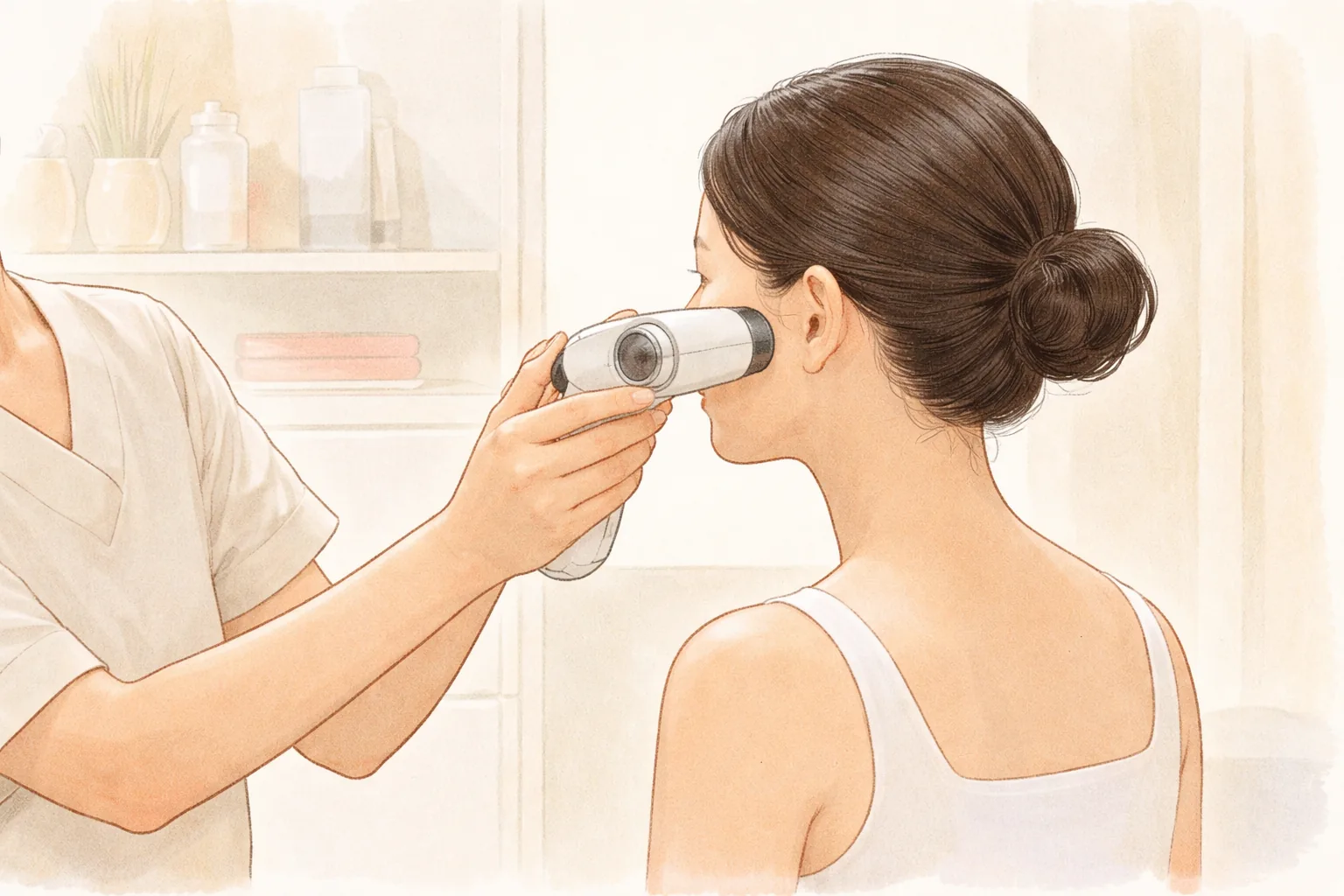
Devices and products are sometimes listed together in a single line item. On the price list, the Potenza entry includes the pumping tip (exosomes included), listing the device and product together. It does not mean a good device produces the same result with any ingredient; conversely, even with the same ingredient, a different delivery tool and depth make for a different experience. So it is more precise to ask what the ingredient is and what it is delivered with, and how, as separate questions.
What do you check at the consultation about allergies and risks?
The American Academy of Dermatology (AAD) patient guidance advises asking at a cosmetic consultation about expected results and risks, alternatives, recovery time, the number of sessions needed and how long they take, preparation and aftercare, and cost — and also about the practitioner's qualifications, their experience with that specific procedure, and how many patients with a similar skin tone and age they have treated (AAD guidance). It also notes that all medical and surgical procedures carry risk, and that results depend heavily on the practitioner's skill and experience.
Where you check for allergy potential depends on the nature of the product. For products made from donated human tissue, you should disclose beforehand any autoimmune conditions, any past reaction to tissue-derived products, medications you take (including blood thinners), and whether you are pregnant or breastfeeding. Exosomes use signaling substances secreted by cells; their source, concentration and purification method differ by product, and no single standard exists yet (exosome column). Allergic reactions can occur, and in rare cases lumps (granulomas) or long-lasting inflammation have been reported after products applied to open skin — so which product is used is what separates safety outcomes. Autoimmune conditions, a history of allergy to specific ingredients, pregnancy or breastfeeding, and inflammation or infection at the treatment site are all items to disclose at your consultation.
How many sessions, at what interval — the factors that shape the plan
The PN and HA family is usually described as a few sessions spaced 2–4 weeks apart, followed by maintenance sessions. Re2O is likewise usually planned as a few sessions with maintenance sessions considered afterward, and when changes appear and how long they last vary with skin condition while long-term data is still accumulating. For exosomes, a standard repeat-cycle protocol is still being established, so the doctor decides session by session whether to add more.
What you look at alongside the interval is your goal and the area. If hydration is the goal, intervals tend to be shorter; if skin thickness and elasticity are the goal, you need time between sessions to observe change. Whether redness lasted a long time after a previous treatment, or whether you bruise easily, also affects the interval. If you have a fixed date, it is safer to state that date first and work backward to the treatment day.
Table 1 How many sessions, at what interval — the factors that shape the plan
Category
What it does in the skin
Concerns it mainly targets
What to look at in consultation
PN family (Rejuran)
An inductive approach that activates cell regeneration signals so fibroblasts build collagen on their own
Skin texture and elasticity, regeneration
How many sessions at what interval, which product is used
PDRN family (salmon DNA injection)
The same inductive family, but a different ingredient and product from PN
Regeneration, skin texture
Product name and ingredients, per-session dose
hADM (Re2O)
Directly replenishes a dermal structure containing collagen, elastin and hyaluronic acid
Thinned skin thickness and elasticity
History of reaction to tissue-derived products, maintenance plan
Exosomes
Deliver signaling substances cells send, mainly used as an adjunct after treatments that open the surface
Recovery support after laser or microneedling
Product source and concentration, purification method
Swipe sideways to see the whole table.
In short What sets the result is not the category name but the product name and ingredients, the per-session dose, the depth of injection and the interval between sessions. At the consultation, you need a process of placing different products within the same category side by side and comparing which fits your skin and your schedule.
If this sounds like you
When an important date is a few weeks away
With Re2O, redness and stinging can last from a few hours to the same day, swelling 1–3 days, and a bruise can take more than 1 week to fade if one appears. If you have a fixed date such as a wedding or a shoot, book the treatment day that much earlier, and flag at the consultation whether you tend to bruise in that area.
When you want ongoing maintenance
If hydration is the goal, shorter intervals leading into maintenance sessions fit. Costs are itemized by product, area, dose and number of sessions, and there is a note that VAT is separate, so it is best to work out the total cost alongside your session plan.
When your skin is sensitive and reddens easily
Both Re2O and exosomes can cause reactions such as redness, swelling and itching. Because source and purification method differ by product, tell the clinic first if you have reacted to a product before, and confirm which product will be used at the consultation.
When recovery after laser or pore treatment was slow
Exosomes are considered as an adjunct when micro-channels are open on the surface, such as right after microneedling or an ablative fractional laser. HIFU, RF lifting and low-energy Pico toning barely open the surface, so an applied exosome mostly stays on the surface.
Tell us before your consultation Treatments you have had recently and how you reacted, medications you take (including blood thinners), autoimmune conditions or a history of reaction to tissue-derived products, pregnancy or breastfeeding, inflammation or infection at the treatment site, a one-sentence summary of the change you want, and the dates you want to avoid.
How ATTITUDE Clinic handles this
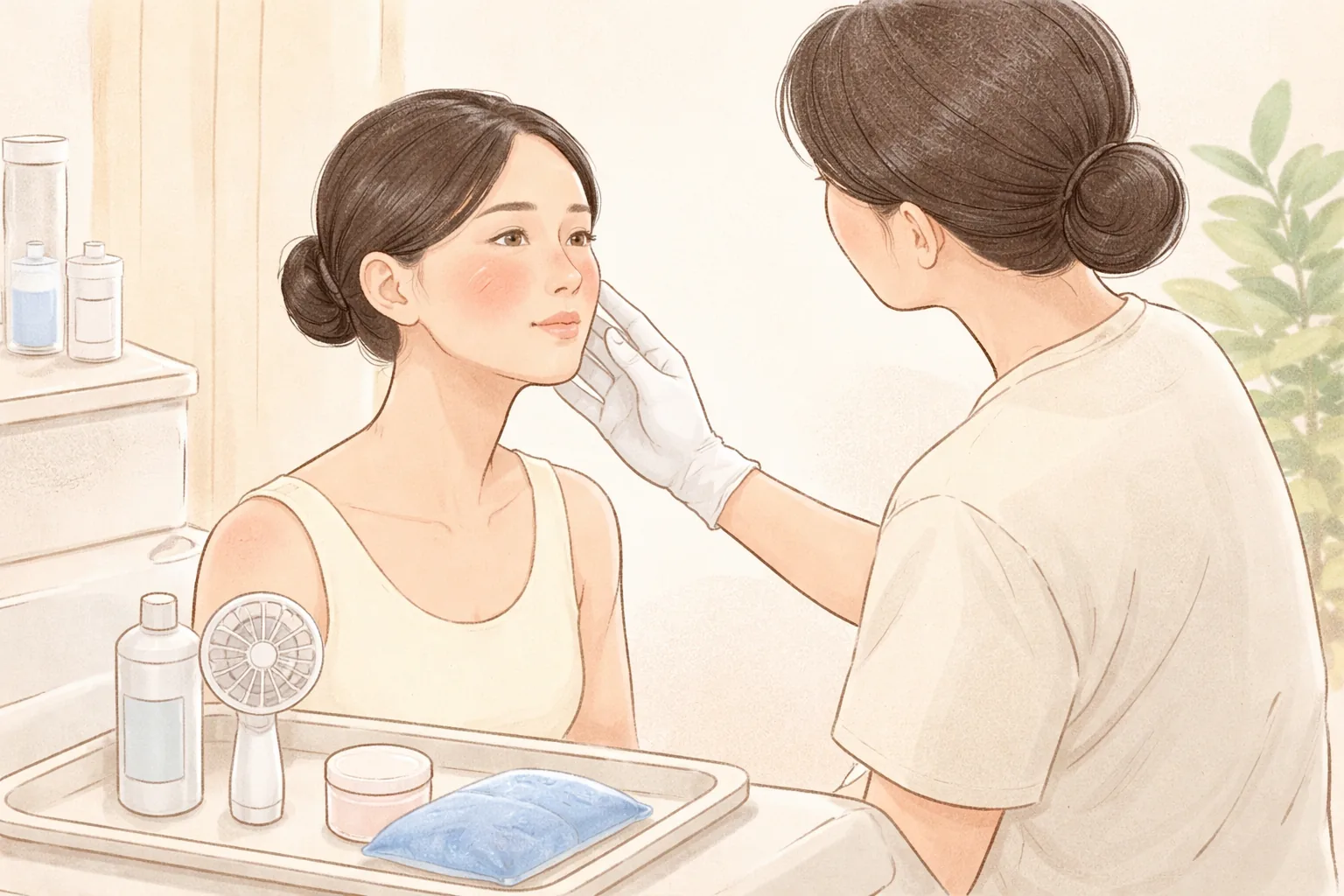
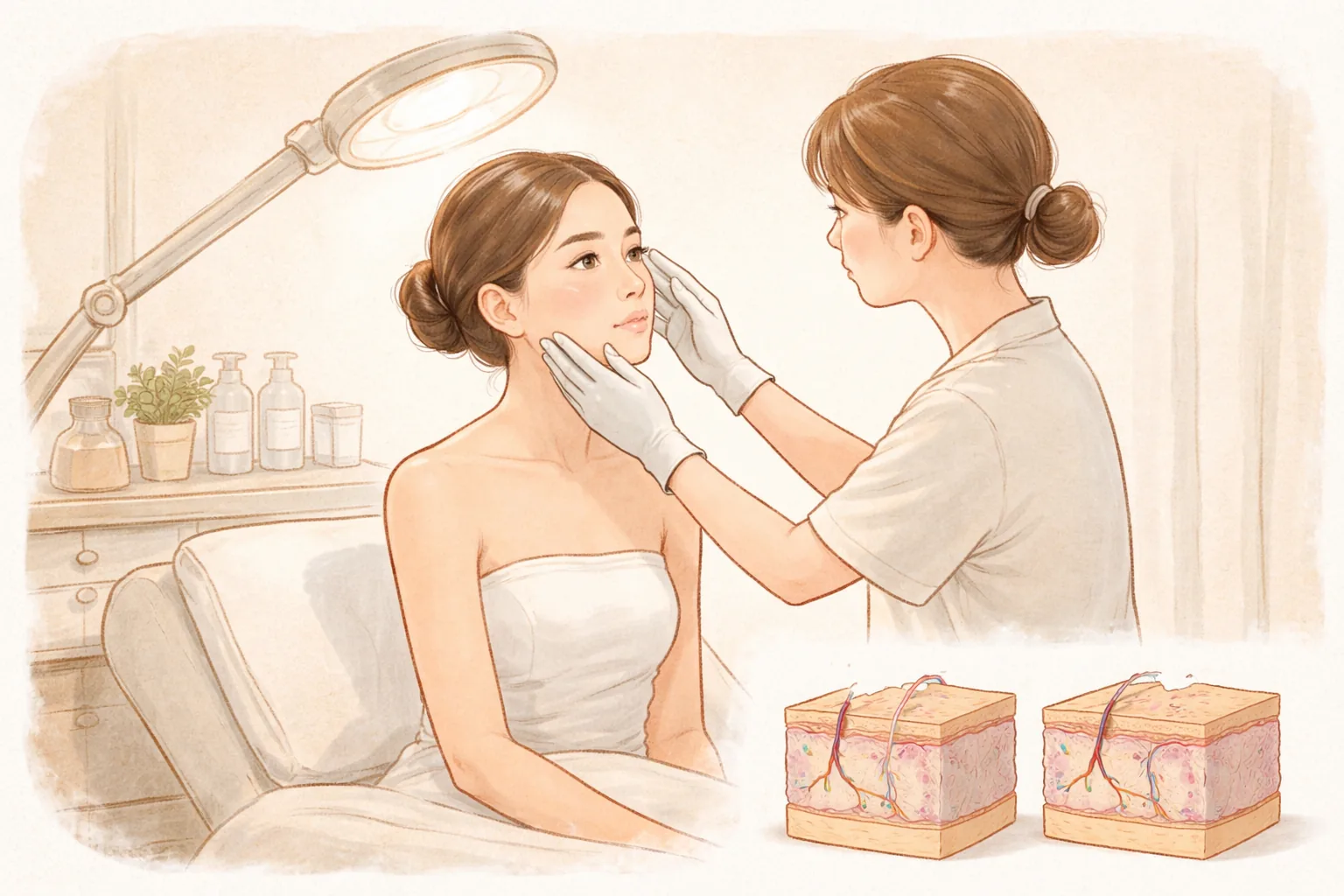
Consultation and skin assessment — We start by separating whether the change you want is hydration or skin thickness and elasticity. We assess your current skin condition and then guide you to suitable treatments.
Product, dose and interval plan — We decide which product goes in, how much, in which area and at what interval. The product used and its ingredients are explained at the consultation.
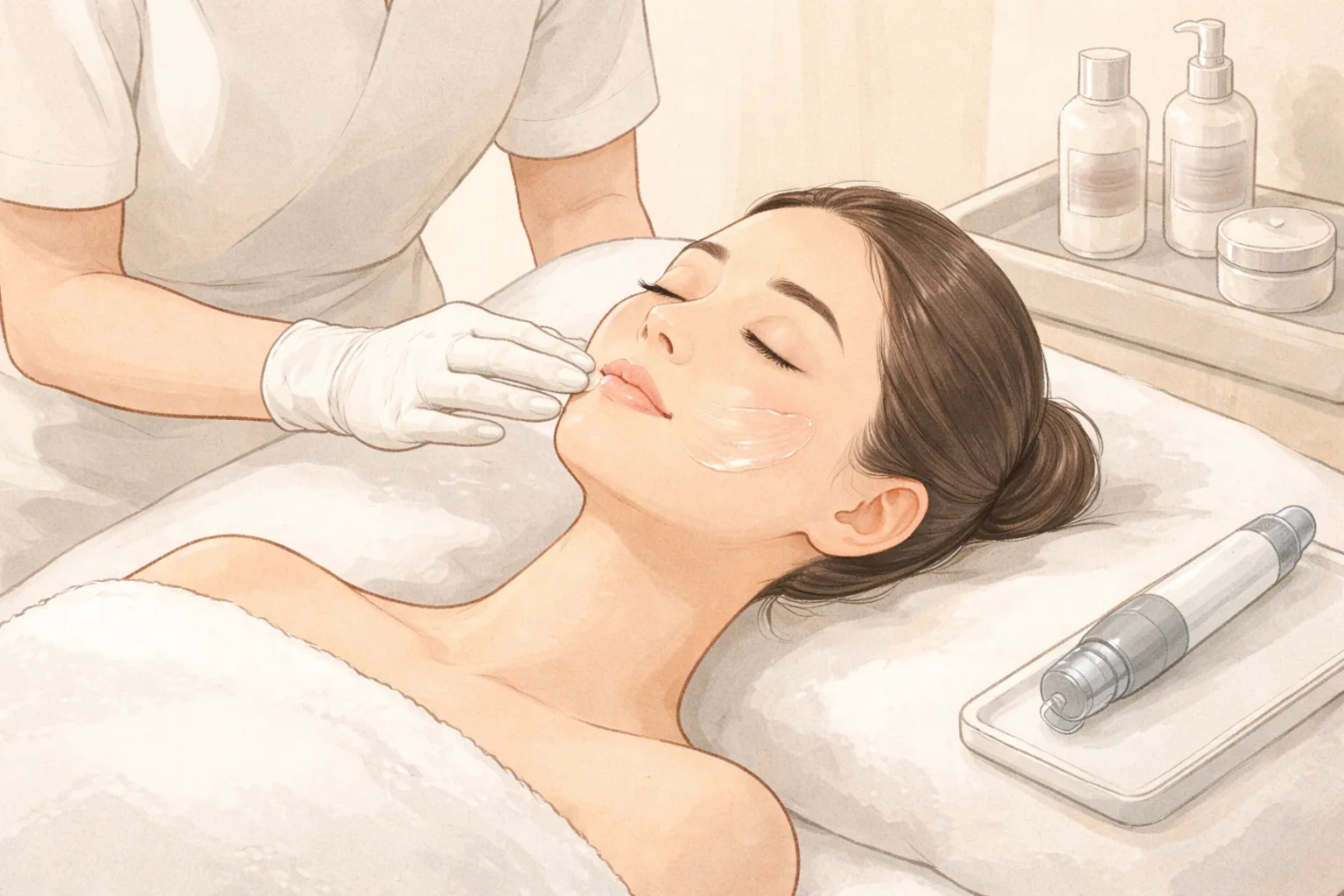
Treatment as planned — We inject in divided amounts at the agreed dose and depth, and explain how to avoid massage or strong pressure right after so the distribution stays even.
Follow-up and adjustment of the next session — After checking how redness, swelling and bruising are settling, we adjust the interval to the next session and the maintenance plan.
Products you can compare on this topic are the ones grouped as skin boosters on the price list: Rejuran Healer, Rejuran HB, Rejuran S, Eye Rejuran, Juvelook Skin, Sculptra, Re2O, SKINVIVE, Belotero Revive, Radiesse, Gouri, Hilo Wave, skin booster injection, salmon DNA injection, exosomes and DermaShine. When considering this alongside treatments that open the surface, there are also entries like Potenza (RF microneedling) whose pumping tip lists the device and product together. Which product suits you depends on your skin condition and concerns.
Aftercare and side effects
Soothing — Do not press hard on or massage the injection sites right after treatment. If physical stimulation is applied before hADM has settled into the dermis, the distribution can become uneven.
Moisturizing and washing — Wash your face gently starting 4–6 hours after treatment, and start makeup the next day. On the day of treatment, avoid strenuous exercise, alcohol and saunas.
Sunscreen — Apply sunscreen carefully throughout the recovery period. Sun protection and hydration habits also affect how long changes last.
Follow-up — Redness, swelling and bruising fade over time. If an uneven or bumpy feel at the injection site continues for a while, contact the clinic.
Common reactions are redness, stinging, swelling, tenderness when pressed, and bruising. Less commonly, infection, allergic or foreign-body reactions, or small lumps (nodules) can occur. Reactions to exosome products can include redness, itching, swelling and irritation, and allergic reactions can occur. There have also been reported cases of lumps or long-lasting inflammation after products applied to open skin, so which product is used matters.
There are signs that mean you should seek care without waiting. These are when the skin at the injection site turns white, mottled, bluish-gray or black, when there is any change in your vision, or when there is pain unlike usual that keeps worsening. Also contact the clinic if swelling, pain or fever persist.
Frequently asked questions
Do I only need one skin booster session?
The PN and HA family is usually described as a few sessions spaced 2–4 weeks apart, followed by maintenance sessions. Because the effect fades gradually once the stimulation ends, it is hard to see it as a one-and-done treatment. Re2O is likewise usually planned as a few sessions with maintenance sessions considered afterward. The number of sessions varies with skin condition, area and how much is injected, so the session plan is set at your consultation.
How is a skin booster different from dermal filler?
A hyaluronic acid dermal filler fills in its own right and is gradually broken down and absorbed over time, with the goal of correcting volume in a specific area. Re2O directly replenishes a dermal structure containing collagen, elastin and hyaluronic acid, targeting the skin's own texture and elasticity. The approach splits depending on whether your concern is volume or skin texture.
How long do the effects last?
It differs by product. With Re2O, the plump feel right after treatment partly settles over a few days as swelling subsides, and if there is a change it appears gradually over several weeks, with maintenance varying widely between individuals. The PN and HA family is a matter of managing your condition as maintenance sessions continue. Even with the same product at the same dose, how you experience it differs with skin condition, lifestyle habits and whether you use sun protection — so setting your own evaluation point at the consultation makes it easier to judge.
How are exosomes different from cosmetics?
Exosomes are very small signaling substances secreted by cells, and in laboratory research, signals related to inflammation and collagen have been reported. In clinics, they are often applied as an adjunct when channels are open on the skin surface, such as right after microneedling or an ablative fractional laser. Cosmetics vary greatly in concentration, source and purification level from product to product, and the stratum corneum limits penetration, so the range of what you can expect is limited. Which product is used affects both results and safety, so confirm the product at your consultation.
What should I look at when choosing a clinic?
The AAD advises asking at the consultation about expected results and risks, alternatives, recovery time, the number of sessions needed and how long they take, preparation and aftercare, and cost — and checking the practitioner's qualifications, their experience with the procedure, and their experience treating patients of a similar skin tone and age. On top of that, look at whether you are told the official name and ingredients of the product to be used, the per-session dose and the product's source, and whether that is recorded. Costs are split by product, area, dose and number of sessions, and there is a note that VAT is separate, so confirm exactly what conditions the price applies to. According to the booking information, a booking request is not a confirmation and is confirmed after the clinic contacts you.
At a glance
Table 2 At a glance
Item
Key point
Limits of the umbrella term
A skin booster is a category name, so it does not carry ingredients or effects
Product confirmation
Even on the price list, several products are split under different names and dosage units
Ingredient and method
What goes in and how it goes in are confirmed separately
Plan
Sessions and intervals differ with goal, area and previous course
Allergy
Disclose history of reaction to tissue-derived products, medications, pregnancy or breastfeeding, and inflammation beforehand
Recovery
Manage in the order of soothing, moisturizing, sun protection and follow-up
This article offers general health information. It is not a substitute for diagnosis or treatment based on your own condition, so please talk through your situation with a doctor.