How Much Do Skin Boosters Hurt? Anesthesia and What to Expect
How painful are skin booster injections, what anesthesia is used, and what recovery looks like — based on the ATTITUDE Clinic column and American Academy of Dermatology guidance.
Written by ATTITUDE Clinic Editorial Team
The first questions people ask in the clinic about skin boosters are “how much does it hurt?” and “how is anesthesia handled?” Pain varies with the treatment area, your personal pain threshold, and the injection method, and the anesthesia approach is matched to your skin condition and the area being treated. This article walks through what drives the pain, how anesthesia works, and what recovery and aftercare involve.
The short answer
Skin boosters involve a needle passing through the skin many times, so a stinging sensation can be expected. Thin areas close to bone — the forehead, eye area, and around the lips — feel more sensitive, while thicker areas like the cheeks and jawline tend to feel it less. Anesthesia is usually based on a topical numbing cream or cooling, and for sensitive areas like the lips, a nerve block (an injection that temporarily blocks sensation in that area) may be considered. After treatment, small raised bumps along the injection points, redness, and swelling can appear and usually settle within a day to a few days. Bruising can last a week or more.
Why do skin boosters sting, and which areas are more sensitive?
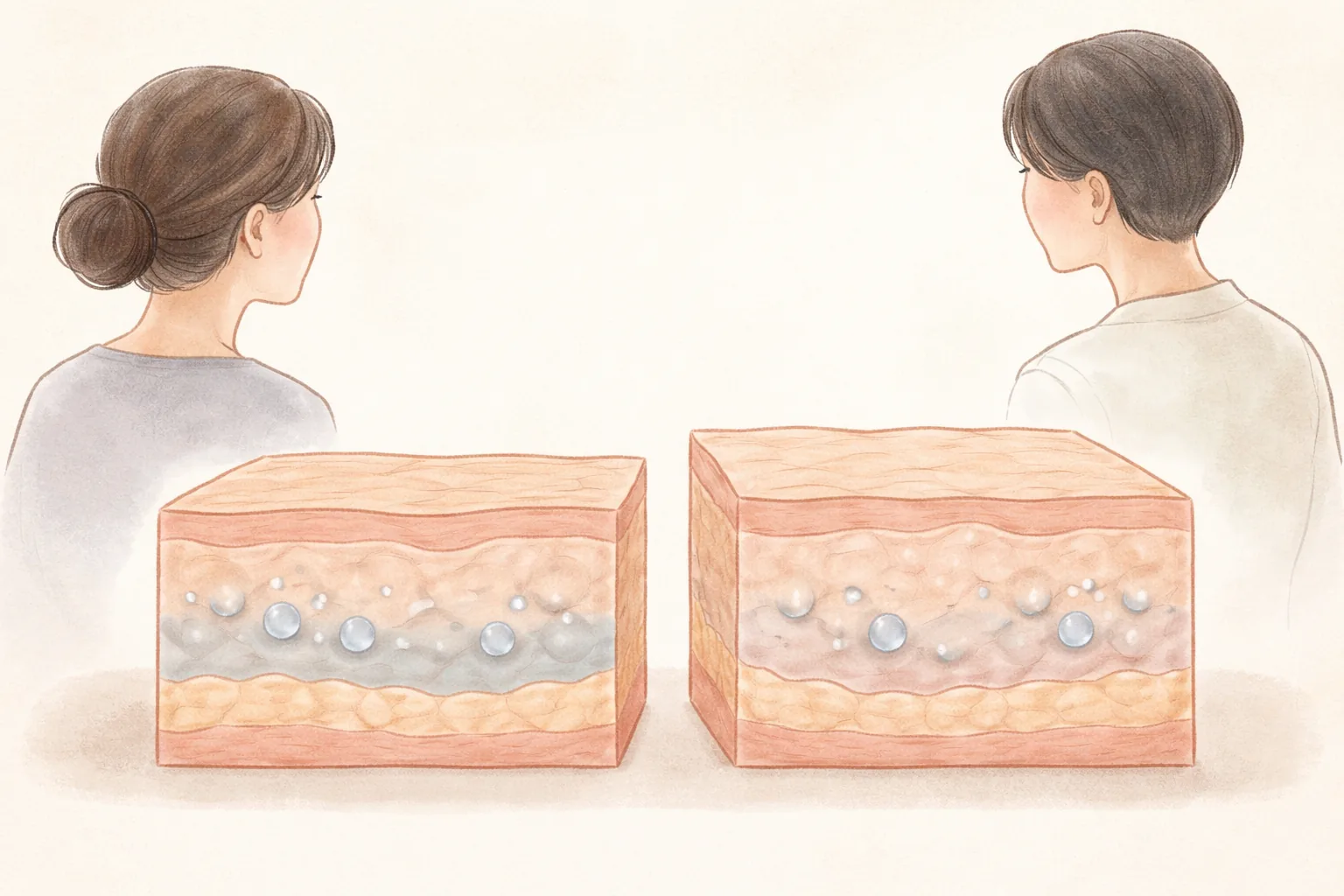
A skin booster injection delivers hyaluronic acid (HA, an ingredient that attracts moisture) densely into the dermis. As explained in the ATTITUDE Clinic column, because the needle enters many times, brief stinging can repeat. The level of pain isn’t determined by a single factor.
First, the area. The forehead, eye area, and around the lips have thin skin close to bone, so they tend to feel more sensitive. The cheeks and jawline have thicker tissue, so pain tends to be milder. That’s why the same skin booster feels different depending on where it’s injected.
Next, the injection tool. Injecting many points densely with a fine needle means repeated brief stinging. Using a thin tube with a rounded tip (a cannula) to spread the product from inside means stinging mainly at insertion, with relatively less pain afterward. A cannula isn’t suitable for every area, though — the choice depends on the area and the goal.
Finally, your personal pain threshold. Even with the same area and the same tool, the intensity you feel differs from person to person. So rather than saying “skin boosters hurt about this much,” it’s more realistic to discuss the area, the tool, and your own sensitivity during consultation. At ATTITUDE Clinic, we explain the anesthesia method during your consultation.
How is anesthesia handled?
According to American Academy of Dermatology guidance, cooling, topical numbing cream, and nerve blocks (injections) may be used before injectable treatments. Areas with duller sensation, like the hands, often don’t need anesthesia, while sensitive areas like the lips often need a nerve block. The same anesthesia principles apply to skin boosters, and the actual approach is decided during consultation based on the area and your skin condition.
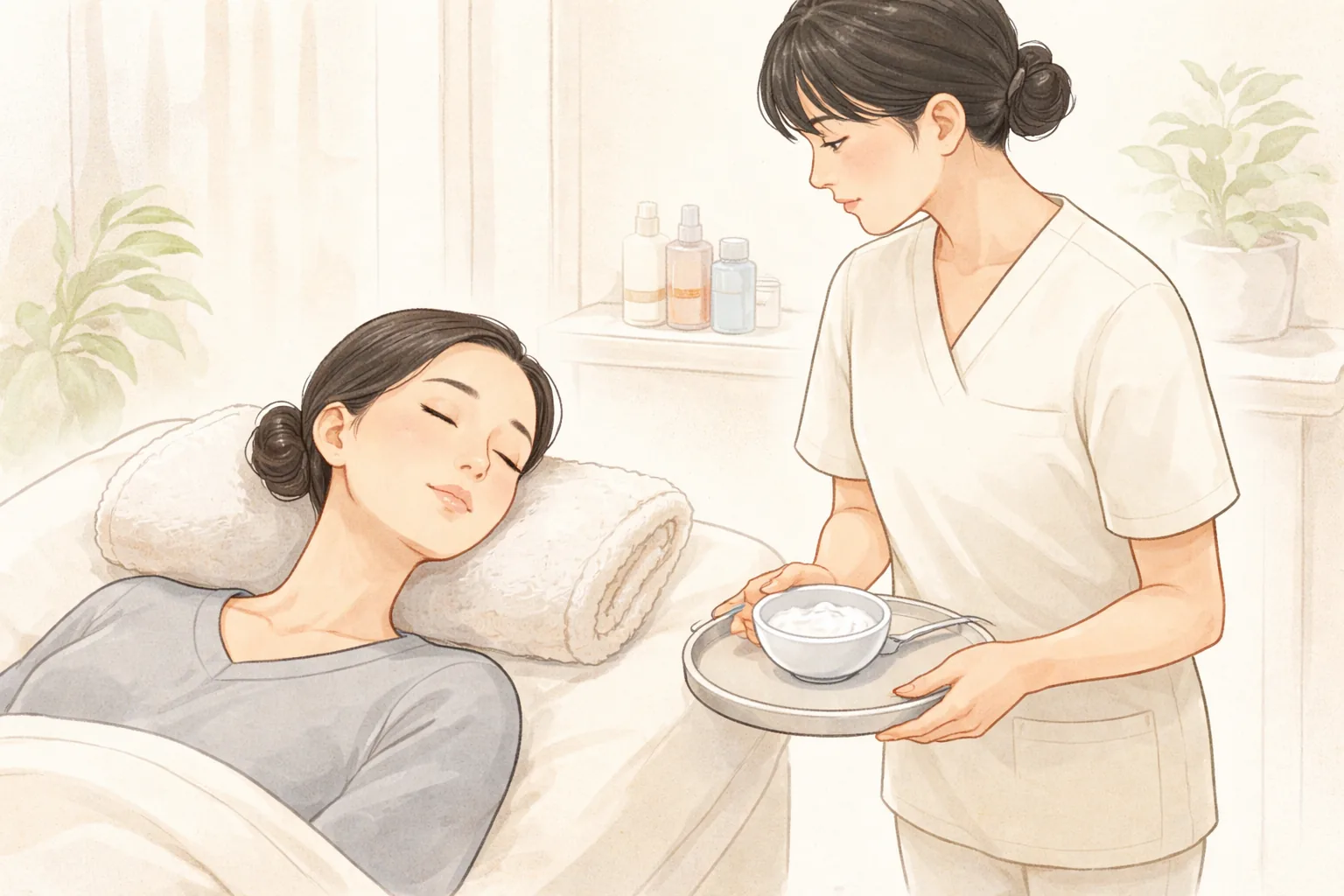
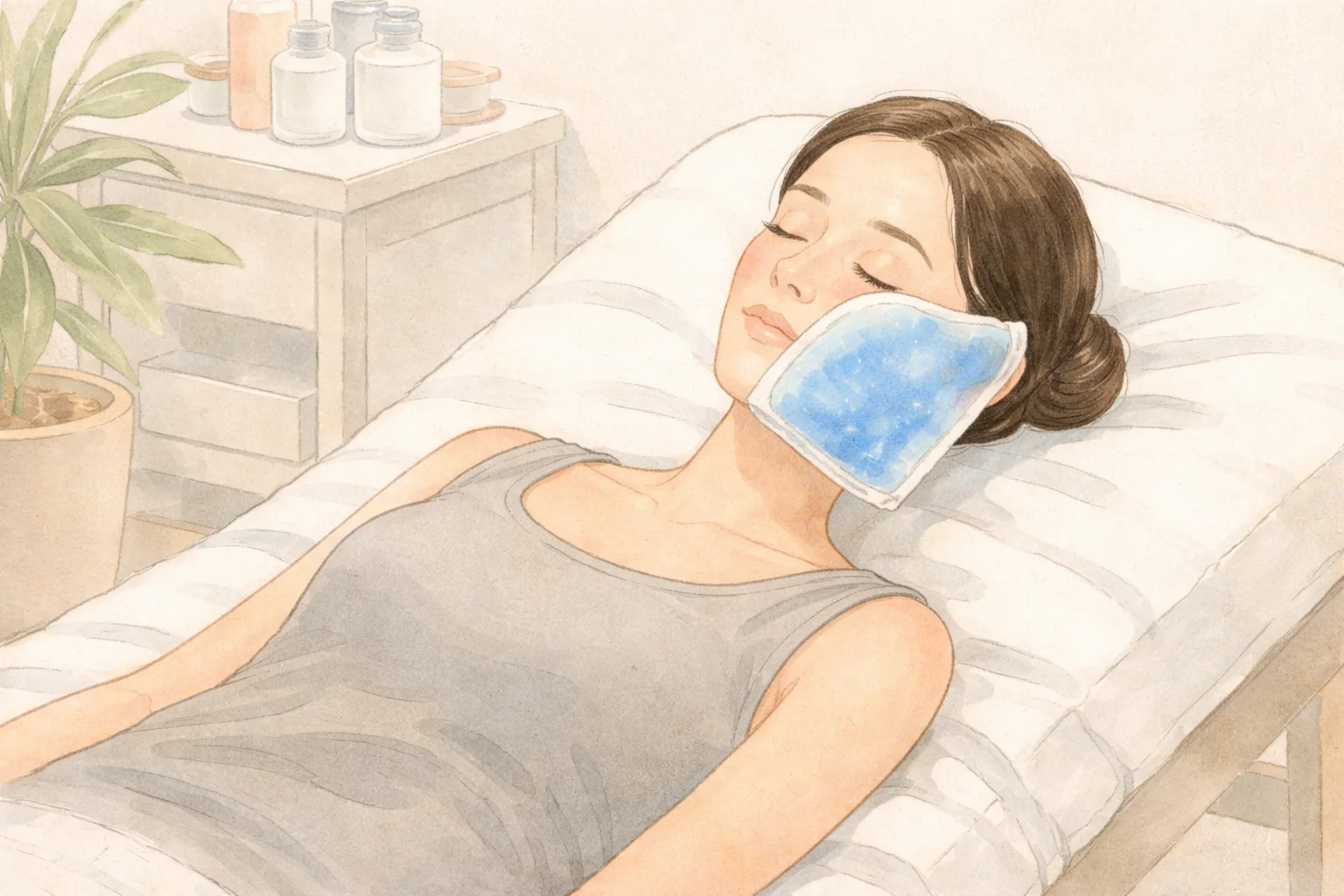
Topical numbing cream is the most common method. The cream is left on the skin for a set time to dull surface sensation. Cooling uses cold air or a cold pack right before treatment to briefly reduce sensation. A nerve block injects anesthetic near a specific nerve to temporarily block sensation in that area. It may be considered for sensitive areas like the lips.
Anesthesia is meant to reduce pain, not eliminate it entirely. The sensation of the needle entering and the product being injected can remain. How it feels depends on how long the numbing cream is applied, the thickness of the treatment area, and the nature of the product used. At ATTITUDE Clinic, we check allergy history and medications you’re taking during the pre-treatment questionnaire, then explain the anesthesia method. Note that the American Academy of Dermatology guidance is based on general filler treatments, and the same approach doesn’t apply identically to skin boosters and all skin booster products.
How many sessions, and at what intervals?
A skin booster isn’t a one-and-done treatment — it’s often done several times at set intervals. According to the ATTITUDE Clinic column, skin boosters are usually done several times at 2–4 week intervals, then the interval is widened for maintenance sessions. A single session alone may give limited and temporary results, and any change appears gradually.
The exact number of sessions and intervals depend on your skin condition, the areas of concern, and the product used, so the doctor decides at your first consultation after examining your skin. We also explain what ingredients are actually in the skin booster during consultation. Treatment time varies with the area and extent of injection, and this can also be confirmed during consultation.
What matters is less the interval itself and more “how fast your skin recovers and responds.” Lifestyle factors like sun exposure, smoking, and sleep habits also affect recovery and how long results last. That’s why the experience can differ even with the same number of sessions.
How do skin boosters differ from Rejuran and exosomes?
Skin boosters are mainly hyaluronic acid–based moisture injections, while Rejuran is a PN product and a separate treatment. The ATTITUDE Clinic column explains that PN helps the skin’s recovery response, while HA attracts moisture to give hydration. According to the exosome column, exosomes use signaling substances secreted by cells to support recovery after laser or microneedling. Because the three treatments have different goals, what to look at in terms of pain and recovery also differs.
Table 1 How do skin boosters differ from Rejuran and exosomes?
Category
Main ingredient / method
What it mainly targets
What to look at for pain and recovery
Skin booster
Hyaluronic acid (HA) injected into the dermis
Hydration, glow, inner dryness
Needle enters many times, so stinging can occur. Bumps and swelling usually last a day to a few days
Rejuran
PN (polynucleotide) series
Regeneration and elasticity
Pain varies with the injection area and method. Anesthesia method is explained during consultation
Exosome
Uses signaling substances secreted by cells
Recovery support after laser or microneedling
Used in combination rather than alone. Considered alongside the recovery course of the procedure itself
Swipe sideways to see the whole table.
In summary Pain from a skin booster is determined by the area, the injection tool, and your personal threshold together. Anesthesia is usually based on a topical numbing cream or cooling, and a nerve block may be considered for sensitive areas. Bumps and swelling after treatment usually settle within a few days, but bruising can last longer.
If this sounds like your situation
If you have an important event coming up
It’s best to time your treatment with the settling of bumps and swelling in mind. It usually takes a day to a few days, so if your event is close, check the recovery period during consultation first. If you bruise easily, keep in mind that bruising can last a week or more.
If your skin is sensitive or prone to redness
Checking your skin condition before treatment comes first. Areas with inflammatory acne or active infection may be reasons to postpone treatment, and if you have a history of allergy to anesthetics or ingredients, you must let the clinic know in advance. During consultation, we look at your skin barrier condition and pain threshold together.
If you want consistent maintenance
Skin boosters are planned as several sessions at set intervals, followed by maintenance sessions. Since the next interval is adjusted based on how your skin responds after the first session, regular maintenance is better than clustering sessions together. Lifestyle habits also affect recovery speed.
If you’re an international visitor on a short stay
If you want to finish treatment and recovery within your stay, scheduling matters. On the day of treatment, avoid saunas, strenuous exercise, and alcohol, and be more careful than usual with sun protection. If multiple sessions are needed, discuss during consultation whether the number can be adjusted to fit your stay.
Tell us before your consultation Letting us know about recent sun exposure, medications you’re taking (especially those affecting blood clotting), active skincare ingredients you’re using, reactions to past treatments, important events, pregnancy or breastfeeding plans, and allergy history helps us decide the anesthesia method and treatment timing.
How ATTITUDE Clinic handles this
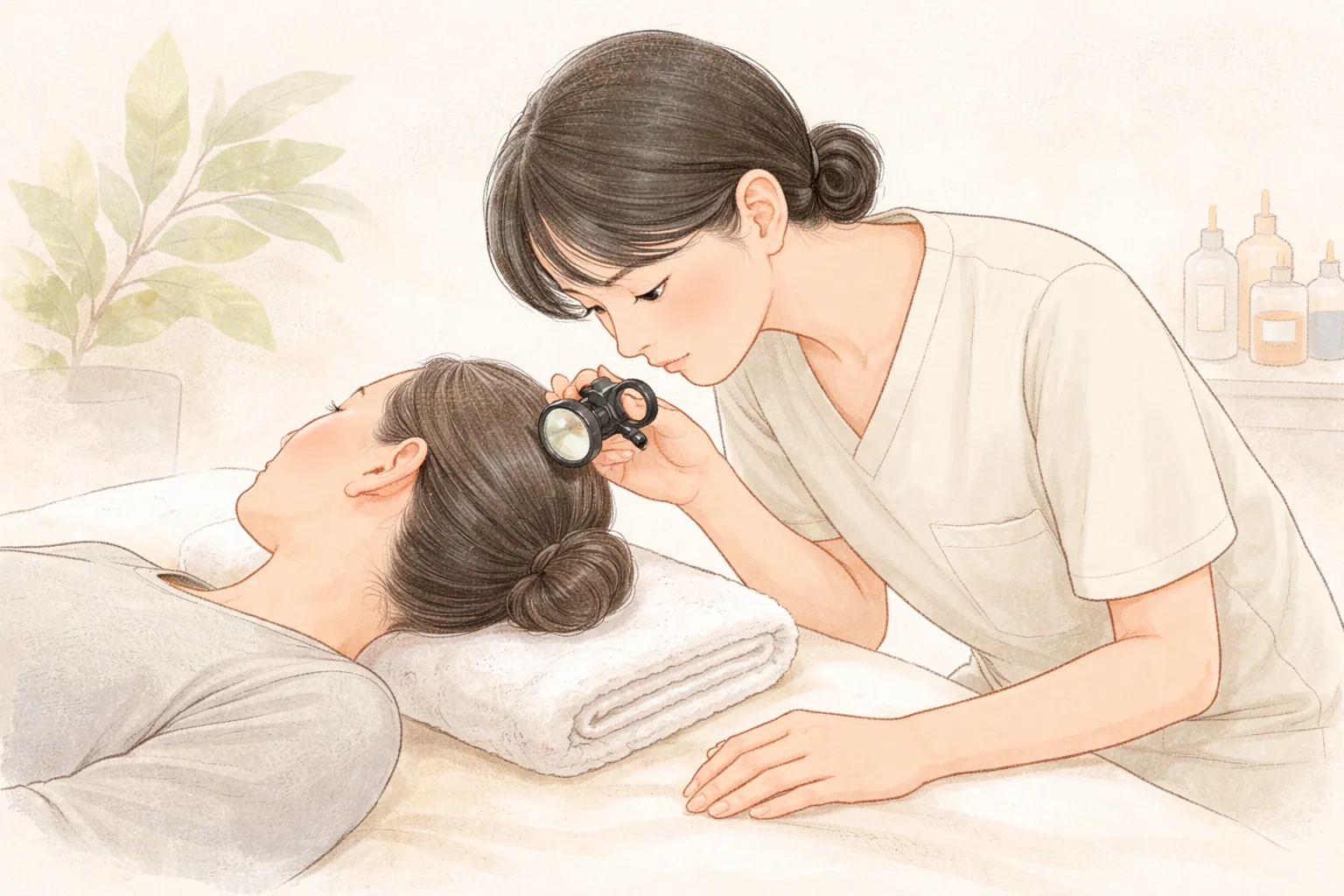
AI skin analysis record — We photograph and record your skin condition to track changes. This record is not a diagnosis but a reference to support consultation and comparison over time.
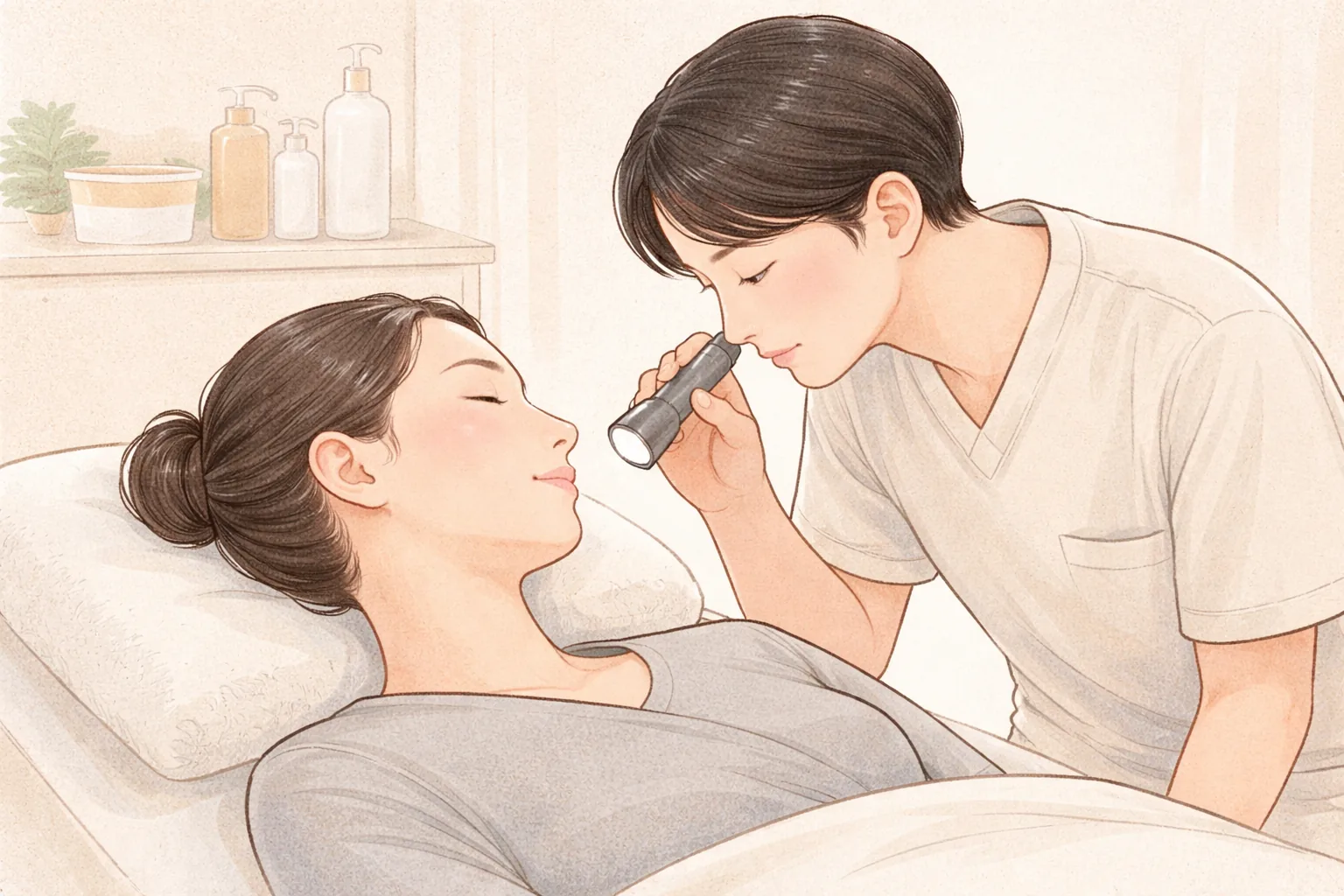
Doctor consultation — We set your pain threshold, anesthesia method, treatment area, and product together. Medications and allergy history are also checked at this stage.
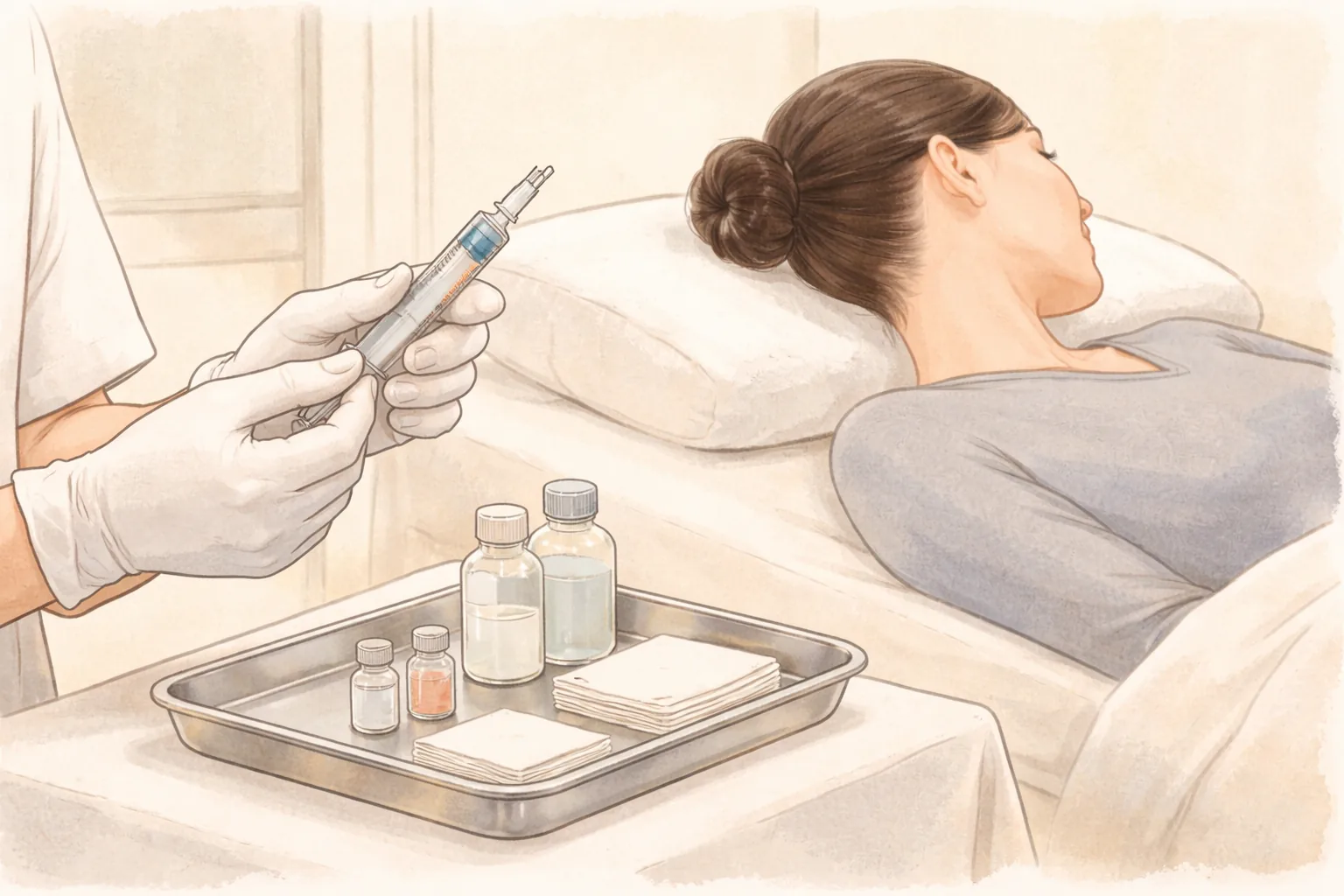
Treatment performed by the doctor — Injection depth, amount, and tool are adjusted to your skin condition. If you feel discomfort during treatment, tell us right away.
Recovery and aftercare — We explain aftercare and when to return. We also check how bumps or swelling are progressing together.
The ATTITUDE Clinic treatment guide includes skin boosters, Rejuran, exosomes, and more. Under the principle of authentic products, correct dosage, and fair pricing, we recommend the treatment that suits you during consultation.
Aftercare and side effects
After treatment, aftercare follows this order.
Soothing — Right after treatment, don’t rub the injection area and let it settle. Cold packs can help with swelling, so check the method with the medical staff.
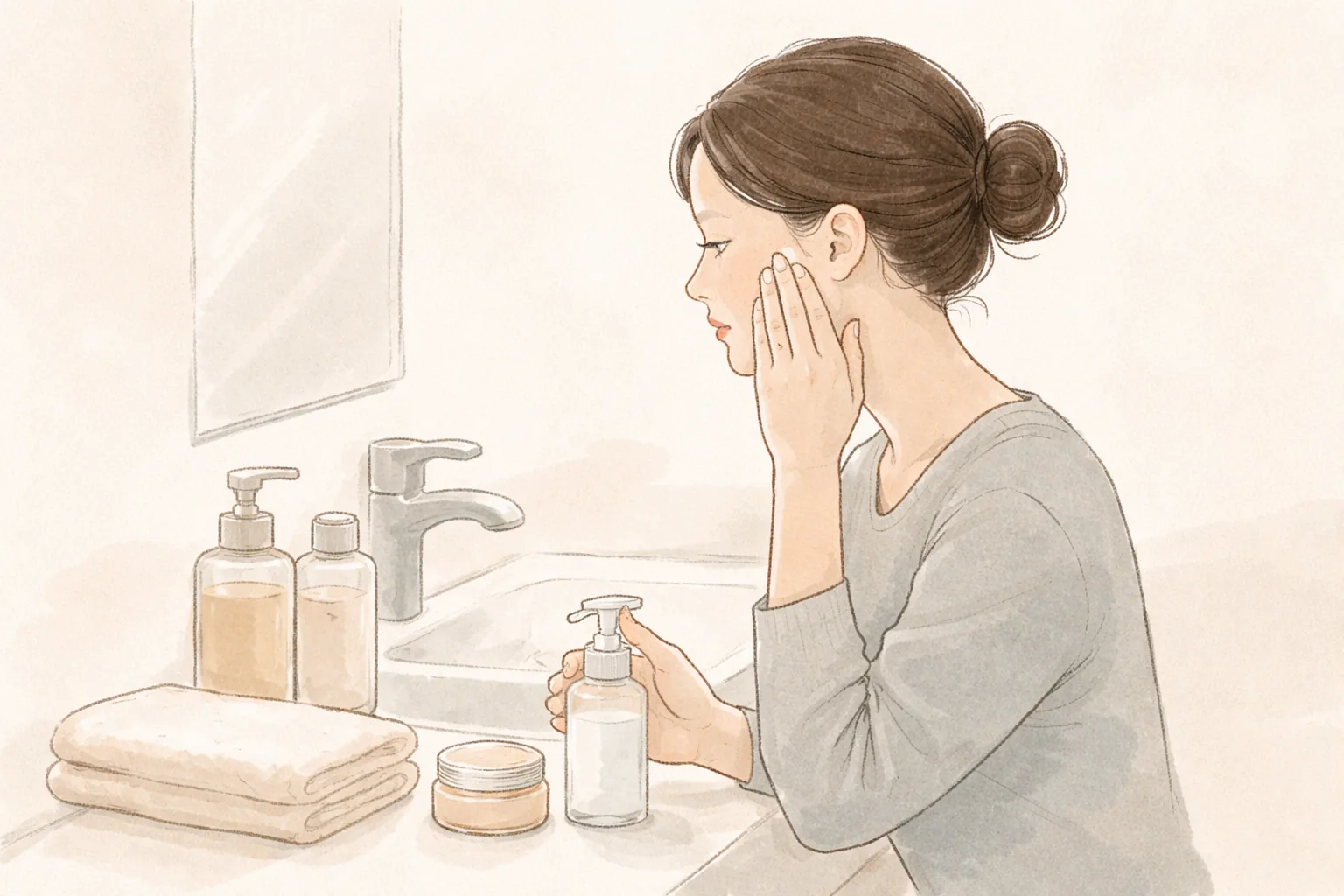
Moisturizing — Use a gentle moisturizer so the skin doesn’t dry out. Avoid irritating exfoliation or scrubs.
Sun protection — For 2–3 days after treatment, apply sunscreen more carefully than usual. During this period the skin barrier is temporarily weaker, so take care to avoid pigmentation.
Checking progress — Check whether bumps and swelling are settling. Makeup is often possible from the next day once the injection points have closed, so confirm with the doctor.
Common side effects include small bumps at the injection site, redness, swelling, tenderness when pressed, and bruising. Bumps usually settle within a day to a few days, and bruising can take a week or more to fade. Rarely, infection, allergic reaction, or small lumps can occur, and very rarely, the injected product can block or damage a blood vessel.
If you have pain that’s different from usual or getting worse, if the skin at the injection site turns white, mottled, grayish-blue, or black, or if you notice any change in vision, seek medical care immediately. On the day of treatment, avoid saunas, strenuous exercise, and alcohol. Treatment is generally not recommended during pregnancy or breastfeeding, so timing is adjusted during consultation.
Frequently asked questions
How much do skin boosters hurt?
Pain depends on the area, your personal pain threshold, and the injection tool. The forehead, eye area, and around the lips have thin skin close to bone, so they feel more sensitive, while the cheeks and jawline feel it relatively less. Injecting many points with a fine needle repeats the stinging, and with a cannula, stinging often occurs mainly at insertion. The intensity differs from person to person even for the same treatment, so it’s best to discuss your sensitivity and the treatment area during consultation.
How is anesthesia handled?
According to American Academy of Dermatology guidance, cooling, topical numbing cream, and nerve blocks may be used before injections. For skin boosters, a topical numbing cream or cooling is usually the base, and a nerve block may be considered for sensitive areas like the lips. Anesthesia is meant to reduce pain rather than eliminate it, and the sensation of the needle entering and the product being injected can remain. The method varies with allergy history and medications, so let us know during the pre-treatment questionnaire.
What’s the downtime, and when can I wear makeup?
Right after treatment, raised bumps along the injection points, redness, and swelling can appear. Bumps and swelling usually settle within a day to a few days, and bruising can last a week or more. Makeup is often possible from the next day once the injection points have closed, so confirm with the doctor. For 2–3 days after treatment, apply sunscreen more carefully than usual, and avoid saunas, strenuous exercise, and alcohol on the day itself.
How many sessions do I need, and at what intervals?
Skin boosters are usually done several times at 2–4 week intervals, then the interval is widened for maintenance sessions. A single session alone may give limited and temporary results, and any change appears gradually. The exact number of sessions and intervals depend on your skin condition, the areas of concern, and the product used, so the doctor decides at your first consultation. It’s best to get your next visit scheduled according to the recommended cycle after treatment.
How do I choose a good clinic for skin boosters?
First, look at whether the pre-treatment questionnaire is thorough. It matters whether they check allergy history, medications, and reactions to past treatments. Next, check whether they explain the ingredients and products specifically, and whether they go over the anesthesia method and expected pain. A clinic that explains progress after treatment and how to handle side effects is one you can consult with confidence. Rather than recommending a specific clinic, we suggest using these criteria when you consult.
At a glance
Table 2 At a glance
Item
Key point
Pain
Varies with area, injection tool, and personal threshold. Forehead, eye area, and around the lips are more sensitive
Anesthesia
Topical numbing cream and cooling are the base. Nerve block may be considered for sensitive areas
Session intervals
Usually several sessions at 2–4 week intervals, then maintenance
Recovery
Bumps and swelling for a day to a few days, bruising can last a week or more
Precautions
Avoid saunas, strenuous exercise, and alcohol on the day; sun protection for 2–3 days
Consultation
Tell us in advance about allergies, medications, schedule, and pregnancy plans
This article offers general health information. It is not a substitute for diagnosis or treatment based on your own condition, so please talk through your situation with a doctor.