How Long Do Skin Boosters Last? Swelling and Recovery After a Skin Booster Injection
Why swelling and bruising happen after a skin booster treatment, what sets the timeline, when you can wash your face, wear makeup, and exercise, plus aftercare and the warning signs that mean you should not wait to get checked.
Written by ATTITUDE Clinic Editorial Team
After a skin booster injection, many people wonder when the swelling will go down and whether they can go to work or make plans the next day. It is the few days after the treatment, rather than the treatment itself, that tends to be on your mind, because swelling and bruising are visible changes. This article walks through why swelling and bruising happen, what sets the timeline, when you can wash your face, wear makeup, and exercise, and which reactions mean you should not wait to get checked.
The short answer
A skin booster is an injectable treatment delivered directly into the skin, so swelling, redness, tenderness, and occasionally bruising can appear at the injection sites. Most reactions settle within a few days, and it is rare for them to get in the way of daily life. How long they last depends on the treated area and depth, the volume injected, your skin thickness and blood vessel pattern, how easily you bruise, and any medications you take. So rather than fixing on a single number in advance, it is more realistic to understand what drives the timeline and adjust the timing to fit your schedule.
Why does swelling happen after an injection, and what sets the timeline?
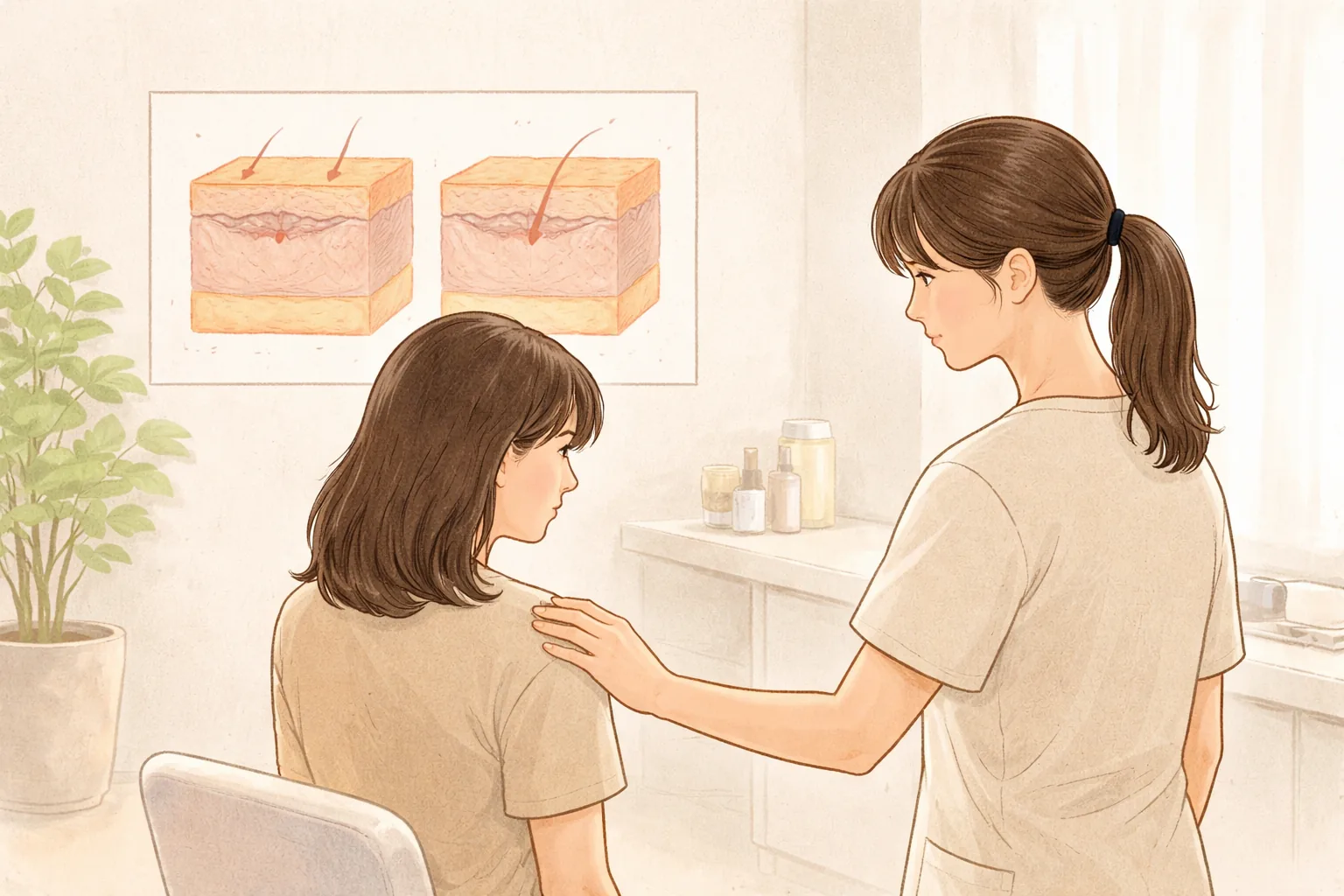
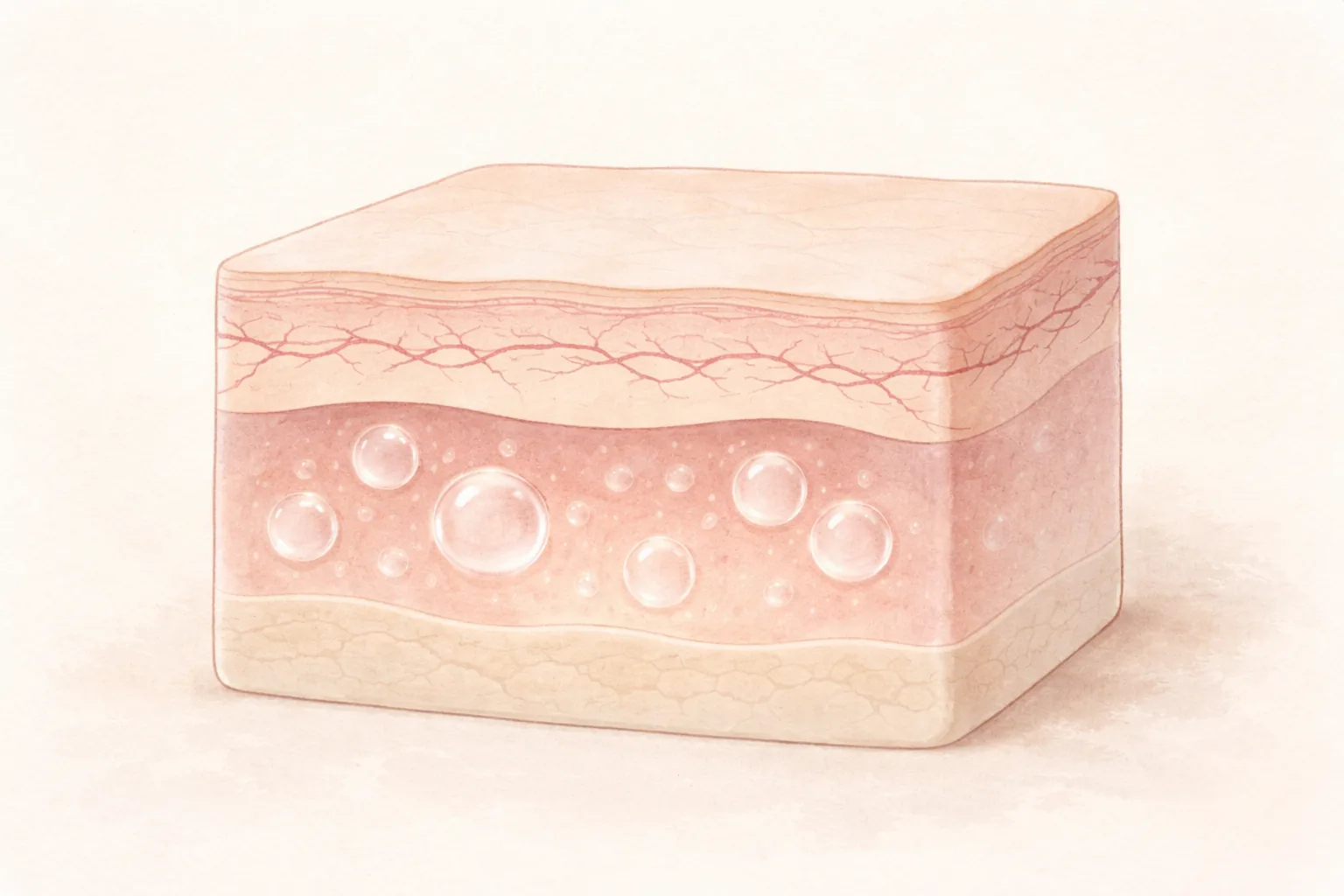
When a substance is injected into the skin, two things overlap. One is the volume of what was injected, and the other is the tiny tissue stimulation caused by the needle passing through, along with the response that follows. The thicker feel right after treatment is a mix of both. In the dermal injection article on the ATTITUDE Clinic column, the thicker feel immediately afterward is partly swelling and settles over several days (ATTITUDE Clinic column).
So why does it settle in a day for some people and stay noticeable for over a week for others? Skin thickness and blood vessel pattern at the site come first. Areas where the skin is thin and vessels are dense, such as around the eyes or temples, show a bigger response to the same stimulation, while thicker areas such as the forehead or cheeks look relatively less swollen. Salty food, alcohol, lack of sleep, and strenuous exercise right after treatment all push swelling up as well.
Recovery speed ultimately depends heavily on the treatment itself and its settings. The ATTITUDE Clinic column notes that skin changes after a treatment are mostly the recovery course of the treatment itself, and that recovery depends on the type of treatment and its settings (exosome column). With injectables too, the depth and volume of what was injected determine how much swelling there is and how long it lasts.
Why do some people bruise easily and others not?
Bruising happens when a needle damages small capillaries as it passes, letting blood leak into the tissue. So two things matter before skill or product: where the injection goes, and the state of that person's blood vessels and clotting. Areas where vessels run close to the surface, such as around the eyes, the forehead, and the temples, are more likely to show bruising from the same treatment.
Medications and habits play a role too. If you take blood-thinning medication or supplements such as aspirin, omega-3, or vitamin E, or if you drink alcohol often, bruising can be more likely and last longer. The American Academy of Dermatology's filler guide notes that redness, swelling, and tenderness can occur at the injection site, bruising is uncommon, and these reactions usually settle within 7–14 days, sometimes sooner (AAD filler guide). A skin booster is an injectable with a different purpose from fillers, but this is a useful general framework for understanding injection-site reactions. It also helps to know in advance that if bruising appears, it can take more than 1 week to fade, not just a few days (ATTITUDE Clinic column).
Why is repeating treatment before recovery a burden?
Skin needs time to settle itself after a treatment. If redness and heat are still present and you layer another treatment on top, the skin barrier can weaken and become sensitive, or redness can linger. The ATTITUDE Clinic column also notes that repeating treatment before recovery is complete, or using intensity that is too high for the skin's condition, can put a burden on the barrier (laser column).
The same goes for intervals. There is no established standard for repeat intervals yet, so whether to add sessions and how far apart is decided by the doctor for each treatment. Not every treatment needs to be repeated (exosome column). So rather than memorizing a set number of weeks, it is safer to look at how far your skin has recovered and plan the next step from there.
What is worth comparing from a recovery standpoint
The table below groups information from ATTITUDE Clinic guidance and American Academy of Dermatology materials from a recovery perspective. Even on the same face, what the treatment does changes the visible reaction and the aftercare approach.
Table 1 What is worth comparing from a recovery standpoint
Category
What it does in the skin
Common recovery reactions
What to check
Injectable skin booster (including this treatment)
Delivered directly into the skin
Swelling, redness, tenderness at injection sites; bruising uncommonly
Injection site and depth, volume, schedule
Dermal collagen injection products
Directly replenishes the dermis
Thicker feel right after; redness and stinging for a few hours; swelling for 1–3 days; bruising for more than 1 week
Avoid pressure and massage right after treatment
Resurfacing lasers
Address texture at the skin surface
Redness, dryness, thin crusts for a few days
Sun protection and moisturizing; avoid exfoliation
Filler injections (general guidance)
Adds volume to a specific area
Redness, swelling, tenderness; bruising uncommonly; usually within 7–14 days
Icing before treatment, check downtime
Swipe sideways to see the whole table.
In short swelling and bruising after a skin booster are reactions where the needle passed, so the area, volume, and skin condition set their size. Most settle within a few days, but bruising can last more than 1 week, so if you have an event, it is better to book earlier. Not layering another treatment on before recovery is complete is how you protect the result.
If this sounds like your situation
If you have a wedding or a photo shoot coming up
A first-time treatment right before an event can overlap with redness and swelling. The earlier you start, counting back from the date with some buffer, the more options you have for adjusting intensity and timing (laser column). Mentioning the date first at your consultation is the quickest way to prepare.
If you want ongoing maintenance
Rather than a strong single session, maintaining a regular schedule while respecting recovery intervals puts less burden on the skin (laser column). The next treatment date is set by looking at how much of the swelling and redness has settled.
If your skin is sensitive or you bruise easily
If cosmetics usually sting or you have had sensitive skin after a treatment before, say so first. If you take blood-thinning medication or supplements, bruising can last longer, so timing and areas are planned again.
If you are an international visitor on a short stay
If your stay is fixed, redness and dryness right after treatment can affect your schedule. Tell us your departure date and next commitments, and we will discuss intensity and areas to match (laser column).
Please tell us before your consultation
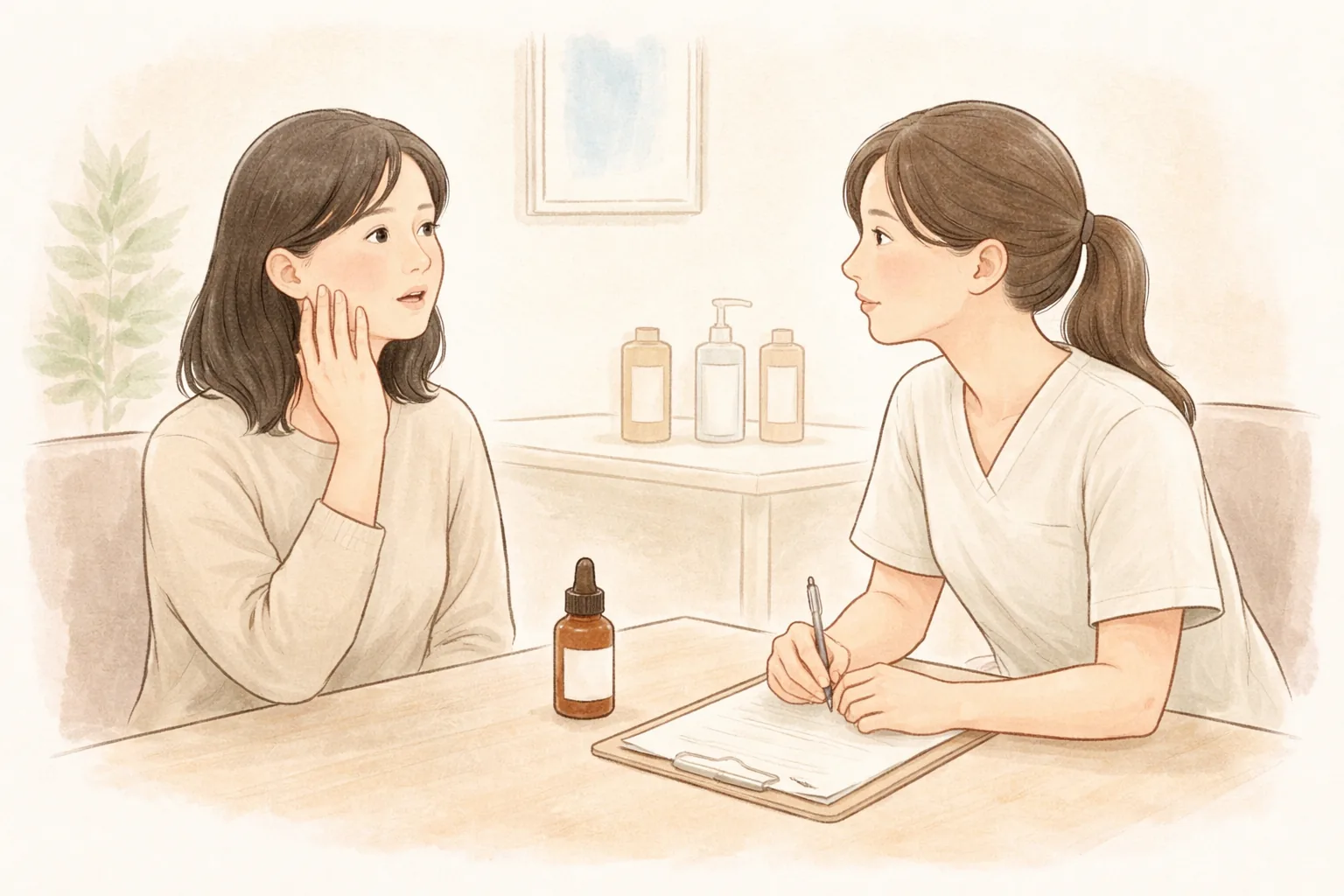
Whether you have had a lot of recent sun exposure, any medications you take (including blood thinners), the cosmetics and supplements you use, any experience of sensitive skin after a previous treatment, pregnancy or breastfeeding and autoimmune conditions, and any commitments you cannot avoid such as a wedding, photo shoot, or business trip.
How ATTITUDE Clinic runs this
AI skin analysis record — We record and organize your current skin condition, including pigment, redness, texture, and pores. The analysis tool records and organizes information to support the consultation; it is not a medical diagnosis (laser column).
Treatment planning with the doctor — We combine the analysis record with your schedule, pain sensitivity, previous treatments, and medications to decide the injection areas, timing, and intensity together.
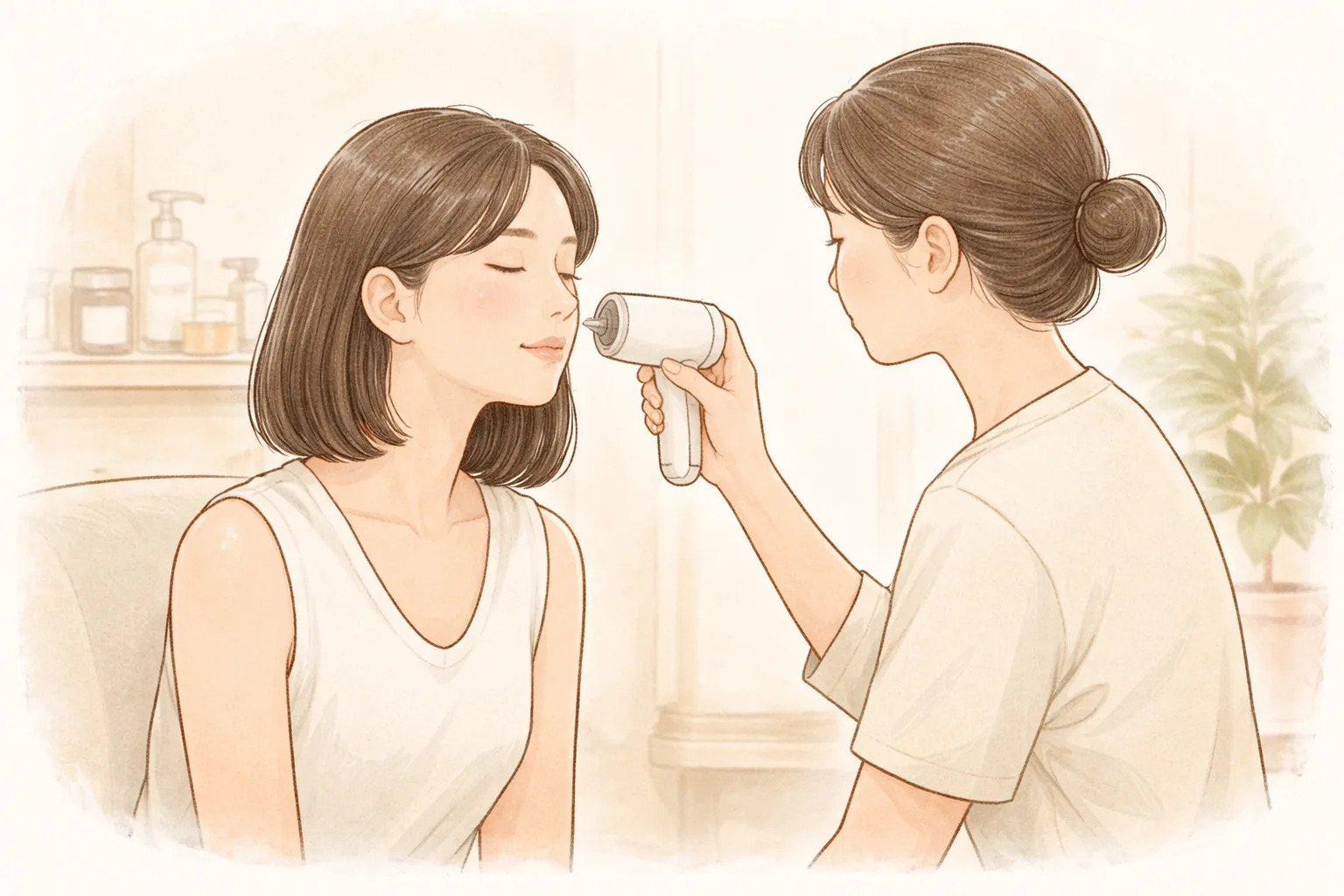
Treatment performed by the doctor — We reduce discomfort with topical numbing if needed, and the doctor performs the treatment. We do not recommend treatment beyond what is needed (laser column).
Recovery course and contact guidance — We explain the expected course of swelling and bruising, how to care for the area, and which reactions mean you should contact us without waiting.
ATTITUDE Clinic follows the principle of authentic products, accurate dosing, and fair pricing, and its treatment guide includes a skin booster section (treatment guide). Which product goes at which depth and in what amount is decided after looking at your skin.
Aftercare and side effects
Soothing — Right after treatment, lowering redness and swelling comes first. The American Academy of Dermatology filler guide suggests icing for about 15–20 minutes to reduce redness and swelling at the injection site (AAD filler guide).
Moisturizing — While the skin is sensitive, keep it hydrated with a gentle moisturizer. If dryness is severe, redness can feel like it lingers longer.
Checking progress — Check whether swelling and bruising are heading in the right direction and whether pain is not getting worse. If something seems different from usual, contact us instead of waiting it out.
It is best to avoid pressing hard on the treated area or massaging it. Physical stimulation before the injected substance has settled can make its distribution uneven (collagen injection column). Skip saunas, strenuous exercise, and alcohol on the day of treatment, and follow the guidance you are given on when to wash your face and apply makeup.
Common reactions are redness, swelling, tenderness when pressed, stinging, and bruising uncommonly. More rarely, infection, allergic or foreign-body reactions, or small lumps (nodules) can occur (collagen injection column). Although rare, the injected product can block or damage a blood vessel, so if you have pain that is different from usual or getting worse, if the skin at the injection site turns white, mottled, bluish-gray, or black, or if your vision changes, do not wait and get medical care right away. If swelling, pain, or heat persists, contact the clinic as well.
Frequently asked questions
How long does swelling usually last after a skin booster injection?
Injection-site reactions usually settle within 7–14 days and may be faster (AAD filler guide). For dermal injection treatments, swelling is sometimes described as lasting 1–3 days, and the thicker feel right after is partly swelling that settles over several days (collagen injection column). Which of these a skin booster is closer to depends on the injection site and volume, and we will explain that at your consultation. If swelling is heading down, you can watch it; if it grows or pain worsens, get it checked.
I bruise easily — is that a problem?
Bruising is uncommon and usually settles within 7–14 days (AAD filler guide), but if it appears it can take more than 1 week to fade (collagen injection column). Blood-thinning medication, supplements such as aspirin or omega-3, and alcohol all play a role. If you tell us at your consultation about all medications and supplements you take, we can adjust the areas and timing. Areas where shallow vessels run, such as around the eyes, show bruising more easily.
When can I wash my face, wear makeup, and exercise after treatment?
Dermal injection guidance says you can wash your face lightly from 4–6 hours afterward and wear makeup from the next day, and advises skipping strenuous exercise, saunas, and alcohol on the day of treatment (collagen injection column). A skin booster is in the same injectable family, so you can expect guidance along these lines, while the exact timing is decided at your consultation based on the treated area and scope. Sun protection is best continued throughout the recovery period.
When do results appear, and how often do you get treatments?
With injectable treatments, the thicker feel right after and the changes that appear gradually afterward are different things (collagen injection column). There is no established standard for repeat intervals yet, so the doctor decides whether to add sessions and how far apart for each treatment, and not every treatment needs to be repeated (exosome column). Layering treatments before recovery is complete can put a burden on the barrier (laser column).
What should I look at when choosing where to get a skin booster treatment?
Rather than device names or equipment lists, there are a few things worth checking. Whether they check first where your concern comes from before treatment, whether they recommend only what is needed and do not insist on a set number of sessions or intensity, whether they explain pain, recovery timeline, and aftercare thoroughly, and whether they are a place where you can get checked if something feels off (laser column). Recovery depends on the treatment itself and its settings, so who sets those settings and on what basis is the key point.
At a glance
Table 2 At a glance
Item
Key point
What the swelling is
The volume of what was injected plus the reaction to the needle passing
What sets the timeline
Skin thickness and blood vessel pattern at the site, volume, how easily you bruise, medications
Bruising
Uncommon; usually within 7–14 days, but if it appears it can take more than 1 week
Return to daily life
Usually within a few days; skip strenuous exercise, saunas, and alcohol on treatment day
Repeat intervals
No established standard yet; the doctor decides based on recovery
Signs to get medical care right away
Worsening pain, color changes in the skin at the injection site, vision changes
This article offers general health information. It is not a substitute for diagnosis or treatment based on your own condition, so please talk through your situation with a doctor.