Skin Boosters (Water Glow Injection): When Results Show and How Long They Last
A clear guide to skin boosters — when the water glow shows, what sets how long it lasts, treatment spacing, comfort and downtime, and aftercare at ATTITUDE Clinic in Gangnam, Seoul.
Written by ATTITUDE Clinic Editorial Team
When skin feels dry and makeup starts to sit on top of it, the first name many people think of is the skin booster, often called a "water glow" injection. Once you decide to go ahead, the bigger questions are when you will notice a difference and how long it will last. This article walks through what a skin booster does inside the skin, when results appear, what sets how long they last, and how to care for your skin afterward.
The short answer
A skin booster is a treatment that places hyaluronic acid (HA, an ingredient that attracts water strongly) into the dermis to add hydration and glow, and many people notice a dewy feeling soon after the injection. Changes that develop over time, such as texture or elasticity, do not complete in one session, so it is usually planned as a few sessions 2–4 weeks apart, then spaced out for maintenance. Lasting time is often described as a few months, but individual differences are large. That is because conditions like age, UV exposure and smoking influence how long the changes produced by the ingredient stay in place.
What does a skin booster do inside the skin?
The core ingredient in a skin booster is hyaluronic acid. It has a water-attracting quality, like a sponge holding water, so when it enters the dermis (the layer where collagen is produced inside the skin), it holds moisture there. That is why it feels like hydration filling the inside rather than the surface. In the ATTITUDE Clinic column, HA-based options are described as "an approach that fills hydration and volume," while PN-based options are described as "an approach that induces regeneration."
One point to keep in mind: which ingredients are actually used in a skin booster differs from product to product, so what you are told during consultation is the accurate source. Even when products share the same name, different formulations and concentrations lead to different results on the skin.
When do results show?
The first change most people notice is hydration. As the ingredient holds water, the feeling of skin no longer feeling tight and gaining a glow tends to appear fairly soon. On the other hand, right after the procedure, swelling and irritation can overlap, making it hard to feel a big change. Changes appear gradually, and the timing and degree differ from person to person.
The timing of results also differs by injectable type. According to American Academy of Dermatology information, most fillers give immediate results, while poly-lactic acid types show results after 2–3 weeks and the treated area should be gently massaged for 5 minutes several times a day for 1–2 weeks. This means that when an ingredient does a different job in the skin, the timing of results differs too. The hyaluronic acid used in skin boosters is mainly about holding water, so immediate hydration is its strength, while changes in texture or elasticity build gradually over repeated sessions.
What determines how long results last?
Skin boosters, including this treatment, are usually planned as a few sessions 2–4 weeks apart, then spaced out for maintenance. A single session alone gives limited and temporary effects. The number of sessions and the interval depend on skin condition, the area of concern and the product used, so a doctor decides after seeing your skin.
Individual differences in lasting time are large because how long the changes produced by the ingredient stay in place differs from person to person. The older you are, and the more skin aging has progressed due to UV exposure or smoking, the faster changes tend to fade. This is why the next visit timing can differ between someone in their 30s and someone in their 50s even after the same treatment. That is why it is approached as ongoing care rather than a one-time procedure, and the next visit is set to the recommended cycle.
How is it different from filler?
The biggest difference is the goal. Filler is a treatment that adds volume to a sunken area to create shape, while a skin booster fills moisture into the superficial layers to lift skin texture and glow. Since what is being filled is different, the repeat cycle is bound to differ too. If your concern is contour, such as the nose or chin, filler is considered first; if your concern is inner dryness or dullness, a skin booster is considered first.
The two treatments are not competitors — they have different purposes. If you want to address both contour and skin texture, they can be combined with a set order and interval, and whether they can be done on the same day depends on the treatment type and is decided by the doctor.
Table 1 How is it different from filler?
Category
What it does inside the skin
Concerns it suits
How changes appear
Skin booster (HA-based)
Places a water-attracting ingredient into the dermis
Most of the course is the procedure's own healing process
Swipe sideways to see the whole table.
In short a skin booster gives hydration fairly soon, while texture or elasticity changes appear gradually over repeated sessions. Lasting time is often described as a few months, but it varies with conditions such as age, UV exposure and smoking, so it is more stable to set the next visit timing together.
What about discomfort and recovery?
Because the needle enters multiple times, you may feel a stinging sensation. It differs by area: the forehead, eye area and around the lips, which are close to bone and thin, are relatively more sensitive, while thicker areas like the cheeks or jawline are less so. The injection tool also matters. A fine needle placed densely causes brief stinging repeated many times, while a thin tube with a rounded tip (cannula) that spreads from inside stings only on entry and causes relatively less discomfort afterward. Anesthesia methods are explained during consultation.
For a day to several days right after the procedure, small bumpy marks (papules) may remain along the injection points. This is a natural response as the ingredient is absorbed and usually fades on its own. During this period the skin's barrier is temporarily weakened, so you should be more careful with UV protection than usual to recover without pigmentation. Makeup is often possible from the next day once the injection marks have closed, so check with your doctor.
If this applies to you
If a ceremony or photo shoot is coming up
The bumpy marks along the injection points usually settle within a few days, but bruising can take a week or more to fade. If you have an event, it is better to schedule consultation with at least a few days of margin. Having the treatment with time to spare before the shoot and keeping up with UV protection makes recovery easier.
If you want ongoing care
A repeat plan at 2–4 week intervals carries changes longer than a single session. If you set the total number of sessions and the maintenance timing at the first consultation, it is easier to plan your schedule and not miss the recommended cycle.
If your skin is sensitive or prone to redness
Because reactions vary a lot by area, treatment may be done in divided sections. If you have had redness or swelling that lasted a long time after a previous procedure, telling the clinic during consultation helps adjust intensity and range. The duration of injection marks can also be checked at that time.
If you are an international visitor on a short stay
Plan the schedule considering recovery within your stay. If you calculate the next visit cycle in advance, it is easier to match with your return flight, and whether other treatments can be done on the same day is decided during consultation.
Please tell us before consultation Recent UV exposure (sunlight, tanning, outdoor shoots), medications you are taking (especially those affecting blood clotting), allergy history, active ingredients in your current skincare, reactions after past procedures, and important events such as ceremonies or photo shoots. If you are pregnant, breastfeeding or planning to be, we adjust the treatment timing together.
How ATTITUDE Clinic proceeds
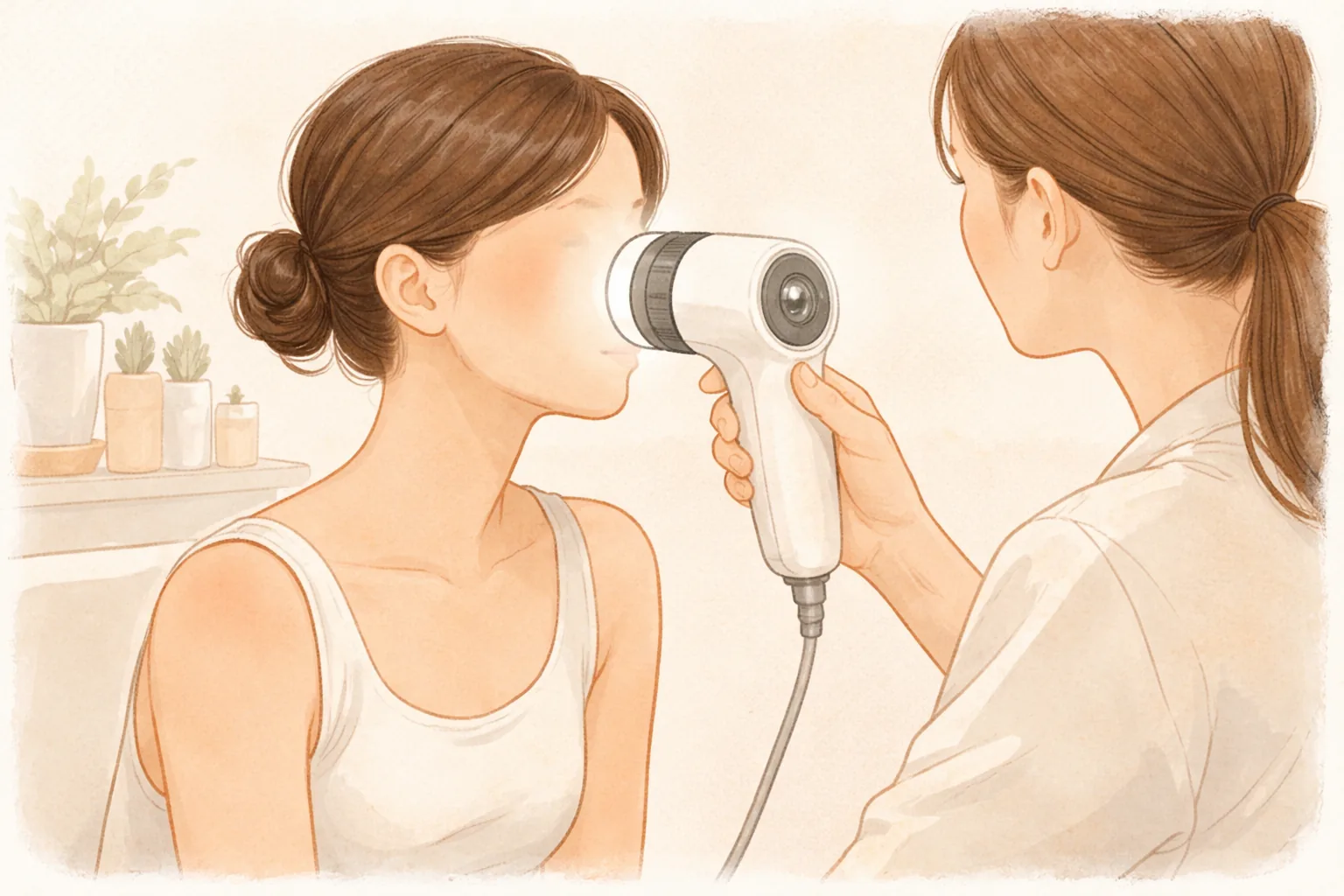
AI skin analysis record — Your skin condition is photographed and recorded as consultation material. The analysis tool is a device that gathers and displays information and does not replace diagnosis.
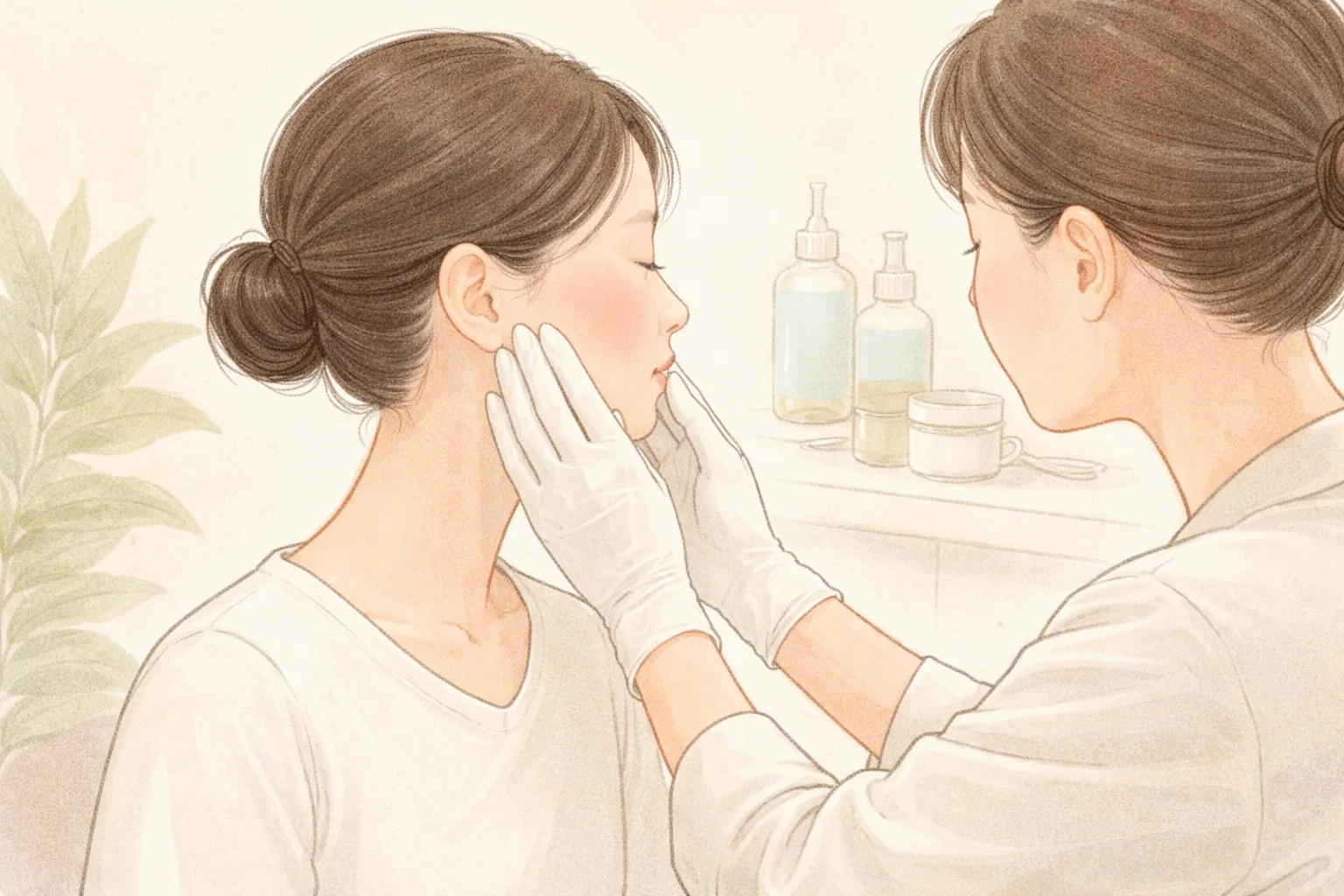
Doctor consultation — The ingredient, number of sessions, interval and anesthesia method are decided together. If you tell us about medications, allergy history, or pregnancy/breastfeeding at this stage, the plan changes.
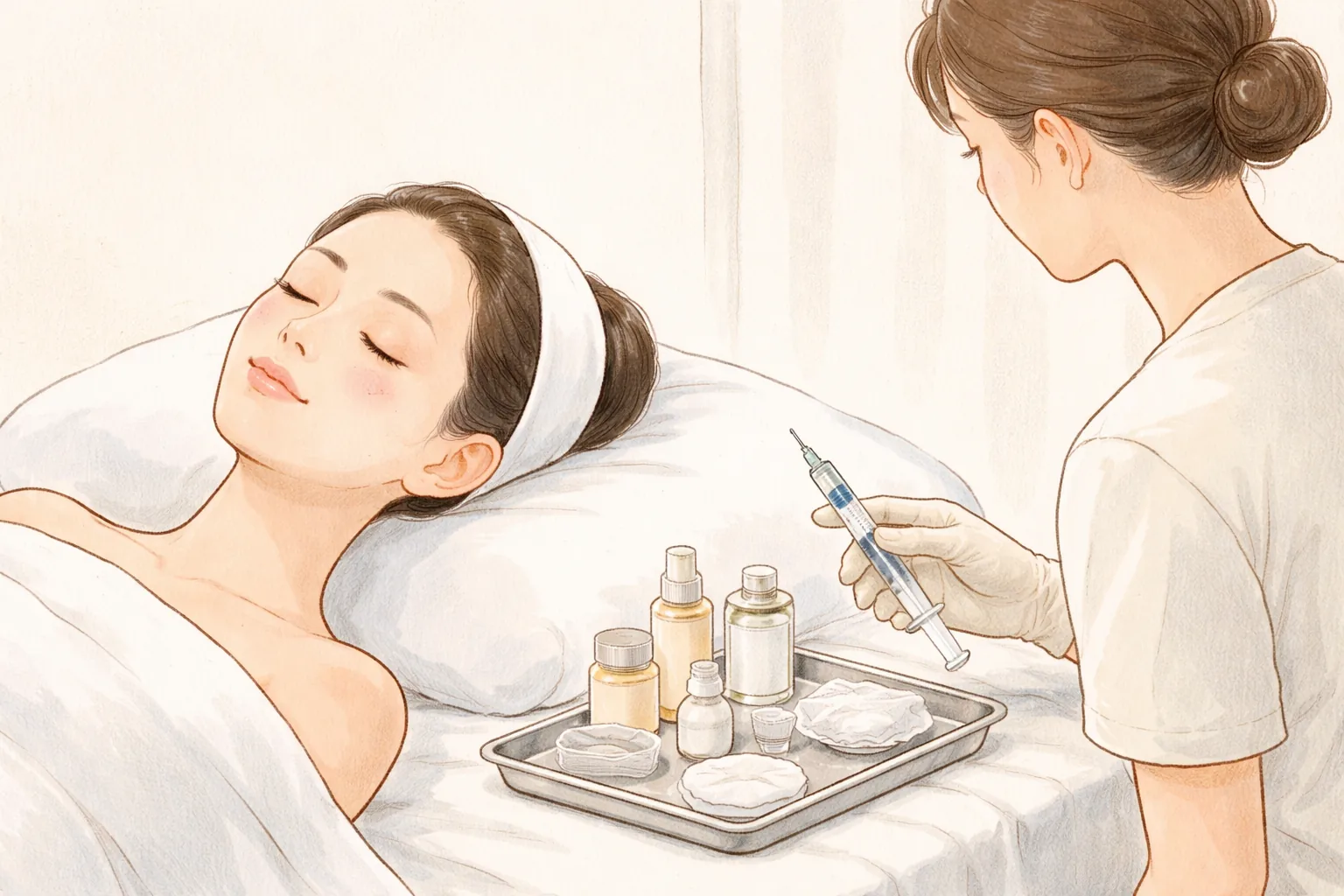
Treatment performed by the doctor — Injection depth and volume are adjusted to the thickness and concerns of each area.
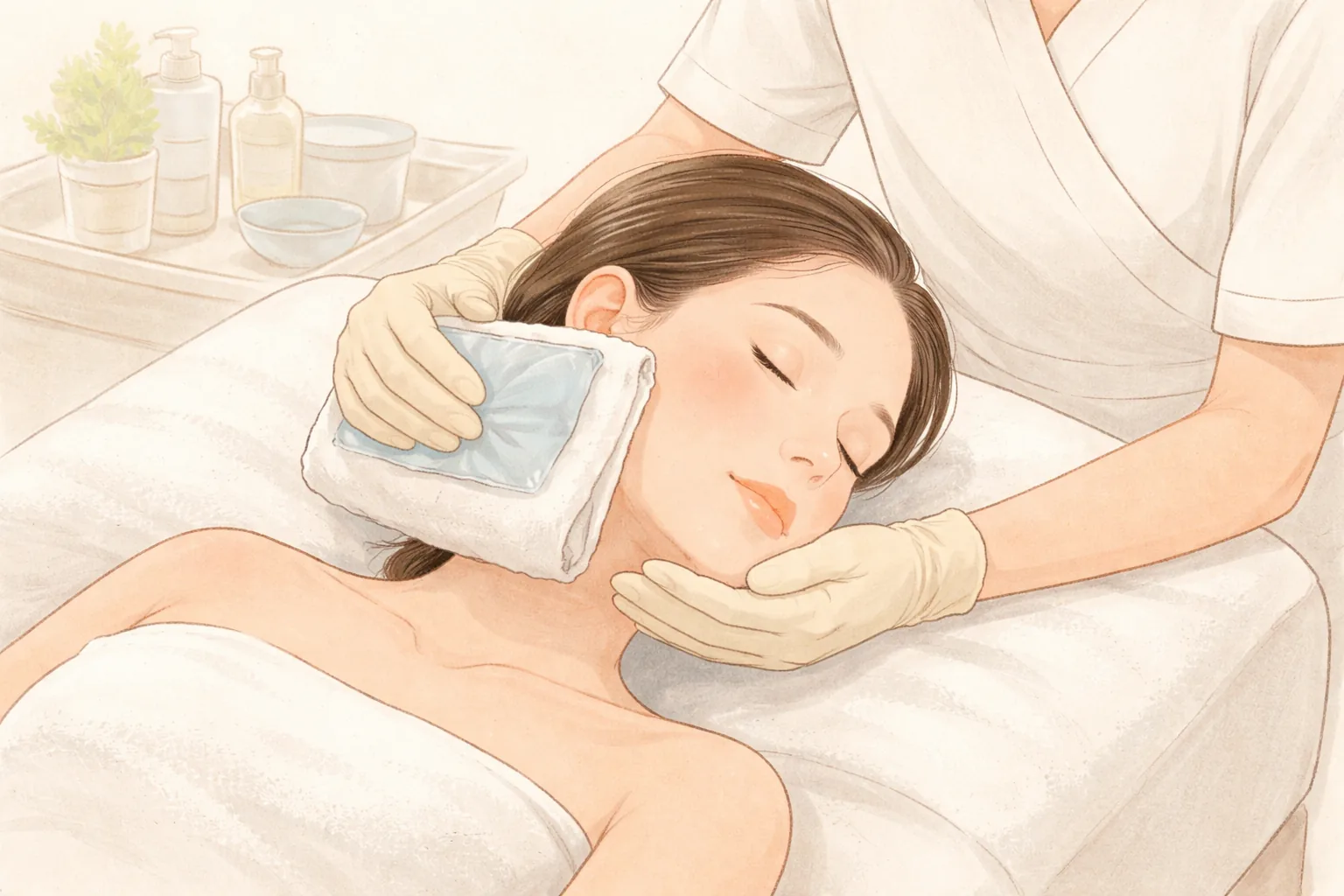
Recovery and care — The next visit is guided to the recommended cycle, along with aftercare instructions.
Treatments often discussed alongside skin boosters include Rejuran Healer, Juvelook Skin, exosomes, Dermashine and PDRN (salmon DNA) injection. Which combination suits you depends on your skin condition and is decided during consultation, and treatment types and prices can be found on the clinic treatments page.
Aftercare and side effects
Calming — If you feel swelling, cold compresses can help. Check the method with the medical staff.
Adjust activity on the day — Avoid saunas, strenuous exercise and alcohol on the day.
Cleansing and makeup — Makeup is often possible from the next day once the injection marks have closed, so check with your doctor.
UV protection and progress check — For 2–3 days after the procedure, apply sunscreen more carefully than usual. The bumpy marks usually settle within a day to several days.
Common side effects are small papules at the injection site, redness, swelling, tenderness when pressed, and bruising. Papules usually settle within a day to several days, and bruising can take a week or more to fade. Rarely, infection, allergic reaction or small lumps can occur, and very rarely the injected ingredient can block or damage blood vessels.
There are cases where you should seek care right away rather than wait. If you have pain that is unusual or worsening, changes in the injection-site skin such as turning white, mottled, gray-blue or black, or changes in vision, get medical care on the spot. These signs are rare, but time influences the outcome.
FAQ
When do skin booster results show?
Hydration is often noticed fairly soon after the procedure. On the other hand, right after the procedure swelling can make it hard to feel a big change, and changes in texture or elasticity appear gradually. The timing, degree and lasting time of changes differ from person to person. Taking a before photo can serve as comparison material at your next consultation.
How long do results last, and how many weeks apart are sessions?
It is usually a few sessions 2–4 weeks apart, then spaced out for maintenance. Lasting time is often described as a few months, but it varies with conditions such as age, UV exposure and smoking. A single session alone is limited and temporary, so it is better to plan the number of sessions and interval from the start. You will not miss the next visit if you set the total number of sessions and maintenance timing at the first consultation. Conditions like UV exposure or smoking influence how long changes stay, so telling us about your lifestyle during consultation helps adjust the cycle.
How is it different from filler?
Filler is a treatment that adds volume to a sunken area to create contour, while a skin booster fills moisture into the superficial layers to lift glow. Since the goals differ, the repeat cycle differs too. Injectable types differ in when results appear, so which product is used becomes the starting point of consultation. It is better to first confirm which product is used and what role it plays. If your concern is contour, such as the nose or chin, filler is considered first; if your concern is inner dryness or dullness, a skin booster is considered first. If you want to address both, they can be combined with a set order and interval.
How long is the procedure and what is the downtime?
Procedure time depends on the anesthesia time and treatment area, so it is explained during consultation. Recovery varies by individual, but the bumpy marks along injection points last from a day to several days, and bruising can last a week or more. If you have an event, plan with margin. Discomfort varies by area: the forehead, eye area and around the lips, which are close to bone and thin, are more sensitive, while the cheeks and jawline are less so. If you have a ceremony or photo shoot, it is better to schedule consultation with at least a few days of margin. For 2–3 days after the procedure, apply sunscreen more carefully than usual.
What should I check when choosing a clinic?
Check what the ingredient and product are, what criteria are used to set the number of sessions and interval, and how the anesthesia method and side-effect response are explained. Whether they ask first about medications affecting blood clotting or allergy history is another point to look at. It is also good to check whether the clinic identifies who performs the treatment. The ingredients and concentrations used differ by product even under the same name, so what you are told during consultation is the accurate source. If you have had redness or swelling that lasted a long time after a previous procedure, telling the clinic during consultation helps adjust intensity and range. If you are pregnant, breastfeeding or planning to be, we adjust the treatment timing together.
This article offers general health information. It is not a substitute for diagnosis or treatment based on your own condition, so please talk through your situation with a doctor.