Skin Treatment Recovery and Work Schedule: How to Plan Your Consultation
A practical guide to planning skin treatment recovery around work: how to split return-to-work, visible downtime, and activity restrictions, plus aftercare and warning signs to check.
Written by ATTITUDE Clinic Editorial Team
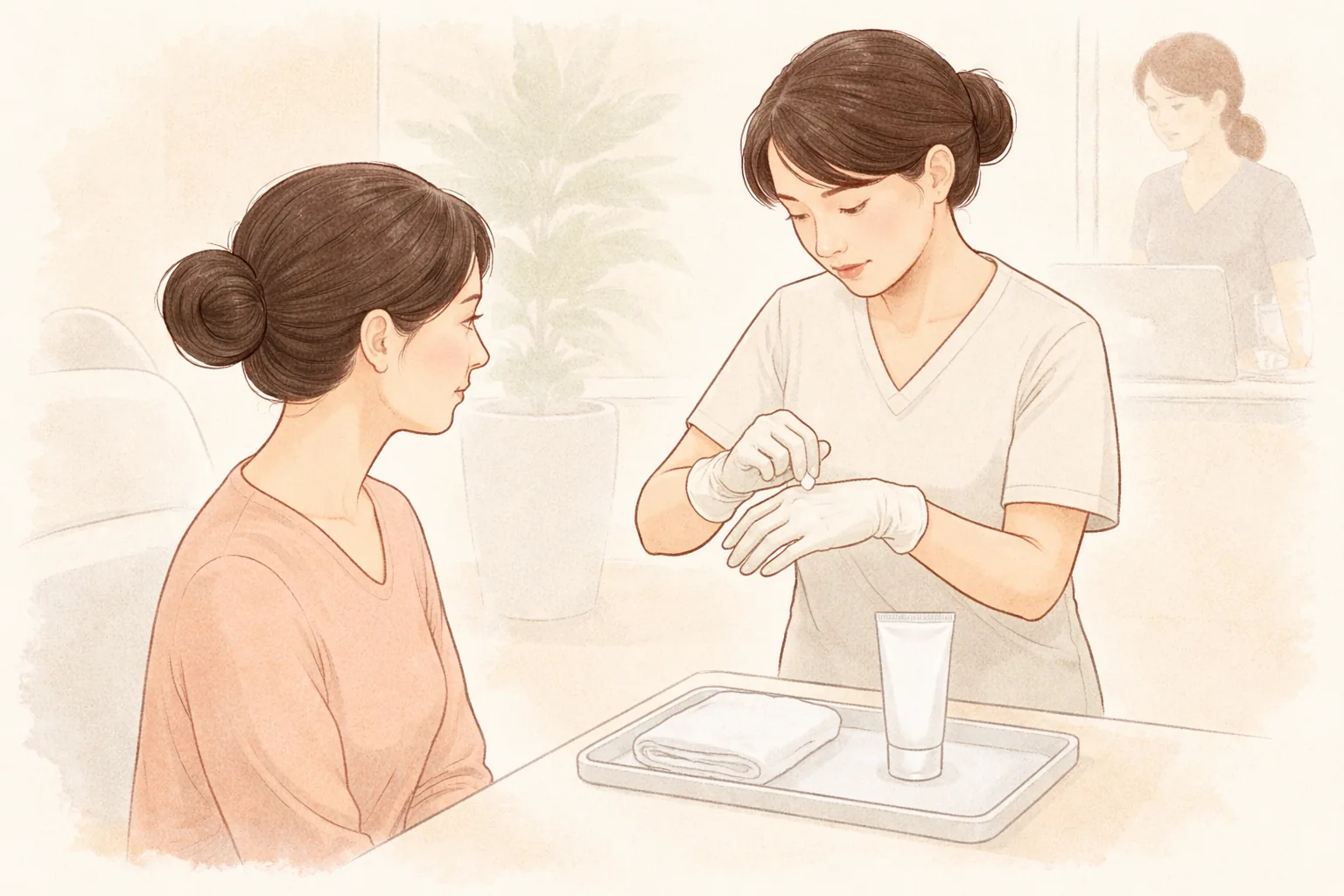
When a work date is already set, the first things that come to mind are whether you will be able to sit through a meeting, when you can wear makeup again, and when the redness will fade. Being told only that "it depends on the treatment and the person" leaves you unsure what to actually ask. This article breaks recovery into three layers and walks through what to confirm in a consultation and what changes may appear after treatment.
The short answer
Returning to work, visible changes, and activity restrictions are not the same thing. Being able to go to work means you can sit and do your job; being recovered means redness or swelling has settled and restrictions on makeup, exercise, and saunas are lifted. So bring your work date along with the type of work (in-person meetings, filming, outdoor work), when you need to wear makeup, and any exercise or event dates. The American Academy of Dermatology's patient consultation guide also lists recovery and return to daily life among the things to confirm in a consultation, alongside expected results, risks, alternatives, the number of sessions and time needed, preparation and aftercare, and cost. Rather than memorizing a number of days for each treatment, knowing what factors lengthen or shorten that window makes your questions far more specific.
Why are "can go to work" and "recovered" different things?
Most changes after treatment show up on the skin's surface. So even with some redness, desk work or video calls are often no problem. On the other hand, swelling or stinging can make simply sitting uncomfortable, so you need to look at how your face looks and how your body feels as separate questions.
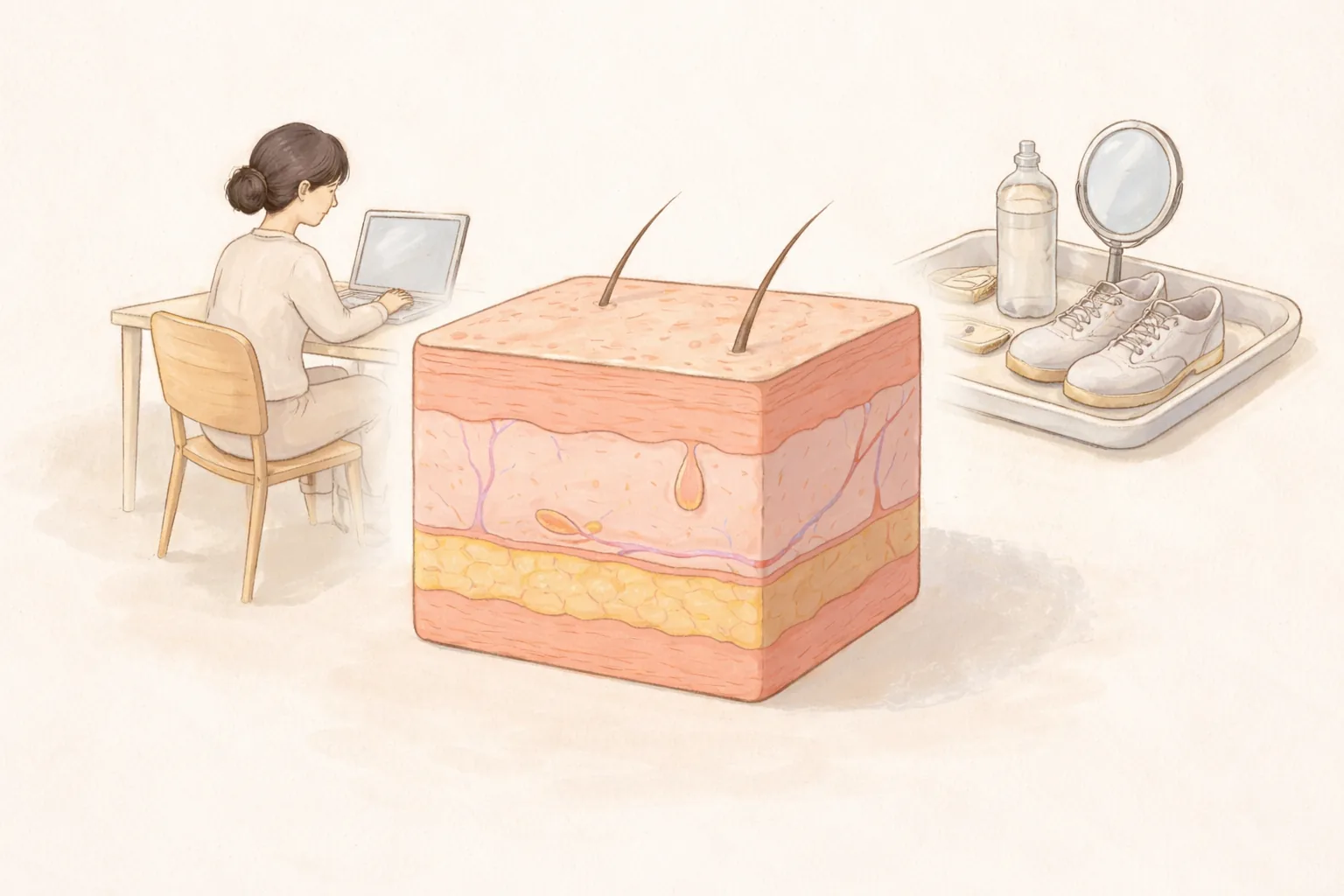
Splitting it into three layers makes it easier. The first is work performance: whether pain or swelling makes it hard to sit. The second is appearance: how noticeable redness, swelling, crusting, or bruising are. The third is activity restrictions: when you can go back to washing your face, wearing makeup, exercising, using saunas, drinking, and being outdoors. If a clinic uses the word "recovery," ask which of these three layers they mean.
Even the same redness has different characters. Redness after a treatment that refines the skin's surface and bruising after a treatment that targets shallow blood vessels put completely different pressure on your schedule. Redness can be covered with makeup to some extent; bruising cannot. Knowing what to expect lets you decide whether to move the date or lower the intensity.
What determines the recovery period?
Start with what the treatment does to the skin. A laser is a treatment that collects light energy of a single wavelength and is designed so it is absorbed only by targets that respond to that wavelength. This principle is called selective photothermolysis (concentrating energy on the target while leaving surrounding normal skin less affected). The ATTITUDE Clinic column also explains through this principle why lasers targeting pigment and lasers targeting red blood vessels use different devices.
More variables come in. Even with the same device, the energy level, how long it stays on the skin, the treatment area, and the skin thickness of the area all change how much redness and swelling remain. Thinner areas like around the eyes react more sensitively than the cheeks, and the same intensity applied broadly across the whole face lengthens recovery. Recovery speed is also affected by your individual skin condition and barrier health.
Repetition and spacing also change the outcome. Treating the same area again before recovery is finished can build up stress on the skin barrier, making it more sensitive or leaving redness longer. Frequent toning has been reported in connection with mottled hypopigmentation, so it is usually spaced at least 1 week apart, and the interval between sessions is adjusted based on the device, the goal, and your skin condition.
Finally, how you reacted to previous treatments is a useful reference. If redness lasted a long time after a past treatment or cosmetics felt stinging, that history is an important clue for planning the next one.
What can appear right after treatment and the next day?
Starting with common reactions, redness, heat, swelling, and stinging can appear after laser treatment. Treatments that refine the skin's surface may leave thin crusting, and treatments targeting shallow blood vessels can cause bruising. The ATTITUDE Clinic column explains these changes as part of the heat reaction and the recovery process.
For treatments addressing pores and texture, redness, swelling, dot-shaped marks, dryness, and thin crusting are common and usually settle within a few days to 1 week. Injectable treatments can cause bruising and swelling. The ATTITUDE Clinic pore column explains that these reactions differ by treatment type. If your skin is darker or tanned, temporary hyperpigmentation can occur, which makes an accurate pre-treatment skin assessment important.
Washing your face and wearing makeup the next day depends on the treatment type and the condition of the surface. The American Academy of Dermatology's peel guide explains healing, makeup, and follow-up timing differently by peel depth. That is because a peel removes the stratum corneum, so how long the surface takes to recover varies with depth. This guidance is about peels, so it cannot be applied as-is to laser, lifting, or injectable recovery timelines — each treatment needs to be confirmed separately.
The timing for judging results works the same way. Measuring results right after treatment while redness remains can make them look worse than they are. Watching progress as recovery unfolds is the right order, and when to check again can be set during your consultation.
How do you decide spacing and combinations?
Even if you want to address several concerns at once, packing different causes into one day increases the burden your skin has to handle. Spots come from pigment, redness from blood vessels, and rough texture from the surface — the approaches differ, so dividing them by priority reduces the load.
The interval between treatments is based on how much the previous treatment has recovered. The same principle applies when following with another energy treatment. Raising the intensity before recovery is complete can leave irritation that outlasts the change you wanted.
If you are planning injectable treatments together, factor into your schedule that bruising and swelling can overlap. If an important shoot or presentation is coming up, the key question is when to place treatments that leave visible bruising.
The basis for planning is your goal and your recovery buffer. Instead of going strong at once, keeping recovery intervals and managing regularly reduces the burden on your skin, as the ATTITUDE Clinic column advises.
How do you plan around events and same-day schedules?
If you have a fixed date like a wedding or a shoot, it is safer to count backward from that date to decide the treatment type, intensity, and start timing. Scheduling a first-time treatment right before an event can overlap redness or sensitized skin with your plans and leaves less room to adjust.
If you have a fixed stay for a business trip or travel, tell the clinic your return date and your next commitments. Redness or dryness right after treatment can affect travel plans, so intensity and type are adjusted accordingly in the consultation.
If you plan to get treated during lunch and return to work in the afternoon, it helps to confirm whether you can wear makeup or wash your face right after, and whether you can wear a mask while heat remains.
Table 1 How do you plan around events and same-day schedules?
Treatment/Device
Target
Concerns it suits
What to watch in recovery
PicoPlus
Pigment
Spots, melasma and other pigment concerns
Monitor pigment response and any temporary hyperpigmentation over time
VBeam
Shallow blood vessels
Redness, facial flushing
Can bruise, so schedule away from in-person commitments
Erbium YAG laser
Skin surface
Texture refinement, surface around dead skin and pores, shallow scar texture
Redness, dryness, and thin crusting can remain for several days
Injectables (skin booster, etc.)
Decided in consultation
Decided in consultation
Bruising, swelling, and rarely nodules, infection, or allergic reaction
Swipe sideways to see the whole table.
In short What to confirm in a schedule consultation is not the treatment name but three layers. Ask separately about when you can return to work, when visible changes settle, and when restrictions on makeup and exercise are lifted. Every treatment has its own recovery timeline, so never apply one treatment's guidance to another.
If this sounds like your situation
A wedding or shoot is a few weeks away
Tell the clinic the date first and plan backward from it. Starting a first-time treatment with more buffer before the event leaves more options for adjusting intensity. If photos matter, it is better to spread out treatments that bruise.
You are an office worker with weekly in-person meetings
Look at return-to-work and visible recovery separately. You can lower intensity during a meeting-heavy week and place treatments that need recovery time in a quieter week. Knowing when makeup becomes possible in advance also changes your morning routine.
Your skin reddens easily and is sensitive
If cosmetics often sting or redness tends to linger, tell the clinic first. The same treatment gets different settings and intervals. Starting with gentler options and adjusting based on your reaction reduces the burden.
You are on a short business trip or travel stay
Tell the clinic your return date and your next commitments, and they will discuss what is feasible within that window. Redness or dryness right after treatment can affect your plans, so intensity and type are set based on your remaining stay.
Tell us before your consultation Mention first whether you have had a lot of recent sun exposure, any medications or cosmetics you are taking or applying, and any history of skin becoming sensitive after a previous treatment. Sharing your work date and type of work, when you need makeup, your exercise and outdoor plans, and hard-to-move dates like weddings or shoots also helps align timing and settings.
How ATTITUDE Clinic does it
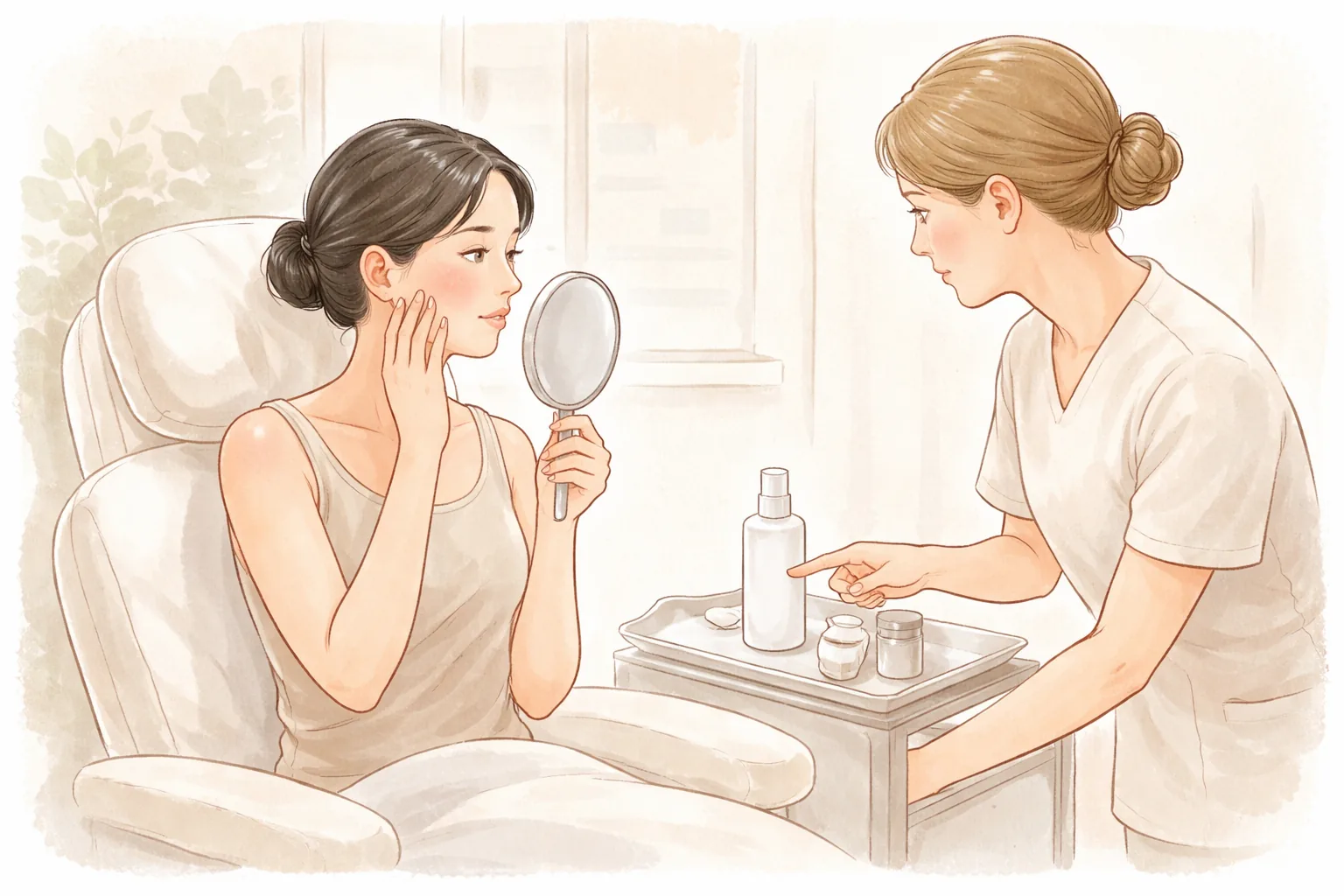
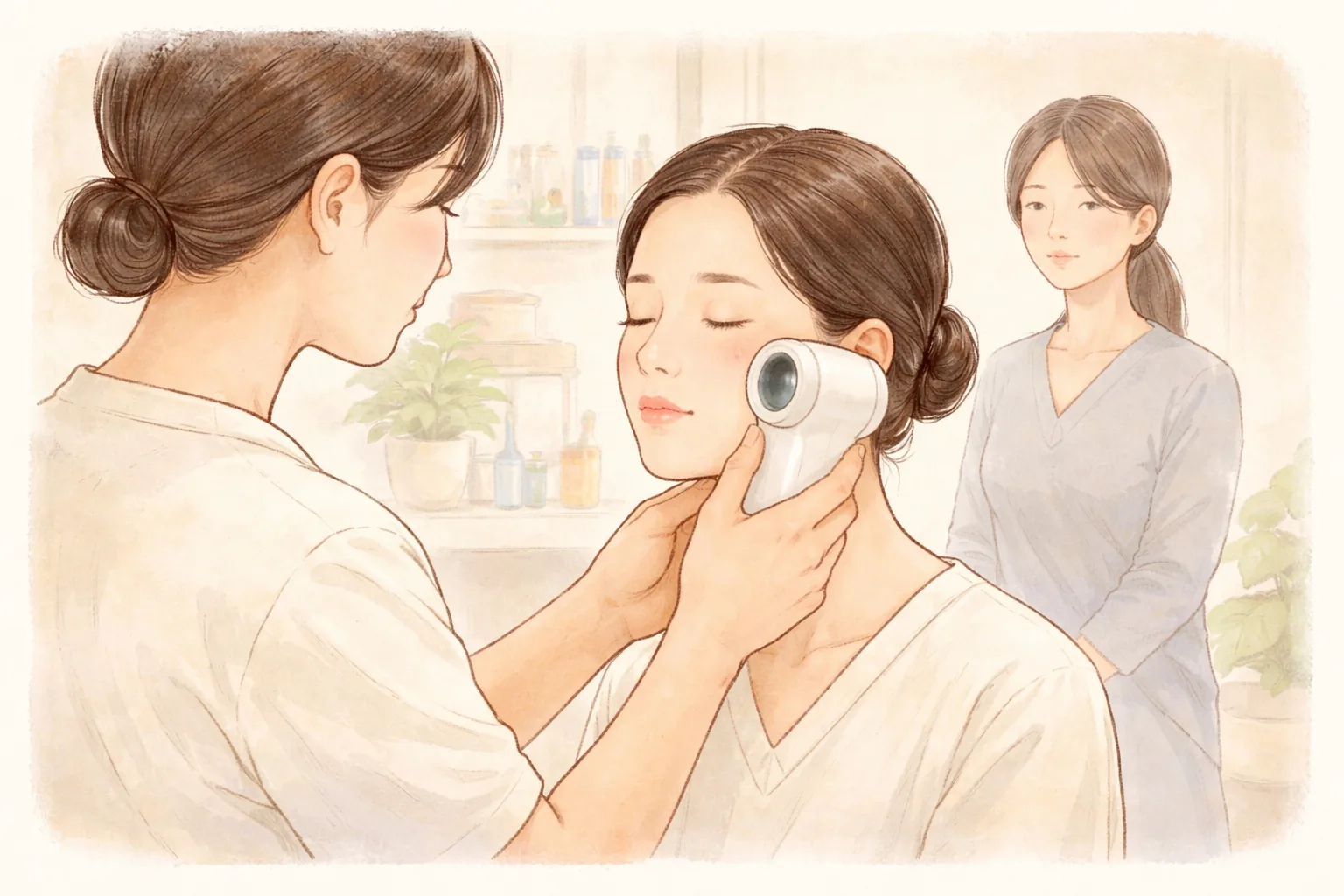
AI skin analysis record — Your current skin condition, such as pigment, redness, texture, and pores, is recorded with an analysis tool. This record organizes information to support the consultation and is not a medical diagnosis.
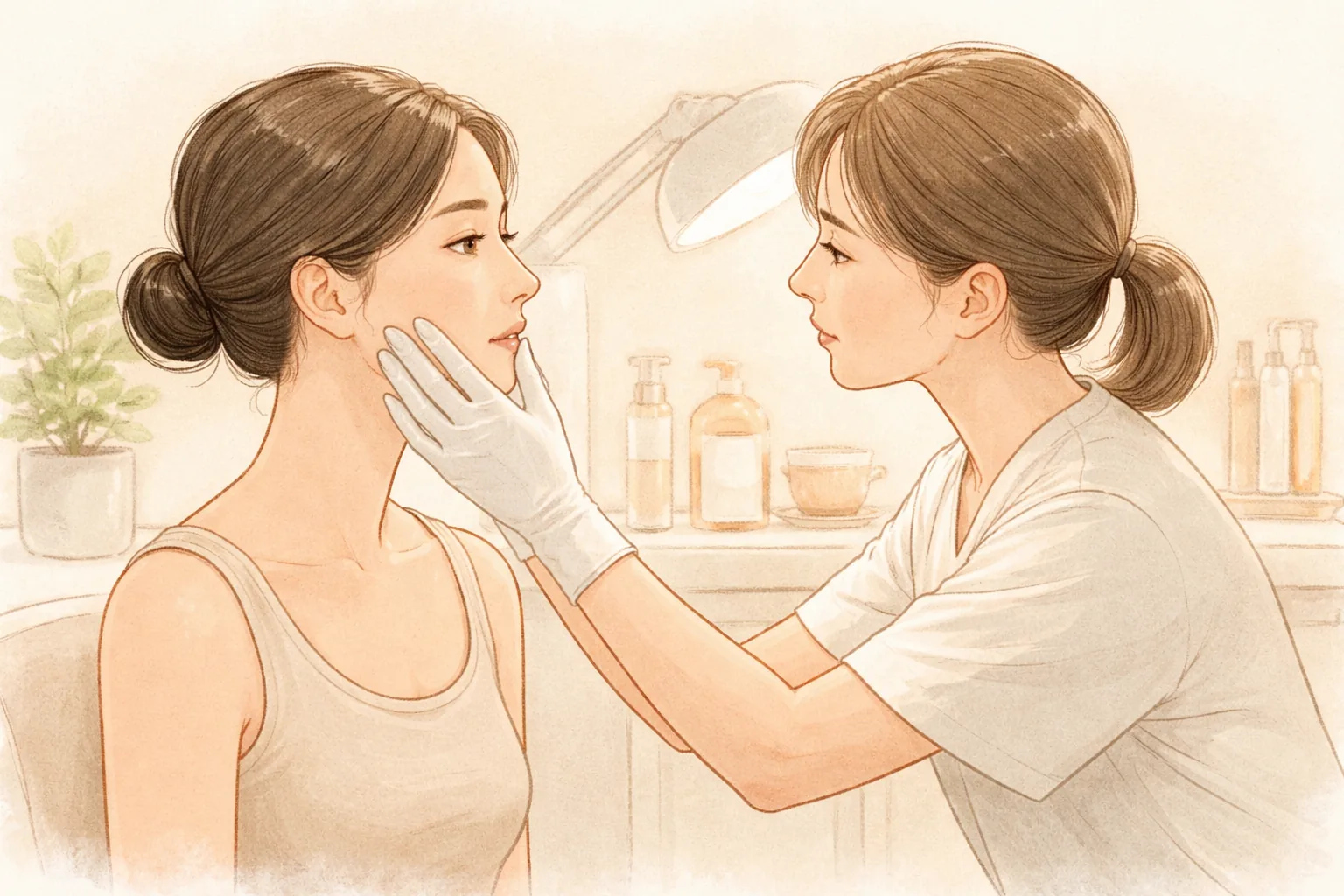
Director consultation to design the direction — Your schedule, pain sensitivity, and skin history are added to the analysis record to set the treatment type, intensity, and timing together. If you have work dates or event dates, they are adjusted at this stage.
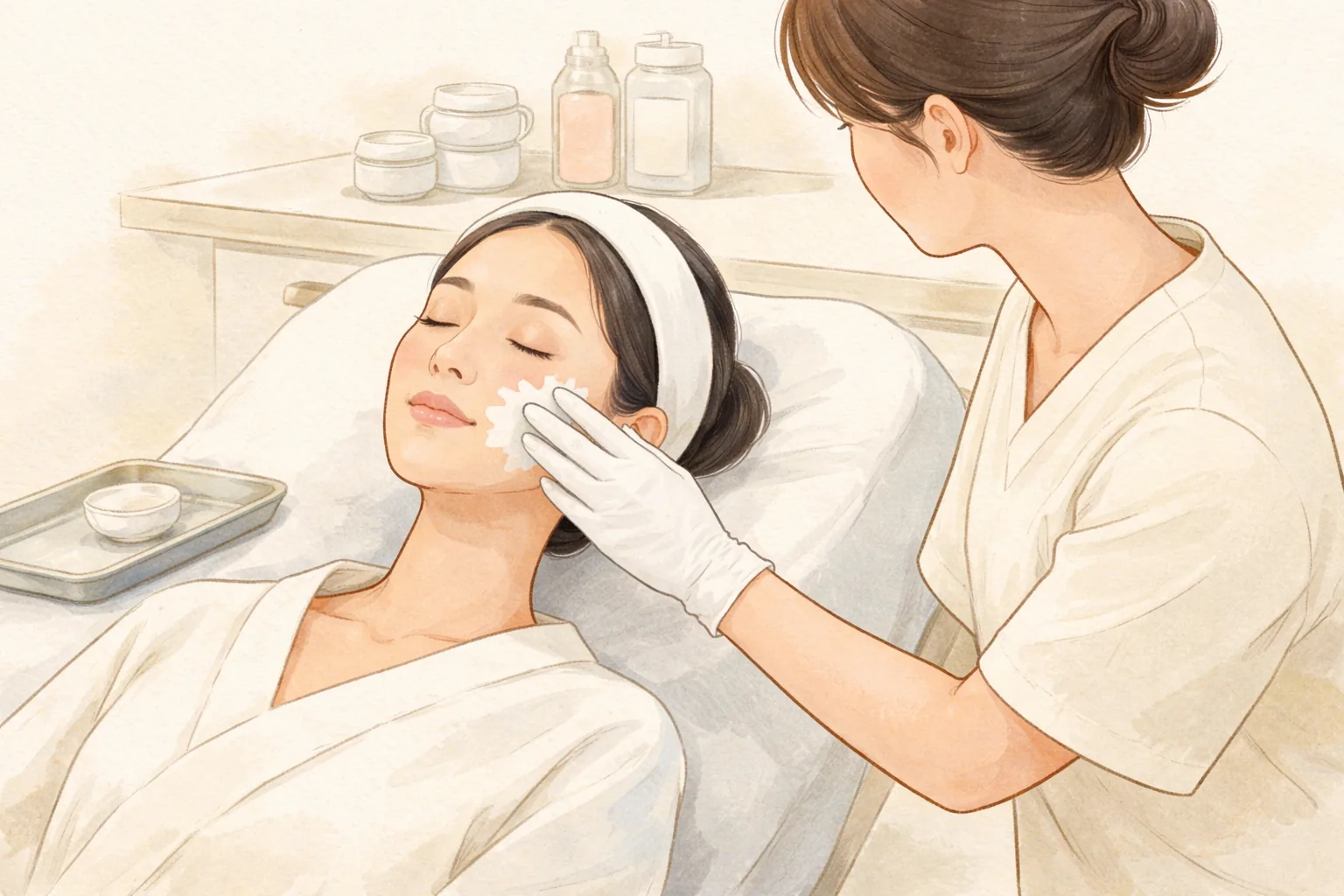
Treatment performed by the director — Discomfort is reduced as needed, such as with topical anesthesia, and the director performs the treatment. More treatment than necessary is not recommended.
Recovery and aftercare guidance, progress check — After treatment, sun protection, moisturizing, and things to avoid are explained, and progress is checked. If redness or heat lasts longer than expected, come in to have it checked.
Devices commonly used for this topic are PicoPlus for pigment, VBeam for shallow blood vessels, and erbium YAG laser for the skin surface. For pores and scars, Potenza or injectables may also be discussed. Which device at what intensity is decided based on the cause of your concern and your schedule, and we follow the principle of genuine products, accurate dosing, and fair pricing to do only as much as needed.
Aftercare and side effects
Moisturizing — After treatment, your skin is temporarily sensitive. Keeping up with the moisturizing care you are given helps recovery.
Sun protection — Skin in recovery can be sensitive to sunlight. Use sun protection when going out and adjust midday outdoor plans.
Avoid irritating care — Avoid saunas, strong exfoliation, and irritating scrubs for the period you are advised.
Check progress — If redness or heat lasts longer than expected or pain worsens, do not push through — come in to have it checked.
Common reactions include redness, heat, swelling, and stinging, and depending on the treatment, thin crusting or bruising. After treatments addressing pores and texture, dot-shaped marks or dryness may appear as well. Temporary hyperpigmentation can occur if your skin is darker or tanned, and rarely blisters, hypopigmentation, infection, scarring, or pigment returning can occur. For injectables, bruising and swelling, and rarely nodules, infection, or allergic reactions, have been reported.
There are signs that should be checked without waiting. These include redness and heat lasting longer than expected, worsening pain, or blisters forming. Before treatment, the director explains the planned treatment, the settings, and the reactions to expect.
Frequently asked questions
Is telling the clinic my work date enough?
A date alone leaves too many things unconfirmed. The plan changes depending on whether your work involves in-person meetings or video calls, whether you have a shoot or presentation, and when during the day you need to wear makeup. If you work outdoors for long hours, sun exposure needs to be factored in too. Adding hard-to-move event dates makes it easier to align the treatment type, intensity, and start timing.
When can I wear makeup and wash my face?
It depends on the treatment type and the condition of the surface. The American Academy of Dermatology explains that for peels, which affect the stratum corneum, the timing for makeup varies with depth, and for laser treatments the guidance varies with the extent of redness and crusting. Confirm in the consultation from when and to what extent it is allowed, and whether there are products to avoid. Wash your face in a way that reduces irritation, and ask when you can go back to your usual routine.
When does swelling after treatment go down?
Swelling appears differently depending on the treated area and intensity. Swelling after treatments addressing pores and texture usually settles within a few days to 1 week. If your swelling usually takes longer to subside, mention that in the consultation. If swelling lasts longer than expected or comes with pain, it is best to come in and have it checked. Asking in the consultation how much swelling is expected for the treated area and intensity gives you a baseline. While swelling subsides, it is better to stay seated than to lie face-down for long periods.
What if recovery takes longer than expected?
Do not let it slide — come in and have it checked. Redness and heat that last a long time or worsening pain are not things to wait out but things to check. Comparing the progress you were told to expect with your current state lets the clinic adjust settings or your next appointment. Setting the contact channel and follow-up timing in advance puts your mind at ease. If waiting until the follow-up is hard, contact the clinic with when the redness and heat started and your current state. If you have passed the progress-check point the clinic gave you, that is the time to come in.
How should I choose a clinic?
Look at the process rather than the device list. The criteria are whether they first check whether your concern comes from pigment, blood vessels, or the skin surface, whether they recommend only the treatments you need, and whether they explain side effects and recovery time. It also matters whether it is a place you can return to if something feels off after treatment. Knowing how consultation requests and appointment confirmations work, as with the ATTITUDE Clinic consultation guide, makes scheduling easier.
At a glance
Table 2 At a glance
Item
Key point
What to separate first
Return to work, visible changes, activity restrictions
What to bring to the consultation
Work date, type of work, makeup/exercise/event schedule
What determines recovery
Energy intensity, treatment area, body site, skin condition, repetition interval
Common reactions right after treatment
Redness, heat, swelling, stinging, and crusting or bruising depending on treatment
Scope of the peel guide
For peels, healing, makeup, and follow-up timing vary with depth
Signs to come back for
When redness and heat last longer than expected or pain worsens
This article offers general health information. It is not a substitute for diagnosis or treatment based on your own condition, so please talk through your situation with a doctor.