Softwave Consultation: What to Confirm About Device Method First
A consultation prep guide to lifting treatments with well-known names: what to ask first about energy type and delivery depth, operator experience and evidence, when to judge results, cost and session count, pain and recovery, and when to call.
Written by ATTITUDE Clinic Editorial Team
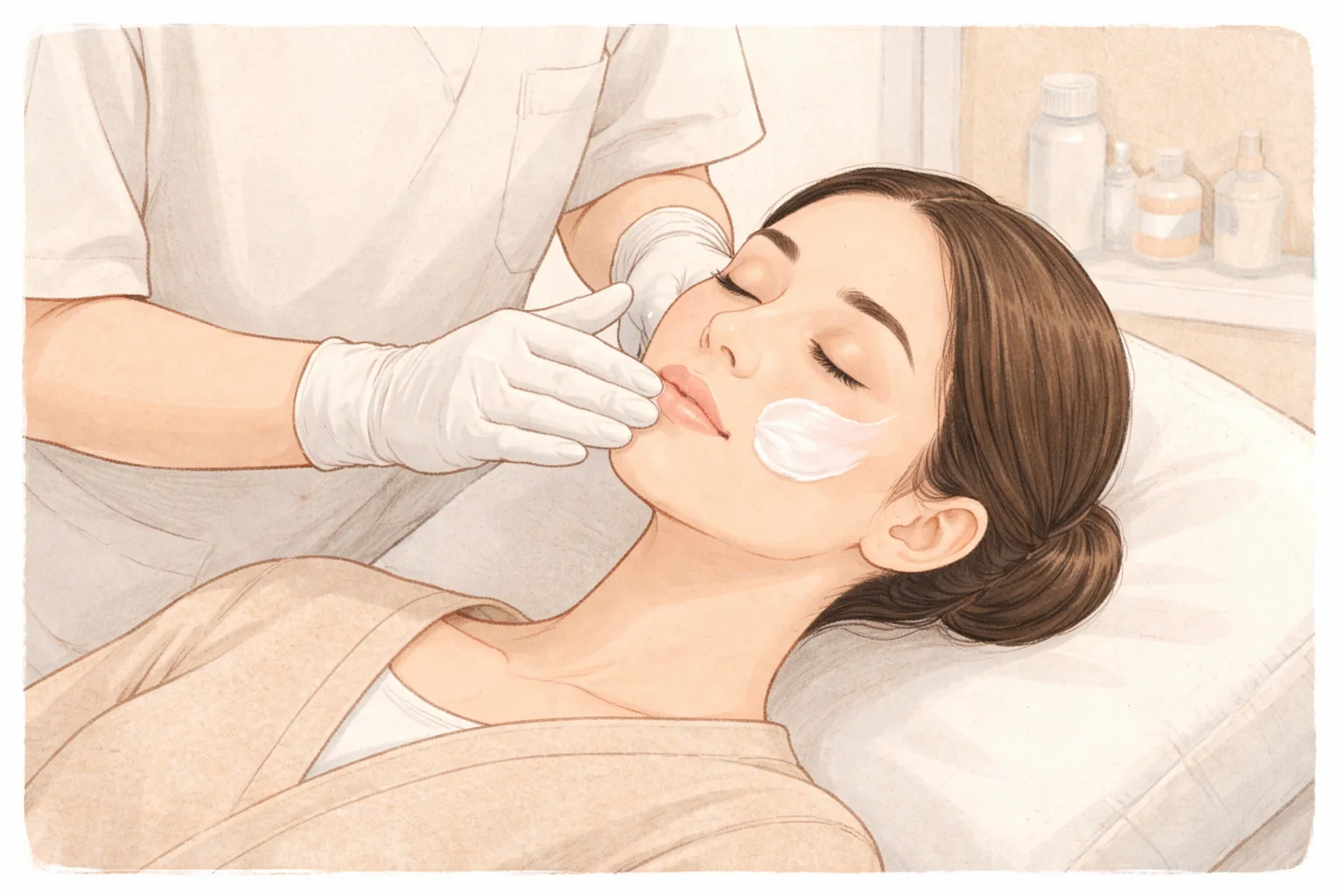
Once you book a lifting consultation, questions come all at once. What device is it, how many sessions will I need, does it hurt, what does the cost cover? The better known the treatment name, the easier it is for the consultation to turn into a conversation about whether "that device is a good device." This article lays out what to ask, and in what order, about device method and treatment area, evidence, when to judge results, cost and session count, pain and recovery, and when to contact the clinic.
The conclusion first
What you ask first in a consultation is not the device name but what energy that device delivers and at what depth. Whether it is ultrasound, radiofrequency, or laser changes the layer being targeted and the recovery burden, and even a device with the same name gets a different plan depending on the treatment area, intensity, and interval. Then ask about the operator's experience and how much they have worked with skin tones and age groups like yours, what results, risks, and alternatives are realistic, how many sessions are planned at what intervals, and what the cost includes. Pain and recovery, and which symptoms mean you should contact the clinic, are also worth settling in advance for peace of mind. Results and recovery vary with skin condition and lifestyle, so hearing the same explanation does not mean having the same course.
What energy does this device deliver, and where?
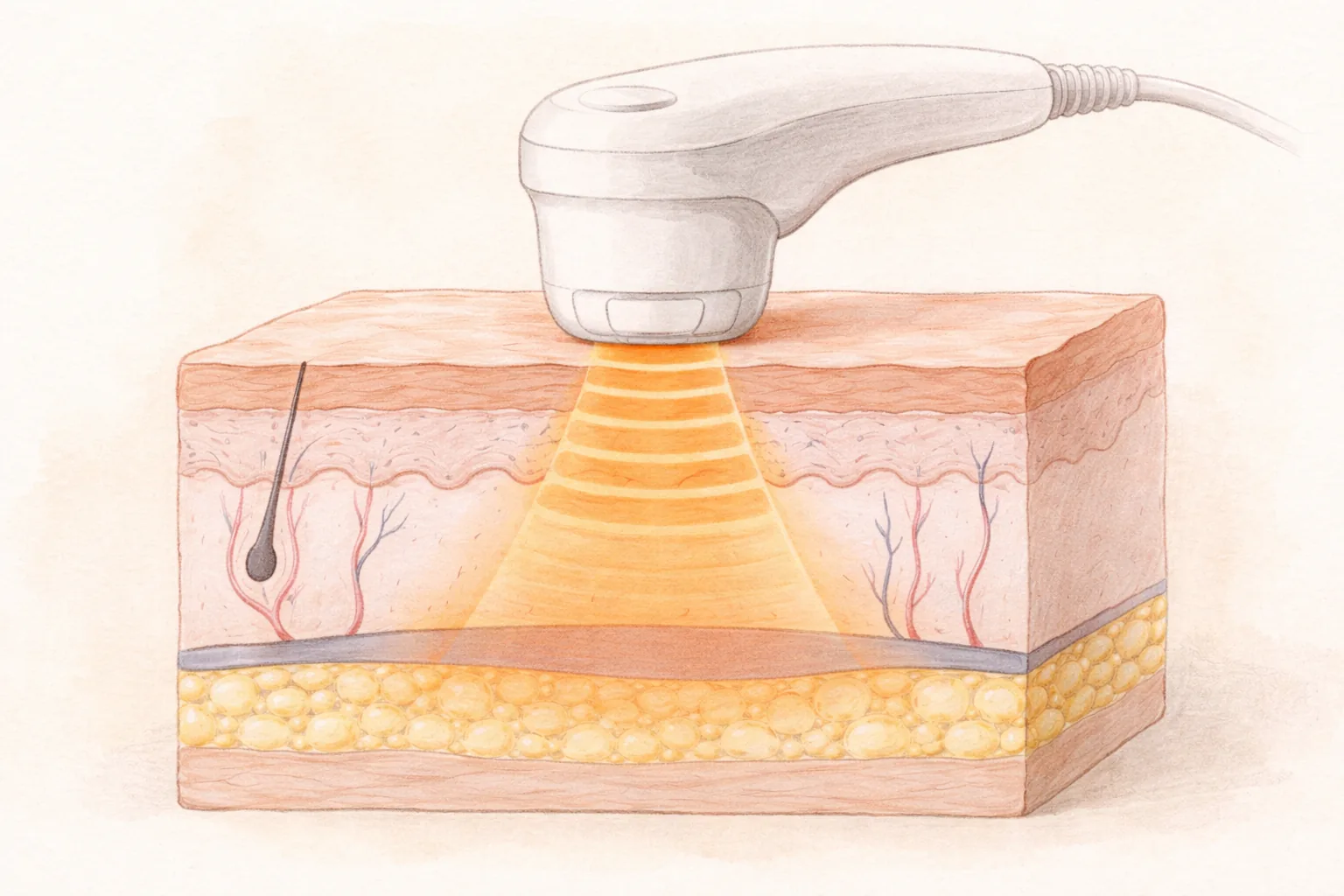
Non-invasive firming treatments include several approaches such as ultrasound, radiofrequency, and laser, and each method differs in the layer where heat is delivered and in recovery burden (American Academy of Dermatology guide to firming treatments). Ultrasound sends heat deep into the skin, radiofrequency warms the tissue beneath a device held against the skin, and laser delivers heat to deeper layers without peeling away the epidermis. So the first consultation question becomes "what energy does this device use, and at what depth?"
Depth matters because the layer where sagging occurs differs from person to person. Thin skin with many fine lines and sagging that comes from a layer deeper than the dermis need different approaches. Thin areas such as around the eyes and the neck get different intensity and range even with the same device. How the epidermis is protected is another item to ask about. Knowing whether there is contact cooling or a skin temperature monitoring device, and hearing how high the heat rises during treatment, makes your understanding of the method more concrete.
Finally, confirm the device name, whether it is genuine, and who performs the treatment. Even with the same name, the experience varies with device maintenance and with the operator.
Why is the device name alone not enough?
Even with the same name, what separates results is the settings and the person. The American Academy of Dermatology advises asking in a consultation how much experience the operator has with that treatment and how many patients with skin tones, types, and age ranges like yours they have treated (questions to ask at a consultation). That is because seeing cases with similar conditions helps you gauge the range of what you can expect.
When you ask for before-and-after photos, it helps to check whether the patient's skin tone, type, and age range are similar to yours. Photos with different lighting and angles can exaggerate changes or, conversely, understate them. If you hear a promise of results, ask not about the result itself but about what the evidence is, under what conditions that result occurred, and whether the same conditions hold for you.
One distinction is needed here. General guidance at the level of academies or textbooks describes a whole treatment group such as ultrasound, radiofrequency, and laser; it does not directly prove the performance of a specific device or product. The moment you transfer a description of a treatment group into the effect of a specific brand, your judgment blurs. Suitability is also filtered out in consultation. Guidance notes that firming treatments may not be right if you are pregnant, have a skin infection, or take certain medications.
When do results show, and what should you measure them against?
The results of non-invasive firming treatments usually appear gradually and feel natural, downtime is minimal or very short, and temporary redness and swelling after treatment are usually the only traces (guide to firming treatments). The course by method, as summarized in the same source, is that ultrasound usually produces gradual lifting and tightening between 2–6 months with a single treatment, and additional treatments can add benefit; radiofrequency may produce slight tightening right after treatment, and because collagen building takes time, the best results appear around 6 months, with some cases maintained for 2–3 years alongside appropriate care. Laser may require 3–5 sessions, and results gradually appear between 2–6 months after the last treatment. These figures are general descriptions of the whole treatment group, so they are hard to apply directly as the timing or maintenance period of a specific device.
So it is better to decide on an evaluation method in advance. Take photos before treatment under the same lighting and angle, and decide what you will look at. The criteria differ depending on whether it is the contour, fine lines around the eyes, or skin texture. Setting the evaluation timing in advance as well can reduce judging success or failure by how things look a few days after treatment.
When sagging is considerably advanced, non-invasive treatments cannot replace surgical lifting and do not reduce fat. Guidance notes that if the skin sags a lot, firming treatments alone may not help, so it is better to hear about other options in the consultation as well.
Table 1 When do results show, and what should you measure them against?
In short the device name is only a starting point, and what separates experiences is what energy is used at which layer and who plans it at what intervals. In consultation, note down the method and area, the evidence, the plan, and what the cost covers, and comparing results using photos taken under the same conditions and a pre-set timing helps your judgment.
How are pain, recovery, and contact criteria explained?
Guidance advises confirming in consultation whether anesthesia is used, how long recovery takes, and when you can return to exercise, work, and social engagements (questions to ask at a consultation). Non-invasive treatments proceed without altering the skin, so temporary redness and swelling after treatment are usually the only traces, and downtime is minimal or very short. Pain is described as possible discomfort during treatment, but the actual sensation varies with energy intensity, skin thickness at the treatment area, and individual sensitivity. There are ways to reduce discomfort with topical anesthesia, and if it is hard to bear during treatment, you can speak up right away to adjust the intensity.
It is good to hear about side effects in advance, from common to rare. Redness, heat sensation, swelling, and stinging are common and usually subside within a few days. Treatments that resurface the skin can leave thin crusts, temporary hyperpigmentation can occur if the skin is dark or tanned, and lasers targeting vessels can cause bruising. Rarely, blisters, hypopigmented patches, infection, scars, or pigment returning can occur (laser and skin barrier column).
It is better to set contact criteria before treatment. Guidance notes that if redness or heat sensation lasts longer than expected or pain worsens, you should not endure it but visit the clinic for a check.
What should you ask about cost, session count, and dosage?
The price list is divided by treatment, product, area, dosage, and number of sessions, and amounts are displayed with VAT separate (treatments and pricing guide). So in consultation it is better to ask separately whether it is a per-session amount or a total, and whether consultation, anesthesia, and aftercare are included or separate. Checking the conditions under which extra costs arise and the criteria that apply to cancellation or changes also keeps you from getting confused later. For items marked as in preparation in the guide, please do not assume they are currently bookable treatments and ask separately.
Session count, intervals, and dosage vary with the device, skin condition, and treatment range. Rather than a definite "how many sessions and it's over," hearing the plan for how many sessions at what intervals and by what criteria they are increased or reduced is more useful. In the general course description above as well, the method changed the range from 1 session to 3–5 sessions.
Aesthetic treatments are mostly not covered by insurance, so getting a written estimate helps. Write down the per-session amount and total, area-specific additions, and whether VAT is included, one line each, and compare them.
If you are in this situation
If you have a ceremony or a shoot coming up
A treatment you are receiving for the first time right before a ceremony can overlap with your schedule through redness or sensitized skin. The more leeway you build from the date, the wider your options for adjusting intensity and timing. If you tell the clinic your date first during the consultation, a plan can be built around it.
If you want to manage things steadily
Rather than going strong all at once, managing periodically while respecting the interval at which your skin recovers puts less burden on you. A plan that sets a goal and places only the necessary treatments at the right times helps.
If your skin is sensitive or prone to redness
If you repeat treatments before recovery finishes or the intensity is high relative to your skin condition, the barrier can weaken and redness can linger. If cosmetics feel stinging or your skin has become unusually sensitive, tell the clinic before the consultation.
If you visited during a short stay
If your stay is fixed, redness or dryness right after treatment can affect your schedule. If you tell the clinic your return date and upcoming plans in advance, the intensity and type can be discussed accordingly.
Tell the clinic before your consultation
Whether you have had a lot of recent UV exposure
Medications you take or apply, and cosmetics you use
Any experience of sensitive skin after a previous treatment
Pregnancy or breastfeeding status and any skin infection
Events you want to avoid, such as a wedding, shoot, or trip
How ATTITUDE Clinic proceeds
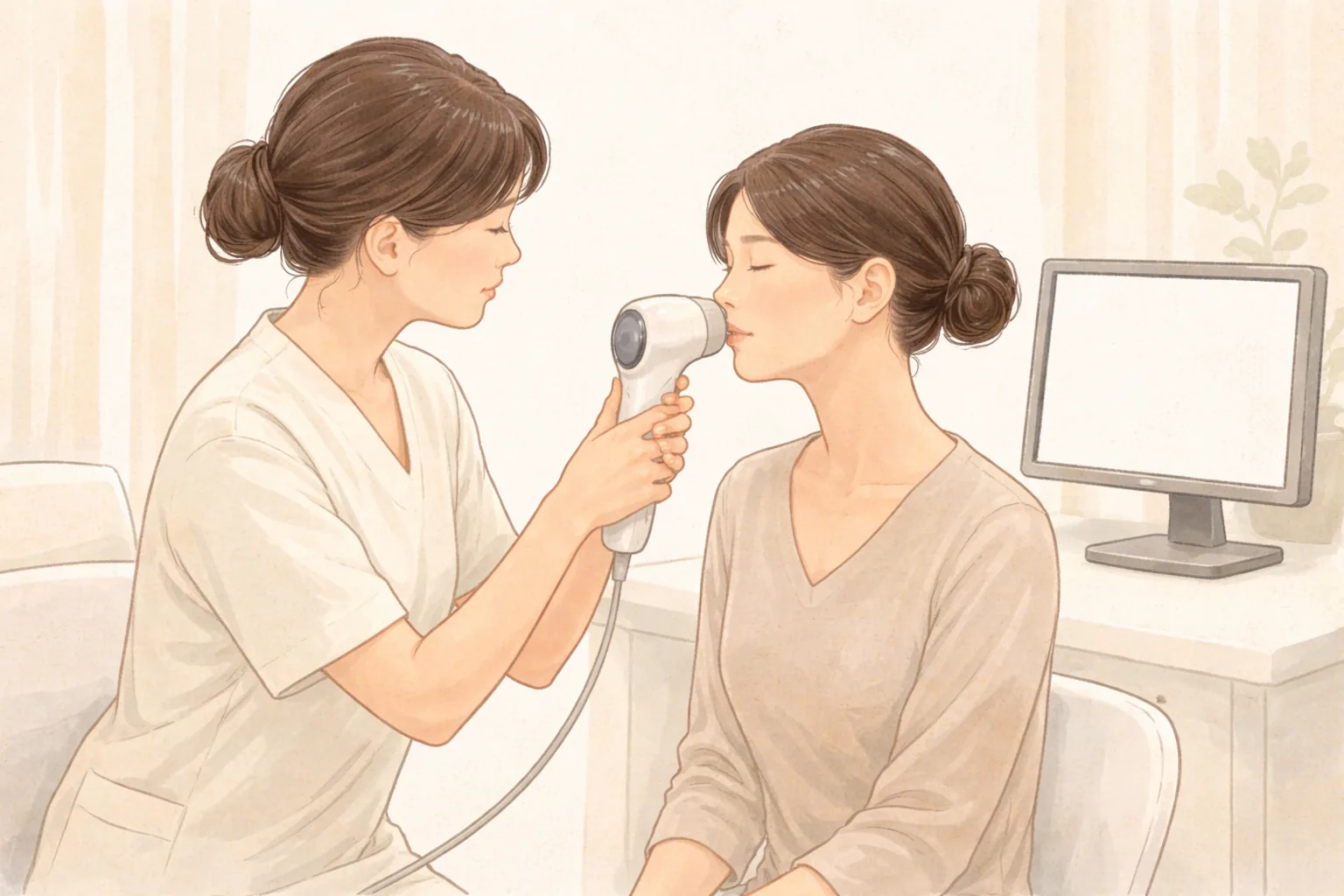
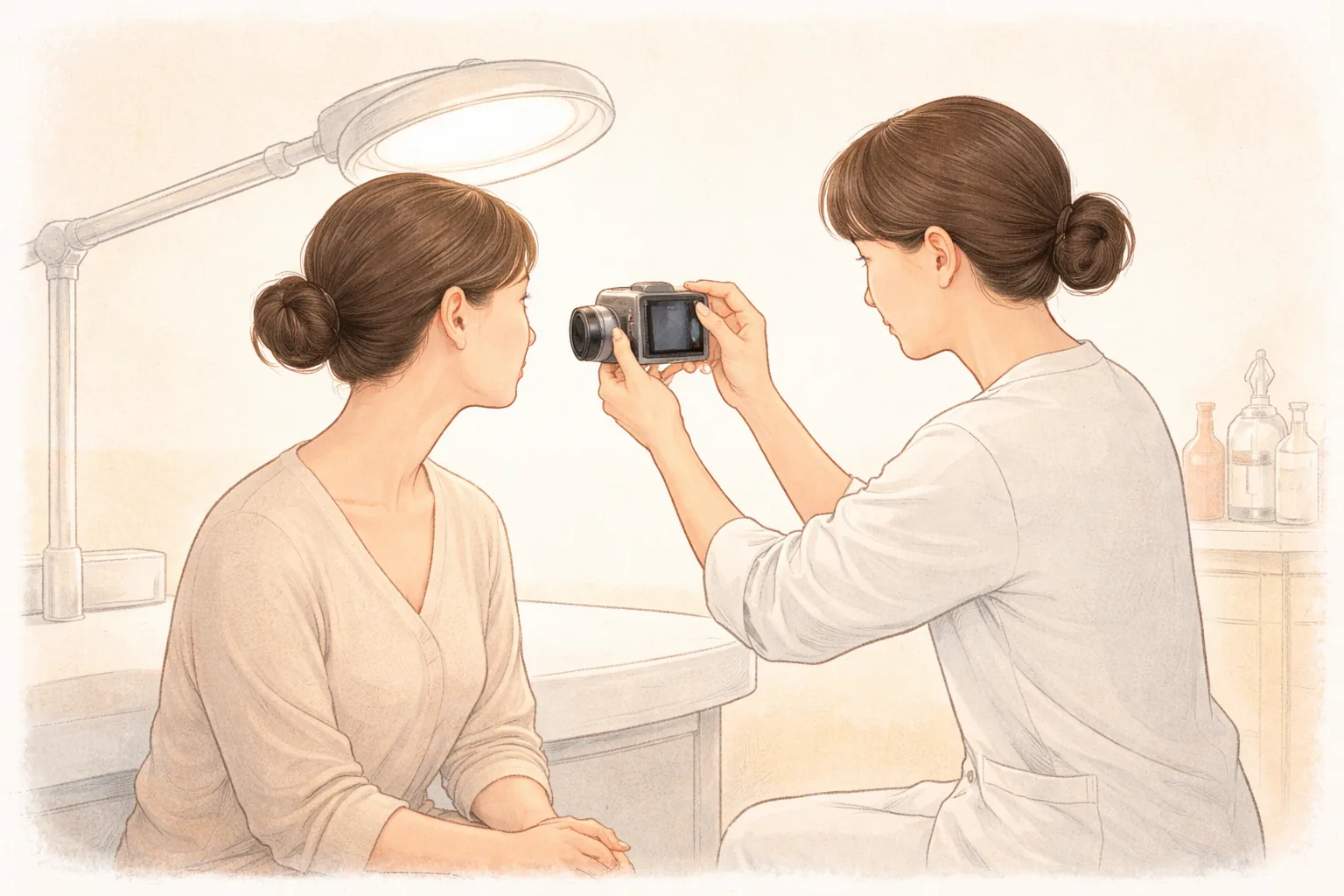
AI skin analysis record. Current conditions such as pigment, redness, texture, and pores are recorded with an analysis tool. This record organizes information to assist the consultation and is not a medical diagnosis. Based on the record, the director judges the cause of your concern.
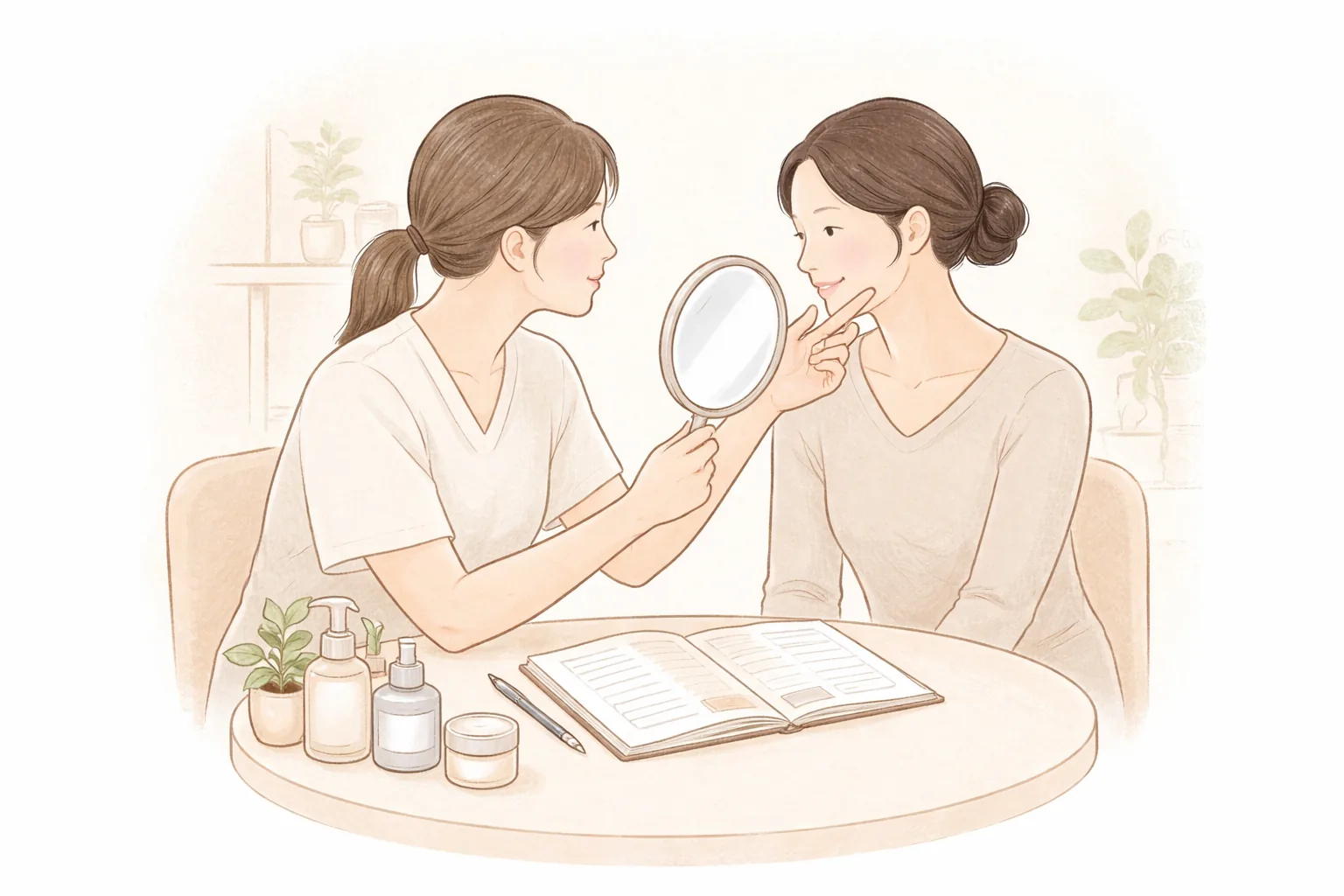
Direction setting through director consultation. The analysis record plus your schedule, pain sensitivity, and skin history are combined to decide the treatment type, intensity, and timing together. You discuss the changes you expect and your questions at this point.
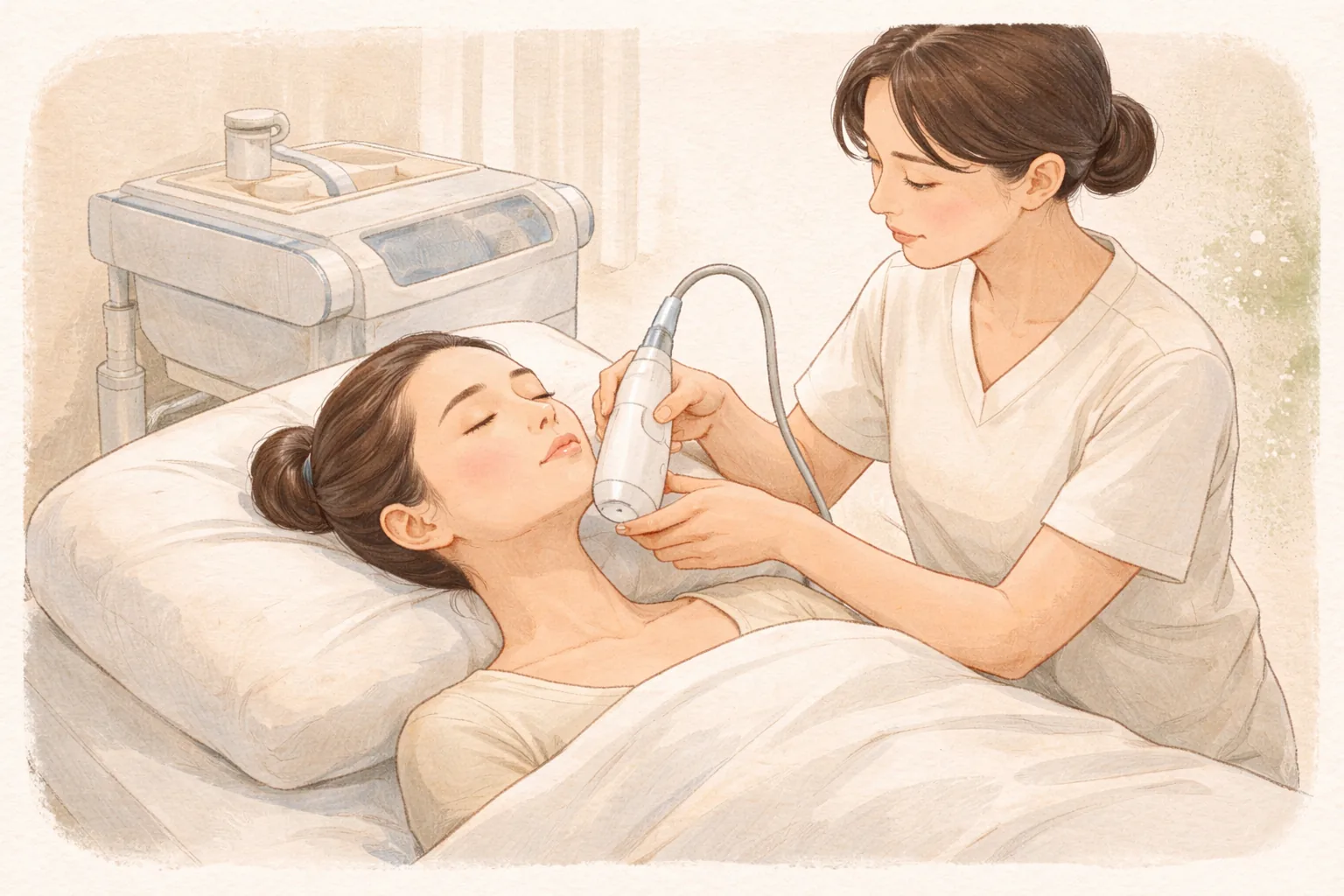
Treatment performed directly by the director. Topical anesthesia is used as needed to reduce discomfort, and the director performs the treatment directly. Treatments beyond what is needed are not recommended.
Recovery and care. Aftercare including UV protection and moisturizing is explained, and progress is checked. The principles are genuine products, accurate dosage, and fair pricing.
For the lifting category, HIFU ultrasound (Ultherapy), radiofrequency (Thermage FLX, XERF), microwaves (Onda), and a 3-wavelength laser (Titanium) are used; for pores and scars, microneedle radiofrequency (Potenza); and for pigment and redness, PicoPlus and Vbeam are considered together (treatments and pricing guide, laser and skin barrier column). Which device to use in what order is decided after examining your skin condition.
Aftercare and side effects
Aftercare can be done in order.
Soothing. Redness and heat sensation right after treatment are common reactions and usually subside within a few days. Avoid saunas, hot baths, and strong exfoliation for the period you are advised.
Moisturizing. The skin barrier becomes temporarily sensitive and dryness can remain. Apply a mild moisturizer frequently.
UV protection. Apply sunscreen thoroughly throughout the recovery period. This is when the risk of hyperpigmentation rises.
Progress check. Take photos under the same conditions at the set timing and compare.
Common side effects are redness, heat sensation, swelling, and stinging. Treatments that resurface the skin can leave thin crusts, temporary hyperpigmentation can occur if the skin is dark or tanned, and lasers targeting vessels can cause bruising. Rarely, blisters, hypopigmented patches, infection, scars, or pigment returning can occur (laser and skin barrier column).
There are times to visit the clinic without waiting. If redness or heat sensation lasts longer than expected or pain worsens, it is better to get a check. Consultation booking requests and confirmations are different, and a booking is confirmed only after the clinic's confirmation contact (consultation booking).
Frequently asked questions
Q. What should I ask first in a consultation?
It is better to ask about the energy method and delivery depth before the device name. Whether it is ultrasound, radiofrequency, or laser changes the targeted layer and recovery burden, and even with the same device the plan changes with the area and intensity. Then confirm how the epidermis is protected, the device name and whether it is genuine, and who the operator is. Once these four are settled, the next questions naturally move to the plan and cost. When you hear answers, see whether the basis for that judgment comes with them.
Q. When do results appear, and how long do they last?
Non-invasive firming treatments tend to show results gradually, and the course differs by method (guide to firming treatments). Ultrasound methods usually show gradual changes between 2–6 months, radiofrequency shows the best results around 6 months and may be maintained for 2–3 years with care. Laser may require 3–5 sessions, and results appear between 2–6 months after the last treatment. However, this is a general description of the whole treatment group and does not apply directly to a specific device. Maintenance periods vary widely with skin condition and lifestyle, so it is hard to take another person's experience with the same treatment as your own standard.
Q. How much does it hurt, and is anesthesia possible?
It is described as possible discomfort during treatment, but the actual sensation varies with energy intensity, skin thickness at the treatment area, and individual sensitivity. There are ways to reduce discomfort with topical anesthesia, and guidance advises confirming anesthesia in consultation (questions to ask at a consultation). If you feel something hard to bear during treatment, you can speak up right away to adjust the intensity. If you are especially sensitive to pain or had a hard time in a previous treatment, it is better to tell the clinic in advance.
Q. How can I know what the cost includes?
The price list is divided by treatment, product, area, dosage, and number of sessions, and amounts are displayed with VAT separate (treatments and pricing guide). So ask separately whether it is a per-session amount or a total, and whether consultation, anesthesia, and aftercare are included or separate. Checking the conditions under which extra costs arise and items marked as in preparation also makes planning easier. Aesthetic treatments are mostly not covered by insurance, so it is better to get a written estimate.
Q. What should I look at when choosing a clinic?
Look at the order of the consultation rather than the list of devices owned. The first criterion is whether they first identify whether your concern is pigment, vessels, or surface texture, and whether they recommend only the necessary treatments without unreasonably fixing the number of sessions or intensity. Also see whether they explain pain, recovery schedule, and aftercare precautions in the consultation, and whether it is a place where you can get a check if something feels wrong. How much experience the operator has with that treatment and with skin tones and age groups like yours is also an item to ask about. Rather than concluding which place is best, comparing by whether it meets these criteria is more realistic.
At a glance
Table 2 At a glance
Item
Key point
Method check
Whether ultrasound, radiofrequency, or laser is used, and at what depth
Evidence check
Operator experience, experience with similar skin tones and age groups, risks and alternatives
Result evaluation
Results are gradual; photos under the same conditions and a pre-set timing
Pain and recovery
Whether topical anesthesia is possible, redness and swelling, when to return to daily life
Cost
Division by area, dosage, and session count; VAT separate; what is included
Contact
Visit the clinic for long-lasting redness or heat sensation, or worsening pain
This article offers general health information. It is not a substitute for diagnosis or treatment based on your own condition, so please talk through your situation with a doctor.