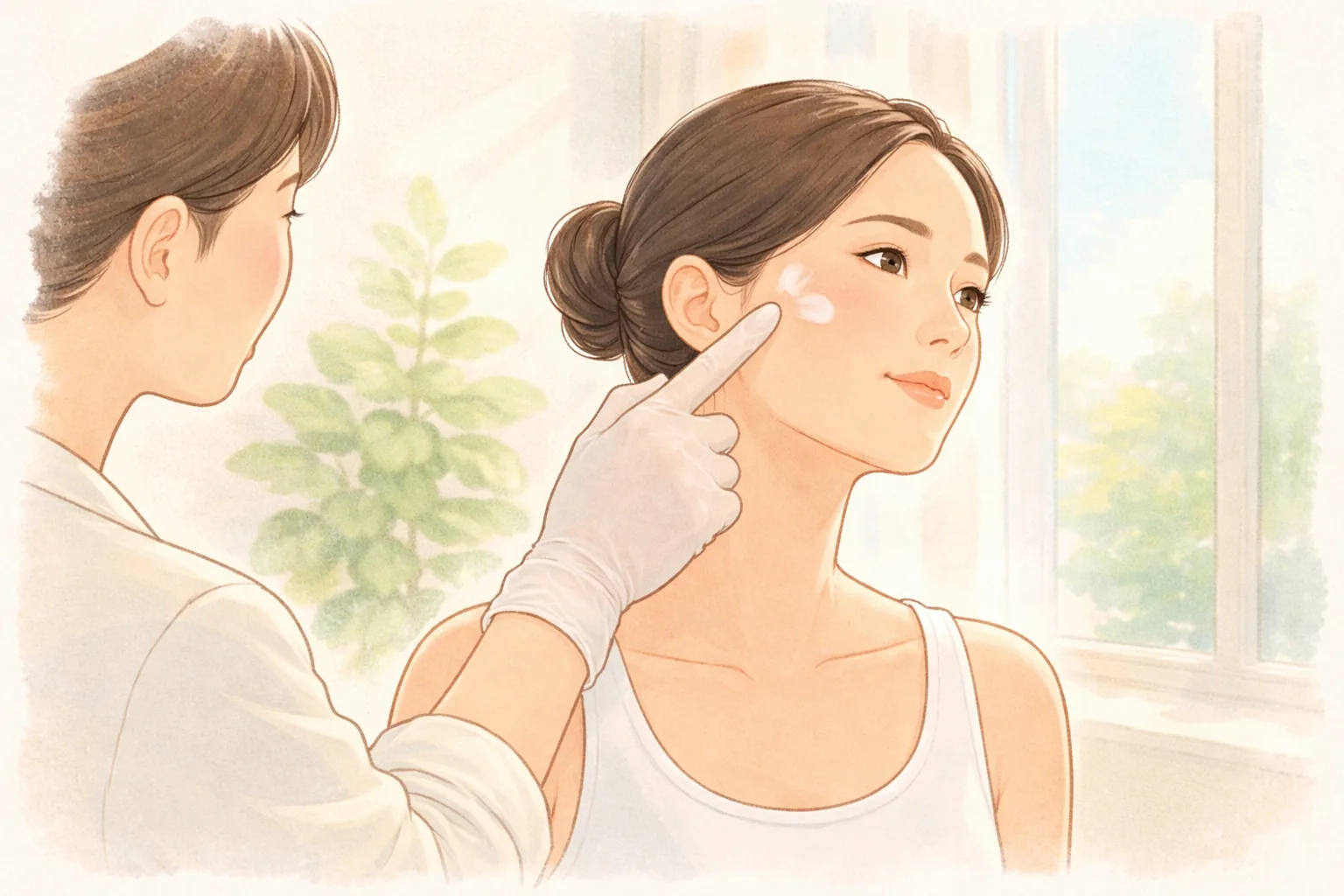
Titanium Lifting Laser Aftercare: Swelling, Recovery & When You Can Return to Normal Life
Titanium lifting laser aftercare explained: why swelling and redness happen, what makes recovery longer, and how to judge when you can wear makeup, go to work, and get back to daily life.
Written by ATTITUDE Clinic Editorial Team
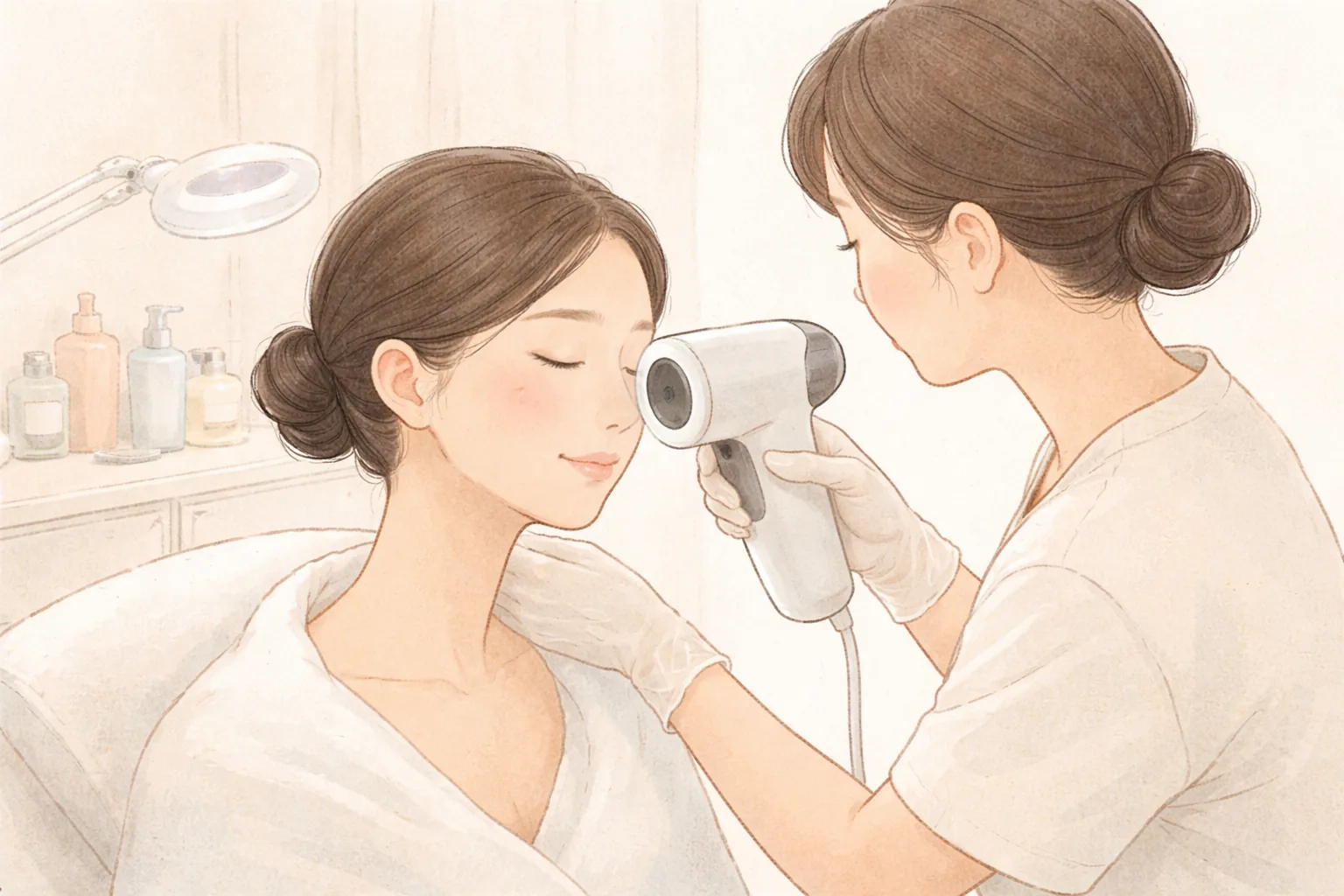
Even with titanium lifting on the calendar, part of your mind stays uneasy. If you're back at work the next day, you wonder whether makeup is okay, how long the swelling will last, and whether your face will still be puffy at a commitment a week out. This article walks through why swelling and redness appear after titanium lifting, what makes recovery take longer, and what to use as a gauge for returning to daily life.
The short answer first
Titanium lifting is presented as a lifting treatment that uses a 3-wavelength laser. Redness, swelling, and heat sensation can appear afterward, but with energy-based lifting these reactions usually settle within a few days and most people can wear makeup and return to daily life the next day. How long swelling lingers, however, depends on the treatment area, the energy level, your skin thickness, and how quickly your skin regenerates. So rather than relying on a single number for "how many days it takes," it's more accurate to plan recovery around your own treatment intensity and skin condition.
What does titanium lifting do beneath the skin?
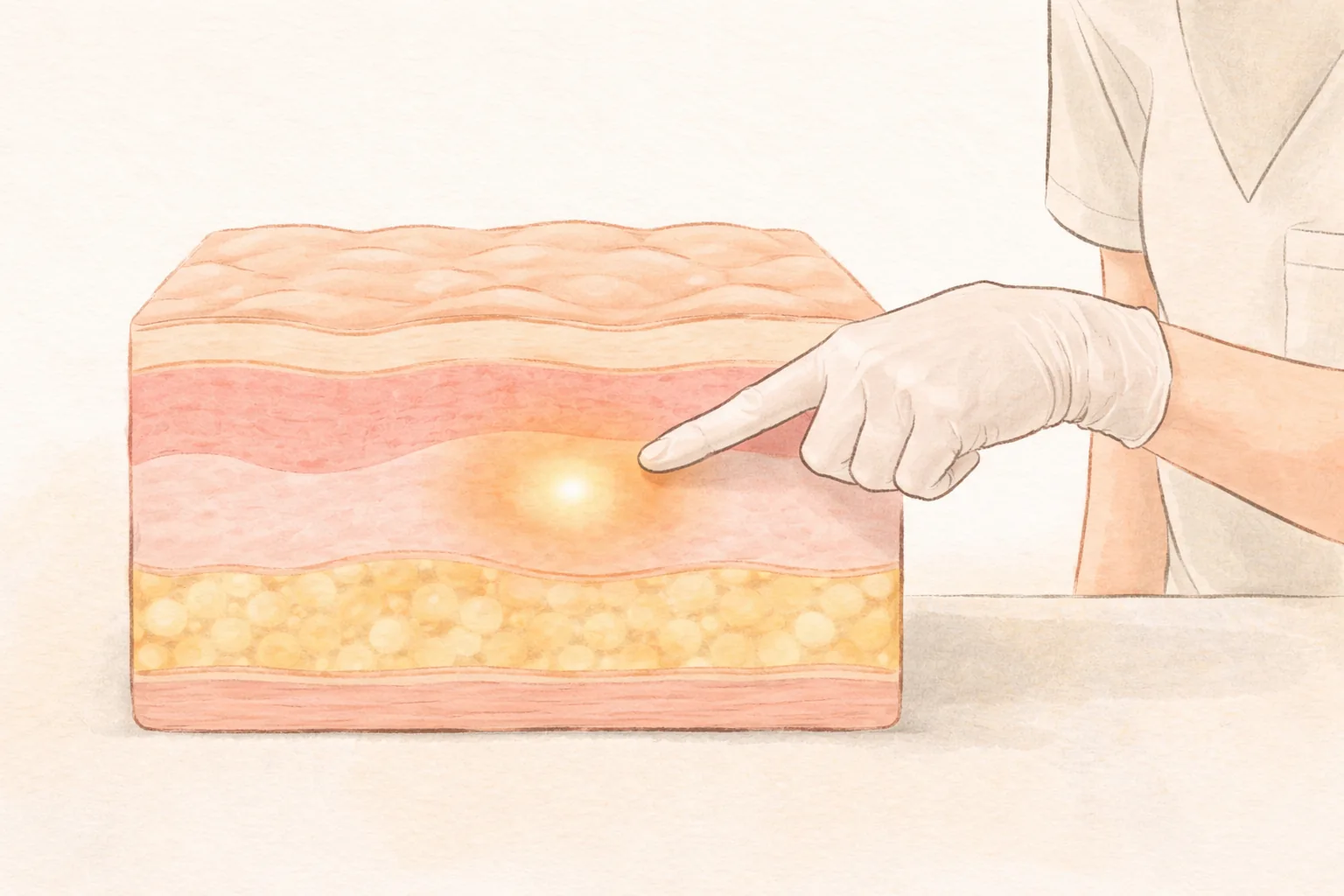
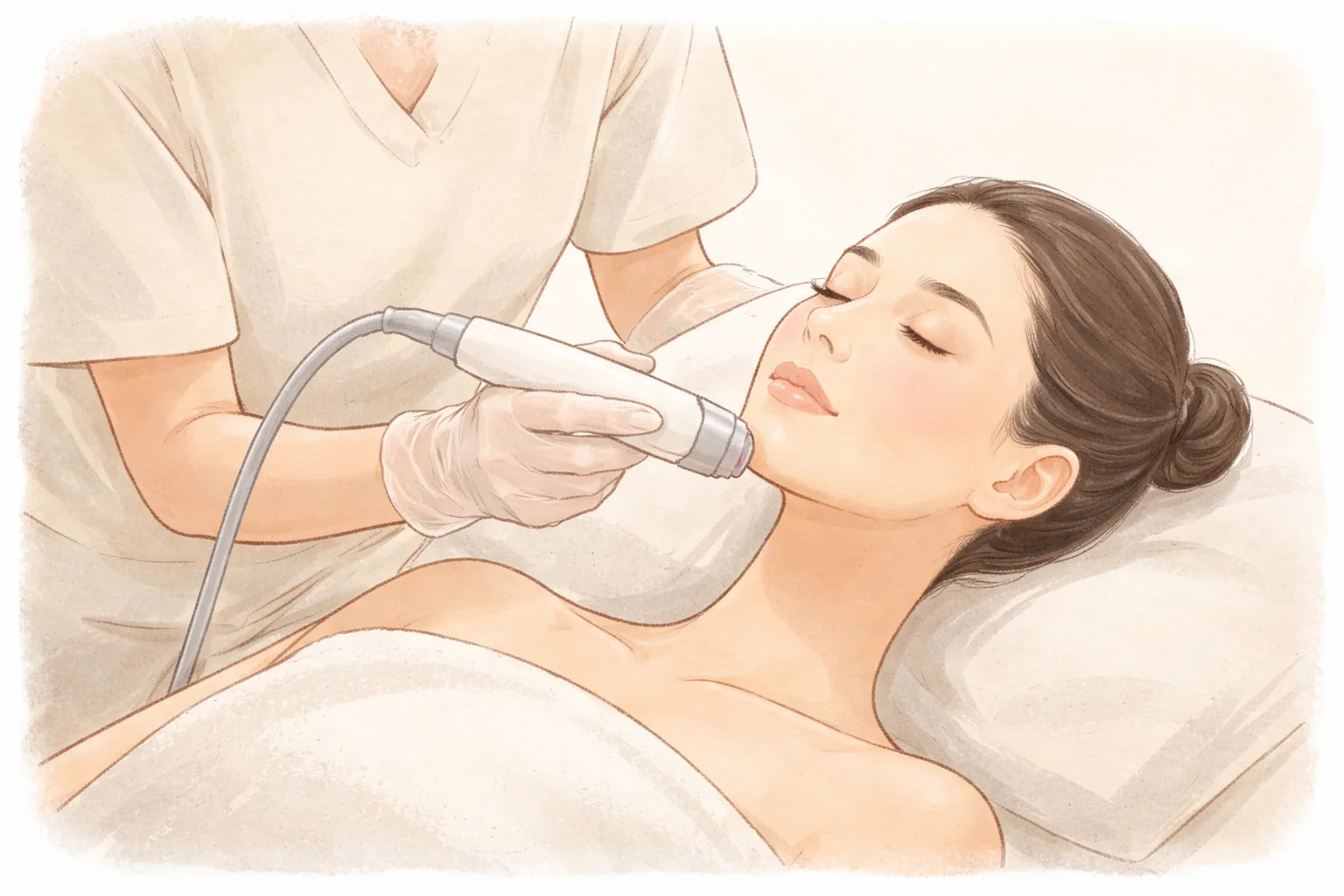
Treatments grouped under the name "lifting" actually do slightly different things beneath the skin. What they share is delivering heat energy to skin tissue, and that heat is described as shrinking collagen (the protein that keeps skin firm) slightly and then gradually prompting it to rebuild. Radiofrequency (RF, where electrical energy passes through tissue and converts to heat through friction) heats broadly from the dermis into the subcutaneous fat, while high-intensity focused ultrasound (HIFU, which focuses ultrasound to a point like a lens) creates small thermal points at a set depth.
Titanium is the laser-based device in this family. On the ATTITUDE Clinic treatment guide, titanium is introduced as lifting that uses a 3-wavelength laser, with the face and body listed separately by kJ (kilojoules, the unit for measuring delivered energy). That means even with the same titanium, receiving 40 kJ versus 120 kJ changes how much stimulation your skin takes on.
So why do swelling and redness happen? Tissue that receives heat dilates blood vessels and draws fluid into the surrounding area, making it look temporarily puffy. The American Academy of Dermatology also notes that temporary redness and swelling can appear after non-invasive skin firming treatments, but that these are usually the only sign you had anything done. Swelling isn't a signal that something went wrong — it's your tissue responding to heat stimulation.
How long do swelling and redness last right after treatment?
The day of treatment through the next day is when redness and puffiness are most visible. In the ATTITUDE Clinic column, it's explained that for about a day or two after treatment, mild redness and a slight heat sensation from heat stimulation can remain, and that these usually fade on their own. The timeline in the same column puts swelling and heat sensation as generally disappearing within 1–2 weeks, with downtime at around 1–2 days.
There's one point worth noting here. During this period your skin's barrier is temporarily weakened, so if you're exposed to UV while the redness is fading, it can leave behind pigmentation. What lingers longer than swelling is often pigment, not redness, and that difference comes down to how diligently you kept up with sun protection in the days after treatment.
What makes recovery take longer?
The first factor is the energy level. Even with the same device, raising the kJ means more heat stimulation for your skin, and swelling and heat sensation last longer as a result. The column also explains that the higher the energy level and the more shots delivered to one area, the stronger the heat stimulation. The second factor is the treatment area. A small area like one cheek at lower energy recovers quickly, while treating the whole face broadly down to the jawline produces a bigger reaction. Areas close to bone with dense nerves, like the jawline, cheekbones, forehead, and eye area, feel more sensitive even at the same energy, while thicker areas like the cheeks feel relatively less.
The third factor is your skin's own condition. A column on why results differ even from the same treatment explains that skin type, thickness, and the regeneration speed at which collagen is newly produced differ from person to person. If your skin is thin and sensitive, you may feel stimulation more strongly at the same intensity and redness may last longer. Lifestyle habits — whether you avoided saunas, intense exercise, and alcohol on the day of treatment — also affect recovery speed.
When do results show, and when's the next session?
With lifting, the point when swelling subsides and the point when results appear overlap, which makes things confusing. The column explains that with Thermage, an initial firm feeling can occur — partly due to swelling — and that after swelling subsides and things settle somewhat, further changes generally appear gradually over 2–6 months. With the HIFU family, big changes are hard to feel right after treatment, and when there are changes, they generally appear gradually over about 2–3 months.
In other words, what you see in the mirror right after treatment includes swelling, so treating that image as the final result will throw off your judgment. Repeat sessions are typically set by the doctor at around 1 year based on skin condition and treatment intensity. With titanium too, how many kJ, whether face or body, and at what interval to continue are decided at the first consultation after seeing your skin.
Each treatment delivers heat differently and suits different concerns. Looking at recovery patterns alongside that makes the choice a bit easier.
Table 1 When do results show, and when's the next session?
Treatment / Device
What it does beneath the skin
Concerns it suits
After-treatment pattern
Titanium
Lifting using a 3-wavelength laser
Lifting of the face and body
Mild redness and swelling, usually easing within a few days
Thermage
Broad heating from the dermis into subcutaneous fat
Skin texture and loss of elasticity over a wide area
Initial firm feeling (partly swelling), then changes over 2–6 months
Ultherapy · Shurink Universe
Small thermal points gathered at a set depth
Deep, localized sagging, jawline
Gradual changes over 2–3 months without a big initial change
Onda
Lifting using microwaves
Elasticity care for the face and body
Discussed at consultation based on treatment intensity and area
Swipe sideways to see the whole table.
In short, swelling and redness after titanium lifting are your tissue's response to heat stimulation, and they usually settle within a few days. Recovery runs longer when the treatment area is wide, the energy level is high, or your skin is thin and sensitive. Because what you see right after treatment includes swelling, don't treat that image as the result — watch the flow over a few weeks before judging.
If this sounds like your situation
When you have a fixed date like a wedding or a shoot
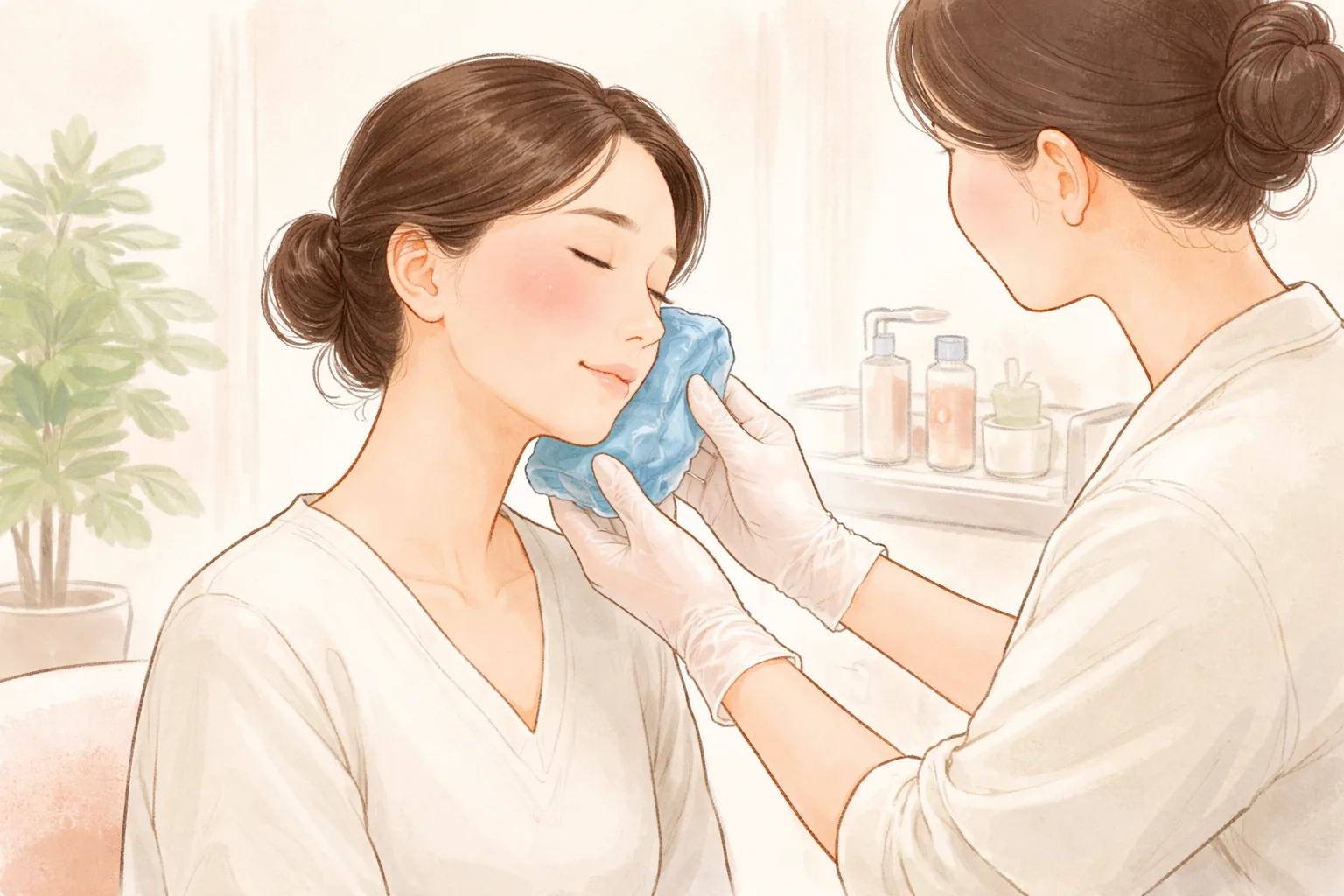
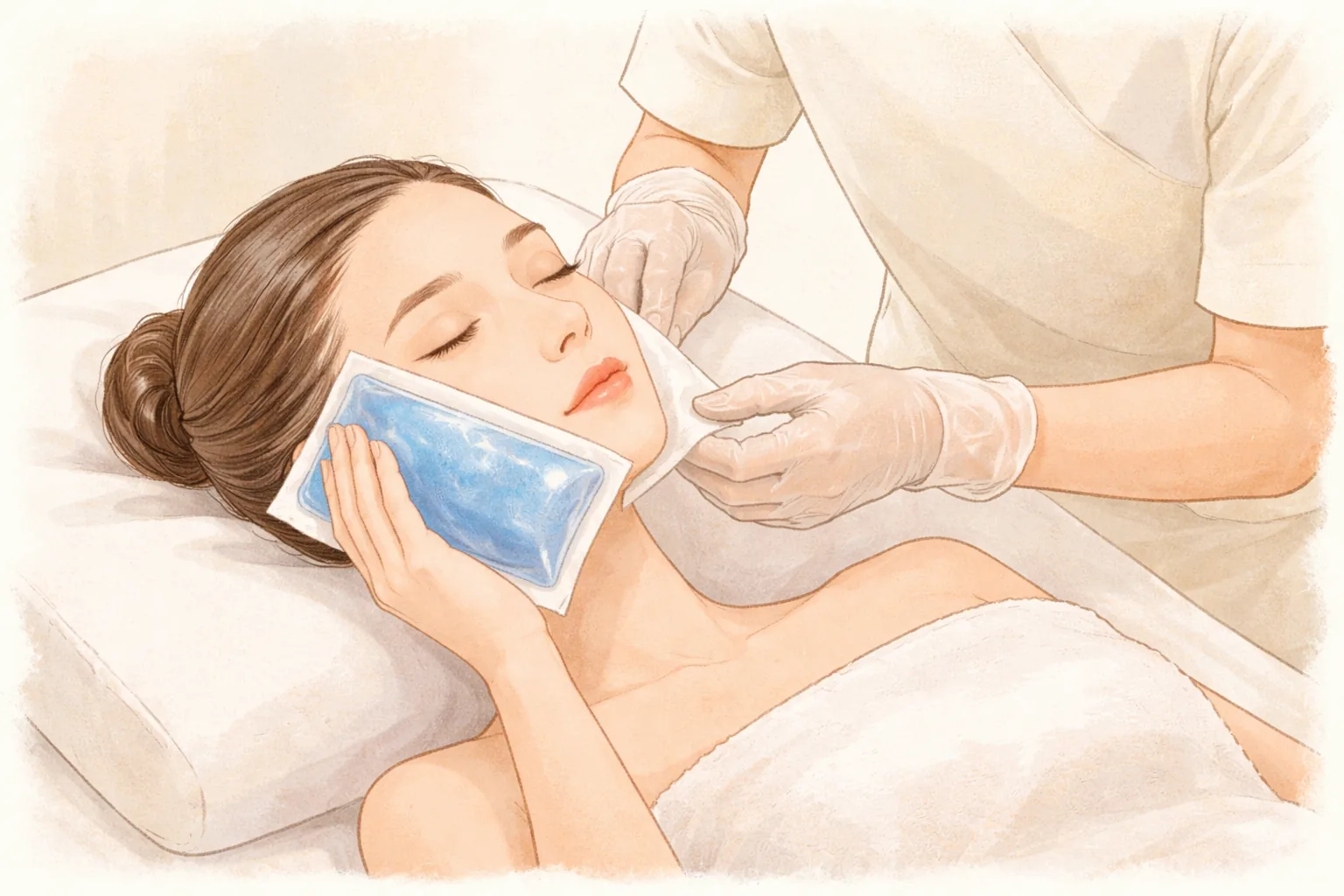
If you're getting treated the day before or a few days before an event, narrowing the treatment area and lowering the energy level works in favor of recovery management. Even if redness remains, most people can wear makeup from the next day, so leaving 2–3 days of buffer before the shoot date makes it easier to respond based on how you're doing. Cold compresses may help reduce swelling, so it's good to confirm the method with your clinician beforehand.
When you want ongoing management
Lifting is approached as an individual plan rather than a one-time fix. It's typical to set the next session after recovery has fully finished, and the doctor decides the repeat interval based on skin condition and treatment intensity. If the interval is too short, recovery periods overlap and redness can last longer, so it's better to check your progress before booking the next appointment.
If your skin is sensitive or prone to redness
Even at the same energy, thin and sensitive skin may feel stimulation more strongly and redness may last longer. That's why a common approach is to start at a lower energy level and step it up gradually. If you tend to flush easily or have had pigment remain after a previous treatment, be sure to mention that history at consultation. Filler
If you're an international visitor on a short stay
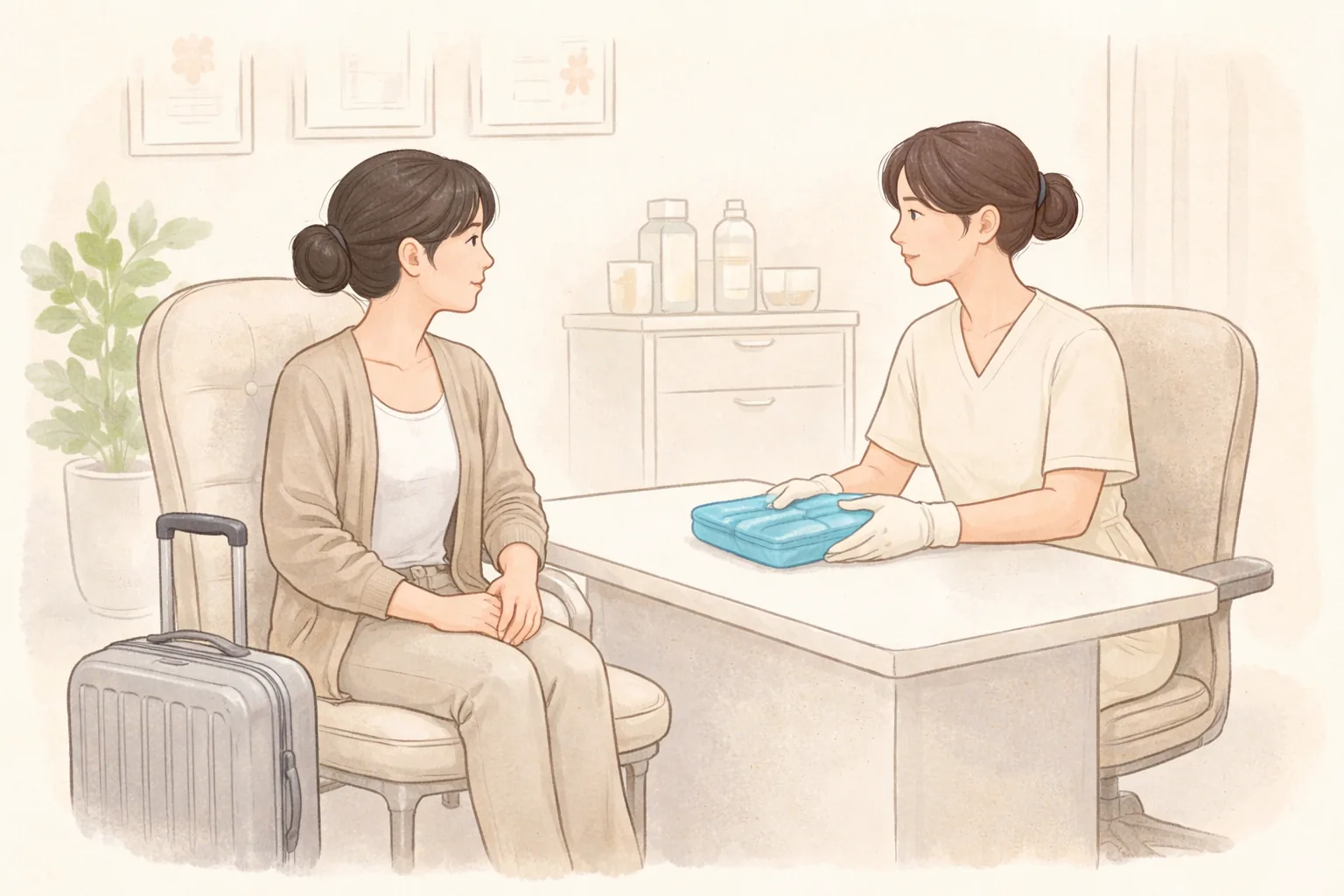
If your schedule is short, it's safest to set the area and intensity based on how much recovery will progress before you fly home. Even for a treatment described as having 1–2 days of downtime, this differs by area, so telling us your departure date lets us build that into the plan.
Before your consultation, please let us know your recent UV exposure and time outdoors, medications you're taking and skincare ingredients you currently use (retinol, acids, etc.), any past experience where redness or pigment lingered after a previous treatment, and any fixed schedule like a wedding or shoot — with these, we can plan your recovery together.
How ATTITUDE Clinic proceeds
AI skin analysis record — We photograph and record your skin condition so you and the doctor look at the same information together. The analysis tool records and organizes information and does not make a medical diagnosis; judgment is made by the doctor.
Doctor consultation — We add your concerns, lifestyle habits, and previous treatment experience to the analysis record and decide together what's needed and what isn't, and in what order and intensity. Telling us the time and schedule you can give to recovery at this stage is also reflected in the plan.
Treatment performed by the doctor — The doctor personally performs the treatment according to the plan set at consultation and adjusts intensity while watching your skin's response during the session. This flow is meant to keep planning and execution aligned.
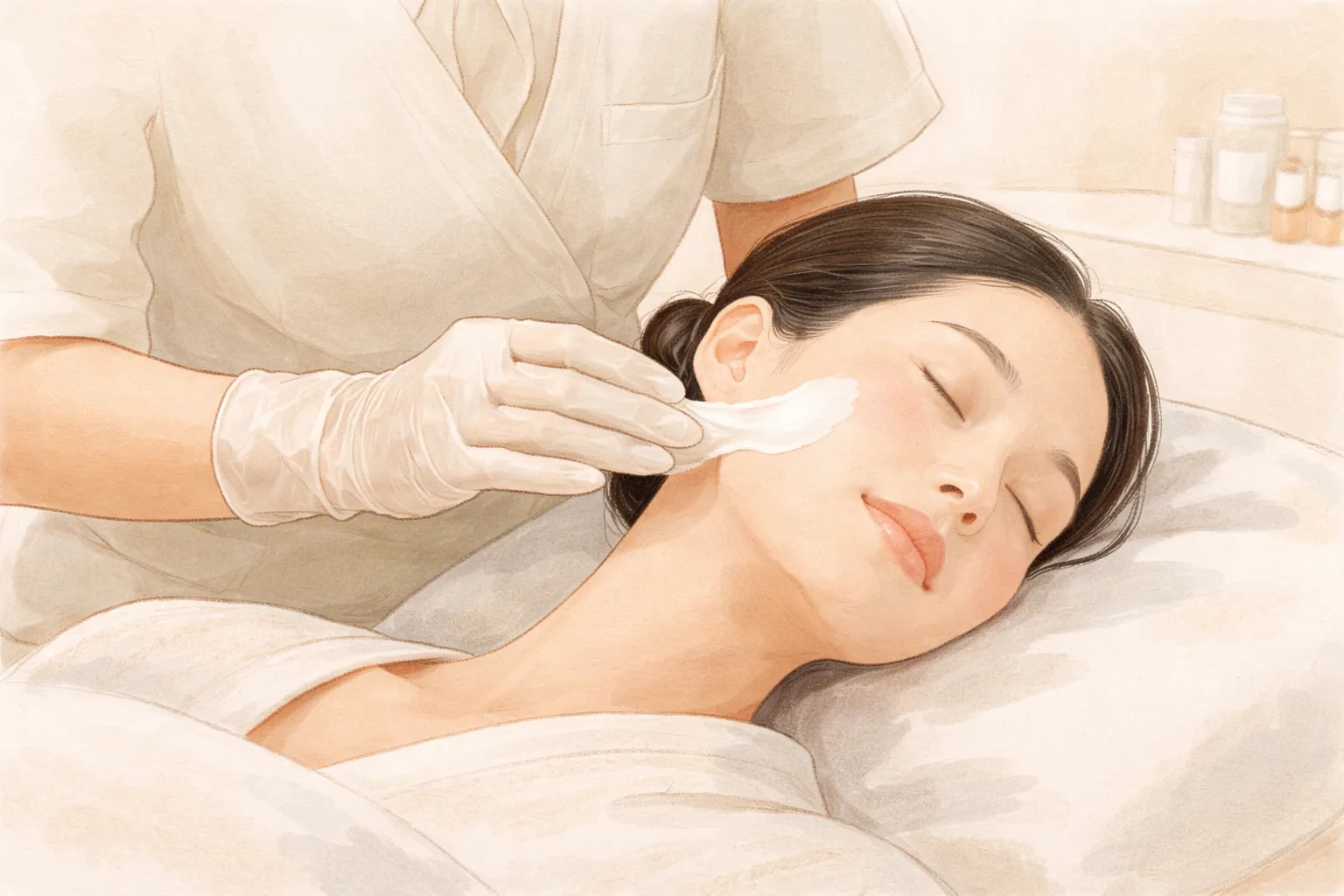
Recovery and care — We check the degree of redness and swelling after treatment and guide you on sun protection, moisturizing, and when to come back.
On this topic, the devices ATTITUDE Clinic works with are titanium using a 3-wavelength laser (face and body, including Hyper), Onda using microwaves (face and body), Thermage in the radiofrequency family, and Ultherapy in the ultrasound family. The treatment guide discloses prices by unit, with VAT separate.
Aftercare and side effects
Soothing — The day of treatment is when heat remains. Cold compresses may help with swelling, so confirm the method with your clinician, and avoid saunas, intense exercise, and alcohol.
Moisturizing — With the barrier temporarily weakened, care that replenishes moisture helps recovery. It's better to pause strong exfoliants and ingredients like retinol for a few days.
Sun protection — UV exposure while redness is fading can leave pigmentation, so apply more diligently than usual.
Progress check — We set the next visit while watching the trend of swelling and redness decreasing.
Common reactions include redness, swelling, tenderness when pressed, small bruises, and temporary numbness or reduced sensation, and these usually settle within a few days. Rarely, burns, blisters, small scars, temporary facial muscle weakness, or unwanted fat volume loss can occur, which is why setting the energy level and treatment depth precisely matters. If you notice something unexpected, such as blisters or pain that keeps worsening, don't wait — contact the clinic right away to have it checked.
Frequently asked questions
Can I wear makeup and go to work right after treatment?
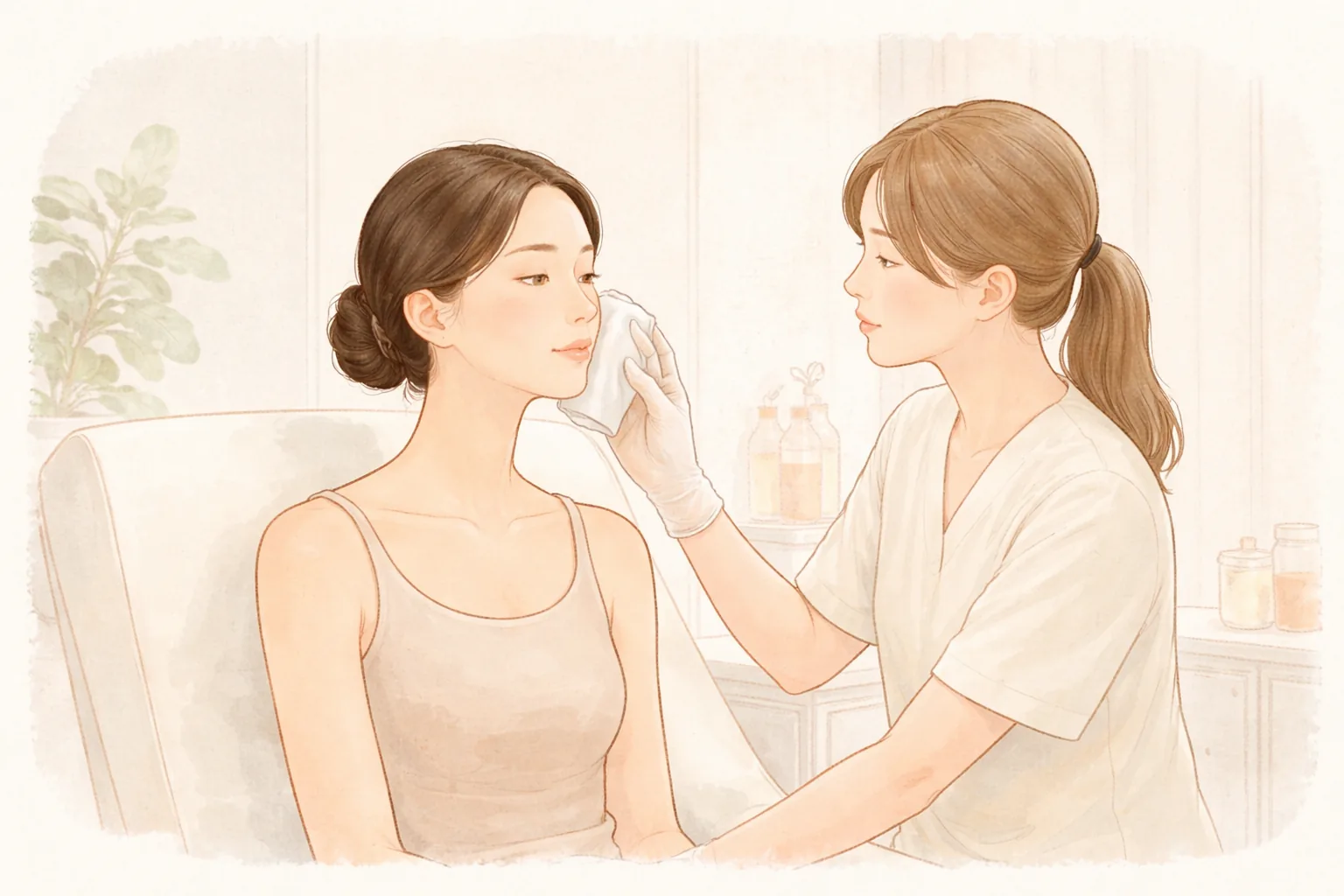
If redness and swelling end as mild reactions, most people can wear makeup and return to daily life from the next day. When washing your face and applying makeup, don't rub — handle your skin gently — and it's better to avoid saunas and alcohol on the day of treatment. That said, if the whole face was treated at high energy, more redness may remain the next day, so if you have an important commitment, mention it at consultation so intensity can be adjusted.
How many days does swelling usually last?
The day of treatment and the day after are when swelling and redness look the most pronounced, and swelling and heat sensation are generally summarized as disappearing within 1–2 weeks. Downtime itself is described as around 1–2 days, but this is a general pattern and varies with treatment area, energy level, and skin thickness. Swelling lasting longer doesn't mean the treatment went wrong, so it's better to judge by watching your progress.
How long do results last?
Maintenance duration varies a lot from person to person, because the rate at which collagen is synthesized and broken down depends on how much elasticity your skin has lost, your age, your usual UV exposure, and lifestyle habits. How treatment intensity was set also plays a role. That's why rather than fixing a duration from a single session, we approach it as an individual plan, and the repeat interval is decided by the doctor at around 1 year based on your progress.
Can I get this if my skin is sensitive?
We can proceed by adjusting the energy level to your skin condition. However, sensitive skin can stay red longer even at the same intensity, so starting at a lower level and adjusting while watching your response is safer. If you flush easily, have had pigment remain after a previous treatment, or are taking any medications, please tell us at consultation first.
What should I check when choosing a clinic?
Rather than the device name, it's better to look at who sets the intensity and by what standard. Check how your skin condition is recorded and explained at consultation, whether they tell you why the energy level and treatment area were chosen that way, and whether they give specific guidance on recovery time and precautions. It's also worth checking whether pricing is disclosed by unit and whether VAT is included or separate.
At a glance
Table 2 At a glance
Item
Key point
Nature of treatment
Lifting using a 3-wavelength laser, divided into face and body
Swelling and redness
A response to heat stimulation, usually easing within a few days
Return to daily life
Most people can wear makeup and resume daily life from the next day
Factors that lengthen recovery
Wide treatment area, high energy level, thin and sensitive skin
When results are felt
Gradually after swelling subsides, with individual variation
What to watch for
UV exposure during recovery can leave pigmentation
This article offers general health information. It is not a substitute for diagnosis or treatment based on your own condition, so please talk through your situation with a doctor.