
"My face flushes easily even when it is only slightly warm, and next to the redness I have spots and acne marks too" — we hear this often. Yet the moment you start searching to book a consultation, the names "VBeam" and "Genesis toning" blur together: are they the same thing, and which should you ask about first? This article walks through what each name actually refers to, what to check in a consultation and in what order, and when and how to judge results.
The short answer first
These two names are not two labels for one treatment. On the ATTITUDE Clinic price list, VBeam is listed separately as a 532nm laser for facial redness and vascular lesions, while Genesis toning is listed as an anti-aging item using a 1064nm laser (ATTITUDE Clinic treatments and pricing). In a consultation, confirm the actual device's wavelength and mode and what it targets before anything else, then look at the number of sessions and intervals, what the cost includes, and cautions during recovery and when to get in touch. It is hard to decide in advance which device is better. Where your redness and pigment come from, and how sensitive your skin is, set the direction.
Why do VBeam and Genesis sound so alike?
A laser is light energy collected at a single wavelength (the property that corresponds to the color of light). When it reaches the skin, it is absorbed only by specific substances that respond to that wavelength and converted into heat and impact — a principle called selective photothermolysis (targeting the intended structure while leaving surrounding tissue less affected) (Does getting lasers often thin your skin?). That is why a laser aimed at pigment and a laser aimed at red blood vessels cannot both be handled by one device.
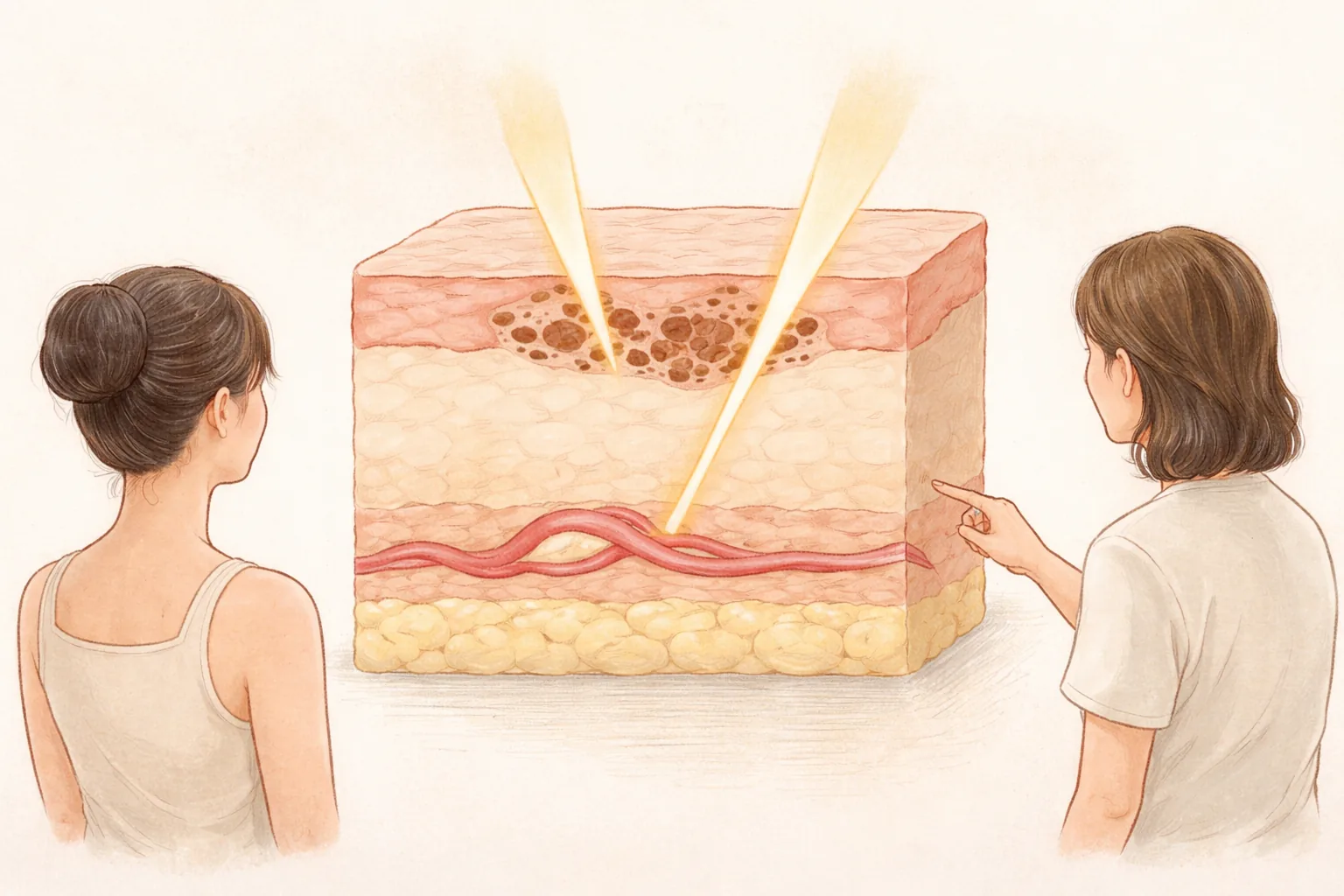
For vascular concerns, the wavelength used is one that oxygen-carrying hemoglobin absorbs. The ATTITUDE Clinic column also lists the 532nm vascular laser VBeam and Genesis toning as devices used for this purpose, and notes that picosecond lasers have almost no effect on vascular concerns (Spots, redness, scars — can lasers do it all?). Conversely, pigment such as spots and melasma belongs to the picosecond family that targets melanin.
So what is one more thing to check here? Whether "Genesis" is the name of the whole device or the name of a particular mode inside one device. On our price list, Genesis toning is written together with its platform and manufacturer — V-Laser Genesis·Wontech (treatments and pricing). If you ask in a consultation, "which device and which mode is used for Genesis toning," you can reduce the chance of receiving a different treatment under the same name.
Redness and pigment: how should you separate your questions?
Under the single word "redness" sit causes of different natures. If it is superficial vessel dilation from fine capillaries near the skin surface becoming more visible, a vascular laser can help reduce it; but redness driven by high skin reactivity itself, such as sensitive skin or rosacea (a chronic condition in which the skin turns red and inflammation recurs), may respond to lasers only to a limited degree (Spots, redness, scars — can lasers do it all?). So checking first where the redness comes from is the right order.
In rosacea treatment, lasers are one part of the management plan. According to the American Academy of Dermatology, a rosacea treatment plan consists of medication, skincare suited to your skin, and ways to avoid triggers, with lasers or light therapy often added on top (AAD: lasers and light therapy for rosacea). A consultation that also identifies what your triggers are is closer to reality than one that promises to end redness with a single laser.
Pigment also needs to be divided by type. Melasma is a state in which pigment cells are over-activated in response to UV, hormones, and heat stimulation, so delivering a strong laser in large doses at once can actually darken the pigment. Even when it looks similar on the surface, melasma is approached at low power over multiple sessions, while spots are handled differently depending on their type. If the borders are blurred and it spreads symmetrically across both cheeks, melasma is more likely (Spots, redness, scars — can lasers do it all?).
Acne marks split by color too. Red marks are vascular, brown marks are pigment, and indented scars are a problem of skin structure, so each is approached differently (Does getting lasers often thin your skin?). If all three overlap on the same face, setting priorities and working in stages rather than doing everything at once puts less strain on the skin.
When do results show, and what do you judge them by?
General guidance on lasers and light therapy for rosacea reports that visible vessels were reduced by roughly 50–75% after 1–3 sessions. Sessions are usually spaced 3–4 weeks apart, and vessels treated this way do not return, though new vessels can form, so results are reported to last about 3–5 years. Persistent facial redness has produced varying results across studies and needs more research; in reported cases it decreased by about 20% (AAD: lasers and light therapy for rosacea). These figures are general descriptions of laser-type treatment for rosacea, not a report card for any specific device.
Our own reference points are a little simpler. The ATTITUDE Clinic column lists vascular laser treatment for redness and vascular concerns at 3–5 sessions, 4–6 weeks apart, as a common example. Spots are given as 1–3 sessions, and broadly spread pigment such as melasma as 8–12 or more sessions spaced at least 1 week apart. The same article states that these numbers are only common examples and vary with pigment depth, skin type, and UV exposure habits (Spots, redness, scars — can lasers do it all?).
When setting a point to evaluate, it helps to keep reference photos and a record of your symptoms. Pigment is broken down gradually rather than removed all at once, giving the skin time to process it, so after several sessions is a better point to judge than after the first. The AAD also advises asking in a consultation about expected results, the number of sessions needed, and recovery time, and how many patients with a similar skin type and age the practitioner has treated (AAD: questions to ask before a cosmetic procedure).
What separates one experience of pain and recovery from another?
Pain varies greatly with the type and intensity of the laser, the area treated, and individual sensitivity. The same treatment can sting more depending on the area, and topical anesthesia can reduce discomfort (Does getting lasers often thin your skin?). AAD materials also note that some patients feel the skin tighten, itch, or hurt during the procedure (AAD: lasers and light therapy for rosacea).
Recovery splits by how much redness appears and how long it lasts. After laser or light therapy, redness is common and usually settles within 2 weeks, and purple or red spots may appear and fade over 1–2 weeks. In experienced hands, scarring is uncommon (AAD: lasers and light therapy for rosacea). The column notes that with VBeam, redness and swelling last a few days and bruising can occur, which may take 1–2 weeks to clear (Does getting lasers often thin your skin?).
After treatment, it is better to avoid anything that raises skin temperature. The reason to hold off on saunas, jjimjilbang, and intense exercise for 1–2 weeks is that heat can dilate blood vessels and reactivate pigment cells (Spots, redness, scars — can lasers do it all?).
| Concern | Device usually used | What it targets | Recovery pattern |
|---|---|---|---|
| Spots·melasma | PicoPlus (picosecond laser) | Melanin pigment | Low-power toning: a few hours; high-power spots: crusts for 7–10 days |
| Redness·flushing·vessels | VBeam (532nm), Genesis toning (1064nm) | Oxygen-carrying hemoglobin and vessels | Redness and swelling for a few days; bruising, if any, 1–2 weeks |
| Pores·skin texture·shallow scars | Erbium YAG laser (fractional) | Epidermis and dermis structure | Redness and sandpaper-like texture for 3–5 days |
| Pigment and redness overlapping | Prioritized and done in sequence by cause | Targets differ, so devices differ too | Decide the next step after seeing recovery from the previous one |
Swipe sideways to see the whole table.
In short redness and pigment are different targets, so the wavelengths used differ, and the first thing to confirm in a consultation is not the device name but where your concern comes from. Ask just these five things in order — device name and wavelength, session count and intervals, what the cost includes, and cautions during recovery — and you are halfway through the consultation.
If this sounds like you
If you have a ceremony or a shoot coming up
When redness and dryness collide with your schedule, it feels urgent. The more lead time you leave from your ceremony date, the more options you have to adjust intensity and timing, and it is better to avoid a treatment you are trying for the first time right before the date (Does getting lasers often thin your skin?). If you mention the date first, we can work backward from recovery time to build a plan.
If you want steady, ongoing management
Rather than going strong all at once, keeping to the interval your skin needs to recover and treating regularly puts less strain on it (Does getting lasers often thin your skin?). Set a goal and place only the treatments you need at the right times, and you can sustain results without adding sessions.
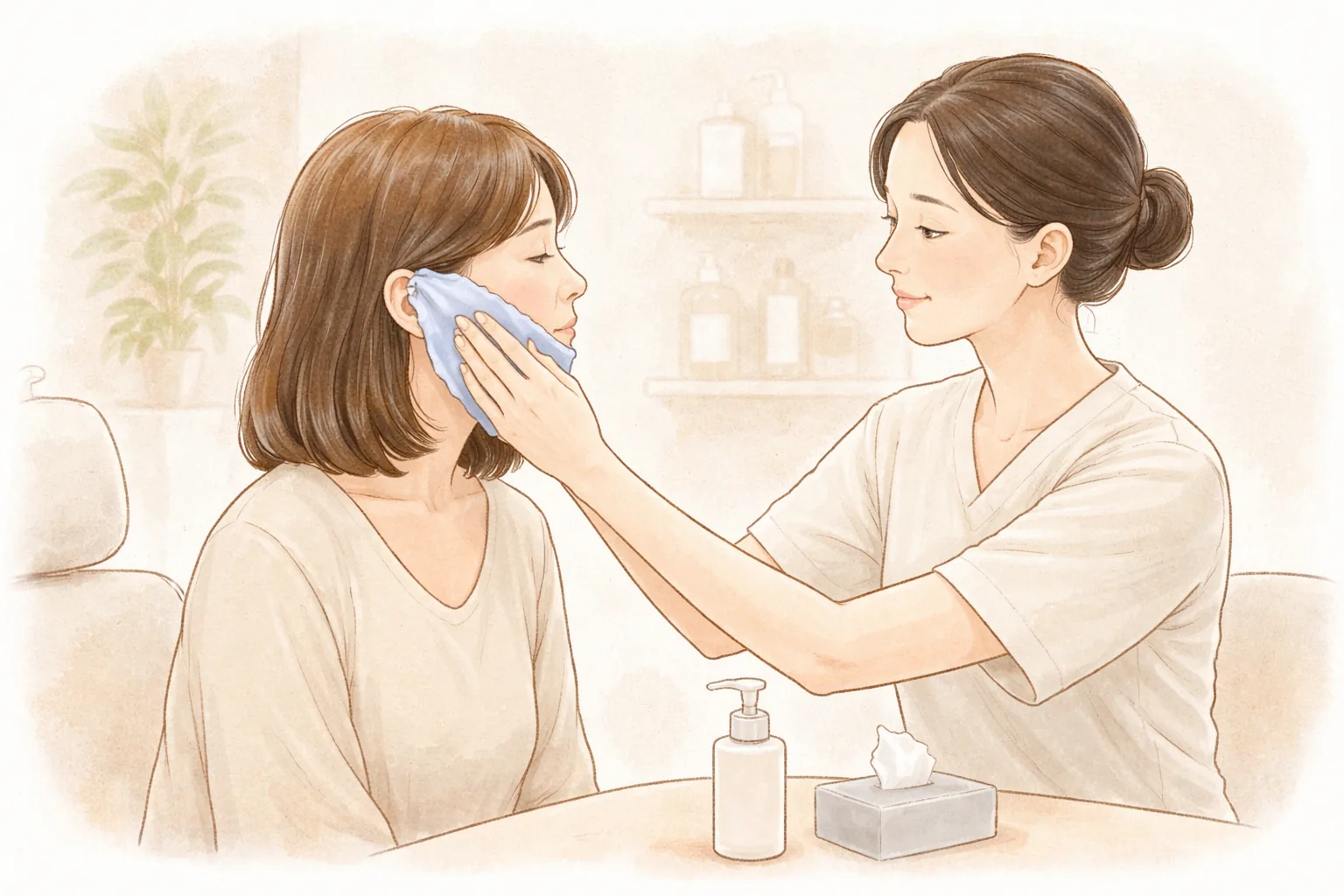
If your skin is sensitive or flushes easily
Redness driven by high reactivity, such as sensitive skin or rosacea, may respond to lasers only to a limited degree, so the cause of the redness is checked first (Spots, redness, scars — can lasers do it all?). Telling us about recent UV exposure, the cosmetics you are using, and any experience of sensitivity after a previous treatment helps us adjust settings and timing.

If you are an international visitor on a short stay
If your stay is fixed, redness or dryness right after treatment can affect your plans. Telling us your return date and next visit plans in advance lets us discuss intensity and type accordingly (Does getting lasers often thin your skin?). It also helps to know that requesting an appointment and confirming one are different, and that the time is set after you receive a confirmation call from the clinic (ATTITUDE Clinic consultation booking).
Please tell us before your consultation
Whether you have had a lot of recent UV exposure, any medications or cosmetics you take or apply (including drugs such as warfarin, isotretinoin, and aspirin), other conditions and any history of cold sores, whether you are sensitive to light or bruise easily, any past experience of skin sensitivity after a previous treatment, and what result you are hoping for. Telling us about fixed dates such as a ceremony, a shoot, or a business trip also helps us match timing and intensity (AAD: lasers and light therapy for rosacea, Does getting lasers often thin your skin?).
How ATTITUDE Clinic handles this

AI skin analysis record: we record your current skin condition, such as pigment, redness, texture, and pores. This tool records and organizes information to support the consultation; it does not replace a medical diagnosis (Does getting lasers often thin your skin?).
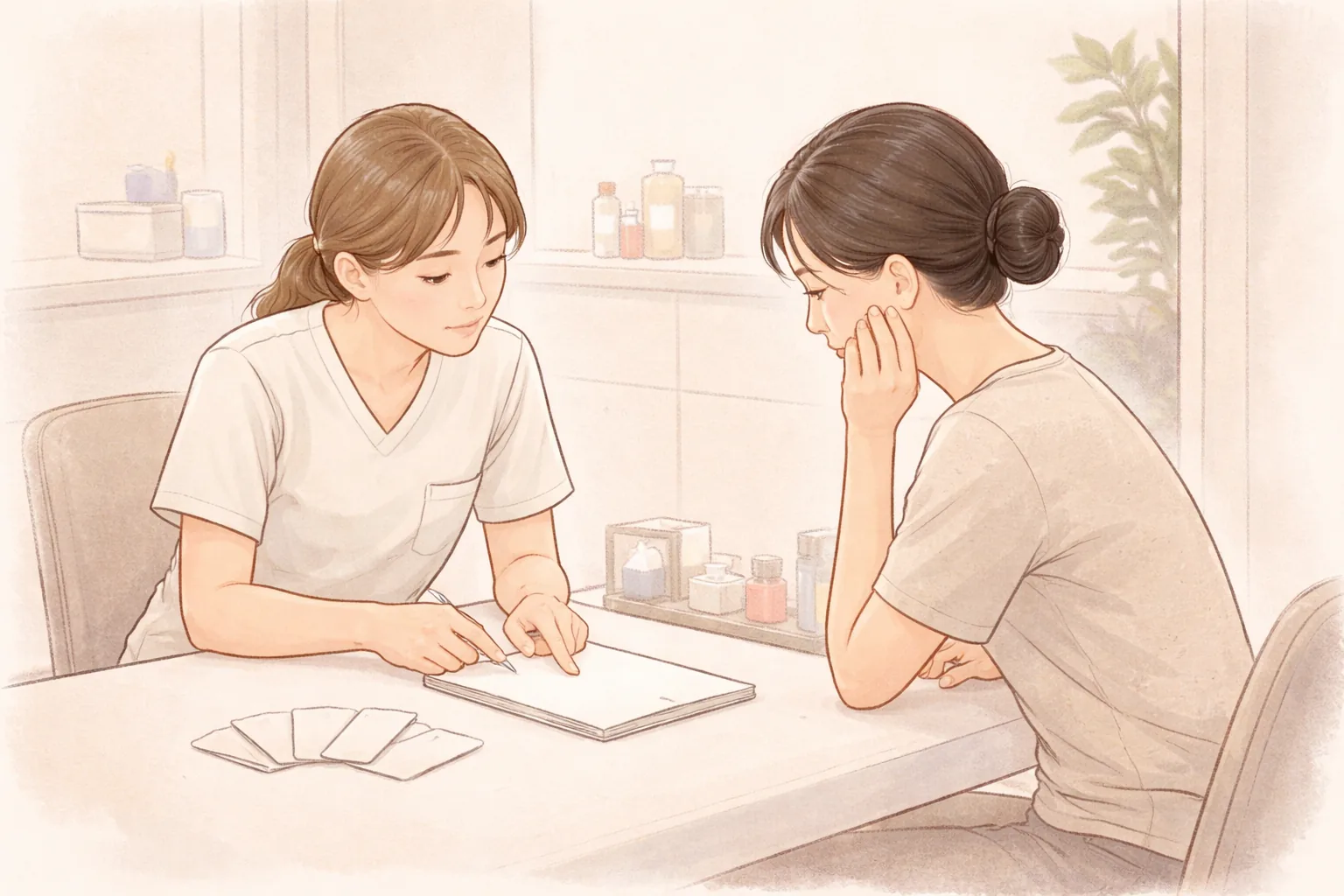
Direction set in a doctor consultation: the analysis record plus your schedule, pain sensitivity, and skin history are used to decide the type, intensity, and timing of treatment together. If concerns overlap, we set priorities and order (Does getting lasers often thin your skin?).
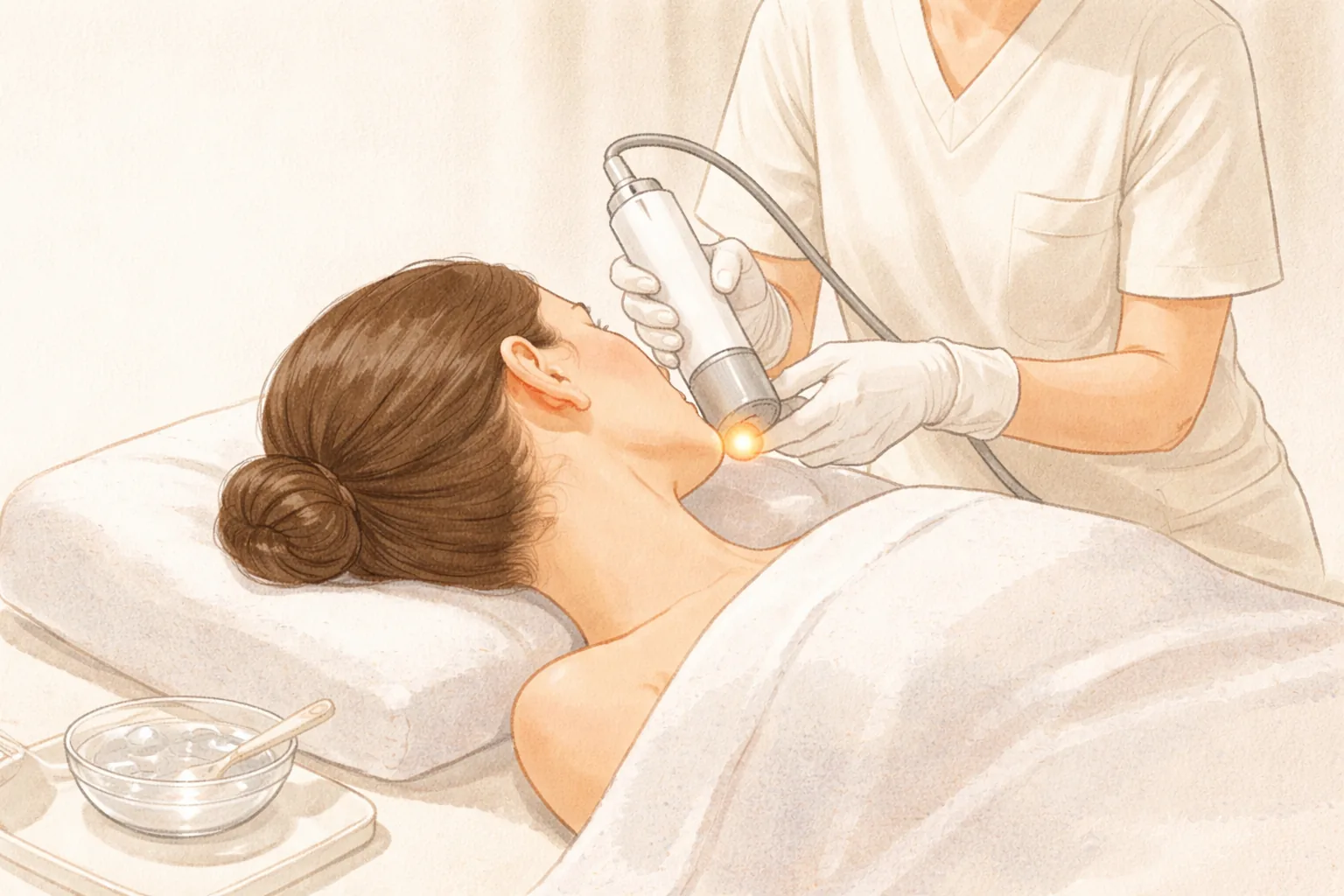
Treatment performed by the doctor: topical anesthesia is used as needed to reduce discomfort, and the doctor performs the treatment personally. Lasers are not a treatment where stronger and more frequent is better, so we proceed only as much as needed at an intensity and interval suited to your skin (Does getting lasers often thin your skin?).
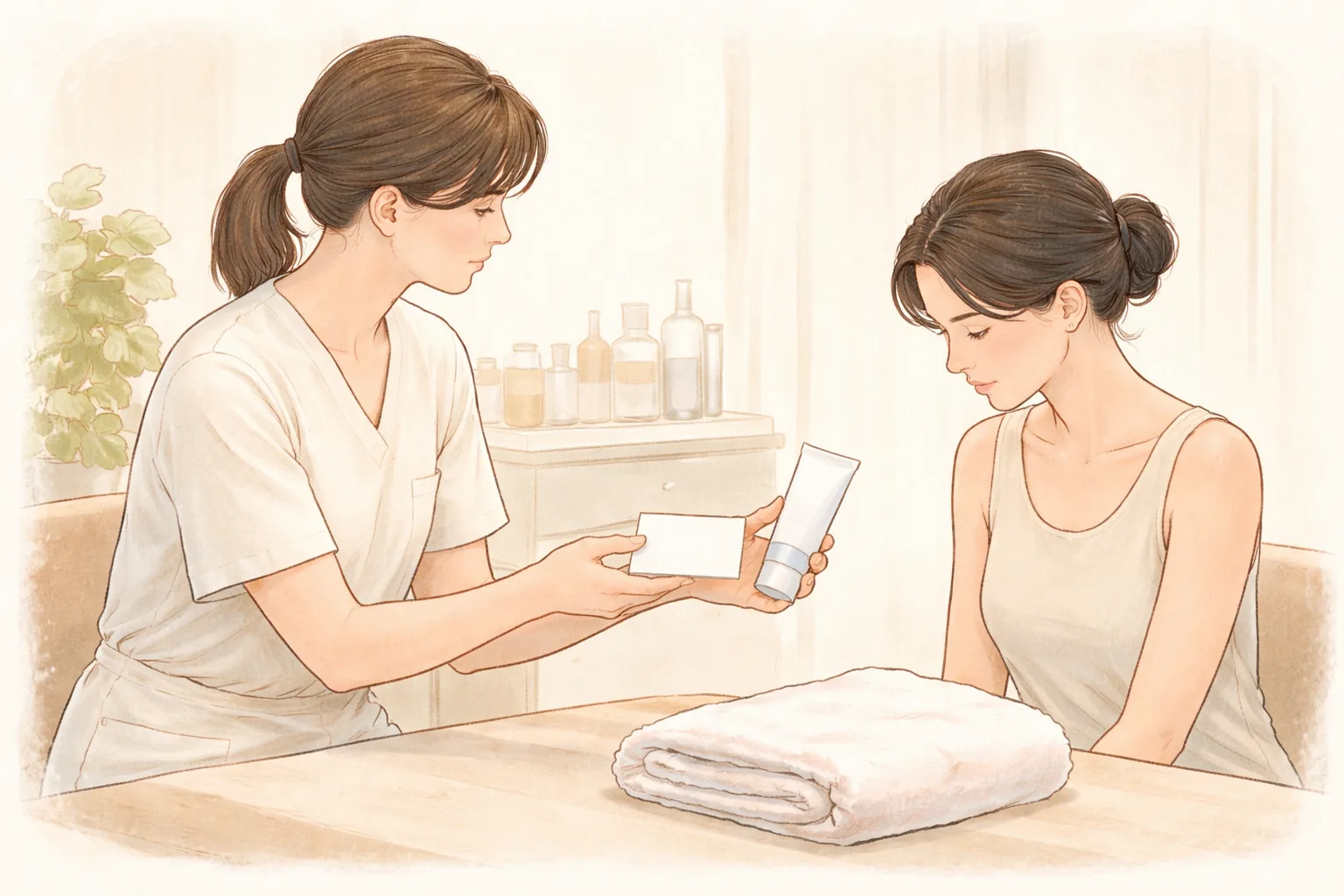
Recovery and aftercare guidance: we go over sun protection and moisturizing right after treatment, what to avoid during the advised period, and the criteria for contacting us if something feels off.
Devices used for this topic are PicoPlus (pigment), VBeam 532nm (redness·vessels), Genesis toning 1064nm, and erbium YAG laser (skin surface and texture) (Spots, redness, scars — can lasers do it all?, treatments and pricing). Following the principle of genuine products, genuine dosing, and genuine pricing, we make it possible to check that the items listed match the devices actually used.
Aftercare and side effects
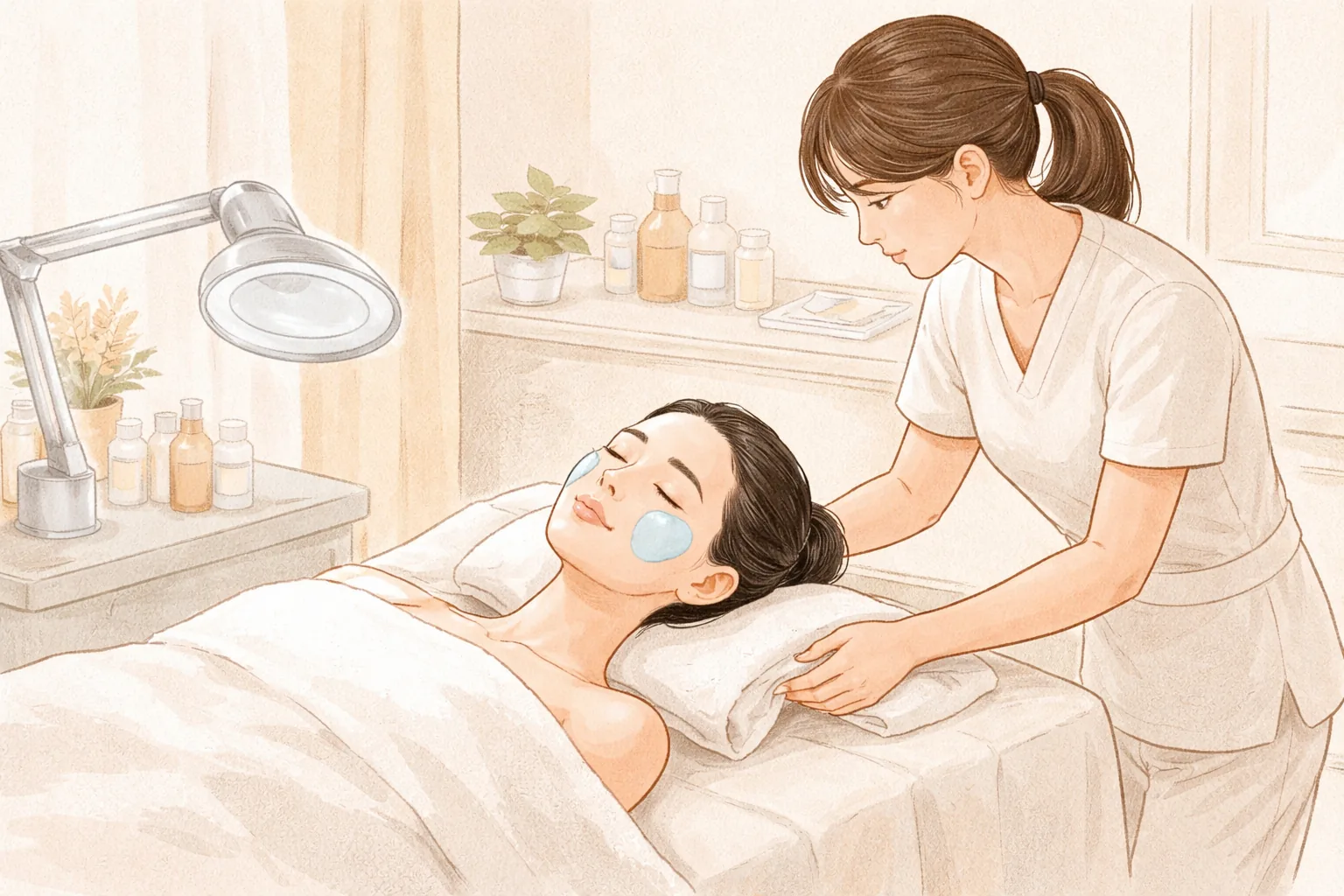
Soothing: right after treatment, skin temperature is elevated. Within 24 hours, avoid hot showers, saunas, alcohol, and intense exercise, and cool the skin if a warm sensation lingers. If redness or heat lasts longer than expected, it is better not to let it pass unaddressed.
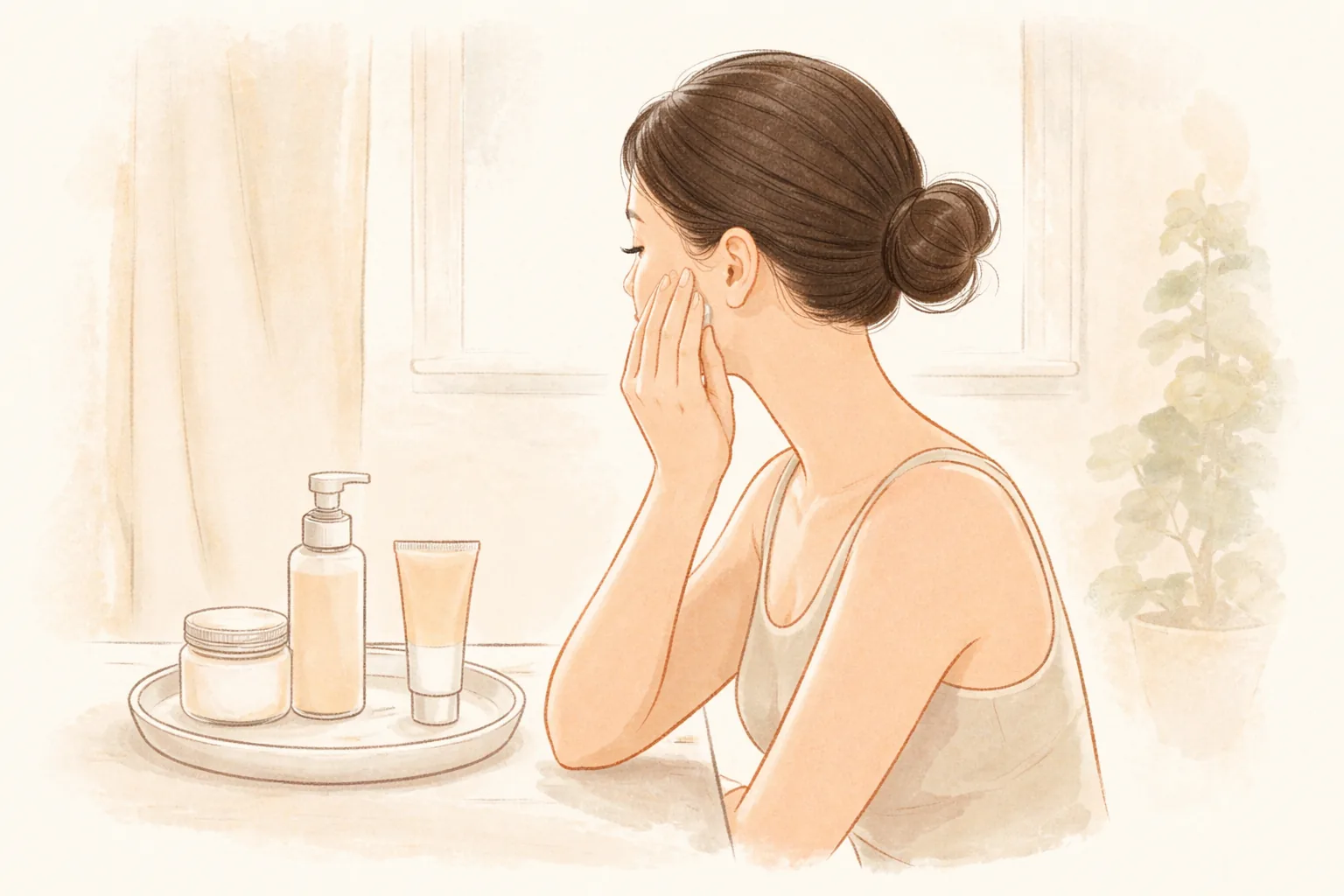
Moisturizing: dryness can accompany recovery, so apply moisturizer often. If the treatment causes crusts, do not pick them off by hand — wait for them to fall away on their own.
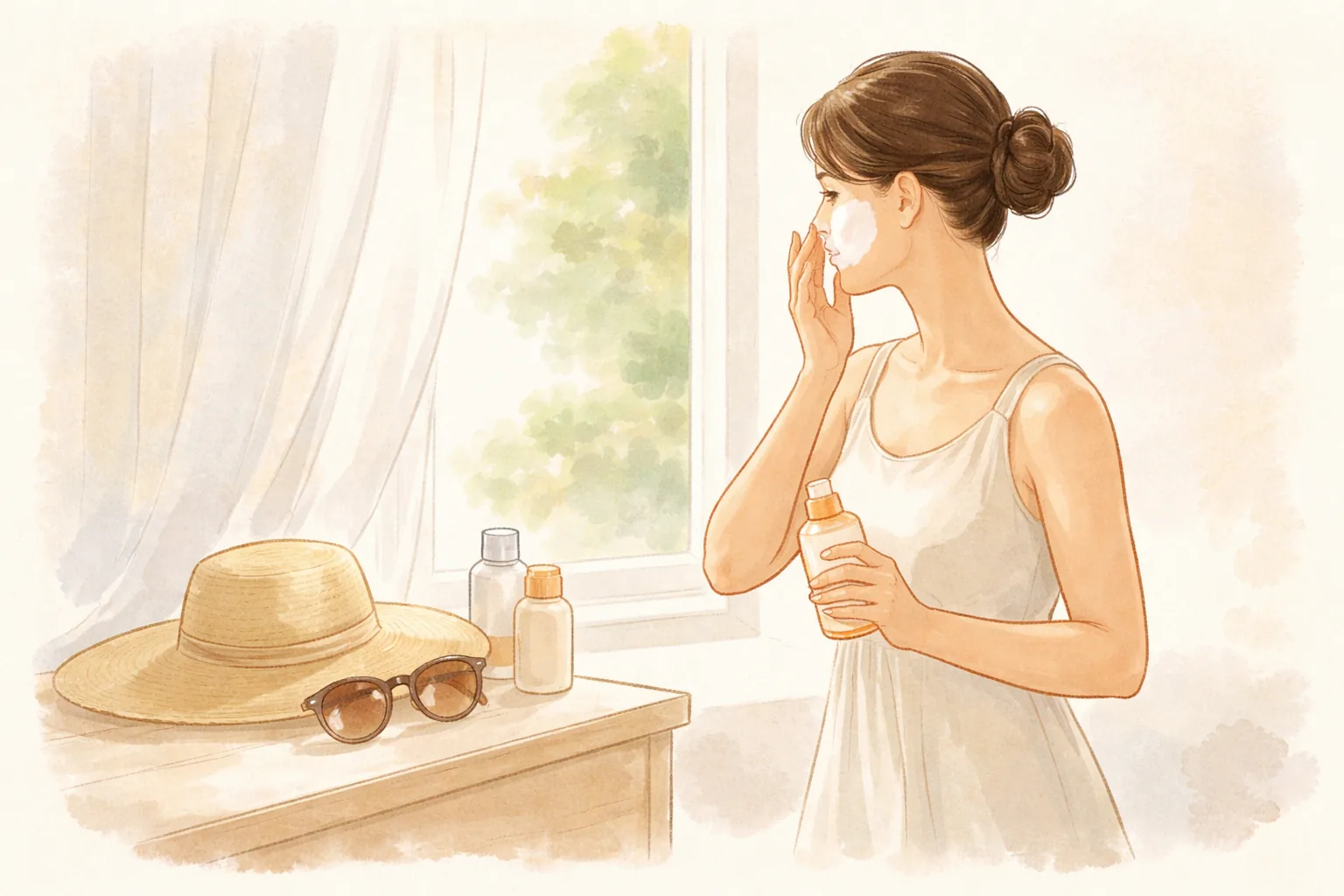
Sun protection: right after treatment the skin's barrier is weakened, so if you do not block UV properly, pigmentation can develop in the newly formed skin and undo the results. For at least 2 weeks, apply SPF 50+ sunscreen and reapply every two hours outdoors (Spots, redness, scars — can lasers do it all?).
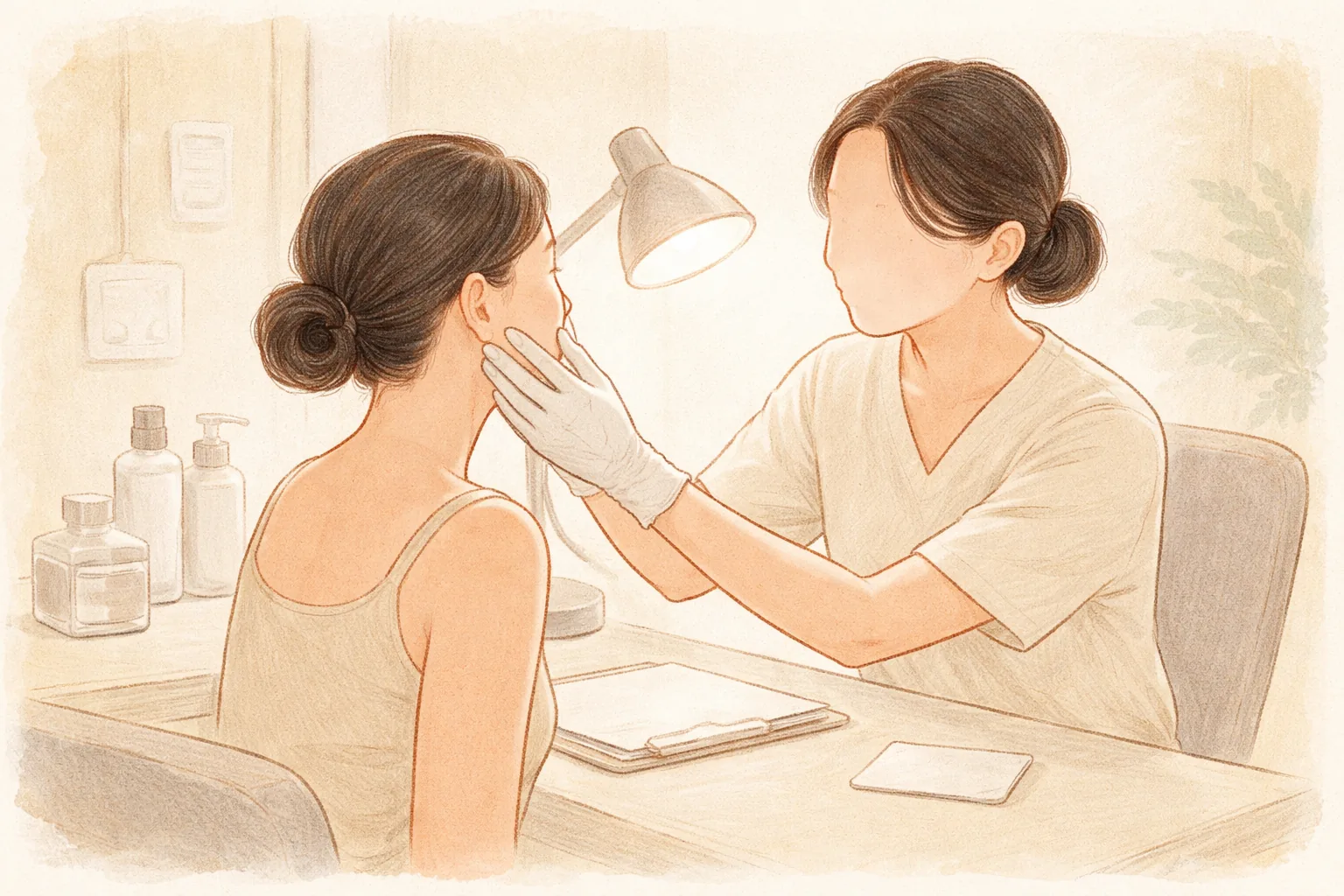
Checking progress: compare against your reference photos and symptoms, then set the next interval. Avoid exfoliation and scrubs, and saunas during the advised period.
Common reactions are redness, heat, swelling, and stinging, and lasers with a peeling character cause crusts. Temporary pigmentation can occur, and VBeam can cause bruising. Rarely, blisters, hypopigmented spots, infection, or scarring can occur, or pigment can darken again over time (Does getting lasers often thin your skin?). AAD materials also report that redness after treatment is common and usually settles within 2 weeks, while purple or red spots fade over 1–2 weeks (AAD: lasers and light therapy for rosacea).
If redness or heat lasts more than three days or suddenly worsens, it is better to have it checked rather than push through (Spots, redness, scars — can lasers do it all?). Sun protection is also tied to preventing permanent scarring, which makes it hard to treat as a minor detail (AAD: lasers and light therapy for rosacea).
Frequently asked questions
Are Genesis toning and VBeam the same device?
They are not the same item. On the price list, VBeam is separated as a 532nm laser for facial redness and vascular lesions, while Genesis toning is an anti-aging item using a 1064nm laser. For Genesis toning you can check the platform and manufacturer notation together, such as V-Laser Genesis·Wontech (treatments and pricing). If you want to compare it with a differently named vascular laser, it is more practical to match what wavelength that device uses and what it targets — and whether your redness or pigment falls under that target — than to go by how famous the name is.
How much does it hurt, and is anesthesia needed?
Pain varies with the type and intensity of the laser, the area, and individual sensitivity. The same treatment can sting more depending on the area, and topical anesthesia can reduce discomfort (Does getting lasers often thin your skin?). If you are usually sensitive to pain or found a previous treatment hard, tell us in advance. If it becomes hard to bear during the session, say so right away and the intensity can be adjusted.
From which session do results show, and when do you evaluate them?
General guidance on lasers and light therapy for rosacea states that visible vessels are usually reduced by 50–75% after 1–3 sessions, spaced 3–4 weeks apart. Persistent redness decreased by about 20% in reported cases, but results vary across studies and need careful interpretation (AAD: lasers and light therapy for rosacea). In our column's common examples, redness and vascular concerns are given as 3–5 sessions at 4–6 week intervals, and broad pigment such as melasma as 8–12 or more sessions (Spots, redness, scars — can lasers do it all?). Pigment is handled gradually in stages, so after several sessions is a better point to judge than after the first, and the exact number and interval are set after looking at pigment depth and skin condition.
Is VAT included in the price, and what does it cover?
All amounts on the official price list are shown with VAT excluded. Items are divided by treatment, product, area, and number of sessions, so it is worth checking first whether you are looking at a single-session item or a course (treatments and pricing). Whether the consultation fee, topical anesthesia, and aftercare are included, and what happens if you stop a course midway, are not on the price list, so we go over them together in the consultation.
For a first consultation, what should you look at when choosing a clinic?
Look at a few things rather than the device list or names. Does the clinic check before treatment whether your concern comes from pigment, vessels, or the skin surface? Does it recommend only what you need and avoid locking in an excessive number of sessions or intensity? Does it explain pain, recovery schedule, and aftercare in the consultation? And can you get something checked if a problem arises? (Does getting lasers often thin your skin?). The AAD also advises asking in a consultation about expected results and risks, alternatives, the practitioner's experience, the number of sessions and recovery time needed, and cost, and how many patients with a similar skin type have been treated (AAD: questions to ask before a cosmetic procedure). Requesting an appointment and confirming one are different, and the appointment is set through a confirmation call, so knowing that process makes scheduling easier (ATTITUDE Clinic consultation booking).
At a glance
| Item | Key point |
|---|---|
| Relationship between the two names | VBeam (532nm, redness·vessels) and Genesis toning (1064nm) are separate items |
| What to check first in a consultation | The actual device name and wavelength, mode, and what it targets |
| Telling causes apart | Redness (vessels), pigment, and skin texture call for different approaches |
| Evaluating results | Reference photos and symptom records; judge pigment after several sessions |
| Cost | All amounts exclude VAT; confirm what is covered in the consultation |
| Recovery | Redness and swelling for a few days, bruising 1–2 weeks; sun protection is key |