Wart Removal in Korea: How Treatment Depends on Skin Type and Age
How warts differ by age and skin condition, how location and underlying conditions decide the treatment, and how to tell apart lookalike lesions such as flat warts and molluscum.
Written by ATTITUDE Clinic Editorial Team
A hard bump on your finger that has not changed for months, or small flat spots slowly appearing on your neck and cheeks — you may wonder whether it is a wart, whether it is just age, or whether you can leave it alone. It is also easy to confuse warts with molluscum, which has a similar-sounding name. This article explains how warts differ by skin condition and age, and what determines the treatment method and timing.
The bottom line first
Warts occur at any age, but they are most common in children and least common in older adults (MSD Manuals). Age alone does not determine the treatment. The method is chosen after considering the type of wart, its location, skin thickness, immune status, and underlying conditions such as diabetes (American Academy of Dermatology). Warts on the face or genitals, warts that are numerous or spreading, and warts that have not cleared with at-home products should be seen at a clinic first. Even for the same wart, treatment is easier when there are few and they are small.
Are warts more common in younger people?
Warts caused by human papillomavirus (HPV, a virus that creates small bumps on the skin) appear at any age, but they are most common in children and least common in older adults (MSD Manuals). There are differences by type as well. Flat warts, which appear in clusters on the face and back of the hands, are more common in children and young adults, and treatment tends to be tricky (MSD Manuals). By contrast, common warts, which rise as firm bumps on frequently injured areas such as fingers and knees, are so common that almost everyone experiences them at least once.
So does younger age mean treatment is harder? Not necessarily. Dermatologists choose a treatment after considering health status, age, the type of wart, and other factors (American Academy of Dermatology). Age is one of several variables, and in practice the number of warts, their location, and how long they have been there matter more. Some people have just one or two, others have hundreds; treatment is easier when there are fewer and they are small (MSD Manuals, American Academy of Dermatology).
Whether it is on the face or the sole decides the treatment
The location plays a large role in deciding the treatment method. At-home salicylic acid (an ingredient that peels away dead skin) can be used for flat warts, common warts, and plantar warts that are not on the face (American Academy of Dermatology). Warts on the face or genitals are not suitable for self-treatment, so a dermatology visit is recommended (American Academy of Dermatology self-care guidance). The more visible the area and the thinner the skin, the more differently it may respond to the same stimulus (ATTITUDE Clinic column).
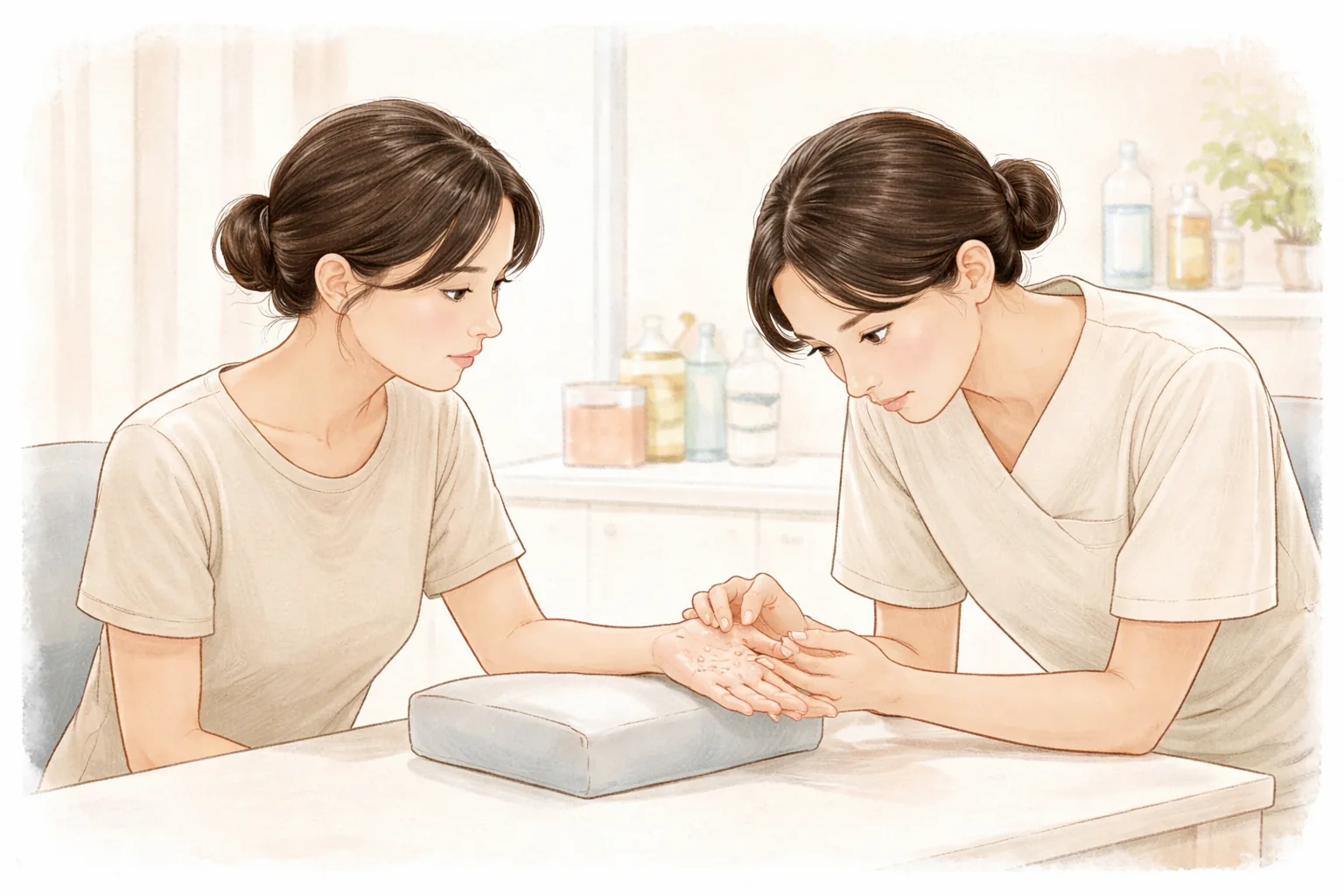
The sole is the opposite. Because the stratum corneum is thick, a higher concentration of salicylic acid may be used (American Academy of Dermatology), and walking presses the wart flat and firm, making it painful. Plantar warts are among the most difficult types to treat (MSD Manuals). They are easily confused with corns or calluses, but if you shave the surface thinly, a wart shows multiple tiny pinpoint bleeding spots (MSD Manuals).
What else matters if your skin is sensitive or you have an underlying condition?
Most wart treatments are safe, but not every method can be used for everyone. Salicylic acid can be used by most people, but if you have neuropathy with numbness, burning, or pain in the treatment area, or poor circulation, you should consult a doctor first (American Academy of Dermatology self-care guidance). This is because when sensation is dull or circulation is poor, it is hard to notice irritation, and wounds may heal slowly.
If you have a weakened immune system (cancer, HIV infection, organ transplant) or diabetes, a dermatology visit is advised rather than at-home treatment (American Academy of Dermatology). Warts are contagious, persist for a long time, spread through repeated contact, and enter the skin through even very small breaks (MSD Manuals). So when lesions increase in number or spread to the surrounding area, the clinic evaluates the condition as a whole.
Is molluscum also a type of wart?
A similar name does not mean it is the same disease or that the same treatment can be used. Doctors usually identify warts by their typical appearance, and if a lesion grows quickly, looks ulcerated, or does not respond to treatment, a skin biopsy is used to distinguish it from other skin conditions (MSD Manuals). A dermatology visit is also recommended when you are not sure whether it is a wart (American Academy of Dermatology self-care guidance).
Whether the lesion called molluscum has the same cause and treatment as a wart is something to be judged at a clinic by looking at the lesion directly. Bumps that look like skin tags or milia, and small grain-like lesions that have persisted for a long time, can likewise be hard to distinguish by eye alone and need to be checked (MSD Manuals).
Should you wait for natural resolution or treat right away?
Not every wart needs to be removed immediately. Most are harmless and disappear on their own over time, and without treatment it takes months to years for them to go away (American Academy of Dermatology). Common warts in particular often disappear on their own within 1–2 years, and when they do, they tend to leave little scarring, which means treatment is not necessary if there is no pain or psychological distress (MSD Manuals).
There is also a clear difference when you do treat. It goes away faster, and the risk of spreading the virus to other people or other parts of the body can be reduced (American Academy of Dermatology). Whether to wait or treat is decided by considering the number and size, location, presence of pain, and how fast it is spreading. With any method, warts can grow back after removal, and plantar warts in particular recur frequently (MSD Manuals).
What differs by type?
Wart management differs by location and appearance. The table below summarizes the main types.
Table 1 What differs by type?
Type
Typical location
Appearance
What differs in treatment
Common warts
Frequently injured areas such as fingers, knees, elbows, and the face
Rough, firm surface, often 1 cm or less in diameter
Treatment is easier when few and small; they may also disappear on their own within 1–2 years
Plantar and palmar warts
Soles, palms
Pressed flat when walking, thick keratin, painful to touch
Among the most difficult types to treat and need to be distinguished from corns
Flat warts
Face, back of hands, shins
Smooth, flat, appearing in clusters
Common in children and young adults and hard to treat; the face is not suitable for self-treatment
Filiform warts
Eyelids, face, neck, lips
Grow as long, narrow, branch-like shapes
Usually no symptoms and relatively easy to treat
Swipe sideways to see the whole table.
In summary, location, type, skin thickness, and underlying conditions decide the treatment method. Age is only one factor, and fewer, smaller warts are easier to handle. For warts on the face or genitals, spreading warts, or cases with weakened immunity or diabetes, a clinic visit comes before self-treatment.
If this sounds like your situation
When flat spots on the face and neck increase
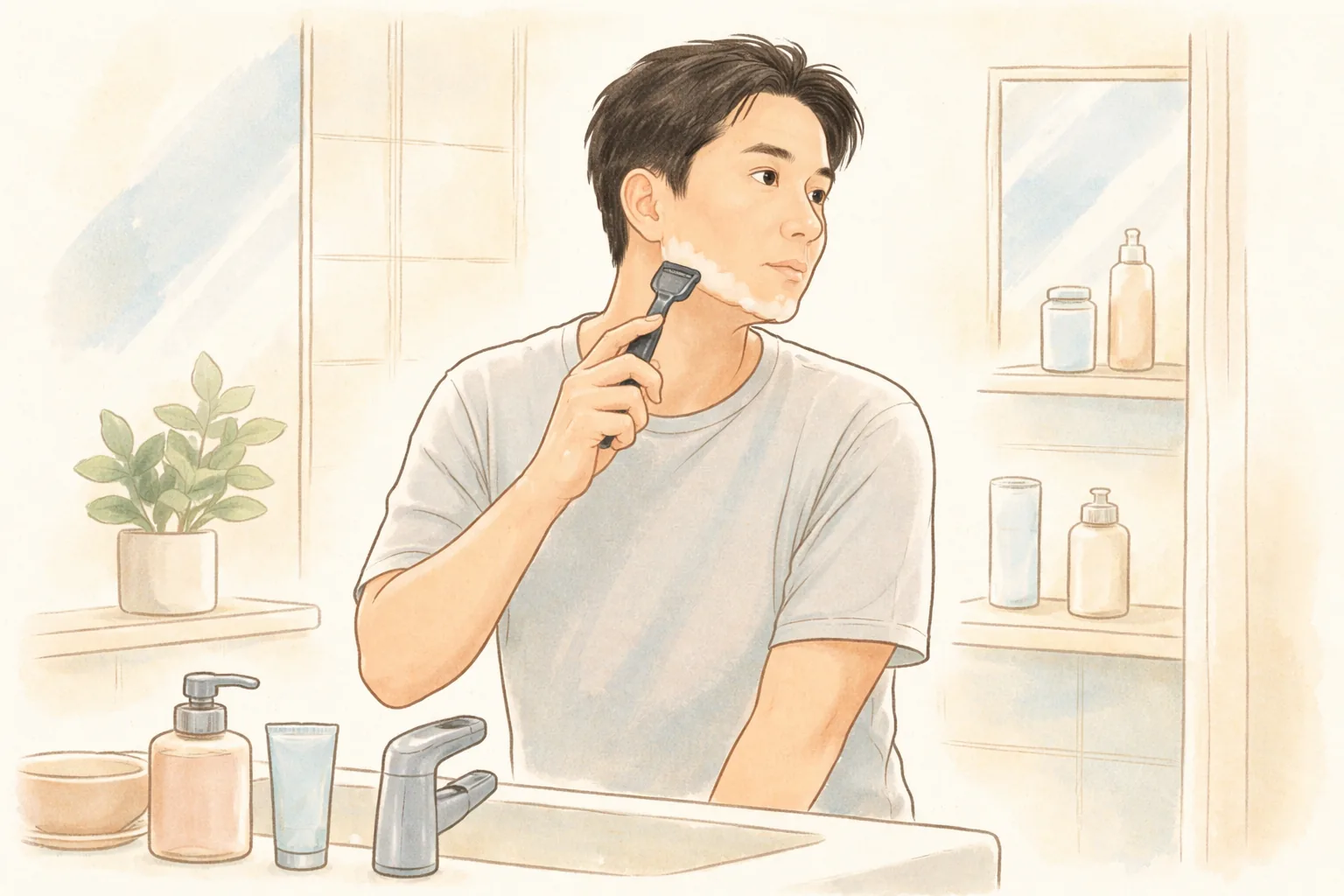
Flat warts appear in clusters on visible areas such as the face and back of the hands and tend to be difficult to treat (MSD Manuals). They can spread through shaving in the beard area for men and the legs for women, and shaving creates tiny breaks in the skin (MSD Manuals). Since the face is not suitable for self-treatment (American Academy of Dermatology self-care guidance), it is better to visit a clinic before the number increases.
When a child has one on the hand or foot
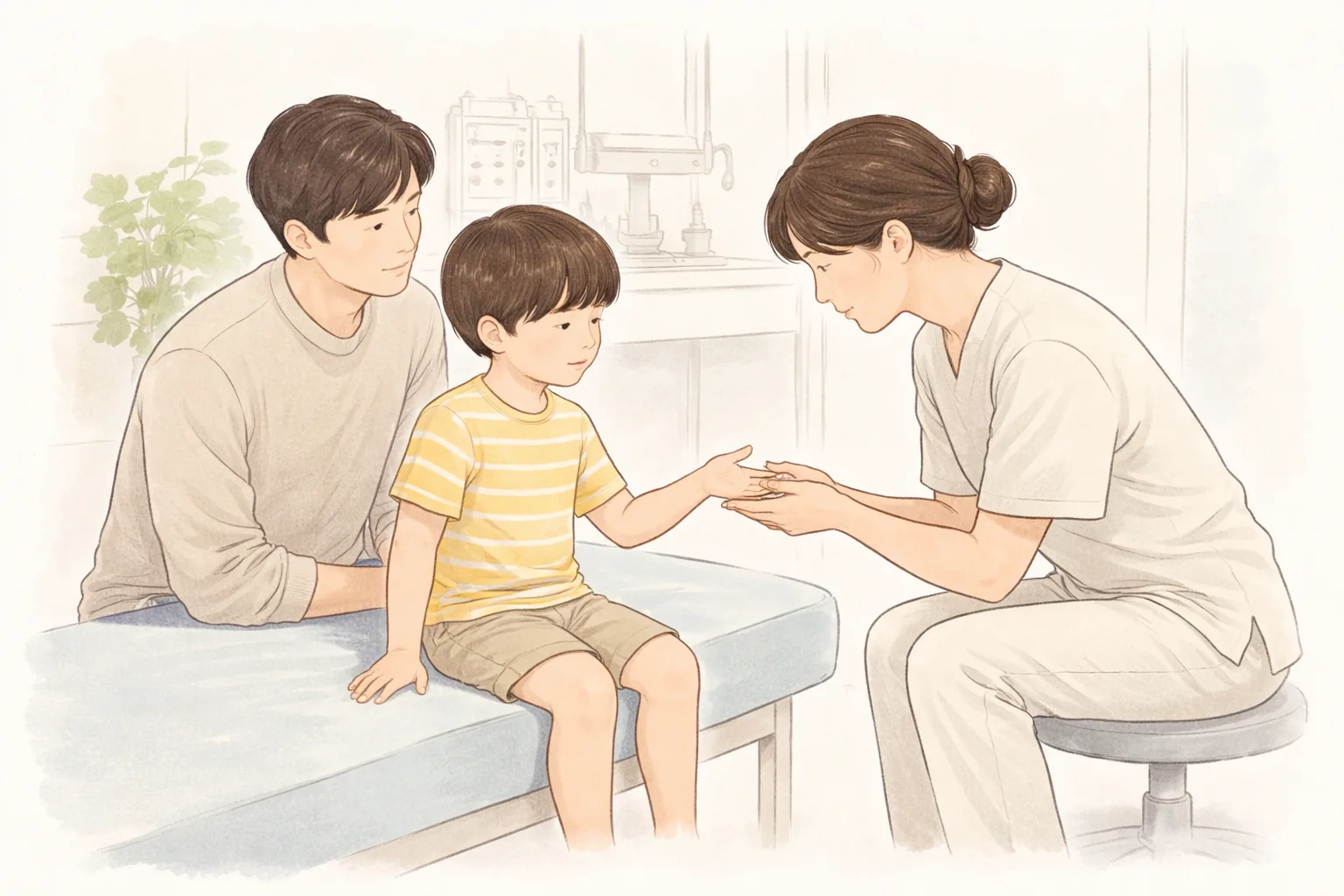
Warts are most common in children, and common warts often disappear on their own within 1–2 years (MSD Manuals). If it is not painful and there are only a few, watching it is also an option. But if the number increases, the child is in pain, or you are worried about transmission in shared spaces like a swimming pool, consider a clinic visit. Treatment is easier when there are few and they are small (American Academy of Dermatology).
When the sole hurts when walking
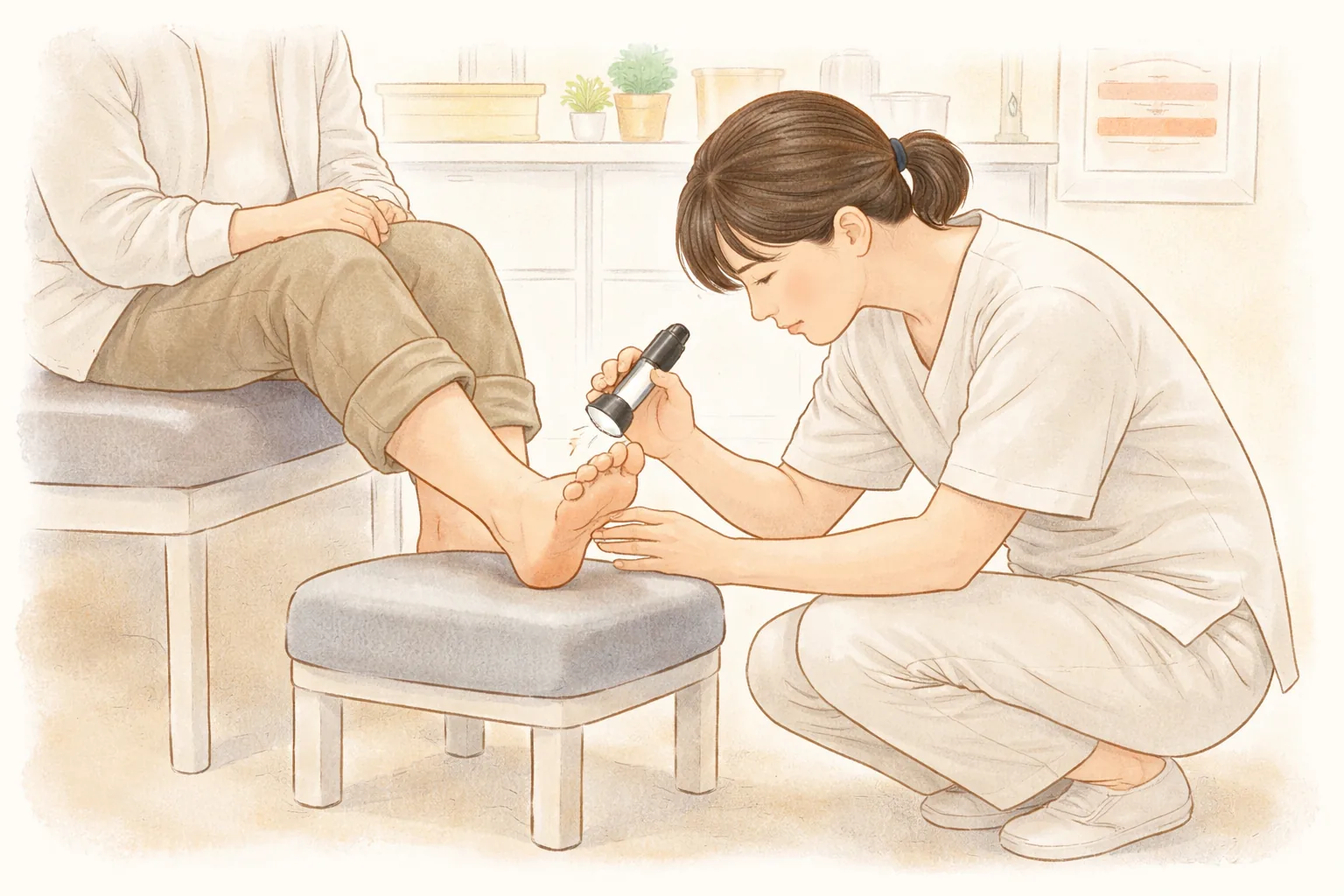
Plantar warts can be very painful because they bear pressure when standing or walking (MSD Manuals). Even if it looks like a corn or callus, pinpoint bleeding when the surface is shaved points toward a wart (MSD Manuals). If the pain continues, the clinic checks both the lesion and any discomfort when walking.
When you have an immune condition or diabetes
If you have a weakened immune system or diabetes, a dermatology visit is prioritized over at-home treatment (American Academy of Dermatology). If the treatment area has reduced sensation or poor circulation, you need to consult before using salicylic acid (American Academy of Dermatology self-care guidance). Telling the clinic about your medications, existing conditions, and previous treatment experience helps in choosing the method.
Please tell us before your consultation
Recent UV exposure, outdoor activity, and tanning
Medications you take and products you apply to the skin (steroids, retinoids, exfoliants, etc.)
How warts were removed previously, how the skin responded, and whether they recurred
Underlying conditions such as weakened immunity or diabetes, and any sensory or circulation issues in the treatment area
Events where you need to avoid downtime, such as a wedding, photo shoot, or trip
How ATTITUDE Clinic proceeds
Because the plan for warts changes with the number and location, ATTITUDE Clinic puts records and consultation first and carries the same plan through to the procedure (ATTITUDE Clinic column).
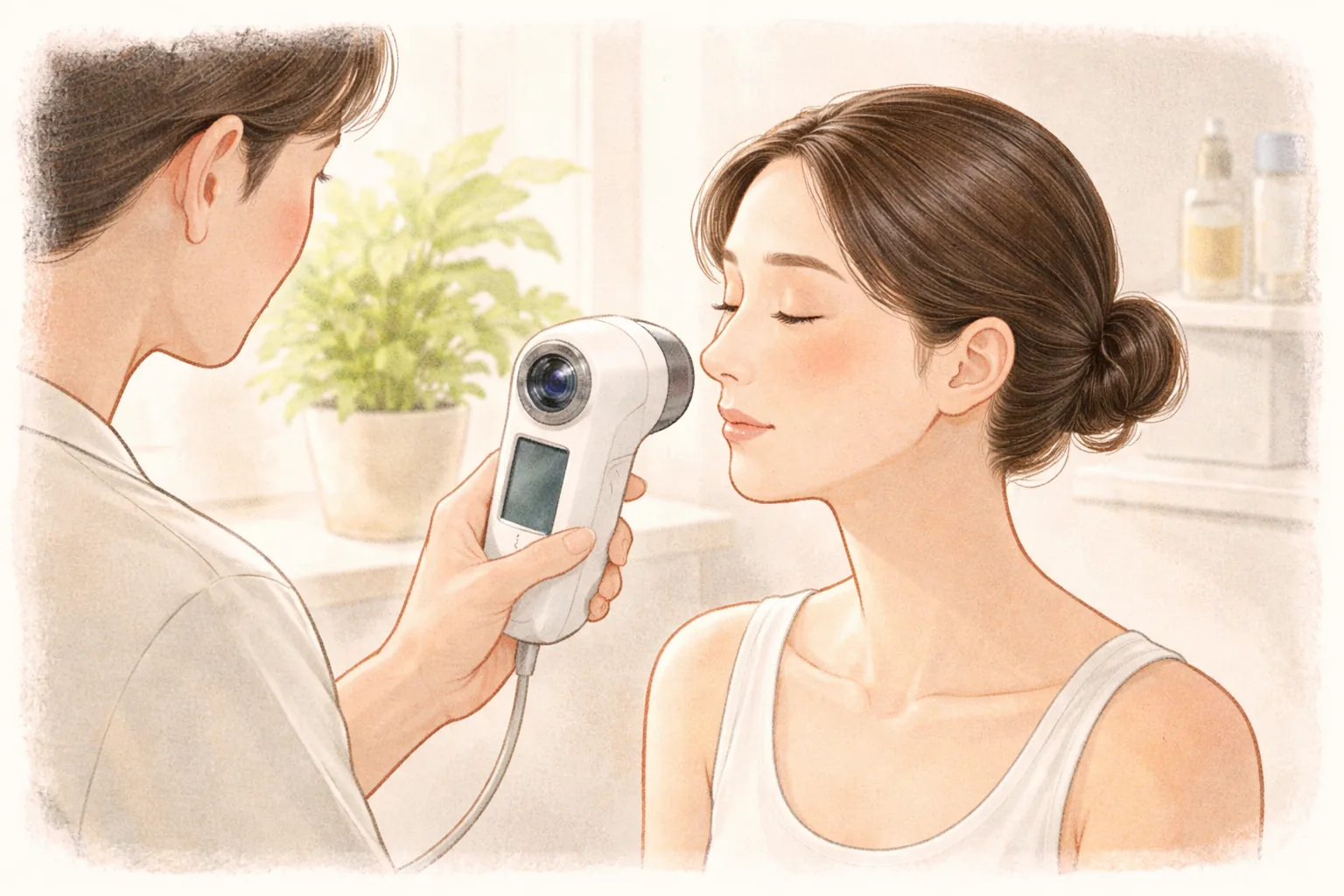
AI skin analysis record — Your skin condition is recorded and organized on the device so that you and the doctor look at the same information. The analysis tool only records and organizes information and does not make a medical diagnosis; the judgment is made by the doctor.
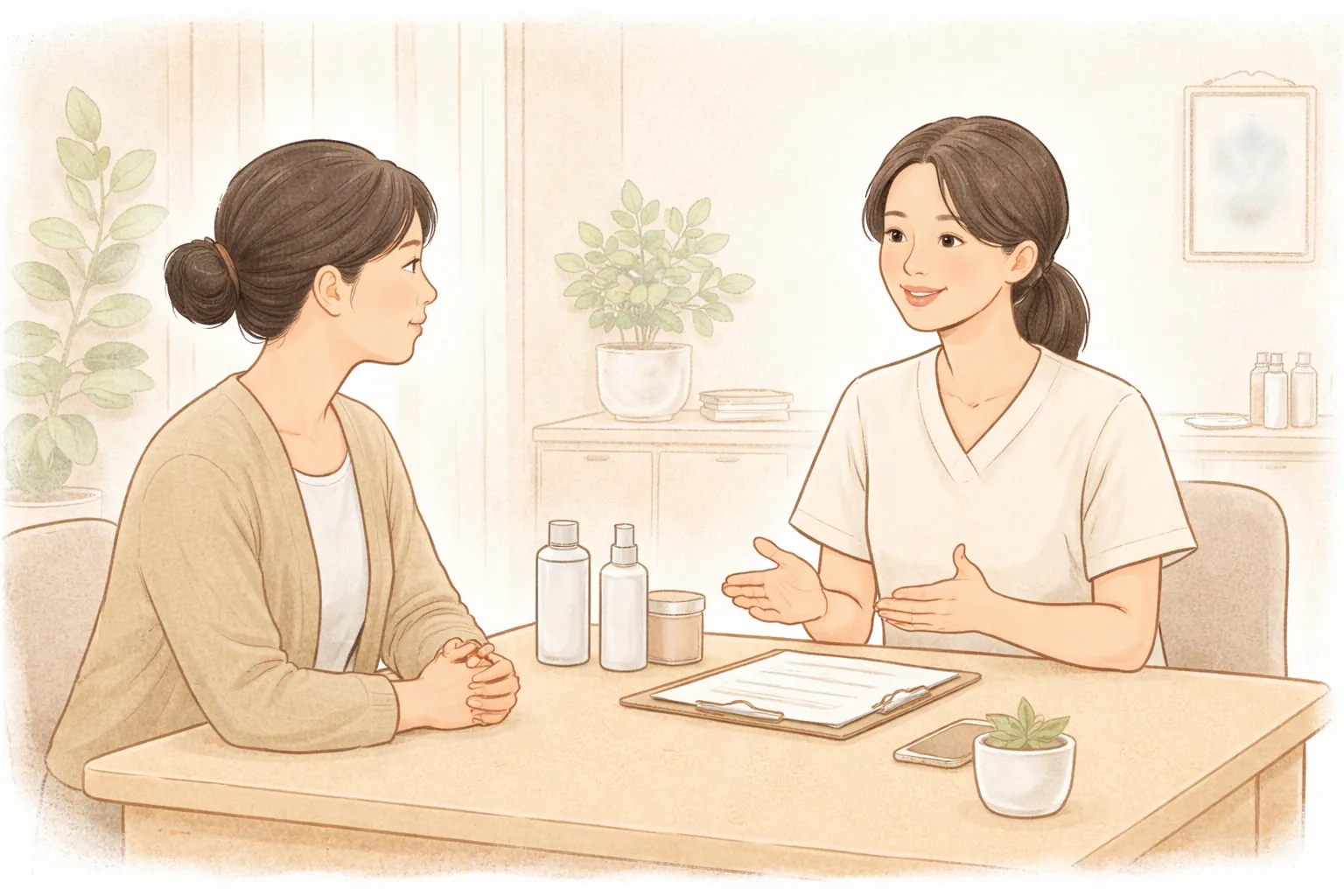
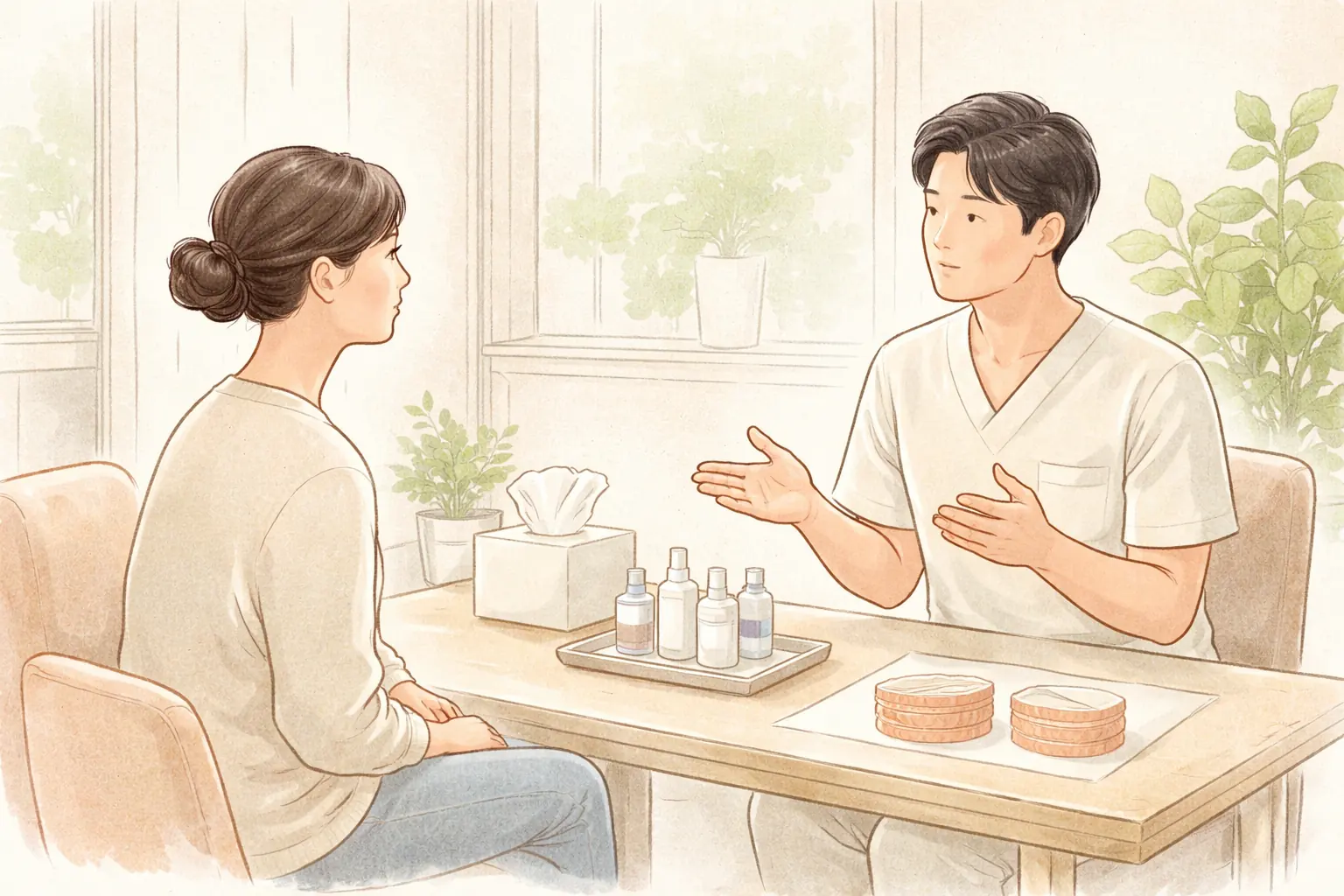
Doctor consultation — The number and location of lesions, when they appeared, previous treatment experience, underlying conditions, and your schedule are added to the analysis record to decide together which methods are needed and which are not, and in what order to proceed.
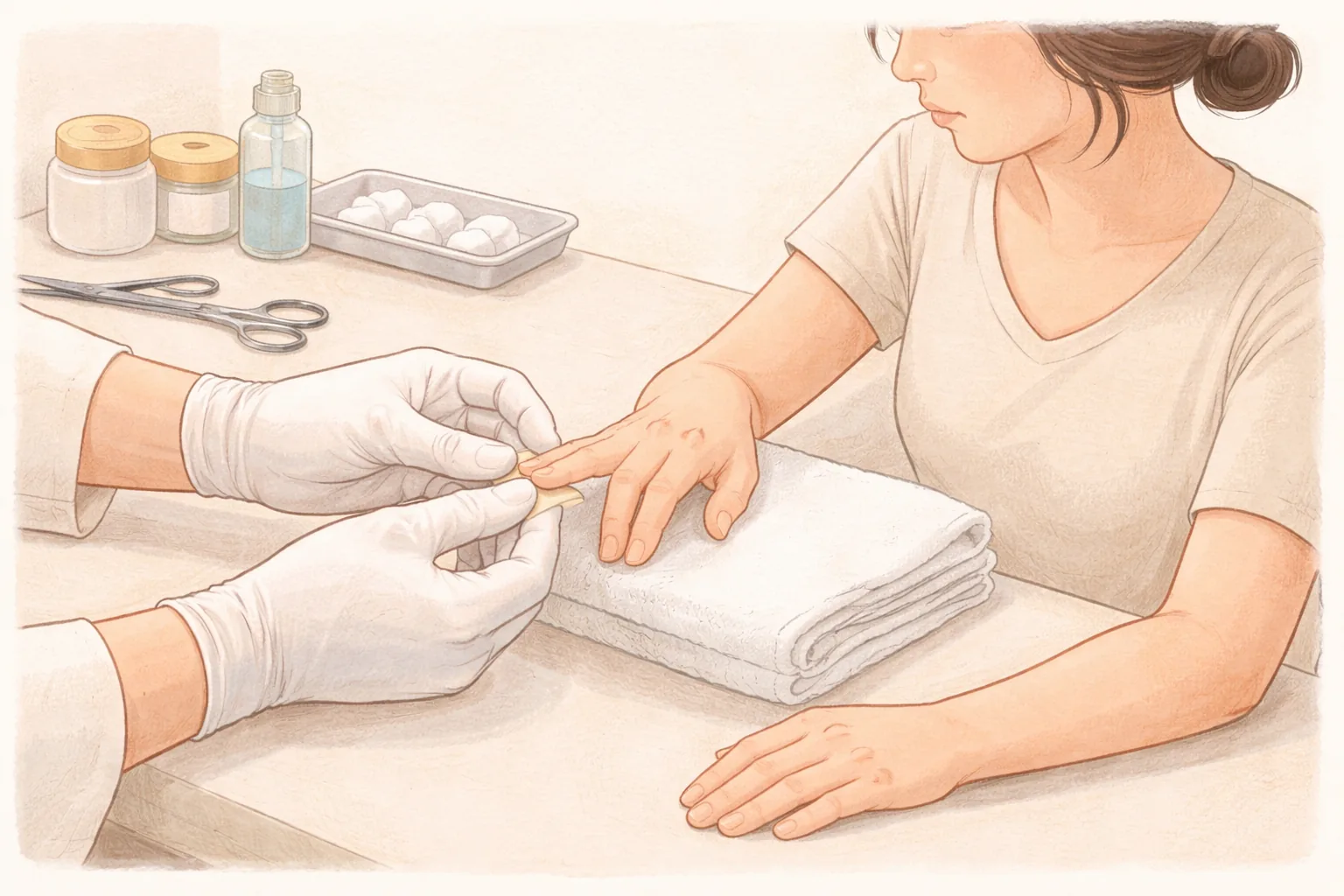
Doctor-performed procedure — The doctor performs the procedure directly according to the plan and adjusts intensity while watching the skin's response during treatment. This is to ensure the plan set in consultation and the actual procedure do not diverge.
ATTITUDE Clinic discloses the price of each treatment item on its information page and makes it a principle to decide together what is needed and what is not (treatment information, column). Wart removal is also listed as a treatment item (treatment information).
Aftercare and side effects
After wart removal, care follows the wound-healing process.
Soothe and protect — Do not rub or scratch the treated area, and cover it with a bandage or clothing if needed. Wash your hands right away after touching it so the virus does not spread to other areas (American Academy of Dermatology self-care guidance).
Moisturize and keep dry — On the day of cantharidin-based treatment, wash the medication off at the instructed time and keep the area clean and dry (American Academy of Dermatology).
Sun protection — Protect the treated area from UV to reduce pigment changes or lightening. Lightening or darkening of color and scarring are noted as possible side effects of cryotherapy (American Academy of Dermatology).
Follow-up — Check whether the wart is completely gone and whether healing is on the expected timeline. Most warts require multiple treatments, sometimes repeated at 2–4 week intervals (American Academy of Dermatology).
Starting with common reactions: after cryotherapy, scabbing or blistering is an expected process and usually heals within 4–7 days (American Academy of Dermatology). After removal with electrosurgery and curettage, there may be pain, swelling, discoloration, and minor bleeding (American Academy of Dermatology). Applying salicylic acid can cause irritation and stinging, and in severe cases can lead to pain or blistering (American Academy of Dermatology self-care guidance). After laser, energy devices, or injectable treatments, redness, swelling, tenderness when pressed, and bruising are common and subside within a few days (ATTITUDE Clinic column). Rarely, pigment changes, blisters, lumps, burns, or scars can occur (ATTITUDE Clinic column).
If at-home treatment causes severe pain or irritation, take a few days off and restart after it improves; if pain, bleeding, or blistering occurs, stop using the product and seek care (American Academy of Dermatology self-care guidance). If pain after a clinic treatment does not subside but worsens, or the wound does not heal, it is better to check rather than wait for the next appointment.
Frequently asked questions
Does a wart on a child need to be treated right away?
Not necessarily. Many warts, including common warts, disappear on their own within 1–2 years, and when they do, they tend to leave little scarring (MSD Manuals). If the child is not in pain and there are only a few, watching is also an option. But if the number increases, it is painful, itchy, or bleeding, it is on the face, or it does not clear with at-home products, see a clinic (American Academy of Dermatology). It also helps to remember that treatment is easier when there are few and they are small.
Is molluscum the same as a wart?
A similar name does not mean it is the same lesion or the same treatment. Doctors usually identify warts by appearance, and if a lesion grows quickly, looks ulcerated, or does not respond to treatment, a biopsy distinguishes it from other skin conditions (MSD Manuals). A dermatology visit is also recommended when you are not sure whether it is a wart (American Academy of Dermatology self-care guidance). If the clinic examines the lesion directly, a method suited to the cause can be chosen.
Can a wart on the face be removed with pharmacy products?
Warts of all types can grow back after removal (MSD Manuals). Plantar warts in particular are difficult to treat and recur frequently (MSD Manuals). It is hard to conclude that recurrence means the treatment was wrong. Rather than repeating the same method, reviewing other methods is the role of the clinic, and different methods such as cryotherapy and salicylic acid may be combined (American Academy of Dermatology).
How do you choose a clinic for wart treatment?
First, see whether they examine the lesion visually and decide whether tests are needed. Warts are usually diagnosed by appearance, and confirmed by biopsy when uncertain (MSD Manuals). Next, check whether they consider age, health status, and wart type together when choosing a treatment (American Academy of Dermatology). Also look at whether they explain aftercare, side effects, and when to return. Checking whether the doctor who consulted you also performs the procedure, and how costs are set per item, makes planning easier (ATTITUDE Clinic column, treatment information).
At a glance
Table 2 At a glance
Item
Key point
Age
Occurs regardless of age, but most common in children and rare in older adults
Location
The face and genitals are not suitable for self-treatment; the sole has thick keratin and requires a different approach
Treatment choice
Considers wart type, age, health status, and underlying conditions together
Natural resolution
Common warts may disappear on their own within 1–2 years; if there is no pain, they can be watched
Recurrence
All types can grow back after removal; plantar warts are the most difficult
When to seek care
Face or genitals, many or spreading warts, self-treatment failure, weakened immunity, and diabetes
This article offers general health information. It is not a substitute for diagnosis or treatment based on your own condition, so please talk through your situation with a doctor.