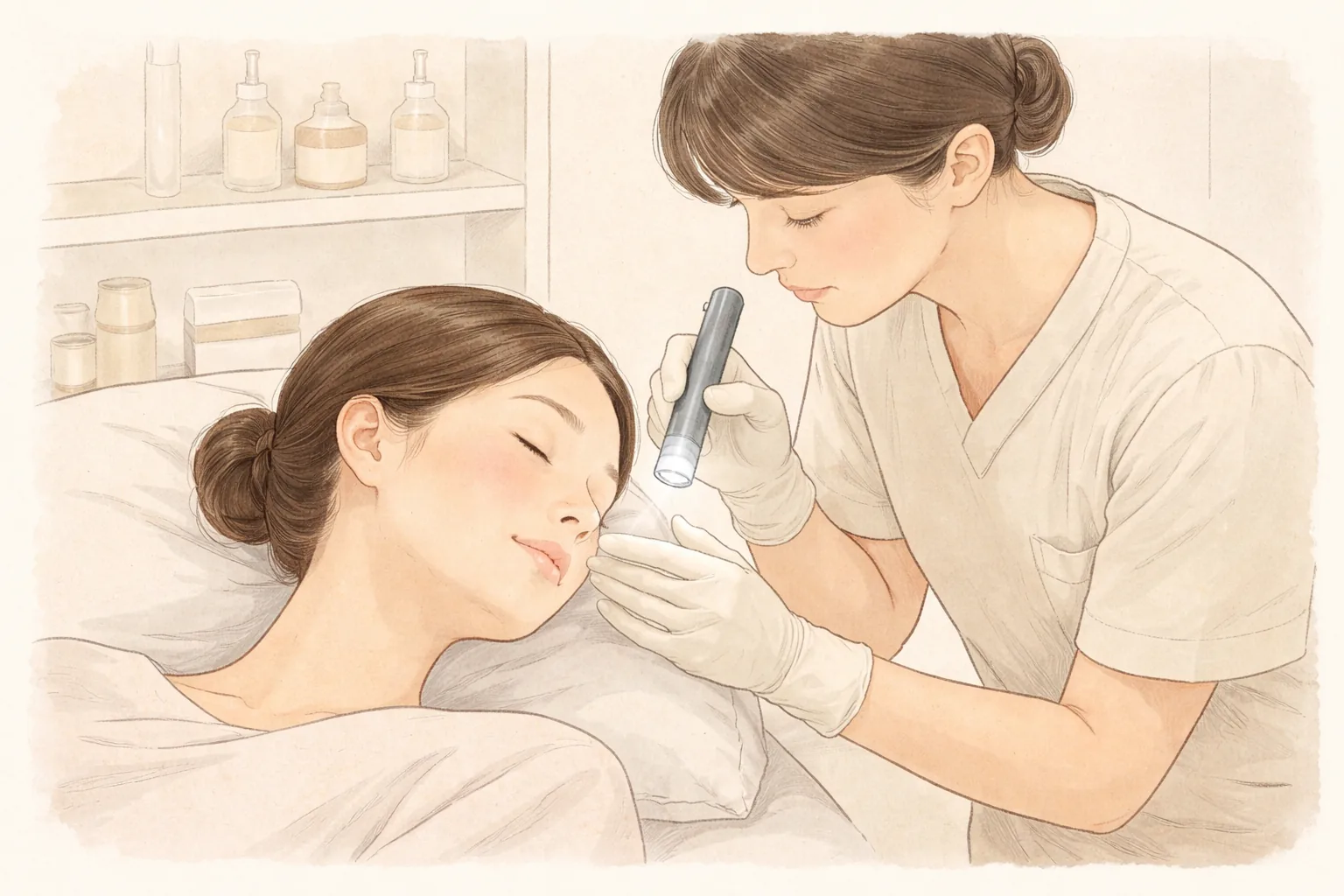
Agnes Consultation: What to Confirm, Starting With Your Goal
Before an Agnes consultation, here's how to confirm your treatment goal, skin diagnosis, device and practitioner, and how to judge results, cost, and session count, plus recovery and precautions.
Written by ATTITUDE Clinic Editorial Team
If you searched for a treatment under the name Agnes and booked a consultation, your questions usually come down to three things: whether this treatment fits your concern, what to ask once you're sitting in the consultation, and how to judge results and cost. If the treatment name is settled but the goal inside it isn't yet clear, it's hard to start deciding on devices and session counts in the consultation. This article walks through aesthetic consultation in order: goal, skin diagnosis, device and practitioner, how to judge results, cost and session count, and recovery and precautions.
The short answer first
The starting point of a consultation is your goal, not the name of the treatment. The American Academy of Dermatology's (AAD) patient information advises that cosmetic procedures carry risks like any other medical procedure, so you should confirm in the consultation the expected result, downtime, risks, alternatives, the practitioner's experience, the number of sessions and procedure time, recovery, preparation and aftercare, and cost (AAD). For a widely used treatment name like Agnes, translating it in the consultation into the official device name and the indication that device is designed for keeps your plan steady afterward. Judge results by how your skin looks after recovery is complete, not by how it feels right after the procedure, and calculate cost on the premise that it varies with area, volume, and number of sessions. Even for the same treatment, results and progress differ with your skin condition and how quickly you recover.
Why is the treatment goal the first question?
Before you walk into the consultation, the AAD suggests asking yourself what you want to get out of this treatment. When the goal is clear, you can decide which treatment to choose (AAD). "The red marks on my cheeks bother me" and "I'd like my skin to look brighter" sound similar, but the causes you need to check are different. The first may center on a vascular issue, while the second may involve pigment and skin texture tangled together.
The same resource also suggests sorting out how much downtime and risk you're willing to accept, and how far your budget can stretch. Rather than stopping at the area you want treated, it's worth asking whether your doctor sees other areas worth addressing at the same time. Other people see you differently, so it's better to decide with both viewpoints side by side (AAD).
That's why three sentences in your consultation notes are enough: what bothers you, how much improvement you'd be comfortable with, and by when you want to see results. With these three sentences, the conversation about treatment type, timing, and intensity becomes far more concrete.
What do you distinguish during a skin diagnosis?
Acne scar treatment diverges depending on the shape of the scar. According to the AAD's acne scar information, ice-pick scars (narrow, deep, needle-like depressions) and rolling scars (broad, wave-like depressions) need different treatments, and a plan is built considering the type and number of scars, age, skin tone, and budget together (AAD).
Active acne and scars already left behind have different goals. If acne is active, treatment usually starts with the acne first, and scar treatment begins once the acne is controlled. While inflammation continues, new scars can form, so changing the order reduces what you gain.
One item to note before the consultation: tell your doctor about any acne medication you've used in the last 2 years or are using now. Some scar treatments can cause unwanted side effects if the timing overlaps with certain acne medications (AAD). Writing down the names of oral and topical medications makes this quicker to check.
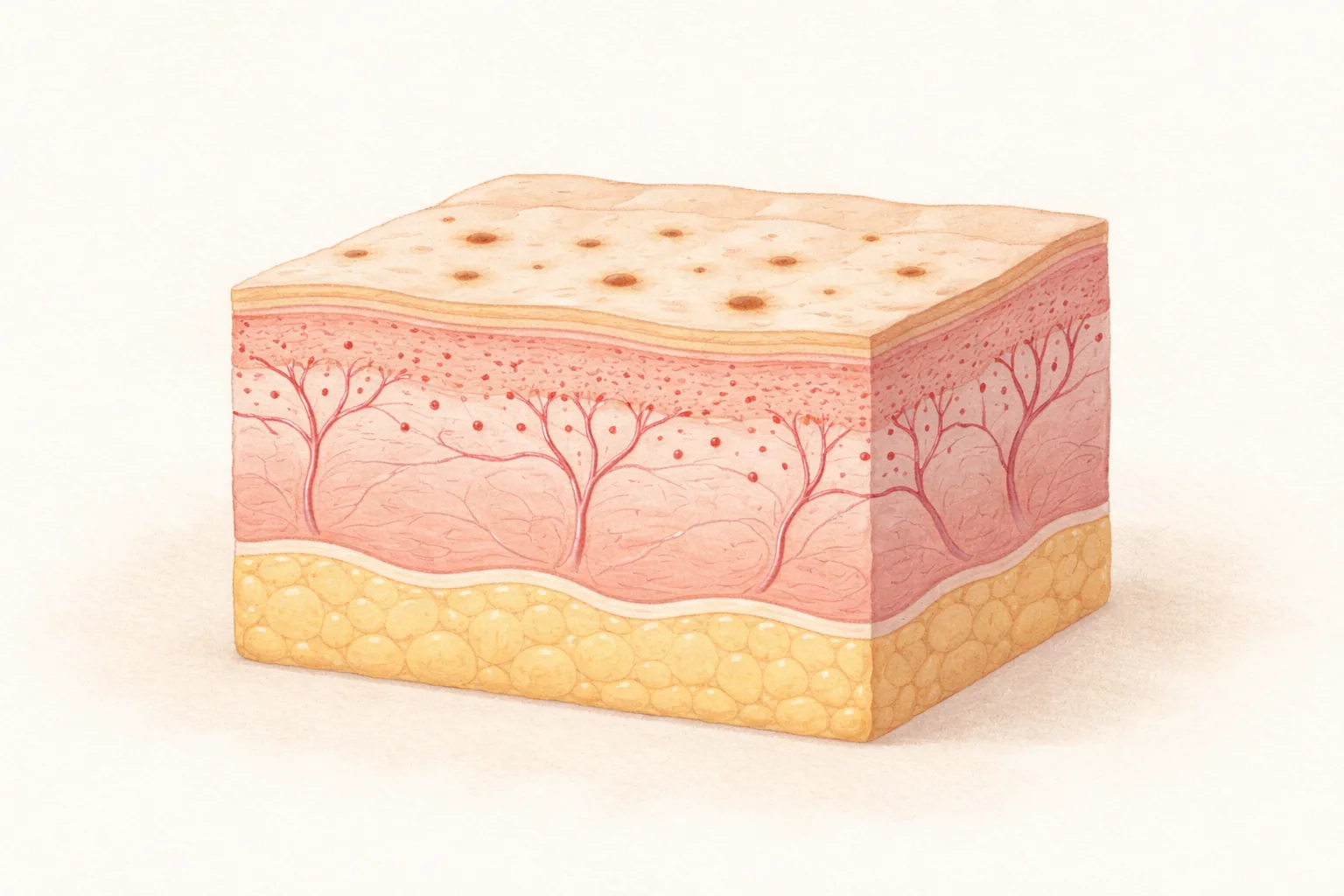
Even on the same face, skin thickness and structure differ by area, so settings can't be matched identically. The forehead, cheeks, and area around the nose differ in thickness, and scars respond differently where they're deep versus shallow. In the ATTITUDE Clinic column, AI skin analysis records current conditions such as pigment, redness, texture, and pores, and the doctor judges the cause of your concern. The analysis tool records and organizes information to support the consultation; it is not itself a medical diagnosis (column).
Device and practitioner: what should you confirm?
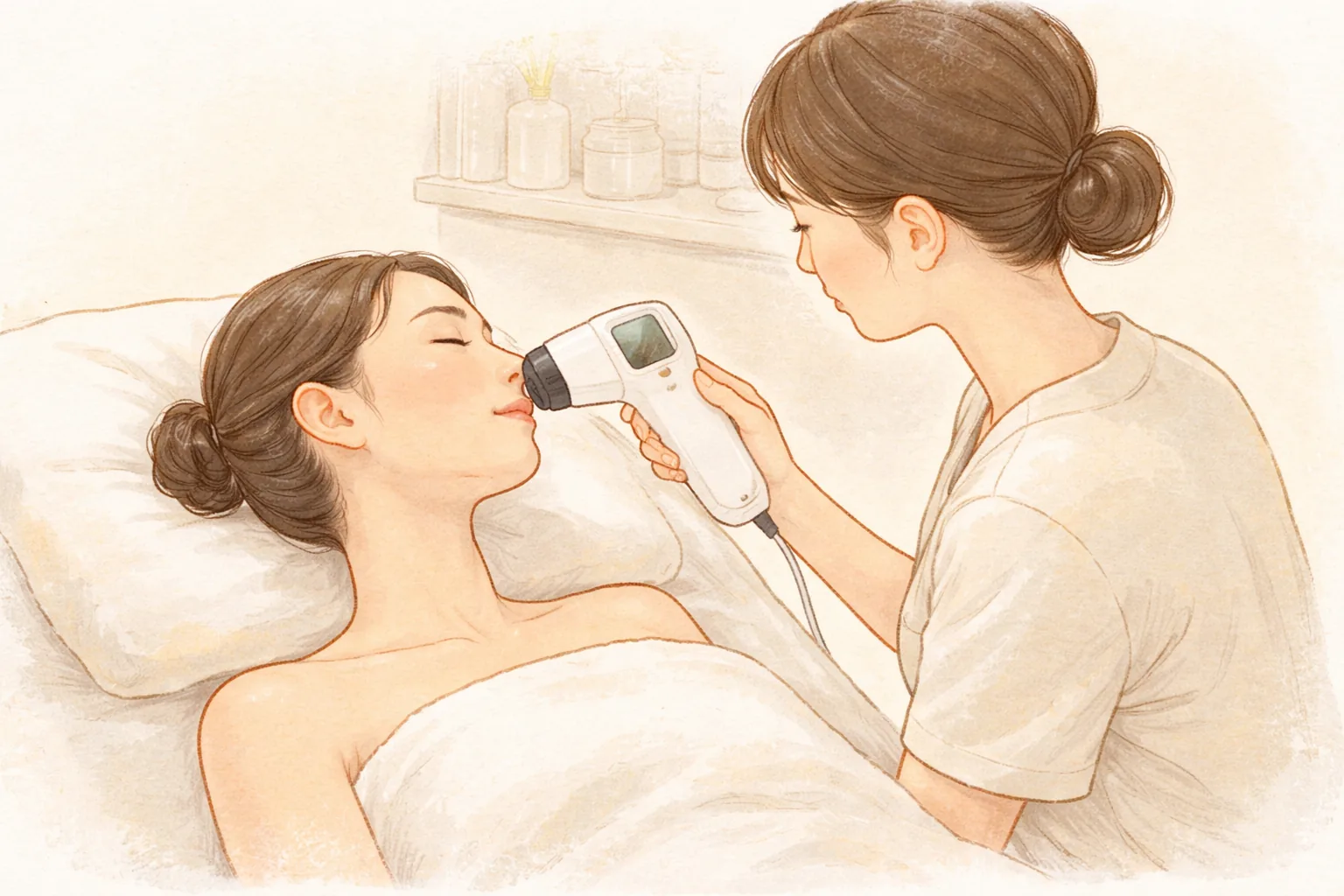
A single treatment name doesn't tell you what it targets. Within the same word "laser," there are devices aimed at pigment and separate devices aimed at red blood vessels. A laser is light energy gathered at one wavelength (a property similar to the color of light), absorbed only by a specific substance that responds to that wavelength and converted into heat or impact. This principle of concentrating energy on the target while touching surrounding normal skin less is called selective photothermolysis.
So in the consultation, it's better to confirm the device's official name and manufacturer, the indication that device was designed to target, and who actually performs the procedure. According to the AAD's guidance, along with the practitioner's credentials, ask how many times they've performed this procedure and how much they've worked with patients of your skin tone, skin type, and age group. Results depend heavily on the practitioner's skill and experience (AAD).
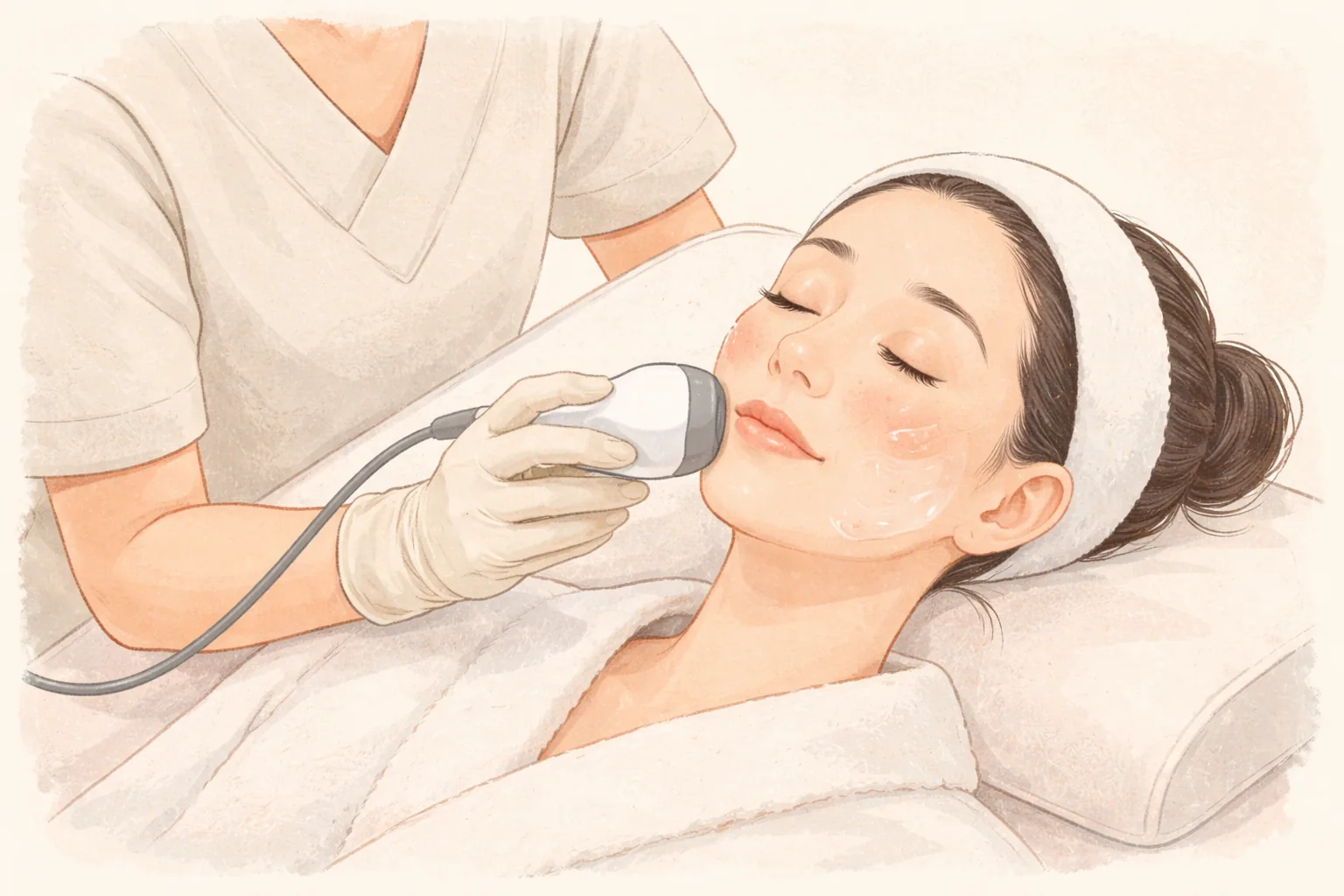
Energy-based treatments for scars, such as radiofrequency microneedling (tiny needles pierce the skin and deliver radiofrequency heat inside), can be used regardless of skin tone, and using radiofrequency together with microneedling may make scars less noticeable than using each alone (AAD).
How do you check results, cost, and session count?
The criterion for judging results is "when, and compared to what." According to the AAD's guidance, confirm what results you can realistically expect, whether you can see before-and-after photos of patients with a similar skin tone and type, the procedure time and number of sessions needed, whether anesthesia is used, the recovery period, and when you can return to exercise or work (AAD).
Session counts and intervals differ by treatment. For acne scar treatment, for example, mild chemical peels may require 3–5 sessions at 2–4 week intervals, and fillers are mostly divided across several sessions, with maintenance lasting anywhere from 3 months to 2 years depending on the product (AAD). Rather than plugging these numbers directly into your schedule, it's more realistic to confirm in the consultation why the session count and interval for your specific treatment are set the way they are.
Cost can be confirmed with the information the clinic provides. Cosmetic procedures usually aren't covered by insurance, so it helps to ask separately about what's included and what's charged extra. The ATTITUDE Clinic price list breaks amounts down by treatment and product, area, volume, and number of sessions, and all amounts are shown with VAT excluded (price list). Whether items that come with the procedure, such as numbing cream or aftercare, are included in the cost is best confirmed in the consultation.
Table 1 How do you check results, cost, and session count?
Treatment · Device
What it targets
Concerns typically considered
What to confirm in the consultation
Potenza
Radiofrequency delivered into the dermis via fine needles
Pores and scars
Energy level, treatment area, downtime
Pico toning
1064nm picosecond laser
Pigment and brightening
Interval and session count, pigment response
Vbeam
532nm laser
Facial redness and vascular lesions
Possibility of bruising, when to check response
Fractional laser (erbium)
Micro-resurfacing
Pores and scars
Crusting and recovery period
Thermage FLX · Ultherapy
Radiofrequency · ultrasound
Lifting and elasticity
Shot count, pain, scheduling
Swipe sideways to see the whole table.
In short Even for the same concern, the device you target changes depending on whether the cause is pigment, blood vessels, or the skin surface. So the order becomes: confirm where your concern comes from before asking which device is best. If several causes overlap, spreading the work out by priority rather than doing it all at once reduces the burden on your skin.
If this sounds like your situation
If you have a fixed date, like a wedding or a shoot
A treatment you're getting for the first time right before a wedding can overlap with your schedule as redness or sensitized skin. The earlier you start relative to your date, the more options you have for adjusting intensity and timing. At the consultation, let them know your wedding date and any shoots booked before it.
If you want ongoing maintenance
Rather than going strong all at once, keeping to the interval your skin needs to recover and maintaining periodically is less of a burden. Setting a goal and scheduling only the treatments you need at the right times is the way to keep results stable. Frequent toning has been reported in connection with mottled hypopigmentation, so it's spaced out.
If your skin is sensitive or prone to redness
Repeating treatments before recovery is complete, or using intensity too high for your skin's condition, can weaken the skin barrier and leave it sensitive or red for longer. If cosmetics sting or your skin feels unusually sensitive, mention it first at the consultation. In that case, adjusting intensity and intervals or postponing may be options (column).
If you're a visitor with a short stay
If your stay is fixed, redness or dryness right after a procedure can affect your travel plans. Let them know your return date and upcoming schedule in advance, and intensity and treatment type can be discussed around it. If your schedule is tight, a plan that accounts for recovery is better than pushing intensity.
Tell them before the consultation Let them know in advance whether you've had a lot of sun exposure recently, what medications and cosmetics you're taking or applying, whether your skin has become sensitive after a previous procedure, and any dates like a wedding, shoot, or business trip you'd prefer to avoid. If you've used acne medication, share the medication name and timing as well.
How ATTITUDE Clinic handles this
AI skin analysis record: Current conditions such as pigment, redness, texture, and pores are recorded with an analysis tool. This record organizes information to support the consultation and is not a medical diagnosis. Based on the record, the doctor judges the cause of your concern.
Direction set in a doctor consultation: The analysis record, plus your schedule, pain sensitivity, and skin history, are used to decide treatment type, intensity, and timing together. At this stage, goals, downtime, and cost are also aligned.
Procedure performed directly by the doctor: Topical anesthesia is used as needed to reduce discomfort, and the doctor performs the procedure directly. The principle is not to recommend more treatment than necessary.
Devices used for pigment, redness, pores, and scars are divided by target, such as PicoPlus, Genesis, Vbeam, Potenza, and fractional laser (erbium), while the lifting category is handled with devices like Ultherapy, Thermage FLX, and Shurink (price list). Which device at which intensity is decided in the consultation.
Aftercare and side effects
Aftercare follows a simple order.
Calming: Right after the procedure, your skin is sensitive, so avoid harsh stimulation and let heat and redness settle.
Moisturizing: Replenishing dry skin with moisture makes recovery noticeably easier.
Sun protection: Apply sunscreen carefully throughout the recovery period.
Avoiding irritation and checking progress: Avoid saunas, strong exfoliation, and harsh scrubs for the period you're advised, and if redness or heat lasts longer than expected, get it checked.
Common reactions are redness, heat, swelling, and stinging, and procedures with resurfacing, such as pigment spot lasers or erbium YAG lasers, can leave thin crusts. If your skin is dark or tanned, temporary hyperpigmentation can occur, and Vbeam can cause bruising. Rare reactions include blisters, hypopigmentation, infection, and scarring, and pigment can also return. Frequent toning has been reported in connection with mottled hypopigmentation, so toning is usually spaced at least 1 week apart (column). If redness or heat lasts longer than expected or pain worsens, it's safer not to push through but to come in and get it checked.
Frequently asked questions
What should be decided first in an Agnes consultation?
What you want to get out of it. The AAD advises sorting out your goal before treatment and also deciding how much downtime and risk you're willing to accept and how far your budget can go (AAD). Whether your goal is "red marks" or "skin texture" changes the causes to check and the devices to use, so once this sentence is set, the next steps proceed concretely. Treatment names and session counts are better decided after that.
If I've confirmed the treatment name, have I confirmed the device?
No. Under the same name there are devices with different wavelengths and methods, and what they target differs accordingly. It's good to confirm the official device name, the manufacturer, the indication that device was designed for, and who actually performs the procedure. According to the AAD's guidance, ask about the practitioner's credentials, their experience with that procedure, and their experience with patients of your skin tone and age group (AAD).
When and by what criteria do you judge results?
You judge by how your skin looks after recovery is complete. In the consultation, confirming the results you can realistically expect, before-and-after photos of patients with a similar skin tone and type, the recovery period, and when you can return to daily life makes the decision easier (AAD). Redness or swelling right after a procedure may be part of recovery rather than the result. Since results appear at different times for each treatment, also ask when you should come in to check which state.
How do you confirm cost and session count in the consultation?
By separating what's included from what's charged extra. Cosmetic procedures usually aren't covered by insurance, so it's better to ask about the total and any separate items together. The ATTITUDE Clinic price list breaks amounts down by treatment and product, area, volume, and number of sessions, and all amounts are shown with VAT excluded (price list). Whether items that come with the procedure, such as numbing cream or aftercare, are included in the cost is best confirmed in the consultation. Session counts vary with your skin condition, so sometimes they're adjusted based on progress rather than fixed at the first consultation.
How do I gauge whether a clinic is good at this treatment?
Look at the order of the consultation rather than the list of devices. The first thing is whether they check whether your concern comes from pigment, blood vessels, or the skin surface (column). It's also worth checking whether they recommend only the treatments you need, don't unreasonably lock in session counts or intensity, and explain pain, recovery schedule, and aftercare precautions during the consultation (AAD). Also see whether it's a place you can return to if something feels off after the procedure. Because individual variation is large, a consultation that explains how results differ under which conditions is more helpful than words that guarantee results.
At a glance
Table 2 At a glance
Item
Key point
Starting point of the consultation
Your goal, not the treatment name
What to distinguish in diagnosis
Active acne vs. existing scars, scar type
Device confirmation
Official device name, indication, practitioner
Judging results
Skin condition after recovery, cases with similar skin tone
Cost and sessions
By area · volume · session count, shown with VAT excluded
Recovery and contact
If redness or heat lasts long, come in and get checked
This article offers general health information. It is not a substitute for diagnosis or treatment based on your own condition, so please talk through your situation with a doctor.