Choosing a Botox Product: What to Check Beyond Country of Origin
Beyond country of origin, here is how to check botulinum toxin products by name, Korean approval details, pricing units and treatment areas, plus past treatment records and what to ask at your consultation.
Written by ATTITUDE Clinic Editorial Team
Once you decide to get Botox, there are more decisions than you might expect. Under the same treatment name sit several products, and price lists show different units side by side, such as 50U, 100U and 3cc. Here is a step-by-step look at where to check product names and approval information, how to compare items measured in different units, and what to share before repeat treatments.
The bottom line first
Product choice isn't about country of origin alone. Put the product name, its Korean approval information (ingredients and strength, approved effects, dosage and administration, precautions), the unit shown on the price list, the area actually being injected, and your treatment history to date side by side. With these five in place, you can ask at the consultation why this product, this area and this amount are being proposed. According to the American Academy of Dermatology's patient guidance, cosmetic treatment consultations should cover the indication, risks, benefits and alternatives (AAD consultation guidance). Results aren't determined by the product name alone: everyone starts from a different condition, and even with the same analysis, the sequence and intensity of treatment differ (Why do results differ even with the same treatment?).
Where can you check the product name and approval information?
For botulinum toxin products distributed in Korea, searching the product name in the Ministry of Food and Drug Safety's integrated drug information system shows the ingredients and strength, approved effects, dosage and administration, and precautions. At the consultation, simply asking where you can see the approval information for this product is enough. If the answer leads to the product name, manufacturer and approved details, you have your confirmation.
This is also why price lists name each product separately. The ATTITUDE Clinic price list lists Newlux, Coretox, Xeomin (Merz), Allergan (BOTOX) and Dysport (Ipsen) as separate items (treatments and pricing). It means that behind the generic term "Botox" sit different products, and without naming the specific one, it's unclear which product the conversation is based on.
One common misconception: a country-of-origin label doesn't stand in for a product's strength or safety. To compare, you need to put the strength and unit from each product's approval information side by side with how the price list breaks items down. The practitioner's experience is also a checkpoint. AAD guidance suggests asking how many times they have performed the treatment and how much experience they have with skin types and age groups similar to yours (AAD consultation guidance).
Units and dosage: can you compare on the same basis?
Why is it hard to compare the numbers directly? The price list shows wrinkle Botox by 50U, skin Botox by 3cc and body Botox by 100U (treatments and pricing). U measures the potency of a formulation and cc measures volume, so you can't line up 50U and 3cc and say which is more. Even within the same product, different items use different rulers.
Areas are divided too. Wrinkle Botox is split into glabella, forehead, crow's feet + under-eye, and nasolabial folds, while special areas such as brow lift points, nose sides, mouth corners, gummy smile and dimpled chin are separate items. The structure itself shows that even on the same face, the plan changes depending on where you inject. That's why the consultation first looks at how much you move that area now and whether it has been treated before.
Questions remain even after the product name is set. According to AAD guidance, consultations cover treatment time, how many sessions are needed, recovery time, cost, and preparation and aftercare (AAD consultation guidance). The number of sessions and recovery time depend not on the product name but on the area, intensity and your skin's response, so they are set together at the consultation.
Here is how the price list divides products by unit and area.
Table 1 Units and dosage: can you compare on the same basis?
Special area items such as brow lift points, nose sides, mouth corners, gummy smile and dimpled chin are listed for Newlux, Coretox, Xeomin and Allergan. This table isn't a ranking of which product is better; it shows what the price list separates and in which units.
In short choosing a product isn't about picking a name; it's about gathering approval information, the displayed unit, the treatment area and past records in one place. Price list items are the starting point for comparison, while the actual dose and depth are set during examination. Naming the product doesn't reduce the questions that follow.
What should you prepare if you're worried about resistance?
The feeling that your response isn't what it used to be isn't explained by a product name alone. So the consultation looks at product name, area, dose, timing and how you responded then. Bringing your past treatment records lets the doctor review them for the next plan (Why do results differ even with the same treatment?). What you prepare isn't a conclusion but a record.
There's a reason records are more accurate than memory. Knowing whether the same area was treated at short intervals, whether you switched products, or whether treatment moved across areas widens the room for the next plan. AAD guidance also recommends considering medical history and skin condition together when recommending treatment (AAD consultation guidance).
Four things are enough to bring to the consultation: which product went into which area, when, and how much. Add one line each on how you responded and any side effects, and the consultation time becomes far more productive. Rather than assuming resistance in advance, it's more realistic to reset the interval and product based on your records.
Why do results differ with the same product and the same area?
Starting conditions differ. Even at the same age with similar concerns, skin thickness, tissue density and remaining self-repair capacity vary from person to person. These are differences a mirror can't show, so examination and history review come first (Why do results differ even with the same treatment?).
The plan should differ too. Even with the same analysis, the sequence and intensity depend on how much time you have for recovery and how sensitive your skin is. This includes how concurrent treatments affect one another.
Execution separates results as well. Fine-tuning intensity and adjusting mid-treatment based on response can't be captured in a manual alone. Keeping the plan from the consultation aligned with the actual procedure is what protects results.
The role of analysis records should be clear too. AI skin analysis records and organizes your skin condition and is a reference for sharing the same information; it does not provide a medical diagnosis. Getting an analysis doesn't mean you must have a particular treatment; the final decision is yours after consultation.
In situations like these
When a wedding or shoot is a few weeks away
If a date is set, it's natural to bring it up first at the consultation. You need to calculate the time for bruising and swelling to settle along with the recovery period. The consultation covers how to space treatments and what can be addressed before the date.
When you're about to have a repeat treatment
Bringing the product names, areas, doses, dates and responses from before speeds up the consultation. Whether to continue the same plan, switch products or areas, or lengthen the interval gets decided on the record. Relying on memory alone leaves less to base decisions on.
When your skin is sensitive or prone to swelling
If you tend to get redness, swelling or bruising easily, say so first. Whether to allow generous recovery time, treat multiple areas at once, or split them up gets decided here. Skin responses vary from person to person and usually settle within a few days (Why do results differ even with the same treatment?).
When you're an international visitor on a short stay
If your stay is short, scheduling treatment right before your last day leaves no time to check progress. At ATTITUDE Clinic, booking requests and confirmations are separate, and appointments are confirmed after the clinic contacts you (consultation booking). Share your available dates and departure schedule together, and the consultation time is arranged within them.
Please tell us before your consultation
Recent sun exposure and travel plans
Medications and supplements you take, and active skincare ingredients used recently
Product name, area, dose, date and response for past botulinum toxin treatments
Reactions such as redness, swelling or bruising from past treatments
Fixed dates such as weddings, shoots or business trips
How ATTITUDE Clinic proceeds
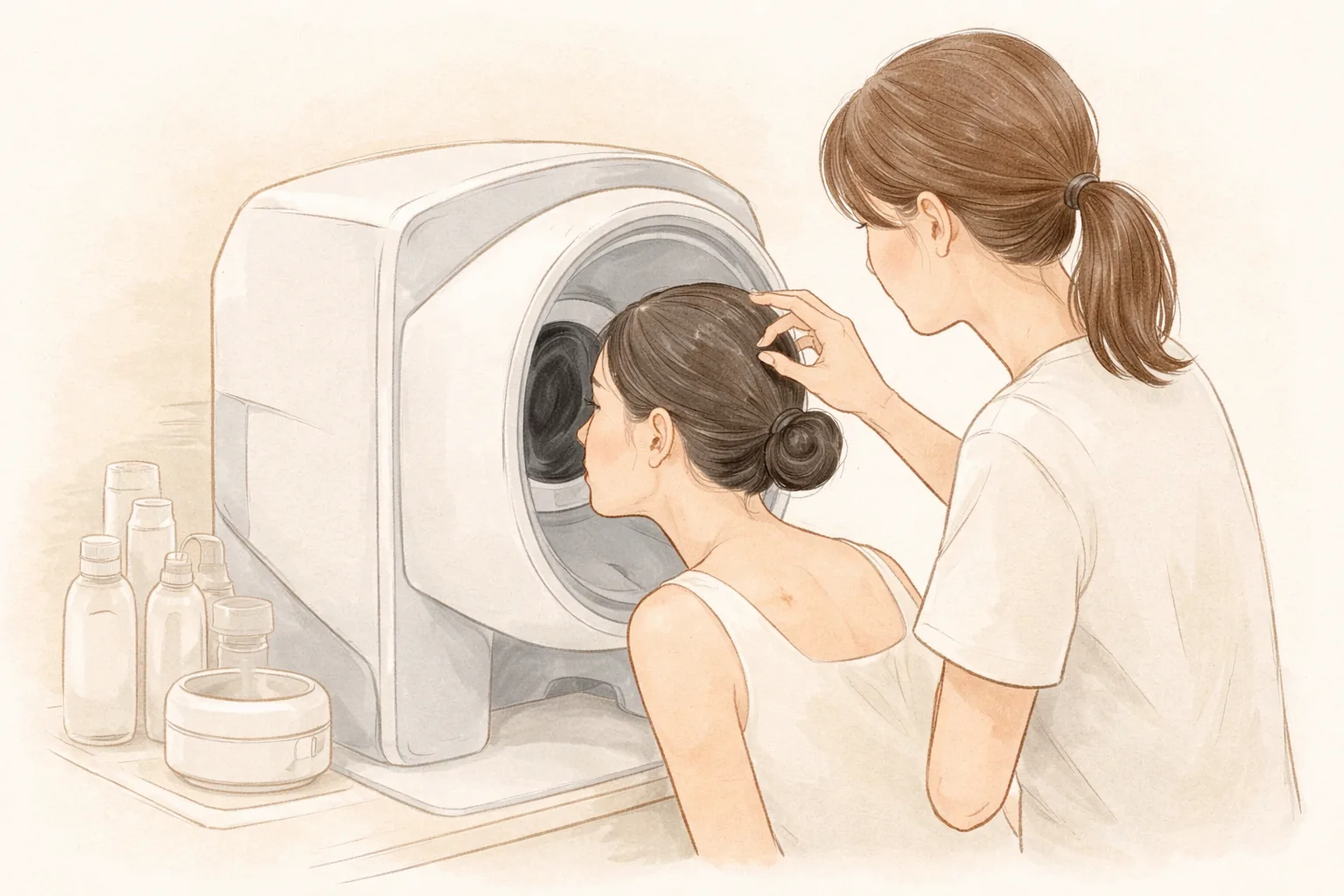
AI skin analysis record: Your skin condition is recorded and organized so you and the doctor look at the same information. This record is a reference to support the consultation and does not provide a medical diagnosis.
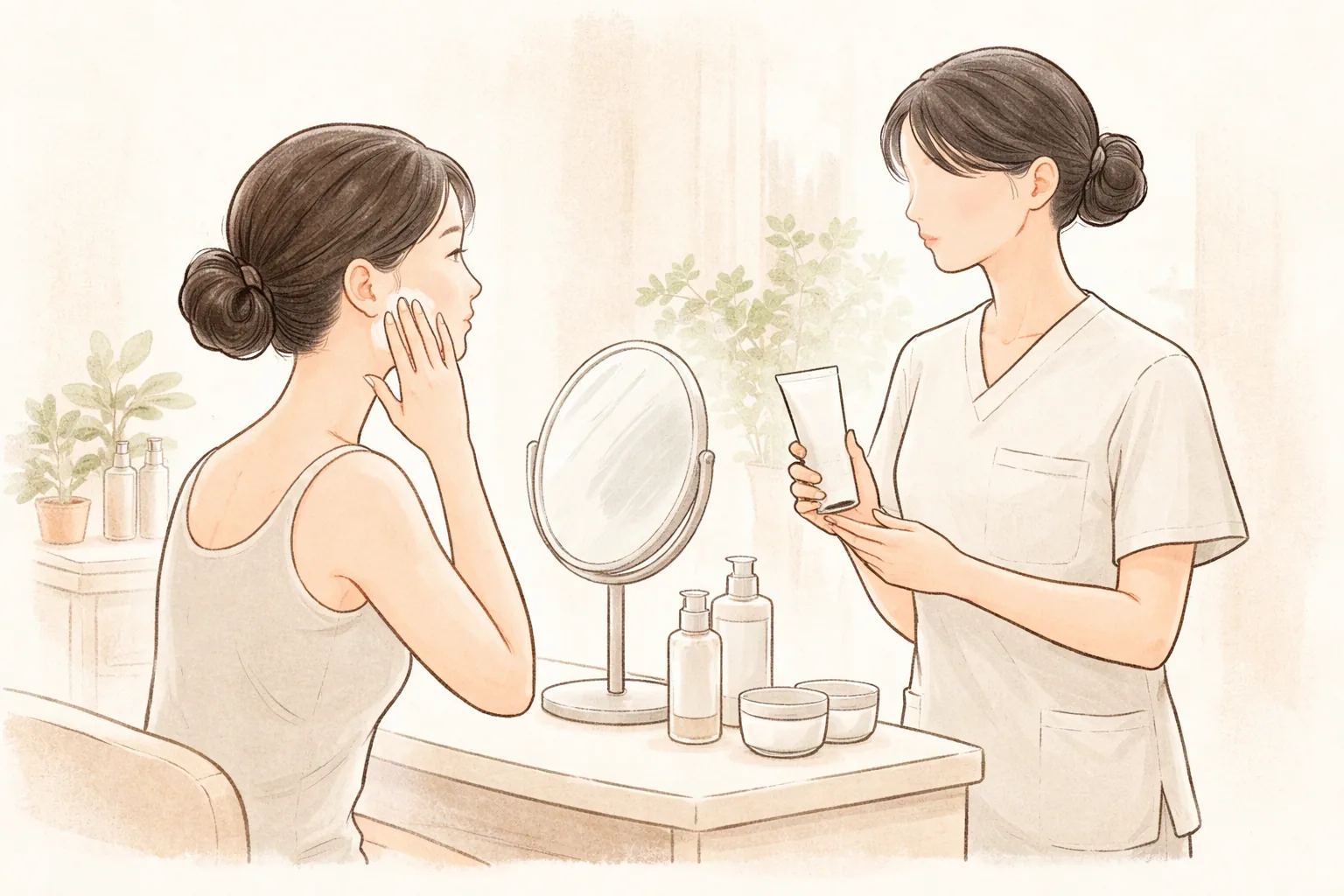
Doctor consultation: Your analysis record is combined with concerns, lifestyle and past treatment experience to decide together what is and isn't needed and in what sequence and intensity. Product names and displayed units are confirmed here too.
Treatment performed by the doctor: The doctor carries out the plan set in the consultation and adjusts based on your response during treatment. This is the flow that reduces the gap between consultation and procedure.
Recovery and next interval: We explain possible reactions after treatment and the recovery process, and set the next interval together. All prices are published by item and unit, and the same standard applies on every language page.
The products the price list separates by name for this topic are Newlux, Coretox, Xeomin (Merz), Allergan (BOTOX) and Dysport (Ipsen) (treatments and pricing). Wrinkle Botox is split into glabella, forehead, crow's feet + under-eye and nasolabial folds, while skin Botox and body Botox are divided by 3cc and 100U respectively.
Aftercare and side effects
Calming: If there's redness or swelling right after treatment, avoid strong friction and irritation that day and focus on letting it settle.
Moisturizing: Dry skin stays irritated longer. Take a few days off from exfoliation or strong active ingredients and keep up with moisturizing.
Sun protection: This is a period when pigment changes can occur, so use sun protection when going out.
Checking progress: Watch when changes start to show, when things return to baseline, and whether anything differs from expectations.
After injectable treatments, redness, swelling, tenderness when pressed, and bruising are common and usually settle within a few days. Rarely, temporary darkening or lightening of pigment, blisters, lumps after injection, burns or scars can occur (Why do results differ even with the same treatment?). AAD guidance also notes that all medical and surgical procedures carry risk (AAD consultation guidance).
Pain that doesn't improve but worsens, swelling that doesn't subside over time, blisters, or persistent skin color changes are signals to check without waiting for your next appointment.
Frequently asked questions
Is checking the country of origin enough to choose a product?
No. The country of manufacture is only one of several checkpoints; which ingredients and strength the product is approved with, which unit the price list uses, and where it will be injected are closer to the result. Even products from the same country differ in name and unit, so the basis for comparison itself changes. At the consultation, checking the product name and approval information before the country of origin is faster.
Where can I check ingredients and approval information?
Searching the product name in the Ministry of Food and Drug Safety's integrated drug information system shows ingredients and strength, approved effects, dosage and administration, and precautions. Asking at the consultation where the same information can be checked is another option. When the price list includes the manufacturer alongside the name, such as Xeomin (Merz), it's easier to decide on a search term (treatments and pricing).
Are 50U and 3cc the same amount?
They're measured with different rulers. U measures the potency of a formulation and cc measures volume, so the two numbers can't be converted directly. On the price list too, wrinkle Botox is based on 50U, skin Botox on 3cc and body Botox on 100U (treatments and pricing). To compare areas, look within the same item, and the actual dose is set during examination.
If I'm worried about resistance, what should I say at the consultation?
Tell us the product name, area, dose, date and response from before. If your response wasn't what it used to be, also mention from which area and which session that started. With a record, you can discuss on that basis whether to lengthen the interval, switch products or split areas (Why do results differ even with the same treatment?).
What should I look at when choosing where to get treated?
AAD guidance suggests asking about the practitioner's qualifications, their experience with the treatment, and how much they've handled skin types and age groups similar to yours (AAD consultation guidance). Qualification systems differ by country, so it's natural to adapt the same questions to local standards. Knowing whether risks, alternatives, recovery time and cost were explained also helps your judgment.
At a glance
Table 2 At a glance
Item
Key point
Basis for product choice
Not country of origin alone, but product name, approval information, displayed unit, area and past records together
Checking approval information
Search the product name in the Ministry of Food and Drug Safety's integrated drug information system for ingredients and strength, approved effects, dosage and administration, and precautions
Comparing units
50U, 100U and 3cc use different rulers, so the numbers alone can't be converted
Preparing for repeat treatments
Product name, area, dose, date and response records
Recovery and side effects
Redness, swelling, tenderness and bruising are common and settle within a few days; rarely, pigment changes, blisters, lumps or scars can occur
Process flow
AI skin analysis record → doctor consultation → treatment performed by the doctor → recovery and next interval
같은 시술을 받아도 왜 결과는 다를까요?https://theattitudeclinic.com/column/doctor-column/why-results-differ/
This article offers general health information. It is not a substitute for diagnosis or treatment based on your own condition, so please talk through your situation with a doctor.