How Long Does Radiesse Last? What Sets When Results Show and How Long They Hold
When Radiesse results appear and what sets how long they last, explained through injectable filler principles and consultation and aftercare standards.
Written by ATTITUDE Clinic Editorial Team
People searching for Radiesse tend to start with two questions. When after injection will it show, and how long will that change hold? This article lays out the conditions that set when Radiesse results appear and the factors that shape how long they last, in line with general injectable filler principles and how ATTITUDE Clinic runs its process.
The conclusion first
Injectable fillers differ in when results start to show depending on the material. In the American Academy of Dermatology (AAD) filler guide, hyaluronic acid gel, calcium hydroxylapatite, collagen, autologous fat and PMMA are described as showing results right after injection, while poly-L-lactic acid is described as appearing over 2–3 weeks. When Radiesse's effects appear and how long they last depend on which area received how much and by what method, and on your individual skin turnover rate. So rather than memorizing a single number of months, the accurate approach is to confirm your expected timeline and recovery period for your area and goal at a consultation.
When do Radiesse results start to show?
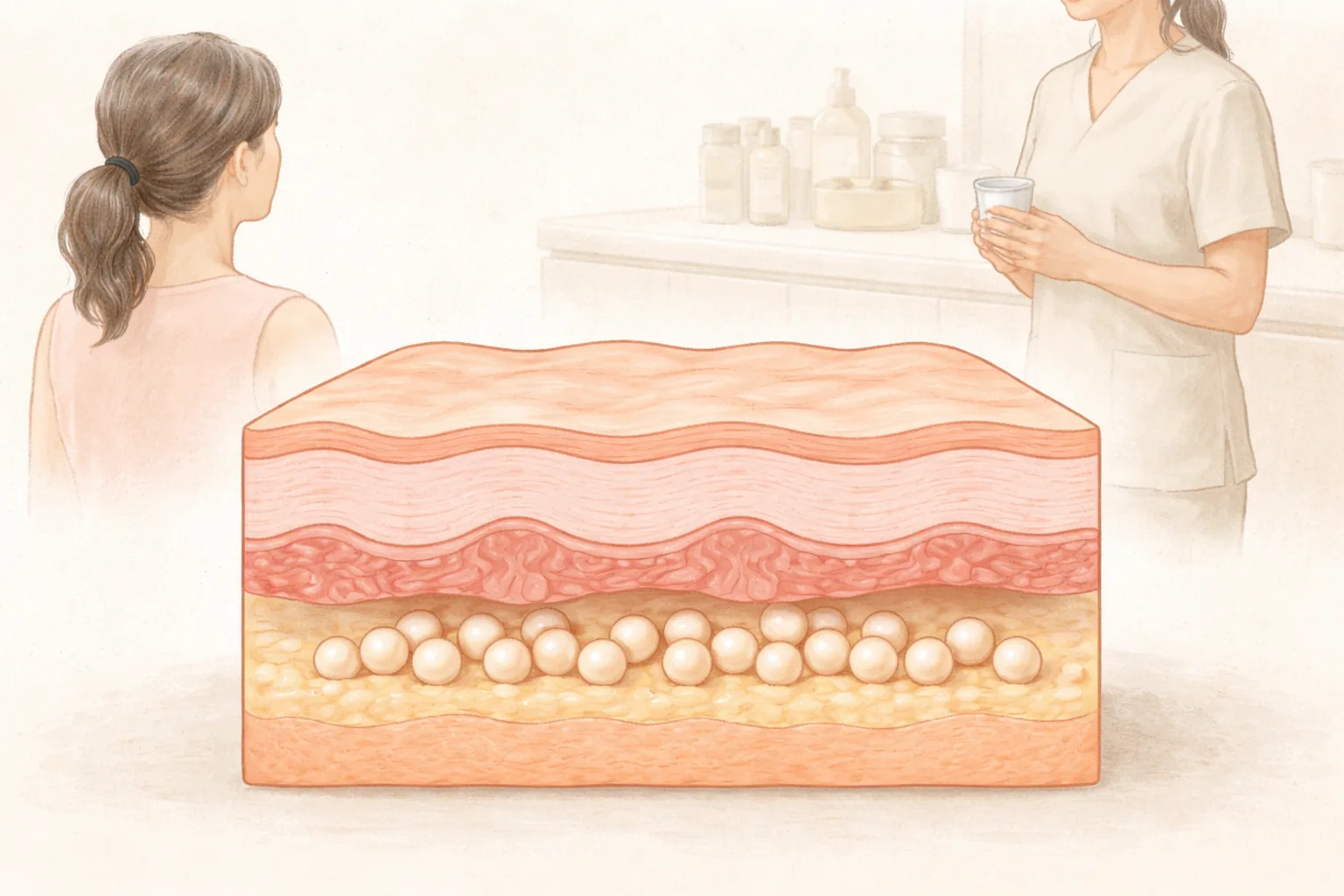
The first thing an injectable filler does is fill space. Whether it's a gel or particles, right after injection it physically creates volume. That's why in the AAD filler guide table, most fillers are classified as 'immediate.' The change you see in the mirror right after injection belongs to this stage.
Poly-L-lactic acid (a filler material designed so the skin responds gradually after injection), by contrast, is described as showing results over 2–3 weeks rather than right after injection. The same guide explains that after poly-L-lactic acid treatment, you should gently massage the treated area several times a day for 5 minutes over 1–2 weeks. This means that even with the same injection, when your body processes the material differently, when you feel the change differs.
So which side is Radiesse closer to? This question doesn't end with the product name. Which material family it is, whether it's used at full strength or diluted, and which layer it goes into all change the feel right after injection and the course that follows. How Radiesse is planned for which purpose and method is decided by looking at the examination and the product description together.
There's a common misunderstanding here. The thought that "if there's no big change right after injection, maybe it isn't working." A filler's results can move on two separate tracks — the volume right after injection and the later stage where the skin responds — so it's hard to judge the whole from a single point in time. Conversely, good volume right after injection doesn't guarantee that state will last as is.
What conditions shape how long it lasts?
Duration isn't set by the product name alone. Even the same material varies by which area it goes into, how much is used, and how quickly the skin breaks it down. The ATTITUDE Clinic column also explains that because skin type and thickness and the regeneration speed at which collagen is newly produced differ from person to person, the same treatment can produce different results and different times when you feel them.
When effects appear and how long they last also vary with skin condition, lifestyle habits and the product used. The column on exosome treatment notes this as well, pointing out that skin changes after treatment are mostly due to the healing course of the treatment itself. With injectable fillers too, you should read the course based on how fast your skin heals and responds.
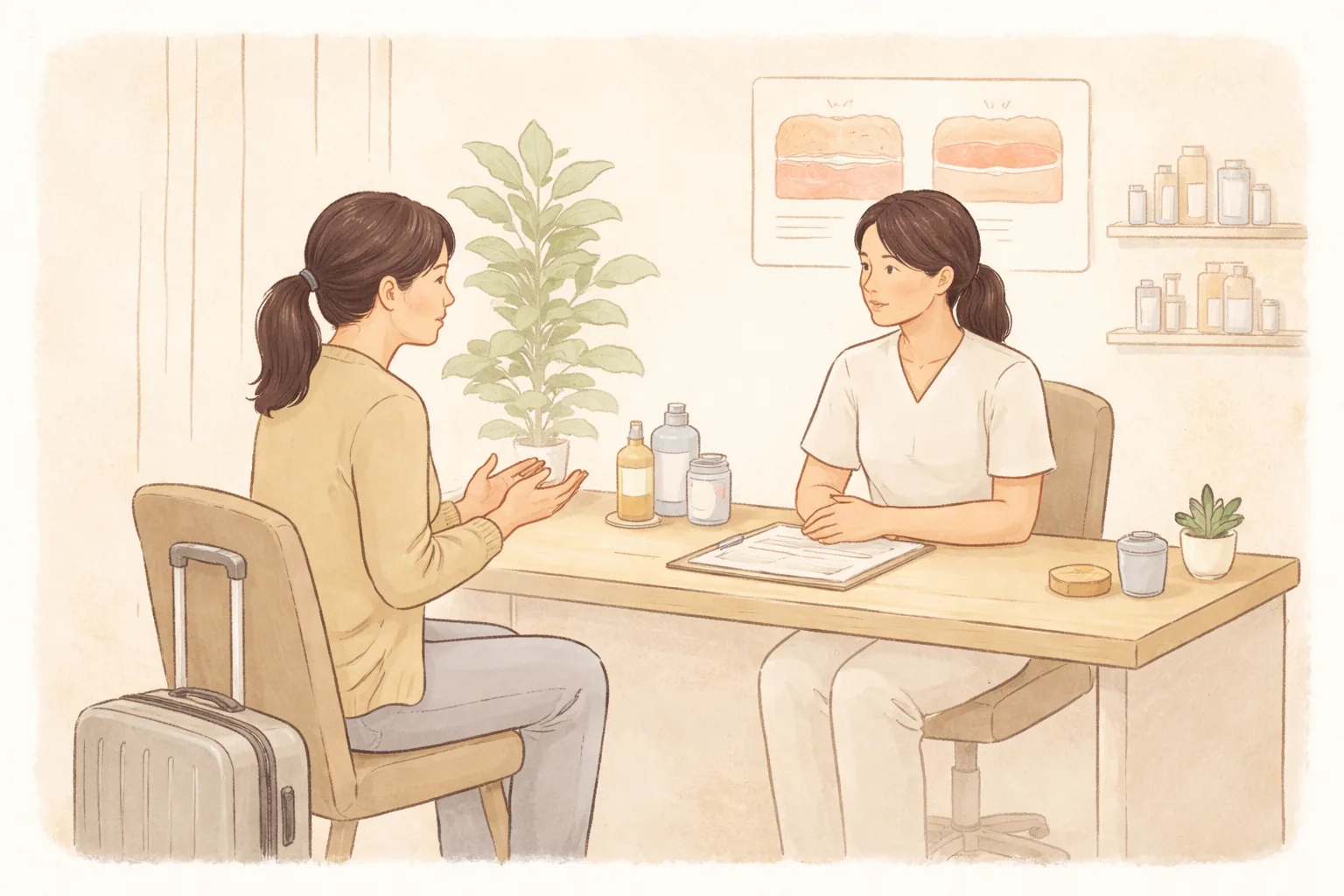
What matters especially at a consultation is looking at 'your conditions' together. The AAD lists questions to ask before a cosmetic procedure: how many times the procedure has been performed, expected recovery period, risks, preparation and aftercare, and cost. When asking about duration, rather than only asking "how many months," talking through your desired area and amount, your prior treatment history, and the time you can devote to recovery makes the answer more specific.
Another variable is when and by what standard you read the course. Dividing it into when the swelling and bruising right after injection settle, when the skin responds gradually, and the stable state after that lets you read the same result differently. Setting the next check-in point means you don't have to judge alone whether it's "not yet or finished."
How is Radiesse different from a general filler?
To answer this, you first need to know that the word 'filler' contains different materials. In the AAD filler guide table, collagen, hyaluronic acid gel, calcium hydroxylapatite, poly-L-lactic acid, autologous fat and PMMA are each classified as different materials, and when results appear is described differently for each. When the material differs, the aftercare guidance differs too.
They're also distinguished by purpose. The ATTITUDE Clinic column explains that skin boosters (PN·HA) supply moisture or regenerative components to the skin, Re2O (hADM) supplements skin structure in the dermis, and exosomes send regeneration signals to cells. For injectable treatments, what purpose and material they're used for, more than the name, decides when results appear and the recovery course.
ATTITUDE Clinic's treatment guide includes Radiesse · Merz among its injectable treatment items (Treatments and Pricing). Because the product name and manufacturer are listed together, you can confirm at a consultation which product is used for which purpose. Whether to use it at full strength or diluted, and how much to use, is decided by examination based on area and purpose.
In short, the difference between Radiesse and a general filler shouldn't be concluded from a single material name but judged together with when results appear, which layer is injected, and the aftercare approach. Even on the same face, skin thickness and movement differ by area, so which area gets what method changes how you feel it.
Table 1 How is Radiesse different from a general filler?
Filler material
When results start to show
What to review together at consultation
Collagen
Right after injection
Area, injection amount, prior response
Hyaluronic acid gel
Right after injection
Desired area and purpose, recovery period
Calcium hydroxylapatite
Right after injection
Injection layer and method, check-in timing
Poly-L-lactic acid
2–3 weeks, then massage guidance
Massage method, interval for checking the course
Swipe sideways to see the whole table.
In short When results appear differs by material, and the volume right after injection and the later stage where the skin responds are separate processes. Radiesse's expected onset and duration depend on area and amount and your skin's recovery speed, so you should confirm them for your conditions at a consultation.
If this sounds like your situation
When a ceremony or shoot is a few weeks away
Even a filler whose volume shows right after injection can leave swelling and bruising for a few days. The AAD consultation guide advises asking before the procedure about the expected recovery period and when you can return to daily life. If you have an important event, it's safer to mention the date first and adjust the treatment timing and area together.
When you want to manage it steadily
When effects appear and how long they last vary with skin condition and lifestyle habits. Rather than a one-and-done approach, recording the course and setting the next point helps you understand your skin's response. Bringing your prior treatment records (product, dose, date, response) makes planning easier (ATTITUDE Clinic column).
If your skin is sensitive or tends to redden
After injectable treatments, redness, swelling, tenderness and bruising are common and usually settle within a few days (ATTITUDE Clinic column). If your skin usually reacts quickly or you've had redness that lasted a long time after a previous treatment, tell the clinic first at your consultation. Even with the same amount, the recovery course appears differently from person to person.
If you're an overseas visitor on a short stay
If you're flying home or have a packed schedule within a few days after treatment, it's better to confirm the recovery period and how to make contact if an adverse reaction occurs in advance. The AAD consultation guide advises asking the doctor about preparation and aftercare before the procedure. The consultation should include a process of confirming you fully understand the treatment details and precautions.
Tell us before your consultation Please mention recent UV exposure, medications you're taking and active ingredients you apply to your skin, your response after previous treatments, whether you're pregnant or breastfeeding or have an autoimmune condition, and any important dates. This information is used to set treatment timing and planning.
How ATTITUDE Clinic runs its process
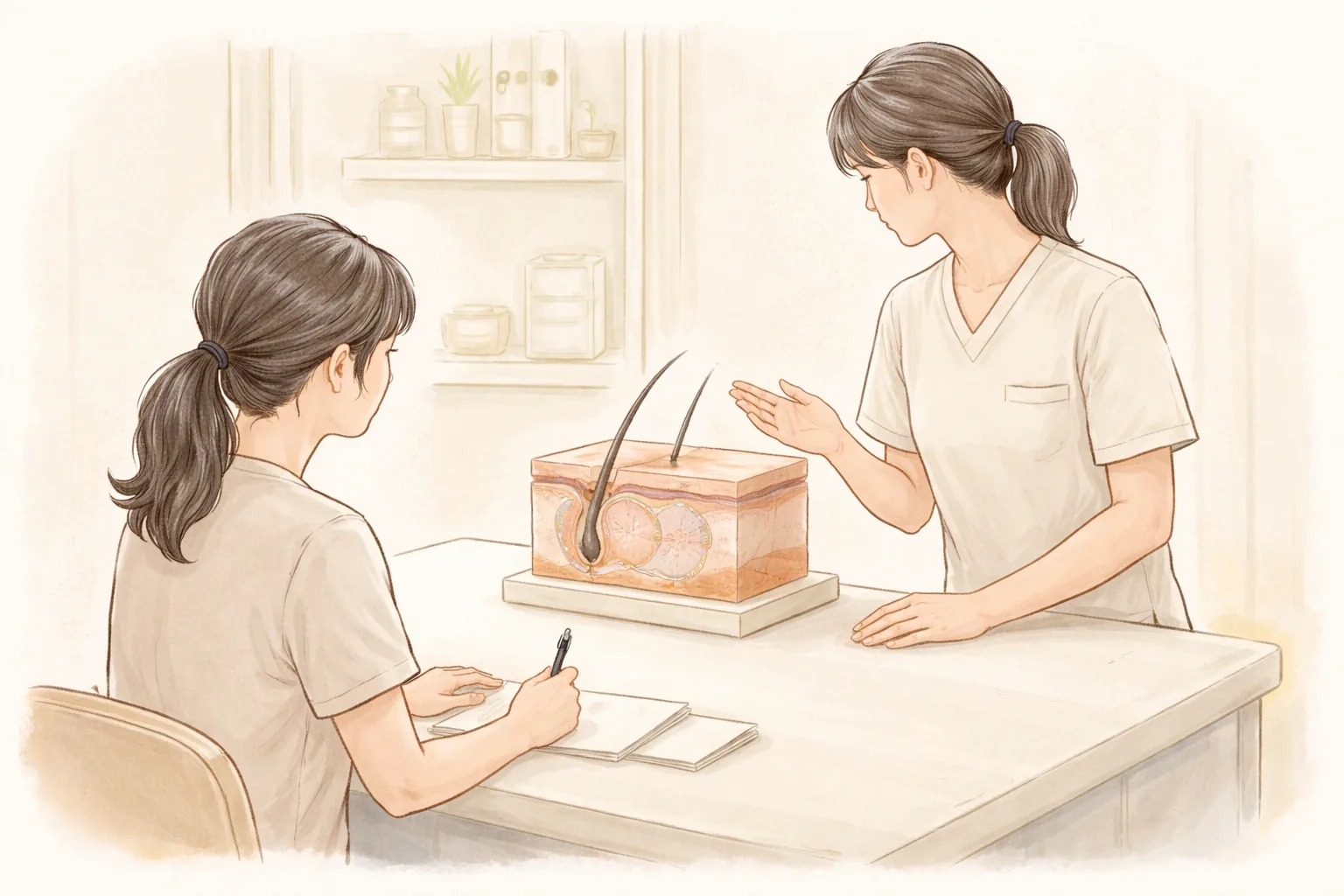
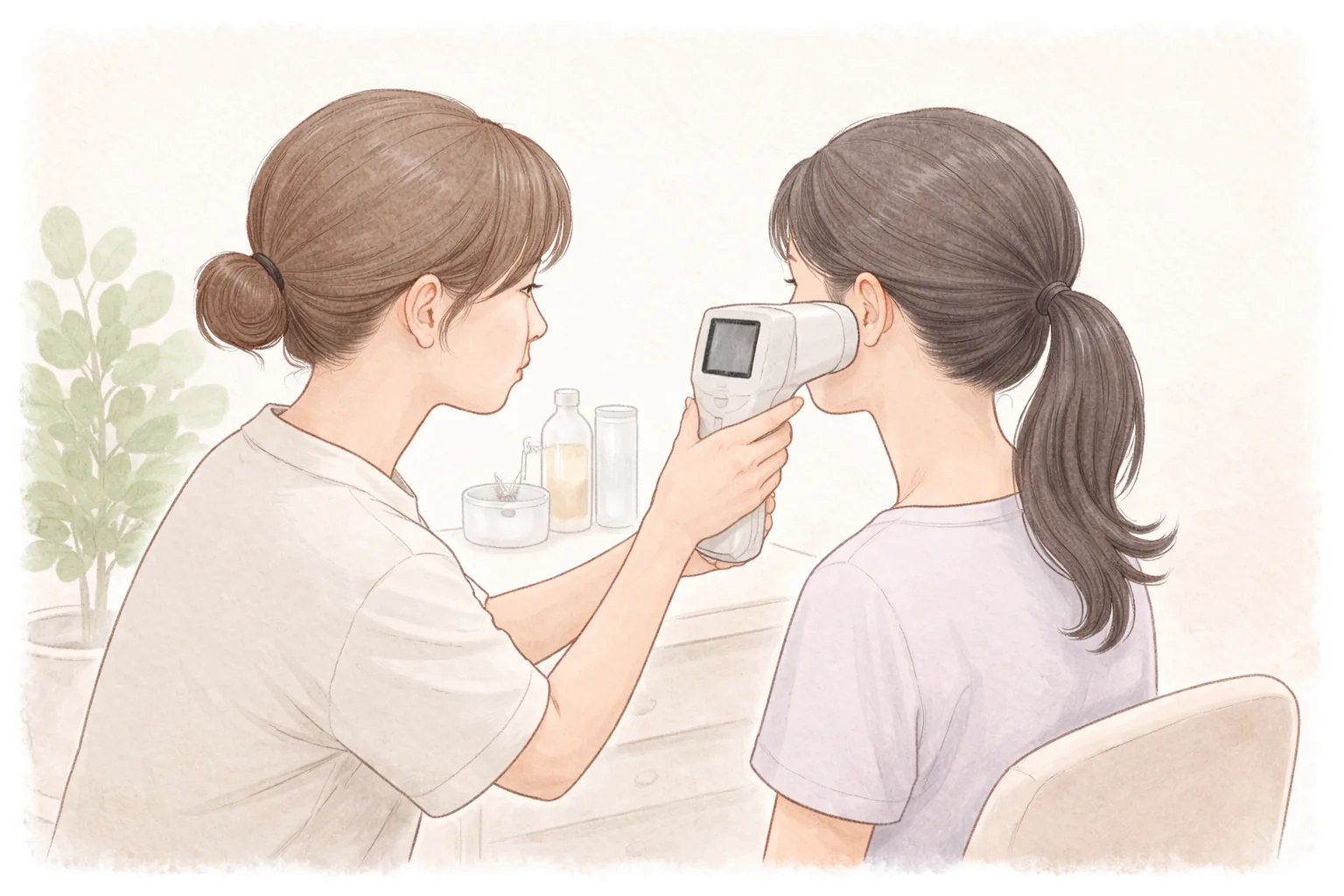
AI skin analysis record — Your skin condition is recorded and organized so you and the doctor look at the same information together. The analysis tool records and organizes information to support the consultation and does not make a medical diagnosis.
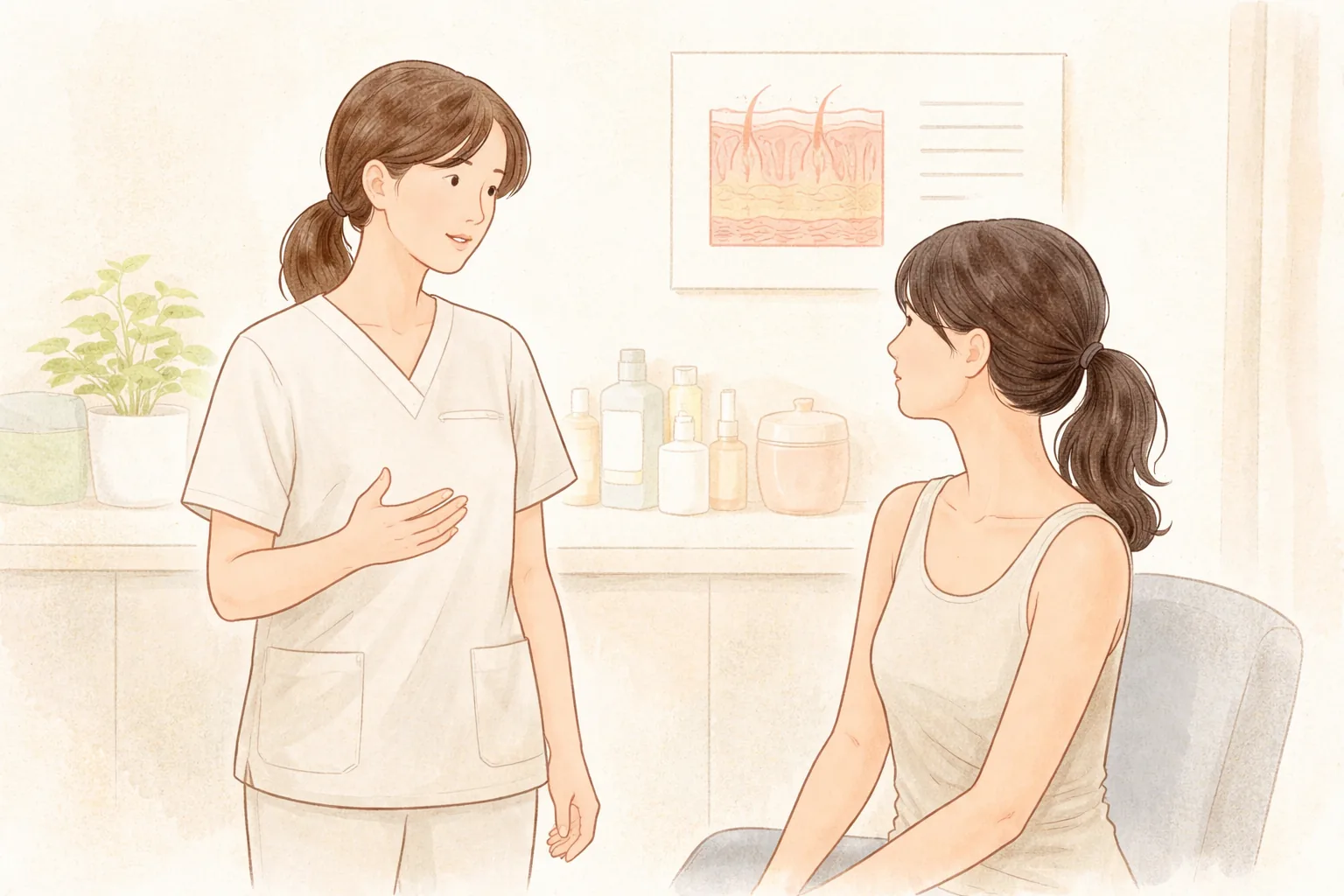
Doctor consultation — Your concerns, lifestyle habits and prior treatment experience are added to the analysis record to decide together what is needed and what isn't, and in what order and intensity.
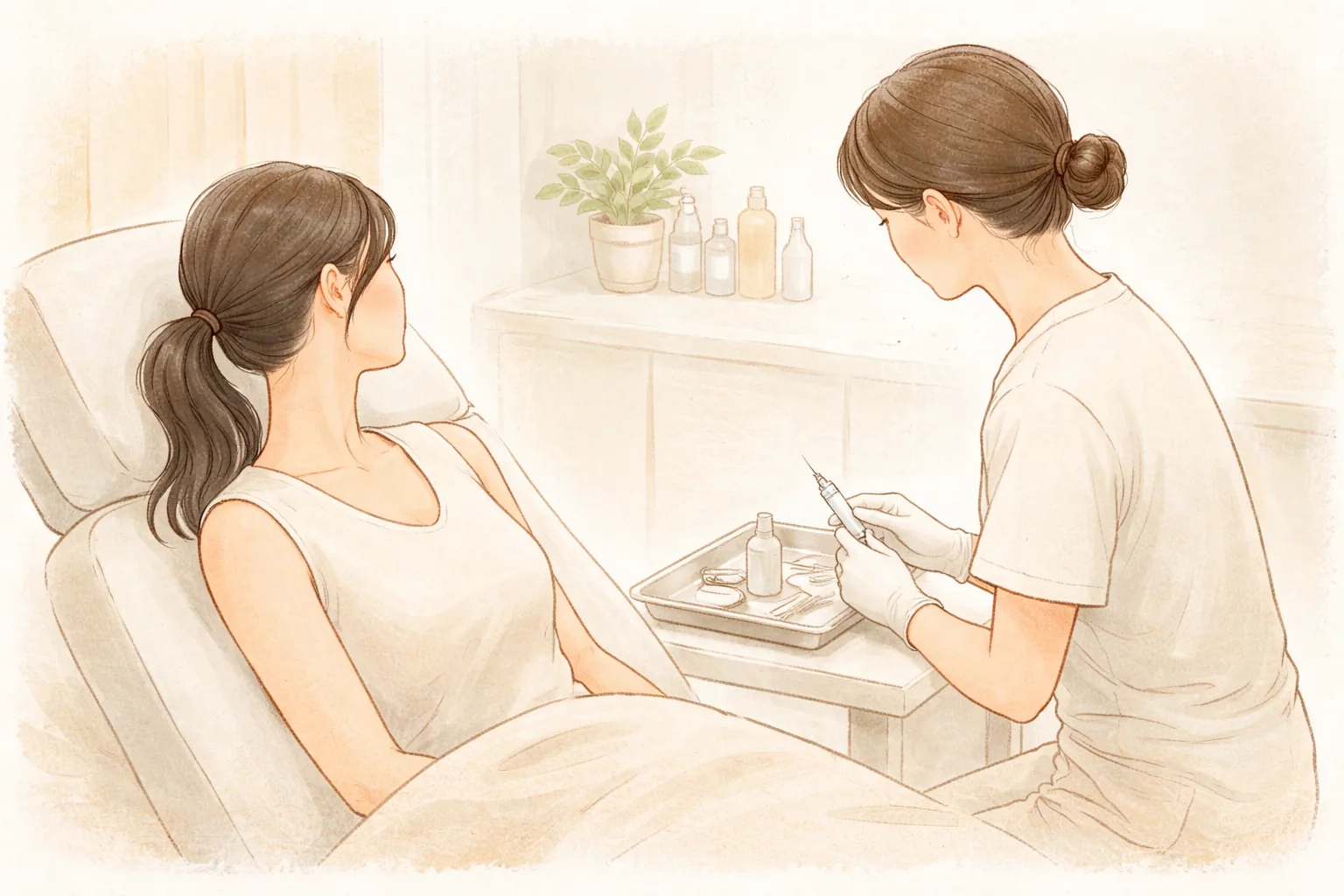
Treatment performed by the doctor — The doctor personally performs the treatment according to the plan set at the consultation, adjusting while watching your skin's response during the procedure.
On this topic, the clinic's treatment guide includes Radiesse · Merz as an injectable treatment (Treatments and Pricing). Because side effects are possible, the guide advises consulting a doctor before treatment. The analysis record is reference material, and whether and which treatment to have is decided by you after consultation.
Aftercare and side effects
Follow the instructions given right after treatment — Preparation and aftercare for each treatment are explained by the dermatologist. The AAD consultation guide also advises asking about preparation and aftercare at the consultation.
Watch for redness, swelling, tenderness and bruising — These are common after injectable treatments and usually settle within a few days (ATTITUDE Clinic column).
Check changes that differ from expectations without waiting — If you have worsening pain, blisters, lumps after injection, or long-lasting pigment changes, check rather than waiting for the next appointment.
Set the next check-in point — Since when effects appear and how long they last vary with skin condition and lifestyle habits, set when to review next and record the course (exosome column).
Side effects range from common to rare. After injectable treatments, redness, swelling, tenderness when pressed and bruising are common. Rarely, temporary darkening or lightening of the skin, blisters, lumps after injection, burns or scars can occur (ATTITUDE Clinic column). Most settle over time, but if a change isn't improving and keeps worsening, it's better to check right away.
Frequently asked questions
How long does Radiesse last?
The American Academy of Dermatology filler guide treats how long filler results last as a separate question but doesn't explain all fillers with a single number. That's because even the same material varies with the injection site and amount and the speed at which the skin breaks it down. The ATTITUDE Clinic column also notes that when effects appear and how long they last can differ with individual skin condition and lifestyle habits. At a consultation, it's more realistic to describe your area, purpose and prior treatment history and set the expected course and next check-in together.
When do Radiesse results start to show?
It depends on the material. In the AAD filler guide table, calcium hydroxylapatite is described as showing results right after injection and poly-L-lactic acid as appearing over 2–3 weeks. The volume right after injection and the later stage where the skin responds need to be viewed separately. When and how Radiesse shows in your skin is confirmed at a consultation by looking at the product description and examination together.
How is Radiesse different from a general hyaluronic acid filler?
When material and purpose differ, when results start, the injection layer and aftercare guidance differ. In the AAD filler guide, hyaluronic acid gel and poly-L-lactic acid are also classified with different timing. Hyaluronic acid filler sometimes has a separate reversal option due to the material's characteristics, but the same approach doesn't apply to every injectable product. The specific differences of Radiesse are most accurately confirmed through the product description and examination.
What reactions should I watch for after Radiesse treatment?
First watch whether common reactions like redness, swelling, tenderness and bruising settle within a few days. More rarely, pigment changes, blisters, lumps after injection, burns or scars can occur (ATTITUDE Clinic column). If it isn't settling and keeps worsening, or is enough to interfere with daily life, contact the clinic rather than waiting for the next appointment. Aftercare methods differ by treatment, so as in the AAD consultation guide, it's best to ask about preparation and aftercare directly at the consultation.
How should I choose a clinic for Radiesse?
The standard is less the name of a specific clinic and more whether you can get answers to your questions. The AAD consultation guide advises asking how much experience the treating doctor has with the procedure, whether they've worked with your skin type and age group, what results you can realistically expect, what the risks are, and what the recovery period is. ATTITUDE Clinic aligns planning and execution through the flow of an AI skin analysis record, a doctor consultation, and treatment performed by the doctor (ATTITUDE Clinic column). The analysis record is not a medical diagnosis, and the final decision is yours after consultation.
At a glance
Table 2 At a glance
Item
Key point
Onset of effects
Differs by material. In AAD guidance, calcium hydroxylapatite shows right after injection and poly-L-lactic acid appears over 2–3 weeks
Duration
Varies with area, injection amount, skin condition and lifestyle habits, so confirm the expected course at a consultation
Difference from general fillers
Results timing and aftercare guidance differ by material and purpose
Tell us before consultation
Medications, active skin ingredients, prior treatment response, pregnancy or breastfeeding, important dates
After treatment
Redness, swelling, tenderness and bruising are common. If worsening, check without waiting
Choosing a clinic
Ask about procedure experience, experience with your skin type and age group, realistic results, risks and recovery period, and confirm the answers
This article offers general health information. It is not a substitute for diagnosis or treatment based on your own condition, so please talk through your situation with a doctor.