Jaw Botox Before and After: How Masseter Muscle Development and Treatment Interval Shape Your Results
What jaw botox does to the masseter muscle, when results start and fade, why intervals can lengthen with repeat treatments, unit standards by product, and what to check before and after your visit.
Written by ATTITUDE Clinic Editorial Team
When a prominent jaw makes you start looking into botulinum toxin, the more you search, the more questions you have. What actually happens when the injection goes into the jaw muscle, when results start and how long they last, and whether it's okay to keep getting it. This article lays out, in order, the factors that determine results when botulinum toxin is used in the jaw area, and what to check before and after treatment.
The short answer first
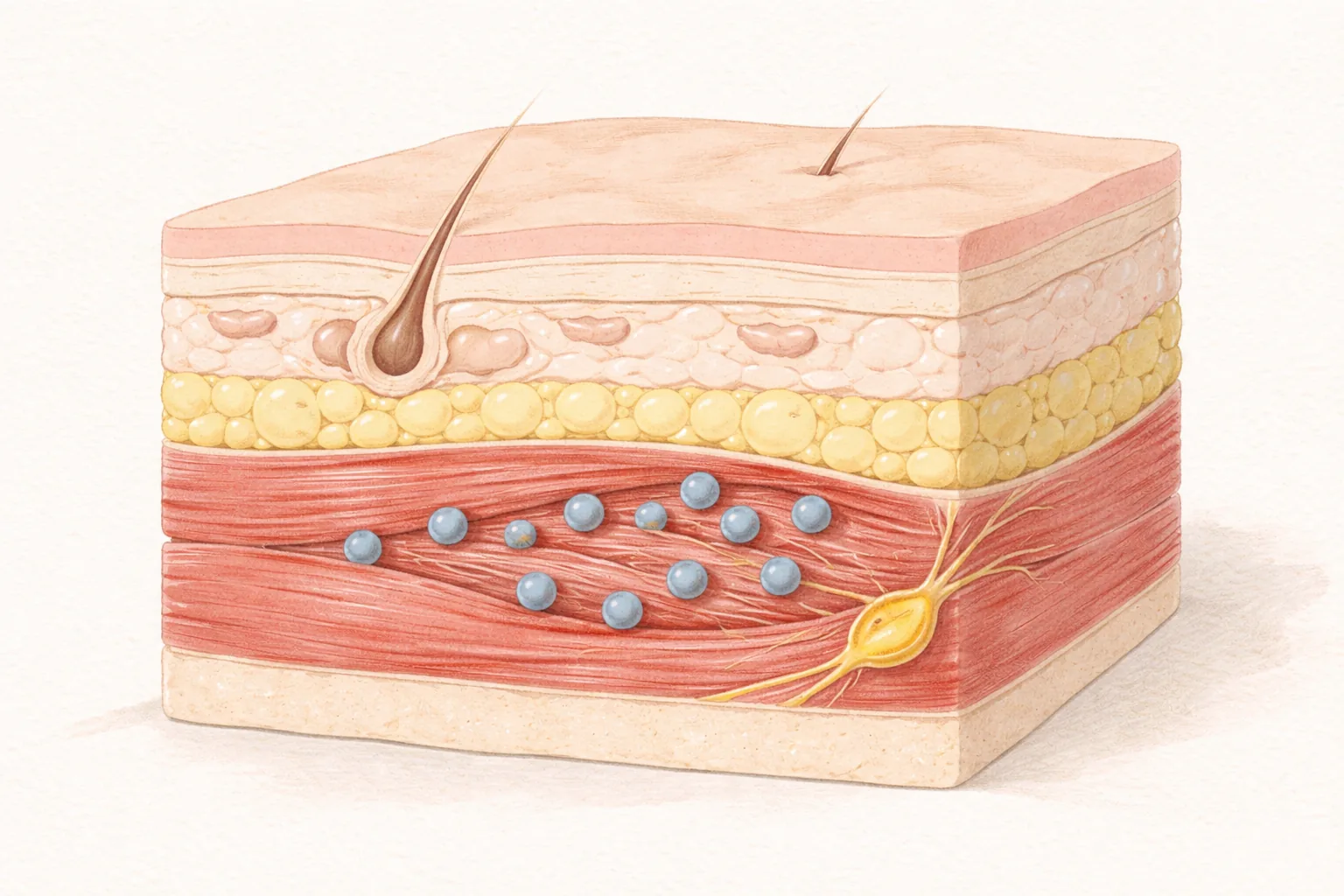
Jaw botox is a treatment in which botulinum toxin is injected into the masseter (chewing) muscle to reduce nerve signals to the muscle. When those signals are reduced, the muscle moves less, and over time its volume decreases, making the jawline look more defined. Muscle weakness appears within 2–4 days after injection and peaks around 10 days, and results generally last 3–4 months before gradually fading. Differences in results come down to how developed the muscle is, what dosage is used at what interval, and which product is used. Below, we'll unpack these three factors one by one.
What does botox do to the jaw muscle?
Botulinum toxin is an injectable made from purified neurotoxin produced by bacteria (Cleveland Clinic). For a muscle to contract, acetylcholine (the substance that carries the "move" signal to the muscle) must be released from the nerve terminal and bind to receptors on the muscle. Botulinum toxin blocks the pathway through which this signal is released. Going deeper, it targets SNARE (the protein complex that helps neurotransmitter-containing vesicles fuse with the cell membrane), preventing the vesicles carrying the signal substance from being released (DermNet).
As a result, the injected muscle cannot respond even when a command arrives. It doesn't burn or cut the muscle; it temporarily interrupts the signal, so over time the nerve sprouts new branches, reconnects, and strength returns. The change is visible in the jaw area because the masseter (the muscle that bulges on both sides of the jaw when chewing) is larger in volume than other facial muscles, and when its volume decreases, the jawline contour changes.
DermNet notes that botulinum toxin also reduces the release of substances such as glutamate and substance P, easing pain sensation. This is the point where people who felt discomfort around the jaw from stiffness or frequent clenching say the feeling became lighter after treatment.
When do results show, and how long do they last?
Muscle weakness usually appears within 2–4 days after injection and reaches its maximum around 10 days (DermNet). Rather than right after treatment, looking in the mirror about 1–2 weeks later is better for judging changes. According to Cleveland Clinic, botulinum toxin results generally last 3–4 months, and that's when repeat treatment is considered (Cleveland Clinic).
The saying "once you start, you have to keep going" is only half true. It's true that results aren't permanent, but with repeated treatments the muscle itself moves less, and with each injection, muscle atrophy accumulates little by little, so the interval needed until the next treatment can gradually lengthen (DermNet). This applies to people who first came in every three months and later space out their visits more comfortably. That said, this interval varies from person to person, and there's no reason to rush the next treatment while results remain.
Several factors affect how long results last. The size of the injected muscle, how much you usually use that muscle, the actual dosage and the product's unit standard, and your prior treatment history. Even with the same face size, different degrees of muscle development require different dosages, and different dosages change how quickly results fade.
Is this a treatment that makes muscle disappear?
Some articles use the phrase "botox makes your jaw muscle disappear." More precisely, the muscle doesn't vanish; it's a state where movement decreases and volume shrinks, and when the nerve reconnects, strength returns. DermNet says the reason results aren't permanent is that nerves sprout new endings and reconnect with the muscle after about 3 months (DermNet). The fact that it's not permanent is, if anything, a safety feature.
A term people considering repeat treatments often bring up is resistance. It's used to describe a situation where results don't appear as they did before, and in consultation, we look at what product was used, at what dosage, at what interval, and how the response was at the time. There are two facts to confirm here. First, when muscle atrophy accumulates with repeat treatments, treatment intervals can lengthen (DermNet). Second, because potency unit standards differ by product, you can't compare dosages of different products by the number alone (DailyMed).
Adverse reactions appear differently depending on the site. Common reactions summarized by Cleveland Clinic include pain, swelling, redness, and bruising at the injection site, headache, neck pain, indigestion, and temporary eyelid drooping, which usually improve within 1–2 days (Cleveland Clinic). Most pass mildly, but in rare cases the toxin's effects spread beyond the injection site, causing difficulty swallowing or breathing (DailyMed). These changes can appear anywhere from hours to weeks after injection, so if unusual symptoms develop, don't wait—seek medical care.
What does "units differ by product" mean?
Botulinum toxin product labels state that potency units cannot be compared or converted to units of other products (DailyMed). DermNet says there is no internationally unified standard unit, so the effect of 1 unit differs by product, and offers approximate conversions of 1:2.5 to 1:5 for Botox and Dysport, and 1:1 for Botox and Xeomin (DermNet). This is why a quote like "how much for 100 units" is difficult to compare unless the product name is written alongside it.
The label also points out that the treating physician must understand the structure of the area. The label advises that physicians handling botulinum toxin must understand the relevant nerve and muscle structures, as well as structural changes from prior surgery or disease (DailyMed). The jaw area has chewing muscles, salivary glands, and expression muscles in close proximity, so where and how much is injected determines results and reactions.
Table 1 What does "units differ by product" mean?
Product
Unit comparison (general guidance basis)
What to check in consultation
Allergan Botox
OnabotulinumtoxinA, the reference product for comparison
What indication it's used for in this area, total dosage
Xeomin
Often viewed as 1:1 with Botox
Note the product name and unit count together
Dysport
1:2.5–1:5 relative to Botox
Actual injected amount, not the converted value
Korean products (Newlux, Coretox)
No conversion standard in general guidance
Product name, dosage, response to prior treatments
Swipe sideways to see the whole table.
ATTITUDE Clinic's injection treatment guide also separates Newlux, Coretox, Xeomin, Allergan Botox, and Dysport by product (Treatments and Pricing Guide).
In summary Jaw botox is a treatment that's hard to compare by "how many units for how much" alone. You need to look at the product name and dosage, the treatment area, and the interval until the next treatment together, and the starting point for that judgment is how developed the jaw muscle is.
If this applies to you
When a wedding or shoot date is set
Results peak around 10 days after injection. If a date is fixed, it's better to schedule treatment with at least 2 weeks' leeway. Injection marks or bruising can remain, so allowing generous recovery time is safer.
When you plan to manage this consistently
Recording the start point and duration of your first treatment gives you a baseline for setting the next interval. Noting which product and how many units you received also makes future consultations much more specific.
If you're sensitive to injections or bruise easily
According to Cleveland Clinic, anticoagulants and NSAIDs increase the risk of bruising at the injection site, and alcohol also increases redness and bruising (Cleveland Clinic). Telling us about medications and supplements in advance helps adjust anesthesia methods and scheduling.
If you're an overseas visitor on a short stay
Judging results is best about 2 weeks later, so if your stay is short, it's better to place the treatment earlier in your trip. If changes occur after returning home, we recommend getting the product name and dosage so you can consult locally with your treatment record.
Tell us before your consultation Recent UV exposure and skin care history, medications and supplements you're taking (especially anticoagulants, anti-inflammatories), the product, dosage, and response of prior botulinum toxin treatments, and any fixed dates such as a wedding or shoot.
How ATTITUDE Clinic proceeds
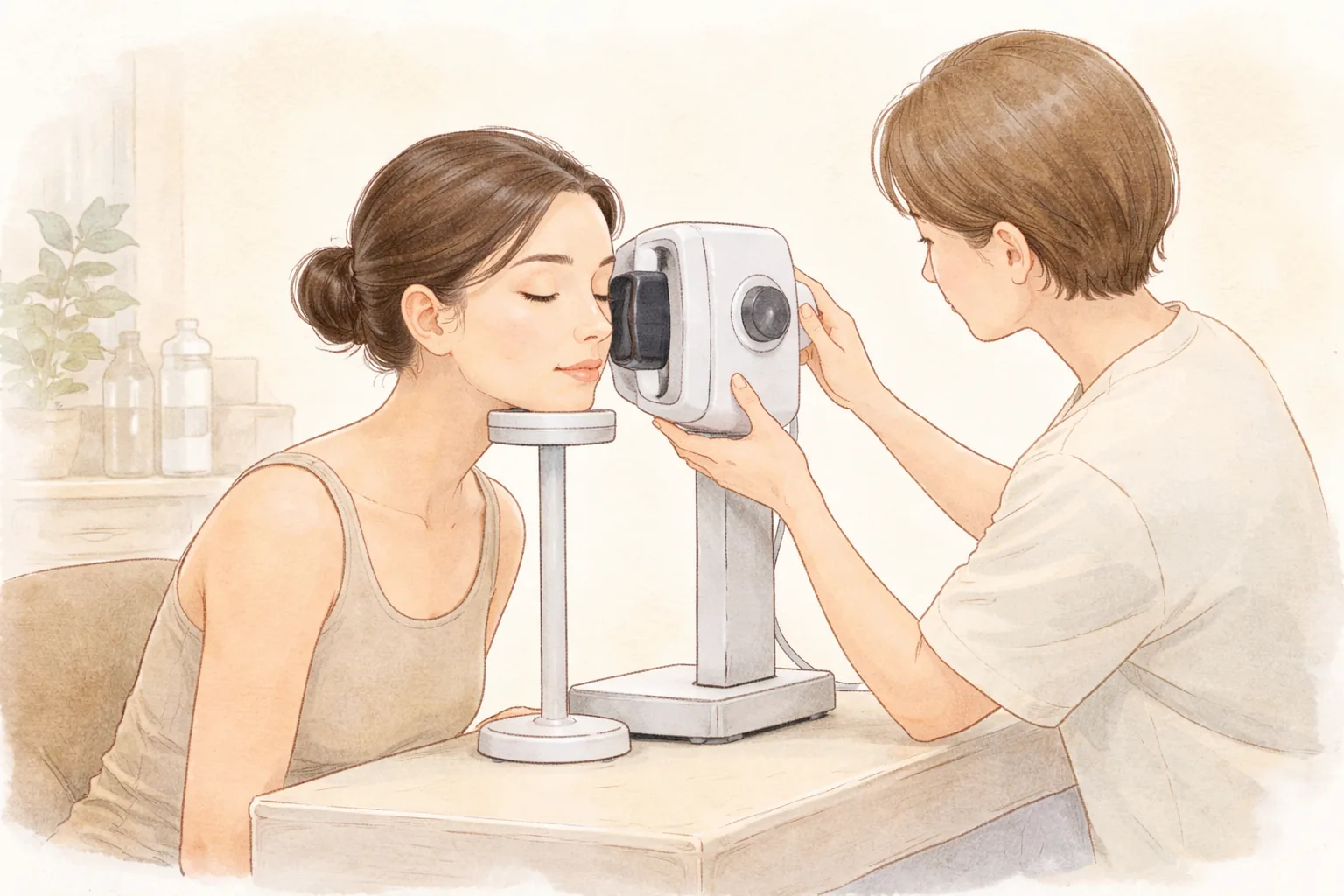
AI skin analysis record — Facial and skin conditions are recorded and organized so you and the medical team view the same information together. The analysis tool only records information to assist consultation and does not make medical diagnoses; judgment rests with the director (Why do results differ even with the same treatment?).
Director consultation — Masseter development, left-right balance, prior treatment history, and lifestyle habits are added to the record to decide the product, dosage, and interval until the next treatment together.
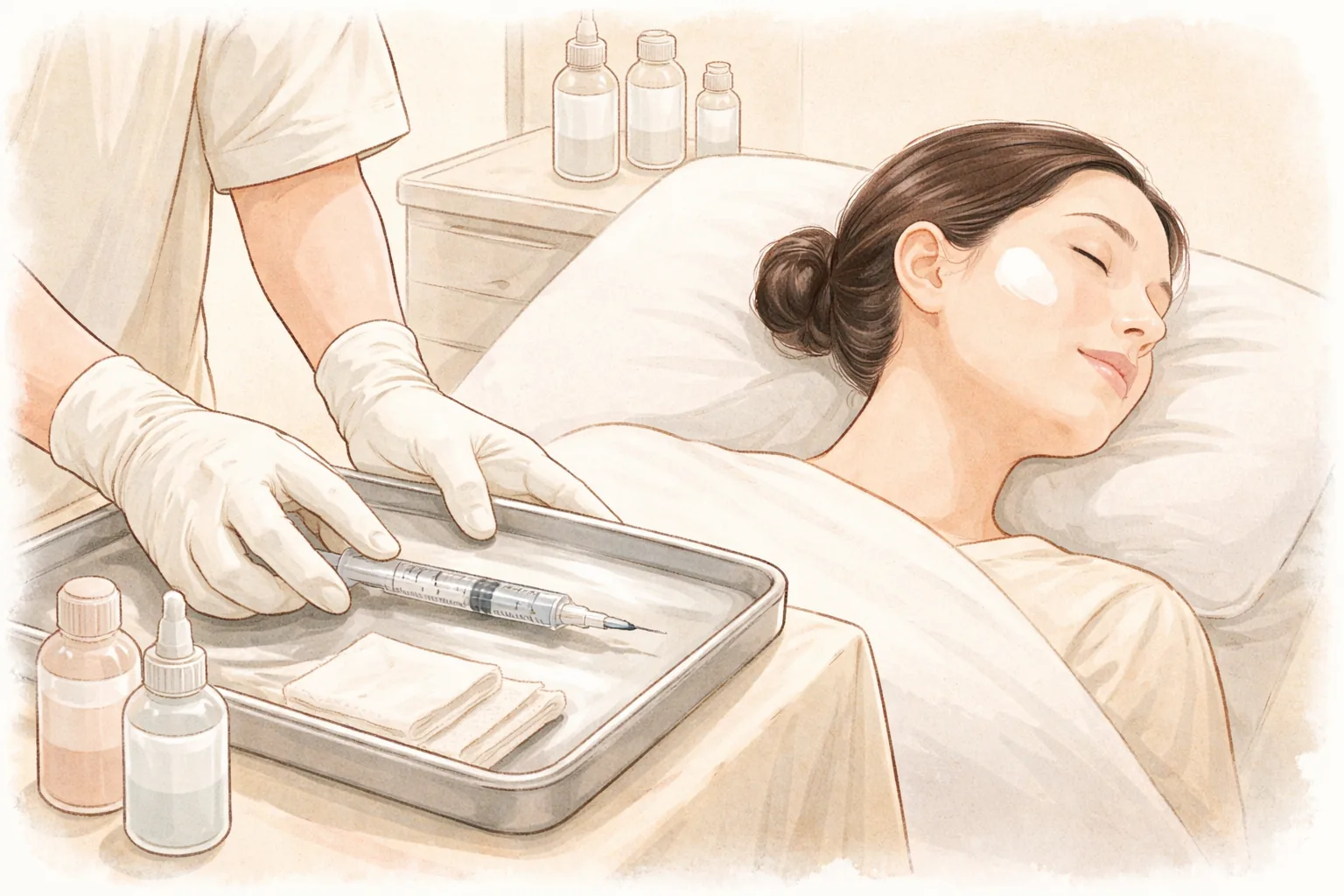
Treatment performed directly by the director — The director injects directly according to the plan set in consultation, adjusting while observing responses during treatment. This flow ensures the plan and execution stay aligned.
Recovery and follow-up — After treatment, aftercare instructions are given, and reactions such as bruising or swelling are checked to see if they're within the expected range. The next treatment timing is set again based on the muscle condition at that time.
Post-treatment care and side effects
Minimize irritation — For 12 hours after treatment, don't rub or press the treated area (Cleveland Clinic). Wash gently, and hold off on massage or radiofrequency treatments for a while.
Maintain posture — For 3–4 hours, it's better to sit or stand rather than lie down (Cleveland Clinic).
Avoid strenuous exercise — For 24 hours, avoid exercise that makes you sweat (Cleveland Clinic). Cutting back on alcohol that day also helps with redness and bruising.
Check progress — Bruising and swelling usually subside within a few days. Changes appear around 2 weeks later, so taking a facial photo then helps for your next consultation.
Common reactions include pain, swelling, redness, and bruising at the injection site, and headache. Temporary eyelid drooping or eyelid swelling is also reported but usually improves within 1–2 days (Cleveland Clinic). By label criteria, eyelid drooping was reported at 3% for glabellar line treatments, headache at 9% and brow drooping at 2% for forehead lines (DailyMed). Rarely, the toxin's effects can spread beyond the injection site, causing difficulty swallowing or breathing, speech abnormalities, or generalized muscle weakness, and these symptoms can occur from hours to weeks later (DailyMed). If there's an infection at the injection site or hypersensitivity to botulinum toxin preparations, you are not a candidate for treatment (DailyMed).
There are signals that mean you should seek care without waiting. Difficulty swallowing or breathing, trouble speaking clearly, or weakness in the arms or legs (DailyMed). If bruising or swelling worsens over several days, or the injection site becomes red, swollen, and painful, that also needs checking.
Frequently asked questions
When does jaw botox start working, and how long does it last?
Muscle weakness begins within 2–4 days after injection and peaks around 10 days (DermNet). Results generally last 3–4 months, then gradually return to baseline (Cleveland Clinic). However, even with the same dosage, when you feel the effect and how long it lasts differ based on muscle development and use habits. So recording 2 weeks after your first treatment and your next treatment timing gives you your own baseline.
Does the effect decrease with repeated treatments?
When muscle atrophy accumulates with repeat treatments, the interval until the next treatment can actually lengthen (DermNet). Knowing the product, dosage, interval, and response of prior treatments makes interpreting your current state much easier. Which product suits you and how to set the interval are decided by looking at that record together with your masseter condition.
I'm scared of injections—can I get anesthesia?
Cleveland Clinic says the discomfort of the injection itself is usually mild and the procedure is short, and that a topical anesthetic can be applied before treatment if needed (Cleveland Clinic). If you're sensitive to injections, telling us in consultation lets us adjust the preparation. The anesthesia method depends on the treatment area and skin condition.
When should I schedule the next treatment?
On average, the point when results last 3–4 months is when repeat treatment is considered (Cleveland Clinic). However, there's no need to book ahead to match a schedule while results remain. It's better to decide the timing by watching how much the muscle moves again when you make facial expressions. When setting the interval, use your own sense of muscle movement as the baseline, but it's good to check your treatment history and muscle condition together. If you book a next treatment time and your condition changes, you can readjust in consultation, so you don't need to lock in the schedule in advance.
What should I look for when choosing a clinic?
The label advises that physicians handling botulinum toxin must understand the nerve and muscle structures of the area and structural changes from prior surgery or disease (DailyMed). We recommend checking whether the consultation explains the product name, dosage, and what indication it's used for in that area; whether they ask about and reflect prior treatment history; and whether they tell you how to get in touch if adverse reactions occur.
At a glance
Table 2 At a glance
Item
Key point
What it does
Injects botulinum toxin into the masseter to reduce nerve signals to the muscle
Onset
From 2–4 days after injection, peak around 10 days
Duration
Generally 3–4 months; with repeat treatments, cumulative muscle atrophy may lengthen the interval
What determines results
Masseter development and left-right balance, dosage, interval, product unit standards
Common reactions
Injection site pain, swelling, redness, bruising, headache, temporary eyelid drooping
When to contact immediately
Difficulty swallowing, breathing, or speaking; generalized muscle weakness; worsening pain
This article offers general health information. It is not a substitute for diagnosis or treatment based on your own condition, so please talk through your situation with a doctor.