Juvelook Volume for Nasolabial Folds: Which Line, How Many cc, and at What Depth Decide the Result
What actually decides your Juvelook results for nasolabial folds, the numbers to confirm at consultation, and the common and rare signs after treatment — with a look at how ATTITUDE Clinic runs the process.
Written by ATTITUDE Clinic Editorial Team
Search for Juvelook because of nasolabial folds and you will find information that contradicts itself. One article says it looks more natural than filler; another brings up lumps. Why does the same treatment name produce such different stories? This article lays out what to check when considering Juvelook for the nasolabial folds, and what decides the result.
The short answer first
What decides the result in the nasolabial folds is not the product name but which line goes in, how many cc (or vials), at what depth, and over how many sessions at what intervals. In the ATTITUDE Clinic treatment guide, Juvelook is listed under skin boosters, and within that it splits into skin, volume, and eye lines with different units — 1cc, 4cc, 8cc, 1vial. There is no single correct dose or session count; the plan is set at consultation based on skin thickness, regenerative capacity, and history of filler or other treatments. So a nasolabial fold consultation is less about "can I get it" and more about "what, in what amount, in what order." Redness, swelling, and bruising are common after injection, and while rare, firm lumps or prolonged inflammation have been reported, so it is best to decide in advance who to contact if something feels off.
What do injections to the nasolabial folds actually do under the skin?
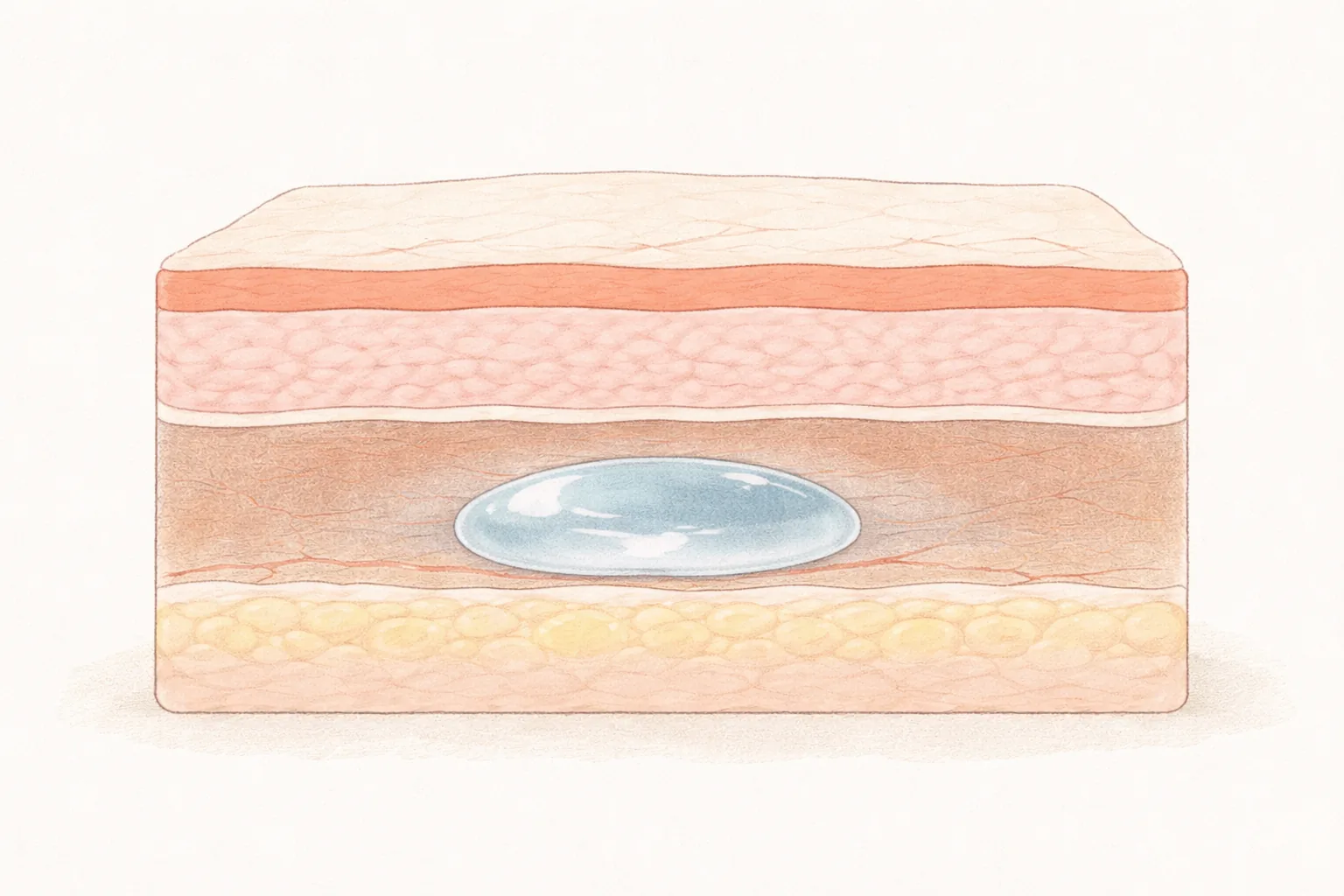
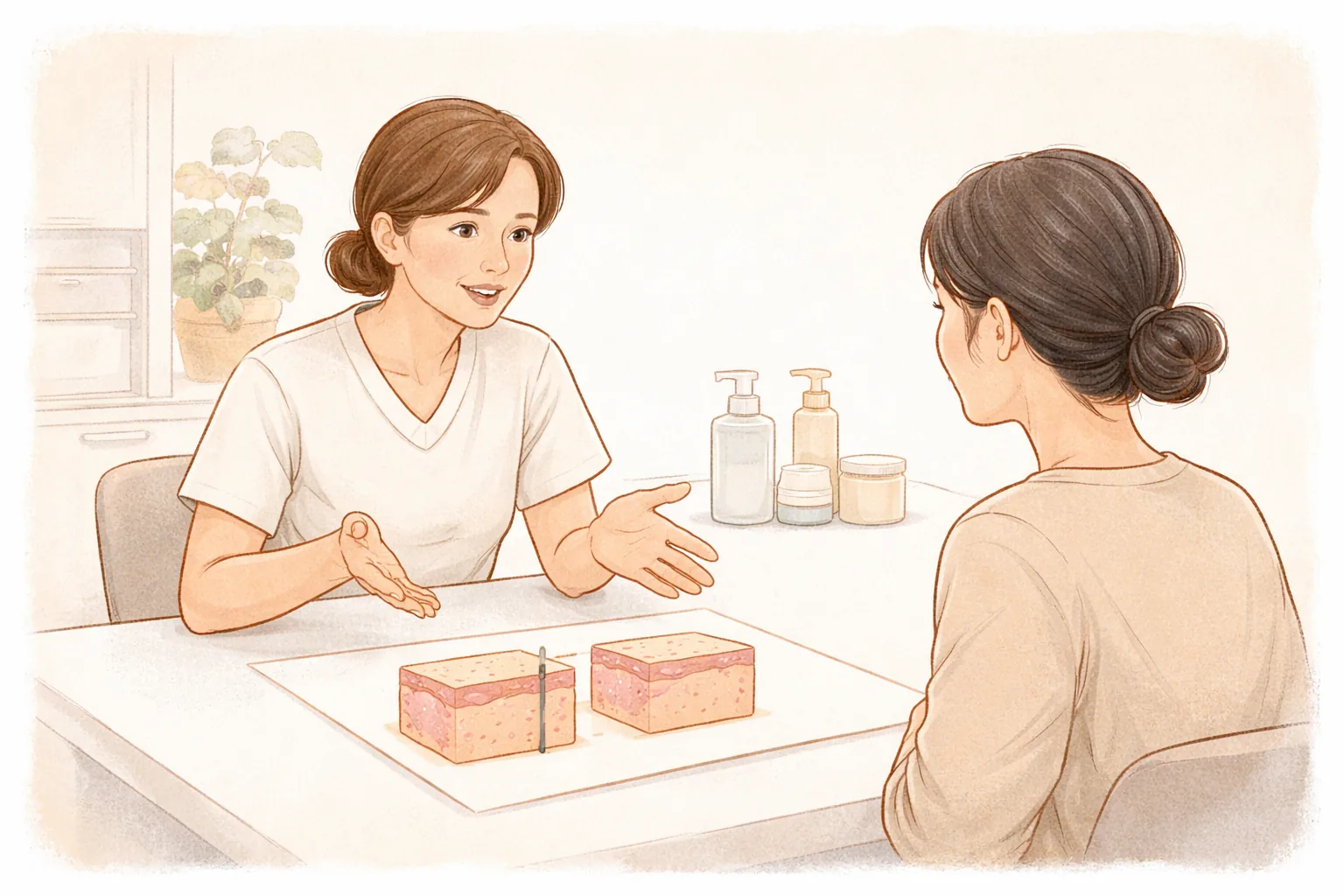
The outer layer of skin acts as a barrier. As explained in an ATTITUDE Clinic column, this barrier blocks outside substances from entering, so most topical products stay on the surface before being absorbed. An injection bypasses this barrier to deliver directly to a set depth. In the nasolabial folds, where the needle tip lands depends on whether it targets the crease itself or the sunken layer beneath it.
Juvelook sits under skin boosters in the clinic guide, and skin boosters are introduced as injections that deliver directly into the skin base. Rejuran, Sculptra, and Re2O appear under the same heading. The difference from Rejuran was covered in an earlier column, so here it is just one line: the two are different lines, and which to use on the nasolabial folds in what order is decided at consultation.
Next to the product name, usage matters. In the guide, Juvelook Volume appears in 1cc, 4cc, and 8cc units, Juvelook Skin in 4cc and 8cc units, and Juvelook Eye in 1vial units. Even "one bottle of Juvelook" means different conditions if the line and unit differ. Whether you treat only the nasolabial folds or also look at the cheeks and other areas changes how much is needed, so confirm total usage at consultation.
Why the same Juvelook gets a different plan for each person
The first reason is that everyone starts from different skin. Even at the same age with similar concerns, how thick the skin is, how much collagen-building capacity remains, and how fast it recovers differ from person to person (why the same treatment gives different results). This is where the difference comes from — some feel it after one or two sessions, others need more. Risk works the same way: redness, swelling, tenderness, and bruising are common and usually settle within a few days, but rarely pigment changes, blisters, post-injection lumps, or scarring can occur.
The second is movement in the nasolabial fold area. The folds crease with every expression, so even a slight shift in injection site and depth changes the visible result. The American Academy of Dermatology advises not touching the treated area for 3 days unless told otherwise, and following any massage instructions as given. In a high-movement area like the nasolabial folds, how you spend those few days becomes part of the result.
The third is plan and execution. Even with the same analysis records, what comes first and what comes later, and how strong to go, depend on skin condition and the time available for recovery. Adjusting intensity while watching skin response during the procedure is not something a manual can cover, and that is why who performs it stays in the picture to the end.
What to confirm at consultation
The American Academy of Dermatology advises that before a cosmetic procedure, patients should receive information on indications, risks, benefits, and alternatives. For a nasolabial fold Juvelook consultation, ask these:
Which line, how many cc (or vials), and at what depth
Total number of sessions, what intervals, and which session this is
How anesthesia is handled and how long the procedure takes
Recovery time and activities to avoid
Any previous filler and how it will be factored in
Where to contact if something goes wrong and when to come back
The same guidance notes that results depend heavily on the skill and experience of the person performing the procedure. This is also the moment to ask how much experience they have with your skin tone, skin type, and age group, what results are realistic, and whether you can see before-and-after photos.
Table 1 What to confirm at consultation
Category
Guide classification
What to review at a nasolabial fold consultation
Juvelook Volume
Skin booster · 1cc, 4cc, 8cc units
Degree of hollowness, total usage, injection depth
Juvelook Skin
Skin booster · 4cc, 8cc units
Base skin condition, session count and intervals
Hyaluronic acid filler
Injection · 1cc, plus more depending on area
Whether immediate volume is needed, previous filler history
Thermage · Ultherapy
RF · ultrasound lifting
Whether to treat sagging tissue together, time available for recovery
Swipe sideways to see the whole table.
In short Juvelook for the nasolabial folds is not decided by the product name alone. Which line goes in, how much, at what depth, and over how many sessions decides the result, and this plan varies with skin thickness, regenerative capacity, and treatment history. Confirming these items in numbers at consultation makes comparing options far easier.
If this sounds like you
When the date is fixed, like a wedding or a shoot
Redness, swelling, and bruising are common after injection and usually settle within a few days, but recovery time differs from person to person. If you have an important date, say so first and work the treatment timing backward from it. Confirming recovery time and when you can return to daily life at consultation, as the American Academy of Dermatology recommends, makes scheduling easy.
When the folds look deep and it bothers you
The nasolabial folds can look deep not only from the crease itself but from hollowness beneath. Which one is bigger changes the line and usage needed, so rather than describing only what you see in the mirror, talk about the difference between when you smile and when your face is at rest. Bringing a side-profile photo makes the consultation much more concrete.
Sensitive or easily flushed skin
Redness and swelling are common reactions, but if your skin flushes easily, say so first. You should also tell the clinic before treatment if there is infection, inflammatory acne, or herpes on the treated area (exosome column). The more sensitive the skin, the more the amount per session and the intervals are decided at consultation.
International visitors on a short stay
With a short stay, recovery time and when you can return become the starting point of the plan. How to split sessions and when to set the next visit depend on skin response, so review the schedule together at the first consultation. This is also when to decide who to contact if things go differently than expected after you return home.
Tell us before your consultation
Recent sun exposure and vacation plans
Medications you take and your health status
Skincare in use, such as retinol or acids
Previous filler and skin booster history, and how you reacted then
Pregnancy or breastfeeding, autoimmune conditions, any reactions to cosmetics or medications
Infection, inflammatory acne, or herpes on the treated area
Fixed dates such as weddings or shoots
How ATTITUDE Clinic runs the process
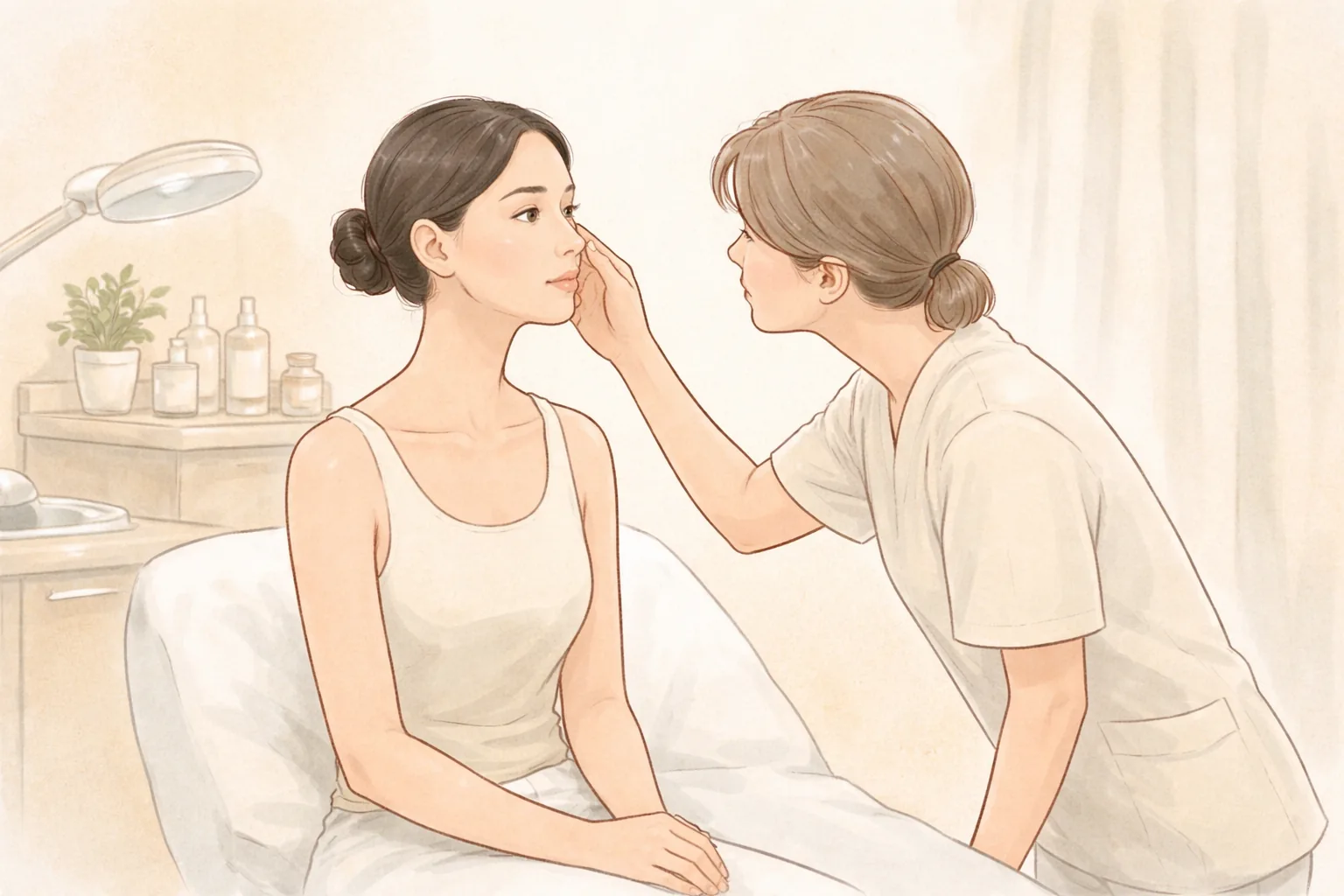
AI skin analysis record — Skin condition is recorded and organized so you and the doctor look at the same information. The analysis tool only records and organizes information; it does not make a medical diagnosis, which is the doctor's call.
Doctor consultation — Records are combined with your concerns, lifestyle, and past treatment experience to decide which line, in what combination, order, and intensity. This is where what is needed and what is not gets sorted out together.
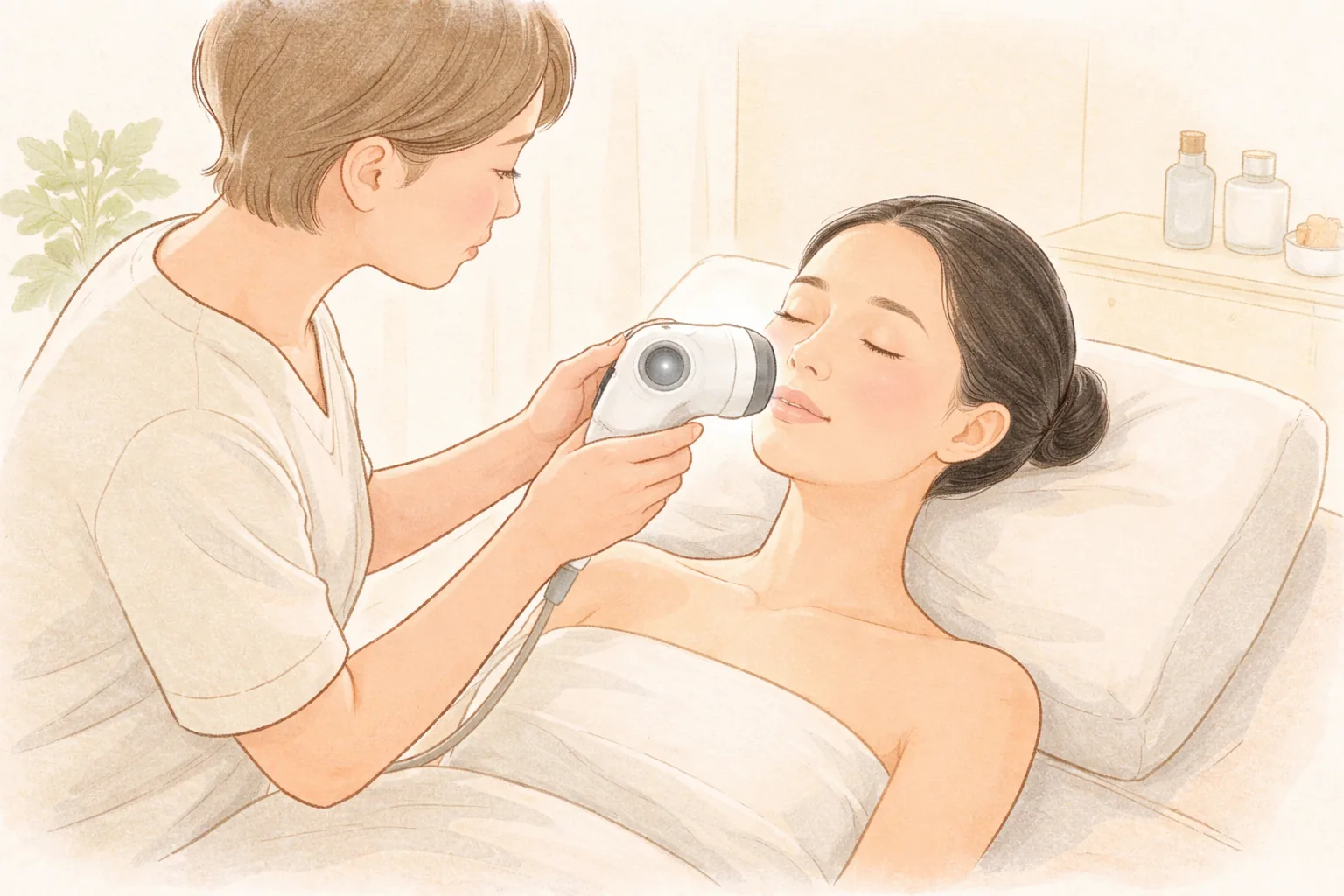
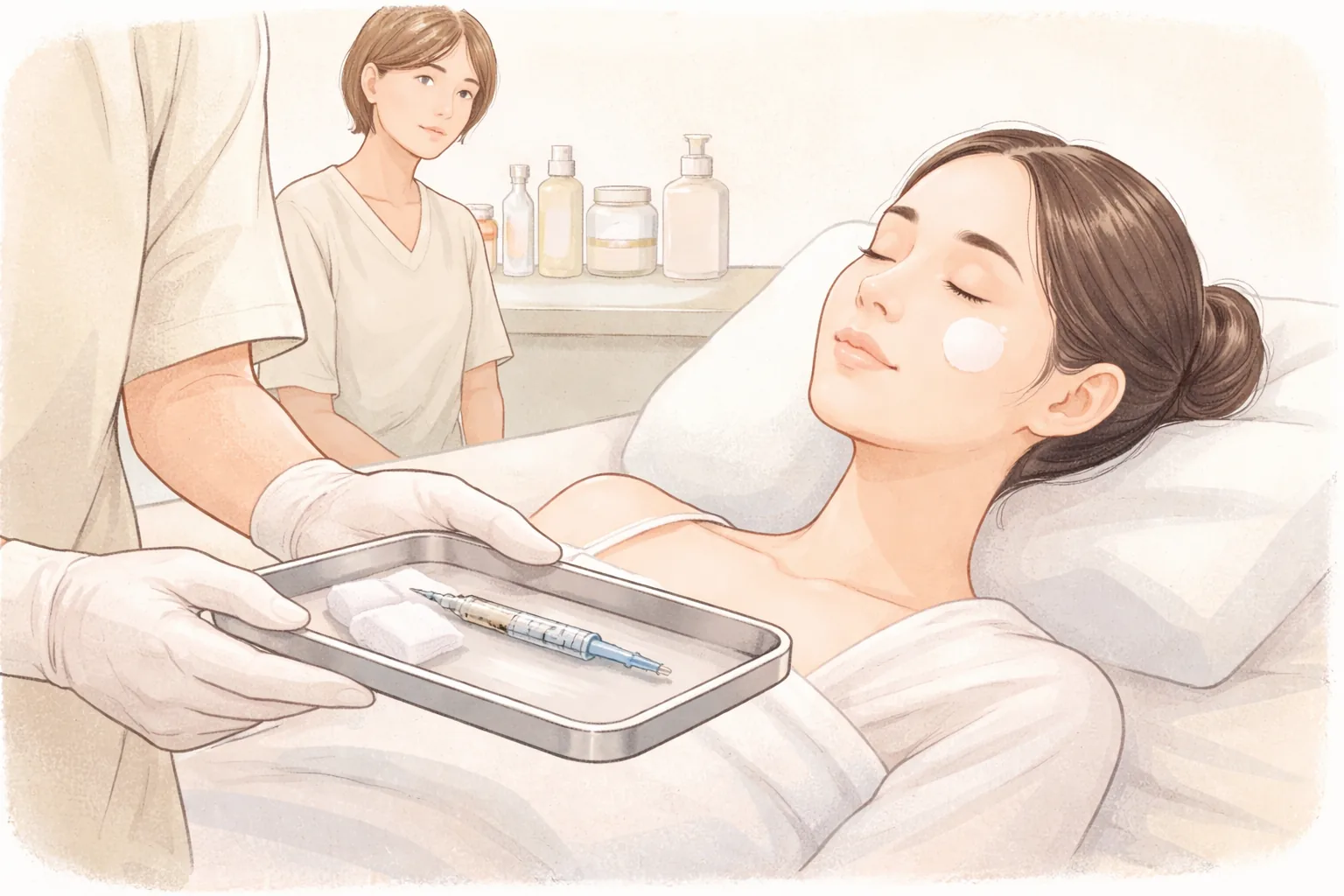
Treatment performed by the doctor — The doctor performs the treatment according to the plan set at consultation, adjusting intensity while watching skin response. This is to keep design and execution aligned.
Recovery and follow-up — Post-treatment response and recovery are reviewed, and the timing and usage for the next session are revisited. All prices are disclosed by unit, with VAT separate.
Items often reviewed alongside the nasolabial folds in the clinic guide include skin booster lines such as Juvelook Skin, Volume, and Eye, Potenza (a device delivering RF to the dermis via fine needles), and lifting such as Thermage (RF) and Ultherapy (ultrasound). Which devices to combine is decided at consultation based on skin condition and concerns.
Aftercare and side effects
The sequence from the day of treatment is this.
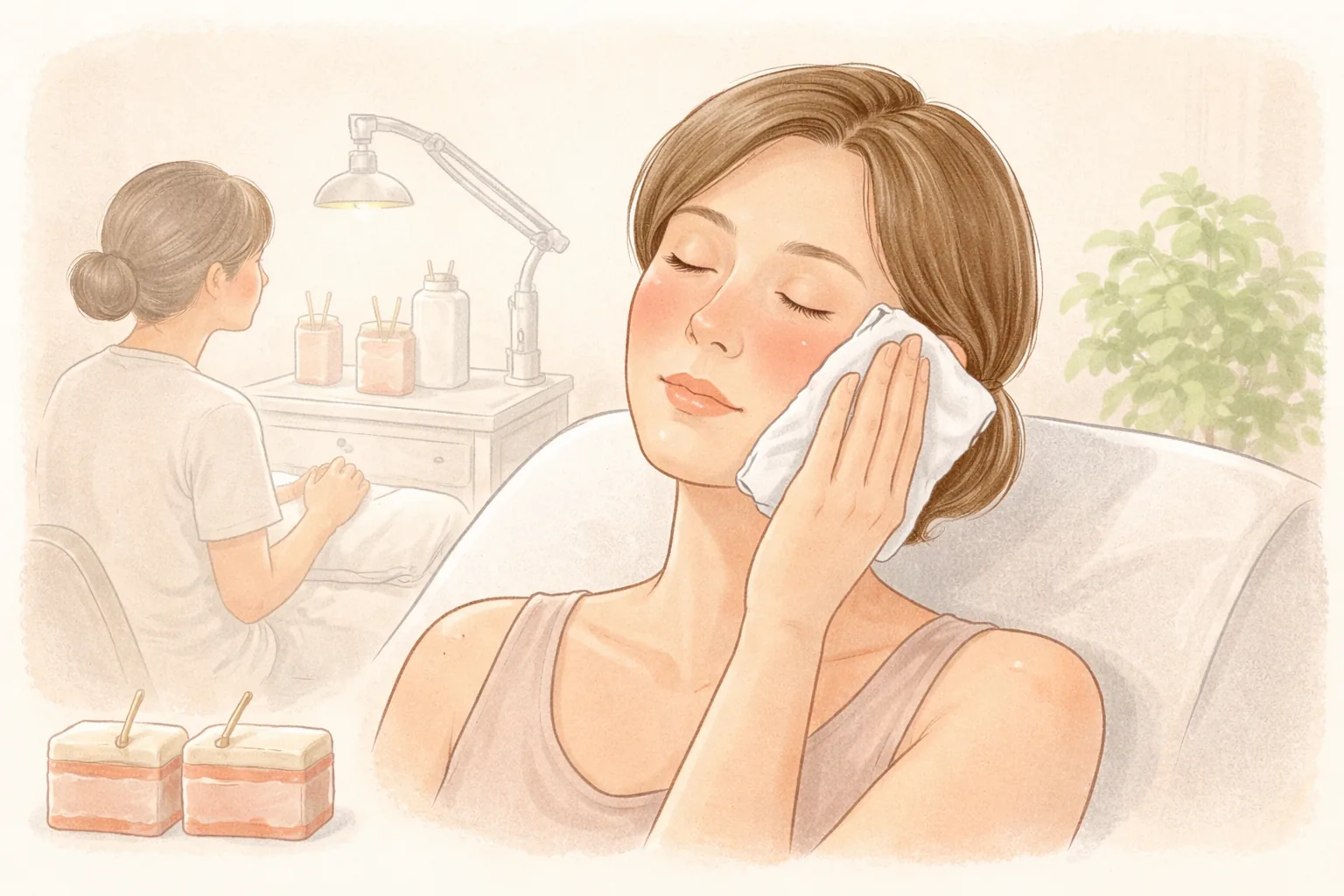
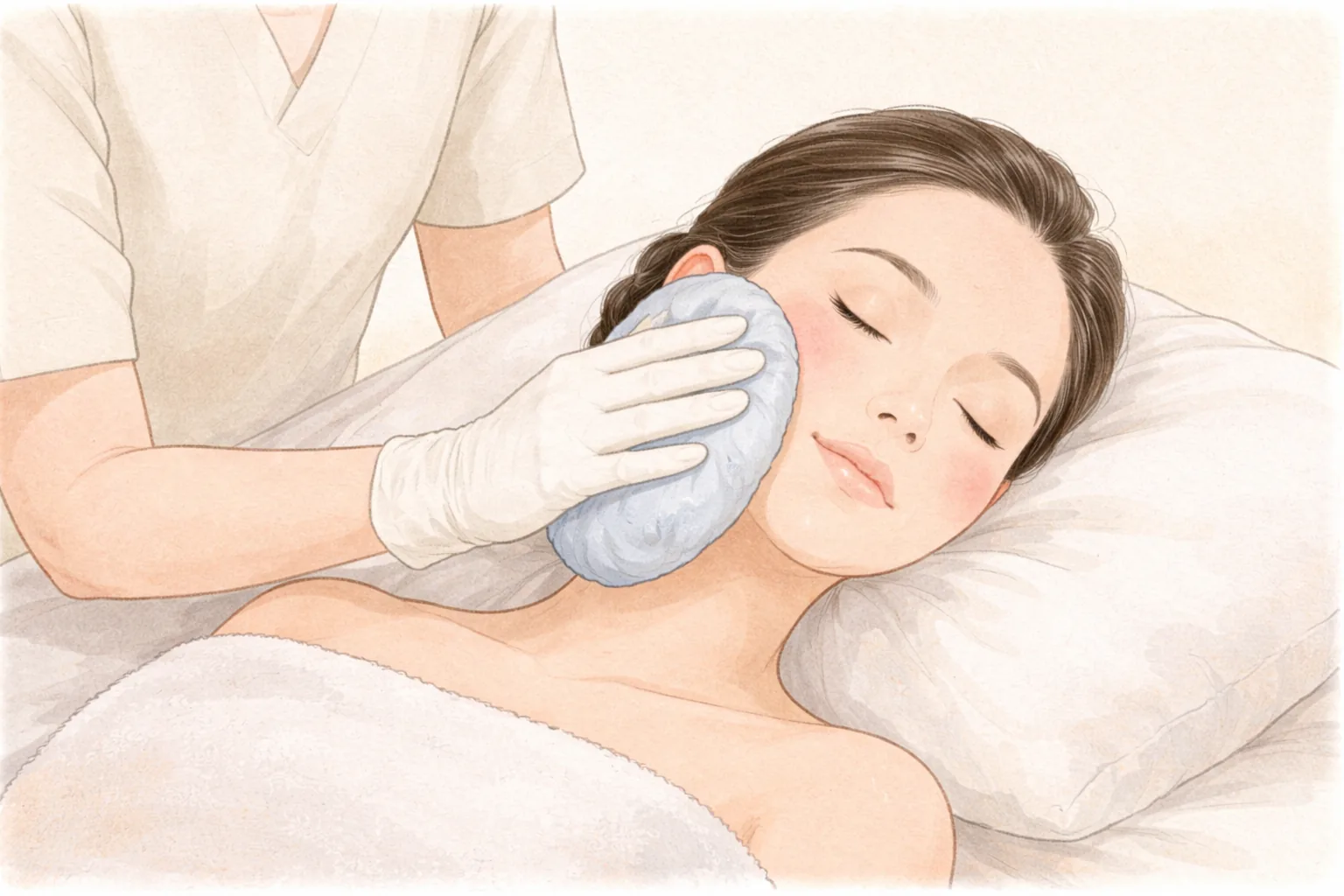
Calming — To reduce redness and swelling after injection, ice may be recommended for about 15–20 minutes before you leave (American Academy of Dermatology).
Don't touch — Unless told otherwise, do not touch the treated area for 3 days. If you were given massage instructions, follow the method and duration exactly.
Moisturize and reduce irritation — The treated area can become dry or sensitive, so follow the moisturizing and cleansing guidance from your consultation, and pause strong skincare for a while.
Check progress — If you notice lumps or prolonged inflammation, or anything different from what was expected, contact the clinic rather than waiting for the next appointment. Pain that does not improve and keeps worsening is also a signal that needs checking.
Common reactions are redness, swelling, tenderness, and bruising, and they usually settle within a few days. If energy devices are combined, dot marks, dryness, or thin crusts may appear. Rarely, temporary darkening or lightening of pigment, blisters, post-injection lumps, burns, or scarring have been reported. Injection products can cause redness, itching, swelling, or irritation, and allergic reactions may occur. The doctor explains the risks of the procedure and settings beforehand, and checks immediately if anything differs from expectations.
Frequently asked questions
How is Juvelook Volume different from regular filler?
In the American Academy of Dermatology guidance, filler is described as injecting to fill areas that need volume (filler consultation and post-treatment checks). In the clinic guide, Juvelook is classified under skin boosters, while filler is listed separately under injections. So the consultation first sorts out whether the goal is immediate volume or treating the skin base and sunken layer over time. The answer changes depending on whether the deep look comes from the crease or from volume loss beneath. Either way, conditions vary with usage and area, so confirm total amount and session count together.
I'm worried about lumps after Juvelook — what should I ask at consultation?
Firm lumps or prolonged inflammation are rarely reported after injection (why the same treatment gives different results). At consultation, ask which product will be used, where and at what depth it goes, and whether the same area has had previous treatment. Also decide in advance when and how to check by touch after treatment, where to contact if something feels wrong, and when to come back. The nasolabial folds are an area your hands reach often, so not touching it during the advised period matters especially.
When do results show, and how long do they last?
Right after injection, swelling or hydration can make things look different. Changes seen later are a mix of the treatment's own course and individual regenerative capacity, so judging results by how it looks a few days in is too early. Rather than pinning a maintenance period to a number, talk at consultation about how quickly you noticed changes after previous treatments and set the next session timing together. Different session counts, intervals, and usage mean different courses. When you book the next appointment is the starting point of maintenance.
How many sessions, and at what intervals?
There is no fixed number; it is decided at consultation based on skin condition, concerns, and treatment history. The American Academy of Dermatology also advises asking at consultation how many sessions are needed and how long the procedure takes (questions to ask at consultation). At ATTITUDE Clinic, sessions are split and the next plan is adjusted based on how the skin responds in between. How redness and swelling settle after the first session becomes a reference for setting the next interval.
How should I choose a clinic?
The American Academy of Dermatology notes that results depend heavily on the practitioner's skill and experience, and advises checking how much experience they have with your skin tone, skin type, and age group, whether you can see before-and-after photos, and whether they explain risks and recovery time (questions to ask at consultation). On top of that, check whether the consultation states product names, usage units, and total session counts in plain terms. Clinics that disclose prices by unit make comparing options easier, and VAT inclusion is worth confirming too. Whether the pre-treatment explanation was sufficient and whether there is a contact route for adverse reactions are also criteria.
At a glance
Table 2 At a glance
Item
Key point
What decides the result
Which line, how many cc, at what depth, over how many sessions at what intervals
Line split
Juvelook Skin, Volume, and Eye use different usage units
Common reactions
Redness, swelling, tenderness, bruising — usually settle within a few days
Rare reactions
Pigment changes, blisters, post-injection lumps, burns or scarring
3 days after treatment
Unless told otherwise, do not touch the treated area
Confirm at consultation
Product name, total usage, session count and intervals, anesthesia, recovery time, contact route
This article offers general health information. It is not a substitute for diagnosis or treatment based on your own condition, so please talk through your situation with a doctor.