Medications and Skin: What to Tell Your Clinic Before a Treatment
Medications, supplements, allergies, pregnancy or breastfeeding, and past treatment reactions: what to share before a skin treatment, how to check devices, products and consent, and what to expect afterward, in consultation order.
Written by ATTITUDE Clinic Editorial Team
Many people only think "should I have mentioned the medications I take?" after they've already booked a treatment date. Some medications, like blood pressure pills, are taken long term, and when you add acne treatments and supplements, the list grows, making it unclear how much to share at the consultation. This article walks through what to prepare before a treatment, which questions to ask, and when it may be worth considering postponing the date.
The short answer first
Your current medications, allergies, pregnancy or breastfeeding status, past treatment reactions, and your skin's condition today are all factors that can change a treatment plan. According to the American Academy of Dermatology patient guide, practitioners consider your medical history and skin health together when recommending a treatment, and all medical and surgical procedures carry risk. You don't need to know exact drug names: a photo of the prescription or medicine bag is enough, and bringing a list with names and reasons for taking them makes the consultation far more specific. For devices and products, check the name and the units (shots, kJ, cc, vial), and asking about risks, alternatives, recovery time, and cost is part of understanding what you're consenting to.
Why are current medications the first question at a consultation?
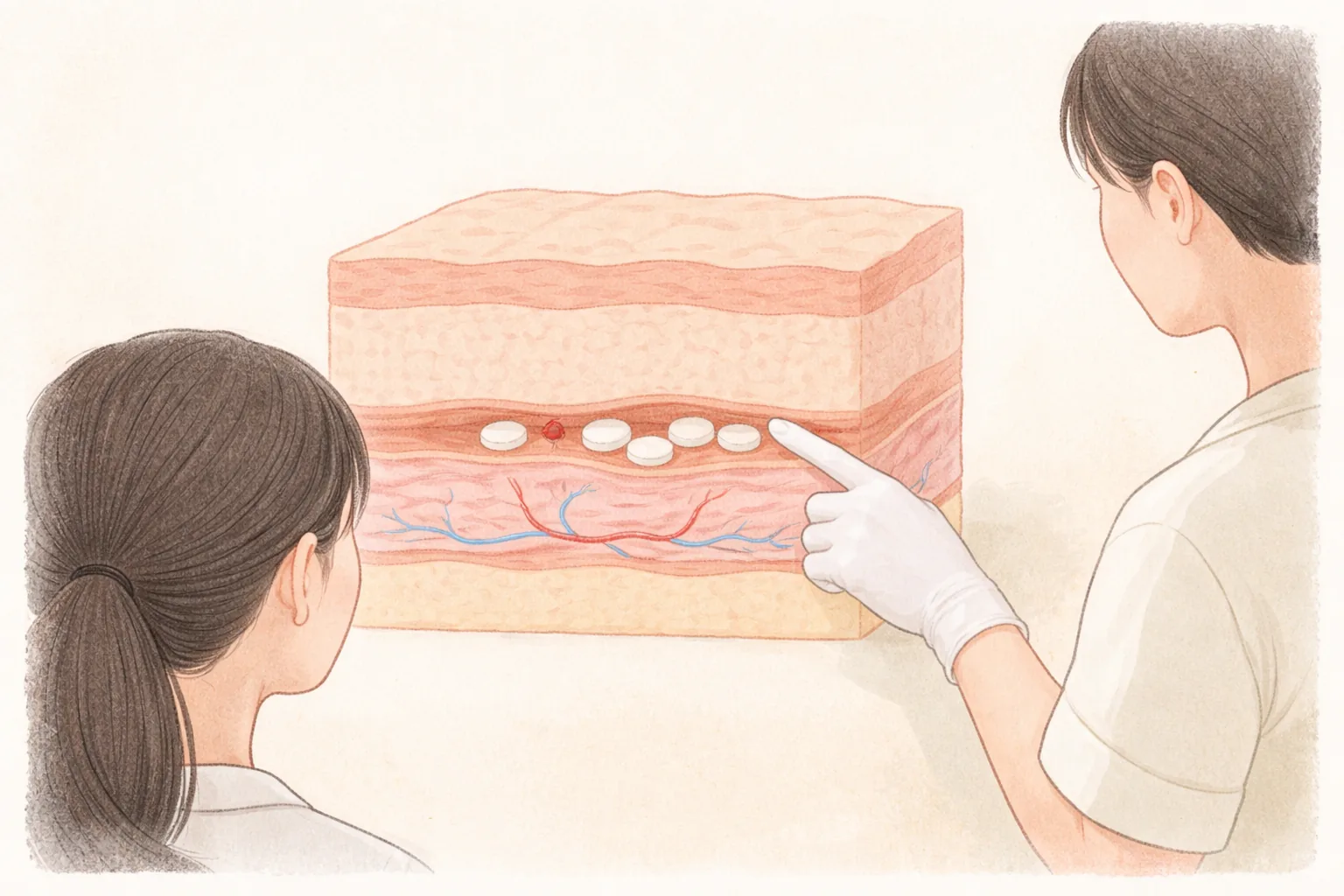
Cosmetic treatments are medical procedures. The AAD guide notes that treatments carry risks as well as benefits, and that practitioners weigh your medical history and skin health to decide which treatment suits you. Your medications are a core part of that history. At the consultation, they'll review which medications you take, since when, and why, along with any other conditions you manage, then decide whether to adjust the treatment area, intensity, or schedule.
Photos are more accurate than a list reconstructed from memory. Take pictures of your prescriptions or medicine bags, and write down supplements line by line. Do the same for past treatment records. If you bring which device, how many shots, how many kJ, which product and how many cc, along with your reaction at the time and the date, the doctor will review it (ATTITUDE Clinic column). This record becomes the starting point for the next plan. Whether to stop a medication is a decision for the prescribing physician; at the treatment consultation, it's enough to communicate exactly what you're taking.
What should you note down about allergies and past treatment reactions?
For allergies, the substance and the symptom matter more than a simple yes or no. Was it an anesthetic or an antibiotic? Was it hives or difficulty breathing? Writing this down makes the assessment far more specific. Whether redness, swelling, or bruising lasted longer than usual after a past treatment belongs in the same context. The AAD guide notes that reactions vary from person to person, and that a doctor who has treated many patients with a similar skin type and age range may be better able to meet expectations. That's why it helps to ask how often they've treated skin like yours.
If you're pregnant or breastfeeding, what should you check at the consultation?
Pregnancy and breastfeeding are items handled with particular care when planning a treatment. The consultation question list in the AAD guide also includes preparation, risks, alternatives, and recovery, so during this period you should look at timing and alternatives, not just whether to have the treatment at all. Telling them your pregnancy or breastfeeding status and plans, along with any important upcoming events, gives the practitioner a basis to judge when and how to proceed. Whether to go ahead, postpone, or choose another approach is decided during the consultation, and the consultation is where the information for that decision is gathered.
What do device, product, and consent checks actually cover?
The ATTITUDE Clinic treatment guide lists treatments and products by unit and states that all prices exclude VAT. Manufacturers are listed next to device names, so you can confirm which company makes which device. Using those names and units as a reference at the consultation to check what is being done and how much of it today is the starting point for gauging authenticity and dosage.
Consent is less a paperwork step than a confirmation of understanding. The AAD guide recommends confirming at the consultation how long the treatment takes and how many sessions are needed, whether anesthesia is used, the recovery period and when you can return to daily life, preparation and aftercare, realistically expected results, and the cost. You can also ask how many times the doctor has performed this treatment and how many patients with a similar skin type and age range they've treated.
The ATTITUDE Clinic consultation booking page notes that requesting a booking and confirming one are different, and that it is confirmed after the clinic reviews your request and contacts you. That's why it's fine to have a consultation and postpone your decision.
Table 1 What do device, product, and consent checks actually cover?
Device
How it delivers energy
What to review at the consultation
Ultherapy · Shurink
Lifting that focuses ultrasound (HIFU) into the skin
Number of shots and intensity, anesthesia method, how long swelling takes to settle
Thermage · XERF
Lifting that heats the skin with radiofrequency current
Pain and heat sensation, redness or swelling after the treatment, interval until the next session
Onda
Lifting using microwaves
Total energy (kJ), treatment area, how long it takes
Potenza
RF microneedling that delivers radiofrequency directly into the dermis to address pores and scars
Which tip and how many sessions, how long redness or flaking lasts afterward
Pico toning · Genesis toning
Managing pigment and tone with a 1064nm picosecond laser
History of pigment reactions, sun exposure habits, interval between sessions
Swipe sideways to see the whole table.
In summary A pre-treatment consultation isn't a formality; it's where the plan is built. Sharing your medications, allergies, pregnancy or breastfeeding status, and past reactions lets the practitioner weigh risks and alternatives, and confirming device and product names, units, recovery time, and cost helps you picture your schedule after the treatment.
Situations to consider
When an important event is only weeks away
Recovery time varies by treatment type, and the AAD guide also recommends checking at the consultation when you can return to exercise, work, and social events. If you have a photo shoot or a wedding where your face will be seen, mention the date first and review together whether recovery within that window is realistic. If the timeline is tight, it's better to reorder or delay treatments than to rush them.
When your skin is sensitive or prone to redness
Skin type, thickness, and healing speed vary from person to person, and so does how much the same stimulus triggers a reaction (ATTITUDE Clinic column). If redness usually lingers on your skin, that fact itself becomes a factor in setting intensity. If you've had another treatment recently, share when and what you had done.
When you take long-term medications
If you manage a long-term condition such as blood pressure, heart, or diabetes, bringing a photo of your prescription is the most accurate approach. At the consultation, the focus is less on how to change your medications than on what treatment and intensity are possible in your current state. Adjusting a medication is a matter to discuss with the prescribing physician; at the consultation, it's enough to communicate exactly what you take and why.
For international visitors on a short stay
If your schedule is short, recovery time and when you could return for a follow-up become the center of the plan. Rather than cramming consultation and treatment into one day, it's safer to leave room for a visit to check your recovery. As the booking page notes, requesting and confirming are different, so set your date after you receive the confirmation contact.
Tell them before your consultation Your current medications and supplements (photos of prescriptions and medicine bags), allergy substances and the symptoms they caused, pregnancy or breastfeeding status and plans, past treatments' devices, products, dosages, dates, and reactions, your current skin condition, and any unavoidable events such as weddings, photo shoots, or trips. With just these six items ready, even a short consultation covers almost everything needed to make a judgment.
How ATTITUDE Clinic handles this
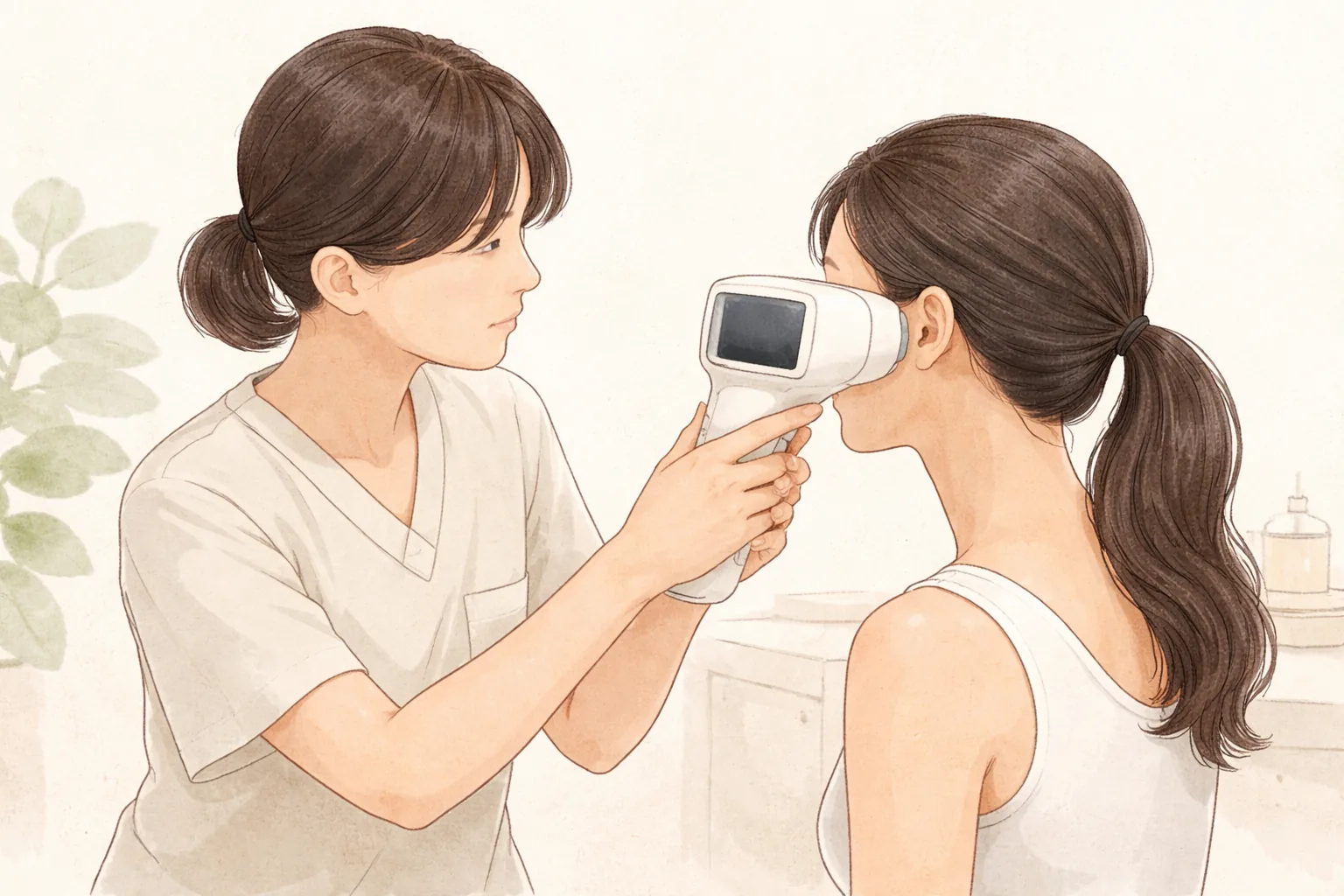
AI skin analysis record — Your skin is photographed and recorded so you and the practitioner look at the same information. The analysis tool is a reference that records and organizes information and does not make a medical diagnosis. The record doesn't push a particular treatment either.
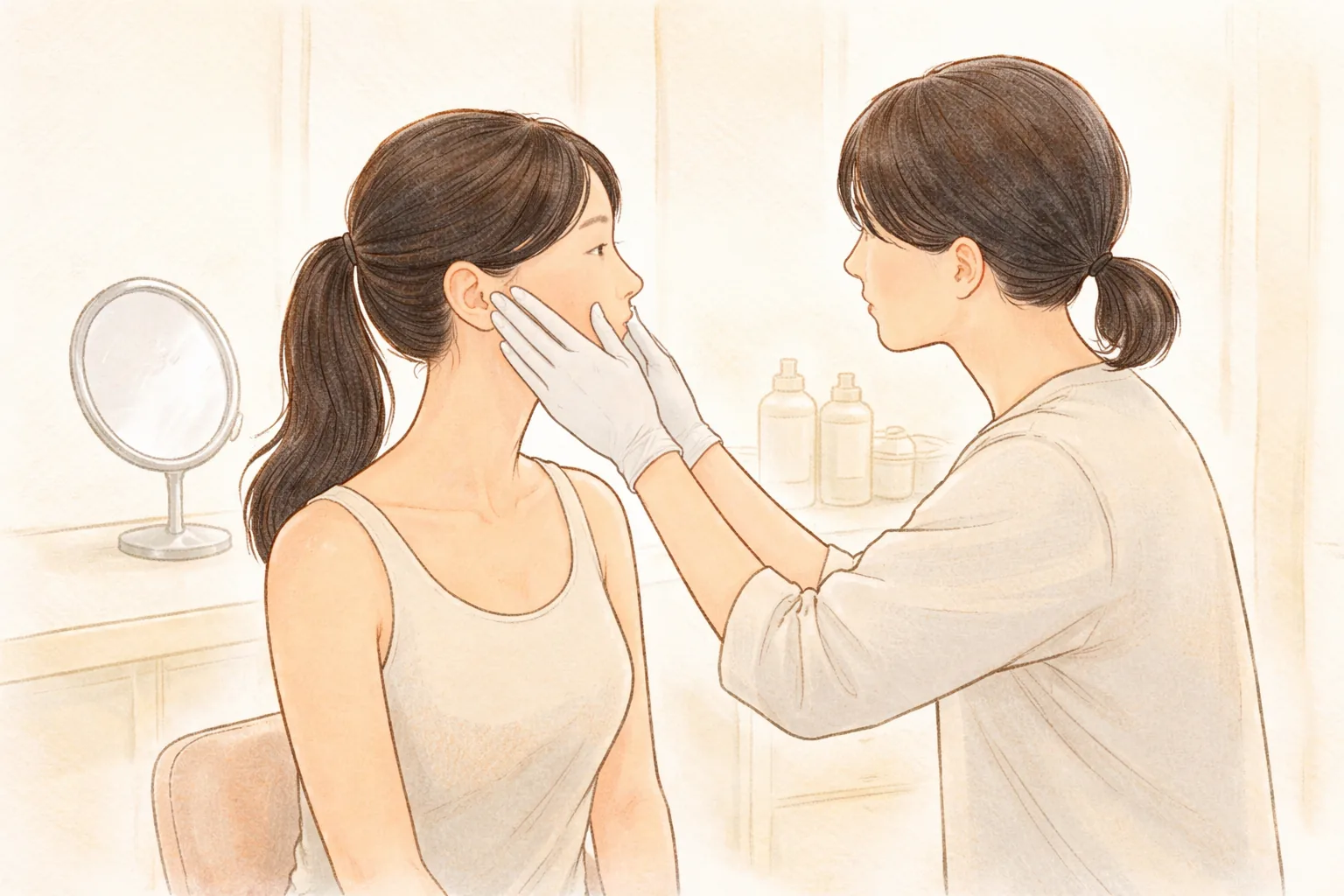
Doctor consultation — Your analysis record, plus your medications and medical history, allergies, previous treatment history, lifestyle habits, and the time available for recovery, are used to decide together what is needed and what isn't, and in what order and intensity.
Treatment performed by the doctor — The doctor performs the treatment according to the plan set at the consultation, adjusting intensity while watching your skin's response during the session, so that planning and execution stay aligned.
Recovery and follow-up — We check how reactions such as redness, swelling, tenderness, and bruising subside after the treatment, and if there are changes different from what was expected, we follow up with a consultation.
The devices covered under this topic include lifting devices such as Ultherapy, Shurink, Thermage, XERF, and Onda; Potenza for pores and scars; Pico toning and Genesis toning for pigment and tone; and Vbeam for redness and vessels. Which device to use is decided by looking at your concerns, skin condition, and available recovery time together, and treatment and product prices are listed by unit with VAT excluded (treatments and pricing guide).
Aftercare and side effects
Observe the immediate response — After lasers, energy devices, and injectable treatments, redness, swelling, tenderness (pain when pressed), and bruising are common and usually settle within a few days (ATTITUDE Clinic column).
Follow the return-to-daily-life timing — When you can return to exercise, work, and social events varies by treatment type, so go by the timing explained at your consultation.
Watch for delayed reactions — Some reactions, such as pigment changes, blisters, or lumps after injections, appear later. If they do, don't leave them and get them checked.
Contact promptly about unexpected changes — If there are changes going in the wrong direction, such as pain that doesn't improve and keeps worsening, don't wait it out; seek a consultation.
The common ones are redness, swelling, tenderness, and bruising, which usually settle within a few days. Rarely, temporary darkening or lightening of the skin, blisters, lumps after injections, burns, or scars can occur (ATTITUDE Clinic column). These reactions vary with the treatment, settings, and skin condition, so the doctor explains the risks before the treatment, and checks through a consultation if symptoms that don't settle continue.
Frequently asked questions
What if I don't know the exact names of my medications?
Bring a photo of your prescriptions or medicine bags, or a list of the supplements you take. At the consultation, which medications you take, since when, and why helps the assessment more than whether you've memorized the names. If you've received prescriptions from multiple clinics, one photo is the most accurate record. Treatment area, intensity, and schedule are set after reviewing the list.
Can I still have a treatment if I take long-term medications like blood pressure pills?
Whether it's possible depends on the type of medication, the reason you take it, and your current health, so it's decided at the consultation. The AAD guide also states that practitioners recommend treatments after considering medical history and skin health. Whether to stop a medication is a decision for the prescribing physician, and at the consultation it's enough to communicate exactly what you take and why. If you take long-term medications, bringing a photo of your prescription is a good idea.
Should I postpone treatment if I'm pregnant or breastfeeding?
Whether to have a treatment during this period requires an individual judgment, so the consultation reviews timing and alternatives together. The consultation question list in the AAD guide also includes checking preparation, risks, alternatives, and recovery, so pregnancy or breastfeeding status is the starting point for that judgment. If you're planning a pregnancy or there's a possibility, mention it first, and share any important dates as well. Whether and when to proceed are decided during the consultation.
How do I check authenticity and dosage at the consultation?
Confirming the names of the devices and products, the manufacturer, and the units is the starting point. The ATTITUDE Clinic treatment guide lists device names alongside manufacturers, such as Ultherapy and Thermage, and discloses prices by unit such as shots, kJ, cc, and vial, stating that all amounts exclude VAT. Confirming at the consultation how many shots, how many kJ, and how many cc are used today lets you gauge the dosage. Treatment and product prices can be checked in the latest official guide.
What should I look at when choosing a clinic for treatment?
The AAD guide also emphasizes that results depend heavily on the practitioner's skill and experience. So it helps to see how many times they've performed this treatment, how many patients with a similar skin type and age range they've treated, and how they explain risks and alternatives. Also check whether they answer specifically about preparation and aftercare, recovery time, and cost. It's fine to have a consultation and not decide.
At a glance
Table 2 At a glance
Item
Key points
Must share
Medications and supplements, allergies and past reactions, pregnancy or breastfeeding, current skin condition
What to prepare
Photos of prescriptions and medicine bags; past treatments' devices, products, dosages, dates, reactions
What to ask at the consultation
Risks and alternatives, realistic results, number of sessions and anesthesia, recovery time, preparation and aftercare, cost
Device and product checks
Name and manufacturer, units (shots, kJ, cc, vial) and total amount
Common reactions after treatment
Redness, swelling, tenderness, bruising — usually settle within a few days
When to contact promptly
Changes different from what was expected, such as worsening pain
This article offers general health information. It is not a substitute for diagnosis or treatment based on your own condition, so please talk through your situation with a doctor.