How Soon Does Onda Lifting Work and How Long Do Results Last?
A column from ATTITUDE Clinic on when changes appear after Onda lifting, how long results last, and how collagen remodeling and total energy (kJ) shape the timeline.
Written by ATTITUDE Clinic Editorial Team
Once you've booked Onda lifting, two questions come up most often. "When will I see a difference?" And "how long will it last?" So you don't judge too quickly in front of the mirror the day after treatment—or, on the other hand, wait months with no plan at all—this article looks at what determines when results show up and what governs how long they last.
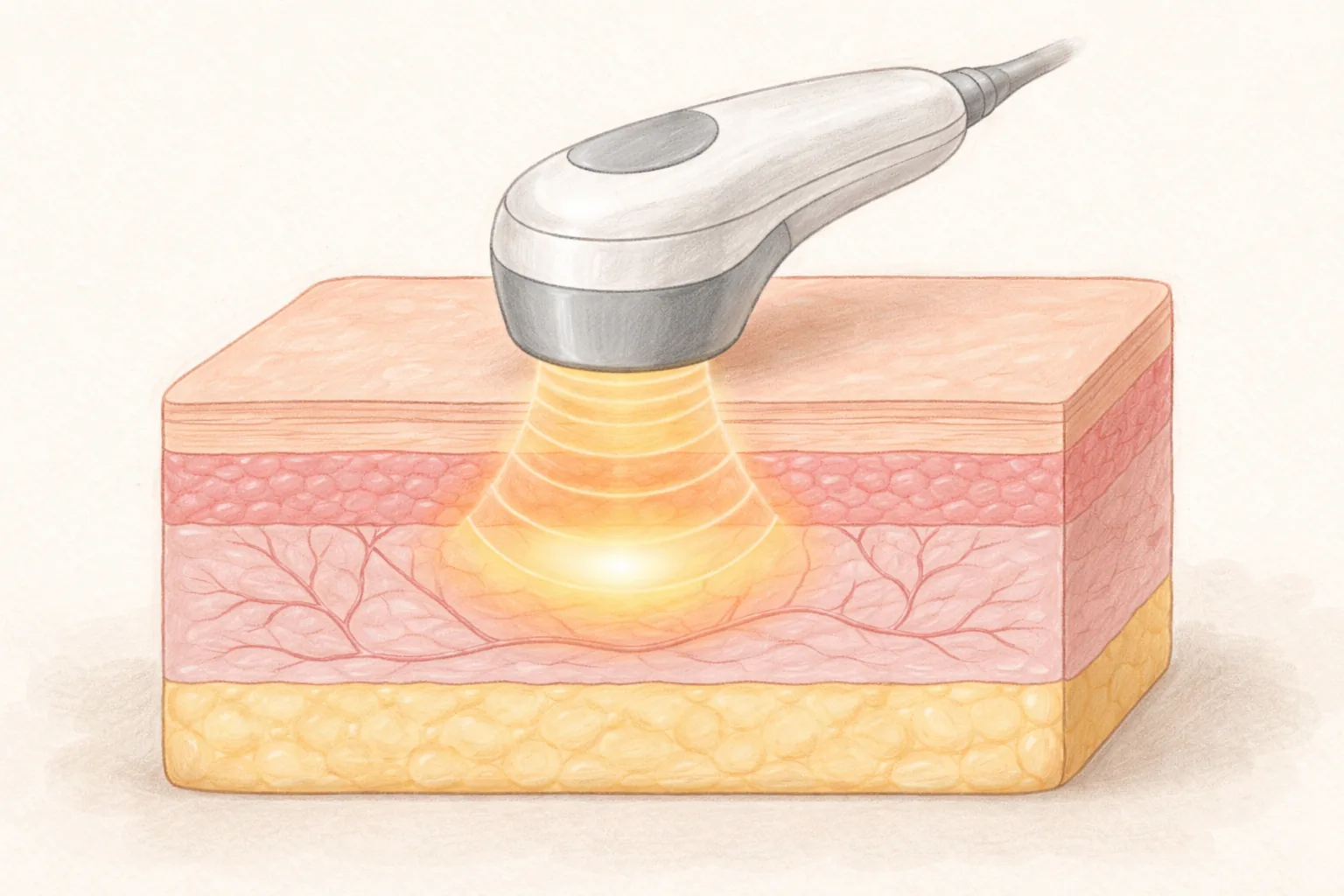
When tissue receives heat, collagen fibers briefly contract, and then a process of filling in new collagen begins. Just as your fingertips wrinkle when you dip them in hot water and pull them out, heat momentarily changes the shape of proteins—but the skin doesn't stop there; it reassembles the tissue over days to months. The visible change comes from this later phase.
Why do results show months later, not right after treatment?
One common misunderstanding splits here. You might mistake early firmness for the result, or, on the other hand, conclude it failed because you feel nothing. In both cases, you may simply not have entered the window where collagen is being rebuilt yet.
What determines when results appear and how long they last?
Second is skin thickness and structure. Depending on whether your skin is thin or thick and how dense the tissue filling it is, the same treatment intensity can produce different sensations and results. The face and body have different tissue thickness to begin with, so even the same total energy won't produce the same response.
Third is the plan. Which layer, to what depth, and with what total energy it was targeted—these decide the outcome. Even for the same concern of lost firmness, which device to use first, at what intensity, and whether to combine other treatments depends on the person's concerns, their tolerance for downtime, and how sensitive their skin is.
Fourth is interval and accumulation. Judging a single session's result too early makes you miss the chance to adjust the next interval and intensity. On the other hand, if intervals stretch too far apart, the previous response fades before changes can build up.
How should you plan face vs. body, sessions, and intervals?
Onda is divided into face and body, and both set ranges in units of total energy (kJ). The larger the area, the more the same total is divided up, so the kJ needed for the whole face differs from that for part of the jawline. That's why "how many kJ is good" comes after deciding which area gets how much. A small area like the jawline and double chin versus a broad area covering the cheeks and neck require entirely different plans.
Sessions and intervals are decided by looking together at your skin's recovery capacity, your tolerance for downtime (the period until redness or swelling after treatment subsides), and how combined treatments affect each other. Even with the same combination, doing it all at once versus splitting it up can change the recovery process and how it feels.
Table 1 How should you plan face vs. body, sessions, and intervals?
Category
Energy method
Layer and area targeted
Pattern of when you feel it
Onda (ONDA·DEKA)
Microwaves
Heat stimulation of facial and body tissue
Observe as sessions accumulate; timing varies by individual
Ultherapy·Shurink
High-intensity focused ultrasound (HIFU)
From the dermis to the SMAS (the thin membrane covering facial muscles)
Starts with no big change; if there is a change, it appears gradually over about 2–3 months
Thermage
Radiofrequency (RF)
Broadly from the dermis to subcutaneous fat
After early firmness (partly swelling), additional changes generally over 2–6 months
Skin-tightening treatments in general (general guidance)
Varies by device
Varies by layer and area
With a single session, between 2–6 months; best result around 6 months
Swipe sideways to see the whole table.
In summary The feel of Onda lifting comes not the day after treatment but over the months when collagen is being rebuilt. Rather than judging success or failure by one session's feel, it's better to accumulate sessions while adjusting interval and intensity. Duration depends less on a fixed number than on how fast your skin regenerates.
If this sounds like your situation
When a shoot or ceremony is months away
Since changes from this treatment arrive gradually, count backward from the date to decide when to start. Factoring in the time for redness and swelling right after treatment to subside, it's better to leave some margin. It's safer to avoid cramming the first session right before an event.
When you want to maintain results with steady care
Rather than a one-and-done approach, care that accumulates sessions while watching progress suits better. Recording the treatment date, total energy, and reaction at the time helps you set the next interval so each session can be compared under the same conditions.
The two areas differ in tissue thickness and surface area, so you'll first decide whether to treat them on the same day or split them. For larger areas, how the total energy per session is distributed decides how it feels.
Please tell us before your consultation
Recent UV exposure and outdoor activity, medications you're taking and active ingredients in your skincare, the device and dose of previous treatments, the intervals, how you reacted then, and any important dates coming up—sharing these helps us build your plan.
How ATTITUDE Clinic handles this
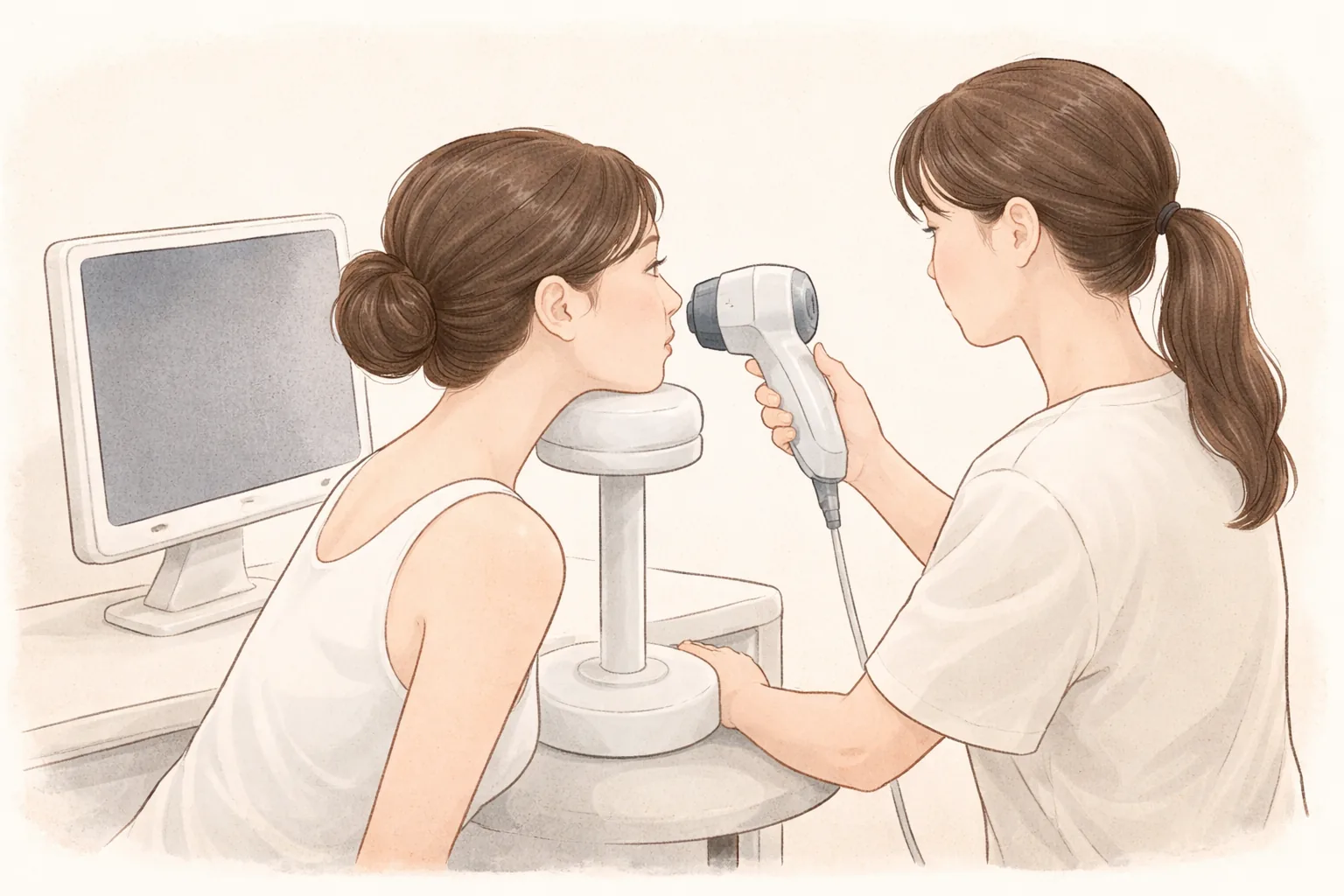
AI skin analysis record — We record and organize your skin condition so you and the doctor look at the same information together. The analysis tool only records and organizes information; it does not make a medical diagnosis, and judgment rests with the doctor. Receiving an analysis does not mean you must have a particular treatment.
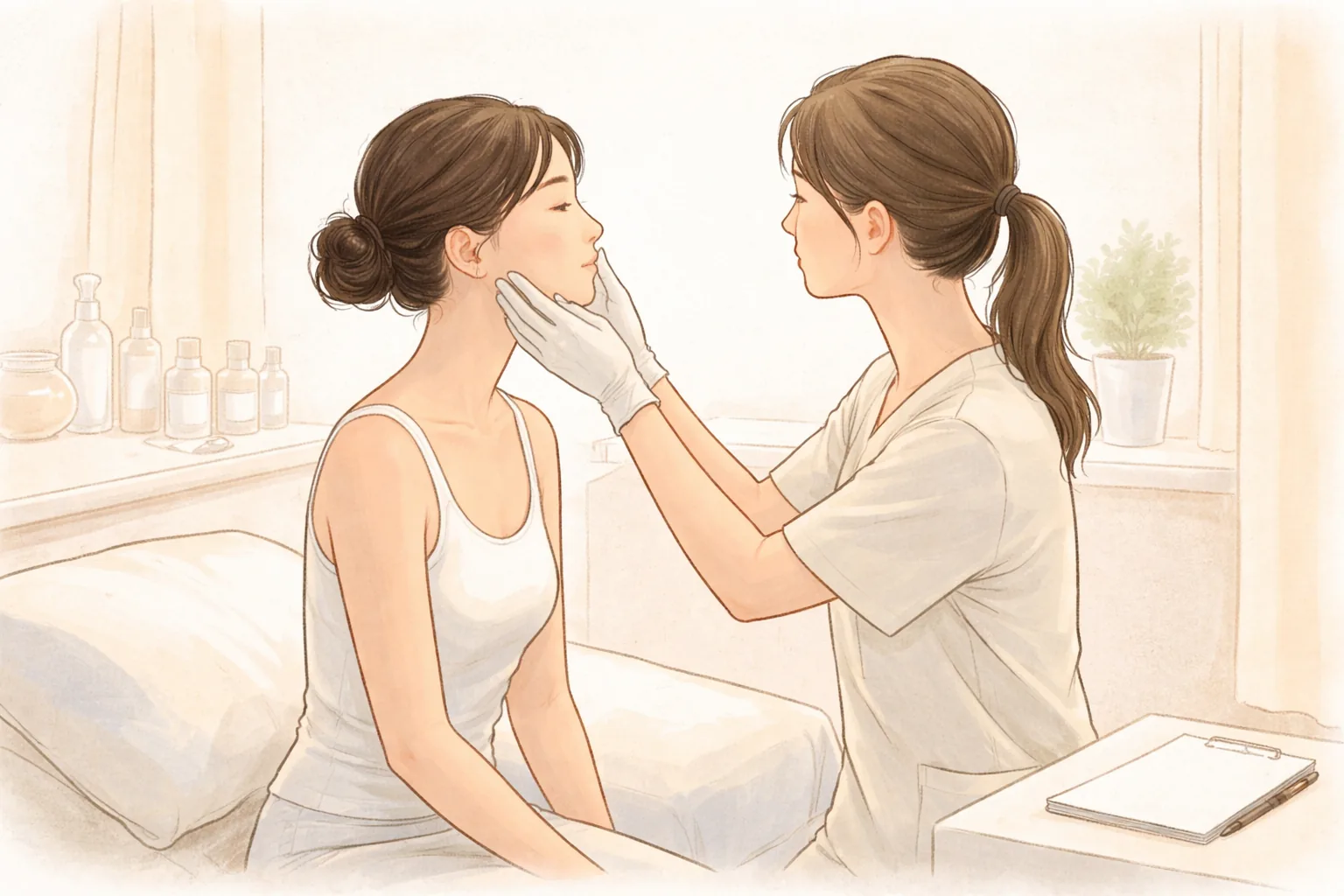
Doctor consultation — We add your concerns, lifestyle, and previous treatment records (device, shots or kJ, product, dose, date, reaction) to the record and decide together what is needed and what isn't, along with the combination, order, and intensity. Even with the same analysis result, the plan differs from person to person.
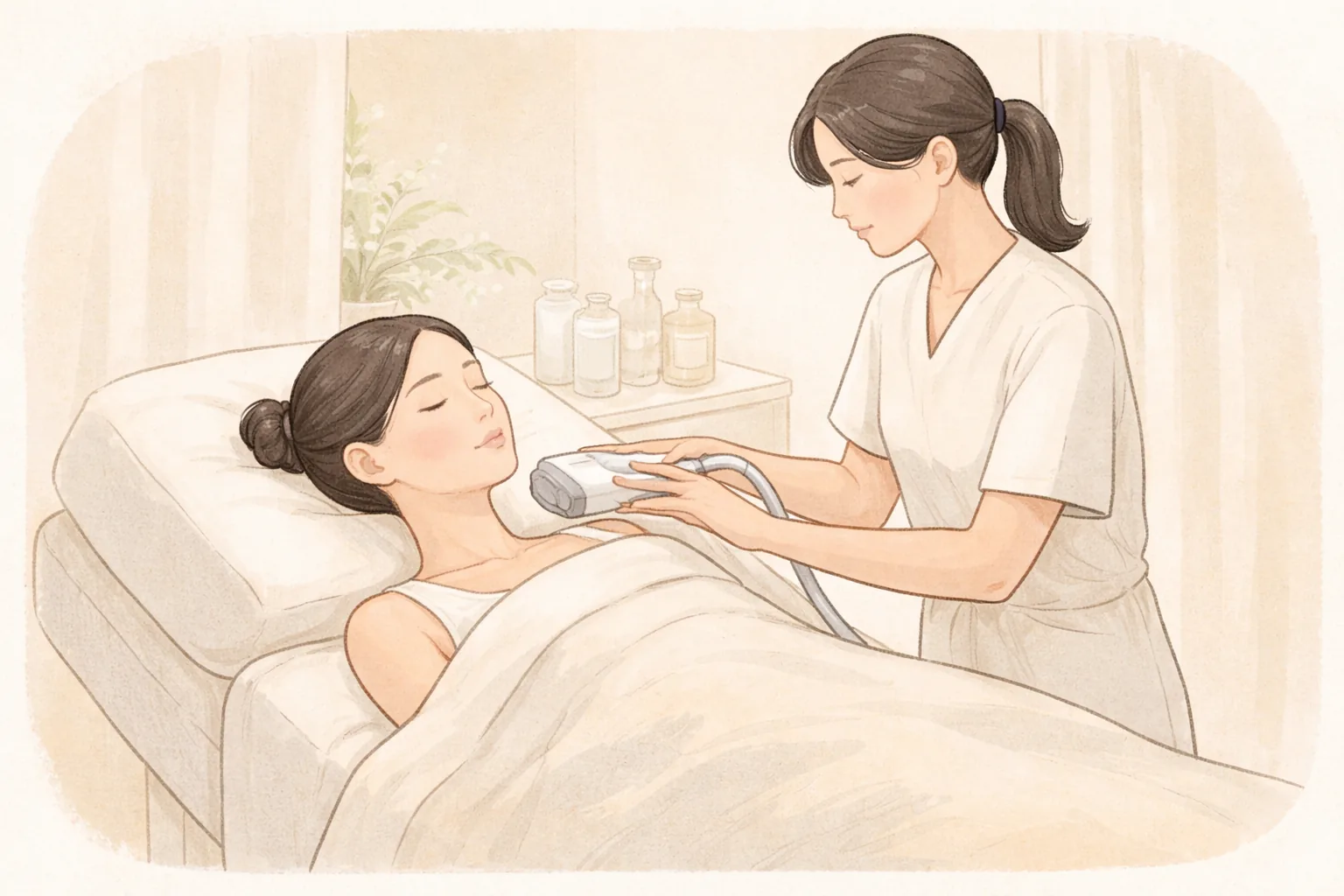
Treatment performed by the doctor — The doctor personally performs the treatment according to the plan set in consultation, adjusting while watching your skin's response during the session. This flow exists so the plan and execution don't drift apart.
Progress check and next interval planning — We review progress at each session and decide again whether to continue, the interval, and the intensity. Because duration varies greatly between individuals, we base decisions on progress rather than following a fixed cycle.
Soothing — For a day or two right after treatment, subtle redness and a mild warm sensation may remain from heat stimulation and usually fade on their own. It's better to avoid saunas, intense exercise, and alcohol on the day.
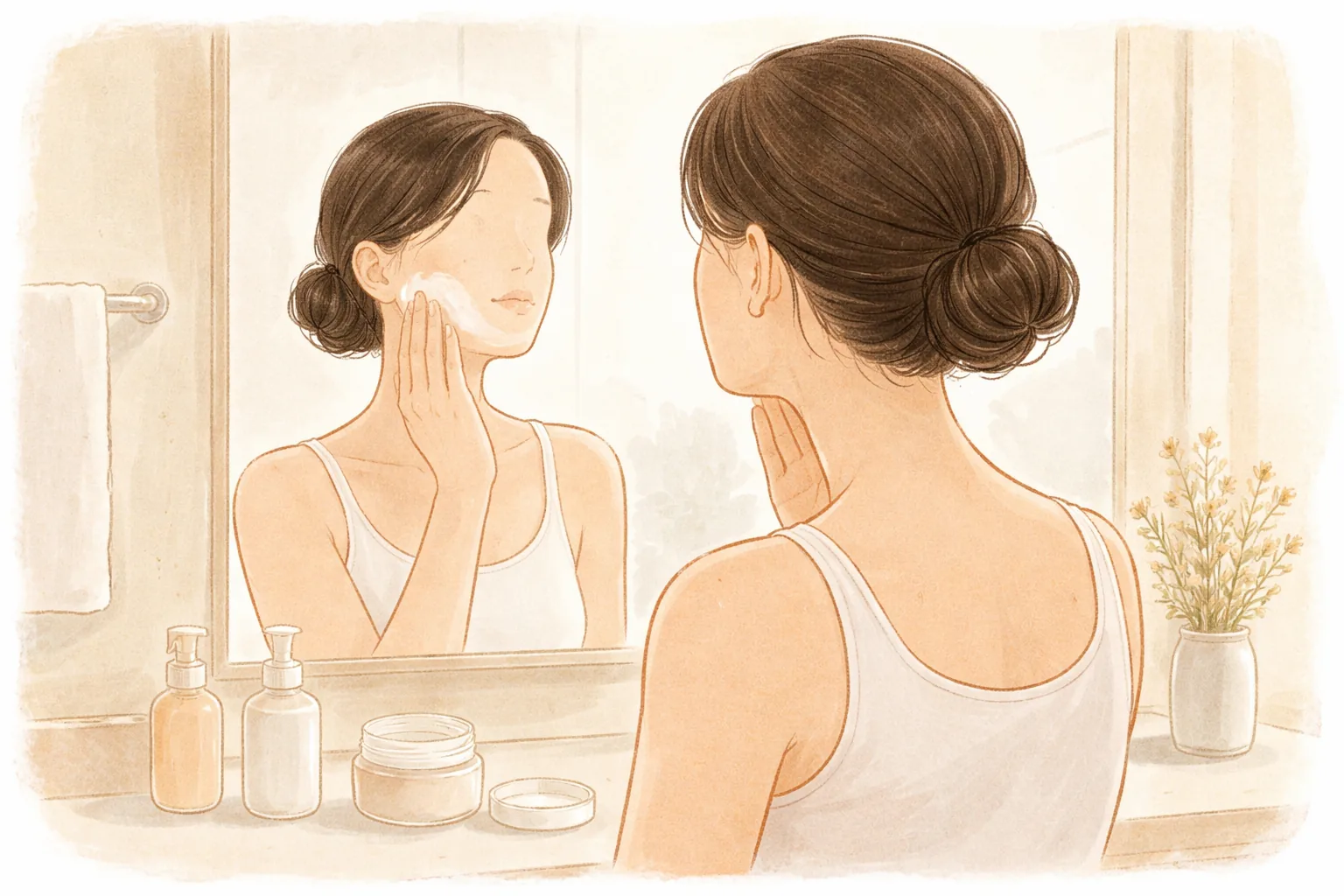
Moisturizing — Treated tissue tends to dry out while it recovers, so apply moisturizer more diligently than usual.
For a day or two right after treatment, redness and a mild warm sensation may remain, but they usually fade on their own. Pain varies widely with energy level and nerve density by area, so the same treatment can feel different, and it's better to avoid saunas, intense exercise, and alcohol on the day. In guidance for treatments in the same family, most consider makeup and daily life possible from the next day. Recovery speed varies between individuals, so if you have plans, it's safer to mention them during consultation.
Not right after treatment, but over collagen regeneration time; general guidance between 2–6 months, best result around 6 months
Pattern by device
HIFU family: if there is a change, gradually over about 2–3 months; radiofrequency family: after early firmness, additional changes over 2–6 months
Factors that set timing
Collagen regeneration rate (age, lifestyle, hormones), skin thickness and structure, plan and total energy, interval and accumulation
Duration
Varies greatly between individuals; with appropriate care, advised up to 2–3 years, and repeat timing decided by progress
Session planning
Ranges are set not by shot count but by total energy (kJ), area size, and condition
After treatment
Reactions such as redness, swelling, tenderness, and bruising are common and usually subside within a few days; check promptly if something is unexpected
This article offers general health information. It is not a substitute for diagnosis or treatment based on your own condition, so please talk through your situation with a doctor.