Onda Lifting Korea: How Much Does It Hurt and How Is Anesthesia Planned?
Onda lifting Korea and Onda Coolwaves review questions often start with pain. Here is what actually sets the sensation — energy level, treatment area and skin thickness — plus how anesthesia is decided in consultation.
Written by ATTITUDE Clinic Editorial Team
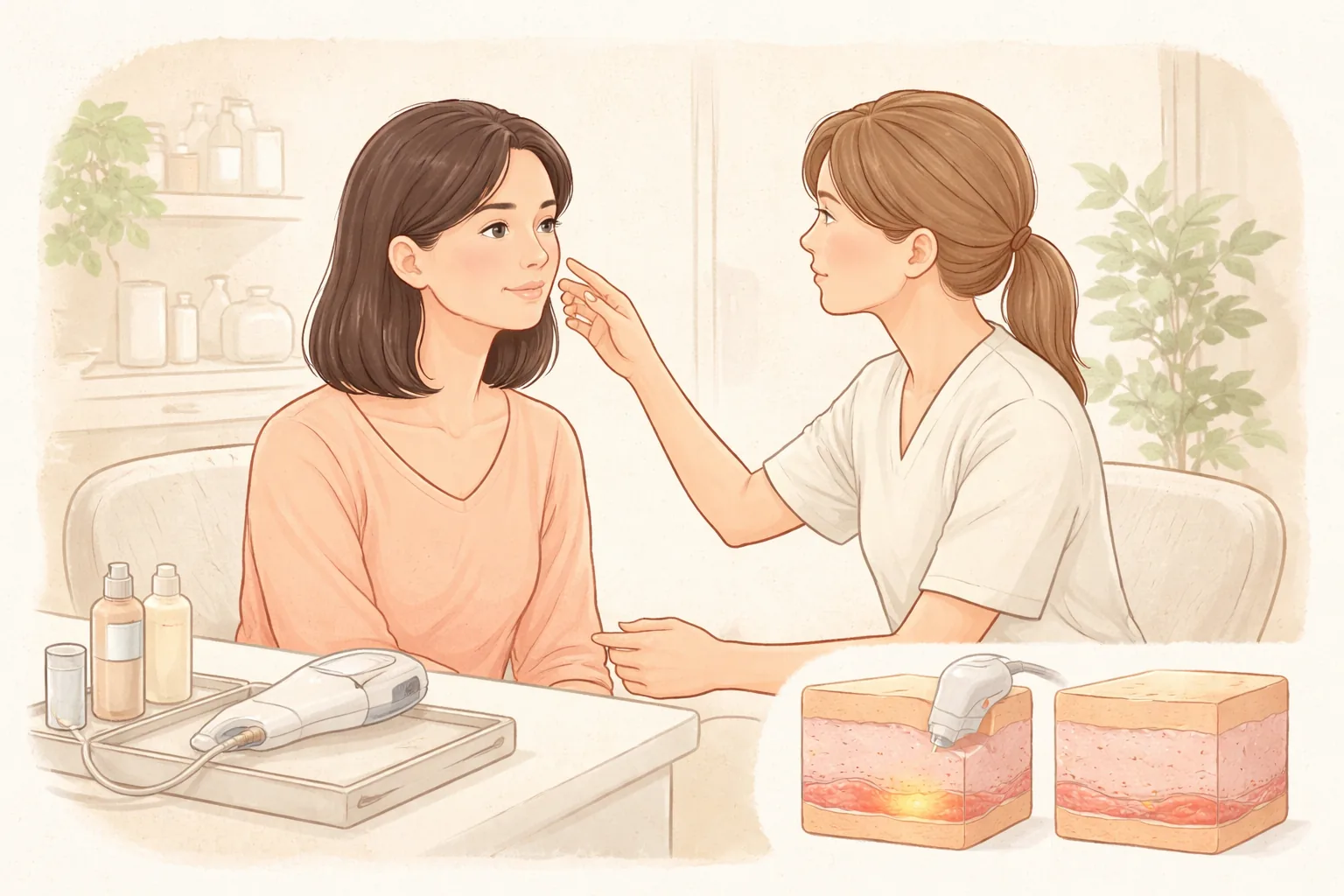
Onda lifting Korea searches often begin with one question: how much does it hurt? Some accounts say it is barely painful, while Onda Coolwaves reviews describe heat building up and feeling hot, so it is hard to tell which one applies to you. This article starts with what Onda does beneath the skin, then covers the conditions that actually determine pain and how anesthesia is matched in consultation. The consultation flow for deciding whether to look at face or body first is covered separately, so it is only noted in one line here.
The short answer
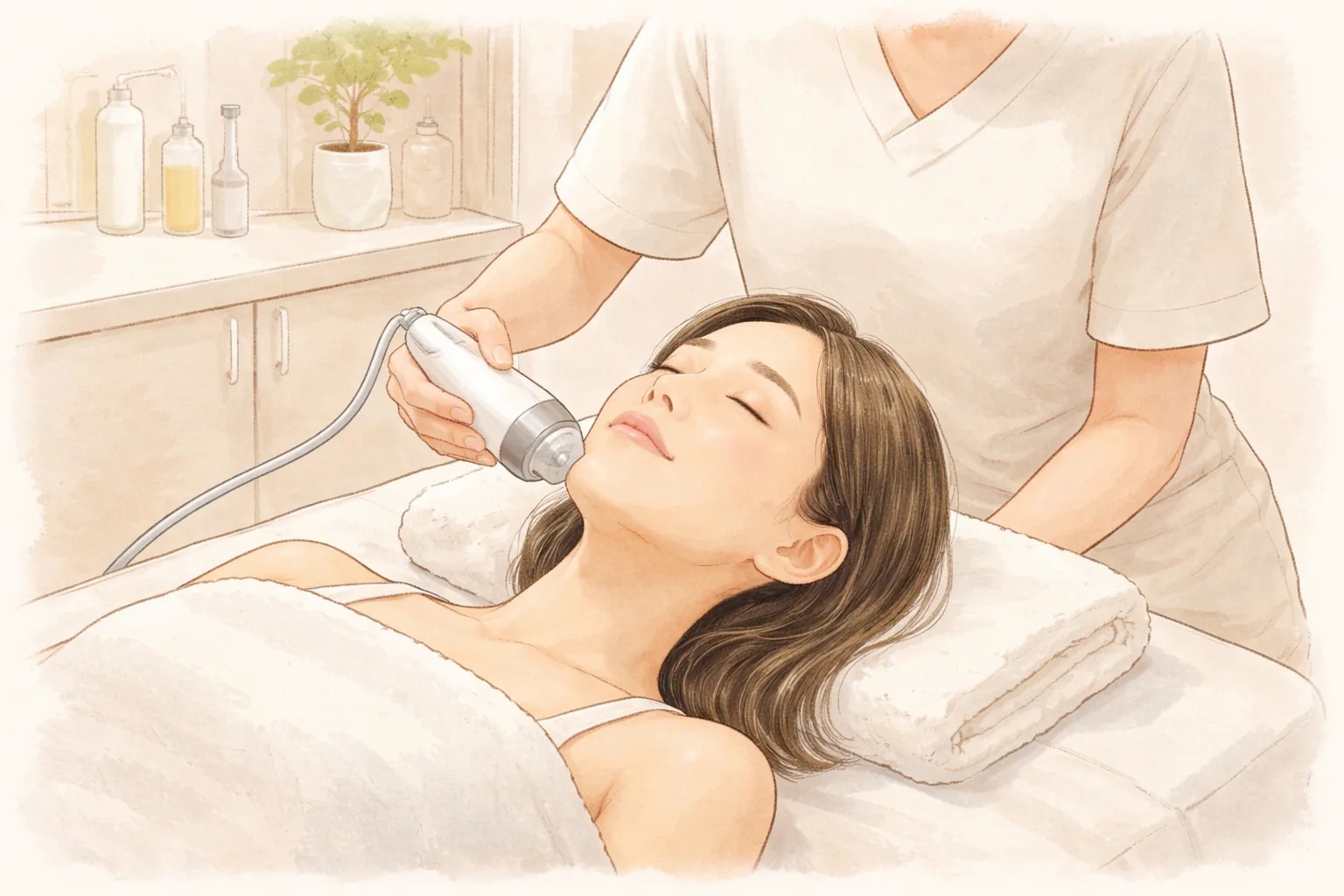
The degree of pain is not set by the device name. It is set by the energy level chosen that day, the nerve density of the treatment area and skin thickness. Onda is a device used for face and body lifting that uses microwaves — energy that creates heat inside the tissue, not at the skin surface. In heat-based lifting, the higher the energy level and the more shots delivered to one area, the stronger the heat stimulation and the more pain tends to rise with it. Anesthesia type and scope are decided in consultation, and the level can be adjusted during treatment based on skin response. So in consultation, "how do you set the level for my skin and area" is a more useful question than "is Onda painful?"
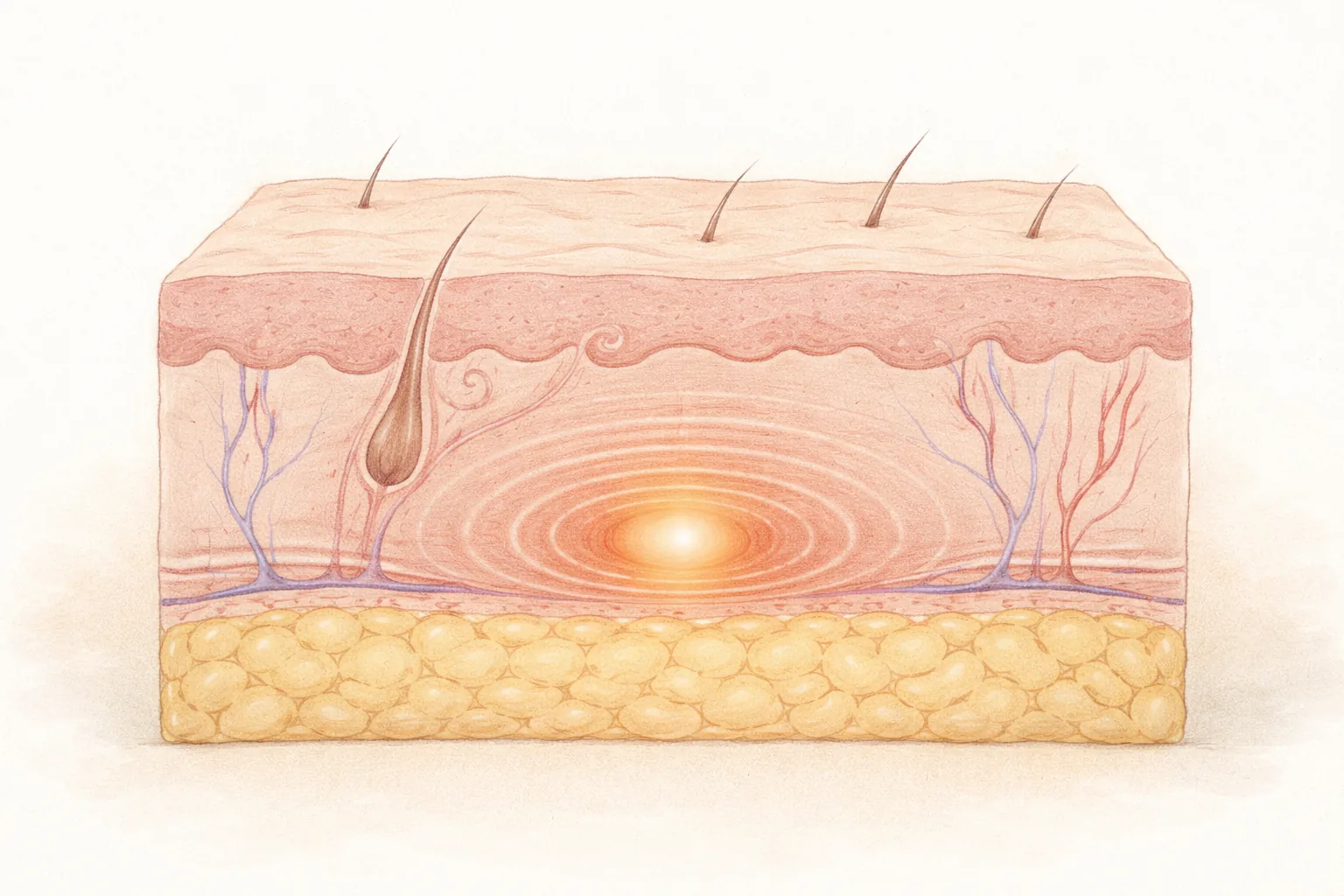
Where in the skin do microwaves create heat?
The ATTITUDE Clinic treatment guide lists Onda as a lifting treatment using microwaves, divided into face and body, with total energy shown in kJ. Even among lifting devices, the way heat or ultrasound is delivered and how deep in the skin the stimulation reaches differ.
According to the ATTITUDE Clinic lifting column, Ultherapy and Shurink Universe (HIFU) create small heat points at a set depth using focused ultrasound, while Thermage FLX is closer to heating broadly from the dermis to the subcutaneous fat layer using radiofrequency. Onda belongs to a separate microwave category, so even at the same level, the location where heat is created and the range it spreads differ. Pain ultimately comes down to where this heat sits and how long it stays.
The American Academy of Dermatology guide notes that skin firming treatments in general may involve some discomfort during the procedure, but usually only to that extent. It is not a source about the pain of a specific device, but guidance within the category of firming treatments. The same guide adds that costs are not covered by insurance, so check in advance.
What sets pain: level, area and skin
The lifting column names energy level and nerve density by area as the reasons pain varies so much between treatments and areas. The higher the energy level and the more shots delivered to one area, the stronger the heat stimulation delivered. A case with marked sagging that needs strong energy and a preventive case using low energy can feel very different even on the same device.
Area also changes the outcome. Areas close to bone with dense nerves, such as the jawline, cheekbones, forehead and eye area, tend to feel more sensitive, while thicker areas like the cheeks feel less even at the same energy. That is why your expression changes depending on which part of the face the device is passing over, even within the same session.
There are differences in the skin itself. According to the column on why results differ even from the same treatment, skin type, skin thickness and structure, and regeneration speed differ from person to person, so the same level of treatment can produce different sensations and results. If the skin is thin and the tissue beneath is densely packed, the same level may feel stronger.
Does the device really make it less painful?
This is not to say that choosing a device with less pain is meaningless. But even on the same device on the same day, if the total energy and area settings differ, the sensation differs. In the treatment guide, Onda face is listed in the 40kJ to 120kJ range and body in the 80kJ to 360kJ range, so even a treatment with the same name, which range it falls into accounts for half the pain story.
Even with the same Onda, face and body do not feel the same. The area size and tissue thickness differ, so the time heat stays differs, and which area gets more time also differs between sessions. This is why it is hard to predict your sensation from the device name alone.
What does anesthesia decide, and what does it change?
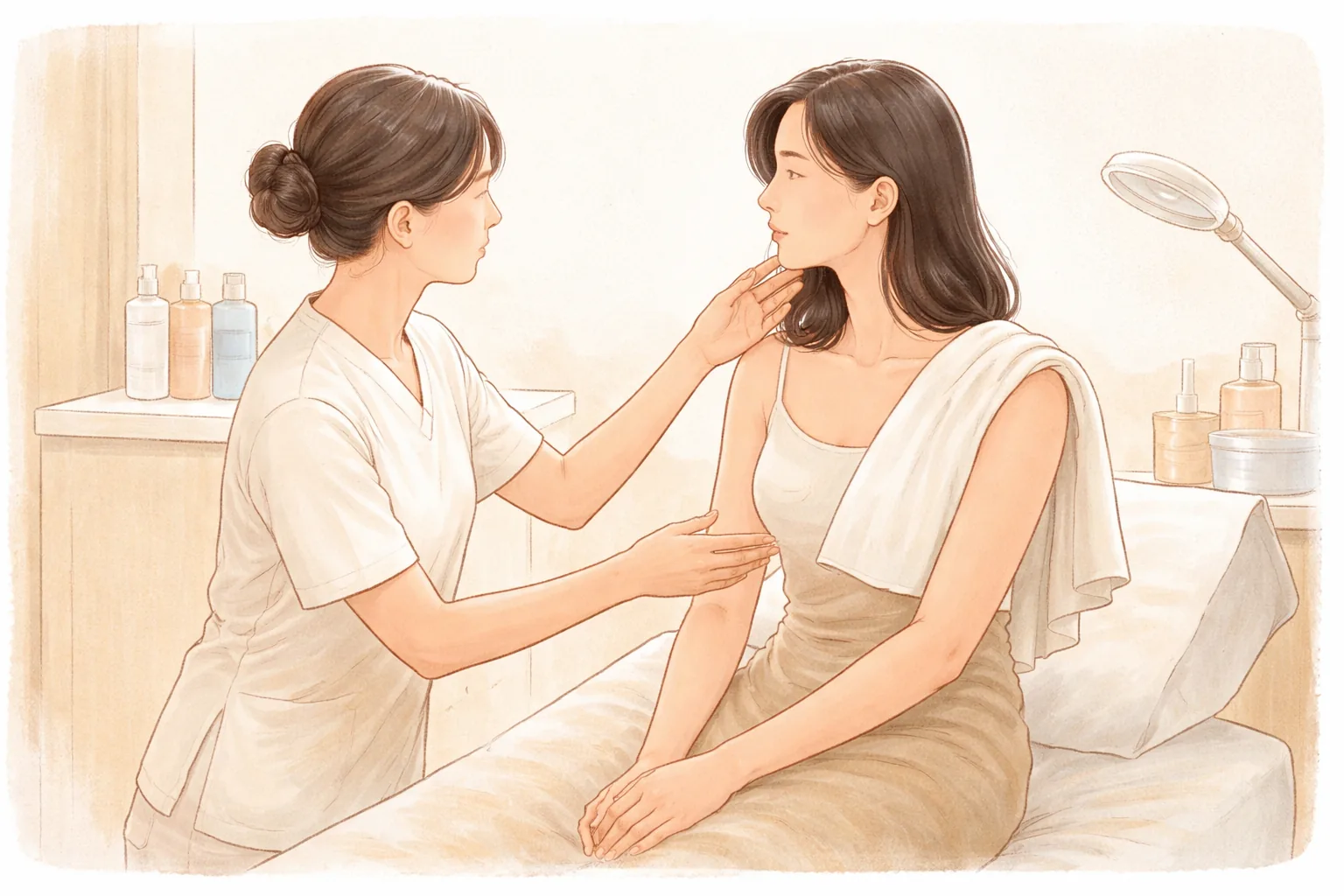
The lifting column advises that if you are sensitive to pain, tell the clinic during consultation, and states that the anesthesia method is guided in consultation. Anesthesia is less a switch that removes pain and more preparation to deliver the planned energy to the end. The type and scope of anesthesia depend on skin condition, treatment area and the energy level set that day.
The same column describes fine intensity adjustment at the treatment area, anesthesia management and the process of adjusting based on skin response during treatment as areas that cannot be filled by a manual. So saying in advance in consultation, "I am on the sensitive side with pain," becomes the starting point of the plan. Medications you are taking and products you apply to the skin are also items to check along with the anesthesia plan.
Table 1 What does anesthesia decide, and what does it change?
Category
Energy method
What it does in the skin
What to look at for pain
Ultherapy · Shurink Universe
Focused ultrasound (HIFU)
Creates small heat points at a set depth
Described as deep and stinging, with wide variation by energy level and area
Thermage FLX
Radiofrequency (RF)
Heats broadly from the dermis to the subcutaneous fat layer
A warm sensation that persists; wider areas affect time and intensity
Onda
Microwave
Creates heat in tissue beneath the skin for face and body lifting
Sensation varies with the total energy (kJ) range and area settings, adjusted in consultation
Swipe sideways to see the whole table.
In short Onda pain is not a fixed value set by the device; it is a value created together by that day's total energy, the area and skin condition. So asking "how do you set the level for my skin thickness and area" is reflected in the actual plan more than asking "how much does it hurt." Anesthesia scope and intensity are also decided in the same consultation.
If this applies to you
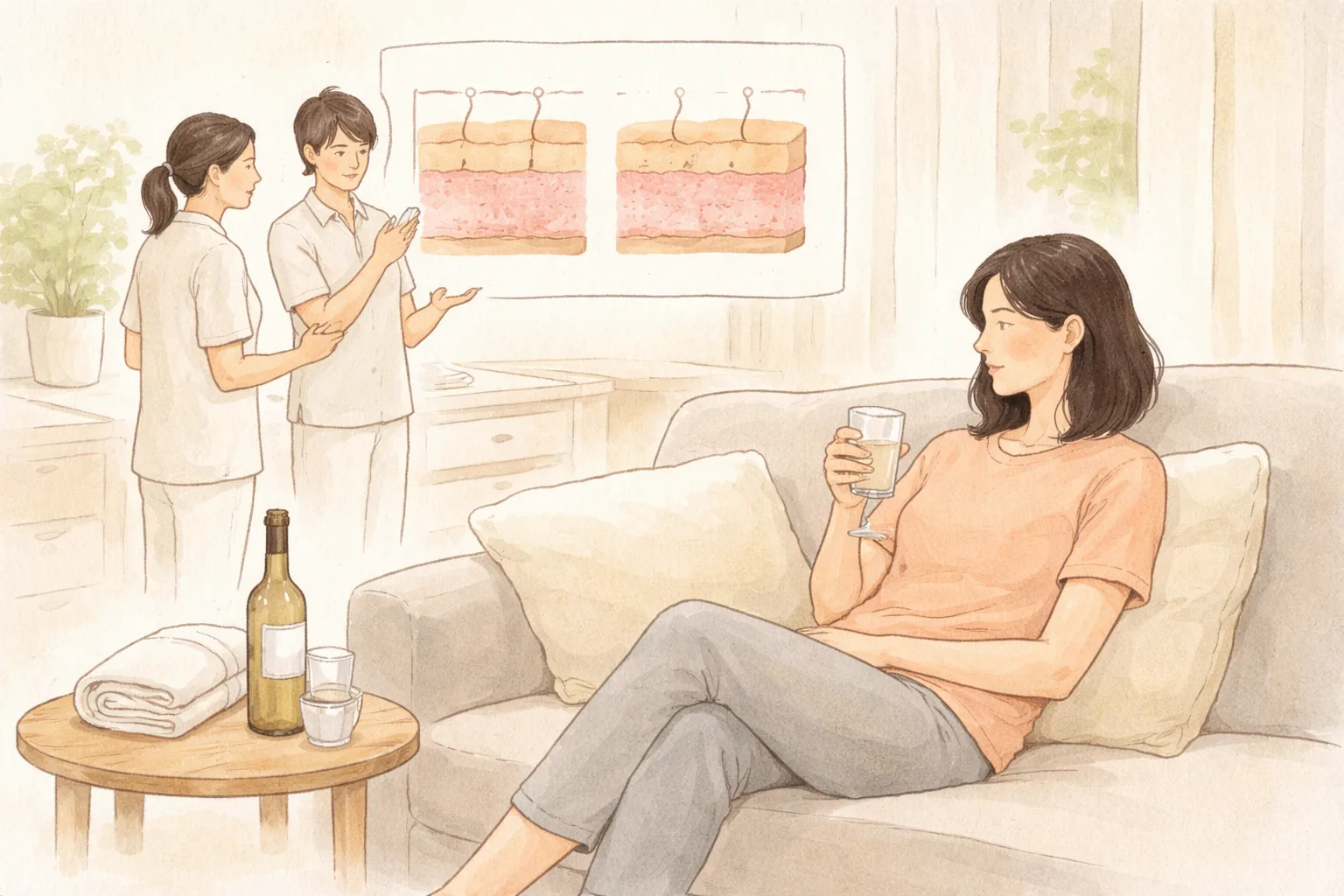
If you have a drinking plan the day before or plan to take painkillers in advance
It is better to avoid saunas, intense exercise and alcohol on the day. How much taking painkillers in advance will reduce pain depends on the medication and the treatment plan, so rather than deciding on your own, it is better to tell the clinic in consultation. Your medication history also affects the anesthesia plan.
If you have had pain that lasted a long time after a previous treatment
If you remember which device, which area, how strongly it was done and how long it hurt, it can be reflected in the plan. Bringing previous treatment records (device, shots or kJ, product, dose, date, response) lets the doctor review them. Even for the same area, there is room to set the level and order differently.
If an important shoot or ceremony is 2–3 weeks away
After lifting, redness, swelling and tenderness may remain for a few days. If your schedule is tight, the plan is set by calculating recovery time first rather than pushing the level. If you tell the clinic the date in consultation, the timing and intensity are adjusted together.
If you are planning face and body on the same day
As areas increase, total treatment time and total energy increase together. Whether to finish in one day or split it is decided based on skin response and recovery margin. Whether done at once or split, the recovery process and sensation can differ.
Please tell us before consultation Recent treatment history (device, shots or kJ, product, dose, date and response at the time), medications you are taking and products you apply to the skin, experiences of prolonged pain, redness or bruising from previous treatments, periods when your skin became sensitive and history of allergic reactions, fixed dates such as ceremonies and shoots, and recent sun exposure.
How ATTITUDE Clinic proceeds
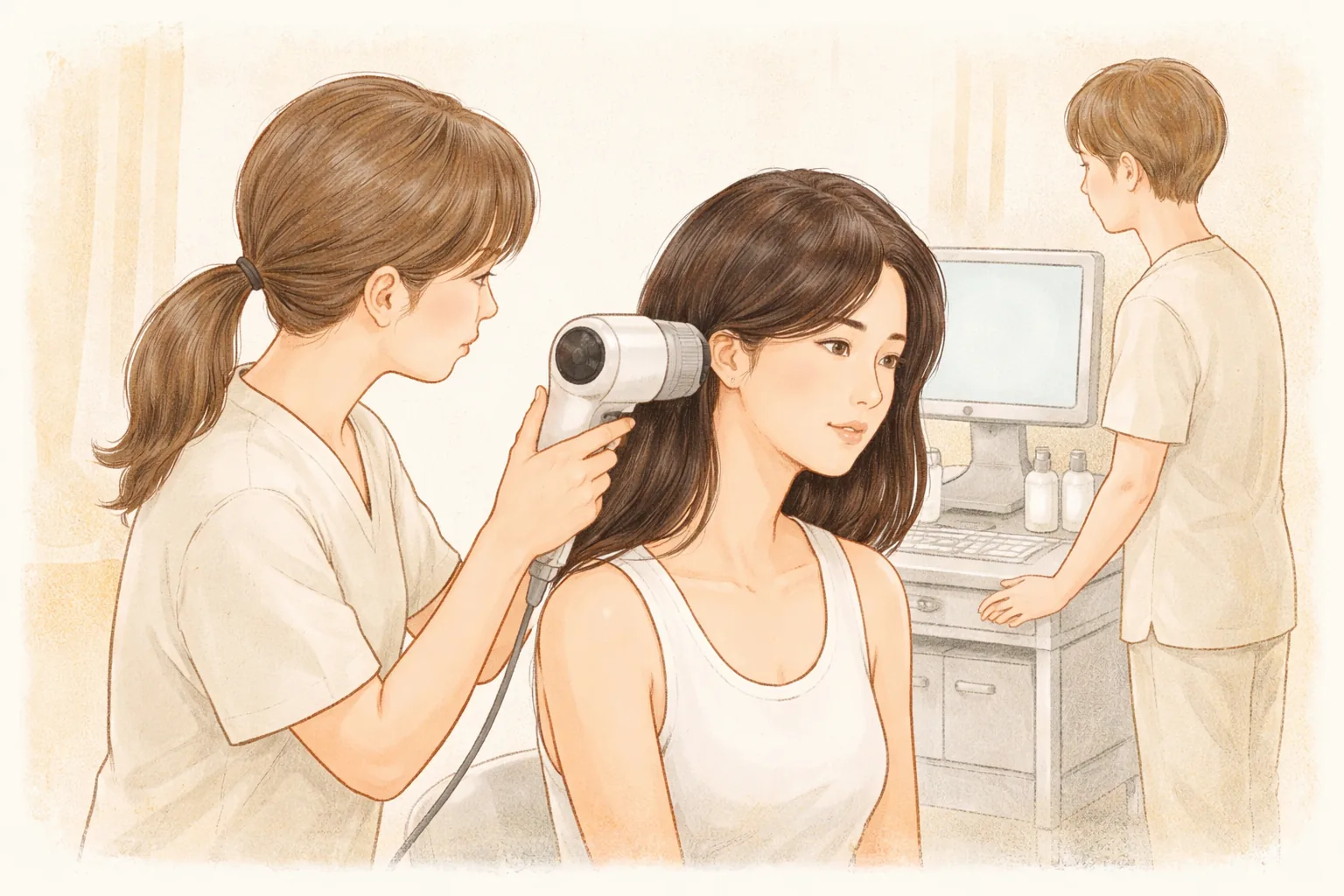
AI skin analysis record — Skin condition is recorded and organized so the same information is viewed together. The analysis tool only records and organizes information and does not make a medical diagnosis; interpretation and judgment are made by the doctor.
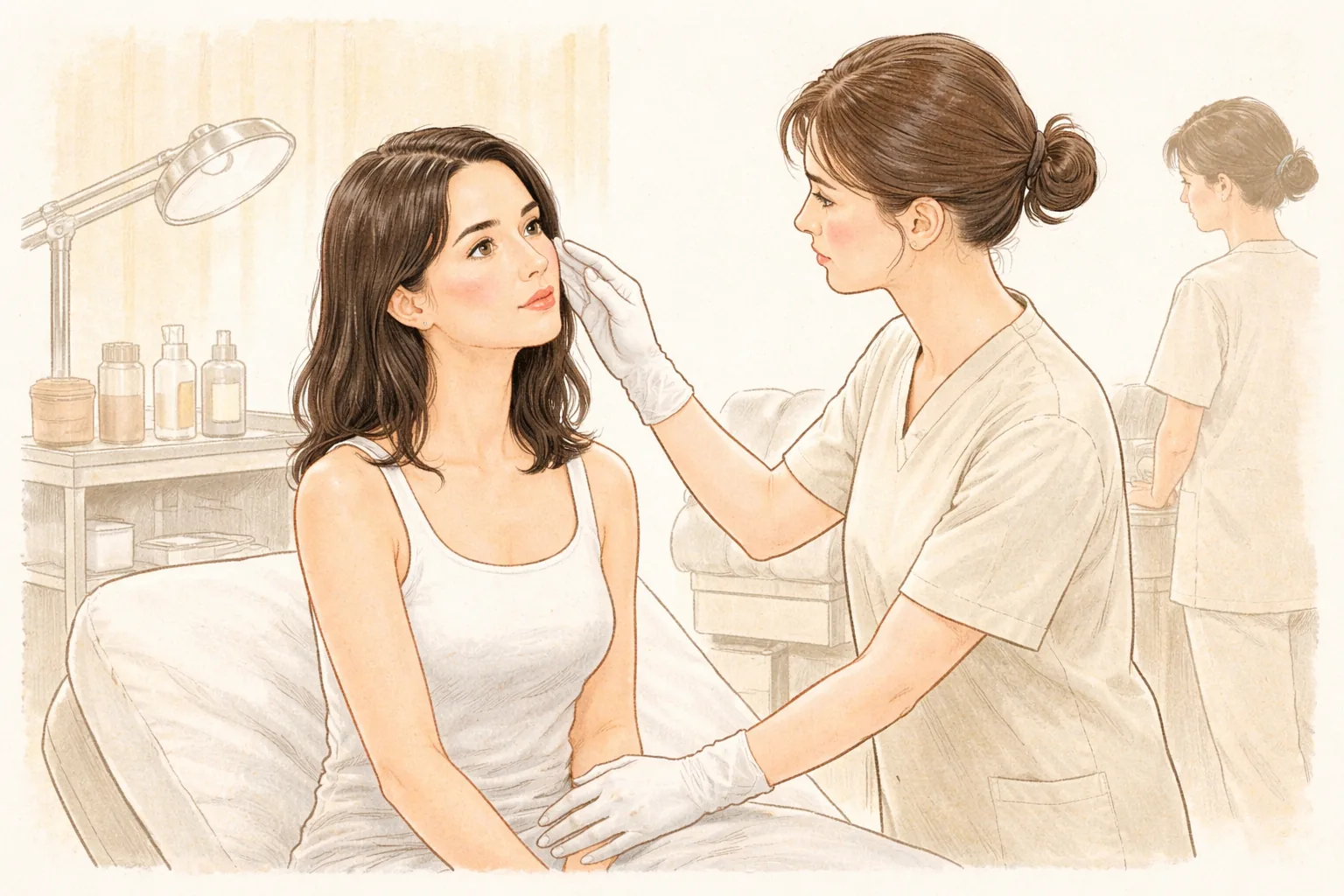
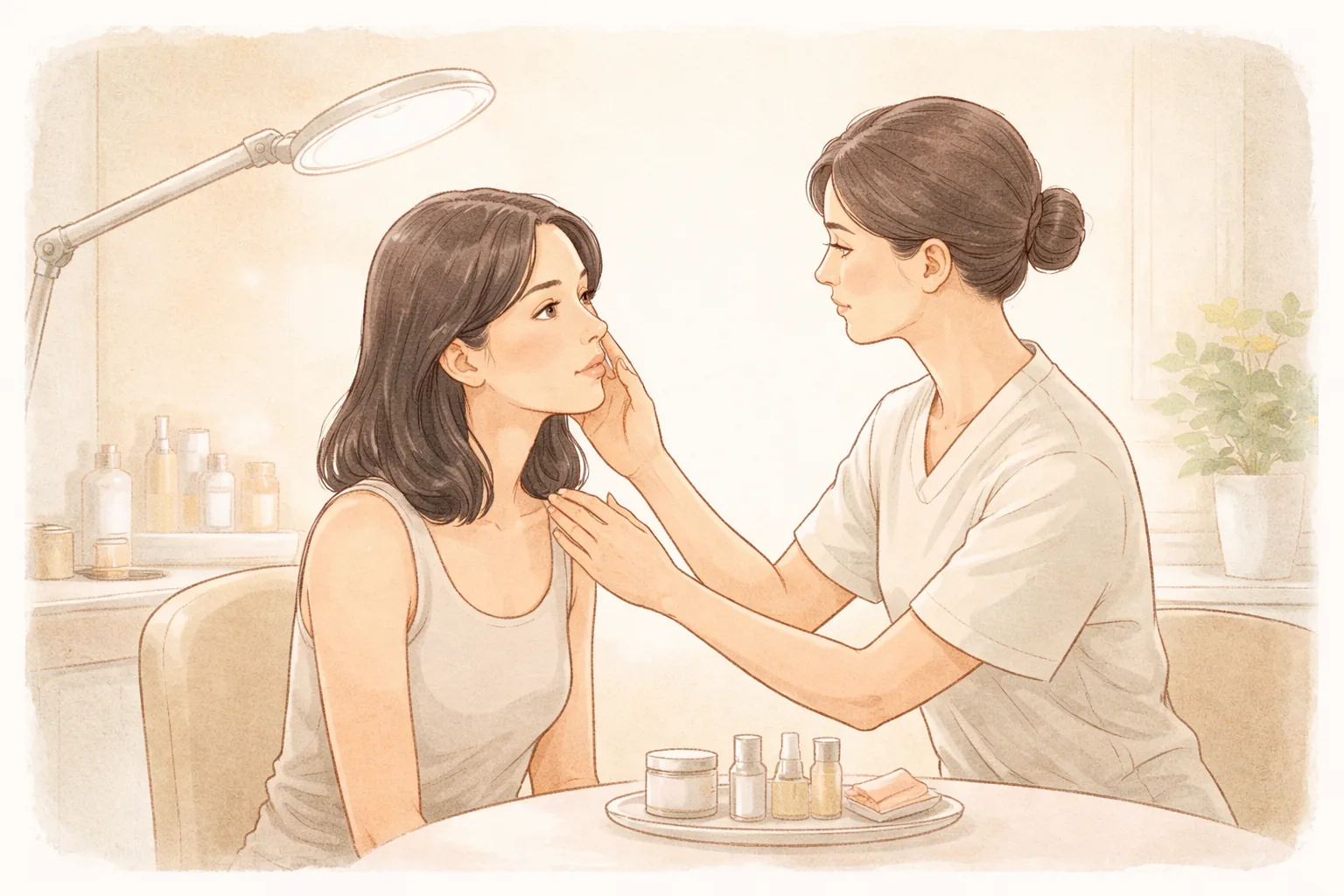
Doctor consultation — The analysis record is combined with your concerns, lifestyle habits and previous treatment experience to decide the combination, order and intensity. How sensitive you are to pain, how to set anesthesia options and which range the total energy should fall into are also decided at this stage.
Treatment performed directly by the doctor — The doctor performs according to the designed plan and adjusts based on skin response during treatment. This flow exists so the plan set in consultation and the actual treatment do not diverge.
Recovery and care — Response after treatment is checked and the next visit is scheduled. Prices are disclosed by unit and are the same amount on any language page, with VAT separate.
The devices guided for this topic are Onda (DEKA, microwave), Ultherapy and Shurink Universe (HIFU focused ultrasound), and Thermage FLX (RF radiofrequency). The way heat is delivered and the depth the stimulation reaches differ, so even for the same firmness concern, what to use first differs.
Aftercare and side effects
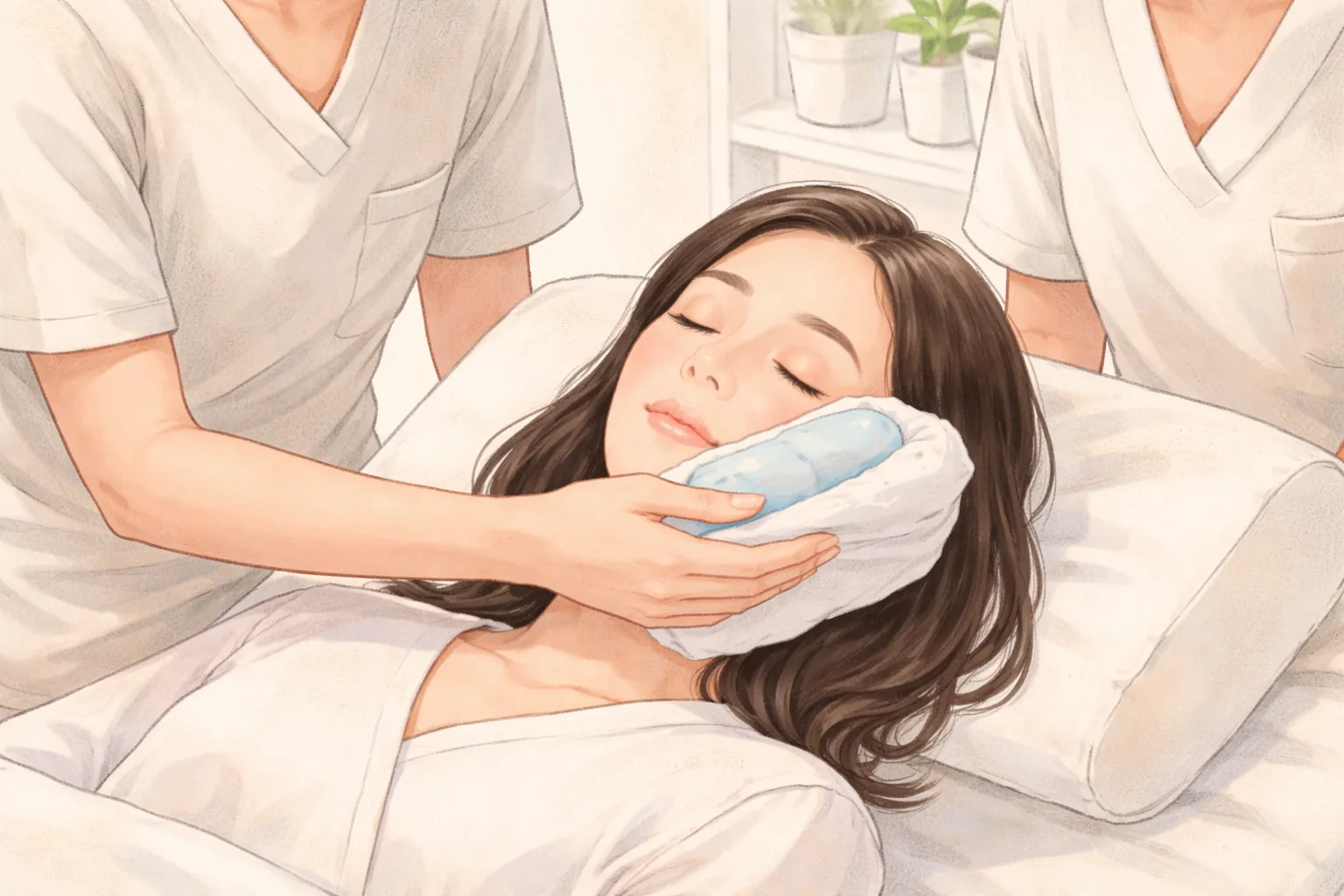
Soothing — Right after treatment, redness and a mild sense of heat may remain due to heat stimulation. Cold compresses may help with swelling, and the method is confirmed with the medical team.
What to avoid on the day — It is better to avoid saunas, intense exercise and alcohol on the day.
Sun protection — For a few days after treatment, the skin barrier is temporarily weaker, so apply sunscreen more carefully than usual. Sun exposure during this period can lead to pigmentation.
Checking progress — See when redness and swelling settle and whether pain decreases. Most people can return to daily life including makeup from the next day.
Common reactions are redness, swelling, tenderness when pressed, small bruises, and temporary numbness or reduced sensation, and they usually settle within a few days. Rarely, burns, blisters or small scars can occur. If there are changes different from expectations, such as blisters or pain that does not improve and keeps worsening, check rather than wait.
Frequently asked questions
How much does Onda lifting hurt?
There is no single number set by the device. According to the lifting column, the higher the energy level and the more shots delivered to one area, the stronger the heat stimulation and the more pain rises with it. Onda is guided by total energy from 40kJ to 120kJ for the face, so even the same "Onda" can feel different if the total differs. Areas with dense nerves like the jawline or eye area tend to feel more sensitive, while thicker areas like the cheeks feel less. That is why consultation first confirms which range the level will fall into.
Does anesthesia make the pain disappear completely?
Anesthesia is less a device that makes pain 0 and more preparation to deliver the planned energy comfortably. ATTITUDE Clinic guides the anesthesia method in consultation and views intensity adjustment at the treatment area and adjustment based on response during treatment as factors that determine results. The type and scope of anesthesia depend on skin condition, treatment area and that day's energy settings. If you are sensitive to pain, asking in advance about anesthesia options and energy level adjustment will be reflected in the plan.
What if it gets too hot during treatment?
Speaking up is the fastest adjustment signal. In lifting, the detail of adjusting intensity based on skin response during treatment is an area that determines results, so communicating is far more useful than enduring. If needed, the level is lowered or the order of areas is changed. Telling the clinic before starting that you are sensitive to pain lets the first settings be set differently.
How many days does it hurt after treatment, and can I return to daily life the next day?
Redness, swelling, tenderness, small bruises, and temporary numbness or reduced sensation are common and usually settle within a few days. The lifting column reports downtime as about 1–2 days and guides that most people can return to daily life including makeup from the next day. On the day, it is better to avoid saunas, intense exercise and alcohol. If pain does not improve and keeps worsening, check rather than wait.
How should I choose a clinic that manages pain well?
Looking at what is asked in consultation and whether adjustment during treatment is possible helps more than a device list. Points to check are whether previous treatment records (device, shots or kJ, product, dose, date, response) are reviewed, whether the energy level and anesthesia options are decided together, and whether your statement of being sensitive is reflected in the plan. If the same person handles consultation and treatment, there is less room for the plan and execution to diverge. It also helps to see whether prices are disclosed by unit and whether the clinic explains what is included in the amount.
At a glance
Table 2 At a glance
Item
Key point
How Onda works
Lifting that creates heat in tissue beneath the skin using microwaves, applied to face and body
What sets pain
Energy level, number of shots to one area, nerve density by area, skin thickness
Total energy
Face 40–120kJ, body 80–360kJ ranges (VAT separate)
Anesthesia
Method and scope decided in consultation, adjusted based on response during treatment
Common reactions
Redness, swelling, tenderness, small bruises, temporary numbness, usually settling within a few days
Signals to check right away
Pain that does not improve and worsens, changes different from expectations such as blisters
This article offers general health information. It is not a substitute for diagnosis or treatment based on your own condition, so please talk through your situation with a doctor.