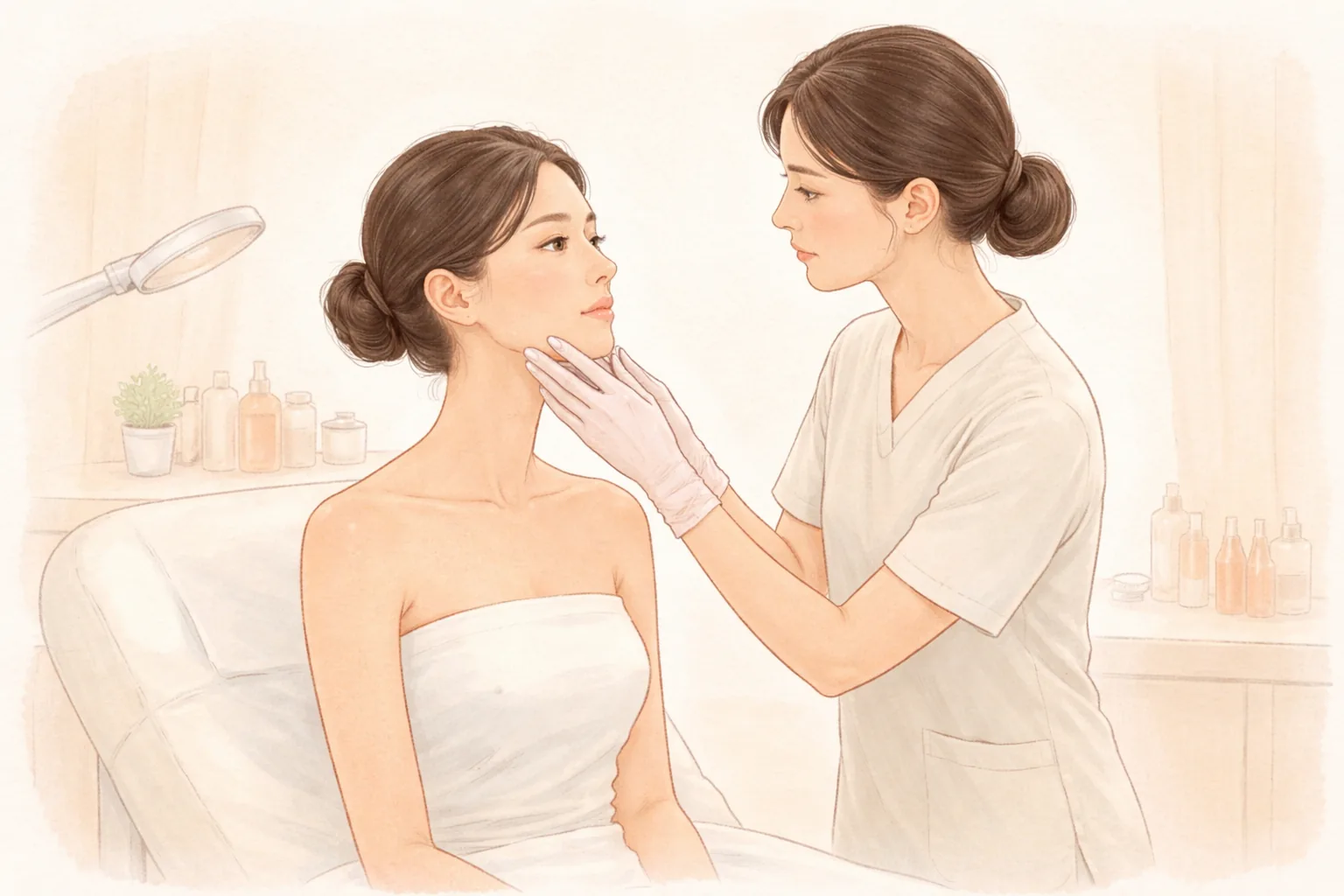
Onda Lifting Korea vs Inmode: How to Decide When Your Concern Is a Double Chin
Onda lifting uses microwaves, Inmode uses radiofrequency (RF). Here's what each energy does beneath the skin, what shapes the outcome, how to prepare for your consultation, and aftercare.
Written by ATTITUDE Clinic Editorial Team
When people start researching lifting treatments for a double chin and facial fullness, Onda and Inmode almost always come up side by side. Even after a consultation, many say they still can't tell which one suits their face—or whether they need both. This article walks through how the energy behind the two treatments differs, when that difference works in your favor, and what actually decides your results.
The short answer
Onda lifting uses microwaves (electromagnetic waves in the same band as a microwave oven, converted into heat). Inmode belongs to the radiofrequency (RF) family, where electrical current passes through tissue and generates heat. So there's no fixed answer to "which one is stronger." Whether the heaviness in your face comes from fat or from skin and tissue laxity determines which energy to address first—and with the same device, how the depth and intensity of heat are planned and delivered is what separates results. According to the American Academy of Dermatology, there are several ways to firm the face, and having an expert who understands the differences between devices decide on the right approach for your concern is part of the process (guidance).
Microwaves and radiofrequency do different jobs beneath the skin
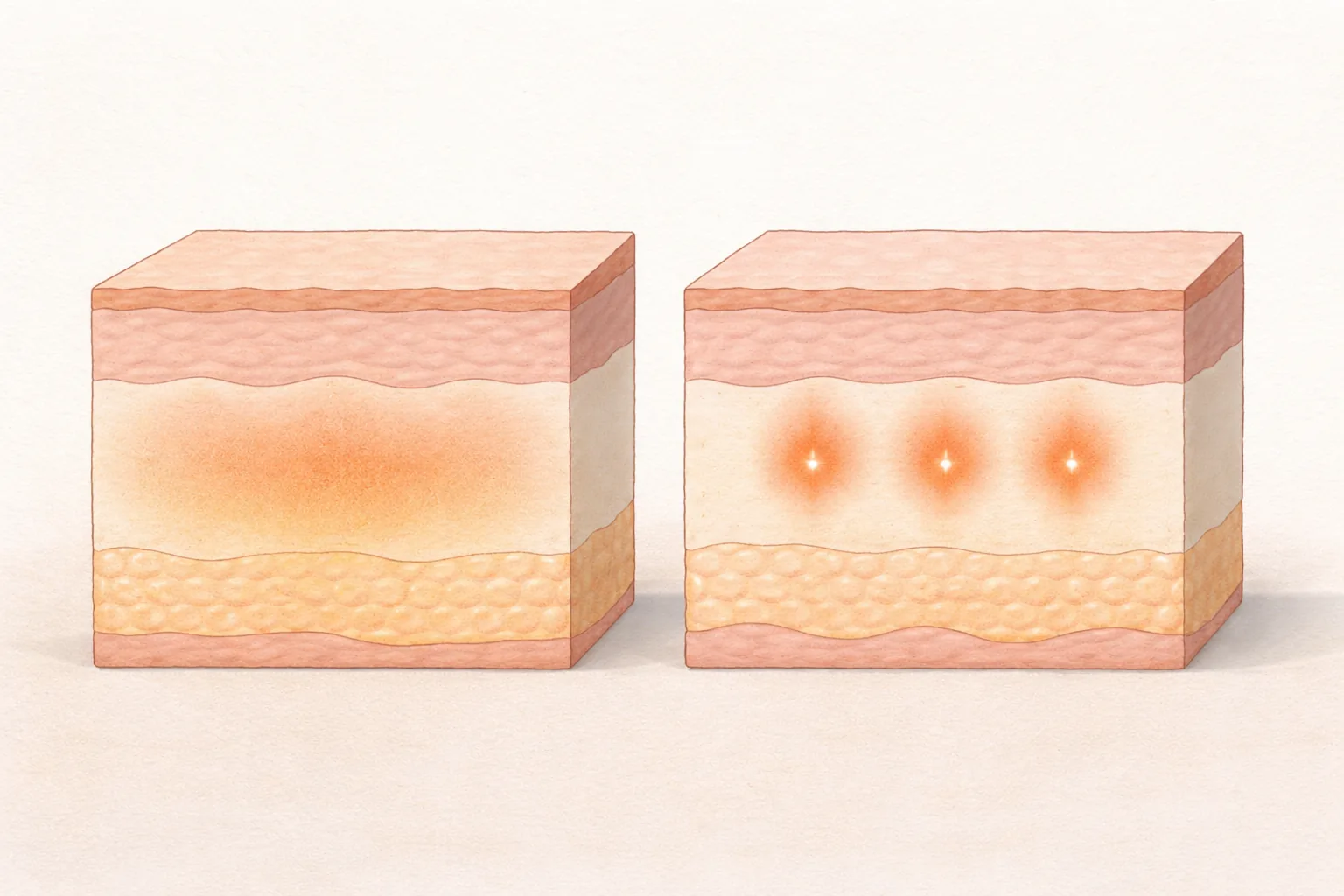
In the RF family, current passes through tissue and turns into heat through friction. Thermage, summarized in the ATTITUDE Clinic column, is a representative example: it heats a broad area at once, from the dermis down to the subcutaneous fat layer (column). By contrast, HIFU-family devices like Ultherapy and Shurink Universe focus ultrasound the way a magnifying glass focuses light, creating small thermal points at a set depth (same column). Even under the same name—"lifting"—the depth and range heat reaches can differ this much.
Within that framework, Onda sits on the microwave side. The ATTITUDE Clinic treatment guide also describes Onda as "lifting using microwaves," with separate listings for face and body (treatment guide). So the question "Onda or Inmode?" overlaps with "microwaves or radiofrequency?" When the type of energy differs, the same area at the same intensity still reacts in different layers, and heat spreads differently.
One point worth keeping in mind: even with the same microwaves or the same radiofrequency, how deep and how strong the energy is delivered depends on the handpiece and device settings—and those combinations differ from device to device. So explaining them as "Onda for fat, Inmode for elasticity" is simpler than reality. What matters in consultation is which layer in your face needs heat, and which handpiece and intensity reaches it.
Why "which one is stronger" gets confusing
It's easy to think that turning up the intensity improves results proportionally. But putting strong energy into a thin, fat-poor area can cause unwanted volume loss instead of the firmness you wanted. The ATTITUDE Clinic column also lists burns and blisters, small scars, temporary facial muscle weakness, and unwanted fat-layer volume loss as rare reactions to energy lifting, and notes that precisely setting energy levels and treatment depth based on diagnosis determines both results and safety (column). Strength is something to control, not a goal in itself.
Another common misconception is that using the same device produces the same result. Because everyone's starting skin condition differs, even similar analysis records should lead to different choices: which device to use first, where to set the intensity, and when to add other treatments (column). This is also the standard when weighing Onda against Inmode side by side. Where your skin starts matters more than the device name.
What actually shapes the outcome?
When the same treatment feels different from person to person, the reasons fall into roughly three categories. First, skin type. Dry, oily, combination, and sensitive skin react to the same stimulus differently and recover at different speeds. Second, skin thickness and structure. How thin or thick your skin is, and how densely packed the tissue beneath it is, changes how the same intensity feels and what it achieves. Third, healing speed. Age, lifestyle, and hormonal status affect how quickly new collagen (the protein that keeps skin firm) is produced, which changes when results appear (column).
One more factor comes into play: the same plan can lead to different results depending on how it's carried out. Fine adjustments to intensity over the treated area, how anesthesia is managed, and the details of adjusting to skin reactions during the procedure can't be captured by a manual alone (same column). That's why it matters whether the plan from your consultation and the actual procedure stay aligned.
Maintenance follows the same logic. How fast collagen breaks down and rebuilds depends on the degree of elasticity loss in the SMAS layer that supports facial sagging, your age, and your usual sun exposure and lifestyle—and how treatment intensity was set also plays a role. The ATTITUDE Clinic column notes that for the lifting family, progress is usually assessed after 1 session, and the doctor decides on repeat timing at roughly 1 year (column).
So how do you decide which to look at first? Since the priority shifts depending on whether your blurred jawline comes from the fat layer or from tissue laxity, a consultation checks the fat layer, skin thickness, and previous treatment history together. Often this is hard to tell from appearance alone.
Table 1 What actually shapes the outcome?
Category
Main energy used
What it does beneath the skin
Best suited concerns
Onda
Microwaves
Lifting that delivers microwave energy
Facial and body contouring and elasticity care
RF family (Inmode, Thermage, etc.)
Radiofrequency
Broadly heats from the dermis to the subcutaneous fat layer
Skin texture and elasticity loss over a broad area
HIFU family (Ultherapy, Shurink Universe)
High-intensity focused ultrasound
Creates small thermal points at a set depth
Deep-layer laxity, jawline
Titanium lifting
3-wavelength laser
Lifting using laser energy
Facial and body lifting
Swipe sideways to see the whole table.
In short, Onda and Inmode aren't rivals to rank—they're tools that use different types of energy. The natural order is to first decide which layer in your face needs heat and how much recovery time you can afford, then choose the device and intensity to match. Even with the same device, results diverge based on your starting skin condition and the details of how it's performed.
If this sounds like you
When a double chin and facial fullness are both concerns
Whether your jawline looks heavy because of the fat layer or because of skin and tissue laxity determines which energy to look at first. In consultation, the fat layer's thickness and distribution and your skin thickness are reviewed together to decide what to address first. This is the point where people comparing Onda and Inmode side by side ask the most questions.
When your face is slim but sagging stands out
If sagging rather than fat is the main concern, the focus shifts to how to support the skin and tissue. Whether creating small thermal points in deeper layers or heating broadly is right depends on your skin thickness and where the sagging sits. Having less facial fat doesn't automatically rule a treatment out—it calls for a design that adjusts intensity and areas.
When a wedding or photo shoot is only weeks away
For 1–2 days right after a treatment, mild redness and warmth from heat stimulation can remain and usually fade on their own (column). If your schedule is tight, discuss how much recovery leeway you have and set the order of treatments accordingly. Even with the same device, how much is delivered to which area changes the extent of any reaction.
When you're also considering body treatment or have a short stay
The ATTITUDE Clinic treatment guide lists Onda for both face and body, with Titanium lifting also listed separately for face and body (guide). Body areas cover more surface, so it's best to plan recovery and care together. If you're a visitor on a short stay, whether progress can be checked within your stay becomes the deciding factor for scheduling.
Tell us before your consultation
Recent sun exposure and upcoming outdoor plans
Medications you're taking and skincare ingredients you're using
Previous treatment records (device, shots or kJ, product, dose, date, reactions)
Date-fixed events like a wedding or photo shoot
Whether you're sensitive to pain, and any prior discomfort with anesthesia
How the ATTITUDE Clinic runs things
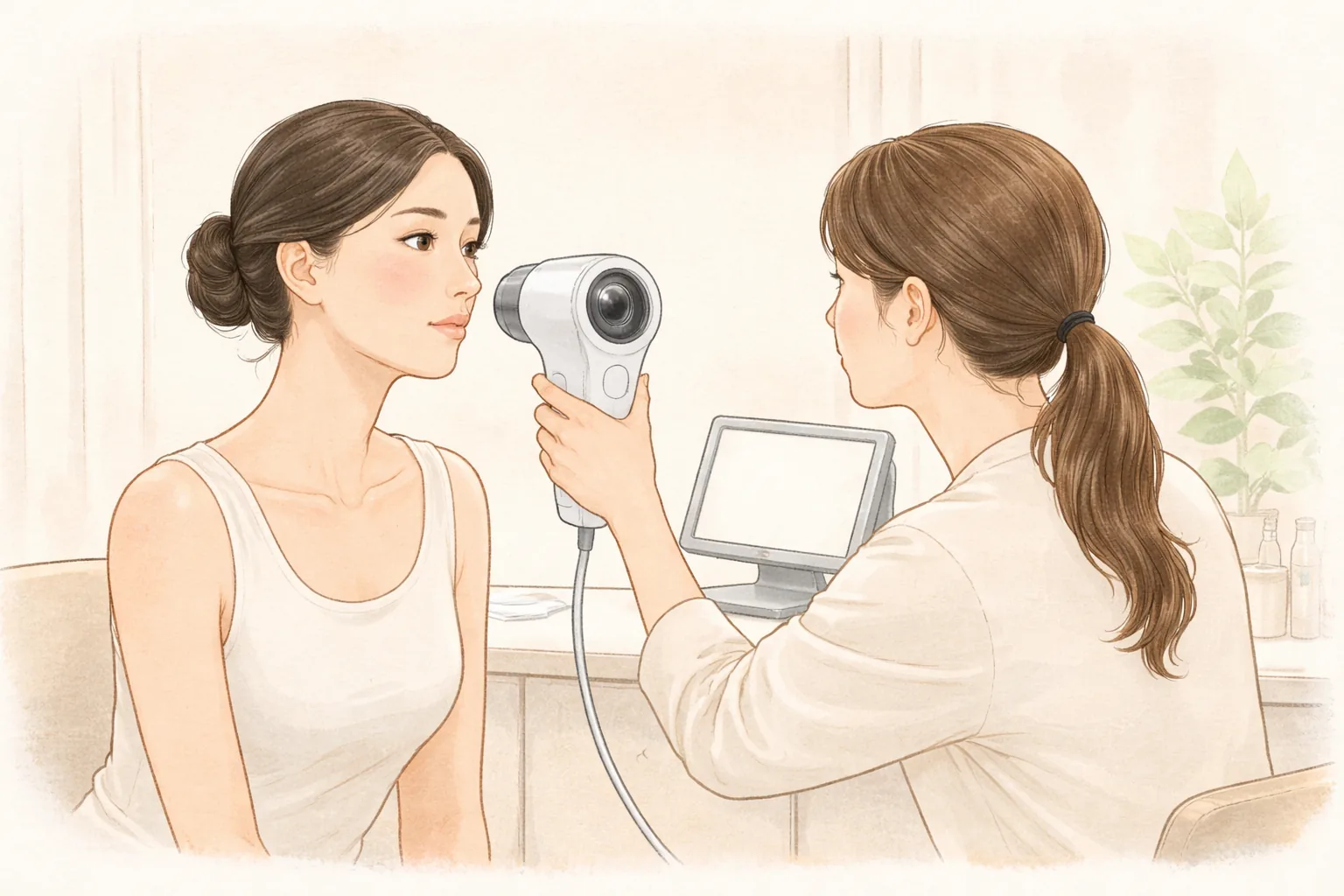
AI skin analysis record — Your skin condition is recorded and organized so you and the doctor look at the same information together. The analysis tool records and organizes information to support consultation; it does not make a medical diagnosis, and judgment rests with the doctor (column).
Doctor consultation — Your concerns, lifestyle habits, and past treatment experience are added to the analysis record to decide together what's needed and what isn't, and which combination, order, and intensity to use (same column).
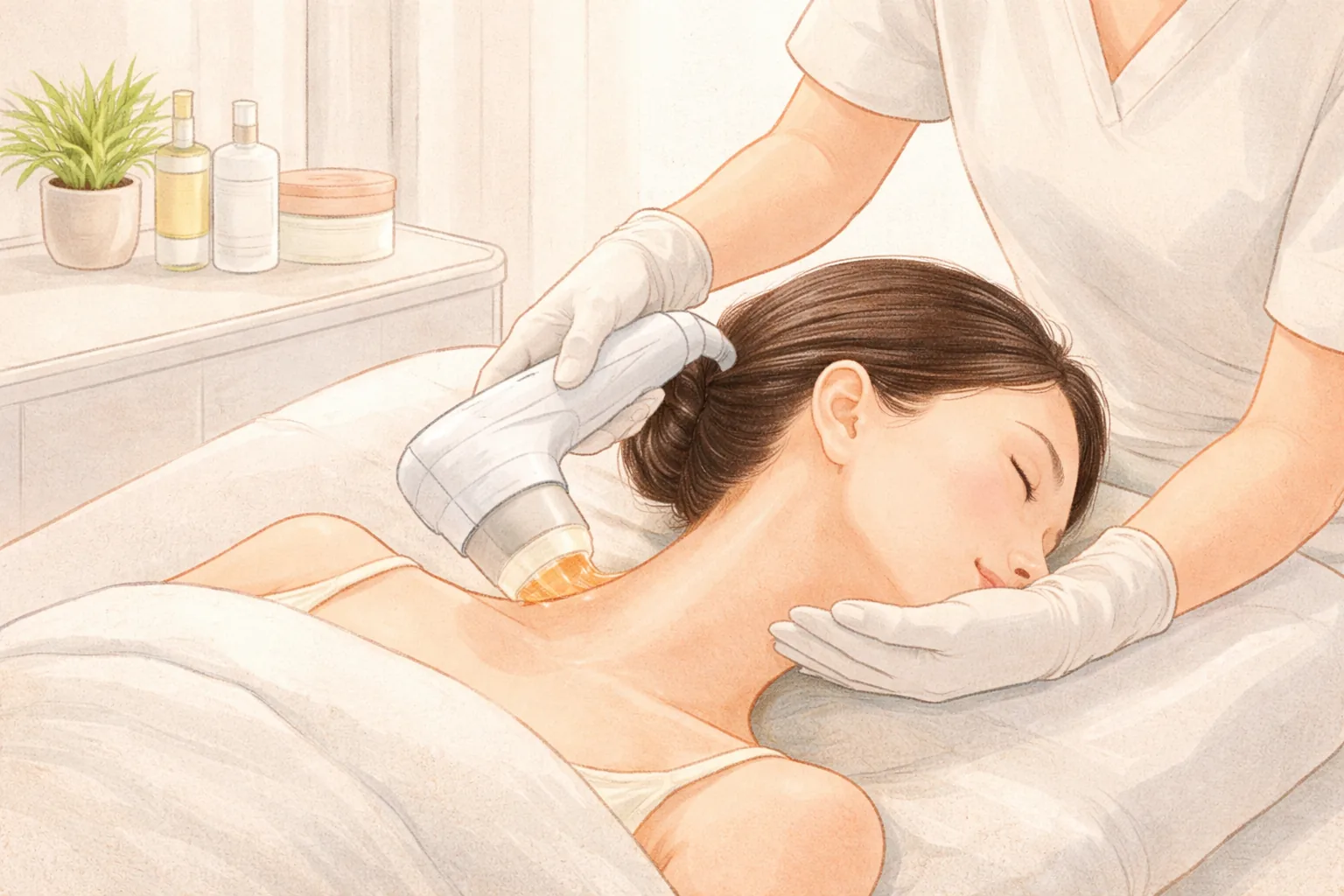
Treatment performed by the doctor — The doctor personally carries out the agreed plan and adjusts intensity while watching your skin's reactions during the procedure (same column).
For this topic, the devices the ATTITUDE Clinic offers are Onda (microwave-based, face and body), Titanium lifting (3-wavelength laser-based), Ultherapy and Shurink Universe (HIFU family), and Thermage (RF family) (treatment guide). Which device to use, and whether to do it the same day or split it up, is decided in consultation. All prices are disclosed per unit, are the same on every language page, and VAT is separate (column).
Aftercare and side effects
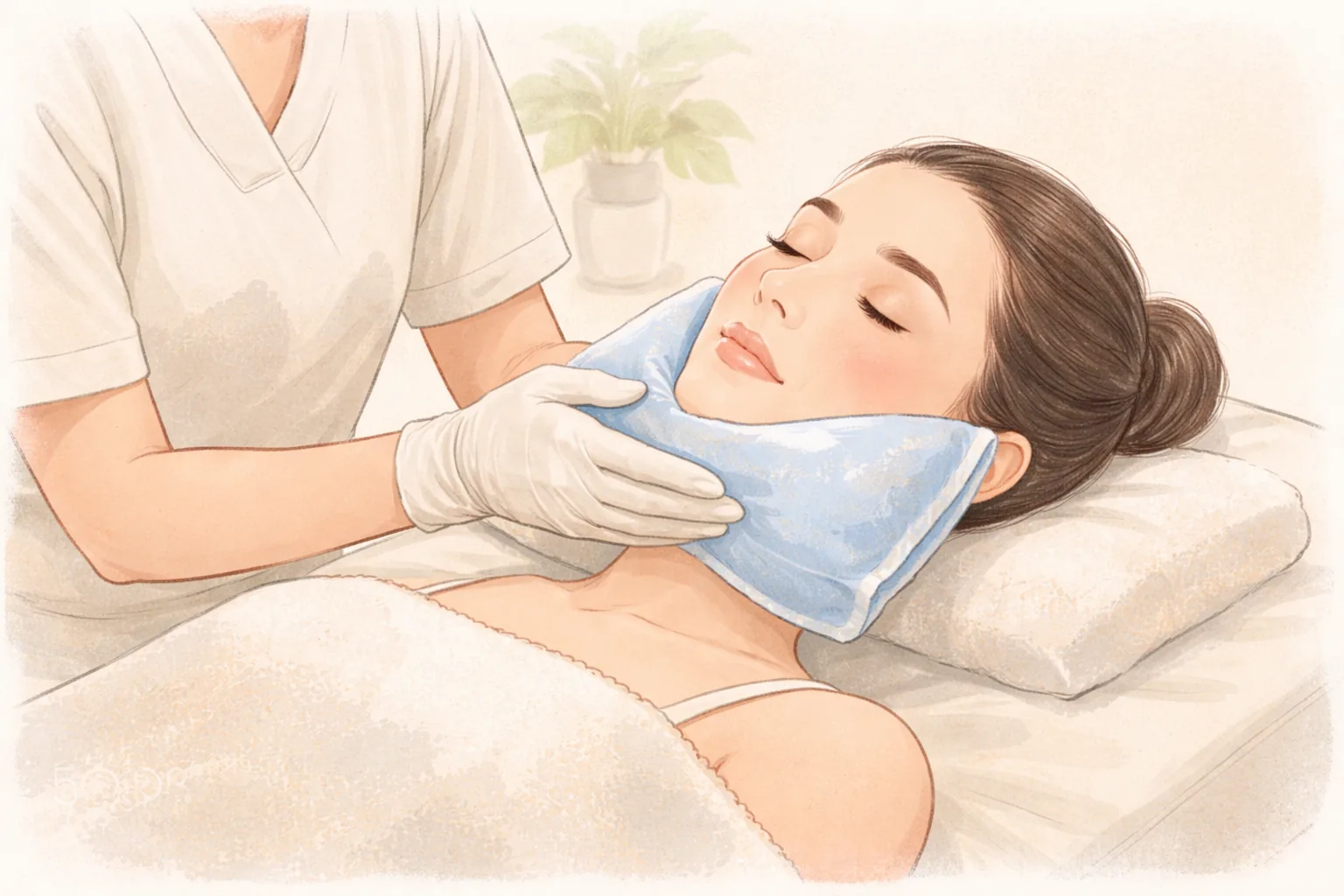
Soothing — Cold compresses may help with swelling. Check the method with your medical team (column).
Reducing irritation — Avoid saunas, intense exercise, and alcohol on the day of treatment (same column).
Sun protection — For several days after treatment, apply sunscreen more diligently than usual. During this period the skin's barrier is temporarily weakened, so protection matters for recovering without pigmentation (same column).
Progress check — Compare the plan set before treatment with actual changes to decide the next timing. For the lifting family, progress is usually assessed after 1 session, and the doctor sets repeat timing at roughly 1 year (same column).
After lasers, energy devices, and injectables, redness, swelling, tenderness when pressed, and bruising are common and usually settle within a few days. Rarely, temporary darkening or lightening of the skin, blisters, burns, or scars can occur (column). Signs to contact the clinic right away rather than wait are pain that doesn't improve and keeps getting worse, or changes that don't match expectations such as blisters.
Frequently asked questions
Is Onda or Inmode better?
This isn't a question of ranking—it's about choosing based on the type of energy and your current facial condition. Both are used for contouring and elasticity care, but they use different energy and reach different layers of heat. The starting point is to first distinguish whether your biggest concern right now is the fat layer, laxity, or a combination of both. The American Academy of Dermatology also advises that there are several ways to firm the face and that having an expert who understands device differences decide on the right approach for your concern is part of the process (guidance). Even with the same device, plans differ based on your starting skin condition, so comparing against your own skin in consultation is more accurate.
Can Onda and Inmode be done on the same day?
Whether a combination is possible depends on your skin condition and the level of stimulation each treatment leaves. Even with the same combination, whether it's done all at once or split up can change the recovery process and how results feel, so planning the overall treatment sequence first is necessary (column). Combinations that address deep and shallow layers are sometimes spaced apart (column). Rather than cramming everything into 1 day, the right order is to also consider how much recovery leeway you have.
Can Onda lifting be done on both face and body?
The ATTITUDE Clinic treatment guide lists Onda separately for face and body (guide). The face has many areas where expression moves and skin is thin, so intensity settings become more precise, while the body covers more surface, so even at the same intensity the total stimulation is greater. That's why when planning both areas together, recovery time and scheduling are reviewed together. Because the energy needed differs by area, the scope is confirmed in consultation.
When do changes become noticeable after treatment?
With energy lifting, collagen remodeling progresses gradually, so changes tend to appear over several months rather than right after treatment. Looking at the family summarized in the ATTITUDE Clinic column, Thermage shows an initial firmness followed by further changes typically over 2–6 months, while Ultherapy and Shurink Universe show gradual changes over about 2–3 months if they occur (column). When and how much you feel varies with the device and individual differences, so deciding in advance what you'll judge by and when can keep you from feeling impatient. Maintenance also depends on the degree of elasticity loss and lifestyle habits.
What should I check when choosing a clinic?
Start with whether the consultation explained the indications, risks, benefits, and alternatives. According to the American Academy of Dermatology, a pre-treatment consultation should cover the treating doctor's qualifications and experience with this procedure, how much experience they have with skin tones and age groups like yours, realistic expected results and risks, recovery time, preparation and aftercare, and cost (guidance). If you decide to go ahead, asking for a record of the device name, intensity, and shot count or kJ can help when planning next time. The ATTITUDE Clinic discloses all prices per unit and makes it a principle to decide together what's needed and what isn't (column).
At a glance
Table 2 At a glance
Item
Key point
Energy difference
Onda uses microwaves; Inmode is RF family
How heat is directed
RF family heats broadly; HIFU family creates small thermal points at a set depth
Selection criteria
Whether it's the fat layer or laxity, skin thickness, recovery leeway
What shapes results
Skin type, thickness, healing speed; intensity design and delivery details
Repeat timing
Usually assessed after 1 session, doctor decides at roughly 1 year
Common reactions
Redness, swelling, tenderness, bruising; usually settle within a few days
This article offers general health information. It is not a substitute for diagnosis or treatment based on your own condition, so please talk through your situation with a doctor.