
Doctors’ Column
Ultherapy, Shurink and Thermage FLX: all called lifting, so how do they differ?
All three heat tissue under the skin, which is thought to tighten collagen slightly at once and start a slow remodeling process, but they deliver the heat differently: Ultherapy and Shurink are focused ultrasound (HIFU) devices that concentrate it into small points at set depths, down to the fibrous SMAS layer, while Thermage FLX uses monopolar radiofrequency (RF) to warm a broader, shallower volume of skin. None is better across the board, and not everyone needs one. Which suits you depends on what is causing the change in your face, and a doctor should decide that after examining you.
What is each device actually heating?
Because all three are sold as “lifting”, it is easy to choose by name alone. The difference lies in where the heat goes. The face has layers: the skin (epidermis and dermis), the fat beneath it, and the SMAS, a thin fibrous layer over the facial muscles that works a little like the lining of a coat, supporting the skin and fat above it. Its gradual loosening with age is one of the reasons the jawline and cheeks sag.
Focused ultrasound (HIFU) works like a magnifying glass concentrating sunlight: the energy passes through the surface and converges at a chosen depth, creating small points of heat there. Interchangeable cartridges target different depths, from the dermis down to the SMAS. Ultherapy (Merz) adds an imaging screen that lets the operator see the layers; Shurink is a HIFU device made by the Korean company CLASSYS and works on the same principle.
Monopolar radiofrequency (RF), used by Thermage FLX (Solta), passes an electrical current into the skin. The tissue's resistance turns it into heat, which spreads through a broad layer of the dermis and the tissue just beneath it while the tip cools the surface. Instead of points, it heats a layer.
| Ultherapy | Shurink | Thermage FLX | |
|---|---|---|---|
| Energy | Micro-focused ultrasound with an imaging screen | Focused ultrasound (HIFU) | Monopolar radiofrequency with surface cooling |
| Where the heat goes | Points at set depths, down to the SMAS | Points at set depths | A broad layer of dermis and the tissue just beneath |
| Often considered for | Sagging along the jaw, cheeks and brow | Similar purposes to Ultherapy; ask why one would be chosen over the other | Loose, crepey skin over a wide area; around the eyes (Eye option) |
| Priced by | Shots: 100 to 900 (Eye: 100) | Shots: 300 | Shots: 600 or 900 (Eye: 225 or 450) |
| How it commonly feels | A deep ache or sharp heat in short bursts | Similar to other focused ultrasound | Heat pulses between bursts of cooling |
When do results show, and how long do they last?
Because most of the effect comes from remodeling, change usually develops slowly, and the two types follow different patterns. With focused ultrasound there is often little to see at first; change, if it comes, typically builds gradually over about two to three months. With Thermage FLX, some firmness may be felt early, partly from swelling, and further change typically builds over two to six months. Both patterns vary a lot between people.
How long a result lasts depends on age, skin quality, weight changes, sun exposure and how loose the tissue was to begin with, as well as the settings and number of shots. No device stops aging. Focused ultrasound and monopolar RF are often repeated about once a year or so, and the doctor sets the interval after seeing how your skin responded.
More shots is not automatically better: a number on the price list is a unit, not a target, and the doctor decides how many your face needs and where they go. See how to read a Korean price list.
Does it hurt?
You will feel all three, and how much varies more than with many other treatments, for two main reasons. The first is energy: higher settings and more shots on one area mean more heat, so a treatment planned for marked sagging can feel quite different from a lighter, preventive one. The second is the area: bony areas such as the jawline, cheekbones and forehead are usually more sensitive than the cheeks.
Focused ultrasound is often described as a deep ache in short bursts; RF as pulses of heat between bursts of cooling. Numbing cream is commonly used for some of these treatments. If you are sensitive to pain, ask before booking how discomfort is managed and whether numbing is included in the price.
What are the side effects, and when can you fly?
Many people return to normal activities the same or the next day. Common side effects include redness, swelling, tenderness along the jaw, small bruises, and temporary tingling or numbness; they usually settle within days, occasionally longer. Rare risks include burns, blisters or small scars, temporary nerve-related weakness of a facial muscle, and unwanted loss of facial fat. Your doctor should explain these before treatment, and anything unexpected, such as a blister or pain that gets worse, needs prompt attention.
Tell the doctor beforehand if you are or might be pregnant, have a pacemaker or another implanted electronic device, have metal implants or threads in the face, have had fillers or other procedures recently, or take medicines that affect bleeding or healing.
- Makeup is often possible from the next day, if the doctor agrees.
- Your doctor may advise avoiding saunas, hot baths, intense exercise and alcohol for a few days.
- Protect the treated skin from the sun.
These treatments usually leave little to see, but allowing 1–2 days or more between treatment and a flight is a conservative margin, and having the treatment early in your trip leaves time to be seen again if something worries you. See flying after skin treatments.
Which suits which concern, and can they be combined?
These are general patterns that doctors weigh; one face often shows several at once.
- Sagging of deeper tissue along the jaw, cheeks or brow: focused ultrasound (Ultherapy, Shurink) is commonly considered.
- Loose, thin or crepey skin over a wider area, from the cheeks to the neck, or around the eyes: monopolar RF (Thermage FLX) is often considered.
- Hollows and lost volume: heating devices tighten; they do not add volume. That is a question for skin boosters or fillers; see skin boosters compared.
Combining focused ultrasound for the deeper layer with RF for the skin is common in Korea, but it is not necessary for everyone. Devices may be combined on the same day in a set sequence or spaced a few weeks apart. Whether to combine, the order and the dose of each should be decided by the doctor, based on your face, your goals and your time in Korea. Other devices on the price list, such as XERF, Onda and Titanium, are compared in our lifting guide.
How ATTITUDE approaches this
At ATTITUDE Clinic in Seoul, an AI skin analysis first records your skin. The analysis tools record and organise information to support the consultation; they do not provide a medical diagnosis. One of our two co-directors looks at your face with you and decides with you what you need, what you don't, and in what order, including whether a lifting device is the right step at all, and which one. Ultherapy, Shurink and Thermage FLX are priced per shot on the price list, the same on every language version of this site, VAT excluded; 10% VAT is added at payment. Lifting items in our opening event run until 31 Oct 2026, shown with the regular price and the event price, VAT excluded. For numbing and anything else not covered here, ask us when you send a booking request.
Prices at ATTITUDE
All prices exclude VAT. Prices are the same on every language version of this site.
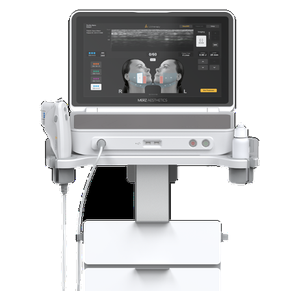 UltherapyUltherapy · Merz
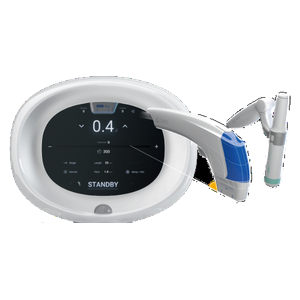 ShurinkCLASSYS · HIFU
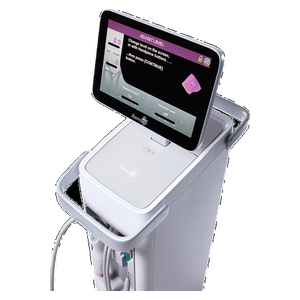 Thermage FLXThermage FLX · SoltaUltherapy EyeUltherapy · Merz
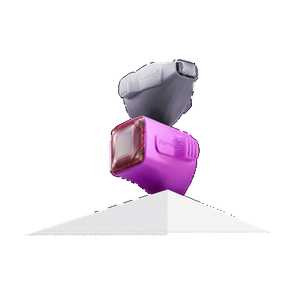 Thermage EyeThermage FLX · Solta
Frequently asked questions
Is Shurink the same as Ultherapy?
Both are focused ultrasound (HIFU) devices that place points of heat at set depths, and both are priced per shot. Ultherapy (Merz) has an imaging screen, while Shurink is made by the Korean company CLASSYS. Ask the doctor why they would choose one for your face.
Ultherapy or Thermage: which should I choose?
Neither is better across the board. Focused ultrasound such as Ultherapy is commonly considered for sagging of deeper tissue, while Thermage FLX heats a broader layer of skin and is often considered for loose or crepey skin; a doctor should examine your face before choosing, and some people need neither.
How long does Ultherapy last?
It varies with age, skin quality, weight changes and the settings used. Change usually builds gradually over about two to three months, and focused ultrasound is often repeated about once a year or so, at an interval the doctor sets.
Does Thermage FLX hurt?
It is commonly felt as pulses of heat between bursts of cooling, stronger over bony areas and at higher settings. Numbing cream is often used, and how it feels varies from person to person.
Can I have Ultherapy and Thermage on the same day?
Sometimes. Focused ultrasound and RF may be combined on the same day in a set sequence or spaced a few weeks apart; the order, the dose of each and the timing are decided by the doctor for your face.
Can I fly after Ultherapy or Thermage in Korea?
These treatments usually leave little to see, but swelling, tenderness or bruising can last a few days. Allowing 1–2 days between treatment and flight is a conservative margin; ask the doctor what suits you, and if possible have the treatment early in your trip.
Plan your visit
Send a booking request or message us. We reply during clinic hours (Korea time), in the order received.