
Doctors’ Column
Can lasers treat pigmentation, redness and acne scars, and is it the same laser for each?
Lasers can help with all three, but not with the same laser or in the same way. Pigment is treated with wavelengths that melanin absorbs, redness with wavelengths absorbed by the blood in small vessels, and pores, texture and scars with fractional treatments that prompt the skin to remodel. Most concerns need a course of sessions, recovery ranges from a few hours to one or two weeks depending on the treatment, and the first step is for a doctor to work out what kind of mark you actually have.
What does a laser actually do to the skin?
“Won't a laser just take care of all of it?” is a fair question, because spots, melasma, redness, pores and scars can all be treated with lasers. But each laser is chosen for a specific target, and most cosmetic lasers work in one of two ways.
The first is selective targeting. Different targets in the skin absorb different wavelengths of light: melanin, the brown pigment, absorbs some; hemoglobin, in the blood of small vessels, absorbs others. A laser tuned to the target heats or breaks it up while limiting the effect on the surrounding skin. Picosecond lasers are a pigment example. A picosecond is a trillionth of a second, and pulses that short are designed to break pigment into very small fragments with relatively little heat spreading into nearby tissue; the body then clears the fragments gradually.
The second is fractional treatment. Instead of treating the whole surface, the device treats tiny columns of skin, a bit like a sieve, and leaves the skin in between intact. The untouched skin helps the treated columns heal, and the skin is thought to remodel collagen gradually in the process. This is used when the structure of the skin has changed, as with scars, enlarged-looking pores and rough texture.
The two are often combined in one plan, for example treating distinct spots first and texture later.
Which laser suits which concern?
Choosing a laser starts with the target. Asking for “a laser” without knowing whether the problem is pigment, blood vessels or skin structure is a common reason results disappoint.
| Concern | What the treatment targets | On the price list | What you may notice afterwards (typical) |
|---|---|---|---|
| Distinct spots: freckles, sun spots | Melanin in individual spots | Pico Spot (532nm picosecond) | Spots darken, then small crusts that typically come off in about 7–10 days |
| Overall tone, scattered pigment, melasma-prone skin | Melanin, gradually, at low energy | Pico Toning (1064nm) | Mild redness, usually settling within hours |
| Visible capillaries, diffuse redness | Hemoglobin in small vessels; even warming of the skin | V-Laser (532nm vascular); Genesis Toning (1064nm) | V-Laser: redness or swelling for a few days; bruising is possible and can take 1–2 weeks to fade. Genesis: brief warmth or pinkness |
| Enlarged-looking pores, rough texture, acne scars | Skin structure, through controlled micro-injury | Erbium Fractional; Potenza (microneedle radiofrequency) | Erbium: redness, then fine crusts or roughness for about a week. Potenza: marks for one to a few days |
One distinction matters more than most: melasma versus other brown spots. They can look alike, but melasma is a long-term condition influenced by hormones, sun and heat, and strong laser settings can irritate it and make it darker. It is usually treated cautiously with low-energy toning over a course, and spot laser is used with care on melasma areas. Treatment may lighten melasma, but it tends to return, so the realistic aim is control over time. See our pigmentation guide and our redness guide.
How many sessions does each concern need?
Rarely one. With pigment, the aim is to break it down gradually and give the skin time to clear it; with scars and pores, new collagen takes time to form and settle. Typical patterns, which vary from person to person:
- Distinct spots: often one session per spot, checked once the skin has settled; some spots need another.
- Melasma and overall tone: a course of toning sessions, at least a week apart, often over months.
- Redness: usually several vascular laser sessions, spaced a few weeks apart.
- Pores and acne scars: several sessions spaced weeks apart; for Potenza, commonly about three or more, about four weeks or more apart, and acne scars often need more than pores (see our Potenza guide).
The number depends on the depth of the pigment, your skin type and how much sun you get. Because intervals are measured in weeks, a full course rarely fits into one trip. A common pattern for visitors is to start in Korea and continue on later visits; ask the doctor what one session can realistically do.
What are the downtime and side effects?
Downtime ranges widely. Low-energy toning usually leaves only redness for a few hours, while spot laser and fractional treatments leave crusts for about a week or more, and a vascular laser can leave a bruise that takes one to two weeks to fade. Crusts are part of healing: the skin covers the treated area while new skin forms underneath. Let them come off by themselves, because picking can leave a dark mark or a scar.
Common side effects of lasers include redness, swelling, crusting and temporary darkening of treated areas; less commonly, lighter patches, blistering or scarring can occur, and pigment can return over time. Tell the doctor beforehand about sensitive skin or eczema, a recent tan, cold sores, and medicines such as isotretinoin or blood thinners. Results and recovery vary from person to person; your doctor will explain what to expect for your skin.
Right after treatment the skin's barrier is temporarily weaker, and sun exposure at this stage can cause new darkening that undoes part of the work. For at least two weeks, use a broad-spectrum sunscreen (SPF 30 or higher), reapply about every two hours outdoors, and avoid saunas, jjimjilbang (Korean bathhouses) and hard exercise for as long as your doctor advises, since heat can increase redness.
- Wash with lukewarm water and pat dry; don't rub.
- Contact the clinic if redness or stinging lasts more than a few days or suddenly gets worse.
- Book crust-forming treatments early in your trip: about 7–10 days before flying for Pico Spot, and about 7 days or more for Erbium Fractional. See flying after skin treatments.
When is a laser not the whole answer?
Some concerns need more than a laser, or something else first:
- Rosacea and reactive skin: lasers may reduce visible redness, but when the skin itself is inflamed or sensitized, calming it or medical treatment may come first.
- Deep acne scars: narrow ice-pick and box-shaped scars often respond only partly to fractional treatment alone; subcision (releasing the bands that tether a scar) or filling the scar may be added.
- Raised scars: thickened scars are often treated with injections or pressure rather than with resurfacing lasers.
- Raised, rough brown spots: these are often not pigment in the usual sense and may need a different laser, such as erbium.
- Any spot that is new, growing, changing or bleeding should be checked medically before cosmetic treatment.
How ATTITUDE approaches this
At ATTITUDE Clinic in Seoul, an AI skin analysis first records your skin. The analysis tools record and organise information to support the consultation; they do not provide a medical diagnosis. One of our two co-directors then looks at your skin with you, works out what kind of pigment, redness or scarring it is, and decides with you what you need, what you don't, and in what order. Lasers are priced per session or per spot on the price list, the same on every language version of this site, VAT excluded; 10% VAT is added at payment.
In our opening event, until 31 Oct 2026, the Pigment Package (erbium YAG laser + toning + spot laser, up to 50 spots) and the Redness Package (V-Laser + Genesis Toning + Pico Toning, one session each) each have a regular price of KRW 600,000 and an opening-event price of KRW 490,000, VAT excluded; see the opening event.
Prices at ATTITUDE
All prices exclude VAT. Prices are the same on every language version of this site.
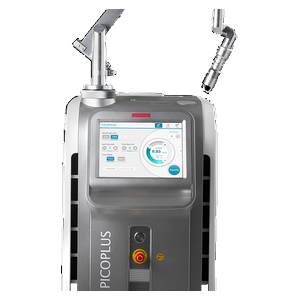 Pico ToningPicoPlus · LUTRONICPico SpotPico Spot
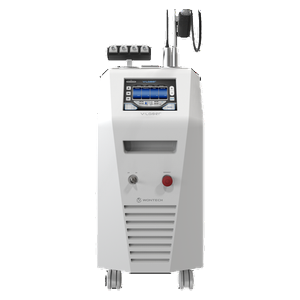 V-LaserV-Laser VascularGenesis ToningV-Laser Genesis · WONTECH
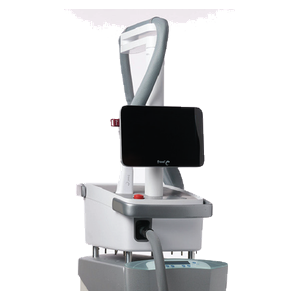 Erbium FractionalErbium Fractional
Frequently asked questions
Is it melasma or a sun spot, and does it matter?
It matters, because melasma can darken if it is treated too strongly. Melasma usually appears as blurred, patchy brown areas on both cheeks, while sun spots are flat spots with clearer edges; a doctor should examine your skin before choosing a laser and its settings.
Can a laser get rid of facial redness completely?
It depends on the cause. Visible capillaries often respond to a vascular laser over several sessions, while redness from rosacea or reactive skin tends to be long-term, so lasers may reduce it but maintenance and avoiding triggers are usually part of the plan.
Picosecond or nanosecond laser: which is better?
Neither is better for everything. Picosecond lasers use shorter pulses designed to break pigment into smaller fragments with relatively little heat spread, but nanosecond lasers remain useful for some targets; the choice depends on the concern, your skin and the settings.
Can I have laser treatment in summer?
Yes, with strict sun protection, but the risk of darkening after treatment is higher when sun exposure is strong. If you will spend long days outdoors, ask whether treatments with longer downtime are better scheduled for a less sunny time; low-energy toning is usually less affected.
What else helps deep acne scars besides lasers?
Depending on the scar type, doctors may add subcision, which releases bands that pull a scar down, or fill the scar, while raised scars are often treated with injections instead. The doctor examines the scar types before planning.
How long do crusts last after a laser?
After a pico spot laser, small crusts typically come off by themselves in about 7–10 days; after erbium fractional, fine crusts or roughness last about a week. Don't pick them, and protect the area from the sun.
Plan your visit
Send a booking request or message us. We reply during clinic hours (Korea time), in the order received.