Rejuran Healer, HB, S & Eye: How to Confirm Purpose and Dosage at Your Consultation
Planning a Rejuran treatment? Here's how to check your goals, treatment areas, product and dosage, number of sessions and intervals, what's included in the total, and recovery and contact criteria at your consultation.
Written by ATTITUDE Clinic Editorial Team
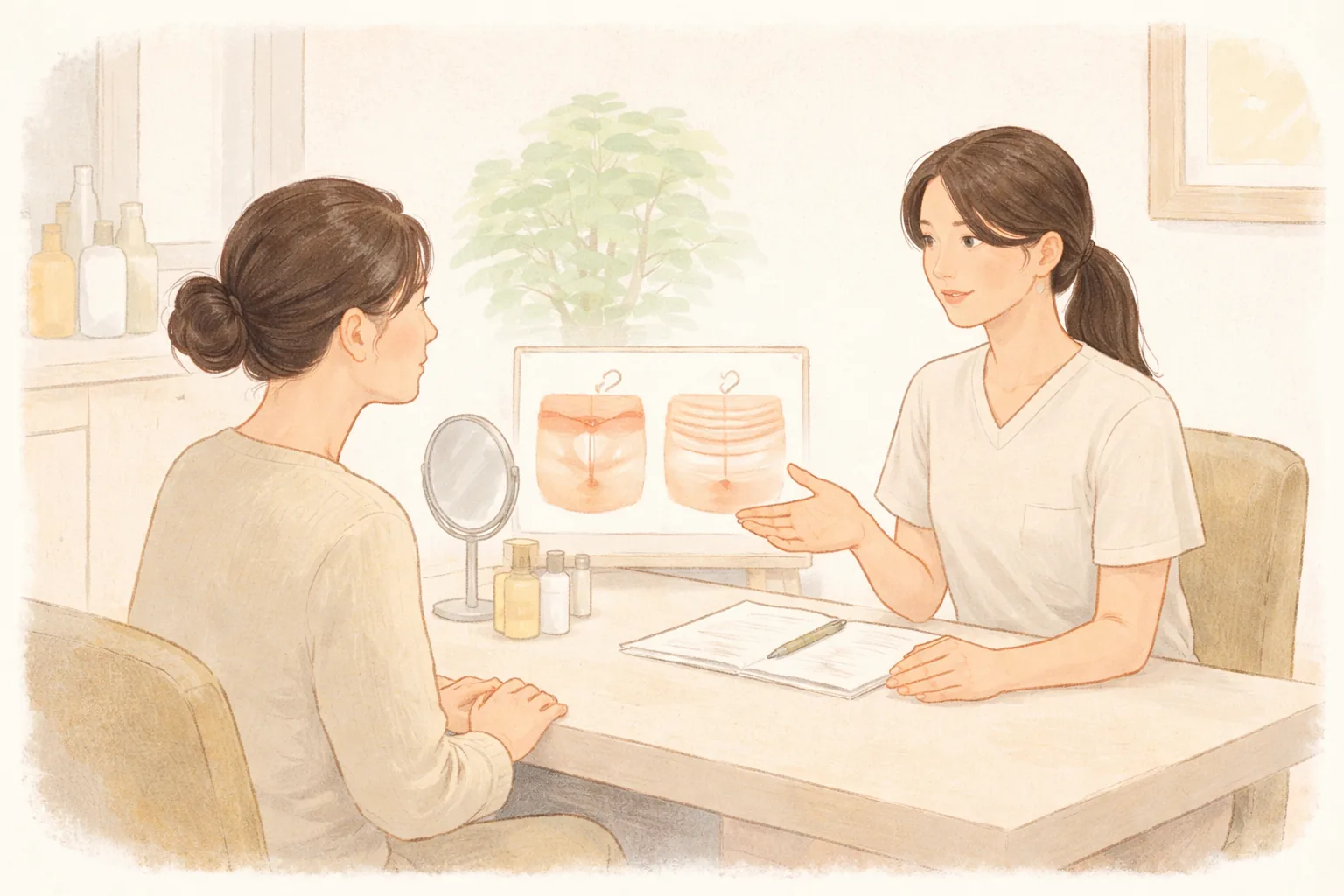
Search for Rejuran and the name quickly splits into four branches. You wonder which to choose among Healer, HB, S, and Eye, what 2cc and 1cc mean, and why the same name comes with different conditions at each clinic. This article goes through what those names actually refer to, and what to confirm at your consultation so your decision stays steady.
The bottom line first
You cannot set a purpose and dosage just by looking at a product name. At your consultation, the right order is to confirm your goals and target areas, the product to be used, the dosage for that day, the total number of sessions and intervals, what the total price covers, and how to track your progress afterward. The American Academy of Dermatology (AAD)'s patient guidance also recommends asking at your consultation about expected results and risks, alternatives, the practitioner's experience, the number of treatments needed, recovery and return to daily life, aftercare, and cost (AAD questions to ask). Even with the same product and dosage, results and recovery speed vary with skin thickness and lifestyle, so your plan is set during your consultation.
What does Rejuran do inside the skin?
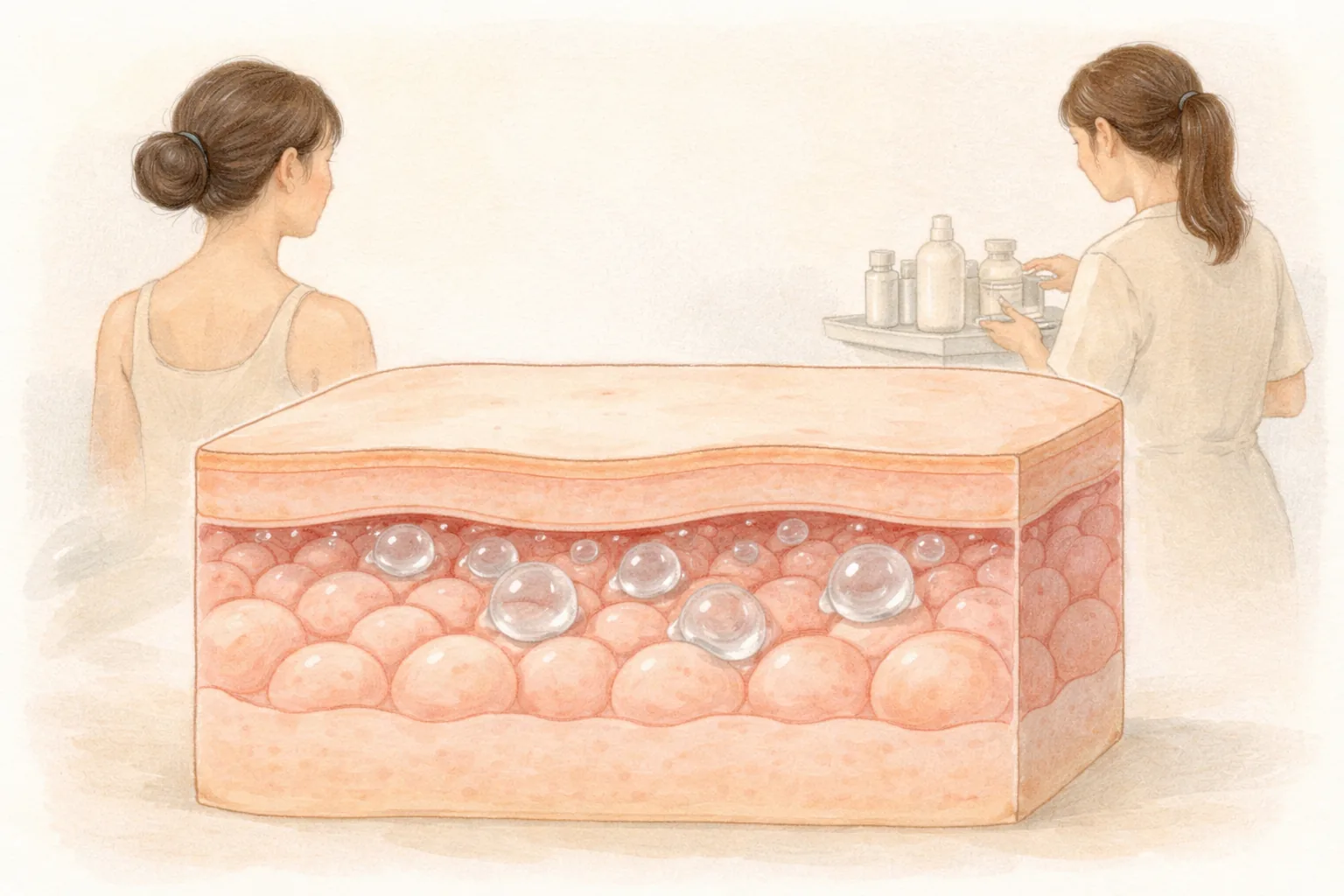
Rejuran's key ingredient is PN (polynucleotide, purified nucleic acid fragments from sources such as salmon). When injected into the dermis (the layer where collagen is produced), it is known to support the response that repairs damaged tissue and to stimulate the cells that make collagen (skin booster column). It is not a method that creates volume on the spot, but one that helps the skin organize itself.
So why are they grouped under the same name "skin booster"? Skin booster ingredients broadly split into the PN family and the HA (hyaluronic acid) family, and the two do different jobs. HA draws in water to create moisture, while PN supports the repair response. In practice, rather than using only one, it's common to adjust the emphasis based on your goals. So at your consultation, saying first whether your concern is skin texture and elasticity or dryness and glow makes the conversation much faster.
Healer, HB, S, Eye: what changes when the name changes?
Many read the order of names as a ranking of effects. In reality, the items divide by product, the area it mainly treats, and packaging unit. The ATTITUDE Clinic price list separates Rejuran Healer 2cc, Rejuran HB 1cc, Rejuran HB (lips) 1cc, Rejuran S 1cc, and Eye Rejuran 1cc by product, area, and dosage unit (treatments and prices).
A common misunderstanding arises here. People read the 2cc and 1cc on the price list as "the dosage I will receive." cc is a unit of volume, and the numbers on the table are labels to distinguish items. The amount actually injected that day and how it's divided across areas are decided during your consultation based on face size, skin thickness, and treatment history. Which ingredients each formulation contains and in what ratio is also something to confirm with the manufacturer's guidance and at your consultation.
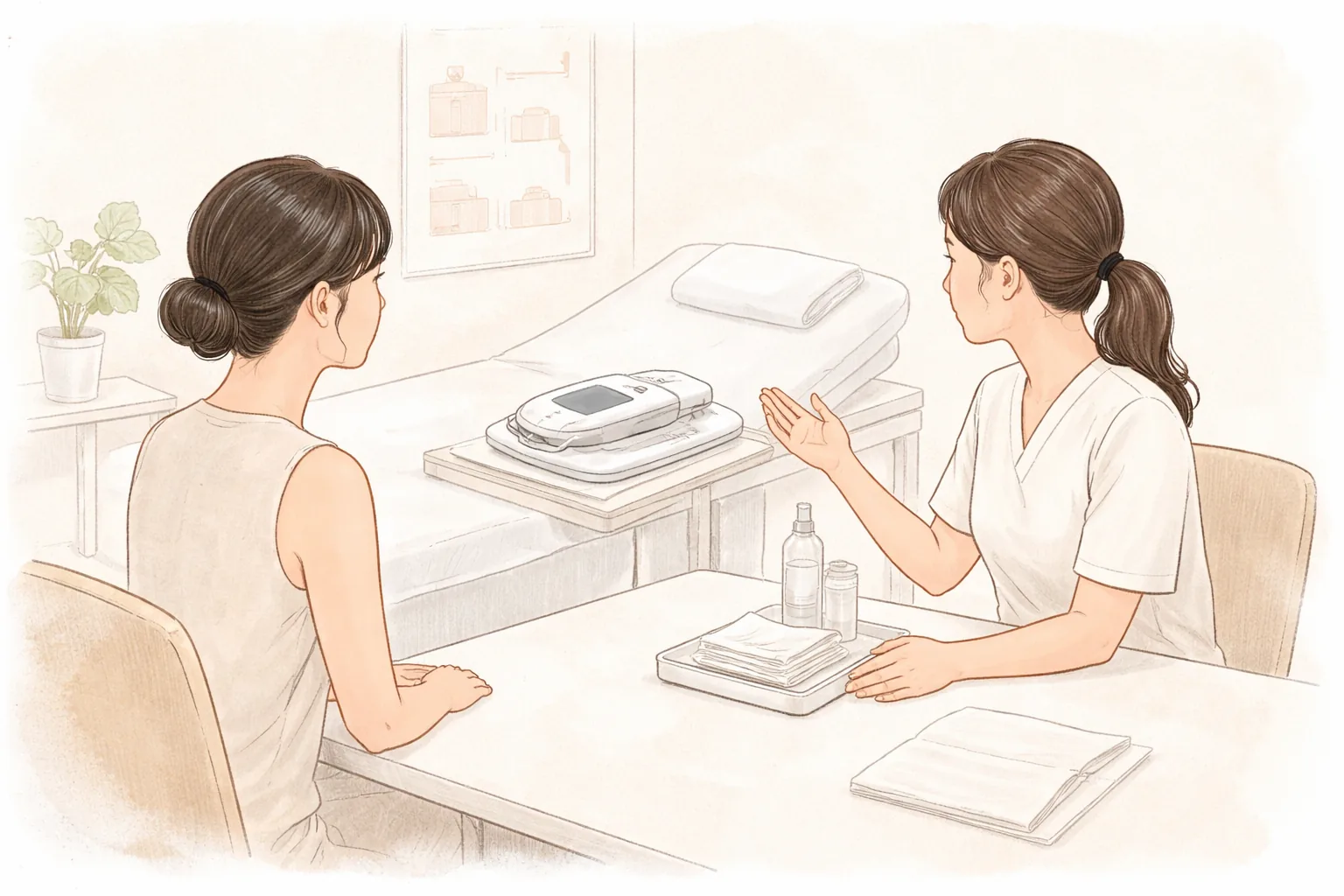
So what do you decide at the consultation? You decide whether to treat the whole face or a narrow area like the eye area or lips, how many cc to place and at what depth, and when to schedule the next session. Even with the same product, changing these three things changes how it feels and how you recover.
When do results start, and how do you assess them?
Skin boosters are not treatments that become obvious in one session. Usually several sessions are spaced 2–4 weeks apart, then intervals widen for maintenance sessions. One session alone gives limited and temporary change, and if there are collagen-related changes, they appear gradually (skin booster column).
In time order, it goes like this. Right after treatment there is mild swelling and redness, making changes hard to judge. Bumpy marks may remain along the injection points, but these usually settle within a day to several days. Over the following weeks, changes appear gradually, and maintenance sessions are planned on a scale of months.
It's better to agree on assessment criteria before treatment. Photos taken under the same lighting and angle, how much makeup sits on the skin, tightness after washing, and the depth of fine lines—items you can check repeatedly—work well. AAD guidance also recommends confirming at your consultation the realistically expected results, the number of treatments needed, and recovery time (AAD questions to ask). Comparing under the same conditions after completing the planned sessions keeps your judgment steadier.
Table 1 When do results start, and how do you assess them?
Item
What it does in the skin
Concerns it suits
What to confirm at your consultation
Rejuran (PN)
Supports the repair response and stimulates collagen production
Fine lines, loss of elasticity, rough skin texture
Areas, dosage, sessions and intervals
Skin booster (HA)
Draws in moisture to create hydration
Dryness, dull skin tone
Ingredient composition, whether combined
Re2O (hADM)
Directly replenishes extracellular matrix structure in the dermis
Thinned skin, sagging elasticity
Number of sessions, maintenance plan, what the total covers
Swipe sideways to see the whole table.
In the table, hADM refers to human-derived acellular allogeneic dermis, a method of placing a structure retaining collagen, elastin, and hyaluronic acid into the dermis (collagen injections column). While the PN and HA families induce collagen production, this one replenishes the structure itself.
In short, the name is only a clue that narrows down the purpose; it doesn't decide the dosage and number of sessions for you. State your goals and areas first, have the matching product and dosage set at your consultation, and jot down the total cost and progress plan together. Remember that the dosage units on the table are item labels, not a recommended dose for you personally.
How do you prepare for pain and recovery?
Rejuran treatments involve repeated insertions with a fine needle, so sharp discomfort can recur. Areas close to bone with thin tissue, like the forehead, eye area, and around the lips, feel relatively more sensitive, while thicker areas like the cheeks and jawline feel less so. Needle-based dense injection and a blunt-tipped thin cannula that spreads the product also differ in pain pattern. Anesthesia methods will be explained at your consultation.
Recovery is generally short. Bumpy marks along the injection points may remain for a day to several days, and swelling settles over a similar period. Bruising, if it occurs, can take more than a week to fade. Makeup is often possible from the next day once the injection marks have closed, so confirming this before treatment makes scheduling easier.
Why do conditions differ by clinic for the same name?
Because the products used, the actual dosage, the practitioner's skill, the session plan, and what the total price includes all differ. AAD guidance explains that results depend heavily on the practitioner's skill and experience, and recommends asking how many times they've performed the treatment and how much experience they have with patients of your skin tone and age group (AAD questions to ask). Even for a treatment with the same name, who performs it and with what plan remains a variable.
When comparing costs, it's better not to look at a single number. The ATTITUDE Clinic price list divides items by product, area, and dosage unit, and displays all amounts excluding VAT (treatments and prices). Whether consultation fees, anesthesia fees, and aftercare are included in the total differs by clinic, so it's better to break down the items at the quote stage. It's also worth asking which product can be checked before opening and how the dosage used that day is recorded for you.
Booking also differs from confirmation. When you submit a request, the clinic contacts you to confirm it, so if your schedule is urgent, calling is faster (consultation booking).
If this sounds like your situation
When a wedding or shoot is a few weeks away
These treatments build up over sessions, so one session rarely completes the result. It's safer to first calculate how many sessions fit in the remaining time and how many days the marks and swelling take to settle. Starting with some buffer rather than right before the event is better.
Dry, sensitive skin that reddens easily
For this kind of skin, a treatment centered on ingredients that support the repair response may suit your concern. However, if redness tends to linger, decide at your consultation whether to split areas and adjust intensity rather than treating a wide area at once.
When considering it alongside laser or lifting
It's often combined with a time gap from botulinum toxin, lasers, or lifting devices, and whether it can be done on the same day and in what order is decided by the doctor (skin booster column). Since recovery speed and results vary with order and interval, it's better to have the overall schedule designed first.
When it's your first time and you don't know what to ask
Saying your goals, recovery window, and budget first speeds up the conversation considerably. You can also bring the AAD question list and go through it one by one. If deciding is still hard after hearing the answers, it's better to hear about alternatives and the option of not doing it before deciding.
Tell us before your consultation
Recent UV exposure and outdoor activities, or schedules with long sun exposure like golf or hiking
Medications you take, especially those affecting blood clotting
Skin care ingredients you take or apply (retinol, exfoliants, etc.)
Reactions to previous treatments and allergy history
Pregnancy or breastfeeding status and plans
Events you must avoid and your available recovery window
How the ATTITUDE Clinic proceeds
Booking and preparation — When your consultation request comes in, the clinic contacts you to confirm and sets the schedule. Telling us your medications, allergy history, and recent UV exposure at this stage changes the preparation.
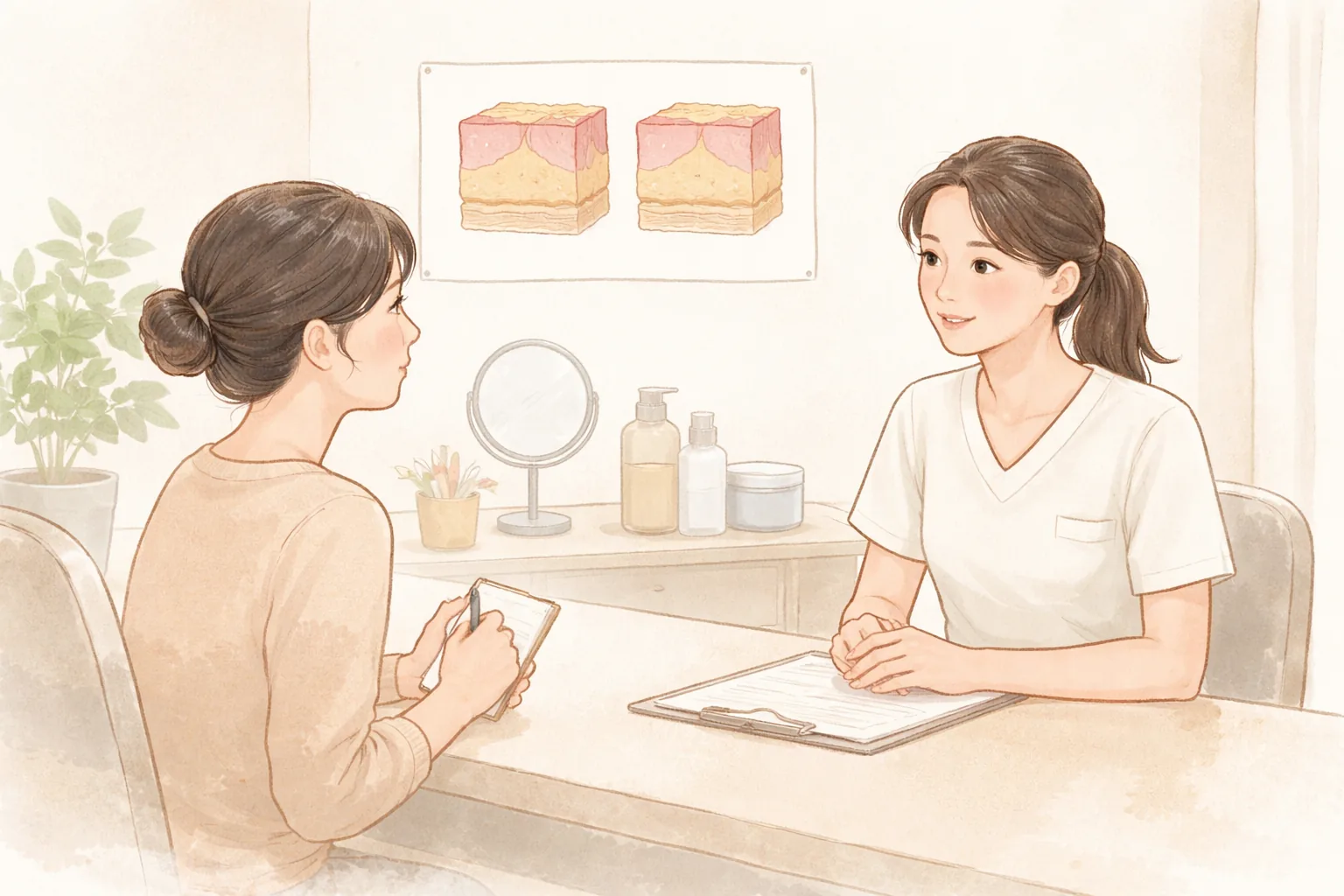
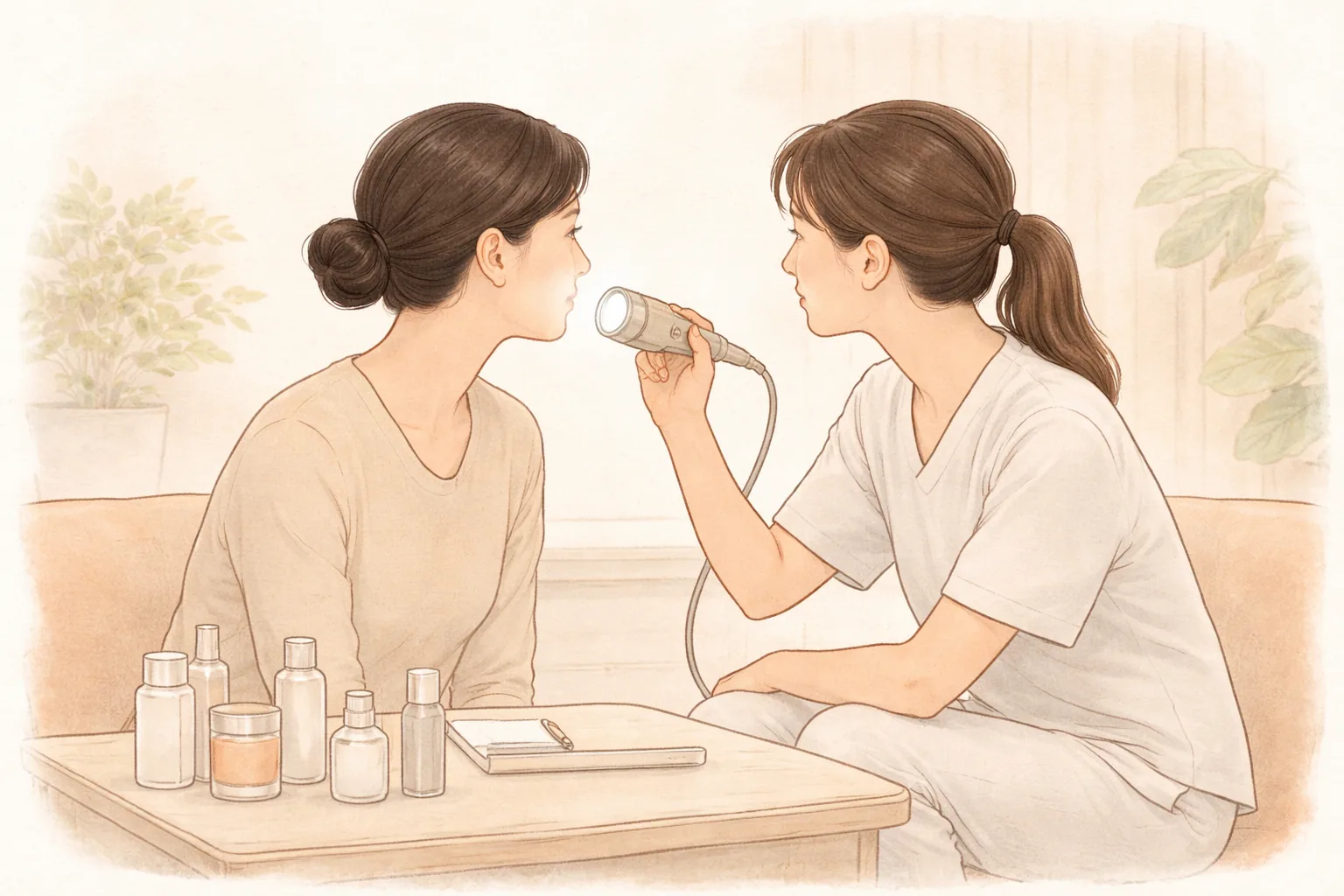
Skin assessment and records — At your consultation, we check skin thickness, dryness, redness, and treatment history, and set goals and areas together. Records made here are for organizing information and do not replace a diagnosis.
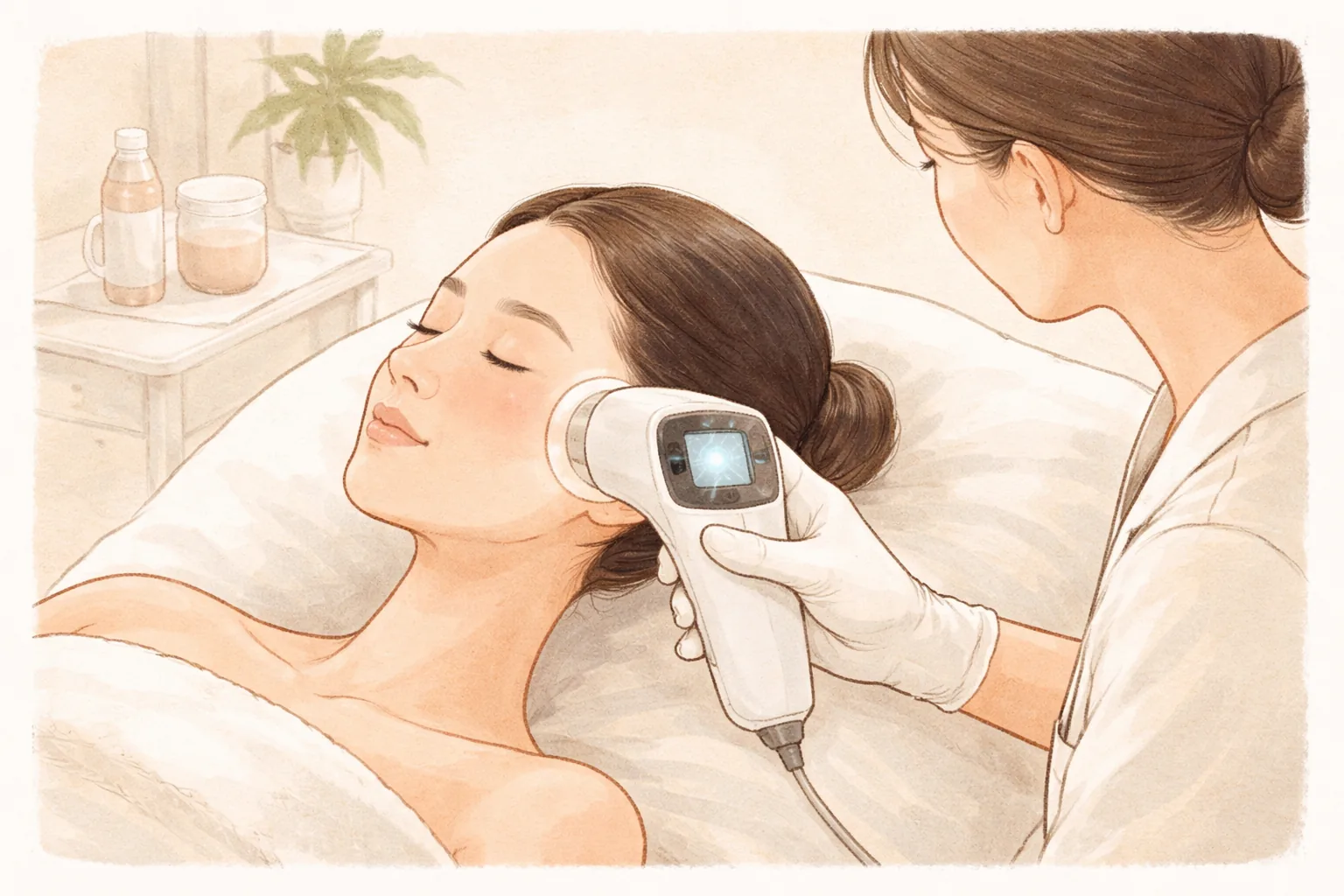
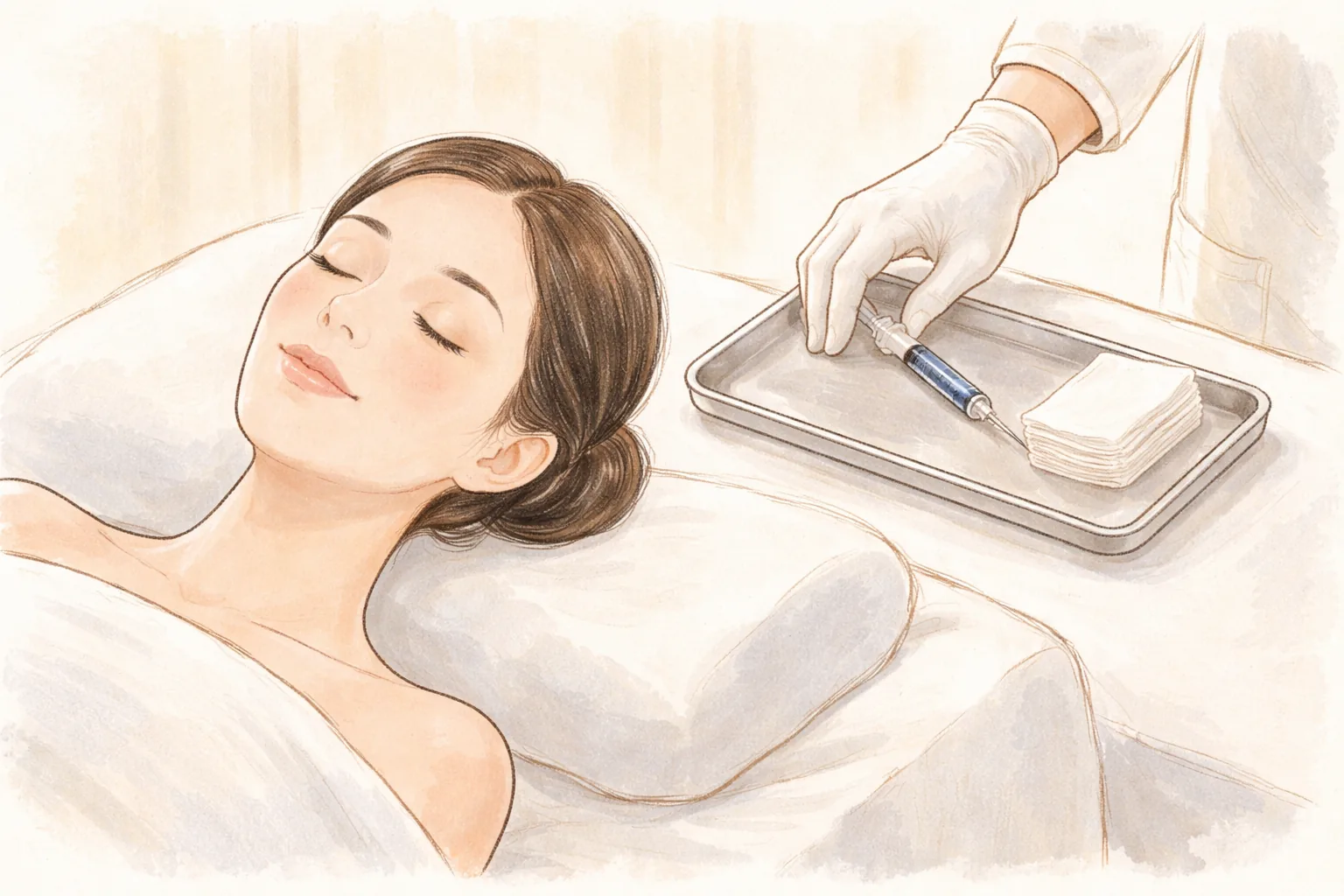
Treatment — We proceed with the agreed product, dosage, and depth, and record the product and dosage actually used. Anesthesia methods will be explained before treatment.
Progress check and next visit guidance — After treatment, we advise the next visit timing according to the recommended cycle. At each session, we compare progress and adjust the next plan.
The products covered in this topic are the PN family—Rejuran Healer, Rejuran HB, Rejuran S, Eye Rejuran—the HA family skin booster, and the allogeneic collagen Re2O (treatments and prices). Which product goes to which area is decided by the director after reviewing your skin condition, and the plan is finalized during your consultation.
Aftercare and side effects
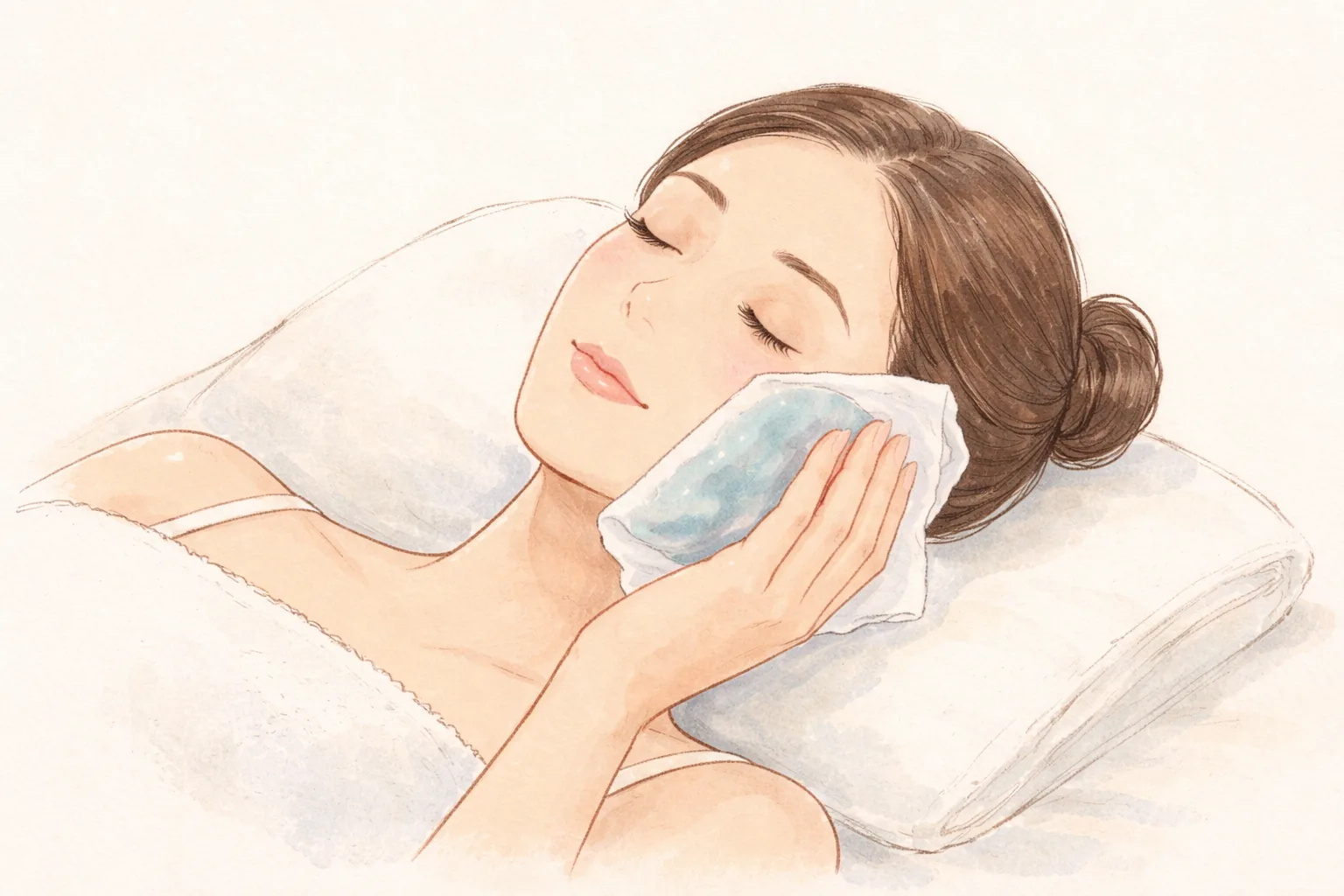
Soothing — Right after treatment, do not rub or press hard on the injection sites. Cold compresses may help with swelling, so ask the medical staff about the method.
Avoiding irritation — On the day of treatment, avoid saunas, strenuous exercise, and alcohol.
Moisturizing and sun protection — For a few days after treatment, apply sunscreen more carefully than usual and maintain moisture.
Progress check — Watch changes in marks and swelling, and compare progress at your next visit.
Common reactions are bumpy marks at the injection sites, redness, swelling, tenderness when pressed, and bruising. Marks usually settle within a day to several days, and bruising can take more than a week to fade. Rarely, infection, allergic reaction, or small nodules can occur, and very rarely the injected ingredient can block a blood vessel (skin booster column). If you have pain that is unusual or worsening, if the skin at the injection site turns white, mottled, bluish, or black, or if your vision changes, do not wait—seek care immediately. If swelling, pain, or heat persist, you should also contact us.
Frequently asked questions
What's the difference between Rejuran Healer, HB, S, and Eye?
The names don't indicate a ranking of effects. On the price list, items are divided by product, area, and dosage unit, and which ingredients each formulation contains is confirmed with the manufacturer's guidance and at your consultation (treatments and prices). At your consultation, you decide which area of your face to prioritize and which product to use to divide how many cc. Rather than deciding the purpose from the name alone, stating your target area first is more accurate.
How many cc will I receive? Do I get exactly the dosage on the price list?
The 2cc and 1cc on the price list are labels distinguishing items, not the dosage decided for you that day. The actual dosage and its distribution across areas are decided at your consultation based on face size, skin thickness, and treatment history. Even with the same 1cc, how it's divided and where changes how it feels, so it's better to confirm the areas and total amount verbally before treatment.
When do results start to show, and how long do they last?
Right after treatment, swelling and redness make it hard to judge, and any changes appear gradually over weeks. Usually several sessions are spaced 2–4 weeks apart, followed by maintenance sessions, and how long they last varies by person. The older you are, and the more skin aging has progressed from UV exposure or smoking, the shorter the period tends to be.
How many days do swelling and marks last after treatment?
Bumpy marks at the injection points and swelling usually settle within a day to several days, and bruising can last more than a week. During this period the skin barrier is temporarily weaker, so it's better to be more careful with sun protection than usual. If swelling lasts longer than expected or pain worsens, contact us rather than waiting for the next session.
How should I choose a good place for Rejuran?
It's not a matter of picking a specific clinic but of the items you check. As AAD guidance suggests, ask about the practitioner's experience and how much they've worked with patients of your skin tone and age, hear about expected results, risks, alternatives, and recovery time, and then decide (AAD questions to ask). Seeing how they let you verify the products and dosages used, and what's included in the total, also makes comparison easier.
At a glance
Table 2 At a glance
Item
Key point
Ingredients
Rejuran is PN, skin booster is HA, Re2O is hADM
Differences in names
Item categories divided by product, area, and dosage unit
Dosage
Price list labels are item categories; actual amount is decided at your consultation
Sessions and intervals
Usually several sessions 2–4 weeks apart, then maintenance
Progress
Marks and swelling a day to several days; bruising can be more than a week
What to confirm
Products and dosages used, what the total covers, contact criteria
This article offers general health information. It is not a substitute for diagnosis or treatment based on your own condition, so please talk through your situation with a doctor.