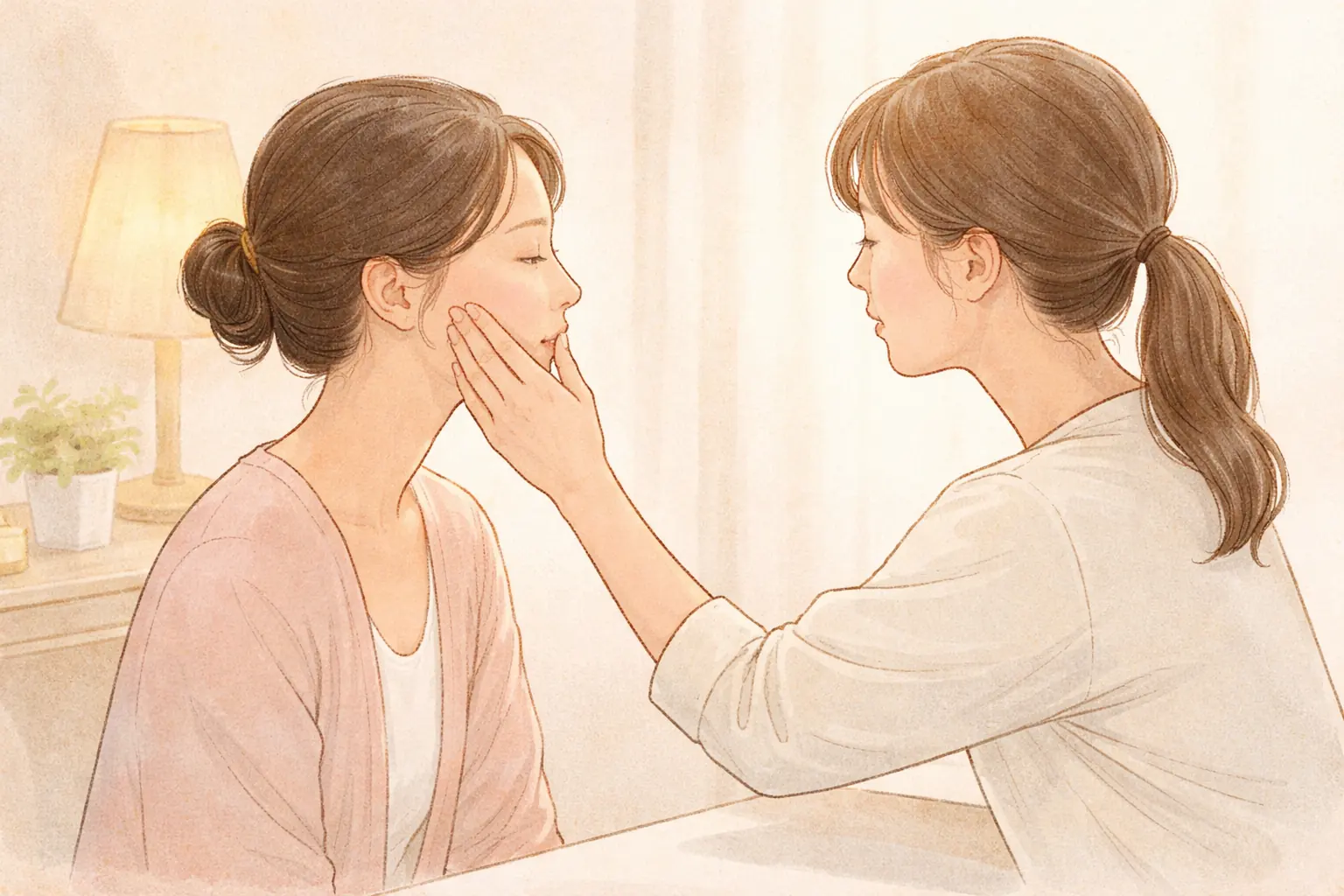
Is Rejuran Painful? What Decides the Anesthesia and Recovery
Why Rejuran stings, explained from the injection method. See how treatment area, tools and numbing change what you feel, plus when bumps and bruises from a Rejuran skin booster settle.
Written by ATTITUDE Clinic Editorial Team
Once you book Rejuran, the word you search most is not results but pain. Questions like "Does Rejuran S hurt a lot during the procedure?" and "How much does it hurt when injected?" come straight into the consultation room. This article covers why Rejuran stings, why the same treatment feels manageable to one person and not another, how numbing is prepared, and when the bumpy marks after treatment settle down.
The short answer first
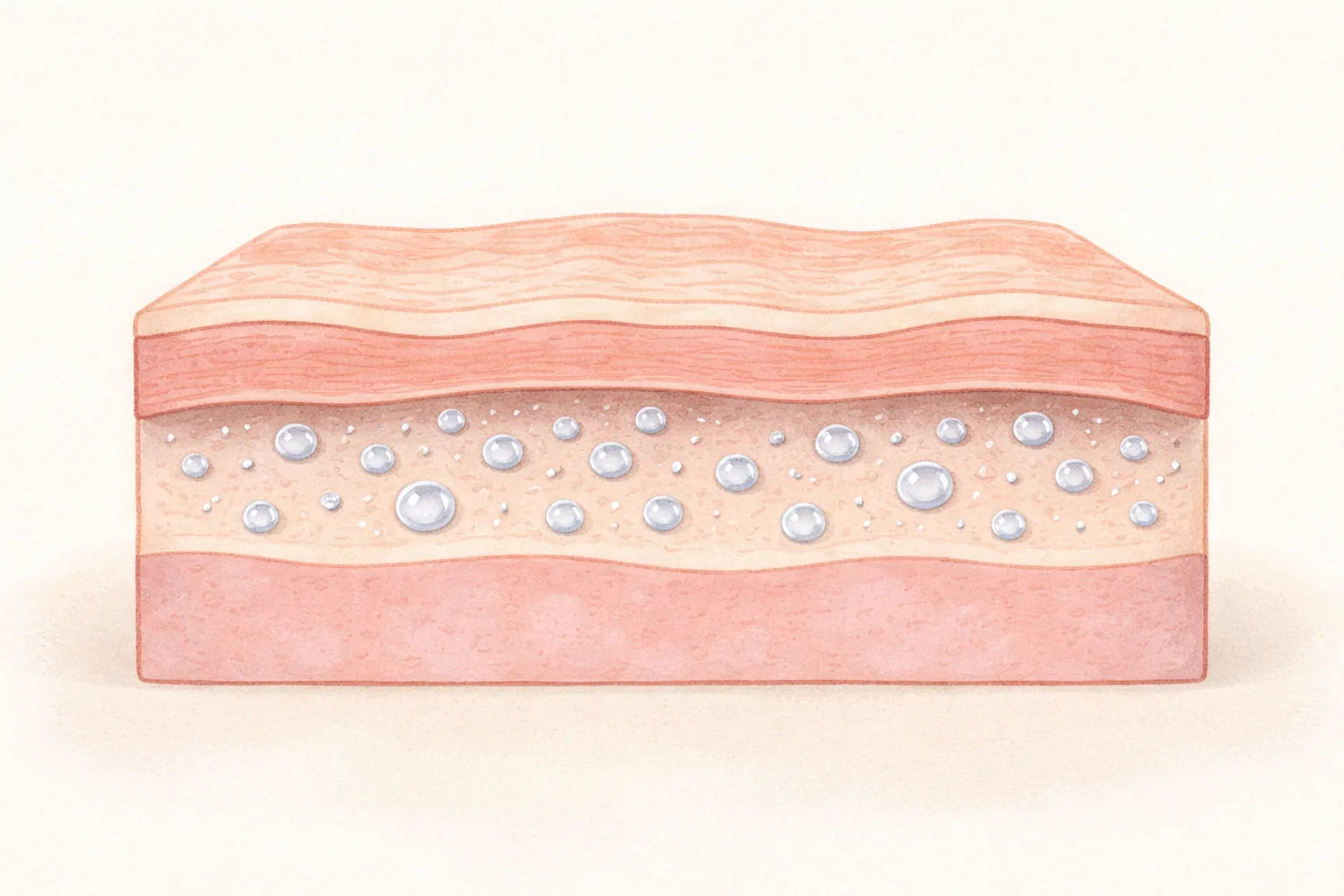
Rejuran is an injection treatment that places many small points into the dermis (the layer inside the skin where collagen is produced). Unlike a filler that fills volume in one spot, it places a needle many times across a broad area, so brief stinging can repeat. What you feel depends on whether numbing was done, which area is treated, and which tool is used. The anesthesia method and how long it is maintained are decided at consultation based on the area, the scope, and your previous injection experience.
Rejuran is divided into lines such as Healer, HB, S and Eye depending on the purpose and area, and it differs from injections with other materials, such as Juvelook, starting at the ingredient family level (treatment guide). Once the line and the amount are planned, the areas and number of needle entries are set as well, so the pain conversation starts with the line and dosage conversation.
Why does Rejuran feel like stinging?
The core ingredient of Rejuran is PN (polynucleotide, a regeneration-signaling substance refined from an extract sourced from salmon), and some formulations add HA (hyaluronic acid). PN is known to help the skin's own recovery response in the dermis, and HA attracts moisture to create hydration (skin booster column). The starting point of the pain is not the ingredient but the delivery method. The design places a thin, broad layer into the dermis across many points, so the needle passes through the skin many times.
The explanation that "the drug is strong so it hurts" is not accurate. Even with the same amount, a treatment that gathers it in one spot and one that spreads it widely deliver stimulation differently. If the goal is to lay it evenly across the whole face, the number of points inevitably increases, and the stinging moments increase with it.
Why does the same Rejuran hurt less for some people?
The first variable is the area. The forehead, eye area and around the lips are close to bone with thin tissue, so they tend to feel more sensitive, while thicker areas like the cheeks and jawline tend to hurt less (skin booster column). Even on the same face, the impression of the day changes depending on which area is done first.
The second is the injection tool. Injecting many points densely with a thin needle repeats brief stinging many times, while inserting a thin tube with a rounded tip (cannula) and spreading the product from inside stings only on entry and causes relatively less pain afterward (skin booster column). Which is right depends on the area, the injection volume and skin thickness.
The third is how well the numbing has taken effect and your personal pain threshold. Pain varies greatly with the treatment area and pain threshold, and the same person feels it differently by area and by day. If the skin is red or inflammatory acne is present on the day of treatment, stimulation may feel stronger.
How is numbing prepared?
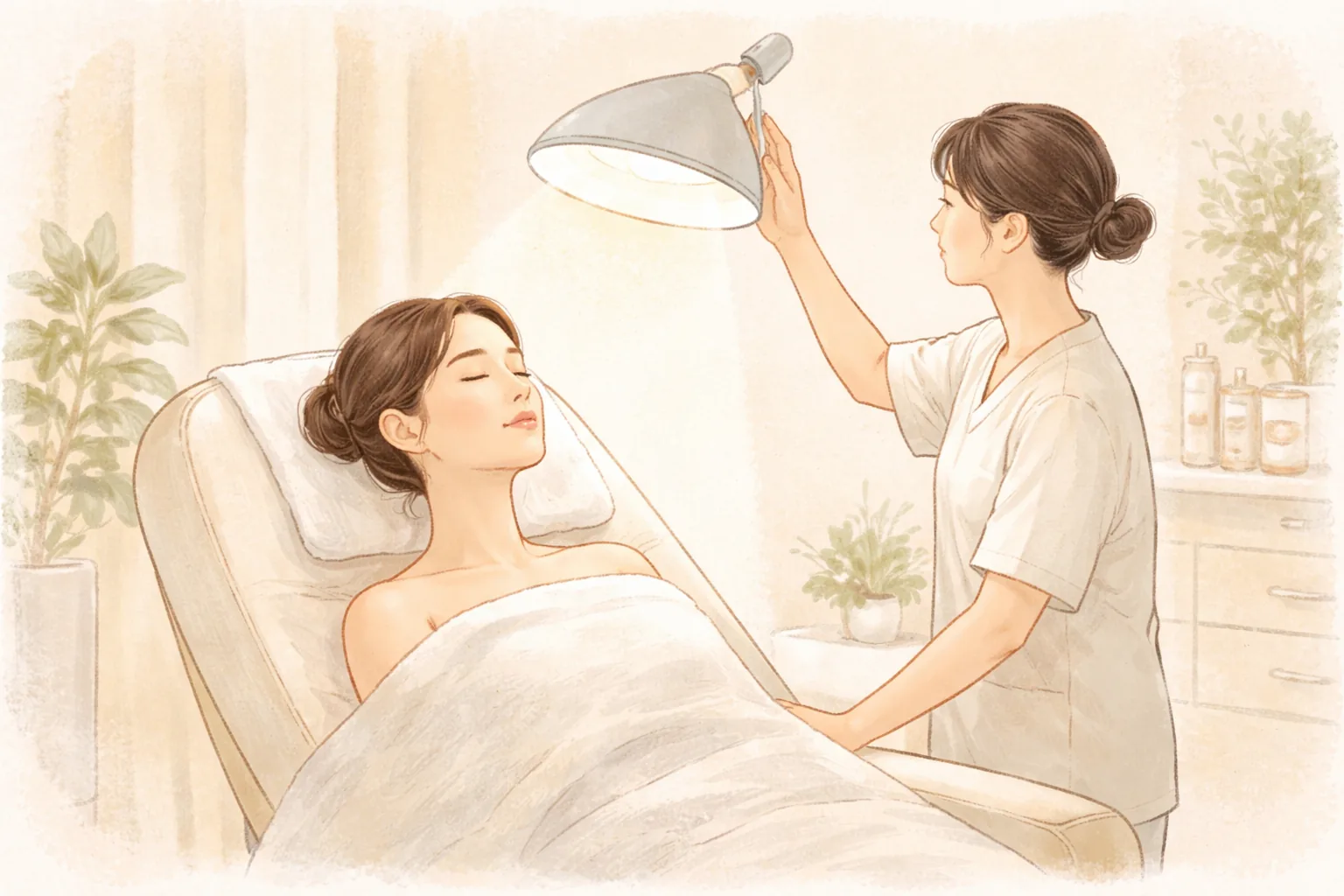
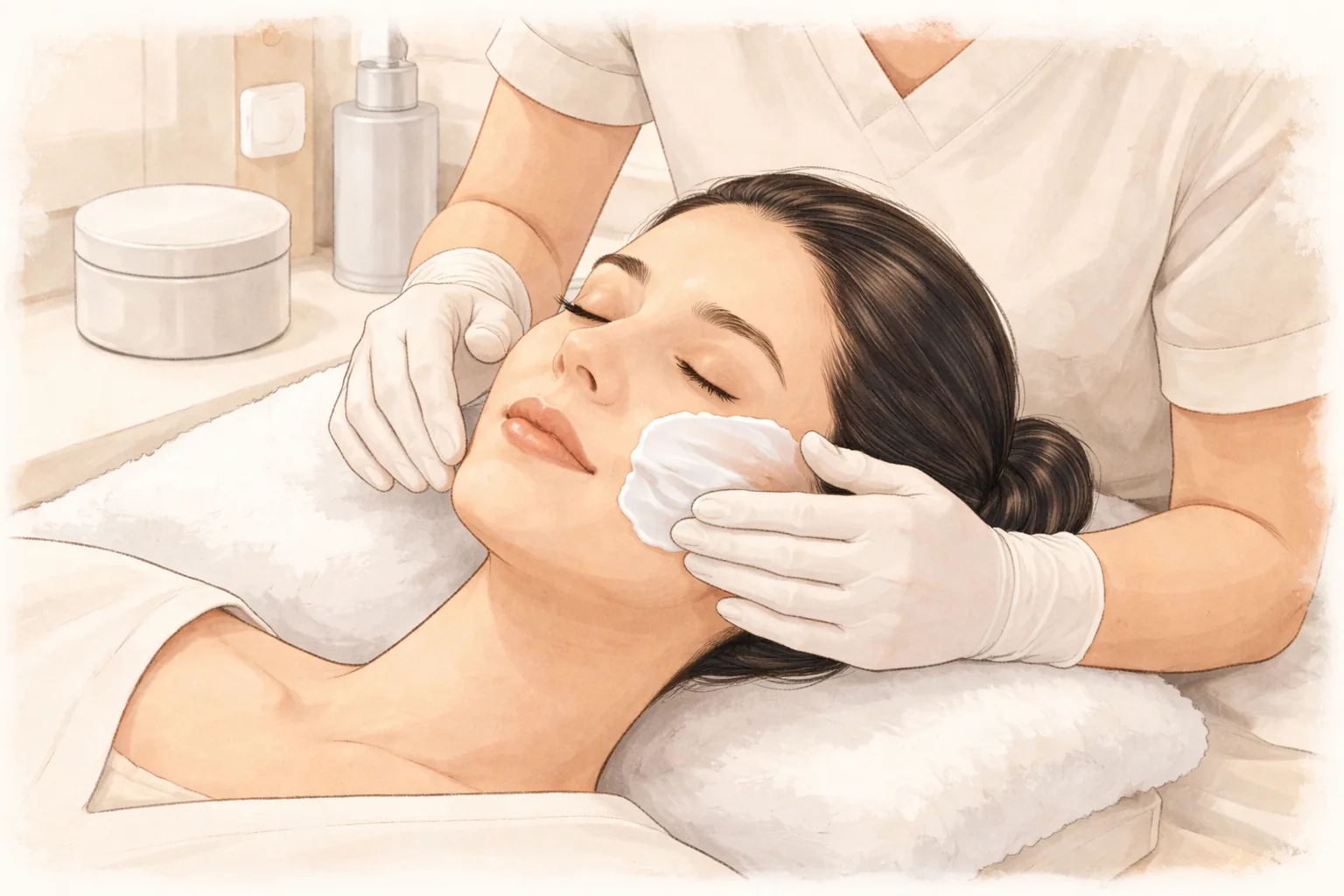
The most common method is topical anesthesia, applying numbing cream to the skin before treatment. It reduces the pain signals entering the skin surface and lowers the burden at the moment the needle touches. According to the American Academy of Dermatology's filler guide, methods such as ice packs, topical anesthesia on the skin, and nerve block injections may be used before injection. It also notes that lips often need a nerve block while hands usually need no anesthesia (AAD filler guide). This means the options used in injection treatments generally are this varied, and areas where topical anesthesia is insufficient may be considered for other methods.
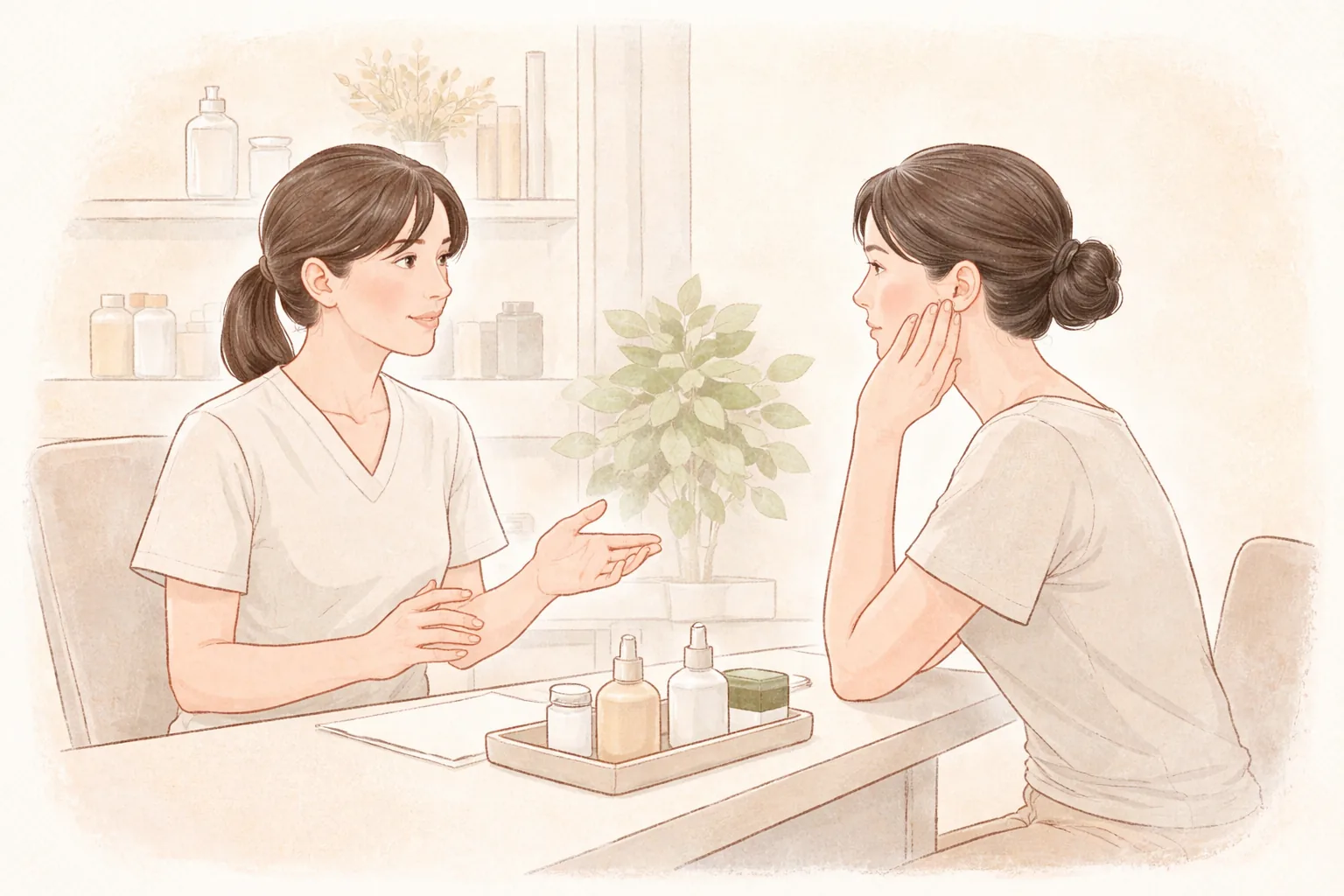
Which method is used for Rejuran and how long it is maintained are decided at consultation based on the area, the scope, and any experience of dizziness or unusual sensitivity during previous injections. ATTITUDE Clinic explains the anesthesia method at consultation (skin booster column). Whether you start with the numbing fully taken effect determines how the day feels, so it is better not to rush the waiting time.
How many sessions and at what interval?
PN·HA skin boosters are usually done several times at 2–4 week intervals, then maintenance treatments continue at wider intervals. A single session alone brings limited and temporary change, and any collagen-related change appears gradually (skin booster column). The number of sessions and intervals needed vary with skin condition and area, so the doctor decides after examining the skin.
Intervals are also connected to pain. Stimulating the same area again before the swelling and bumps from the previous session settle can increase that day's discomfort, so the next date is set after checking the recovery progress. If a laser or lifting is planned together, the doctor decides whether it can be done on the same day and in what order.
Table 1 How many sessions and at what interval?
Factor
Effect on how pain feels
Why
Forehead, eye area, around the lips
May feel relatively more sensitive
Areas close to bone with thin tissue
Cheeks, jawline
Relatively less
Thicker tissue areas
Dense injection with a thin needle
Brief stinging repeats many times
Method that places many separate points
Cannula (thin tube with a rounded tip)
Stings only on entry, less afterward
Method that spreads the product from inside
Topical anesthesia and cooling
Burden differs while numbing takes effect
Depends on numbing scope and duration
Swipe sideways to see the whole table.
In short Rejuran pain depends more on the number of needle entries, the area and the numbing status than on the ingredient. Thin areas like the eye area and lips are better done in a divided order rather than all at once in the first session, and it is better to decide the treatment scope after the numbing has fully taken effect.
Situations to consider
When you have an important event within 2–3 days
Injection marks (bumps) may remain for a day to several days after treatment, and bruises can take more than a week to fade (skin booster column). If you have a fixed event like a wedding or a shoot where your face will be seen as it is, it is safer to schedule the treatment earlier. Swelling mostly settles within a day to several days.
When you want the eye area and lips done as well
The eye area and around the lips are especially sensitive areas even on the face. Dividing the order rather than doing sensitive areas all at once in the first session can reduce the burden of the first experience. Lips have a dedicated line prepared (treatment guide), and how to do the anesthesia is decided at consultation.
When you are sensitive to pain or have felt dizzy during a previous injection
At consultation, decide the anesthesia method, how long it is maintained, and the scope to be treated at one time. Setting a signal so you can speak up right away if your condition changes during the procedure is also a good idea. Remembering which area was especially hard in a previous treatment lets it be reflected in the plan.
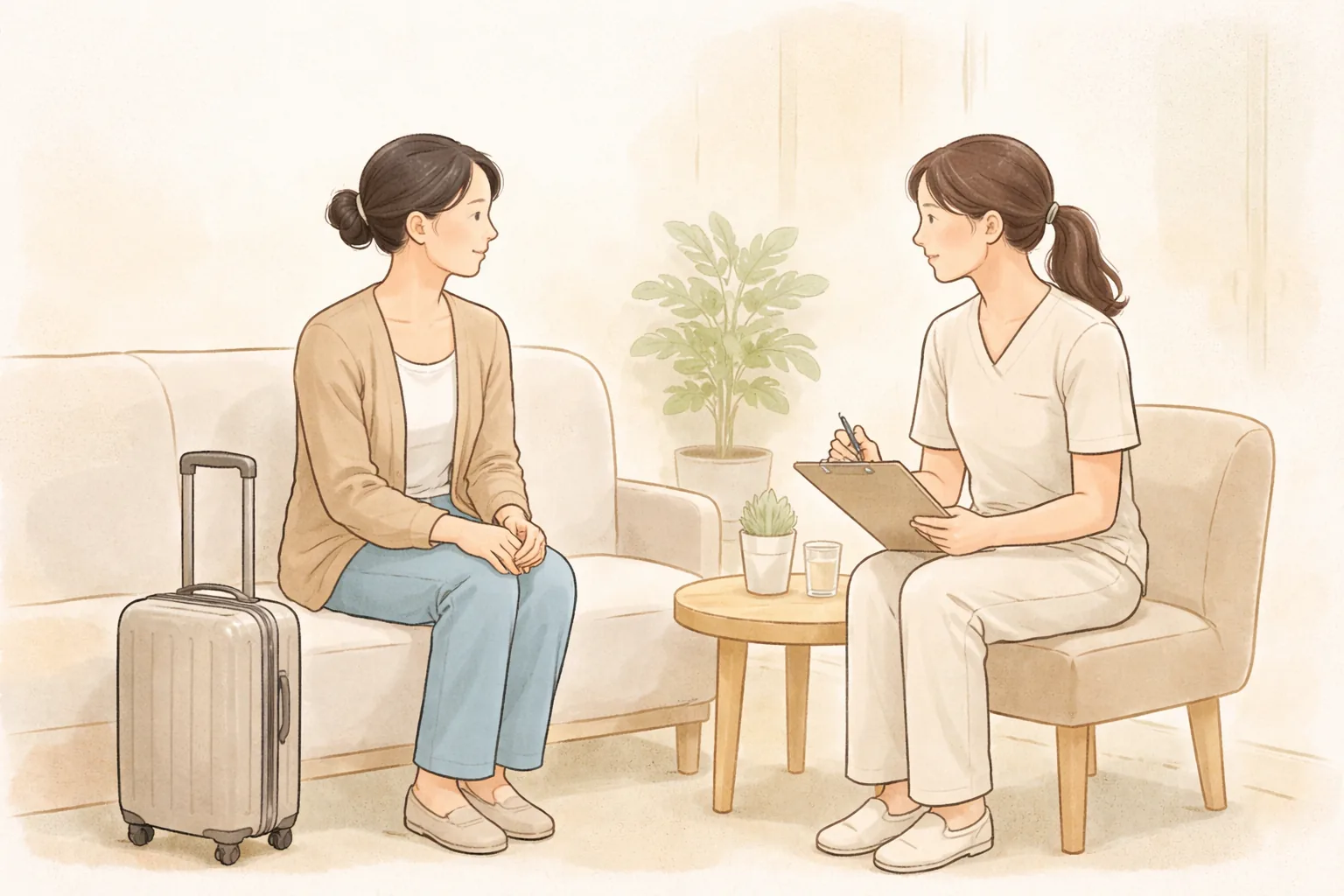
When considering treatment during a short stay
If you tell us your next day's schedule and departure date, we can set the date considering recovery time. It is reassuring to check in advance when the bumps and swelling settle, what to do if a bruise appears, and how to contact us if an adverse reaction occurs.
Please tell us before consultation
Recent sun exposure, whether you have had laser or peeling treatments, and any inflammation or acne at the treatment site
Medications you are taking, especially those affecting blood clotting
Allergy history, whether you have reacted to tissue-derived products, and whether you have an autoimmune disease
Whether you are pregnant or breastfeeding
Any experience of prolonged bruising or swelling, or dizziness, after a past injection treatment
Fixed dates such as weddings or shoots
How ATTITUDE Clinic proceeds
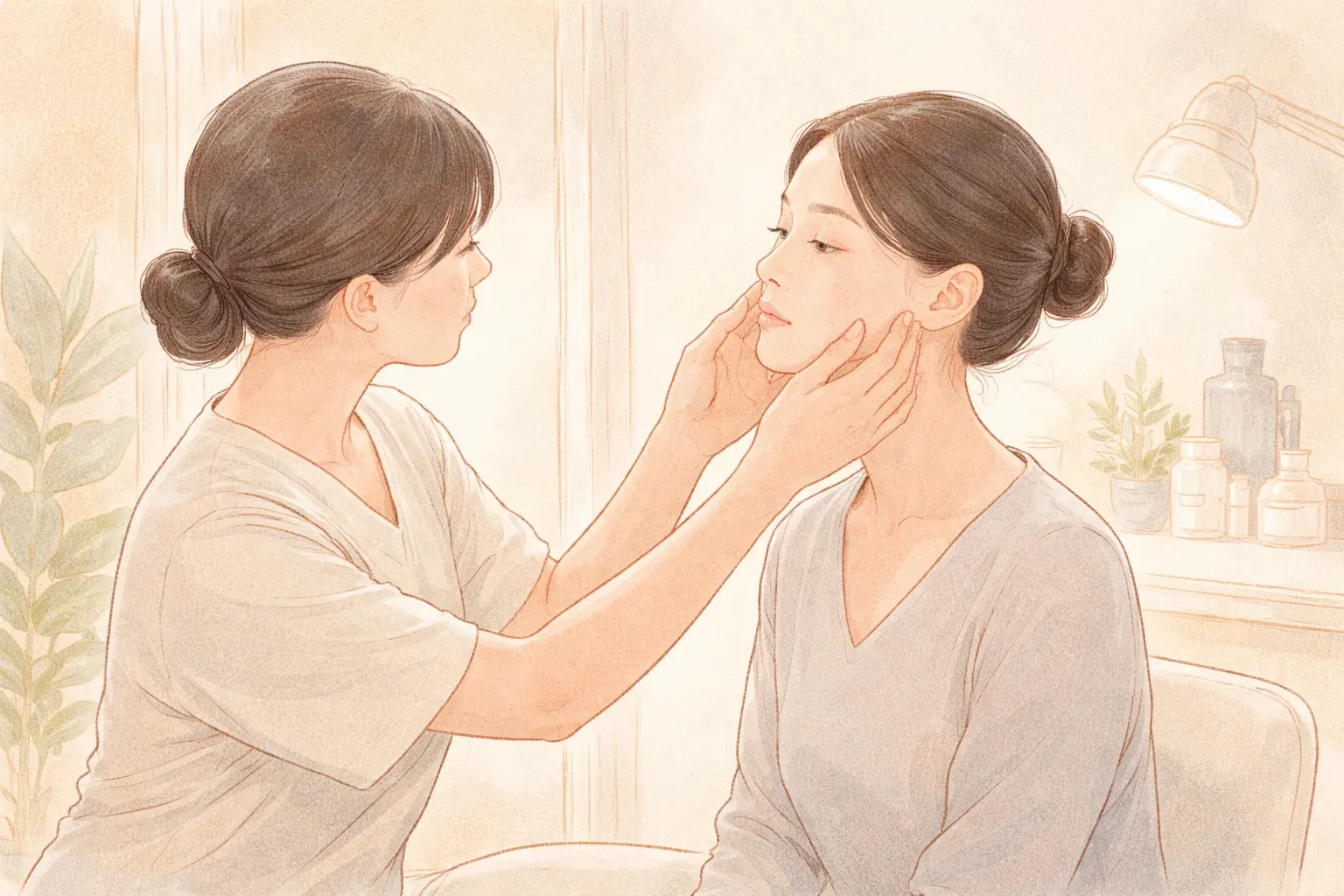
Skin check and consultation — We check the thickness, redness and inflammation of the treatment area and listen to your experience with pain. Allergy history, current medications, and pregnancy or breastfeeding status are also checked at this stage (collagen injection column).
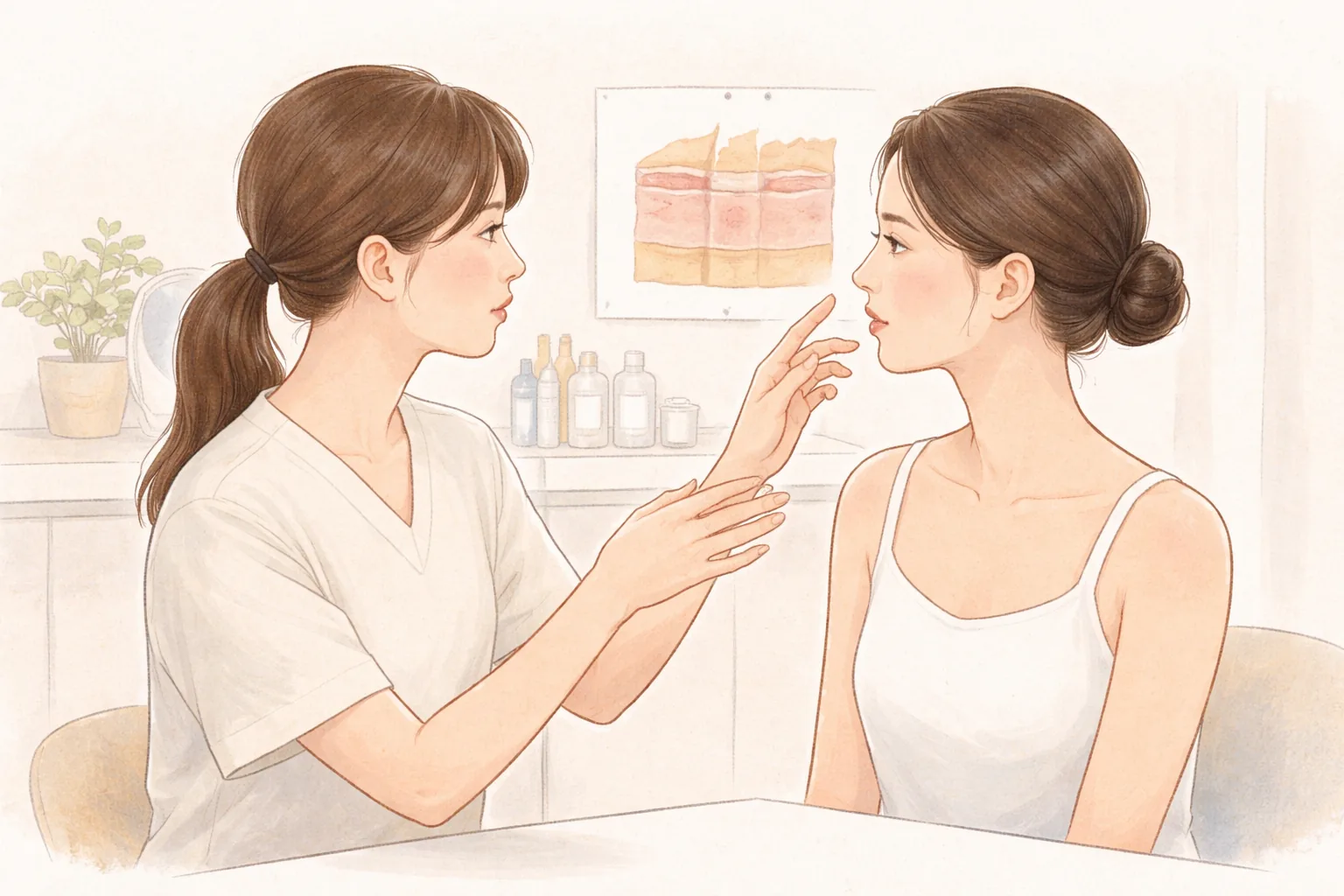
Deciding the line and scope — Among Healer, HB, HB lips, S and Eye, we decide the line, dosage and area that fit your goal (treatment guide). Whether to treat sensitive areas like the eye area and lips at once or separately is also decided here.
Anesthesia and treatment — After the numbing has taken effect by the chosen method, we proceed. The anesthesia method is explained at consultation, and you are encouraged to speak up rather than endure if you are uncomfortable during the procedure (skin booster column).
Recovery guidance and next appointment — We explain precautions right after treatment, moisturizing and sun protection, and set the next visit according to the recommended interval (skin booster column).
Aftercare and side effects
Here is the care to follow in order starting the day of treatment.
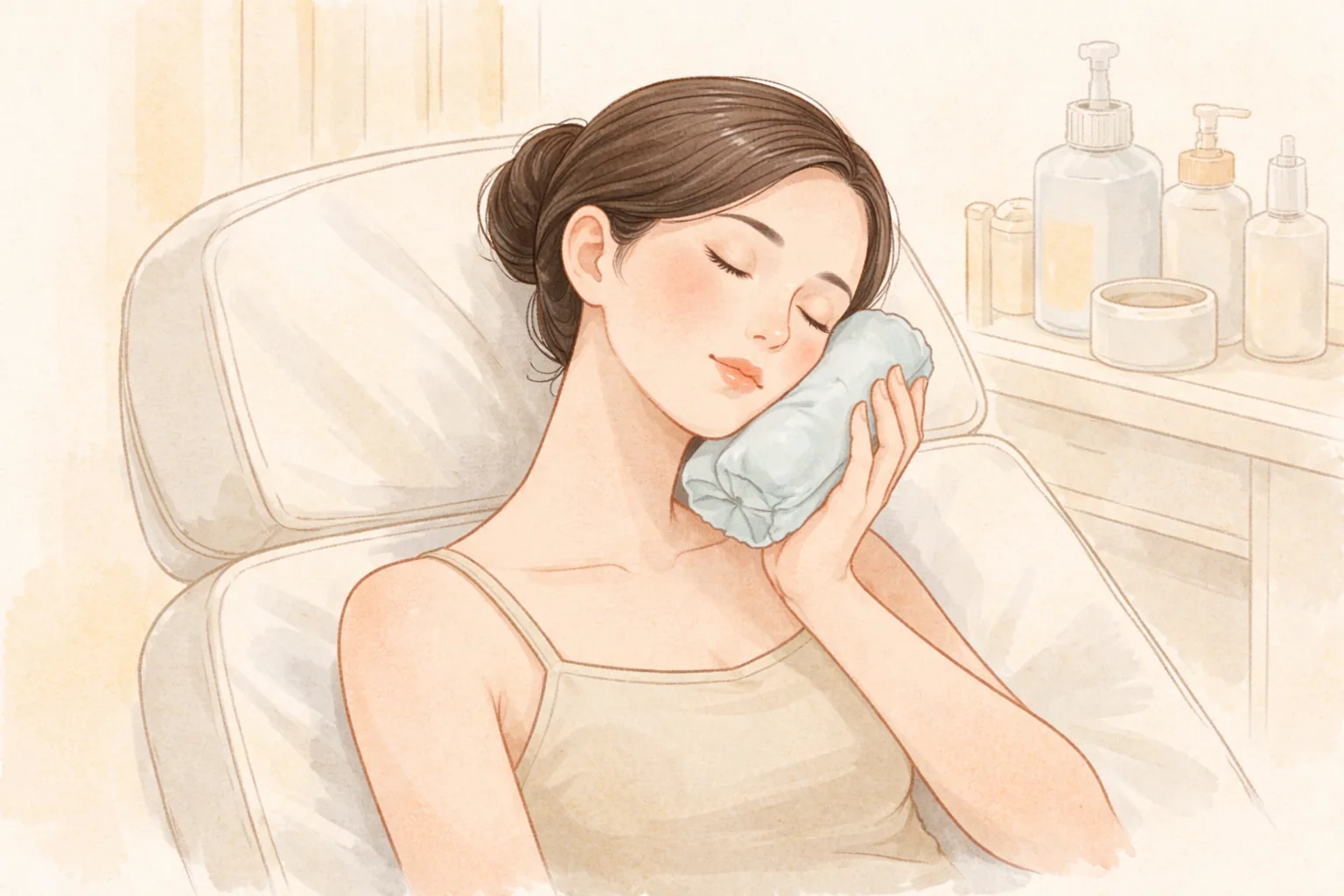
Soothing — Cold compresses may help with swelling, and the method and duration should be confirmed with the medical staff (skin booster column). Avoid saunas, strenuous exercise and alcohol on the day.
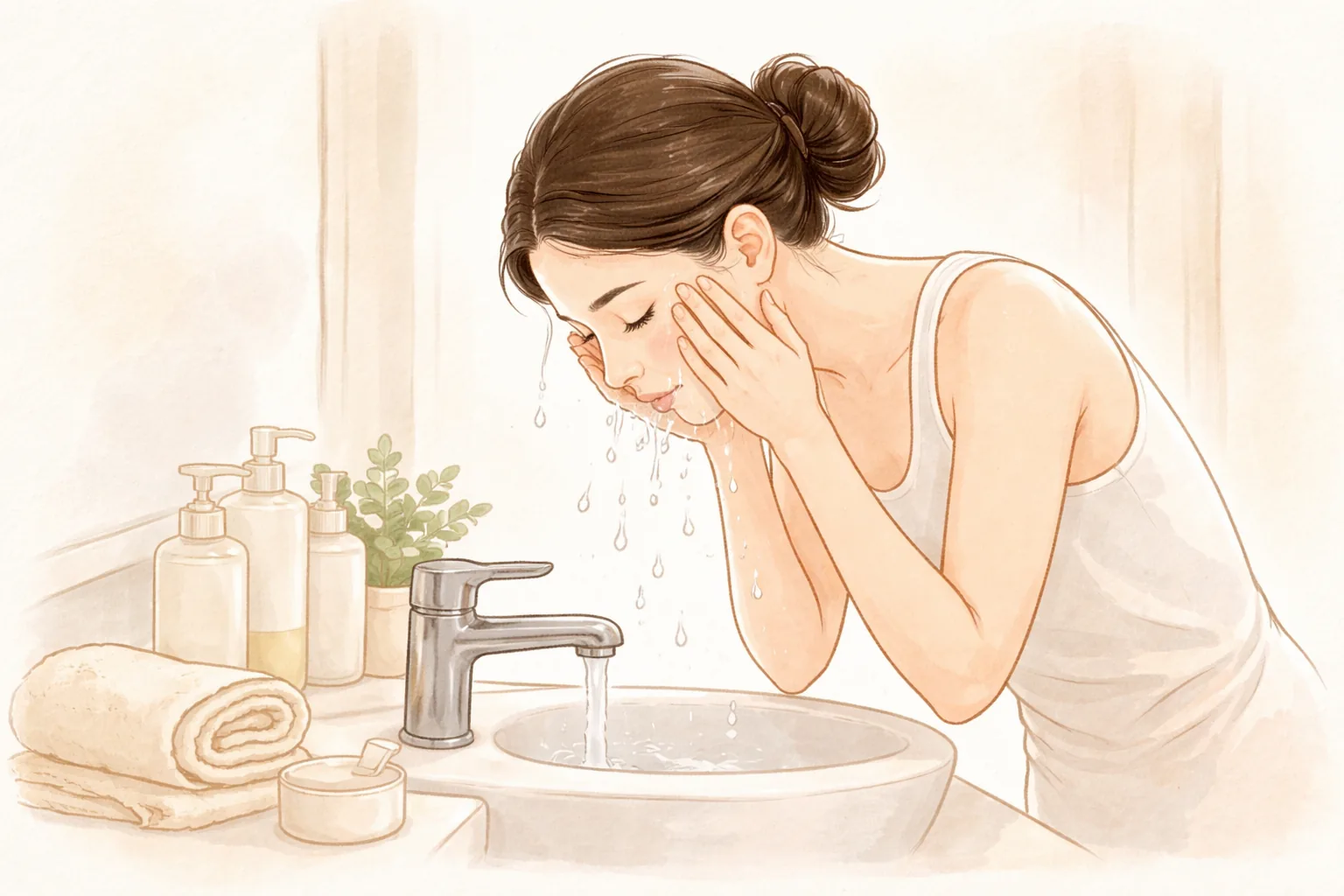
Cleansing and makeup — Cleanse gently, and makeup is often possible from the next day once the injection marks have closed. Do not press hard on or massage the injection site (collagen injection column).
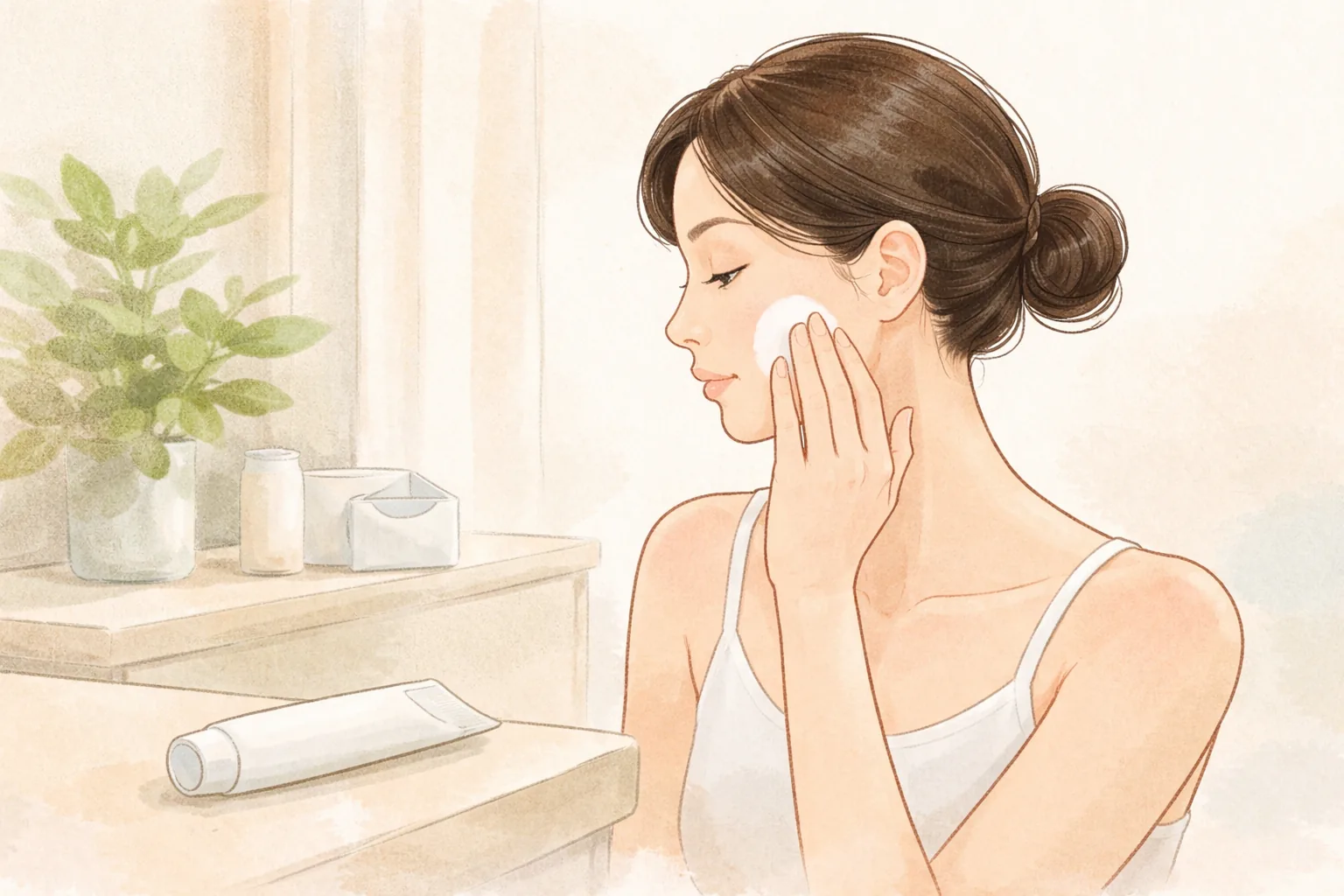
Moisturizing and sun protection — For 2–3 days after treatment, apply sunscreen more carefully than usual. On a day when you also had a laser or microneedling that opens the surface, fine channels temporarily form on the skin surface, so take extra care with moisturizing and protection (exosome column).
Checking progress — Bumps and swelling usually settle within a day to several days, and bruises can take more than a week to fade. The next session timing is set based on this progress.
Common reactions are bumpy marks at the injection site, redness, swelling, tenderness when pressed, and bruising. Rarely, infection, allergic reaction or small lumps can occur, and very rarely the injected substance can block or damage a blood vessel (skin booster column). If pain is unusual or worsening, if the skin at the injection site turns white or mottled, bluish or black, or if there is a change in vision, do not wait and seek care immediately (collagen injection column).
Frequently asked questions
How painful is Rejuran?
It is not a pain that can be stated as a fixed number. Because it is a treatment with many needle entries, stinging can repeat, but what you feel varies greatly with the area, the tool and the numbing status. The forehead, eye area and around the lips feel more sensitive, while the cheeks and jawline feel relatively less (skin booster column). It is better to speak up rather than endure if you are uncomfortable during the procedure, and simply changing which area is done first can change how it feels.
Is numbing cream enough? Are there other methods?
Topical anesthesia is the basic approach, and cooling is often added. In injection treatments generally, ice packs, topical anesthesia on the skin, and nerve block injections may be used, and lips often need a nerve block (AAD filler guide). Which combination is used for Rejuran is decided at consultation based on the area, scope and previous injection experience, and ATTITUDE Clinic explains the anesthesia method at consultation (skin booster column).
When do the bumpy marks after treatment disappear?
The bumps that form along the injection points usually settle within a day to several days (skin booster column). It is a natural process as the ingredient is absorbed, and some people mistake the bumpy spots shrinking on the day for the effect wearing off. If a bruise appeared too, it can take more than a week to fade. If the marks remain for a while or become more prominent, tell the clinic.
Does it hurt more around the eyes or lips?
Yes. These are areas close to bone with thin tissue that tend to feel relatively more sensitive (skin booster column). Lips have a dedicated line prepared (treatment guide), and in injection treatments generally, lips are often noted as needing a nerve block (AAD filler guide). Dividing the order rather than doing sensitive areas all at once in the first session reduces the burden.
What should I look at when choosing a clinic?
At consultation, you can check which line and how much volume is planned, which anesthesia method is used and how long it is maintained, and how to contact the clinic and receive care if an adverse reaction occurs after treatment. You can also ask about whether the product used is genuine and how it is stored, and who performs the procedure. Even for the same Rejuran, a clinic that explains whether sensitive areas like the eye area and lips will be divided or done together is a clinic with a thorough consultation. Recovery progress and what you feel differ from person to person, so it is better to build a plan based on your own skin at consultation.
At a glance
Table 2 At a glance
Item
Key point
Cause of pain
Many needle entries as many points are placed in the dermis
Area differences
Forehead, eye area and around the lips more sensitive; cheeks and jawline less
Tool differences
Thin needle stings repeatedly; cannula only on entry
Anesthesia
Topical anesthesia is basic; method varies by area and is explained at consultation
Treatment interval
Usually several sessions at 2–4 week intervals, then maintenance
After treatment
Bumps and swelling a day to several days; bruises can take more than a week
This article offers general health information. It is not a substitute for diagnosis or treatment based on your own condition, so please talk through your situation with a doctor.