Rejuran vs Skin Booster: What Actually Sets Them Apart
Rejuran and skin boosters work differently inside the skin. Here's what separates them, what shapes your results, and how to plan sessions around a short stay in Gangnam, Seoul.
Written by ATTITUDE Clinic Editorial Team
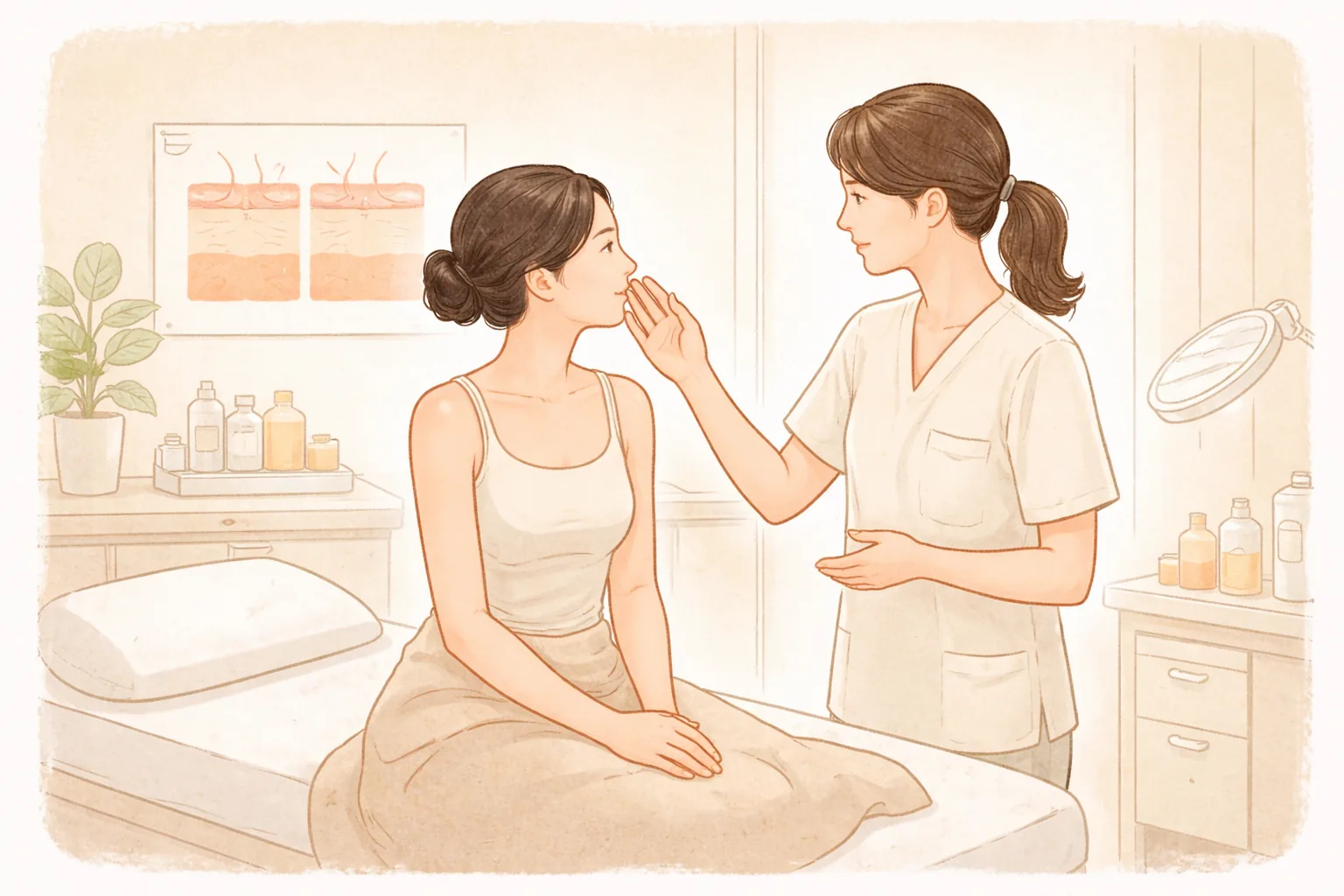
People often tell us they can't decide between Rejuran and a skin booster. The names sound similar enough that it's tempting to assume they're the same treatment under different labels, and if you're only in Korea briefly, you're probably also wondering how many sessions you can realistically fit in. This article walks through what each treatment does inside the skin, what separates the results, and how to arrange sessions around a travel schedule.
The short answer
A skin booster fills the dermis with hyaluronic acid (HA) for hydration and glow, while Rejuran uses salmon DNA-derived ingredients to support the skin's own recovery response. If chronic dryness and dullness are your main concern, a skin booster is considered first; if your skin texture is rough and redness lingers, Rejuran comes first. Rather than one being the better treatment, it comes down to whether your skin lacks moisture or recovers slowly. Because both place different materials into the same dermal layer, they're sometimes planned together, and the number of sessions and spacing are decided at a consultation after your skin is examined.
What does each treatment do inside the skin?
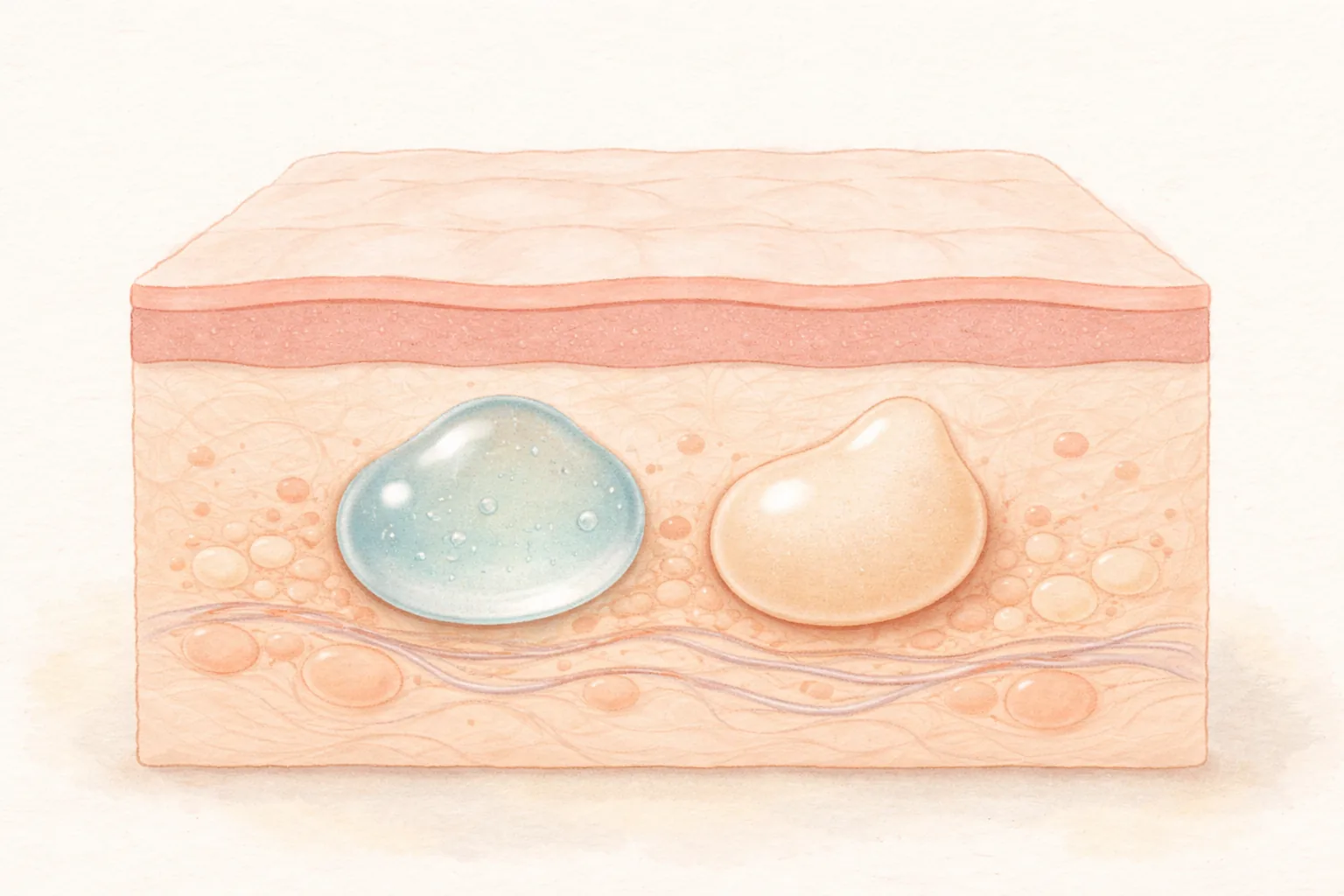
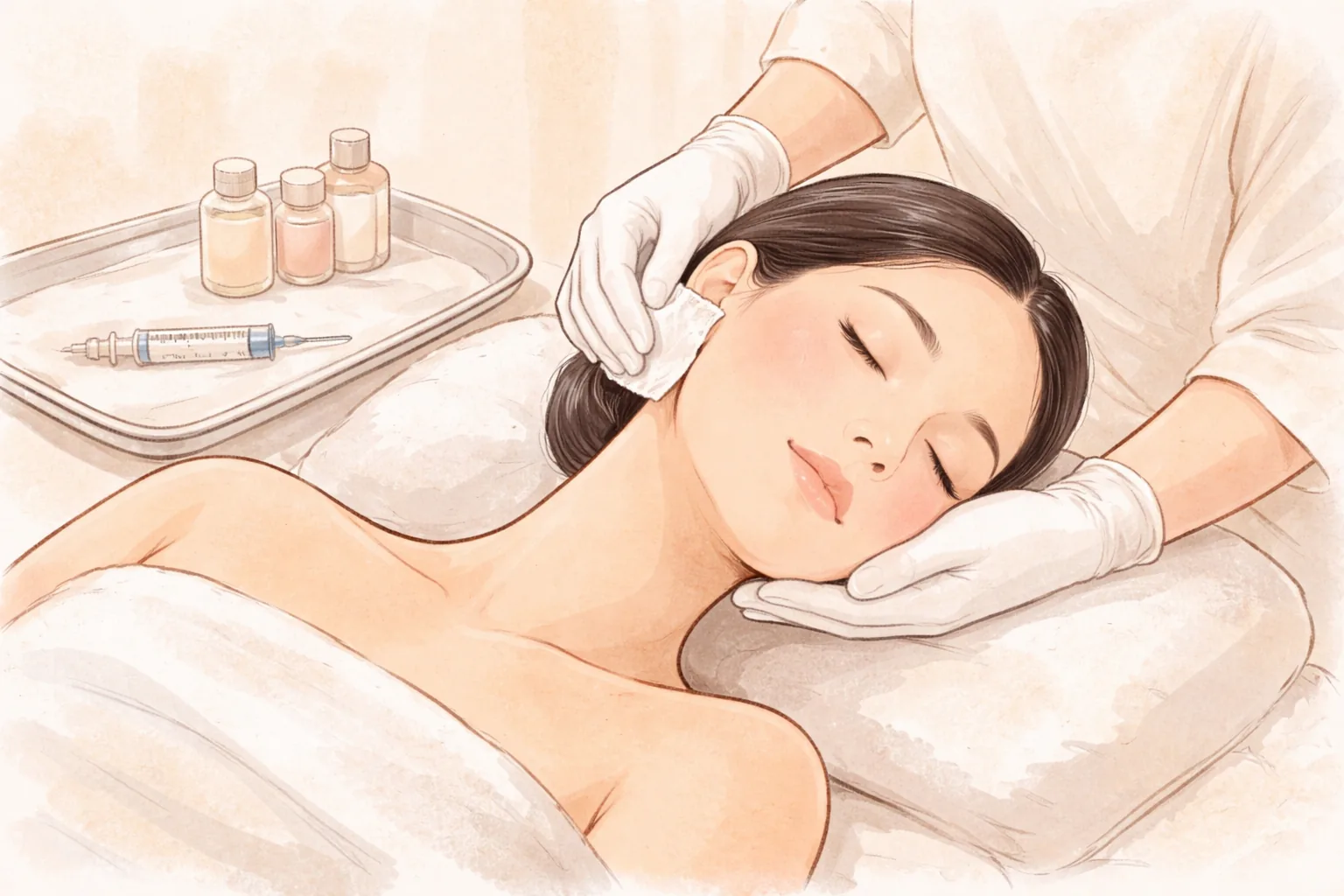
Both are injected into the dermis, the layer where collagen is produced, which is different in role from the stratum corneum that seals the surface. As outlined in the ATTITUDE Clinic column, what a skin booster does depends on which material is placed in this layer.
The core ingredient of a skin booster is hyaluronic acid. It draws in water strongly, so once it's in the dermis the skin can feel moist and bouncy. It's often used to address dryness and dull tone, and how much you feel it varies from person to person.
Rejuran belongs to the salmon-derived ingredient family. It's understood to create signals in the skin similar to the body's own wound-recovery response, stimulating the cells that produce collagen. Its association with calming redness ties into this same recovery signaling.
In practice, the two ingredients are rarely used in isolation — adjusting the blend ratio to match your goal is common. If repair and elasticity are the priority, the salmon-derived share goes up; if immediate glow and hydration are the priority, the HA share goes up. So "Rejuran or skin booster?" is a question about ingredients and, at the same time, about blending.
Why does it all sound like "the same injection"?
There's a reason the names get confusing. Under the single label of "skin booster," quite different products and procedures get grouped together — Rejuran, skin boosters, and diluted botulinum toxin injected superficially into the skin. So it's natural to wonder whether they all amount to the same thing.
One more thing: when people hear "injection," they sometimes think of dermal filler. A skin booster isn't a treatment that creates immediate volume the way filler does — it's closer to gradual change. Knowing this difference before you arrive makes it much clearer what to ask at your consultation.
What separates the results?
First is the ingredient family. A higher HA share puts hydration and glow in front; a higher salmon-derived share puts repair first. The blend is decided after looking at your skin.
Second is injection depth and area. Even with the same injection, thin areas close to bone like the forehead and around the eyes feel more sensitive, while thicker areas like the cheeks and jawline tend to hurt less. Injecting many points densely with a fine needle feels different from spreading the product with a thin cannula with a rounded tip.
Third is spacing and session count. Skin boosters are usually done several times at 2–4 week intervals, then the intervals widen for maintenance sessions. Since a single session has limited and temporary effects, it's better to plan a series from the start.
Fourth is skin condition and lifestyle factors. The rate at which collagen is built and broken down differs from person to person, so how long results last varies with age, sun exposure, and smoking. That's why it's approached as ongoing care rather than a one-off treatment.
Fifth is the injector's technique. The American Academy of Dermatology advises that results depend heavily on the skill and experience of the person performing the procedure, and suggests asking at your consultation about the injector's qualifications and experience, and how much they've worked with your skin tone and age group.
Table 1 What separates the results?
Category
Main ingredient
Concern it targets
What to confirm at consultation
Skin booster
Hyaluronic acid (HA)
Chronic dryness, dullness, glow
Which product, in what ratio
Rejuran
Salmon DNA-derived family
Rough texture, lingering redness
Product and session plan
Rejuran (PN)
Polynucleotide
Fine lines, loss of elasticity
Session count and spacing
Exosomes
Cell-derived signaling substances
Supporting repair signals
Whether standalone or combined with laser/microneedling
Swipe sideways to see the whole table.
In short It's easiest to think of a skin booster as the filling side and Rejuran as the side that sends recovery signals. In practice, though, the two are sometimes blended, so the precise product and ratio are best decided at your consultation.
If this sounds like you
If you're only in Korea briefly
Injection marks and swelling usually settle within a day to a few days, and makeup is often possible from the next day once the injection points have closed. It's more comfortable to leave a day or two of buffer rather than booking the day before your flight or right before boarding. If you're also considering laser or lifting, the doctor decides whether it can be done the same day and in what order, so it's best to get the whole schedule designed at your first consultation.
If your skin is dry and dull
If tightness after cleansing lingers and makeup sits unevenly, the hydration approach comes first. An HA-based skin booster fits here, and the feeling tends to build as sessions accumulate.
If your skin is sensitive or flushes easily
For skin that reacts to irritation and holds redness for a long time, sending recovery signals is considered. The more sensitive the skin, though, the more responses vary between people, so we first check whether there's any inflammation or infection in the treatment area.
If you want ongoing care
Building several sessions and then widening the intervals is more natural than a single session and done. Your next visit is scheduled according to the recommended interval, and sun protection and moisturizing in between help maintain results.
Tell us before your consultation
Recent sun exposure and upcoming travel or photo schedules
Medications you're taking (especially anything affecting blood clotting), allergy history, and reactions to past injectable treatments
Pregnancy, breastfeeding, and pregnancy plans
Inflammation, infection, or cold sores in the treatment area
How ATTITUDE Clinic approaches this
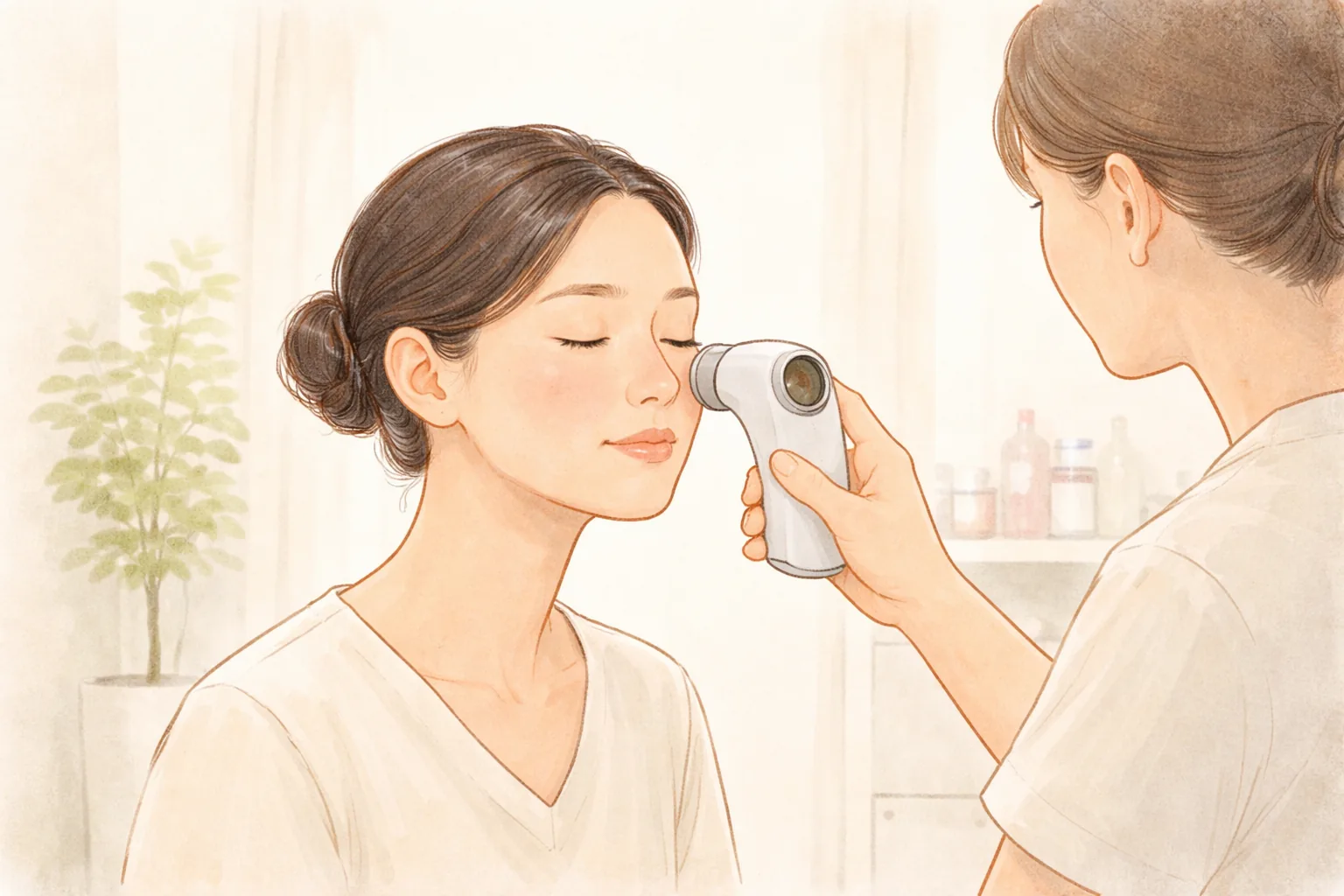
AI skin analysis record — Dryness, redness, and texture are recorded as a starting point for the consultation. The analysis tool organizes information; it does not replace a diagnosis.
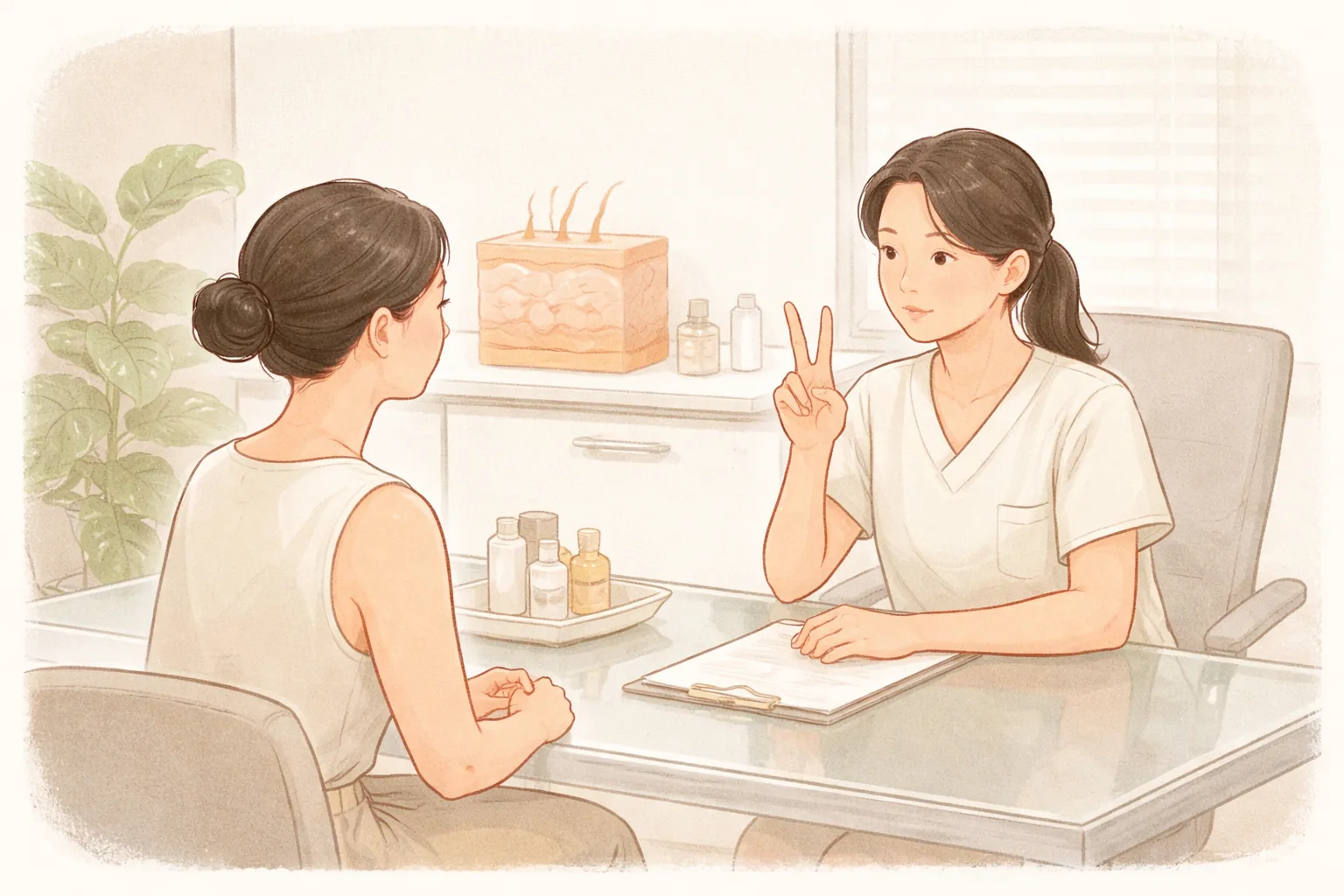
Doctor consultation — Together we decide whether hydration or repair is what you need now, which ingredient family in what ratio, and how many sessions at what intervals. Anesthesia is explained here too.
Treatment according to the plan — The treatment follows the areas, depth, and blend decided at the consultation. If anything feels uncomfortable during the procedure, tell us and we'll adjust the intensity.
Recovery and aftercare guidance — After treatment, we schedule your next visit according to the recommended interval and explain how to care for your skin in between.
The treatments used for this topic are listed separately in the treatment guide as skin booster and salmon DNA injection, and PN-type skin boosters are also offered.
Aftercare and side effects
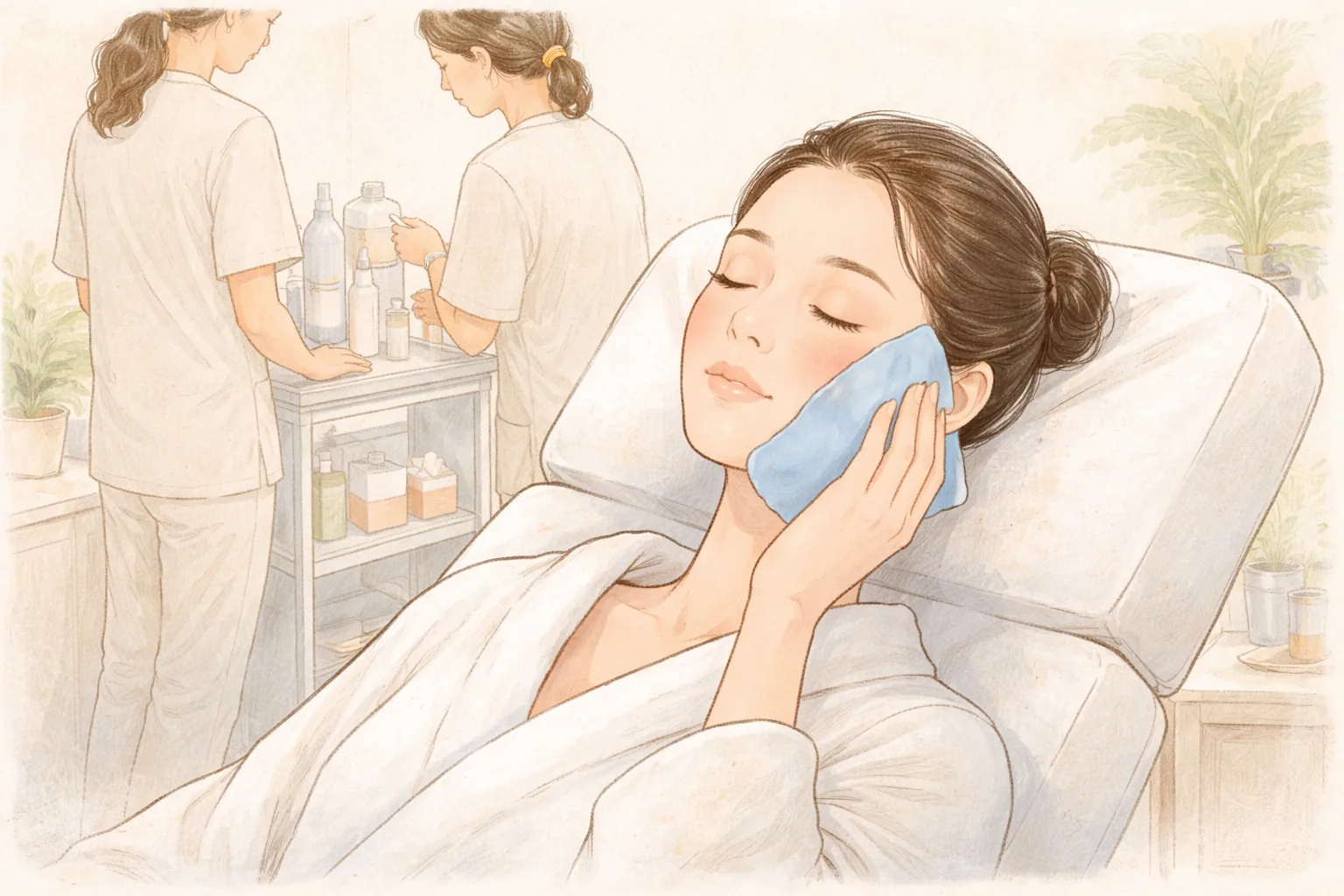
Calming — For a day to a few days after treatment, bumpy marks like hives (papules) or redness may remain along the injection points, and most fade naturally. Cold compresses may help with swelling, so check the method with your clinician.
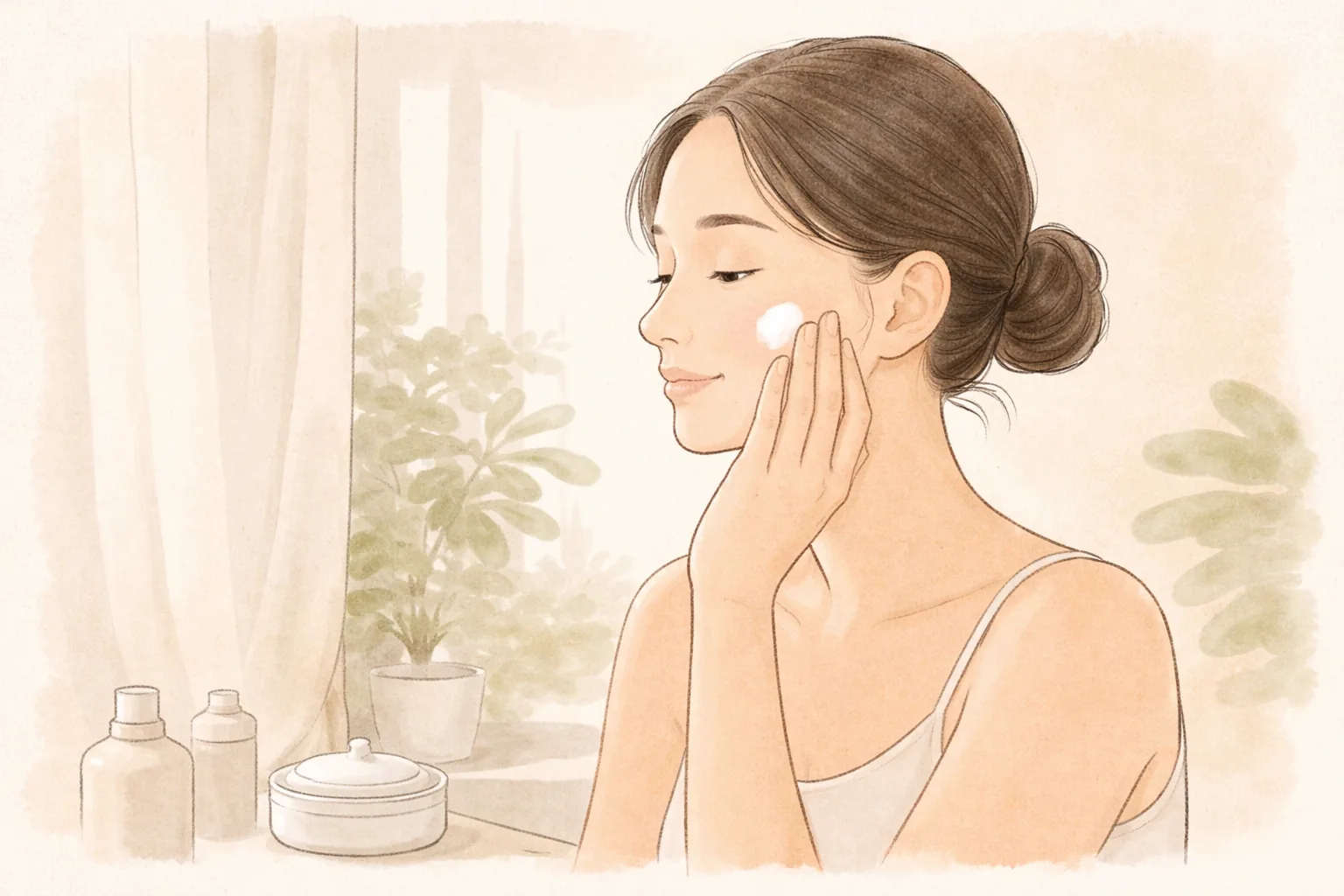
Moisturizing — This is a time when the barrier is temporarily weakened, so it's better to hydrate with the moisturizer you normally use. Avoid trying a new, irritating product for the first time during this period.
Sun protection — For 2–3 days after treatment, apply sunscreen more diligently than usual. Miss this window and recovery slows and pigmentation is more likely to remain.
Follow-up — Your next visit is scheduled according to the recommended interval, and skip saunas, intense exercise, and alcohol on the day. Makeup is often possible from the next day once the injection points have closed, so confirm with your doctor.
Common reactions include small papules at the injection site, redness, swelling, tenderness when pressed, and bruising. Papules usually settle within a day to a few days, and bruising can take more than a week to fade. Rarely, infection, allergic reaction, or small lumps can occur, and very rarely the injected material can block or damage a blood vessel.
Some signs mean you should seek care without waiting. Contact us right away if you have pain that's unusual or getting worse, if the skin at the injection site turns white, mottled, grayish-blue, or black, or if your vision changes.
FAQ
How many sessions of Rejuran or a skin booster do you need?
Usually several sessions at 2–4 week intervals, then wider intervals for maintenance. A single session may give some hydration or calming, but texture changes tend to build as sessions accumulate. The number needed varies with aging, the areas of concern, and the product used, so it's decided at a consultation after your skin is examined. If your stay is short, one option is to first set the number of sessions possible within your window and split the remaining ones across your next visit.
How long do skin booster results last?
It's usually described as a few months, and it varies from person to person. How fast collagen is built and broken down, plus factors like sun exposure and smoking, affect how long results last. This is why the experience differs even between people who get the same treatment, and why maintenance sessions are planned alongside. Your next visit is scheduled according to the recommended interval.
Can Rejuran and a skin booster be done on the same day?
The two ingredients are sometimes blended depending on the goal, and because both place different materials into the same dermal layer, they're sometimes planned together. Whether to do them on the same day and how to order and space them is decided by the doctor based on the treatment type and your skin condition. If you're also considering laser or lifting, the order can affect recovery, so it's best to set the overall plan first.
Are there cases where you shouldn't get it?
It's generally not recommended during pregnancy or breastfeeding, because safety data on how skin booster ingredients affect a fetus or infant hasn't accumulated sufficiently. If there's inflammation, infection, or a cold sore in the treatment area, we treat that first. If you have an allergy history or take medication that affects blood clotting, it's best to mention it at your consultation.
What should you check when choosing where to get treatment?
The American Academy of Dermatology recommends asking at your consultation about the injector's qualifications and experience, how much they've worked with your skin tone and age group, the results and risks you can expect, recovery time, and preparation and aftercare. Seeing before-and-after photos of similar skin tones can also help. Information to check when deciding on filler treatment is organized along the same lines. It's fine to decide after hearing about the risks and alternatives.
At a glance
Table 2 At a glance
Item
Key point
Skin booster
The side that fills with HA for hydration and glow
Rejuran
The side that supports recovery signals with salmon DNA-derived ingredients
What separates results
Ingredient blend, injection depth and area, spacing and session count, skin condition
Recovery
Papules and swelling usually a day to a few days; be extra careful with sun protection for 2–3 days
Planning together
Same-day feasibility and order are decided by the doctor
At consultation
Product and ratio, session count and spacing, anesthesia, cost
This article offers general health information. It is not a substitute for diagnosis or treatment based on your own condition, so please talk through your situation with a doctor.