
Doctors’ Column
Water glow injections: do they really work, and what do they do in the skin?
They can make the skin look and feel more hydrated and smoother, but the change is gradual, it varies from person to person, and a water glow injection is neither a filler nor a lifting treatment. In Korea, “water glow” (mulgwang) usually refers to hydrating injections, typically hyaluronic acid (HA), placed at many points just under the surface, and it is often discussed alongside polynucleotide (PN) boosters such as Rejuran, which work differently. Most plans are a short course of sessions rather than one visit, and the doctor decides the product, amount and spacing for your skin.
What is a water glow injection, and is it the same as Rejuran?
“Skin booster” is the umbrella term in Korea for injectables placed in small amounts into the skin to work on its quality (hydration, texture, fine lines) rather than its shape. Water glow injections, Rejuran, salmon DNA (PDRN) injections and skin toxin injections (diluted botulinum toxin injected superficially) are all discussed under that umbrella, so it is easy to assume they are interchangeable. They are not: what is injected, and what it is meant to do, differs.
The name “water glow” describes the dewy look the treatment aims for. Most versions are built around hyaluronic acid, sometimes with other ingredients, and recipes vary, so ask what a given injection contains. On the price list of ATTITUDE Clinic in Seoul, the Water Glow injection, Rejuran, the Salmon DNA injection and SkinVive are separate items. For a wider comparison, see skin boosters compared.
What happens in the skin: hydration (HA) or repair signals (PN)?
Most skin boosters belong to one of two broad families. Hyaluronic acid, which the skin already contains, draws in and holds water, so when it is placed in the dermis (the layer under the surface where collagen sits), the skin tends to feel more hydrated fairly early. Polynucleotide, purified from salmon DNA, works differently: it is thought to support the skin's own repair processes, which may help collagen-producing cells over time. That is a slower, more gradual approach.
| Hyaluronic acid (HA) | Polynucleotide (PN) | |
|---|---|---|
| Approach | Draws in and holds water | Thought to support the skin's repair processes |
| Commonly considered for | Dryness, dullness, a rough feel | Fine lines, thin or tired-looking skin, uneven texture |
| How change usually develops | Hydration may be felt once the first swelling settles; it is temporary | Gradually, over weeks, usually across a course |
| Examples on the price list | SkinVive | Rejuran Healer; Rejuran HB (PN with HA) |
In practice the two are often combined, or the balance is adjusted to the goal: more emphasis on PN when texture and firmness are the concern, more on HA when dryness and a dull look are. The Water Glow injection on our list is a hydrating injection; the doctor can tell you what it contains, and the choice of product is a medical decision.
When will you notice a change, and how long does it last?
Usually not straight away: right after the injection, slight swelling and small bumps hide any change. Once that settles, better hydration may be noticeable; changes from PN-type boosters, when they come, build gradually over several weeks. How much change someone notices varies a lot.
Skin boosters are usually planned as a course: a few sessions spaced a few weeks apart (2–4 weeks is common), followed by maintenance at longer intervals. A single session gives a limited, temporary effect, and any collagen-related change is gradual. Effects are commonly described as lasting a few months, which is why maintenance is usual.
How long it lasts depends on your skin's starting point, age, sun exposure and smoking. If you visit Korea only once or twice a year, say so: the doctor can explain what a single session can and cannot do, and plan around your trips.
Does it hurt, and what are the side effects?
You will feel it. A water glow injection places tiny amounts at many points, so it is felt as repeated pricks or stinging. Thin-skinned areas near bone, such as the forehead and the skin around the eyes and mouth, usually feel more sensitive than the cheeks or jawline. A fine needle gives many brief pricks; a cannula (a thin, blunt-tipped tube) is felt mainly where it enters. Numbing cream is commonly used; ask the clinic what numbing is used and for how long.
Common side effects include small raised bumps at the injection points, redness, swelling, tenderness and bruising. The bumps usually settle within about a day to a few days, and a bruise can take a week or longer to fade. Less common side effects include infection, allergic reactions and small lumps. Rarely, an injected product can block or damage a blood vessel; seek urgent medical care if you notice unusual or worsening pain, skin near an injection site turning pale, grey-blue or dark, or any change in your vision. Tell the doctor about any allergies (including to fish, if a salmon-derived product is considered), the medicines you take (including blood thinners), and whether you are pregnant or breastfeeding, and ask about the risks before treatment.
- Makeup is often possible from the next day, once the injection points have closed; ask your doctor.
- Avoid saunas, very hot baths, hard exercise and alcohol on the day, or for as long as your doctor advises.
- Don't rub or massage the treated area.
- Use sunscreen carefully for the next few days, because irritated skin is more prone to darkening.
- A cold pack may help with swelling; check with the doctor first.
Who is it suited to, and when is it not the first step?
Skin boosters are commonly considered for:
- persistent dryness, or a rough, dull look that skincare alone has not changed;
- fine lines and skin that is starting to look thinner;
- people who prefer a gradual change to a sudden one;
- one step in a wider plan that includes lasers or lifting, in an order the doctor sets.
They are not the right first step for every concern. Sagging is usually a question for lifting devices (see lifting devices compared); hollows that need volume are a filler or collagen-stimulator decision; and when brown spots or redness bother you most, a laser may come first. Skin boosters are generally postponed during pregnancy and breastfeeding, because safety data are limited.
Planning a water glow injection around a trip
Flying is not usually considered a problem after a skin booster; the question is comfort and margin. A conservative plan is to have it at least 3 days before a long-haul flight, or about a week if a possible bruise would matter to you, so the bumps can settle while you are still in Seoul. Book the consultation early in your stay and tell the clinic your flight date.
If you plan several treatments on one trip, ask about the order, and plan the timing around the one with the longest recovery. See flying after skin treatments and our Rejuran guide.
How ATTITUDE approaches this
At ATTITUDE Clinic in Seoul, an AI skin analysis first records your skin. The analysis tools record and organise information to support the consultation; they do not provide a medical diagnosis. One of our two co-directors goes through it with you and decides with you what you need, what you don't, and in what order, including whether a booster is the right step at all. The Water Glow injection is priced per session and the other boosters per cc or vial on the price list, the same on every language version of this site, VAT excluded; 10% VAT is added at payment.
The Water Glow injection is also part of ATTITUDE Signature Rejuran (Rejuran + skin toxin injection + Water Glow injection). During our opening event, until 31 Oct 2026, it is shown with the regular price and the event price, VAT excluded; see the Signature opening event. For numbing, aftercare and anything else not covered here, ask us when you send a booking request.
Prices at ATTITUDE
All prices exclude VAT. Prices are the same on every language version of this site.
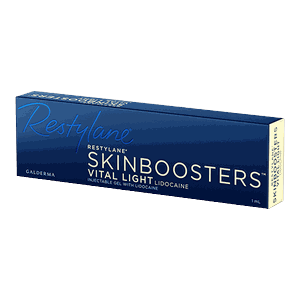 Water Glow injectionWater Glow
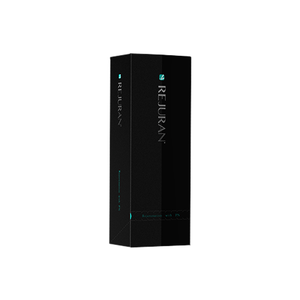 Rejuran HealerRejuran Healer
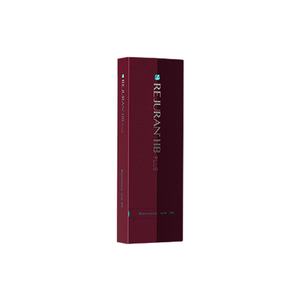 Rejuran HBRejuran HB
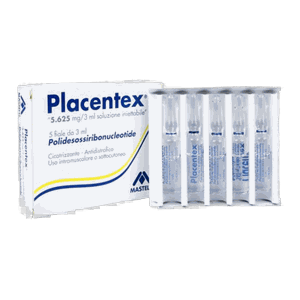 Salmon DNA injectionSalmon DNA
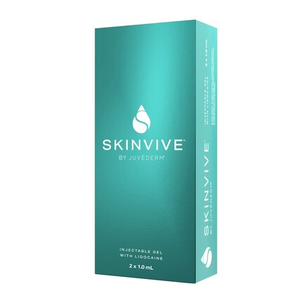 SkinViveSKINVIVE · Allergan
Frequently asked questions
How many water glow injection sessions do I need?
Skin boosters are usually planned as a course of a few sessions spaced a few weeks apart (2–4 weeks is common), followed by maintenance at longer intervals. The number and spacing depend on your skin and the product, and the doctor decides; tell them if you can only visit Korea occasionally.
How long does a water glow injection last?
Effects are commonly described as lasting a few months, but it varies with the product, your skin, sun exposure and the number of sessions. That is why maintenance sessions are usual.
Is a water glow injection the same as Rejuran?
No. A water glow injection is usually built around hyaluronic acid, which draws water into the skin, while Rejuran is a polynucleotide (PN) booster derived from salmon DNA that is thought to support the skin's repair processes. They are sometimes combined, in a plan the doctor decides.
How long do the bumps last after a water glow injection?
The small raised bumps at the injection points usually settle within about a day to a few days. A bruise, if one appears, can take a week or longer to fade, so allow extra time before photos or a flight.
Can I fly after a water glow injection?
Flying is not usually a problem, but a conservative plan is to have it at least 3 days before a long-haul flight, or about a week if a possible bruise would matter to you. Ask the doctor, especially if you have other treatments at the same visit.
Can I get a skin booster while pregnant or breastfeeding?
Skin boosters are generally postponed during pregnancy and breastfeeding, because safety data are limited. If you are pregnant, breastfeeding or planning a pregnancy, tell the doctor at the consultation.
Plan your visit
Send a booking request or message us. We reply during clinic hours (Korea time), in the order received.