Shurink Pain by Area: Why It Varies and How Anesthesia Is Chosen
Where Shurink pain actually comes from, why it feels different across the face, how energy level and shot count change the sensation, and how anesthesia is decided at consultation.
Written by ATTITUDE Clinic Editorial Team
Once you book a Shurink session, two questions usually come up. "Does it hurt a lot?" and "How do you handle anesthesia?" Pain is the most common topic in any Shurink conversation, so knowing where it hurts and why, and what determines the anesthesia plan, makes it easier to ask the right questions at your consultation. This article covers both points and what to watch for afterward.
The short answer first
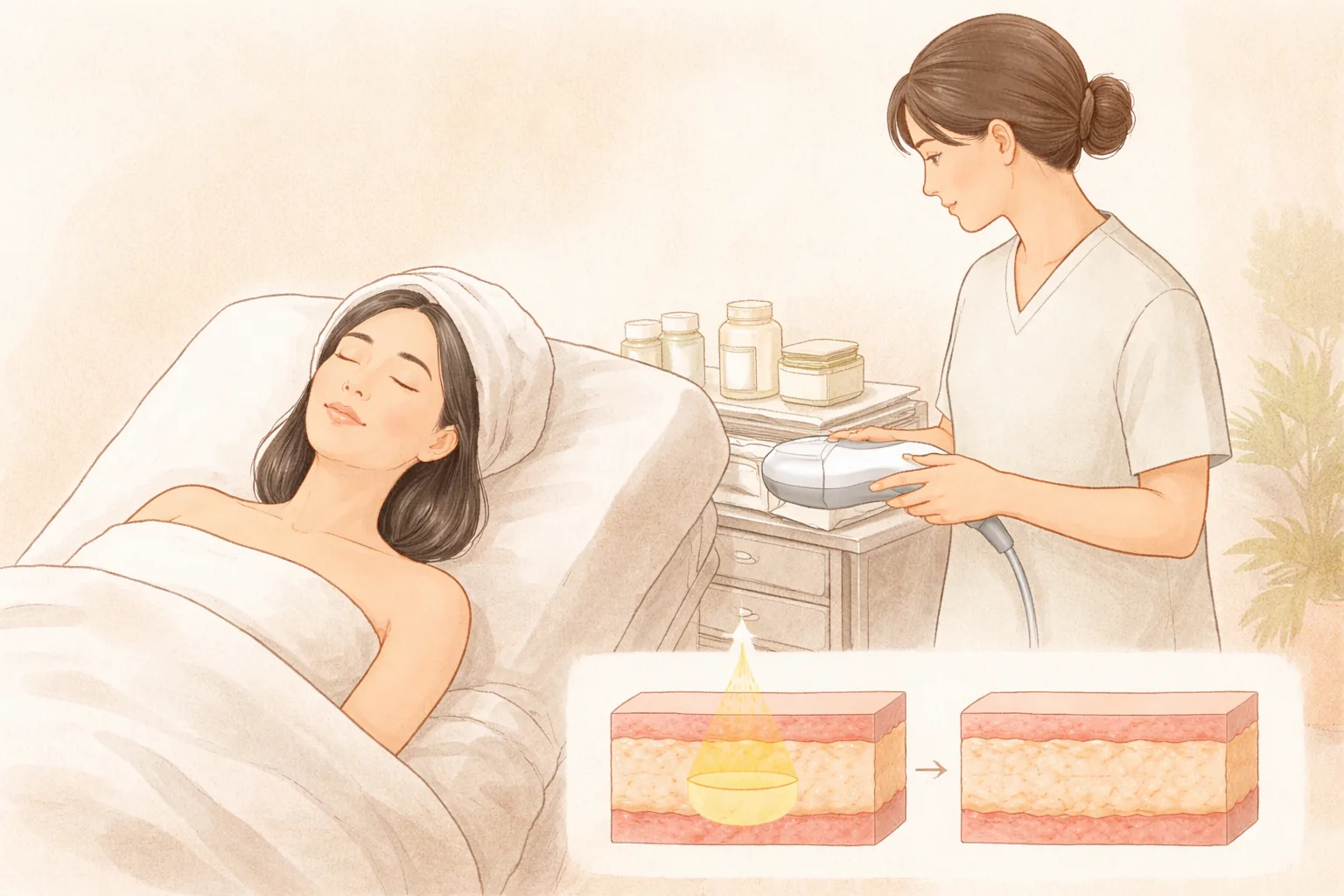
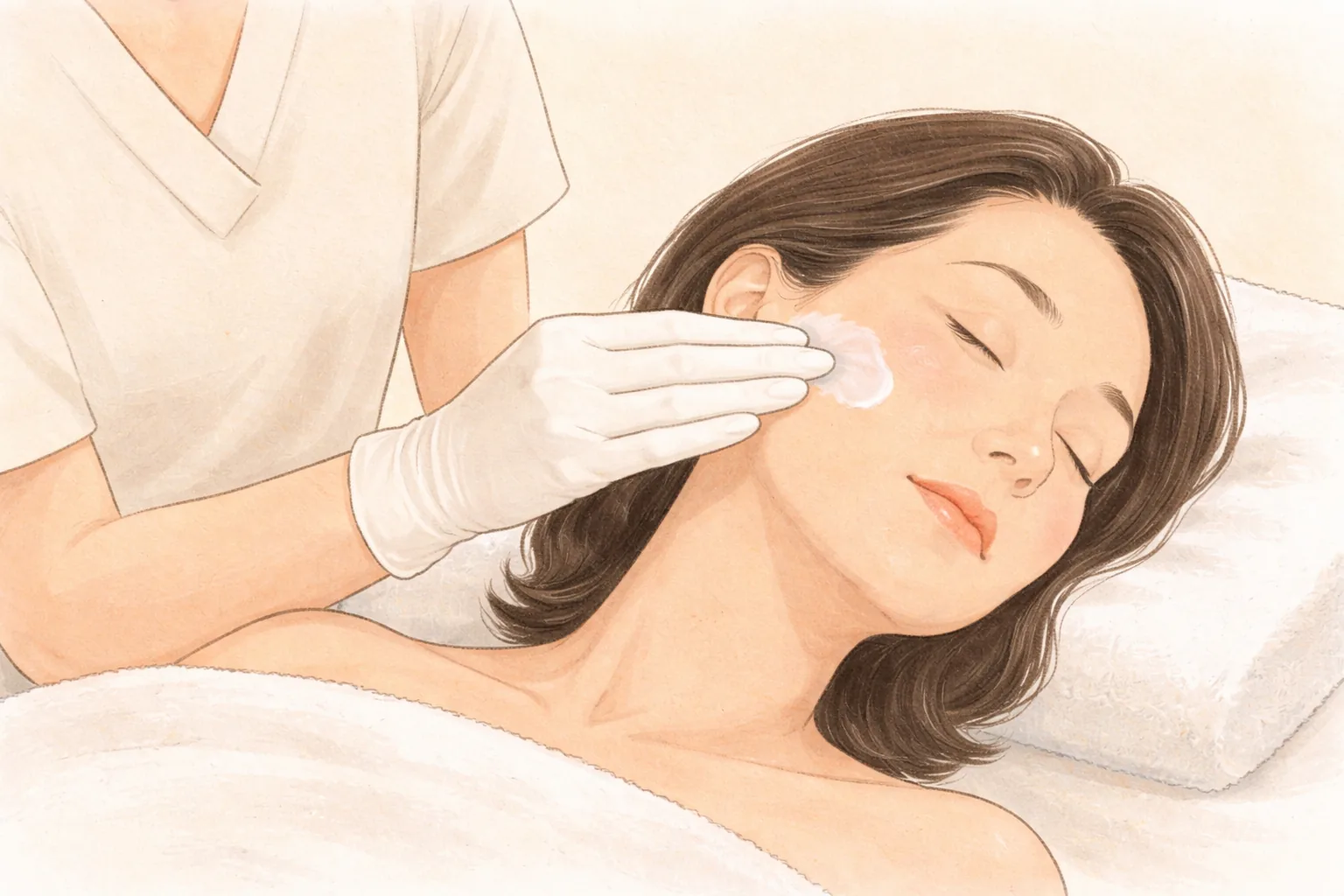
Shurink is a HIFU (high-intensity focused ultrasound) treatment that concentrates ultrasound energy into a single point under the skin, creating a tiny thermal point with each shot, so a brief burning sensation is left behind. How strong it feels is determined by the energy level, the number of shots delivered to one area, and the nerve density of the treated area. Anesthesia method and strength are set individually at consultation based on the area, the extent, and your past treatment experience, even for the same procedure. The American Academy of Dermatology recommends asking at a pre-treatment consultation whether anesthesia will be used during the procedure. For 1–2 days right after treatment, redness and mild heat may remain, and most of this settles naturally.
Why Shurink hurts and why it feels different for everyone
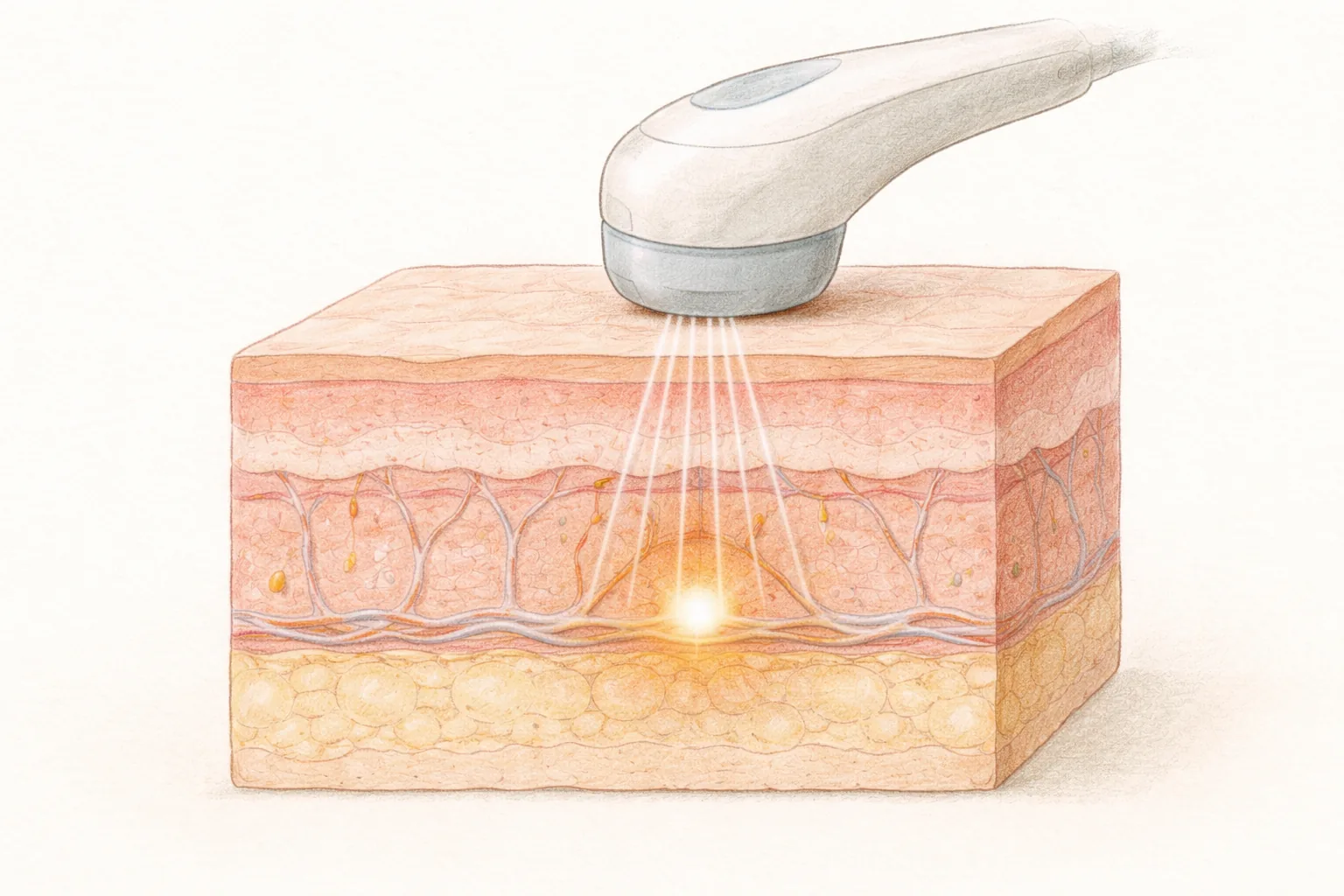
The method Shurink uses is medically called high-intensity focused ultrasound, or HIFU for short. Just as a magnifying glass concentrates sunlight into one point, ultrasound is focused into the skin to create a very small thermal point at a depth determined by each cartridge, from the dermis down to the SMAS layer. The SMAS layer is a thin sheet deeper than the dermis that supports the facial muscles and skin, and its loosening is considered one of the main causes of sagging. When thermal points are created, collagen—the protein that keeps skin firm and supported—contracts slightly, and remodeling is thought to begin gradually afterward. The ATTITUDE Clinic column also explains Ultherapy and Shurink using this principle.
So why does it hurt? Just as focusing light on one point heats only that spot, ultrasound also concentrates heat at a narrow point at the set depth. Unlike methods that broadly warm the surface, heat is concentrated in one place, so the sensation is distinct with each shot. There are two reasons the same device and the same shot count can feel so different. One is the energy level, and the other is nerve density by area. The higher the energy level and the more shots delivered to one area, the stronger the thermal stimulation reaching the SMAS layer and the greater the pain.
Skin thickness is another variable. Depending on whether skin is thin with tightly packed underlying tissue or thick with more cushioning, the same intensity can produce a different sensation. Add individual pain sensitivity, and it becomes difficult to sum up Shurink pain with a single number. This is also why the forehead and cheeks can feel different within the same person.
Which areas are more sensitive, and what does it feel like
Area differences are fairly clear. The jawline, cheekbones, forehead, and eye area—close to bone with densely distributed nerves—tend to feel more sensitive. Conversely, thicker areas like the cheeks tend to feel less painful at the same energy. That is why "Shurink hurts" and "it was better than I expected" can both be true. Within the same treatment, the experience varies depending on which areas are treated and how much.
The quality of the sensation also differs by device family. Shurink and Ultherapy penetrate instantly to the SMAS layer, so they are often described as a "deep, sharp" feeling, while Thermage warms broadly near the surface and is described as a "warm, lingering" feeling. Understanding that the type of sensation differs, rather than just the intensity, makes your consultation questions more specific.
Table 1 Which areas are more sensitive, and what does it feel like
Category
What it does inside the skin
How the pain feels
What to check at consultation
Shurink (HIFU)
Creates small thermal points at set depths from dermis to SMAS by cartridge
Burning heat with each shot, sharper in areas close to bone
Energy level, shot count, anesthesia method
Ultherapy (HIFU)
Same HIFU family, targeting deeper layers
Deep heat sensation in the same family as Shurink
Areas and extent treated
Thermage (RF)
Broadly heats dermis to subcutaneous fat
Broad, warm, lingering sensation
Recovery period and upcoming schedule
Swipe sideways to see the whole table.
In short Shurink pain is not determined by the device name alone. It is shaped together by the depth, the amount of energy delivered, and how many shots are used on which area. That is why, at consultation, asking how much will be delivered to which part of your face and how anesthesia will be handled is more helpful for practical preparation than asking simply whether it hurts.
What determines the anesthesia plan
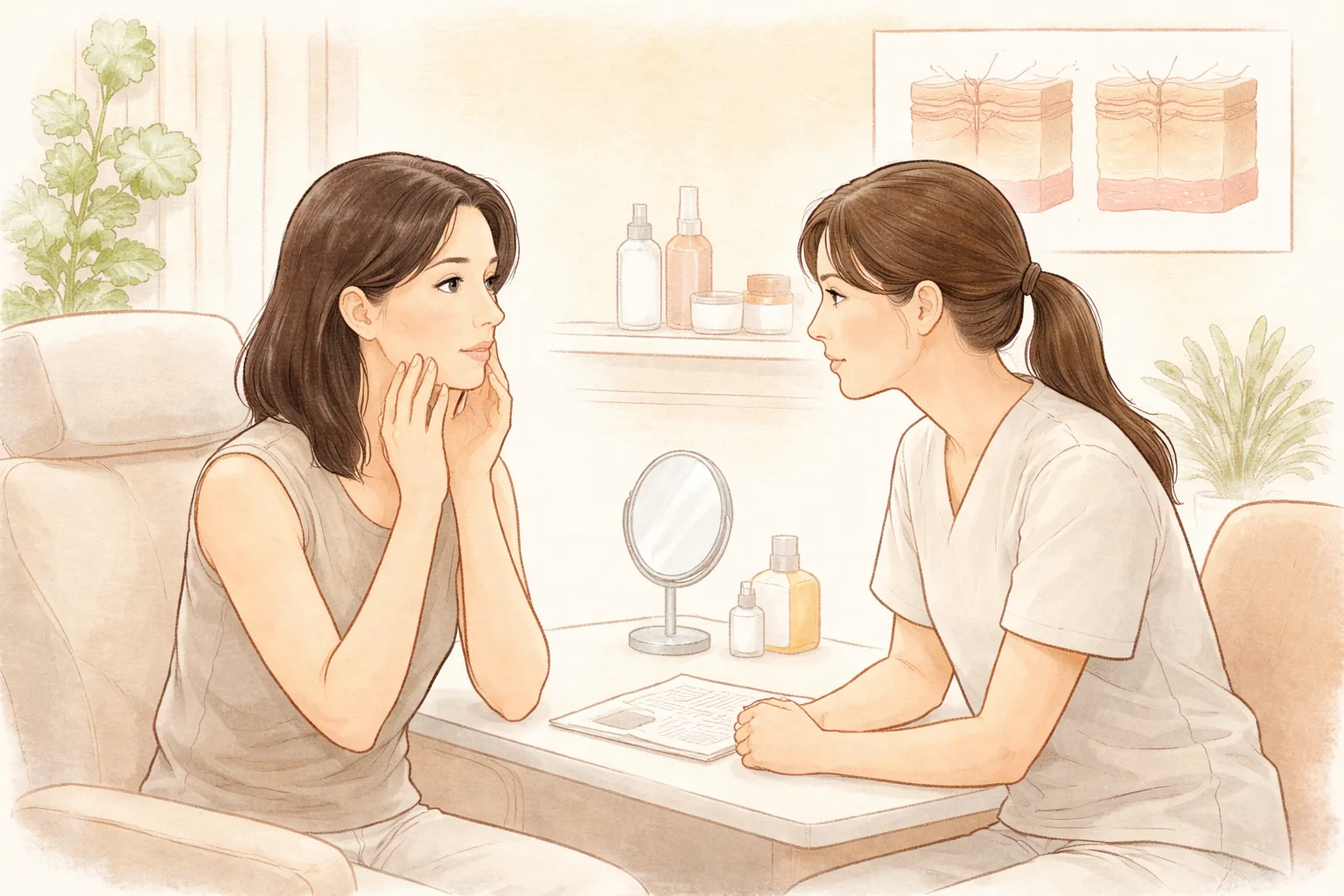
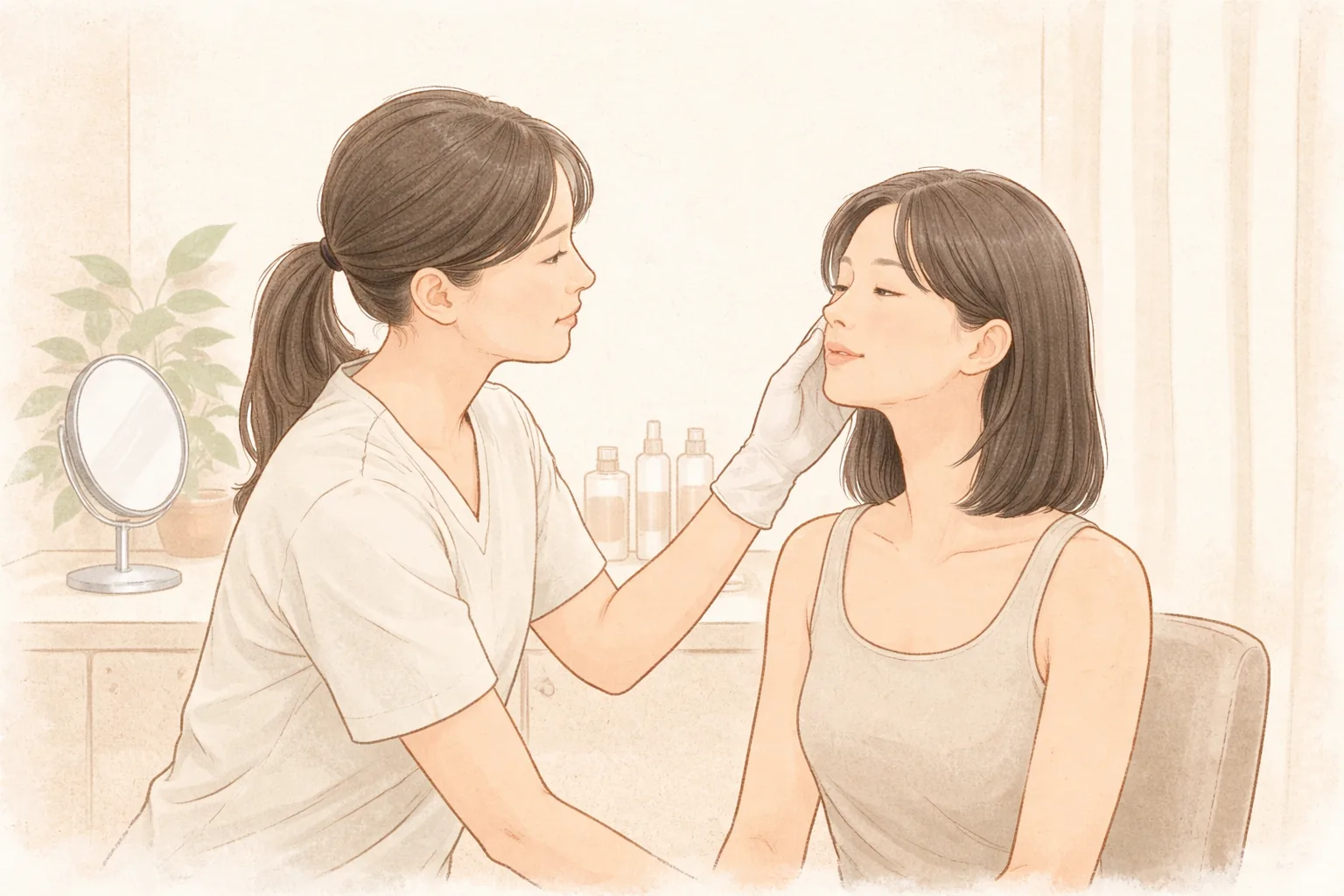
The anesthesia method and strength are decided at consultation. The ATTITUDE Clinic column also states that the anesthesia method is discussed during consultation. What are the criteria? First, the energy level and the areas treated. Even on the same face, including sensitive spots like the jawline and eye area changes the preparation, and higher intensity increases the sensation. Second, past treatment experience. Which device was used, which area hurt, and how much is the most specific information about your pain sensitivity. Third, recovery time. Since redness and mild heat may remain right after treatment, the time until your next commitment is also considered.
The AAD consultation guide recommends asking in advance whether anesthesia is used during the procedure, how long recovery takes, what the risks are, and what results can realistically be expected. Anesthesia is preparation that makes the procedure more comfortable, not a step that changes the procedure itself, so it can be seen as a process of setting a tolerable level together.
Some people wonder whether anesthesia removes pain completely. Anesthesia is prepared to lower the heat sensation to a tolerable level, and during treatment the intensity is adjusted based on the skin's response. The ATTITUDE Clinic column explains that subtle intensity adjustments at the treatment site, anesthesia management, and adjustments based on response during the procedure are what separate results, even with the same plan. It is best to raise your expectations and concerns about anesthesia at consultation first.
Intensity and anesthesia: what gets adjusted first
The most direct way to reduce pain is adjusting the energy level and extent. However, energy level and shot count determine not only pain but also the strength of the thermal stimulation delivered to the SMAS layer. Lowering intensity increases comfort, but the stimulation reaching the same depth may weaken, so what to prioritize becomes the subject of consultation. Areas with clear sagging may keep their intensity while sensitive areas are treated in divided sessions.
Preparation before treatment also matters. Recent sun exposure can leave skin sensitive, and reactions can differ depending on medications you take or skincare ingredients you use. At consultation, this information is checked first, and pre-treatment preparation and post-treatment care are decided together. The AAD also recommends asking your doctor how to prepare before treatment and how to care for your skin afterward.
It helps to know the general sense of procedure time and recovery. AAD materials note that some skin-tightening procedures may involve some discomfort during treatment, but it is usually mild, treatment time is mostly within 1 hour, and makeup can often be applied right after. Shurink's actual duration and recovery vary with the extent treated, so it is more accurate to confirm based on your own treatment plan at consultation.
If this sounds like your situation
When a ceremony or photo shoot is coming up
For 1–2 days right after treatment, redness and mild heat may remain, so it is better to schedule important events a few days apart from treatment. The pain itself is usually most noticeable on the day of treatment and the next day, then tends to settle. If your schedule is fixed, tell the clinic the dates first and adjust intensity and areas together.
If you are sensitive to pain or have had a painful experience before
A past treatment that hurt unusually much is important information in itself. Telling the clinic which device was used, which area hurt, and how much helps determine the anesthesia method and energy level. The ATTITUDE Clinic column also advises that if you are sensitive to pain, mention it at consultation and ask in advance about anesthesia options and energy level adjustment.
If you flush easily or have sensitive skin
Skin type, thickness, and healing speed affect how the same stimulation is felt and how recovery goes. If redness lingers or post-treatment sensitivity lasts long, let them know. Applying sunscreen more carefully than usual for a few days after treatment helps you recover without pigmentation.
If you are an international visitor on a short stay
If your stay is short, schedule treatment so that post-treatment redness does not overlap with your next commitments. Checking pain, anesthesia method, and recovery time in advance lets you plan the rest of your itinerary comfortably. Questions about intra-procedure preparation, such as whether anesthesia is used, are best organized before you go.
Tell us before your consultation
Recent sun exposure (vacation, outdoor activities)
Medications you take and skincare ingredients you use
Pain and skin reactions from previous treatments
Events that are hard to move, such as ceremonies, photo shoots, or business trips
How ATTITUDE Clinic proceeds
AI skin analysis record — Your skin condition is recorded and organized so you and the doctor view the same information. The analysis tool only records and organizes information and does not make a medical diagnosis; the doctor makes the judgment.
Doctor consultation — Your concerns, lifestyle habits, and past treatment experience are added to the analysis record to decide which device, at what intensity, and in what order. Which areas are sensitive and how past pain felt are also reviewed at this stage.
Treatment performed directly by the doctor — The doctor performs the treatment according to the plan and adjusts intensity based on the skin's response during the procedure.
Recovery and care — After treatment, guidance is given on managing redness and swelling and on sun protection, and the next visit is scheduled together.
The lifting devices at ATTITUDE Clinic deliver heat in different ways. Ultherapy and Shurink concentrate ultrasound into a point; Thermage and XERF warm broadly with radiofrequency; Onda uses microwaves; and Titanium uses a 3-wavelength laser. These are listed on the treatment page. Which device to use is decided at consultation based on your skin condition and concerns.
Post-treatment care and side effects
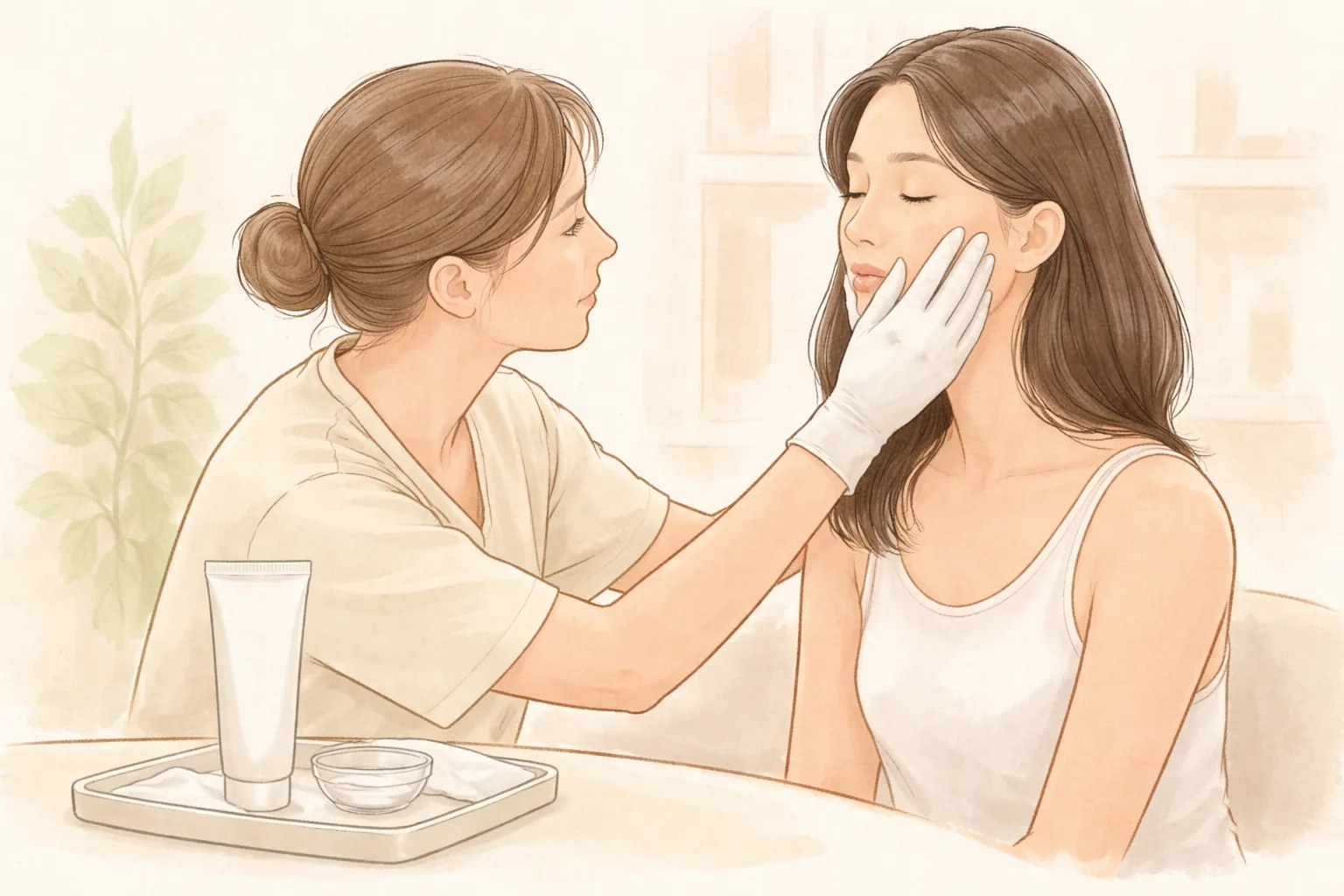
Soothing — Right after treatment, redness and mild heat may remain from thermal stimulation. Cold compresses can help with swelling, and the method should be confirmed with the medical team.
Moisturizing — During this period, the skin barrier is temporarily weakened, so care that replenishes moisture supports recovery.
Sun protection — For a few days, apply more thoroughly than usual so you recover without pigmentation.
Progress check — Watch how redness and swelling decrease, and if things differ from expectations, contact the clinic.
Common reactions include redness, swelling, tenderness along the jawline when pressed, small bruises, and temporary numbness or reduced sensation. They usually settle within a few days but can last longer. Rarely, burns, blisters, small scars, temporary facial muscle weakness, and unwanted fat volume loss can occur. Downtime is usually around 1–2 days, and most people can return to daily activities, including makeup, from the next day.
It is best to avoid saunas, strenuous exercise, and alcohol on the day of treatment. If blisters appear or pain worsens over time—any change that differs from expectations—do not wait and seek medical care. If redness lasts more than a few days, swelling does not decrease, or tenderness when pressed worsens, check using the same criteria.
Frequently asked questions
Is Shurink very painful?
Pain is determined by the energy level, shot count, and nerve density by area. Areas close to bone with dense nerves—jawline, cheekbones, forehead, eye area—are more sensitive, while thicker areas like the cheeks feel less even at the same energy. The burning heat with each shot is a natural response from the way thermal points are created. The same treatment feels different when low energy is used for prevention versus when stronger energy is needed for clear sagging. Deciding the anesthesia method at consultation helps match it to a tolerable level.
How does Shurink pain differ from Ultherapy pain?
Both are HIFU family treatments that concentrate heat into a point and create thermal points in deeper layers, with differences in depth and how energy is delivered. So pain is determined less by the device name than by which areas of your face are treated and how much. If intensity and area composition are similar, the sensation tends to be similar as well. At consultation, which family suits you and how to set intensity are reviewed together.
Does anesthesia mean no pain?
Anesthesia is preparation that lowers the heat sensation to a tolerable level, not a step that completely removes what you feel during the procedure. The method and strength are decided at consultation based on the energy level, area, and past treatment experience. During treatment, intensity may be adjusted based on the skin's response. The AAD recommends asking at consultation whether anesthesia is used during the procedure. The earlier you mention concerns about anesthesia, the wider the range for adjustment.
If pain is severe and energy is lowered, does the result change?
Energy level and shot count determine not only pain but also the strength of thermal stimulation delivered to the SMAS layer. So lowering intensity increases comfort but may weaken the stimulation reaching the same depth. Which to prioritize is decided by looking at the degree of sagging, the area, and recovery time together. Sensitive areas may be treated at lower intensity while other areas cover the extent. This judgment is made together at consultation after examining your skin.
What should I check when choosing where to get Shurink?
The AAD advises that cosmetic procedure results depend heavily on the practitioner's skill and experience, and recommends checking at consultation how much experience they have with skin types and age groups similar to yours, along with their overall treatment experience. It also suggests asking about anesthesia during the procedure, recovery time, risks, and realistically expected results. Bringing records of previous treatments (device, shot count, date, reactions) helps the review. At ATTITUDE Clinic, analysis records and a doctor consultation are used to decide together what is needed and what is not.
At a glance
Table 2 At a glance
Item
Key point
Why pain occurs
HIFU thermal points concentrate at a narrow spot at the set depth, creating heat with each shot
Factors that shape the experience
Energy level, shot count, nerve density by area, skin thickness
Area differences
Jawline, cheekbones, forehead, eye area more sensitive; cheeks less so
Anesthesia
Method and strength set at consultation, adjusted based on response during treatment
Immediate reactions
Redness and mild heat for 1–2 days, downtime 1–2 days
This article offers general health information. It is not a substitute for diagnosis or treatment based on your own condition, so please talk through your situation with a doctor.