Thermage FLX vs Other RF Lifting: What Sets Them Apart
Both use radiofrequency (RF), but the depth of heat delivery, treatment area, and cooling design differ. We explain what RF does inside the skin, what determines the results, and what to expect afterward.
Written by ATTITUDE Clinic Editorial Team
A question often comes up during lifting consultations: "I heard Thermage and Ultherapy both use radiofrequency — doesn't that make them the same procedure?" Different names, same energy source — it's natural to be confused. This article walks through what RF actually does inside the skin, what distinguishes devices within the same RF family, and how to check those criteria during a consultation.
Bottom line first
Both use radiofrequency (RF, where electrical energy passes through skin tissue and converts to heat) — that part is the same. But even within RF, the depth of heat delivery, how wide the area is, and what cooling accompanies it differ by device, and that is exactly what separates the results. Thermage is known for heating from the dermis through the subcutaneous fat layer over a relatively broad area, with the epidermis protected by cooling so heat reaches the collagen layer. Other RF devices, including Ultherapy, also differ in depth of reach, range, and pain design — so which one suits your skin is determined by looking at skin thickness, the pattern of laxity, and your sensitivity to pain. More important than the device name is where the heat is delivered, how widely, and how many shots are planned.
What does RF do inside the skin?
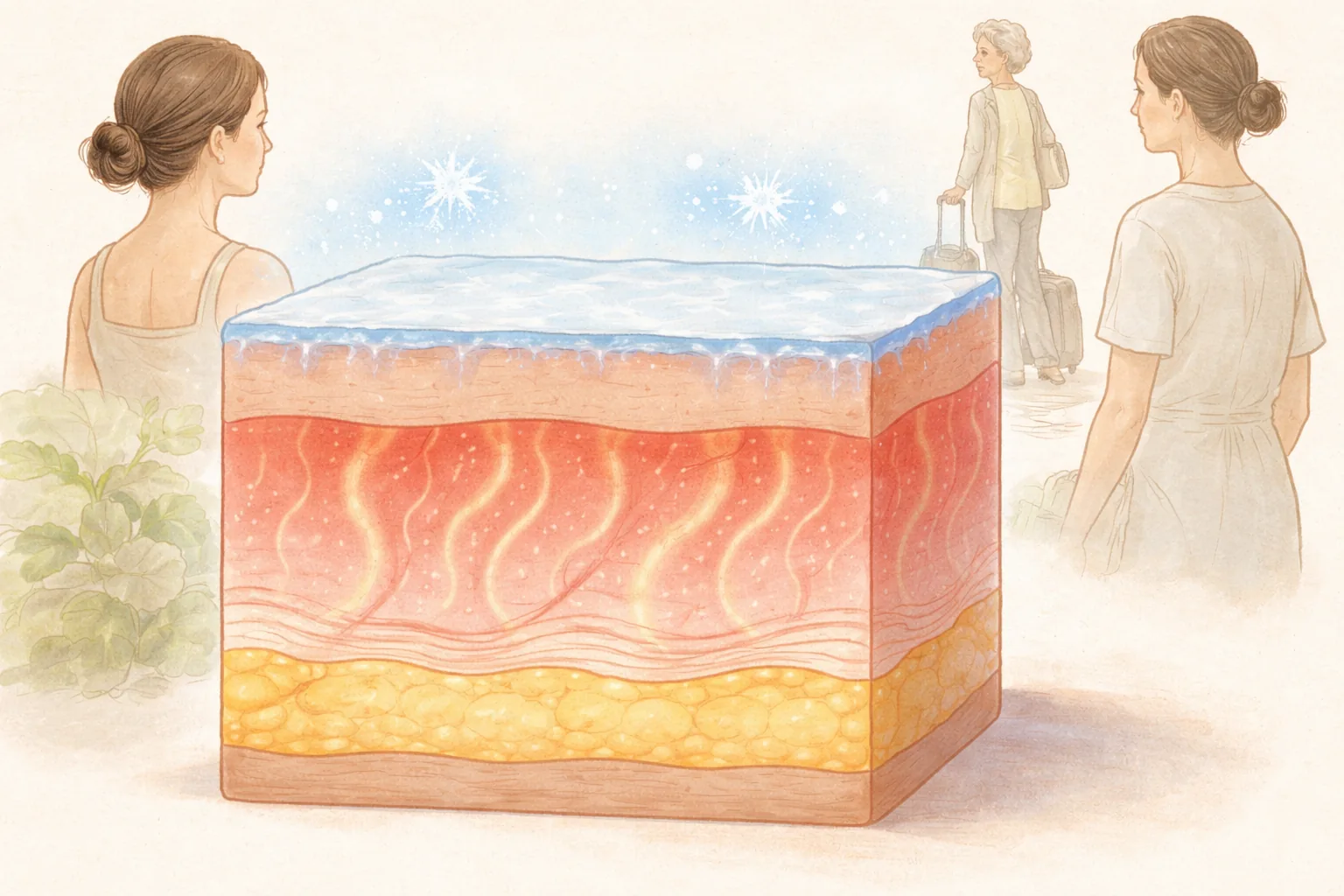
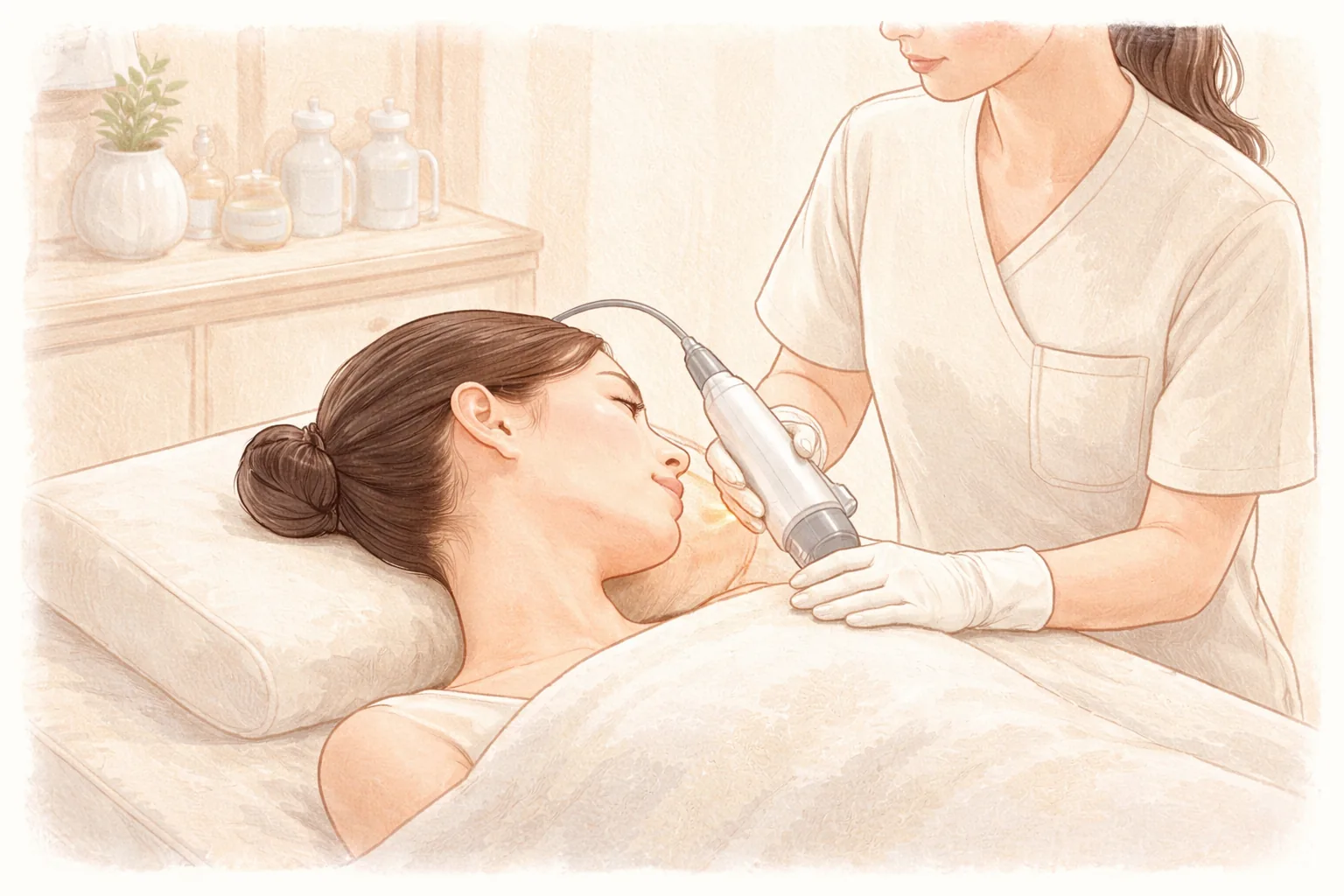
In RF lifting, the heat targets the dermis, where collagen (the protein that keeps skin firm and supported) resides. According to DermNet NZ's radiothermoplasty guide, Thermage delivers a controlled amount of RF to the collagen layer via a dedicated tip, and this energy generates heat that contracts collagen and tightens tissue. It doesn't stop there — new collagen production follows, and over about 6 months the skin becomes firmer.
So why does the epidermis stay intact? The epidermis and dermis have different tolerances to heat. Even at the same temperature, prolonged heat on the epidermis causes damage first, while collagen only responds when heat reaches the dermis sufficiently. That's why RF devices include cooling mechanisms to cool the surface during treatment. Thermage-related adverse events reported to the FDA note that heating of the upper epidermis during treatment can cause burns, blisters, and crusting, with a small possibility of scarring. The same document emphasizes that using metal eye shields during eyelid treatment can conduct RF heat to the eye and cause damage, so properly sized plastic shields should be used. This means safety isn't automatic — it comes from managing cooling, protective equipment, and energy settings together.
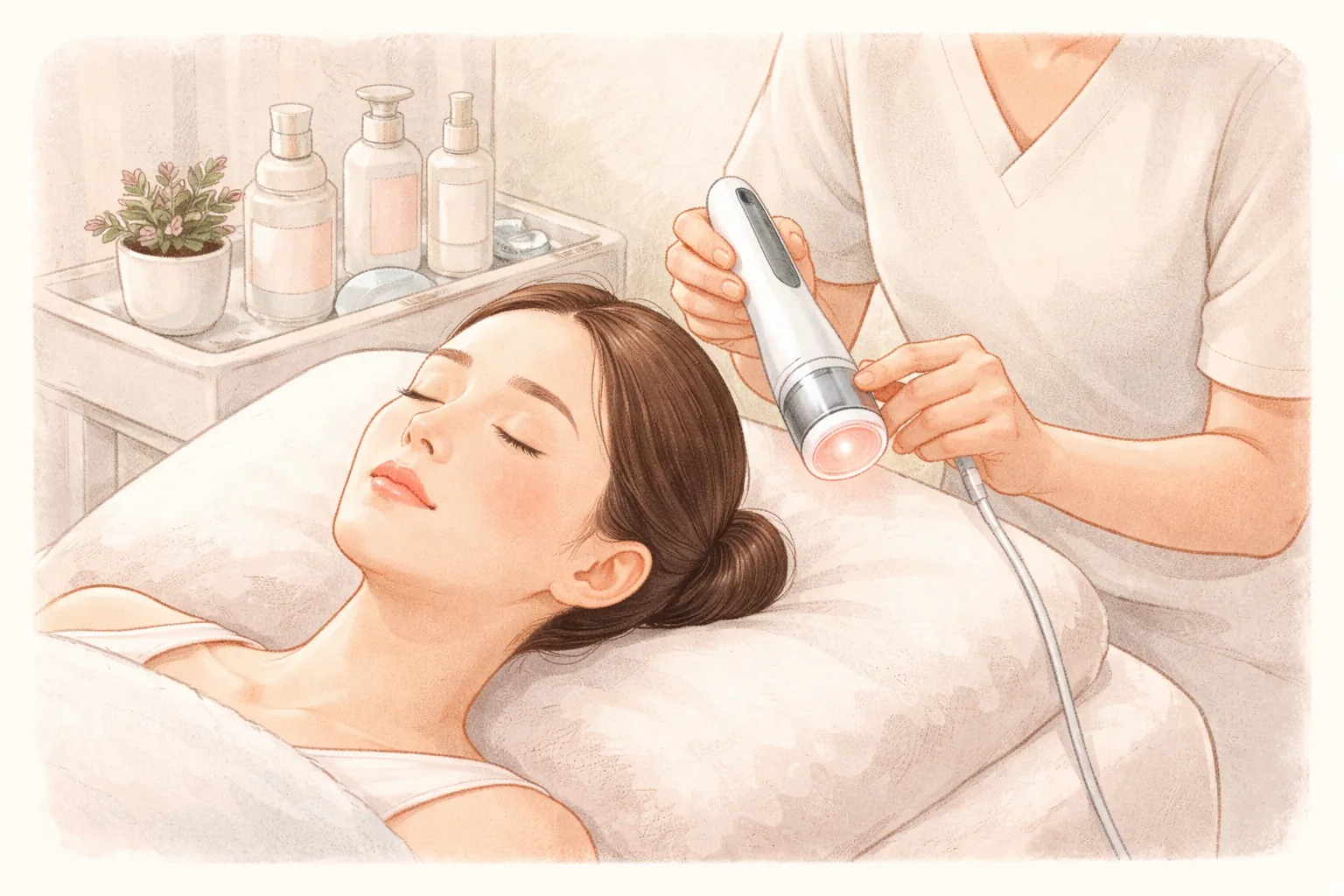
During treatment, feedback on heat and pain is important. According to the DermNet NZ guide, most procedures are performed without anesthesia, and the treating physician adjusts the RF intensity up or down based on the patient's reported heat and discomfort to match the temperature needed for treatment.
Same RF, different depth and range
Lifting devices can be broadly divided into two categories: HIFU (high-intensity focused ultrasound), which focuses ultrasound onto a single point, and RF, which generates heat broadly through electrical energy. ATTITUDE Clinic's column explains that Ultherapy and Shurink Universe create small thermal points at a set depth, while Thermage heats a broad area from the dermis through the subcutaneous fat layer at once. The point that even within the same RF family, devices differ in how they deliver heat and how deep they stimulate the skin is also addressed in Why Do Results Differ Even with the Same Procedure.
This is also why pain varies so much. Higher energy levels and more shots per area mean stronger stimulation. By area, the jawline, cheekbones, forehead, and eye area — close to bone with dense nerves — tend to be more sensitive, while thicker areas like the cheeks hurt less even at the same intensity. Thermage, which heats broadly near the surface, is often described as a warm, lingering sensation, while HIFU, which penetrates deeply in an instant, is often described as a deep, sharp sensation.
There's a common misconception here: that all RF is similar. This misunderstanding comes from the shared energy source name, but in reality, depth of reach, heating range, cooling method, and shot count design differ by device, and this combination changes both results and pain.
When do results appear, and how long do they last?
When setting expectations, the first thing to remember is that results are hard to predict. The DermNet NZ guide notes that some people see improvement immediately after treatment or within a few weeks, while others see it only after 2–3 months, and some see no effect. It also states that for those with significant skin laxity and pronounced cheek sagging, improvement may be limited and surgery may be more appropriate. Conversely, results tend to be best in thin faces in the early stages of aging when wrinkles are just beginning, and unlike lasers, it can be used across various skin types.
The course differs somewhat for Thermage. Skin may feel firm initially — some of which is due to swelling — and after the swelling subsides, additional changes appear gradually over 2–6 months. With Ultherapy and Shurink Universe, significant change is hard to feel immediately, and if there is change, it appears gradually over about 2–3 months. Both courses vary by individual, and the repeat interval is generally around 1 year, determined by the physician based on progress. Variation in maintenance duration arises because the rate of collagen synthesis and breakdown differs depending on the elasticity loss of the supporting layer, age, usual UV exposure, and lifestyle habits.
So which device should you choose?
The table below organizes the lifting devices offered at ATTITUDE Clinic by energy family, heat delivery method, concerns they suit, and immediate post-treatment course. The actual choice depends on skin thickness and the pattern of laxity.
Table 1 So which device should you choose?
Category
Heat delivery method
Concerns it mainly suits
Immediate post-treatment course
Thermage FLX
Broad heating from dermis through subcutaneous fat
Loss of elasticity over broad areas like cheeks and neck, skin texture
Initial firmness (partly swelling) followed by additional changes over 2–6 months
XERF
Lifting using monopolar RF current
Facial contour and elasticity management
Degree of residual redness and heat varies with intensity and shot count
Ultherapy
Ultrasound creating small thermal points at a set depth
Deep, localized laxity, jawline lifting
No major change immediately; if there is change, over 2–3 months
Shurink Universe (HIFU)
Same ultrasound family, different depth and firing method
Localized elasticity management in relatively shallow layers
Same course as above, degree varies by individual
Swipe sideways to see the whole table.
In summary When comparing different RF device names, what actually matters is depth of reach, heating range, cooling method, and shot count design. Even with the same RF, different combinations of these change results and pain — so in consultation, check these 4 things rather than the device name, and choose the one that fits your skin thickness.
In these situations
When a ceremony or photo shoot is a few weeks away
RF treatments may leave redness and heat immediately after, but this usually subsides within 1–2 hours, or at most a few days. If photos are important, it's better to treat with at least 1–2 weeks of buffer and observe how swelling and redness subside in the meantime. New collagen growth appears over months, so it's realistic to view this as the start of elasticity management rather than a fix for the event day itself.
When you want to manage elasticity consistently
Rather than a one-time treatment, it's common to determine the repeat interval based on progress. Repeat is generally set at around 1 year, but maintenance duration varies from person to person because collagen synthesis and breakdown rates differ with UV exposure and lifestyle habits. Planning how to divide the sessions at the first consultation makes decision-making easier.
When your skin reddens easily or is sensitive
The degree of residual redness and warmth after treatment varies with energy level. For sensitive skin, a approach of lowering intensity and dividing sessions may be considered, and it's good to plan post-treatment soothing care as well. Even at the same intensity, the stimulation felt differs with skin thickness and tissue condition.
When you're an international visitor on a short stay
Since returning to daily life immediately after treatment is generally possible, you can plan even with a short schedule. However, sun protection is especially important for a few days after treatment and progress checks are needed, so it's good to set a date within your stay for follow-up. Bringing previous treatment records helps with planning.
Please let us know before your consultation UV exposure in the last 2 weeks (travel or outdoor activities), medications you're taking, skincare ingredients you're using (retinol, acids, etc.), previous lifting, filler, or Botox history and your response at the time (device, shot count, dosage, date), and any important schedule after treatment.
How ATTITUDE Clinic proceeds
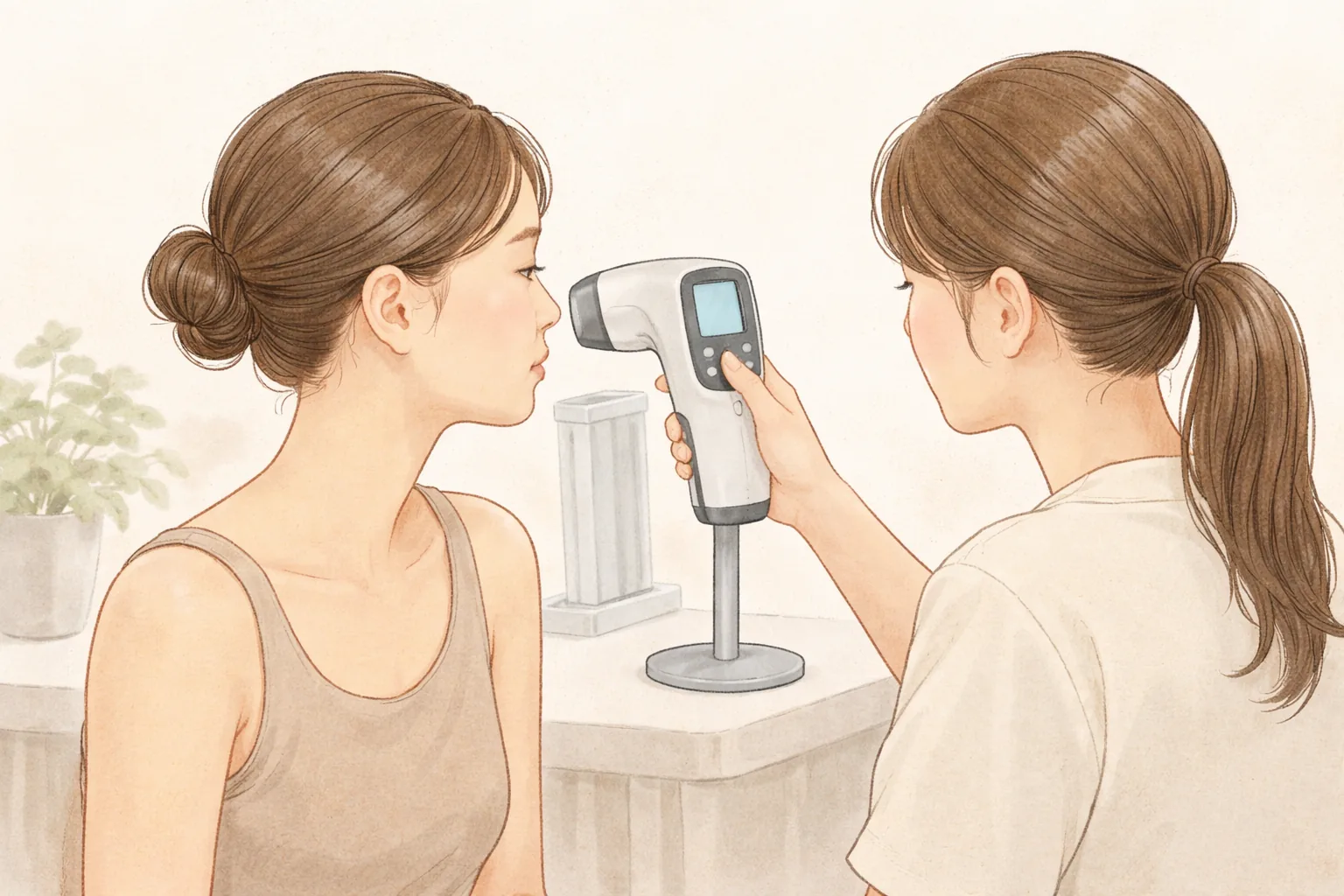
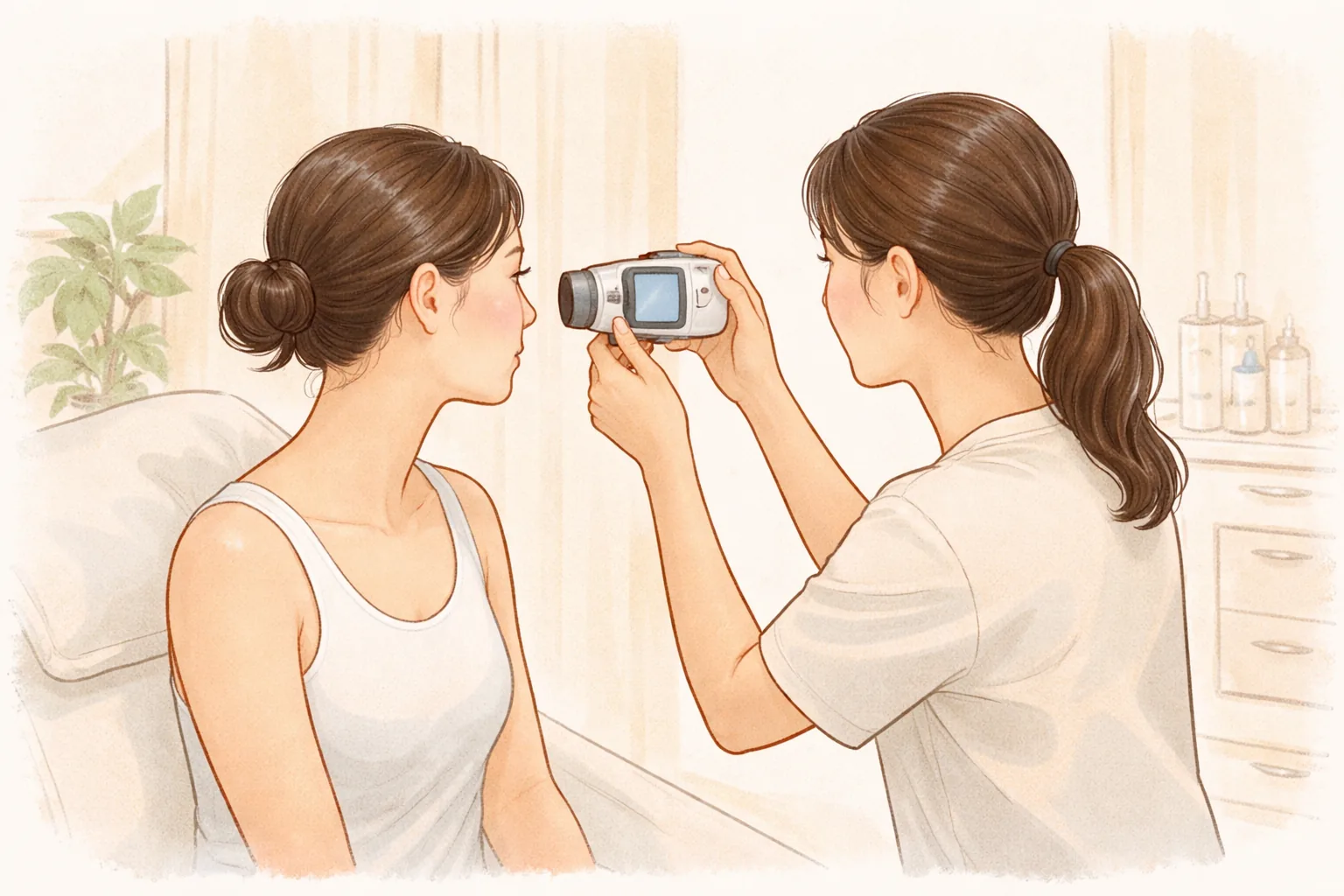
AI skin analysis records — We record and organize your skin condition so the director and you look at the same information. The analysis tool is a reference for recording and organizing information to assist consultation and does not make medical diagnoses.
Consultation with the director — We combine the records with your concerns, lifestyle habits, and previous treatment experience to decide together which device, at what depth, in what order and interval. For the topic of this article, this is where we confirm the depth of reach, range, shot count, and anesthesia method within the RF family.
Treatment performed directly by the director — The director performs the plan established in consultation and adjusts intensity based on skin response during treatment. This flow ensures the plan and the actual treatment stay aligned.
Progress check and aftercare guidance — We guide you on recovery flow and the next visit timing. Results cannot be promised; we judge based on progress.
The devices ATTITUDE Clinic offers related to lifting are Thermage FLX, Eye Thermage, XERF, Ultherapy, Shurink Universe (HIFU), Onda, Titanium lifting, and others listed in Treatments and Pricing. Even with the same device, the plan changes with shot count and intensity, so the right combination is determined in consultation.
Aftercare and side effects
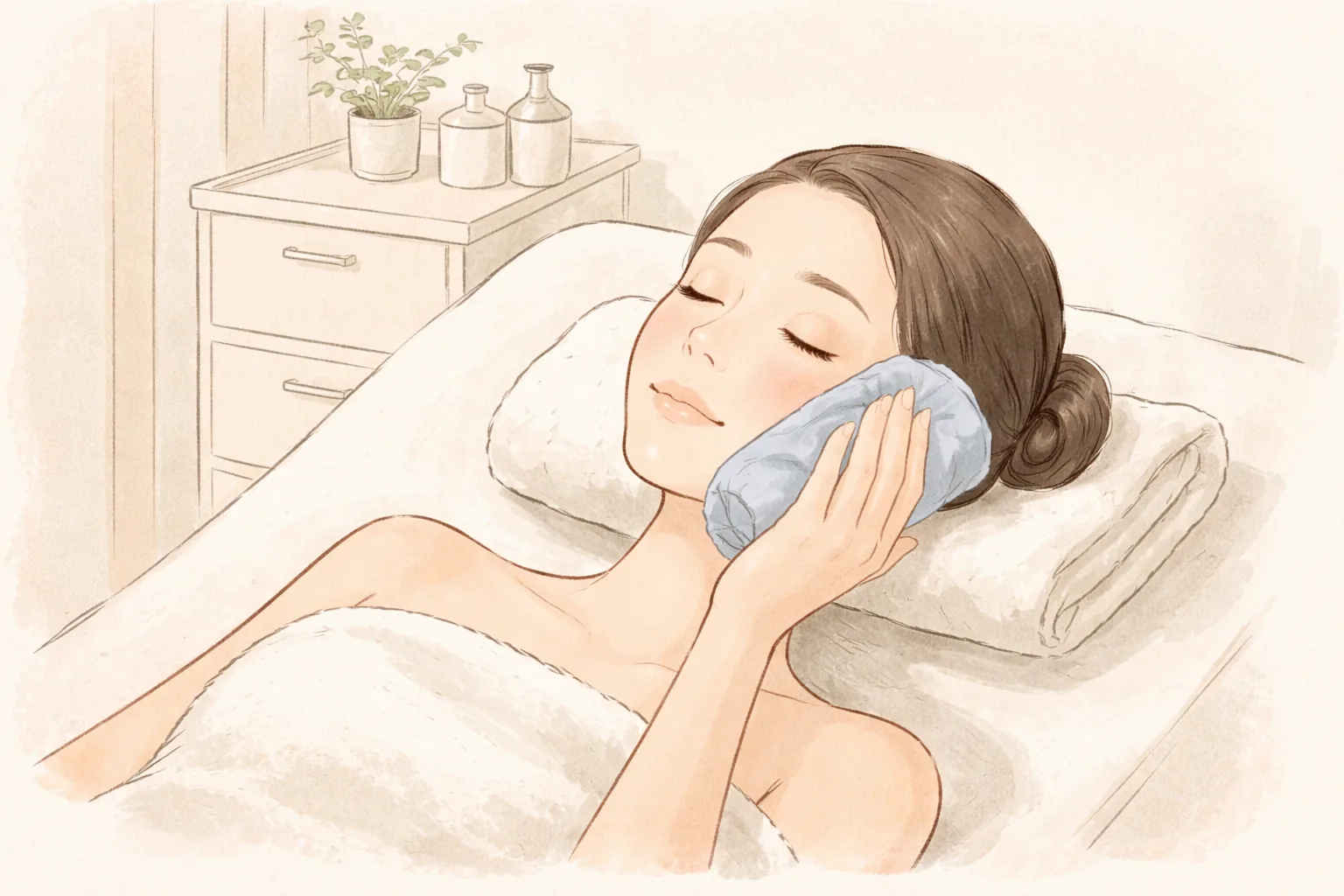
Soothing — Heat and redness may remain immediately after treatment. Cold compresses can help with swelling, and it's better to avoid saunas, intense exercise, and alcohol on the day.
Moisturizing — Skin that has received heat stimulation has a temporarily weakened barrier. Replenish moisture with the gentle moisturizer you normally use.
Sun protection — For a few days, apply sunscreen more thoroughly than usual. UV exposure during this period can lead to hyperpigmentation.
Progress check — Taking photos at 1–2 month intervals while observing how redness and swelling subside makes it easier to judge changes.
Common reactions include redness, swelling, warmth, tenderness when pressed, small bruises, and temporary numbness or reduced sensation, which usually subside within a few days. Rarely, blisters, burns, small scars, temporary facial muscle weakness, or unwanted fat volume loss can occur. The DermNet NZ guide lists the reported incidence of side effects as less than 1%, while noting swelling, redness, burns, blisters, and scar risk. If blisters appear, pain worsens, redness doesn't improve after several days, or you notice color changes (darkening or lightening), don't wait — seek medical attention.
Frequently asked questions
Thermage and Ultherapy both use RF — what's the difference?
Even with the same energy source, the depth and range of heat delivery, cooling method, and shot count design differ. Thermage is known for broadly heating the collagen layer and subcutaneous fat, and even within the same RF family, devices differ in depth of reach — so it's hard to judge superiority by name alone. In consultation, check how deep the device delivers heat, what cooling mechanism it uses, how many shots are planned, and how pain is managed. If these 4 things are the same, the two devices will feel similar.
Between Thermage and Ultherapy, which is better?
The criterion is the depth and area of laxity, not superiority. For deep, localized laxity, the ultrasound family that creates thermal points at a set depth is relatively suited; for broad elasticity loss in areas like cheeks and neck, the RF family that heats broadly is relatively suited. Whether to perform both on the same day or spaced apart depends on skin condition and is determined in consultation — there is no one-size-fits-all answer.
How painful is it, and how is anesthesia handled?
Variation is large depending on energy level and nerve density by area. The jawline, cheekbones, forehead, and eye area are more sensitive; the cheeks less so. The sensation differs greatly between cases requiring strong energy for significant laxity and cases using low energy for prevention — even for the same procedure. Thermage is mostly performed without anesthesia, adjusting intensity based on reported heat during treatment, and if you're sensitive to pain, anesthesia options can be discussed in consultation.
When do results appear, and how long do they last?
It varies by person. Some see improvement immediately or within a few weeks, others after 2–3 months, and some see no clear change. New collagen grows for about 6 months, so improvement may continue until then, and the repeat interval is generally around 1 year, determined by progress. If previous treatments produced little change, the device, dosage, or interval may not have been right — or the person may simply respond less to that type of procedure.
What should you look for when choosing a lifting clinic?
Look at the structure of consultation and treatment rather than device names. It's worth checking: what skin condition was the basis for choosing the device and intensity; whether the person who consulted performs the treatment; whether intensity is adjusted based on response during treatment; and how side effects and recovery time are explained. Whether previous treatment records (device, shot count, dosage, date, response) are reviewed together also helps your judgment. The criterion is whether the consultation is one that decides together what is needed and what isn't, rather than promising results.
At a glance
Table 2 At a glance
Item
Key point
Energy source
Both Thermage and Ultherapy are RF family; depth, range, and cooling design differ by device
Thermage's method
Broadly heats collagen layer and subcutaneous fat; epidermis protected by cooling
Results timeline
Improvement immediately, within weeks, or after 2–3 months; new collagen up to about 6 months
Pain
Varies with energy level and nerve density by area
Recovery
Redness, swelling, warmth common; usually subsides within a few days
Selection criteria
Depth and area of laxity, skin thickness, schedule flexibility
FDA MAUDE — Thermage 이상사례 보고https://www.accessdata.fda.gov/scripts/cdrh/cfdocs/cfMAUDE/Detail.CFM?MDRFOI__ID=18742988&pc=GEI
This article offers general health information. It is not a substitute for diagnosis or treatment based on your own condition, so please talk through your situation with a doctor.