Thermage Korea Before and After: How Much Does Lifting Hurt and How Is Anesthesia Handled?
What is eye Thermage like, how painful is Thermage FLX, and how does anesthesia work for lifting? We break down how pain varies with energy level, shot count, and nerve density by area, plus what to settle at your consultation.
Written by ATTITUDE Clinic Editorial Team
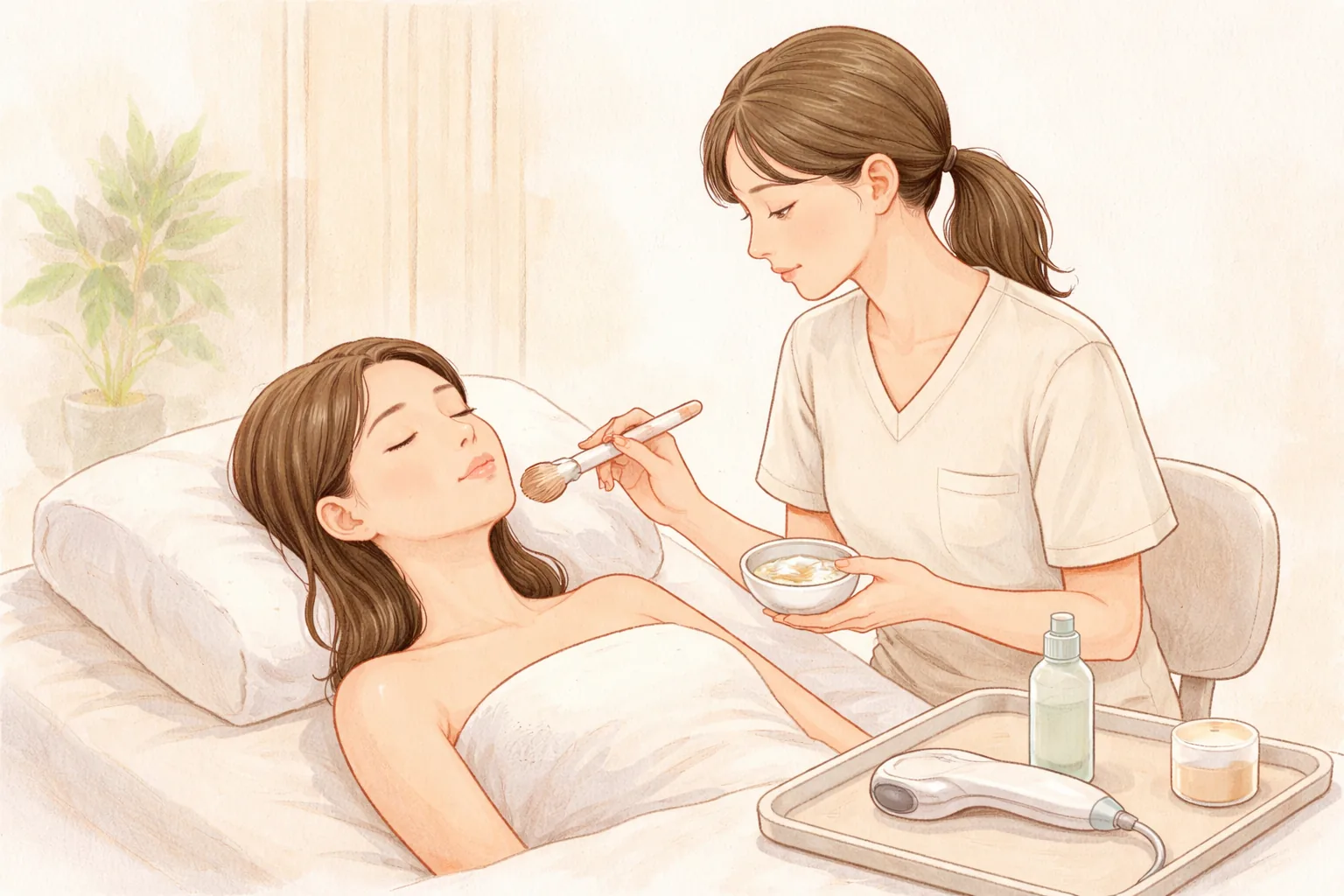
When people start looking into lifting treatments, the first thing that gives them pause is not the results but the pain. Even a single injection makes you tense up, so it is natural to wonder how much it will hurt to have energy delivered across your whole face, and whether any numbing is provided. This article looks at what makes lifting pain vary, how HIFU and RF feel different, and what pain-sensitive patients should settle during a consultation.
The short answer first
What decides lifting pain is not the treatment name but the energy level, the number of shots delivered to one area, and the nerve density of each area. Even with the same Ultherapy, if sagging is pronounced and the energy is raised, the sensation is stronger, while a low setting for preventive purposes passes far more lightly. The anesthesia method depends on the type and scope of the treatment, so it is decided at the consultation after looking at your skin condition and pain sensitivity together. According to guidance from the American Academy of Dermatology, non-invasive lifting can involve discomfort during the procedure, but it usually stays at that level, and afterward there is typically only temporary redness and swelling. If fear of pain is holding you back, describing which areas feel sensitive rather than how big the fear is will help you build a plan.
Why does lifting pain differ from person to person and area to area?
Even with the same device and the same number of shots, the sensation differs from person to person. In the ATTITUDE Clinic column, the reason is laid out in two parts. One is the energy level, and the other is the nerve density of each area. The higher the energy level and the more shots fired into one area, the stronger the heat stimulus reaching the deeper layers, and the pain grows along with it.
The area matters a lot too. Places close to bone with densely packed nerves, like the jawline, cheekbones, forehead, and eye area, feel more sensitive at the same energy, while thicker areas like the cheeks feel less so. How thin or thick your skin is, and how well your body builds new collagen, also differs from person to person and splits how the same treatment feels. The column on why results differ even with the same treatment also names skin thickness and regeneration speed as key factors in individual variation. That is why it is hard to set a standard like "lifting always hurts this much."
How does the pain from HIFU and RF differ?
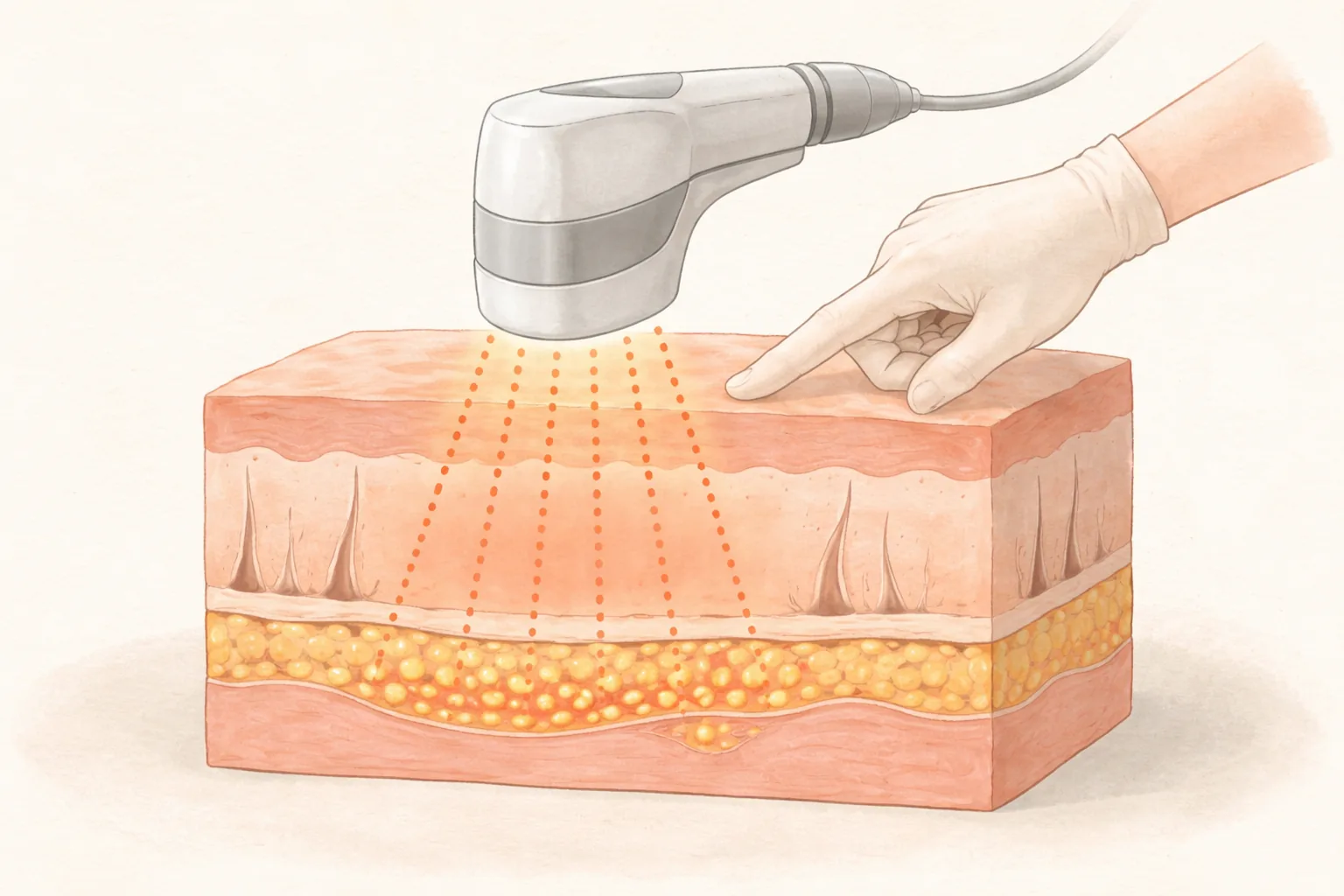
Ultherapy and Shurink Universe (HIFU) use HIFU (high-intensity focused ultrasound). They gather ultrasound energy at a single point inside the skin the way a magnifying glass focuses light, creating small thermal points at a depth set by each cartridge, from the dermis down to the SMAS layer (the deep membrane that supports the facial muscles and skin). Thermage FLX, on the other hand, uses RF (radiofrequency), where electrical energy passes through the skin tissue and turns into heat, warming a broad area from the dermis down to the subcutaneous fat layer all at once.
This difference changes the character of the pain as well. HIFU penetrates deep layers in an instant and is often described as "deep and hot," while RF warms broadly near the surface and is described as "warm and lingering." It is hard to say which one hurts less. If the area and energy settings differ, the sensation can flip even with the same device. Let's compare the layers each device targets and how the pain feels in a table.
Table 1 How does the pain from HIFU and RF differ?
Category
Energy and depth reached
How the pain feels
Best for
HIFU (Ultherapy, Shurink Universe)
Ultrasound focused into points at a set depth from the dermis to the SMAS
A deep, hot sensation that comes in short bursts
Areas with localized deep sagging like the jawline and eye area
RF (Thermage FLX)
Radiofrequency broadly heating the dermis to the subcutaneous fat
A hot sensation that lingers
Loss of elasticity across broad areas like the cheeks and neck
HIFU + RF combined
Deep layers and broad layers treated in one session
The two stimuli overlap, so the anesthesia method and order are decided at the consultation
When you are concerned about both deep sagging and broad elasticity
Swipe sideways to see the whole table.
In short, lifting pain is decided not by the device name but by the energy level, the shot count, and the nerve density of the area. If pain worries you, the realistic approach is to line up the anesthesia method and energy level at the consultation rather than trying to tough it out. The intensity can also be adjusted during the treatment while watching your skin's response.
How is anesthesia prepared, and what gets adjusted during the treatment?
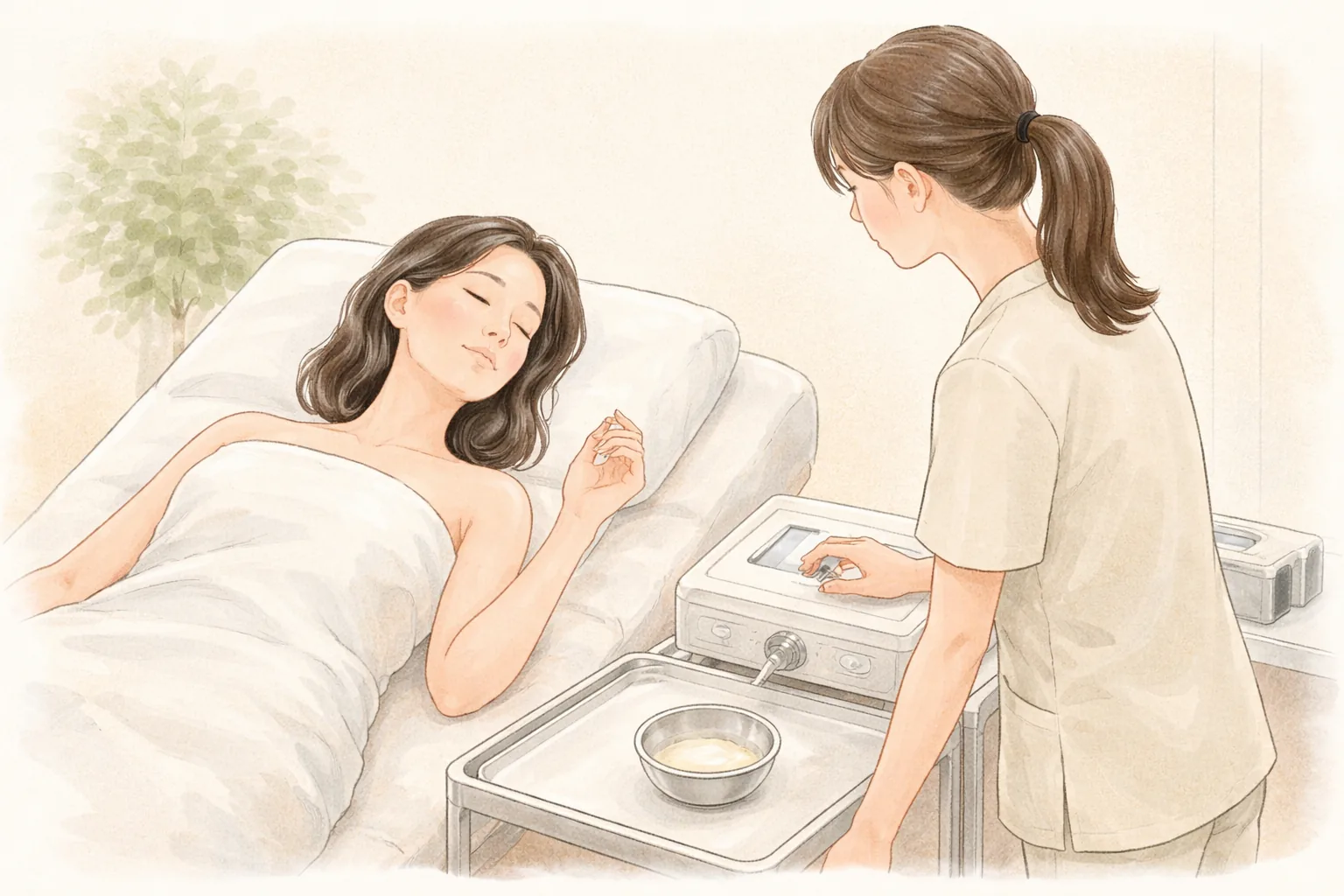
The anesthesia method depends on the type and scope of the treatment, so it is explained at the consultation. AAD materials explain that with non-invasive lifting, there may be discomfort during the procedure but it usually stays at that level, and no holes or incisions are left in the skin afterward. Minimally invasive methods, in which a thin tube or needle is inserted into the skin to deliver heat, are performed under sedation (a near-sleep state of calm) and require a recovery period of a few days. Even under the same name of "lifting," these two start from different places in pain management.
Adjustments during the treatment also affect pain. Fine-tuning the intensity at the treatment site, how anesthesia is managed, and the details of changing the strength while watching the skin's response during the procedure are areas that cannot be covered by a manual alone. The ATTITUDE Clinic column points to exactly this as the third factor that separates results. The surest way to reduce pain is not to endure it but to speak up in advance. If you say you are sensitive to pain, adjustments such as starting at a lower energy level or dividing the intensity by area are possible.
What should you look at when choosing a less painful lifting treatment?
Choosing a less painful treatment is different from choosing a weaker treatment. Even if you pick the option that feels lighter, the results are decided by how the heat is distributed across which layers. At ATTITUDE Clinic, after examining your skin, we guide you individually on the appropriate energy level and the timing of your next visit. Even with the same analysis record, which device to use first, how strong to go, and whether to combine other treatments depend on the person's concerns, their schedule for recovery, and how sensitive their skin is.
So there are three things to confirm at the consultation. Whether the intensity can be divided by area, how the anesthesia will be prepared, and when the repeat session should be. Repeat timing varies a lot between individuals, so the doctor decides around 1 year after watching your progress. Frequent repeats do not pile up pain, and one strong session does not make the results last longer, so the interval itself is part of the plan.
If this sounds like you
When an event or shoot is coming up
Non-invasive lifting usually leaves only temporary redness and swelling, and makeup can often be applied right away. Still, fine redness and a mild warmth from the heat stimulus can linger for a day or two, so it is more comfortable to schedule important events at least a few days away from the treatment date.
When you are unusually sensitive to pain
There is no reason to start at maximum energy from the beginning. You can proceed by starting at a lower setting, watching the response, and adjusting, so it is good to discuss anesthesia options and energy level adjustments at the consultation. If you feel uncomfortable during the treatment, it is better to say so right there.
Sensitive skin that flushes easily
Even with the same energy, how much redness and warmth remain differs from person to person. For a day or two right after the treatment, the skin barrier is temporarily weakened, and sun protection during this window is the condition for recovering without pigmentation.
International visitors on a short stay
Most people can return to daily life, including makeup, from the next day, but how much redness remains varies between individuals. If your return flight is fixed, leave some buffer between the treatment date and your departure date, and it is good to settle at the consultation when progress can be checked.
Please tell us before your consultation: how much sun exposure you have had recently (outdoor activities, vacation plans), medications you are taking and skin products you are using, your history of previous treatments (device, shot count or dosage, date, and how you reacted at the time), and any important commitments you cannot avoid. Telling us whether you tend to be sensitive to pain will also help set the intensity and anesthesia method.
How ATTITUDE Clinic proceeds
AI skin analysis record — Your skin condition is recorded and organized so that you and the doctor look at the same information together. The analysis tool is a reference for recording and organizing information and does not make a medical diagnosis; interpretation and judgment are made by the doctor.
Doctor consultation — Your concerns, lifestyle habits, and previous treatment experience are added to the analysis record, and the treatment type, energy level, anesthesia method, and order of procedures are decided together. If you mention your pain sensitivity at this stage, it will be reflected in the plan.
Treatment performed directly by the doctor — The doctor carries out the agreed plan, adjusting the intensity and range during the treatment while watching your skin's response. This flow is meant to keep the plan set at the consultation and the actual treatment from drifting apart.
Recovery and progress check — We check the redness and swelling right after the treatment and set the timing of your next visit. Whether to repeat and when are decided by the doctor after watching your progress.
The lifting devices ATTITUDE Clinic works with on this topic are listed on the clinic's treatment guide. The HIFU line includes Ultherapy (Merz) and Shurink Universe (Classys); the radiofrequency line includes Thermage FLX (Solta) and XERF (Lutronic); Onda (DEKA) uses microwaves; and Titanium lifting uses a 3-wavelength laser. Prices are published per treatment unit, are the same on every language page, and VAT is separate.
Aftercare and side effects
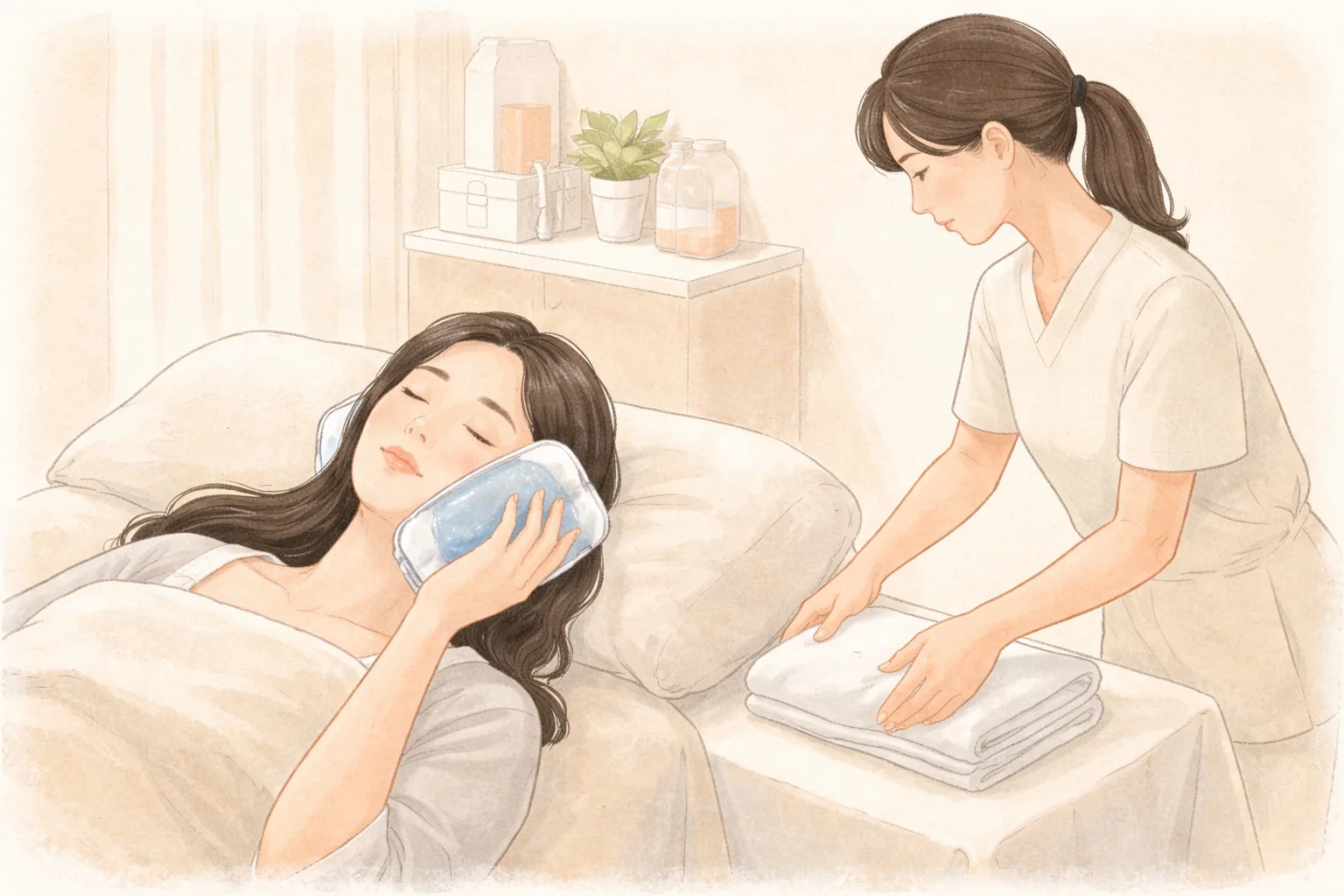
Calming — Right after the treatment, cooling the warmth and redness comes first. Cold compresses can help with swelling, and saunas, strenuous exercise, and alcohol should be avoided on the day.
Return to daily life — Most people can wash their face and apply makeup from the next day. With non-invasive methods, makeup can often be applied right away.
Sun protection — For a few days after the treatment, apply sunscreen more carefully than usual. The skin barrier is temporarily weakened during this period, which is necessary for recovering without pigmentation.
Progress check — Redness and mild warmth can linger for a day or two and usually fade on their own. When changes appear differs by treatment, so the next plan is set after watching your progress.
Common side effects include redness, swelling, tenderness when pressing along the jawline, small bruises, and temporary numbness and reduced sensation. They usually settle within a few days but can last longer. Rarely, burns, blisters, small scars, temporary facial muscle weakness, and unwanted fat-layer volume loss can occur, which is why precisely setting the energy level and treatment depth matters. If something unexpected happens, such as blisters or pain that keeps getting worse, do not wait and get it checked right away.
Frequently asked questions
Is there a way to reduce pain during a lifting treatment?
Adjustments to reduce pain happen in two places: before and during the treatment. Before the treatment, the anesthesia method is decided and the starting energy level is agreed on at the consultation. During the treatment, the intensity and range can be changed while watching your skin's response, and distributing shots across areas rather than concentrating them in one spot is part of the adjustment as well. AAD guidance notes that discomfort from non-invasive treatments usually stays within the procedure and leaves only redness and swelling afterward. In the end, managing pain is closer to deciding in advance than to enduring it.
What do HIFU and RF actually feel like?
The HIFU line, Ultherapy and Shurink Universe, penetrates deep layers in an instant and is often described as deep and hot, while the RF line, Thermage FLX, warms broadly near the surface and is described as hot and lingering. These descriptions are only tendencies, though, and the sensation changes with the area and energy settings. The jawline, cheekbones, and eye area feel sensitive, while the cheeks feel relatively less so. If your experience differs from a friend who had the same device, it does not mean the treatment went wrong.
I have a low pain tolerance. Can I still get lifting done?
You can. Rather than using strong energy from the start, there is the option of starting at a lower setting and adjusting while watching your response, and there is also the choice of spacing out multiple treatments across sessions instead of doing them all in one day. Which line feels more comfortable depends on your skin thickness and the treatment area, so deciding at the consultation is more accurate. Pain sensitivity is nothing to be embarrassed about, so it helps to mention it at the start of the consultation.
Can I apply makeup and return to daily life right after the treatment?
With non-invasive lifting, makeup can often be applied right after the treatment, and the procedure usually takes under 1 hour. Even if redness and swelling remain, they are temporary changes in most cases, and at ATTITUDE Clinic's standard as well, daily life including makeup is possible from the next day. Still, saunas, strenuous exercise, and alcohol should be avoided on the day, and paying attention to sun protection for a few days is better for recovery.
To choose a less painful lifting treatment, what should I check at the clinic?
Check whether the practitioner can adjust the intensity by area and change the strength during the treatment based on your response, and whether the consultation gives specific guidance on the energy level, anesthesia method, and repeat timing. Knowing whether your skin condition is recorded and reviewed together and whether your previous treatment history is examined also helps your judgment. Whether prices are published per treatment unit is another comparison point. The degree of pain and the results depend on your skin condition and settings, so a process of confirming a plan suited to you at the consultation is necessary.
At a glance
Table 2 At a glance
Item
Key point
What decides pain
Energy level, shot count, nerve density by area
Sensitive areas
Places close to bone with dense nerves, like the jawline, cheekbones, forehead, and eye area
Character of pain
HIFU feels deep and hot; RF feels hot and lingering
Anesthesia
Varies with the type and scope of treatment; explained at the consultation
Common changes after treatment
Redness, swelling, tenderness, small bruises, temporary numbness
Repeat timing
Varies widely between individuals; decided around 1 year after watching progress
This article offers general health information. It is not a substitute for diagnosis or treatment based on your own condition, so please talk through your situation with a doctor.