Titanium Lifting Combinations: How Sequence and Spacing Are Decided
When having Titanium lifting alongside Ultherapy, Thermage, or injectables, here is what determines the combination, sequence, and spacing.
Written by ATTITUDE Clinic Editorial Team
Once you start looking into Titanium lifting, the next question tends to follow naturally: "Can I just do this one, or would it be better to add Ultherapy, Thermage, or a skin booster at the same time?" It seems like doing several at once saves time and stacks up more results. But what often decides the outcome is not how many treatments you had, but in what sequence and with how much spacing you had them.
The conclusion first
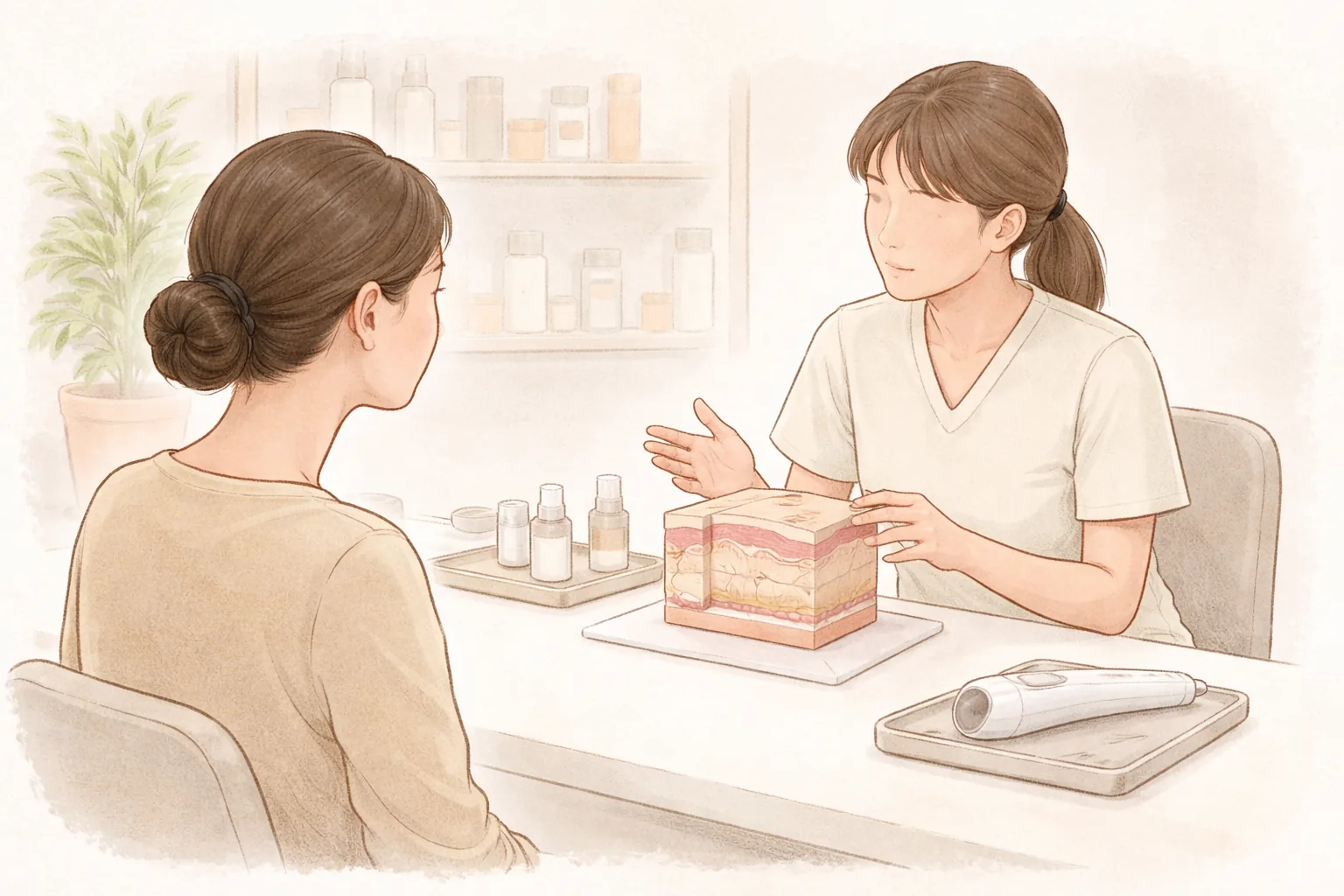
Titanium lifting can be done alongside other treatments. Whether to do them all on the same day or split them over days to weeks depends on your skin condition and the intensity of the stimulation each treatment leaves behind. An ATTITUDE Clinic column explains that deep layers are sometimes addressed with Ultherapy or Shurink Universe (HIFU) while shallow, broad layers are addressed with Thermage, and the two are used together. The combination, sequence, and intensity are decided by the doctor, who reviews the recorded skin data together with an examination. Before deciding the sequence, the first thing to decide is what your skin needs right now.
What is Titanium lifting, and why does combining come up?
In the ATTITUDE Clinic treatment guide, Titanium is introduced as a lifting treatment using a 3-wavelength laser. It is divided into face and body, there are options with different delivery methods such as hyper mode, and the energy amount is expressed in units of 10kJ. kJ (kilojoule) is a unit for counting the amount of energy used in a treatment; even with the same device, the stimulation your skin receives varies depending on what intensity is used over what area.
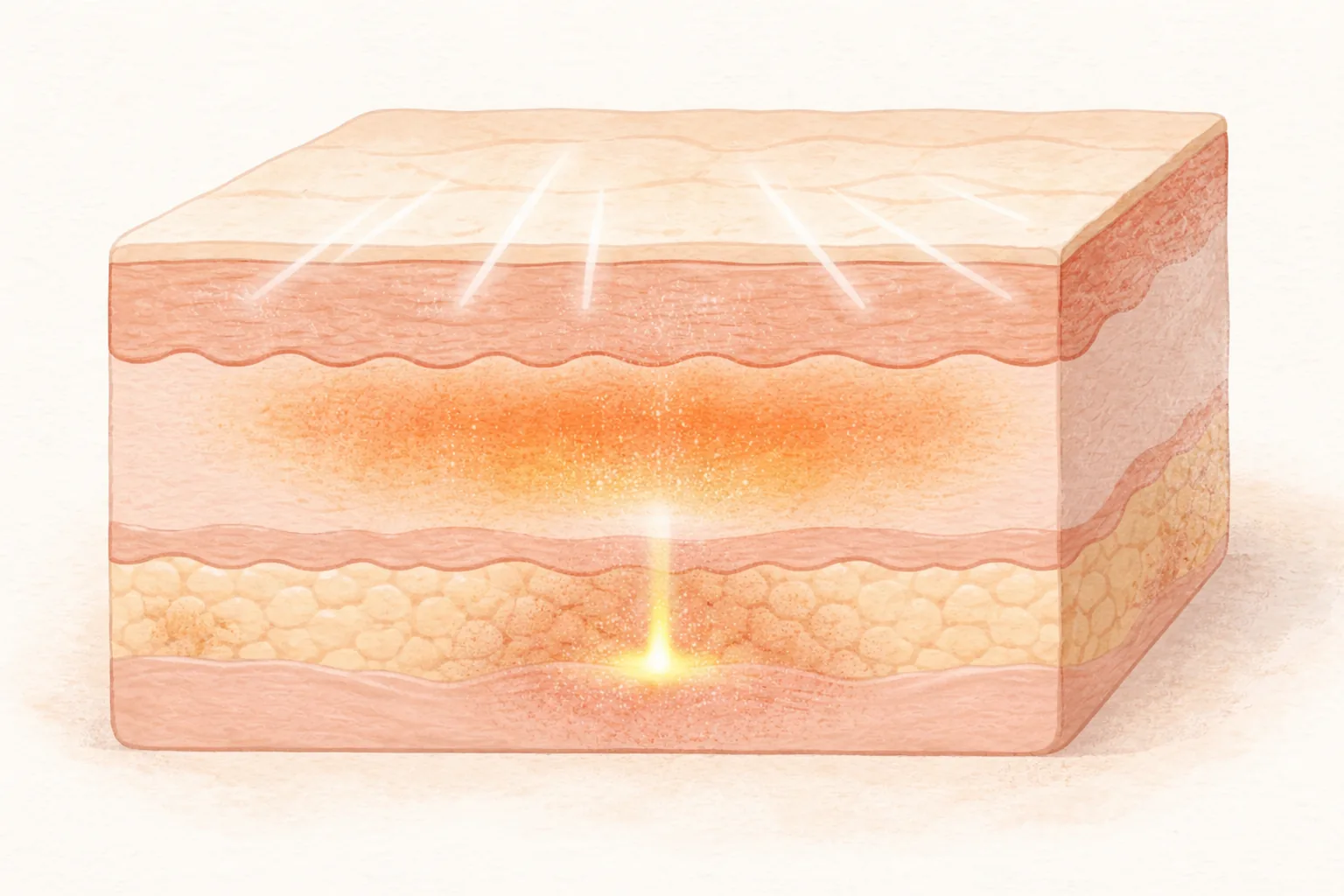
The treatments grouped under the name "lifting" actually differ in how they create heat inside the skin. High-intensity focused ultrasound (HIFU, a method that focuses ultrasound at a single point to create small heat spots in deep layers) targets a set depth from the dermis to the SMAS layer, while radiofrequency (RF, a method where electrical energy passes through tissue and turns into heat) heats broadly from the dermis to the subcutaneous fat. Laser-based treatments that use light also sit on this map.
When the layers addressed are different, there is less overlap and more room for combination. That is why combining is discussed, filling in layers that one treatment cannot reach with another. American Academy of Dermatology information guiding that there are multiple ways to firm skin without surgery is in the same vein. But the fact that there are multiple methods does not mean they can be layered any which way. Stimulating the same layer strongly twice on the same day can prolong recovery.
What determines the sequence?
The first thing looked at when deciding the sequence is which layer each treatment stimulates and how much. A treatment that heats a shallow layer broadly and a treatment that places points in a deep layer leave different shapes of stimulation behind, and the time it takes for that stimulation to settle also differs. After lifting-type treatments, redness and a feeling of heat may remain for 1–2 days, and the degree varies from person to person depending on the energy level, so when to layer the next treatment affects recovery speed.
Pain is also a variable. With lifting-type treatments, pain varies greatly depending on the energy level and the nerve density of each area. Even with the same treatment, areas close to bone with dense nerves feel more sensitive, while thicker areas feel less even at the same energy. Areas that felt strongly stimulated are adjusted in the next step by lowering the intensity or leaving a gap.
The second thing looked at is whether to do the treatments all at once or split them. An ATTITUDE Clinic column explains that even with the same combination, the recovery process and felt results can differ depending on whether it is done all at once or split up. If you receive the stimulation all at once, recovery can be bundled into one period, but the burden overlaps that much more; if you split it, you have to manage recovery twice, but you can check the response at each stage and adjust the next intensity.
The third is your record of previous treatments. Which device, how many shots, how many kJ, which product, how many cc, when, and how your skin responded at the time become the data for deciding the next sequence. If strong stimulation recently went into the same area, the plan may shift toward leaving a gap.
What combinations, in what sequence?
Table 1 What combinations, in what sequence?
Category
Main layer and range
What to check in the combination plan
Titanium lifting
Lifting using a 3-wavelength laser, face and body, range set in kJ units
Whether other heat treatments overlap in the same area, and up to what intensity the skin can handle
Ultherapy / Shurink Universe (HIFU)
Small heat spots at a set depth from dermis to SMAS layer
Whether to split deep and shallow layers, or bundle on the same day vs. leave a gap
Thermage (RF)
Broad heating from dermis to subcutaneous fat
Broad-area elasticity concerns and how fast redness and swelling settle
Botox, dermal filler, skin booster, etc.
Each injection has a different purpose and area
Bruising and swelling after injection, and the period to avoid pressure or massage
Swipe sideways to see the whole table.
In summary, the criterion for deciding a combination is not how many treatments you had, but what stimulation is already left in which layer. If the layers do not overlap, there is room to combine; if they do, spacing is needed. This judgment is made by looking at the skin during a consultation, and there is no pre-set sequence chart.
Same day, or with a gap?
The reason to choose bundling on the same day is to finish recovery in one period. This is a point often considered by people with tight schedules or not much time to recover. On the other hand, if there are areas where stimulation overlaps, redness and swelling may last longer than usual, so the plan is designed by dividing the areas.
Conversely, leaving a gap is a way of checking the changes each treatment made before moving to the next step. Lifting-type treatments tend to show collagen remodeling progressing over time rather than right after the procedure, so the repeat timing is decided by the doctor after observing progress at around 1 year. How often to receive it depends on the skin's recovery capacity, lifestyle habits, and how the treatment intensity was set.
There is one practically useful criterion for setting spacing: counting backward from a target date. If there is a fixed date such as a wedding or a photoshoot, redness and swelling need to settle before then, so combinations with strong stimulation are placed further ahead and the last 1–2 weeks are left empty for recovery.
What to check when combining with injectables
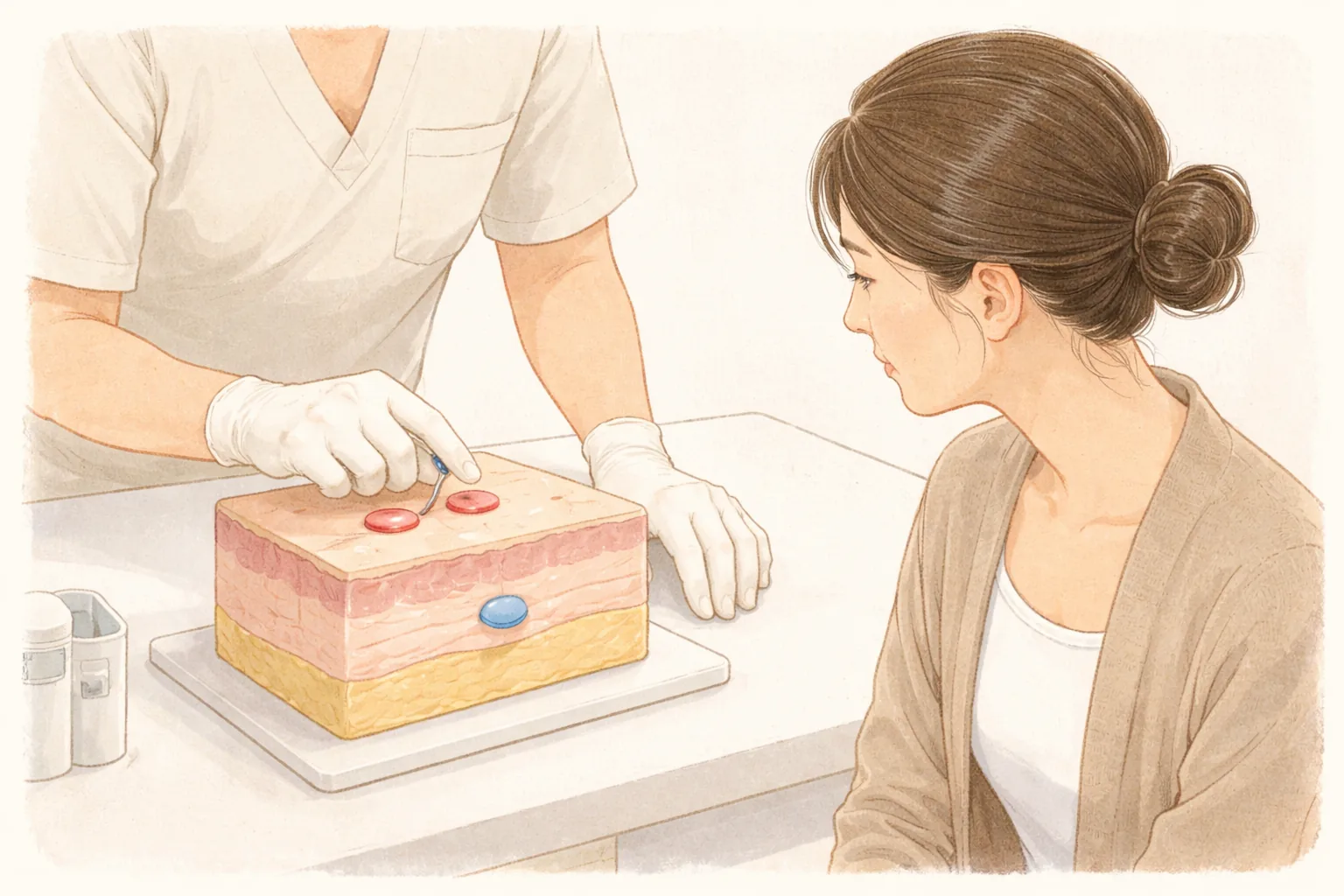
Injectable treatments such as Botox, dermal filler, and skin boosters work differently from heat-based lifting. Injections place a substance in a specific layer, while lifting leaves heat in the tissue. Because the methods differ, some combinations can be done on the same day, but there are items to check.
After injections, bruising or swelling may occur, and depending on the area, pressure or massage should be avoided for a certain period. Conversely, after lifting, heat and redness remain. If the two overlap in the same area, it becomes hard to tell which caused what, so the consultation decides which area gets what first. Which sequence is right depends on the injectable product, the area, and the amount, so please check in a consultation.
If this applies to you
When a wedding or photoshoot is a few weeks away
If the date is fixed, calculate the recovery period first. Place combinations with overlapping stimulation far enough ahead of the date, and it is better not to add new treatments in the final week. Whether the sequence needs to change is also decided by this calculation.
When you want to manage steadily
Rather than bundling several treatments at once, alternating treatments that target different layers suits steady management well. Even in this case, the spacing between each treatment and the timing of the next visit are decided by observing progress, so it is better to set the overall plan at the first consultation.
Sensitive or easily reddened skin
If your skin stays red for a long time even with the same energy, a plan that overlaps several stimuli on the same day becomes a burden. The adjustment is to lower the intensity and split the treatments, or to move to the next step after recovery is confirmed. Whether the skin is thin and whether you have had other treatments recently are also reviewed.
International visitors on a short stay
If your stay is short, recovery time is limited. A realistic approach is to divide the areas to fit your schedule and receive guidance in advance on what to check after returning home. Considering the time until your next visit, you decide which treatment to do now and which to postpone.
Please tell us before your consultation — recent UV exposure (travel, outdoor activities), medications you are taking and products you apply to the skin (such as retinoids or acids), records of previous treatments (device, number of shots, kJ, product, volume, date, and how your skin responded), unavoidable dates such as weddings or photoshoots, pregnancy and breastfeeding status, allergies or past abnormal reactions after treatments. The list of questions to ask compiled by the American Academy of Dermatology also covers preparation, aftercare, recovery period, and expected results.
How ATTITUDE Clinic proceeds
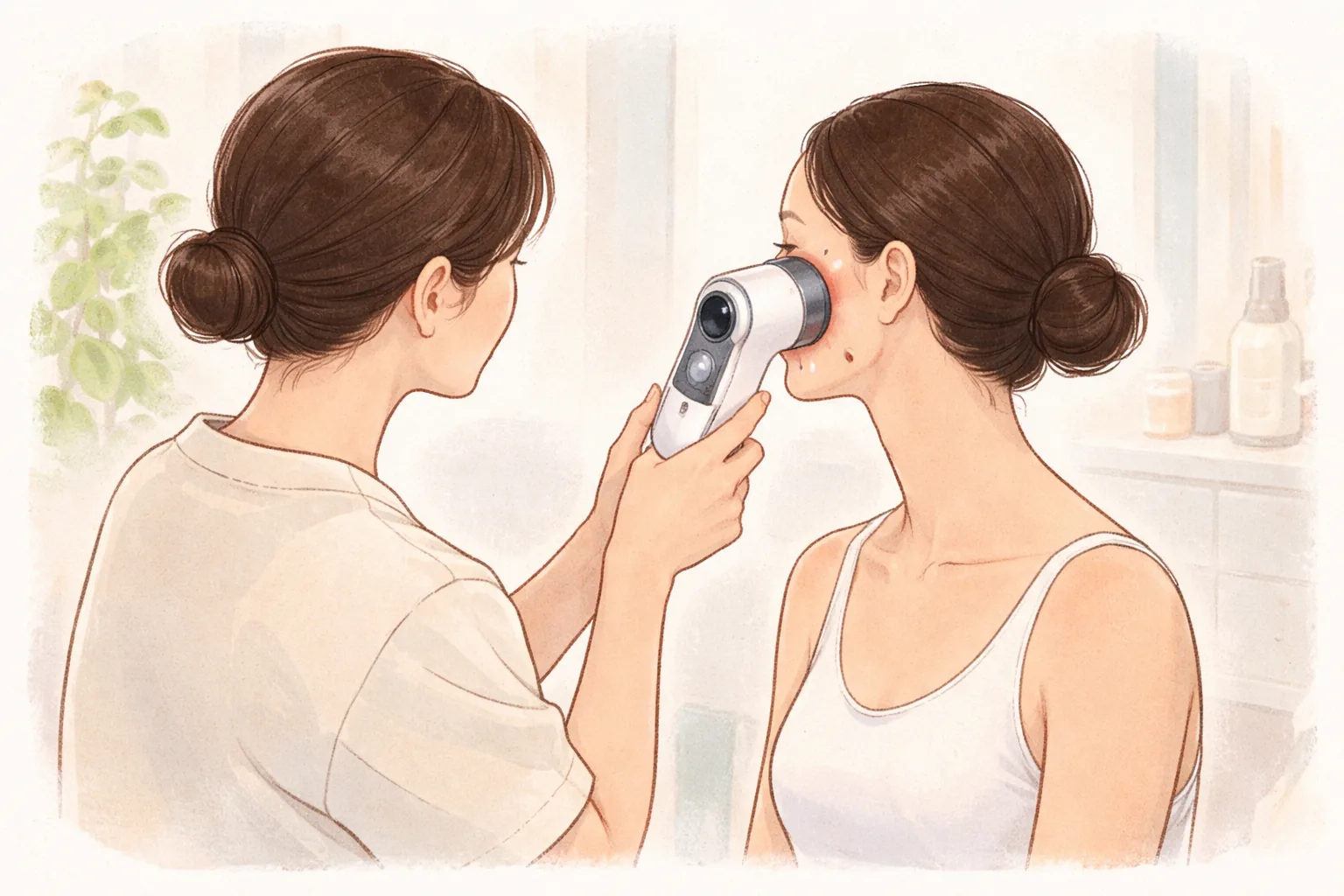
AI skin analysis record — Your skin condition is recorded and organized so you and the doctor look at the same information. The analysis tool only records and organizes information and does not make a medical diagnosis; the judgment is made by the doctor.
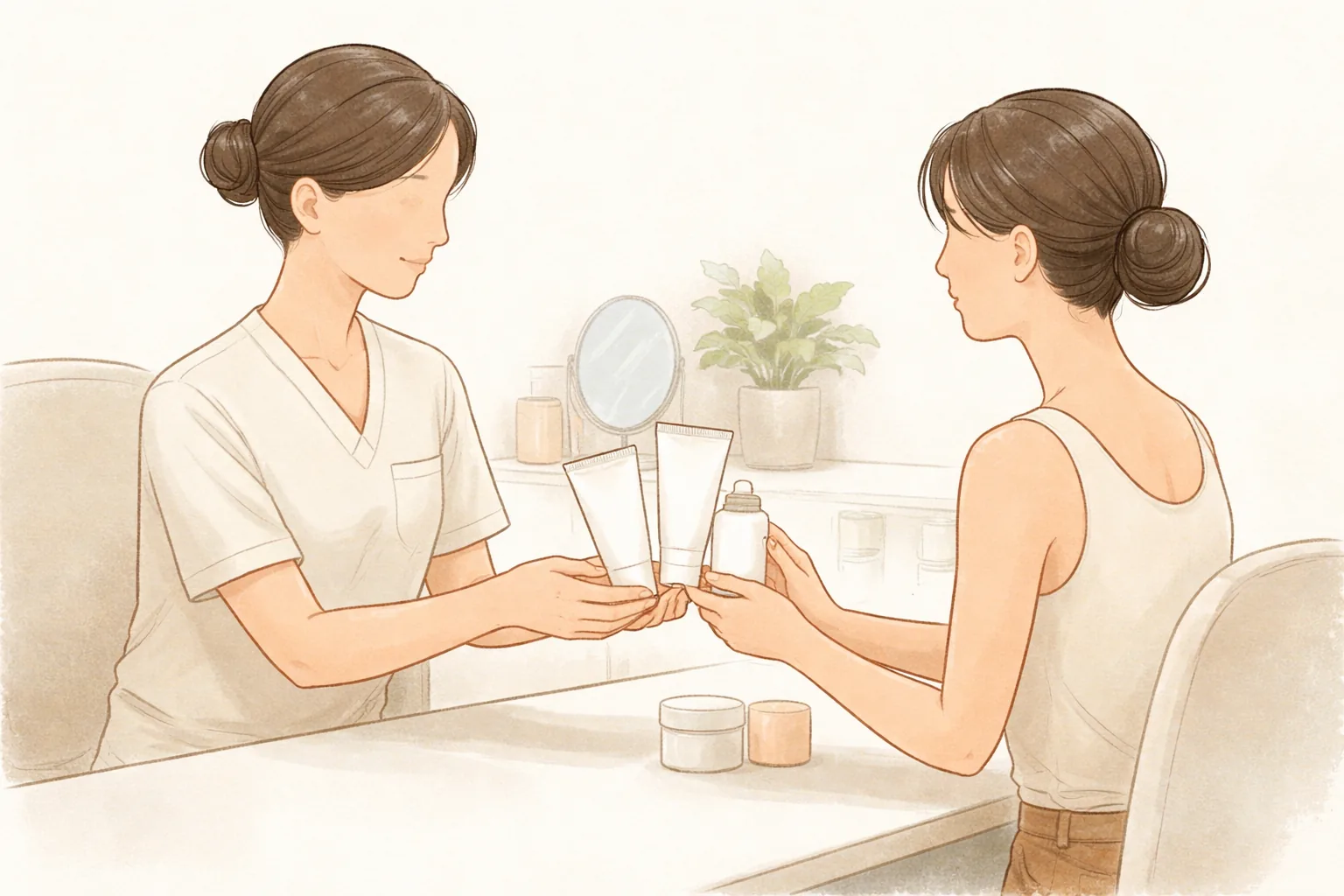
Doctor consultation — Your concerns, lifestyle habits, and previous treatment experience are added to the analysis record to decide together what is needed and what is not, and which combination to use in what sequence and intensity.
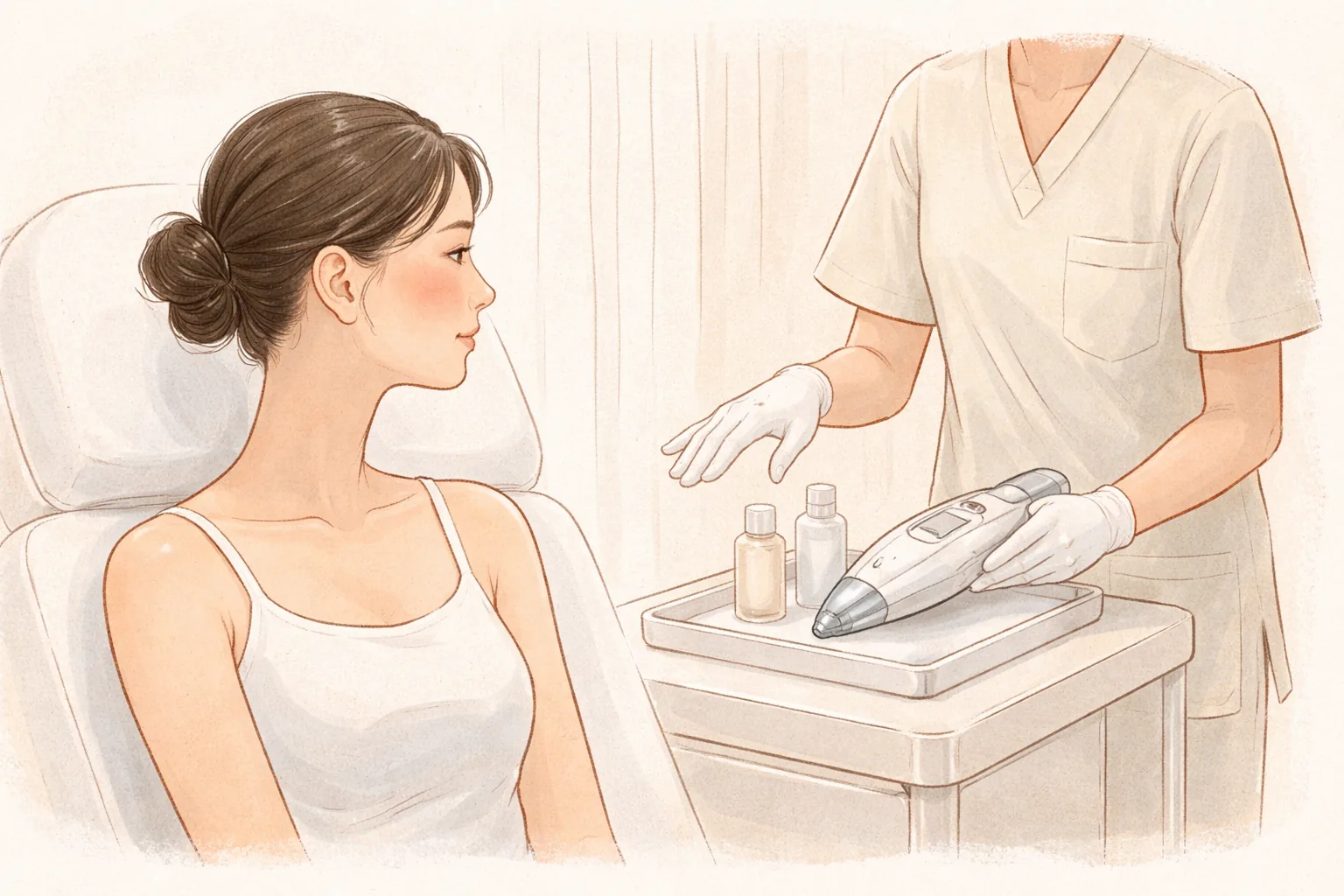
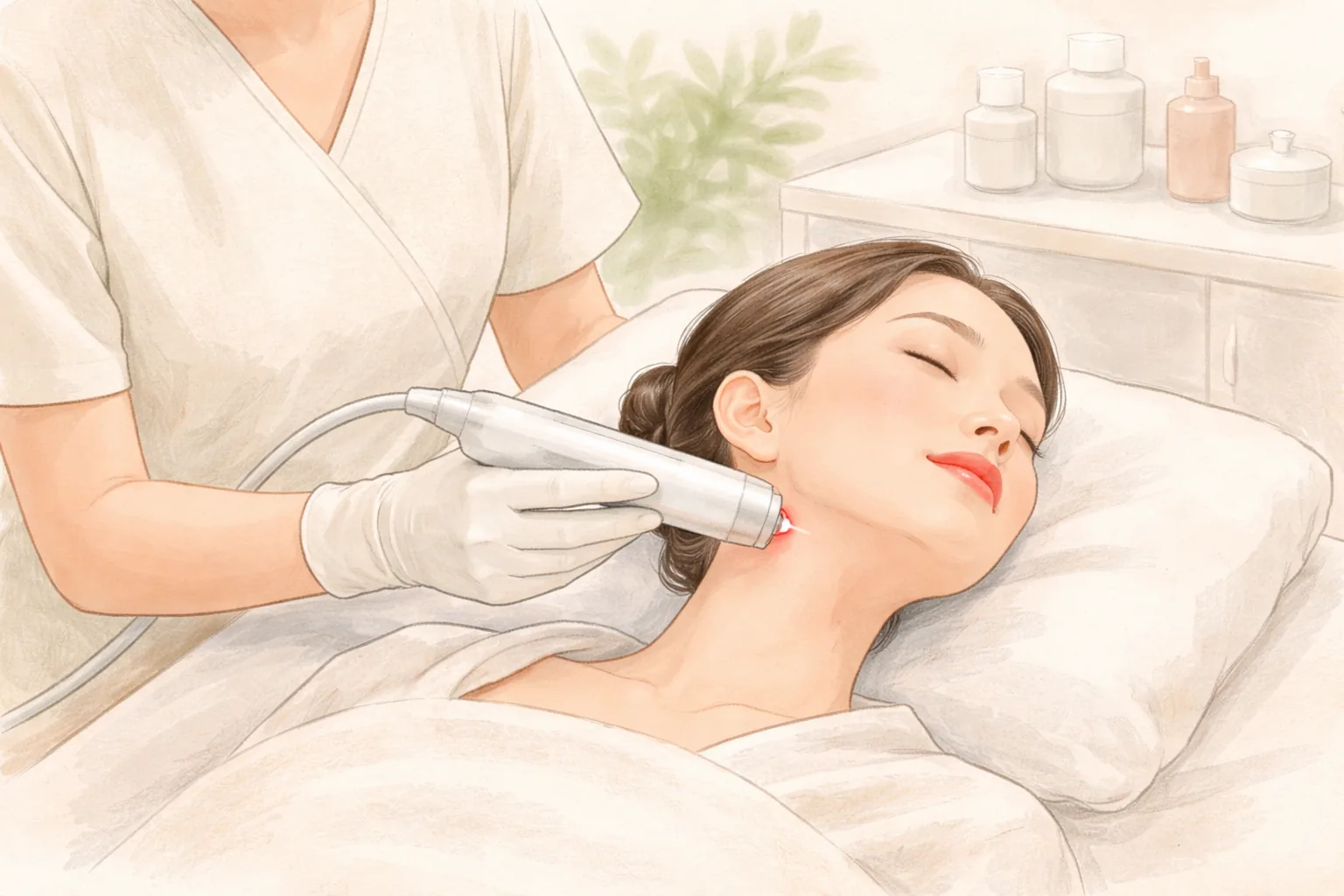
Treatment performed directly by the doctor — The doctor performs the treatment directly according to the plan set in the consultation, adjusting intensity while observing skin reactions during the procedure. This flow is meant to keep the design and the execution aligned.
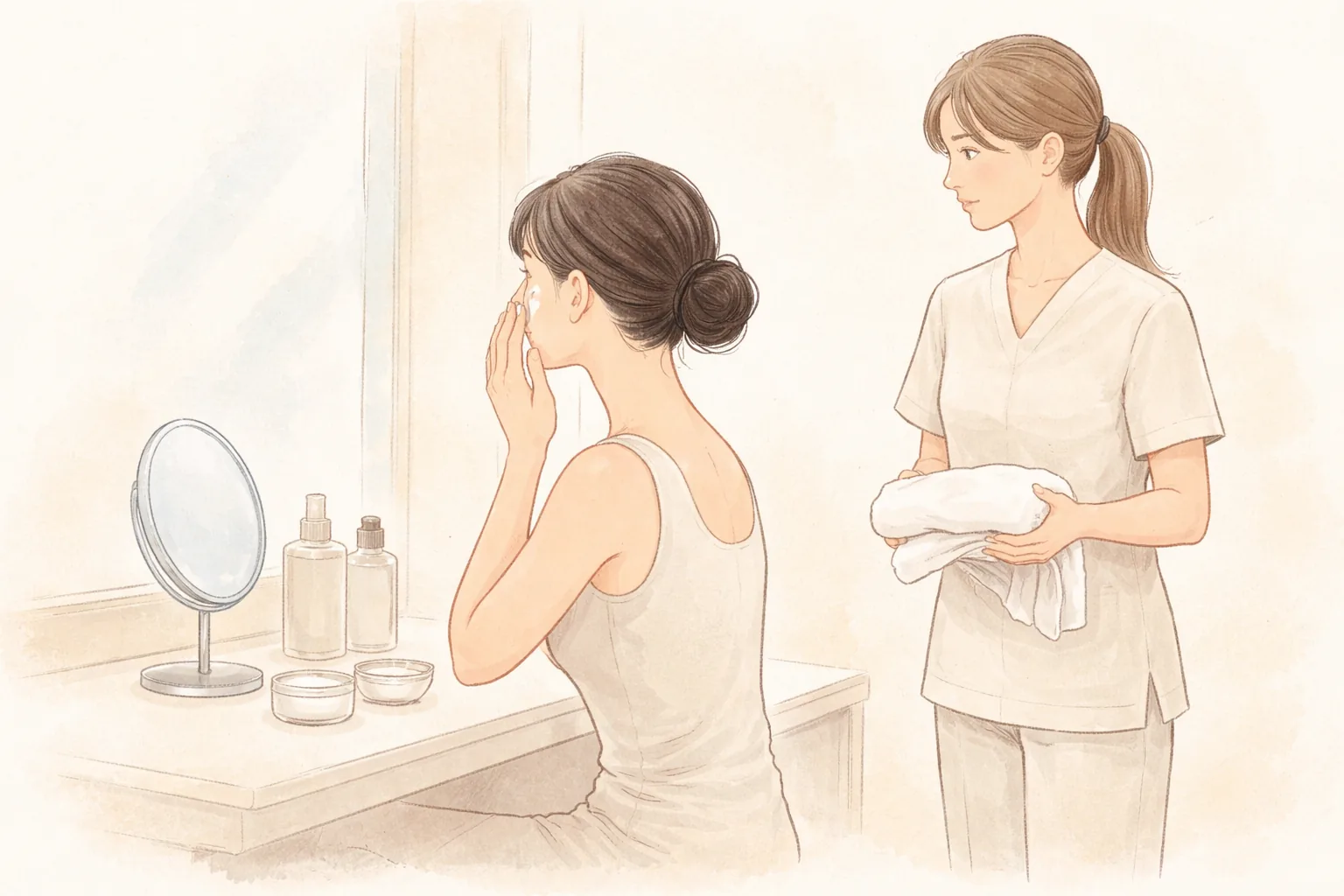
Recovery and aftercare — You are guided on the course of redness and swelling after the treatment and the timing of your next visit. Items to continue at home, such as sun protection and moisturizing, are also organized at this stage.
The devices ATTITUDE Clinic covers for this topic are Titanium lifting using a 3-wavelength laser (face and body, including hyper mode), Ultherapy and Shurink Universe (HIFU) using ultrasound, Thermage and XERF (monopolar RF) using radiofrequency, and Onda using microwaves. Treatment prices are disclosed by unit, and the same amount is provided on pages in any language.
Aftercare and side effects
Soothing — Heat remains right after the treatment, so soothe the skin with cold compresses. Check the method with the medical staff, and avoid saunas, strenuous exercise, and alcohol on the day.
Moisturizing — The skin barrier is temporarily weakened, so sufficient moisturizing helps recovery.
Sun protection — Apply more carefully than usual for a few days. UV exposure during this period can lead to hyperpigmentation.
Checking progress — Check how fast redness and swelling settle and the timing of your next visit. Most people can wear makeup and return to daily life from the next day.
Common reactions are redness, swelling, tenderness when pressed, small bruises, and temporary numbness or reduced sensation. They usually settle within a few days but may last longer. Rarely, burns or blisters, small scars, temporary facial muscle weakness, and unwanted volume loss in the fat layer can occur, and after laser or injectable treatments, pigment changes making the skin temporarily darker or lighter can also appear.
If there are changes different from what was expected, such as blisters or pain that keeps getting worse, do not wait and seek medical attention. Even if recovery feels slow, it is safer to check your progress and then decide the timing rather than moving the next treatment earlier on your own.
Frequently asked questions
Can I have Titanium lifting and Ultherapy or Thermage on the same day?
It is a possible combination, but whether to bundle them on the same day or leave a gap depends on your skin condition. Because it is a method of splitting deep and shallow layers, designing so the layers do not overlap creates room to combine them. However, if stimulation overlaps within 1 day, recovery can be prolonged, so at ATTITUDE Clinic the overall treatment plan is set first and then the sequence is decided.
Does changing the treatment sequence change the results?
More than which treatment goes first, what affects the results is what stimulation is left in which layer when the next treatment is layered on. Even with the same combination, the recovery process and felt results can differ depending on whether it is done all at once or split up. The sequence and intensity are decided by looking at the analysis record and examination together. In practice, after the first treatment you check how fast redness settles and how the skin responds, and then adjust the intensity of the next step. So if there is a fixed date such as a wedding or photoshoot, it is safer to count backward from that date and set the sequence. Rather than setting the sequence in advance, adjusting it based on recovery speed ends up being less taxing.
How much spacing should I leave?
For lifting-type treatments, the repeat timing is often decided by observing progress at around 1 year. The maintenance period varies with the degree of SMAS layer elasticity loss, age, UV exposure and lifestyle habits, and the treatment intensity setting. The spacing when splitting multiple treatments is also set to match the speed at which the skin recovers, so it is common to build a personalized plan at the first consultation.
Can I have it with Botox or a skin booster?
Injectable treatments work differently from heat-based lifting, so there is room to combine them. After injections, bruising, swelling, and a period of avoiding pressure or massage depending on the area occur, while after lifting, heat and redness remain. If the two reactions overlap in the same area, it becomes hard to tell the cause apart, so the consultation decides which area gets what first.
What should I look at when choosing a clinic?
The basics are the practitioner's qualifications and experience with this treatment, and how much they have handled your skin tone and age group. The list the American Academy of Dermatology recommends checking in a consultation includes expected results and risks, treatment time and the number of sessions needed, recovery period, preparation and aftercare, and cost. ATTITUDE Clinic has the doctor personally handle everything from consultation to treatment, discloses treatment prices by unit, and guides on the principle that the analysis record does not press you to undergo treatment.
At a glance
Table 2 At a glance
Item
Key point
Possibility of combination
Possible, and the combination, sequence, and intensity depend on your skin condition.
Criteria for the sequence
Which layer each treatment stimulates, and how long that stimulation takes to settle
Same day vs. gap
Same day bundles recovery into one period but overlaps stimulation; splitting lets you check the response at each stage.
Repeat timing
For lifting-type treatments, the doctor decides after observing progress at around 1 year.
This article offers general health information. It is not a substitute for diagnosis or treatment based on your own condition, so please talk through your situation with a doctor.